Every vocabulary journey starts with A — literally. These 42 5 letter german words starting with a are the learner’s A-list: nouns with their articles, verbs, adjectives, and adverbs, each exactly five letters, each with a real meaning and example. A-words are disproportionately useful: der Apfel, der Abend, die Angst are among the first words every German course teaches.
The list is organized by word type so you learn grammar with vocabulary: nouns first (with der/die/das — see our nouns with articles guide for the gender patterns), then verbs, then adjectives and adverbs. A word-games section at the end shows why A-words are opening-guess gold in German Wordle.
5 Letter German Words Starting with A: Nouns
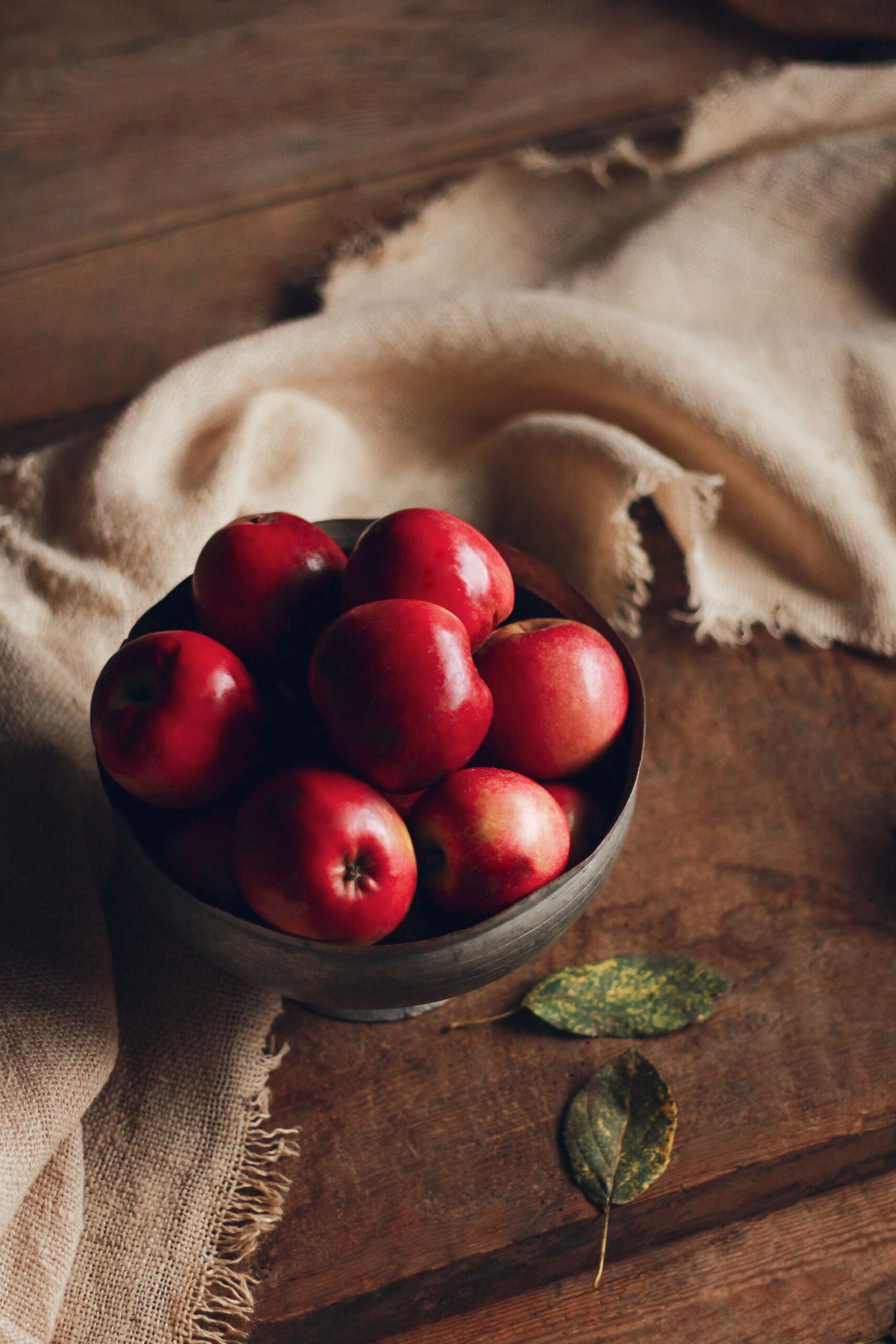
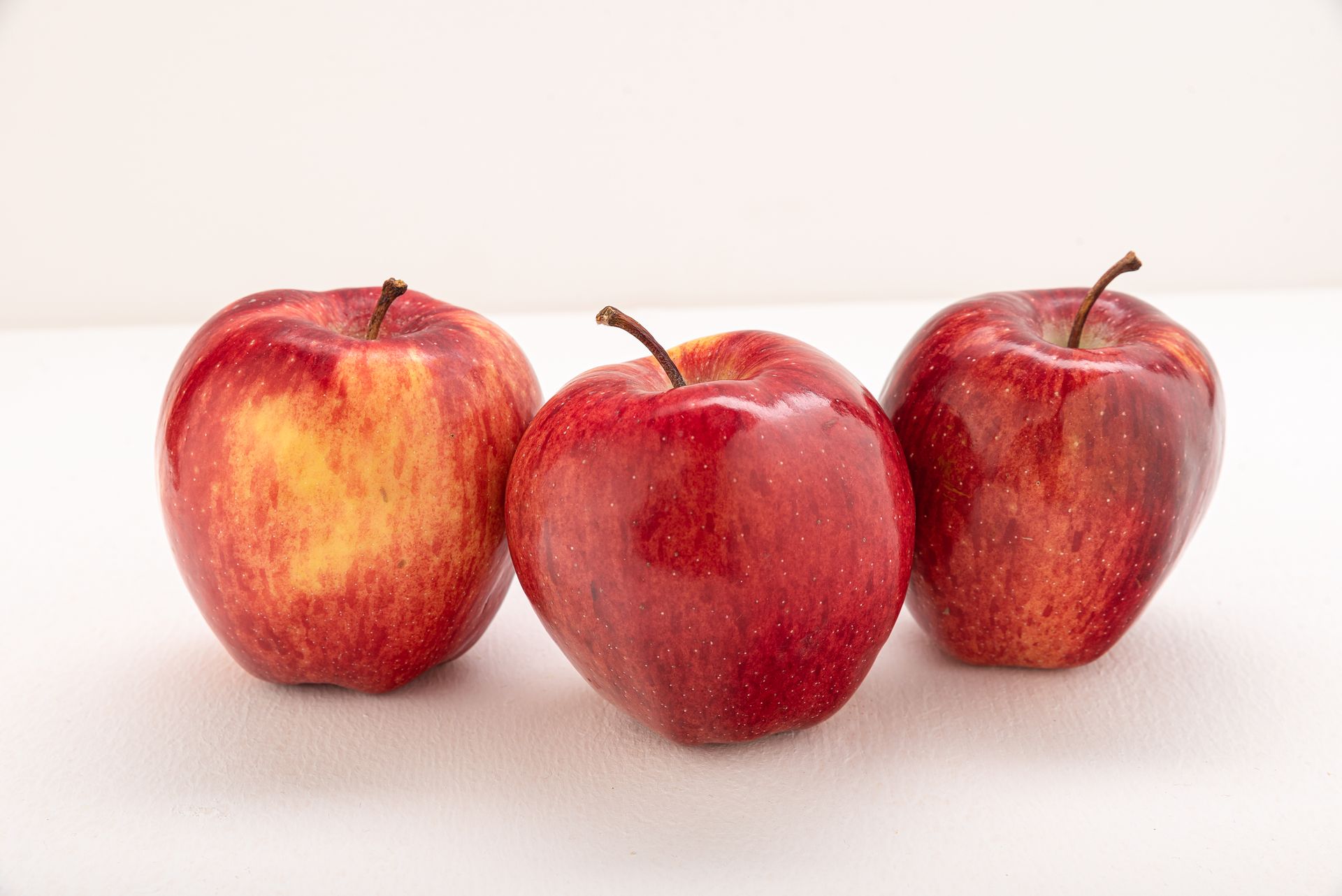
der Apfel (apple) — ein roter Apfel (a red apple). The classic first noun; masculine.
der Abend (evening) — am Abend (in the evening). Masculine like all times of day.
der Adler (eagle) — der Adler fliegt (the eagle flies). Germany’s heraldic bird; masculine.
die Ampel (traffic light) — die Ampel ist rot (the traffic light is red). Feminine; city essential.
der Anker (anchor) — den Anker werfen (to drop anchor). Masculine; also “lifeline” figuratively.
die Angst (fear) — Angst haben (to be afraid, literally “to have fear”). Feminine; one of German’s most expressive nouns.
der April (April) — im April (in April). All months are masculine.
der Ahorn (maple) — ein Ahornblatt (a maple leaf — Ahornblatt is ten). Masculine tree name.
die Aktie (share, stock) — Aktien kaufen (to buy shares). Feminine; business vocabulary.
der Alarm (alarm) — Alarm schlagen (to raise the alarm). Masculine; international word.
die Allee (avenue) — eine Allee entlang (along an avenue). Feminine; tree-lined streets.
der Altar (altar) — vor dem Altar (before the altar). Masculine; church vocabulary.
das Alter (age) — im Alter von (at the age of). Neuter; life’s measure.
der Anzug (suit) — einen Anzug tragen (to wear a suit). Masculine; formal wear.
der Ärger (anger, trouble) — Ärger bekommen (to get into trouble). Masculine; note the umlaut Ä.
die Arena (arena) — eine volle Arena (a full arena). Feminine; sports and concerts.
die Abtei (abbey) — eine alte Abtei (an old abbey). Feminine; history vocabulary.
die Achse (axle, axis) — die Achse dreht sich (the axle turns). Feminine; also a Scrabble star.
der Acker (field) — den Acker bestellen (to till the field). Masculine; farming word.
die Agave (agave) — eine blühende Agave (a flowering agave). Feminine; the desert plant.
das Album (album) — ein neues Album (a new album). Neuter; music and photos.
die Angel (fishing rod) — mit der Angel (with the fishing rod). Feminine; also “hinge” — same word, two meanings.
die Aroma (aroma) — das Aroma des Kaffees (the aroma of coffee). Feminine; sensory vocabulary.
die Arche (ark) — die Arche Noah (Noah’s Ark). Feminine; biblical and idiomatic (aus der Arche is old-fashioned).
der Asiat (Asian person) — masculine; die Asiatin is the feminine form. People nouns.
die Aster (aster) — Herbstastern (autumn asters). Feminine flower name.
der Äther (ether) — im Äther (on the air — radio idiom). Masculine; science and broadcasting.
der Autor (author) — ein bekannter Autor (a well-known author). Masculine; die Autorin is feminine.
das Alibi (alibi) — ein wasserdichtes Alibi (a watertight alibi). Neuter; crime vocabulary.
die Apsis (apse) — die Apsis der Kirche (the church’s apse). Feminine; architecture term.
die Armut (poverty) — in Armut leben (to live in poverty). Feminine; -mut nouns are feminine (die Wehmut, die Großmut is seven).
die Amsel (blackbird) — die Amsel singt (the blackbird sings). Feminine bird name.
The 10 A-Words You Need First
If 42 feels like a lot, these ten cover the situations beginners meet first: der Apfel (food), der Abend (time), die Angst (feelings), die Ampel (city), der Anker (travel), atmen (body), aktiv (describing people), der Alarm (safety), das Alter (introductions — im Alter von), die Arena (leisure). Learn these ten with articles, example sentences, and pronunciation this week; the remaining 32 are next week’s work. Ten words truly owned beats forty-two half-remembered.
Common A-Word Mistakes
anbei vs. dabei. anbei means “enclosed” (formal letters: anbei erhalten Sie…). dabei (five letters, D-word) means “with it/along”. Learners swap them — don’t: anbei only ever means “attached/enclosed”.
adlig vs. adelig. Both spellings are correct (adlig is the modern short form). Pick one and stay consistent; adlig matches this list’s five-letter constraint.
allzu spelling. The doubled L in allzu (allzu oft) trips learners who write alzu. Mnemonic: all (all) + zu (too) = allzu.
die Angel’s double meaning. die Angel is both “fishing rod” and “door hinge”. Context decides: mit der Angel fischen (fishing) vs. die Angel der Tür (the door’s hinge). German loves one word, two jobs.
der Ärger’s umlaut. Ärger with Ä, not A. And it takes no article in idioms: Ärger bekommen (to get into trouble), sich ärgern (to get annoyed — the verb, six letters). The umlaut is the word’s identity — drop it and Germans hear a different word.
5 Letter German Words Starting with A: Verbs
atmen (to breathe) — tief atmen (to breathe deeply). ich atme, du atmest, er atmet. The calm verb.
ahnen (to suspect, to sense) — ich ahnte nichts (I suspected nothing). ich ahne, du ahnst, er ahnt. Subtle and literary.
adeln (to ennoble) — zum Ritter adeln (to knight someone). ich adle, du adelst, er adelt. Historical vocabulary from adlig (noble) below.
5 Letter German Words Starting with A: Adjectives & Adverbs
adlig (noble) — adlige Familie (noble family). Old spelling adelig; both correct.
aktiv (active) — ein aktiver Mensch (an active person). The everyday positive.
alpin (alpine) — alpines Gelände (alpine terrain). Mountain vocabulary.
affig (silly, affected) — affiges Benehmen (silly behavior). From der Affe (ape, six) — “ape-like” became “silly”.
affin (affine) — affine Transformation (affine transformation). Math term; niche but real.
allzu (all too) — allzu oft (all too often). Adverb; the doubled L is the spelling to watch.
anbei (enclosed) — anbei erhalten Sie (enclosed you will find). Formal letter adverb.
Pronouncing the German A
The letter A is refreshingly consistent in German — always the open “ah” sound, never the English variations:
- Short a (before double consonants): der Apfel (AH-pfel), die Angst (AH-ngst), der Anker.
- Long a (before single consonants): der Abend (AH-bent), der Adler (AH-dler), die Aroma.
- Ä is a different sound: der Ärger (AIR-ger), der Äther (EH-ter) — the e-like umlaut, not “ah”.
English speakers’ main error is diphthongizing: Abend is “AH-bent”, not “AY-bend”. Keep the A pure and open — one sound, every time. For the full system, see our pronunciation guide.
A-Words by Theme
Nature: der Adler, der Ahorn, die Agave, die Aster, die Amsel, der Acker. Six nature words — a walk’s worth of vocabulary.
City: die Ampel, die Allee, die Arena, die Abtei, die Apsis. Urban exploration in five letters.
Feelings: die Angst, der Ärger, die Armut. The emotional trio — fear, anger, poverty; heavy but essential.
Time: der Abend, der April, das Alter. Evening, April, age — the A-words measure time.
Learn them themed and they stick: picture an Adler over an Acker, an Ampel on an Allee, Angst before an Alarm.
From A to Z: The Letter-Based Study Plan
This A-list is one twelfth of a complete method: learn vocabulary letter by letter. The plan:
- Week 1–2: A-words (this list) + S-words. A and S are the highest-frequency German initials — together they cover a huge share of beginner vocabulary.
- Week 3–4: Add the 100 most common words regardless of letter — frequency beats alphabet for the core.
- Ongoing: themed sets — nouns with articles, verbs, adjectives, daily conversation.
- Play: test every set in German Wordle — five-letter words are the game’s native format.
Letter-based learning works because it gives the brain a filing system: when you need a word starting with A, the A-drawer opens. Combined with themed and frequency-based study, it builds vocabulary that is organized and retrievable — not just memorized.
A-Words in German Word Games
A is the most common vowel in German — which makes A-words strategic gold:
- Wordle openings: Apfel, Abend, Adler, Ampel, Anker test the A plus high-frequency consonants (P, F, B, D, L, N, K, R). An A-word opener confirms or eliminates the language’s most common vowel on turn one. See Wordle strategies.
- Scrabble hooks: A-words pluralize easily (Äpfel is five with umlaut!, Abende, Ampeln), creating hook opportunities. Achse is a premium X-word in disguise (see Q/X/Z words).
- Beginner games: A-words dominate starter vocabulary, so A-themed rounds are the fairest beginner word games — everyone knows Apfel.
Key Takeaways
- These 42 5 letter german words starting with a (32 nouns, 3 verbs, 7 adjectives/adverbs) are the alphabet’s opening chapter — start vocabulary here.
- Noun genders: 13 der, 15 die, 3 das, plus der Ärger — practice the article patterns on this set.
- Pronunciation: A is always open “ah” — Abend is AH-bent, never AY-bend. Ä (Ärger, Äther) is a separate e-like sound.
- Themes beat lists: learn Adler/Ahorn/Amsel (nature) and Ampel/Allee/Arena (city) as pictures, not words.
- Continue with S-words or the 100 most common words.
Frequently Asked Questions
Why do so many German beginner words start with A?
They don’t, really — A just feels prominent because courses teach alphabetically and der Apfel is the universal first noun. German word frequency actually favors S, E, and D starts. But A-words are genuinely common: A is German’s most frequent vowel.
What is the difference between Angst and Ärger?
die Angst is fear/anxiety (inward, Angst haben = to be afraid); der Ärger is anger/trouble (outward, Ärger bekommen = to get into trouble). Both are essential emotional vocabulary; confuse them and you describe the wrong feeling entirely.
Is Ä treated as A in German word games?
In German Scrabble, Ä is its own tile (separate from A). In German Wordle versions, Ä usually must be typed as Ä or AE depending on the implementation — see our guide to handling umlauts in German Wordle. In alphabetical lists, Ä sorts with A.
How do I remember the articles for A-nouns?
Apply the gender rules: -e endings → die (die Ampel, die Aktie, die Allee, die Arena, die Abtei, die Aroma, die Arche, die Aster, die Amsel — nine of them!), male people → der (der Asiat, der Autor), months → der (der April). The nouns guide covers the full system.
What does “anbei” mean exactly?
“Enclosed” or “attached” — formal written German for things included with a letter or email: anbei sende ich Ihnen… (enclosed I am sending you…). Don’t confuse it with dabei (along/with it). anbei appears in business German constantly; learn it now and your first German cover letter is half-written.
Which A-words are most common in real German?
der Abend, die Angst, aktiv, der Apfel, der Alarm top the frequency lists. die Abtei, der Äther, affin, die Apsis are rare outside their niches — learn them for completeness and word games, but prioritize the top ten above for conversation.
Conclusion
These 42 5 letter german words starting with a are where German vocabulary begins: the apple and the evening, fear and anger, breathing and suspecting, active and alpine. Learn the nouns with their articles, pronounce the A as a pure open “ah”, group the words by theme, and the alphabet’s first letter becomes forty-two words you actually own. From here, the whole vocabulary opens up — continue with S-words, daily conversation words, or test yourself in German Wordle.