

German is famous for its endless compound words — nouns built by welding smaller words together into magnificent wholes. For crossword constructors, these long German compound words are structural gold: they fill the longest slots in the grid, anchor entire regions, and reward solvers who can decompose them. For solvers, they look intimidating but are often the easiest long answers — because each component is a clue to the whole.
This guide lists 25 long German compound words that appear in crosswords, from the legendary DONAUDAMPFSCHIFFFAHRT to everyday HAUPTBAHNHOF, each with its article, English meaning, component breakdown, and typical clue. Learn to read compounds as assemblies, not monoliths, and the longest slots become free.
Why German Compounds Are Crossword Gold
A crossword grid needs long answers to give it structure — the 10+ letter entries that span regions and create the puzzle’s skeleton. English constructors struggle to find them; German constructors are spoiled for choice. German’s agglutinative compounding means virtually any precise concept gets a single long word: the speed limit is not “speed limit” (two words) but GESCHWINDIGKEITSBEGRENZUNG (one 24-letter word) — a constructor’s dream and a solver’s anchor. That single word fills a slot English would need a phrase for.
For solvers, compounds have a redeeming feature: they are self-cluing. A 24-letter answer looks impossible until you realize it decomposes into GESCHWINDIGKEIT (speed) + BEGRENZUNG (limitation) — and the clue “Höchstgeschwindigkeit” (maximum speed) suddenly maps to components you know. The solving technique is decomposition: break the unknown long word into known short ones, verify each against the clue’s meaning, and assemble.
Compounds also follow the gender of their last component (the head noun): der BAHNHOF → der HAUPTBAHNHOF; die MASCHINE → die WASCHMASCHINE; das ZIMMER → das SCHLAFZIMMER. This rule lets you predict articles and sometimes even guess endings from the clue’s domain.
The Famous Giants

Three compounds are legends — the longest, most-quoted German words, and crossword setters use them as showpieces:
| Word | Article | Meaning | Breakdown |
|---|---|---|---|
| DONAUDAMPFSCHIFFFAHRT | die | Danube steamship travel | Donau + Dampf + Schiff + Fahrt |
| RINDFLEISCHETIKETTIERUNGSGESETZ | das | Beef labeling law | Rindfleisch + Etikettierung + Gesetz |
| KRAFTFAHRZEUGHAFTPFLICHTVERSICHERUNG | die | Motor vehicle liability insurance | Kraftfahrzeug + Haftpflicht + Versicherung |
DONAUDAMPFSCHIFFFAHRT (die Donaudampfschifffahrt, 22 letters) is the classic example of German compounding — “Danube steamship travel.” It appears in crosswords as the archetypal long answer, often clued simply as “langes deutsches Wort” (long German word) or “Donauschifffahrt.” The components: DONAU (Danube) + DAMPF (steam) + SCHIFF (ship) + FAHRT (journey/travel).
RINDFLEISCHETIKETTIERUNGSGESETZ (das Rindfleischetikettierungsgesetz, 31 letters) — the beef-labeling law — is a real legal term and a favorite “longest word” citation. In puzzles it is rare (31 letters needs a very accommodating grid) but beloved in themed or record-seeking puzzles. Components: RINDFLEISCH (beef) + ETIKETTIERUNG (labeling) + GESETZ (law).
KRAFTFAHRZEUGHAFTPFLICHTVERSICHERUNG (die Kraftfahrzeughaftpflichtversicherung, 36 letters) — motor vehicle liability insurance — is among the longest German words in practical use. Like the beef law, it appears mainly in special puzzles, but knowing it exists (and how it decomposes) prepares you for any long insurance/vehicle clue. Components: KRAFTFAHRZEUG (motor vehicle) + HAFTPFLICHT (liability) + VERSICHERUNG (insurance).
You will not meet these three in daily puzzles — but you will meet their components constantly (SCHIFF, FAHRT, GESETZ, VERSICHERUNG), which is the real lesson: learn the building blocks and every compound becomes readable.
The Full 25: Compounds You Will Actually Meet
| Word | Article | English meaning | Components | Typical clue |
|---|---|---|---|---|
| DONAUDAMPFSCHIFFFAHRT | die | Danube steamship travel | Donau-Dampf-Schiff-Fahrt | “langes deutsches Wort” |
| RINDFLEISCHETIKETTIERUNGSGESETZ | das | beef labeling law | Rindfleisch-Etikettierung-Gesetz | “längstes deutsches Wort” |
| KRAFTFAHRZEUGHAFTPFLICHTVERSICHERUNG | die | motor vehicle liability insurance | Kraftfahrzeug-Haftpflicht-Versicherung | “Pflichtversicherung” |
| HAUPTBAHNHOF | der | main station | Haupt-Bahn-Hof | “größter Bahnhof” |
| GESCHWINDIGKEITSBEGRENZUNG | die | speed limit | Geschwindigkeit-Begrenzung | “Tempolimit” |
| FREMDENVERKEHRSAMT | das | tourist office | Fremden-Verkehr-Amt | “Touristinformation” |
| LEBENSVERSICHERUNG | die | life insurance | Leben-Versicherung | “Altersvorsorge” |
| WEIHNACHTSBAUM | der | Christmas tree | Weihnacht-Baum | “Tannenbaum” |
| SCHLAFZIMMER | das | bedroom | Schlaf-Zimmer | “Ruheraum” |
| WOHNZIMMER | das | living room | Wohn-Zimmer | “Aufenthaltsraum” |
| WASCHMASCHINE | die | washing machine | Wasch-Maschine | “Haushaltsgerät” |
| KÜHLSCHRANK | der | refrigerator | Kühl-Schrank | “Lebensmittelkühler” |
| SPÜLMASCHINE | die | dishwasher | Spül-Maschine | “Geschirrspüler” |
| KAFFEEMASCHINE | die | coffee machine | Kaffee-Maschine | “Brühgerät” |
| STAUBSAUGER | der | vacuum cleaner | Staub-Sauger | “Reinigungsgerät” |
| FERNBEDIENUNG | die | remote control | Fern-Bedienung | “TV-Zubehör” |
| BÜGELEISEN | das | (clothes) iron | Bügel-Eisen | “Glättegerät” |
| WÄSCHESTÄNDER | der | drying rack | Wäsche-Ständer | “Trockengestell” |
| ZAHNBÜRSTE | die | toothbrush | Zahn-Bürste | “Mundhygiene” |
| HANDTUCH | das | towel | Hand-Tuch | “Abtrockentuch” |
| DUSCHVORHANG | der | shower curtain | Dusch-Vorhang | “Badezimmertextil” |
| BADEWANNE | die | bathtub | Bade-Wanne | “Waschgelegenheit” |
| WASCHBECKEN | das | sink, washbasin | Wasch-Becken | “Sanitärobjekt” |
| NACHTTISCH | der | nightstand | Nacht-Tisch | “Bettschrank” |
| KLEIDERSCHRANK | der | wardrobe | Kleider-Schrank | “Garderobenmöbel” |
The household cluster dominates the practical list: SCHLAFZIMMER, WOHNZIMMER, WASCHMASCHINE, KÜHLSCHRANK, SPÜLMASCHINE, KAFFEEMASCHINE, STAUBSAUGER, FERNBEDIENUNG, BÜGELEISEN, WÄSCHESTÄNDER, ZAHNBÜRSTE, HANDTUCH, DUSCHVORHANG, BADEWANNE, WASCHBECKEN, NACHTTISCH, KLEIDERSCHRANK — seventeen everyday objects. Setters love them because everyone knows them (fair clues) and their lengths vary usefully (8–14 letters). The -MASCHINE quartet (WASCH-, SPÜL-, KAFFEE-) is worth learning as a family: same head noun, same feminine article, interchangeable first components.
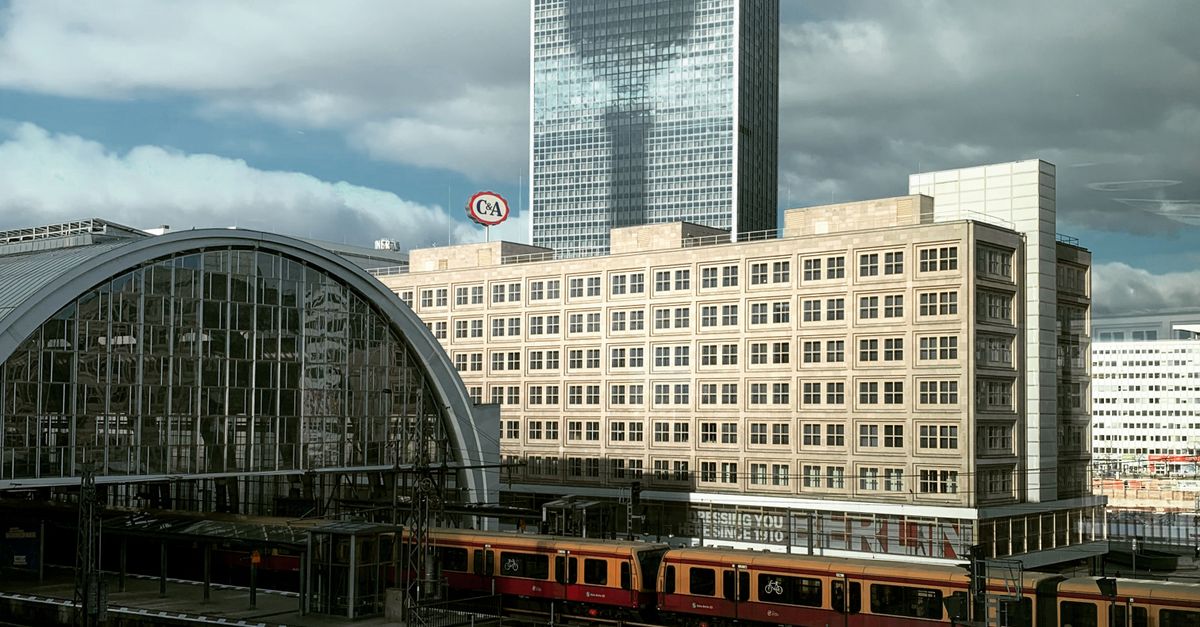
Note the linking elements: WEIHNACHTSBAUM, GESCHWINDIGKEITSBEGRENZUNG, FREMDENVERKEHRSAMT — the “Fugen-s” (joint s) between components. You do not need to master Fugenelemente to solve, but recognizing them helps decomposition: the S between WEIHNACHT and BAUM is glue, not content.
Umlauts in compounds expand as usual in print: KÜHLSCHRANK → KUEHLSCHRANK, BÜGELEISEN → BUEGELEISEN, WÄSCHESTÄNDER → WAESCHESTAENDER. A 12-letter word with two umlauts becomes 14 squares — count the expanded form.
How Compounds Are Clued
Synonym clues. The most common: “Tempolimit” → GESCHWINDIGKEITSBEGRENZUNG, “Tannenbaum” → WEIHNACHTSBAUM, “Touristinformation” → FREMDENVERKEHRSAMT. The clue gives a shorter synonym; the answer is the full compound. If the slot is long and the clue is a single familiar word, think compound.
Component clues. “Weihnacht + Baum” style — rare in pure form, but some setters hint components: “Festtagsbaum” (festival tree) points at WEIHNACHTS- + -BAUM. Read such clues as assembly instructions.
Definition clues. “Größter Bahnhof einer Stadt” → HAUPTBAHNHOF. Straightforward descriptions work because the compound is the precise term — German’s compounding exists exactly to name precise concepts.
The “long word” wink. For the giants, setters sometimes clue playfully: “langes deutsches Wort,” “Bandwurmwort” (tapeworm word — the affectionate German term for long compounds). When the clue jokes about length, the answer is long — count the squares and reach for the giants.
Domain clues. “Haushaltsgerät” (household appliance) → any of the -MASCHINE words or STAUBSAUGER; crossings decide which. “Möbel” (furniture) → NACHTTISCH, KLEIDERSCHRANK. The domain narrows; the pattern selects.
Solving Technique for Long Slots
Decompose first. Before trying to recall a 15-letter word whole, split the clue’s meaning into parts: “drying” + “rack” → WÄSCHE + STÄNDER → WÄSCHESTÄNDER. Decomposition turns one impossible recall into two easy ones.
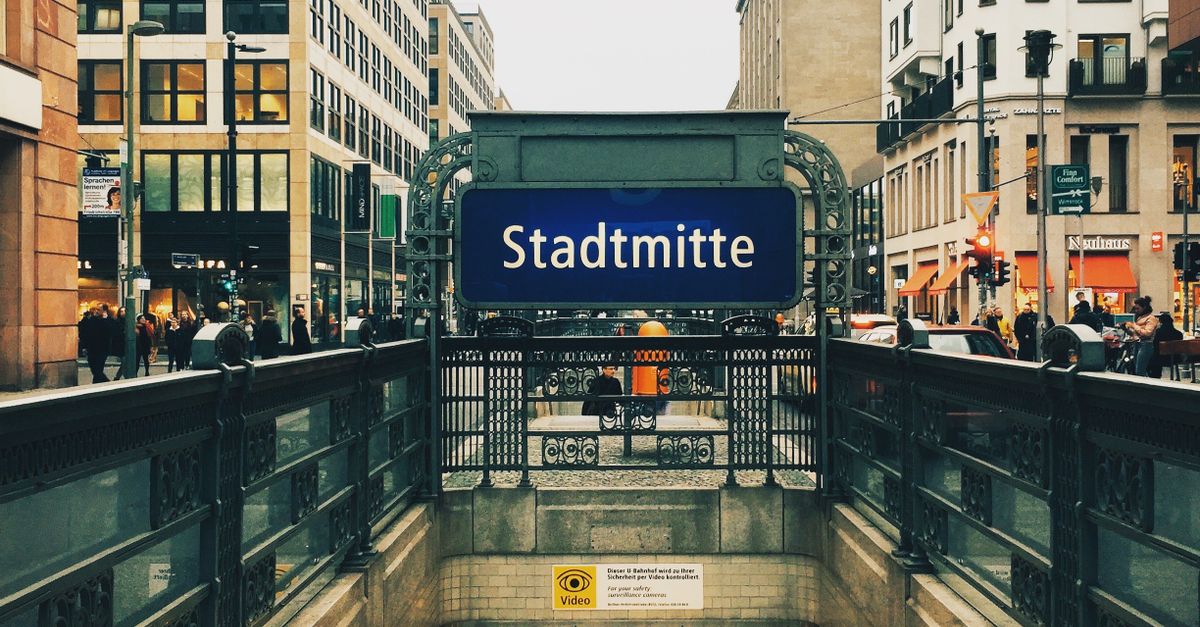
Anchor on the head noun. The last component determines the meaning’s core: -MASCHINE (machine), -SCHRANK (cabinet), -ZIMMER (room), -VERSICHERUNG (insurance). If crossings give you the ending, the head noun is often certain — then work backward to the modifier.
Use crossings for the joints. Long compounds cross many answers, which means many letters. Fill the crossings first and the compound often assembles itself from fragments: W_S_H_A_C_H_N_ is unmistakably WASCHMASCHINE once the pattern emerges.
Do not fear the giants. A 22-letter slot looks terrifying but is actually easier than a vague 5-letter slot: there are very few 22-letter German words, and the clue nearly always points to DONAUDAMPFSCHIFFFAHRT or its cousins. Long slots have small candidate sets — the length is information, not intimidation.
Check the Fugen-s. When assembling from components, remember the joint -s-: WEIHNACHTSBAUM not WEIHNACHTBAUM, GESCHWINDIGKEITSBEGRENZUNG not GESCHWINDIGKEITBEGRENZUNG. Crossings will usually confirm, but knowing the pattern prevents assembly errors.
Compounds as German Study
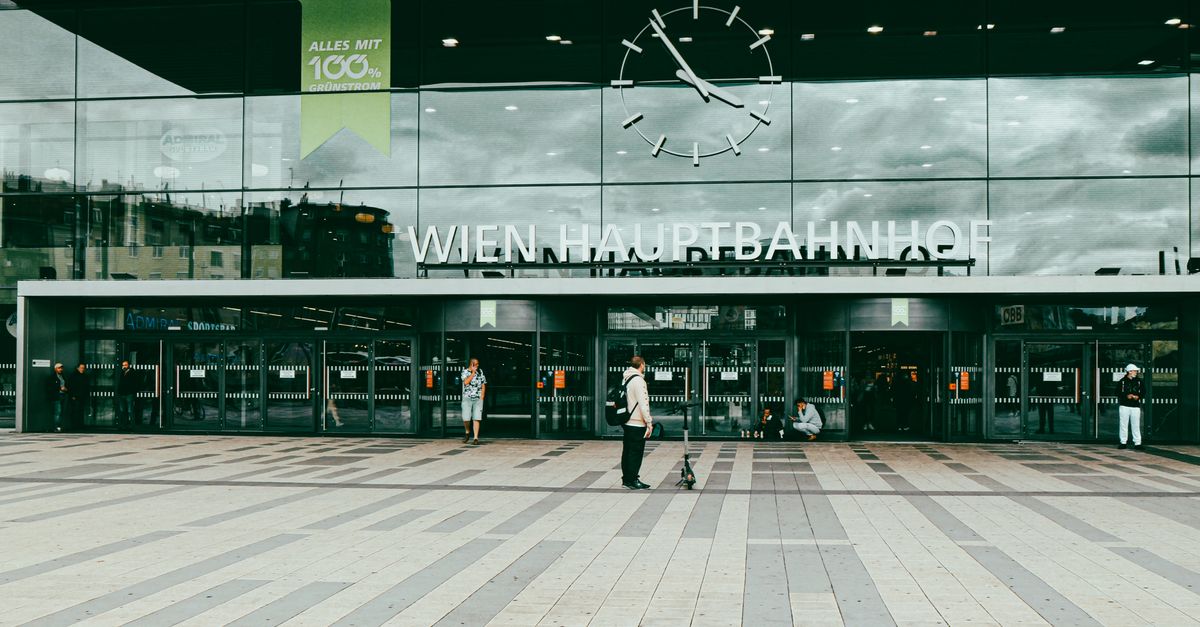
Crossword compounds are secretly excellent language lessons — better than vocabulary lists, because each compound teaches relationships between words:
Component recycling. The 25 compounds above are built from about 40 unique components (WASCH-, -MASCHINE, HAUPT-, -BAHNHOF, …). Learn the components and you can read compounds you have never seen: encounter GEPÄCKAUFBEWAHRUNG (luggage storage) and GEPÄCK (luggage) + AUFBEWAHRUNG (storage) unlock it. Crossword compounds train exactly this decomposition reflex, which is the core skill for reading real German — newspapers, contracts, and technical texts are full of novel compounds.
Gender for free. Every compound reinforces the head-noun gender rule. After solving twenty -MASCHINE and -SCHRANK compounds, der/die/das for the head nouns becomes automatic — and head nouns are among the most common German words (ZIMMER, SCHRANK, BAUM, VERSICHERUNG).
Spelling patterns. Compounds drill the Fugen elements (-s-, -en-, -er-) and umlaut expansions in their natural habitat. WÄSCHESTÄNDER teaches both the Ä→AE expansion and the -ständer formation in one answer — denser learning per minute than any worksheet.
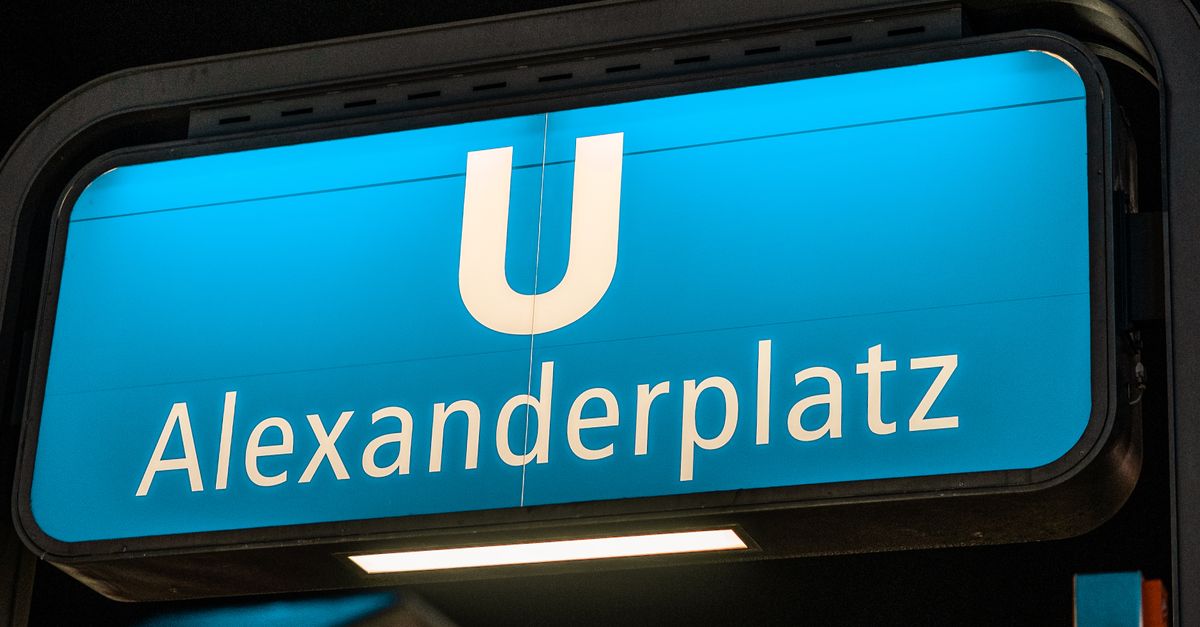
Cultural vocabulary. FREMDENVERKEHRSAMT, HAUPTBAHNHOF, WEIHNACHTSBAUM are not just words but institutions — the tourist office, the main station, the Christmas tree as cultural fixtures. Solving them teaches the Germany behind the German, which is why our beginner’s guide recommends crosswords as study, not just play. The clue abbreviations guide decodes how compounds are clued, the umlaut answers list covers expanded spellings like KUEHLSCHRANK, and the short words and 4-letter answers lists supply the components compounds are built from.
Key Takeaways: Long German Compound Words
- 25 compounds, from giants to household words: DONAUDAMPFSCHIFFFAHRT (22) to NACHTTISCH (10) — the long-answer stock.
- Decompose, do not memorize whole: Split clues into components (WÄSCHE + STÄNDER) — two easy recalls beat one impossible one.
- The head noun rules: Last component sets meaning and gender (der BAHNHOF → der HAUPTBAHNHOF; die MASCHINE → die WASCHMASCHINE).
- The -MASCHINE family: WASCH-, SPÜL-, KAFFEE- + MASCHINE — learn as a group, all feminine.
- Long slots are small candidate sets: A 22-letter slot nearly always means the giants — length is information, not intimidation.
- Expand umlauts, count expanded: KÜHLSCHRANK → KUEHLSCHRANK (12 squares); WÄSCHESTÄNDER → WAESCHESTAENDER (14).
FAQ
What is the longest German compound word in crosswords?
KRAFTFAHRZEUGHAFTPFLICHTVERSICHERUNG (36 letters, motor vehicle liability insurance) and RINDFLEISCHETIKETTIERUNGSGESETZ (31 letters, beef labeling law) are the famous giants; DONAUDAMPFSCHIFFFAHRT (22 letters) is the classic most solvers meet first.
How do I solve long German compound words?
Decompose: split the clue’s meaning into components (speed + limit → GESCHWINDIGKEIT + BEGRENZUNG), anchor on the head noun (last component), and let crossing letters confirm the joints. Long slots have tiny candidate sets.
What is a Bandwurmwort?
“Bandwurmwort” (tapeworm word) is the affectionate German term for very long compound words — words that go on like a tapeworm. Setters occasionally use it as a playful clue for the giants.
Do compound words follow the gender of the last word?
Yes — the head noun (last component) determines the article: der BAHNHOF → der HAUPTBAHNHOF, die MASCHINE → die WASCHMASCHINE, das ZIMMER → das SCHLAFZIMMER. This is a firm German grammar rule.
Why do some compounds have an extra S in the middle?
That is the Fugen-s (linking s), e.g., WEIHNACHTSBAUM, GESCHWINDIGKEITSBEGRENZUNG. It is glue between components — recognize it when decomposing so you do not misread the parts.
How do umlauts work in long compound words?
Same as elsewhere: expanded in print (KÜHLSCHRANK → KUEHLSCHRANK). With two umlauts, WÄSCHESTÄNDER becomes 14 squares — always count the expanded form for length.