

Animals are the perfect first category for unscrambling practice: the words are concrete, visual, and mostly short. These German animal anagrams give you twenty-five scrambles — from the three-letter Wal to the seven-letter Storch — each verified letter-by-letter, each with its article, meaning, and a solving tip. Unscramble them in order; they run roughly easy to hard.
How to play: look at the jumbled letters, unscramble them into the German animal word, then check your answer. Every scramble below rearranges exactly into its answer — no missing or extra letters. Say each answer aloud with its article (der, die, das), because gender is part of the word.
German Animal Anagrams: Why Animals Make the Best First Puzzles
Three reasons. First, concreteness: you can picture a Fuchs instantly, which gives your brain a second pathway (visual) to the word beyond the letters. Abstract words (Treue, Freiheit) offer no such anchor. Second, length: most animal names are 4–6 letters — the sweet spot where technique matters but brute force still works. Third, cluster density: animal German is packed with SCH, CH, PF, and TZ (Fisch, Fuchs, Pferd, Katze), so every puzzle drills the highest-leverage unscrambling skill.
There is also a motivational reason: animals are fun. You will solve all twenty-five below because you want to know them, not because a textbook assigned them. That willingness is the whole engine of puzzle-based learning — protect it by starting with categories you enjoy, and save the abstract vocabulary for later.
Farm Animals and Pets
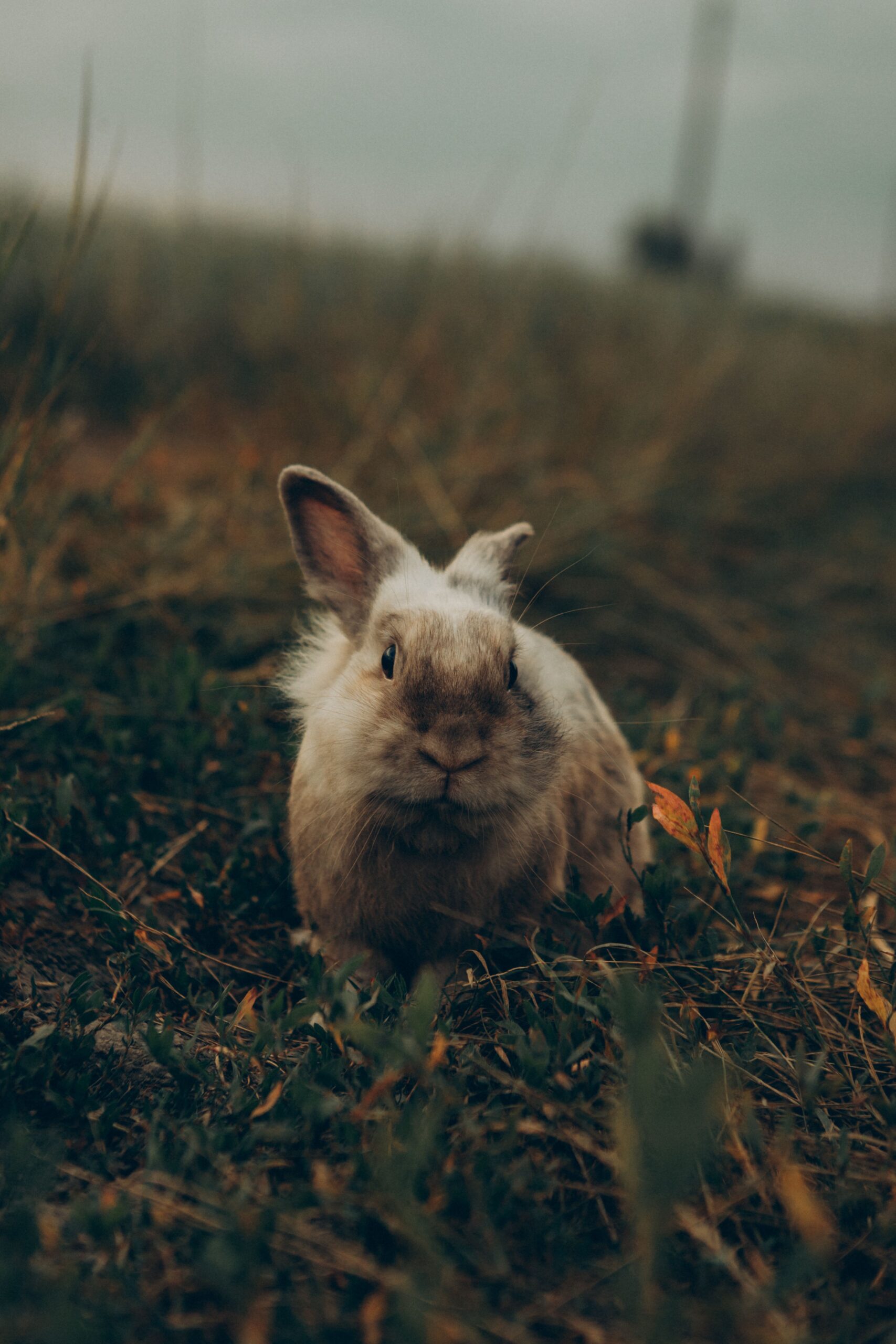
1. DUHN → der Hund (dog). The U is your anchor — few German animal words contain U. Hund is also the root of Hundehütte (doghouse). Tip: U-first is almost always right with these letters.
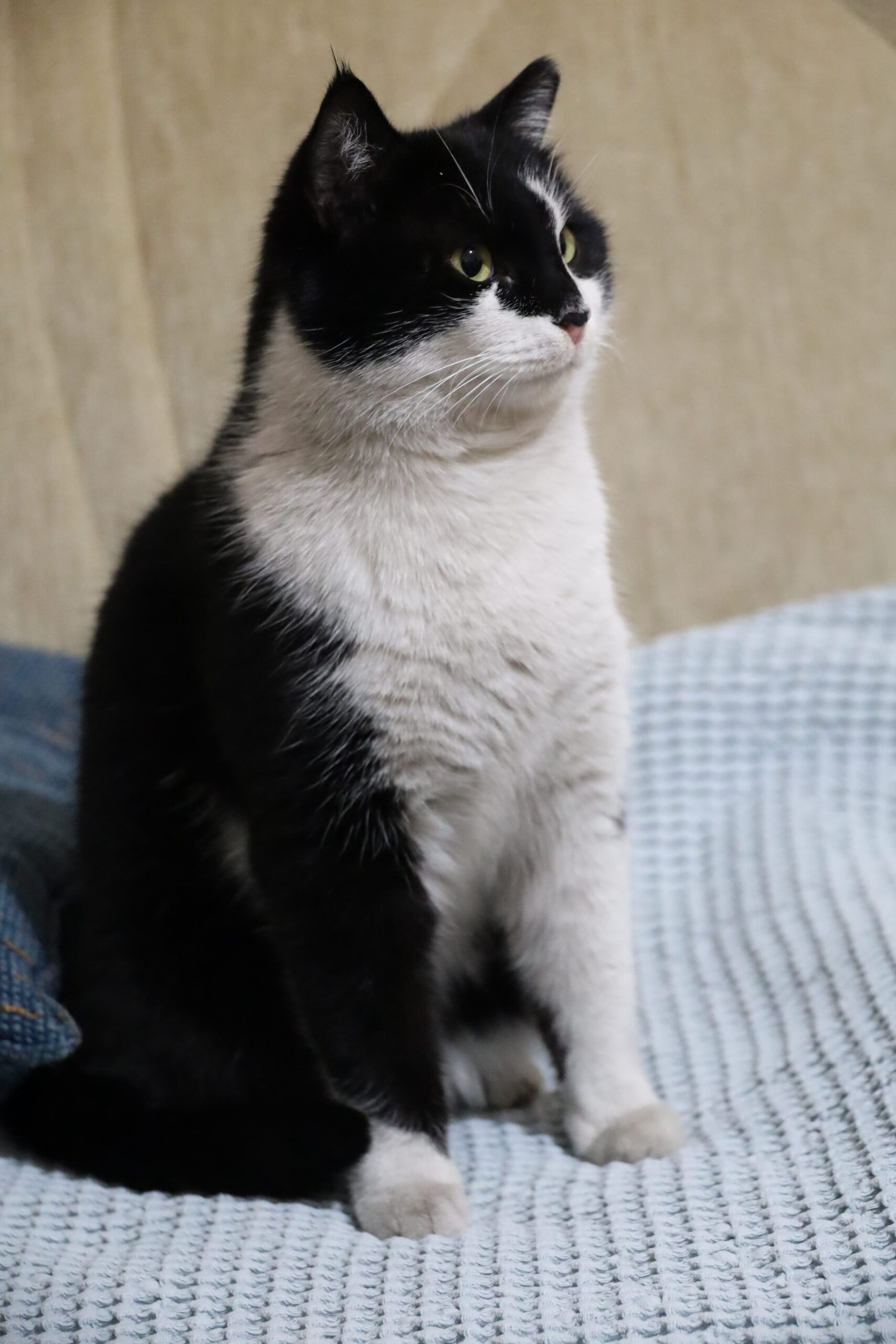
2. EZTAK → die Katze (cat). Spot the TZ cluster and glue it: K-A-TZ-E. Katze is feminine, and the diminutive Kätzchen (kitten) is one of German’s cutest words.
3. DREPF → das Pferd (horse). The PF cluster leads: PF-E-R-D. In German, PF almost always starts the syllable — that single rule cracks this scramble instantly.
4. FASCH → das Schaf (sheep). SCH glued as one unit leaves only A and F: SCH-A-F. Note the F-to-… the singular Schaf, plural Schafe — no umlaut here.
5. GEZIE → die Ziege (goat). Z sits mid-word (as in Zitrone, Ziege); the -E ending is feminine-standard: Z-I-E-G-E. Tip: when Z appears without T, think mid-word placement.
6. TENE → die Ente (duck). Four letters, two E’s — the -E ending plus EN… Ente. The double-E shape is distinctive; once you have seen Ente, you will spot E_E patterns everywhere.
7. SAGN → die Gans (goose). G-first, N-last: G-A-N-S. The plural Gänse adds the umlaut — a classic Ä-anchor example for our speed techniques.
Birds
8. RALDE → der Adler (eagle). Germany’s heraldic bird. A-D-L-E-R — the -ER ending is the giveaway, leaving ADL to arrange. Adler is also half of the famous Adler/Lader anagram pair.
9. TARS → der Star (starling). Four letters: S-T-A-R. Also the English-loanword celebrity (der Star). The anagram partner Rast (rest) makes a nice bonus pair — the starling takes a rest.
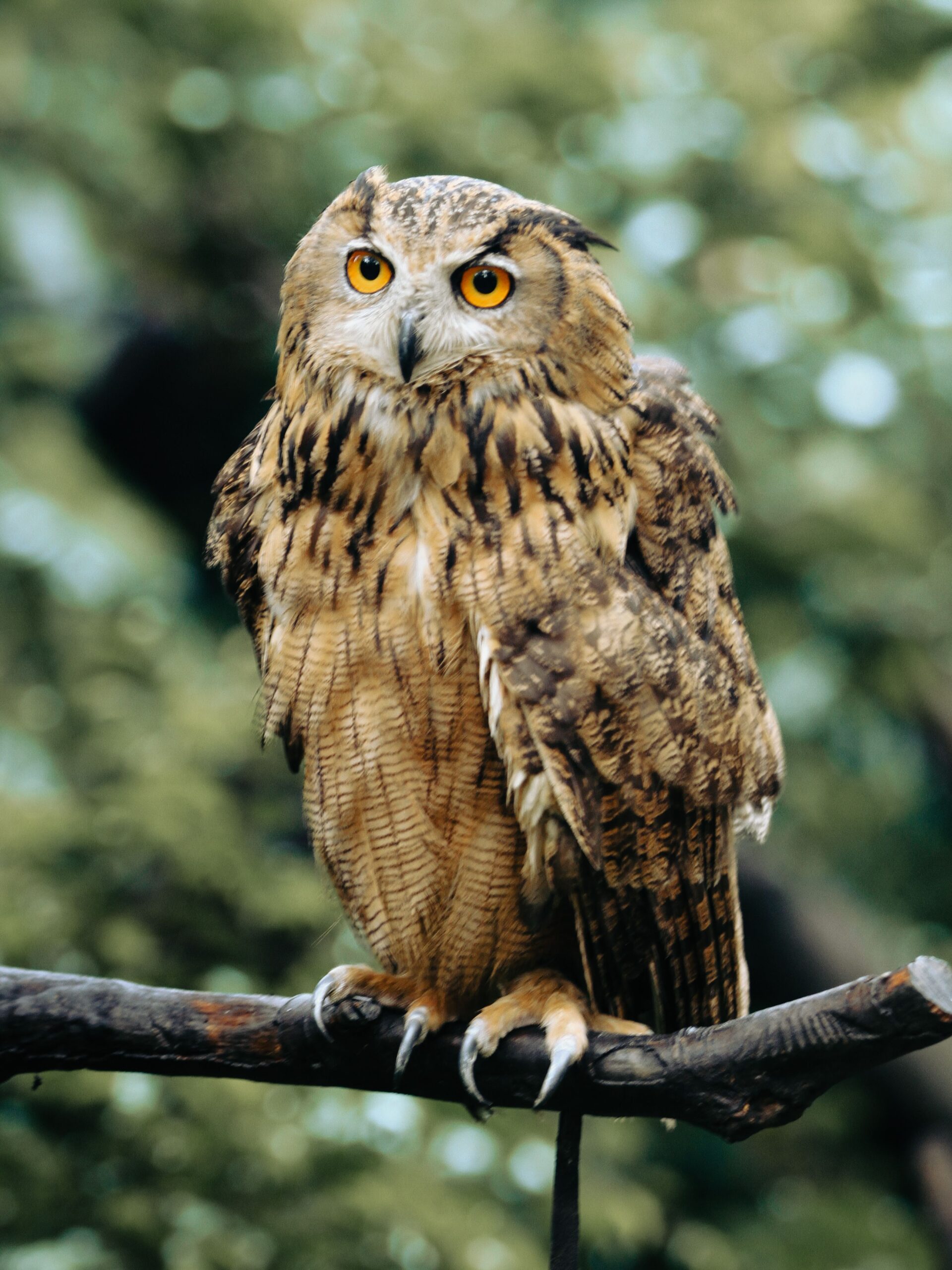
10. LEEU → die Eule (owl). The double E plus U: E-U-L-E. Owls are Eulen, and the word sounds as round as the bird looks. Tip: EU is a common German diphthong (heute, Leute) — keep it glued.
11. ROTSCH → der Storch (stork). Seven letters, but SCH glued plus ST… Storch. The stork (der Klapperstorch) famously “delivers babies” in German folklore — der Storch hat das Baby gebracht.
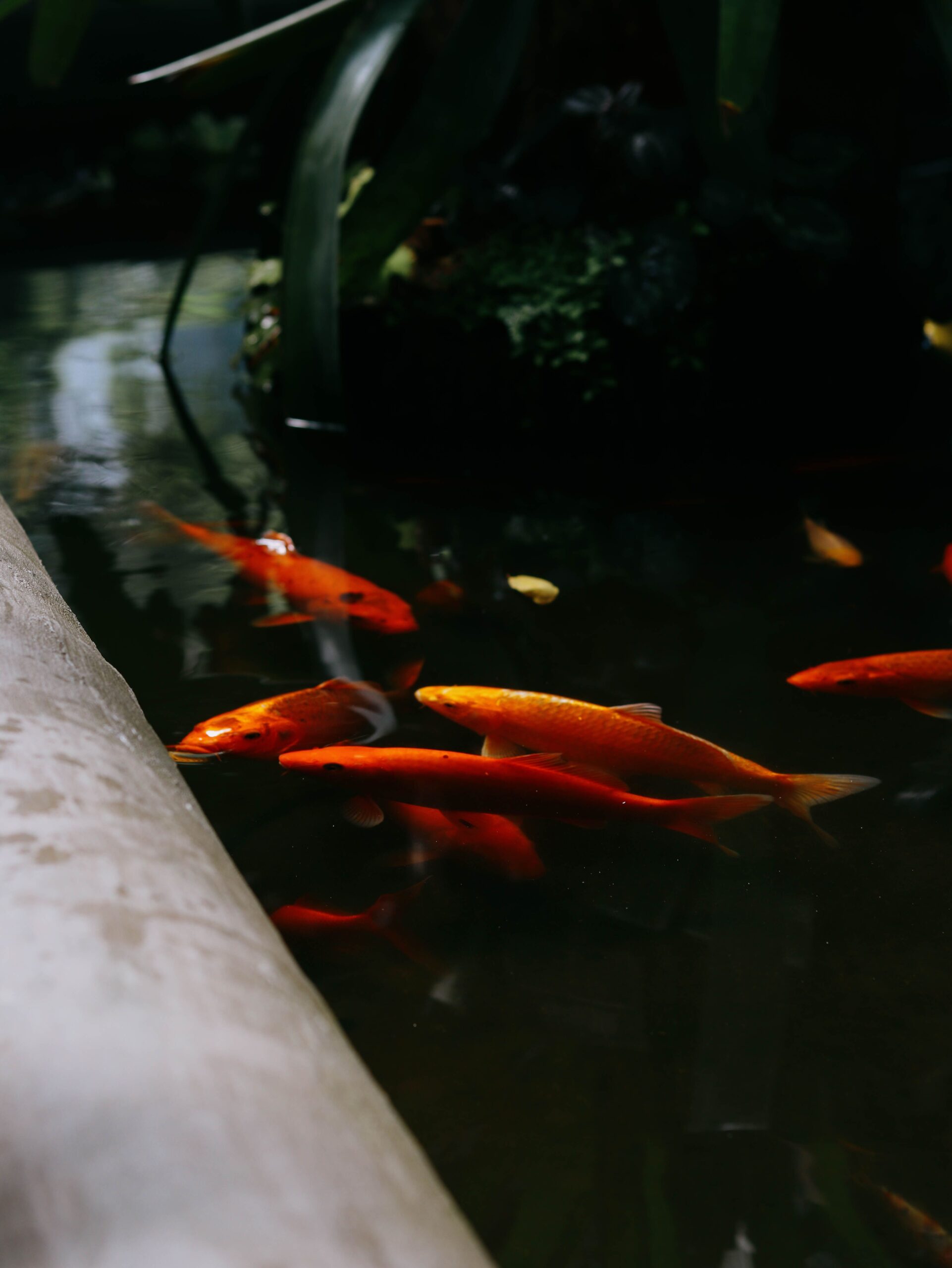
12. WANSHC → der Schwan (swan). SCH at the front, W second: SCH-W-A-N. The W after SCH is a very German shape (schwach, schwarz) — learn to see SCHW as a unit.
13. BEAR → der Rabe (raven). R-first: R-A-B-E. The raven is der Rabe (masculine); do not confuse with der Rappen (black horse, poetic). Four letters, instant solve once R leads.
14. HEKRÄ → die Krähe (crow). The Ä anchors: _ _ Ä _ _. K-R-Ä-H-E. Note Ä counts as a single letter — the scramble keeps it intact. Krähe is feminine; the crow’s call is krächzen.
15. CHEERL → die Lerche (lark). CH glued, double E: L-E-R-CH-E. The lark of poetry and morning songs. Tip: CH rarely starts English-feeling words in German scrambles — here it sits mid-word.
Wild Animals and Small Creatures
16. SUAM → die Maus (mouse). M-first: M-A-U-S. Also the computer mouse — die Maus does double duty in modern German. Anagram partner: der Saum (hem).
17. REBE → der Eber (wild boar). E-first or R-first both work: E-B-E-R. The Eber is the male wild boar; the anagram partner die Rebe (vine) grows the wine the boar tramples.
18. EDAM → die Made (maggot). M-A-D-E. The anagram partner is die Dame (lady) — the funniest meaning gap in German anagrams. Made is feminine despite the wriggling.
19. SEHA → der Hase (hare, rabbit). H-first: H-A-S-E. The Easter hare is der Osterhase. Four letters, and H-leading is the natural German shape.
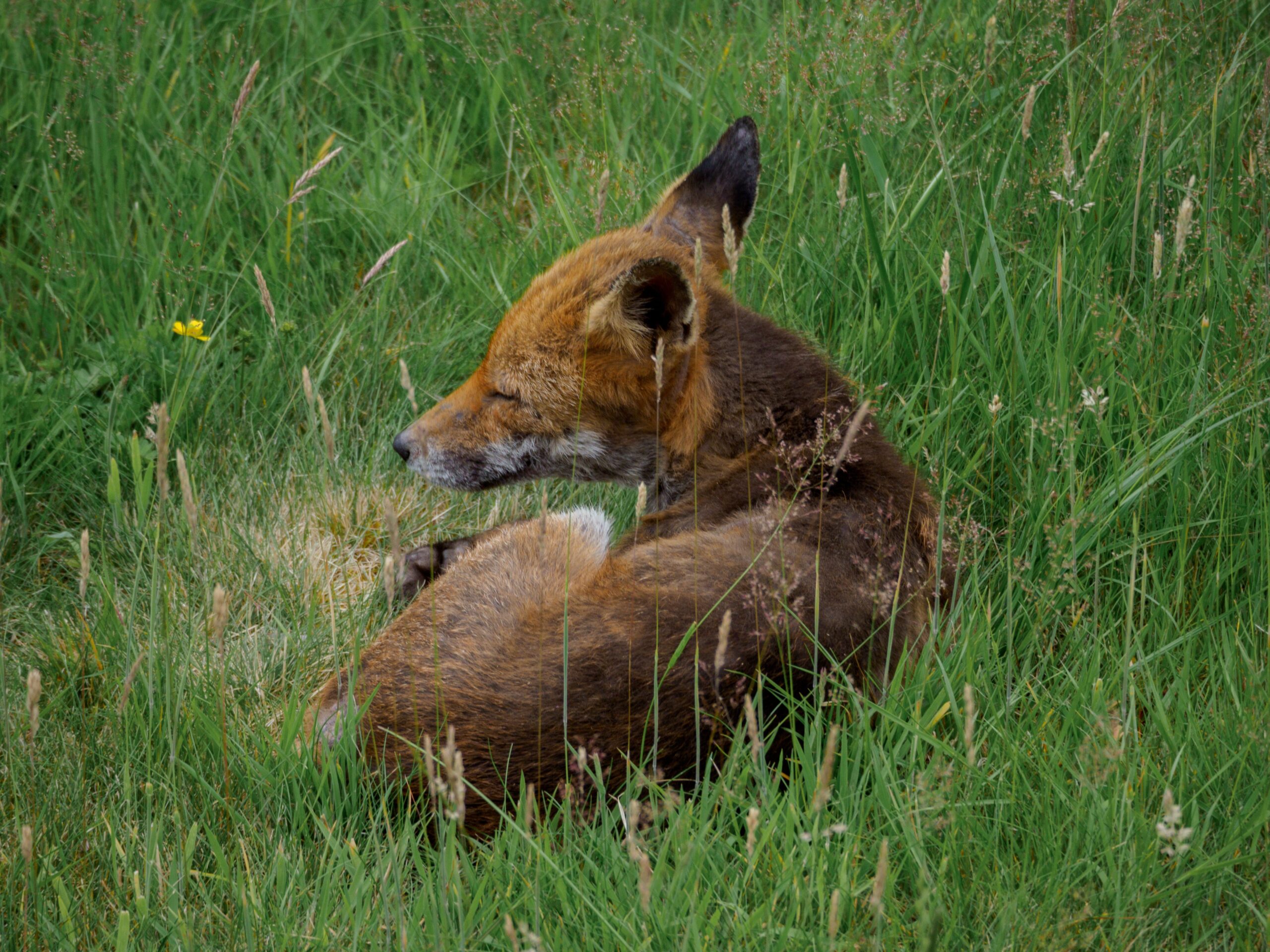
20. SUCHF → der Fuchs (fox). CH glued, U anchored: F-U-CH-S. The clever fox of fables — schlau wie ein Fuchs (sly as a fox). The CHS ending is rare enough to be a strong signal.
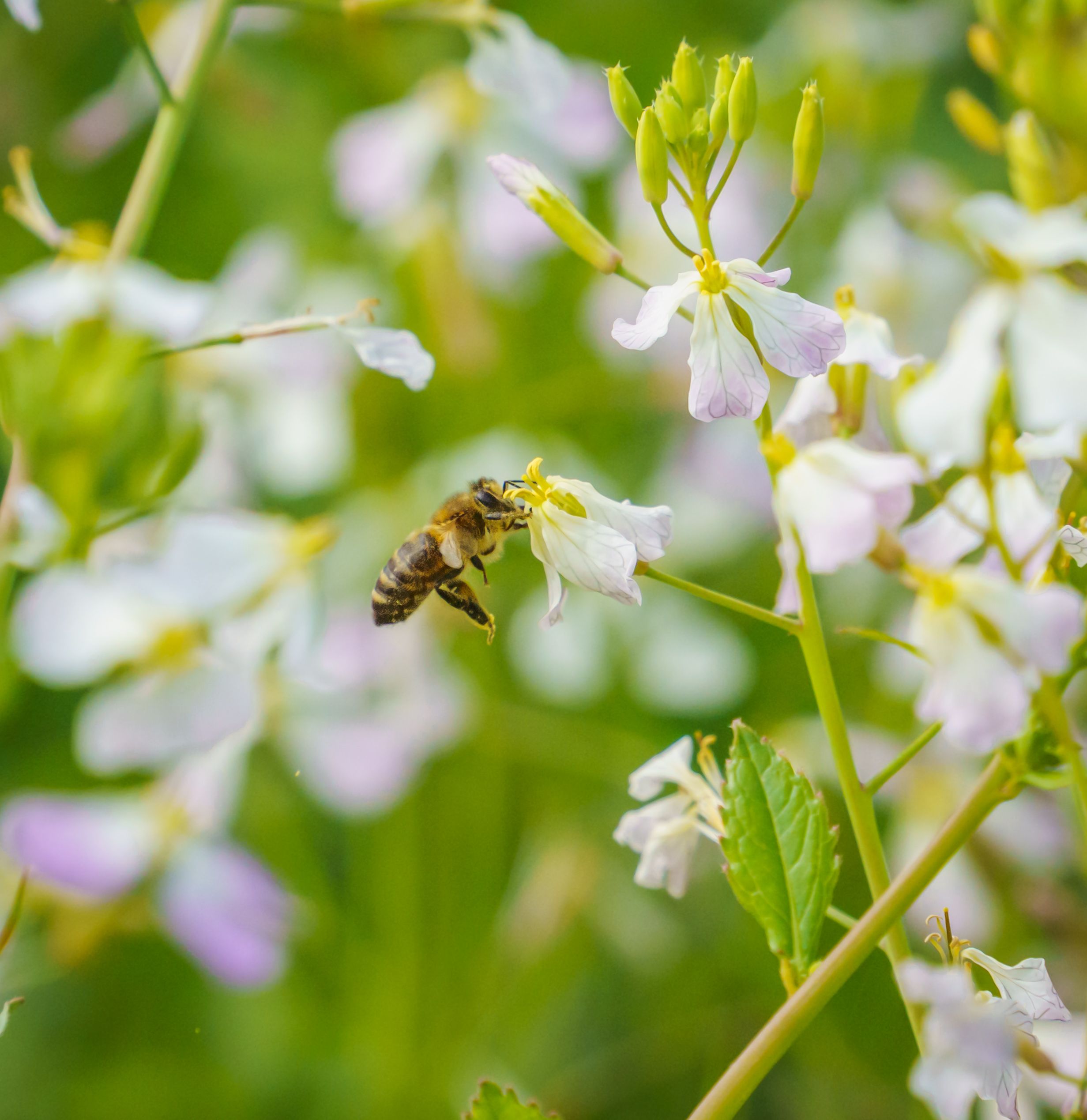
21. NEBIE → die Biene (bee). The -EN ending… wait, no N at the end here — B-I-E-N-E. Actually the shape is BIE + NE: Biene. The IE diphthong (Biene, Liebe, Wiese) is one of German’s most common — keep IE glued.
22. SCHIF → der Fisch (fish). SCH glued: SCH-I-F… Fisch needs the double… no — F-I-S-C-H, single S. Careful: the scramble has one S, and so does Fisch. Do not double what is not there.
23. MURW → der Wurm (worm). W-first is unusual in German — which makes it memorable: W-U-R-M. The Bücherwurm (bookworm) is the beloved compound.
24. FAFE → der Affe (ape, monkey). Double F: A-F-F-E. The FAFE scramble keeps both F’s — count them, do not drop one. Affe is masculine; the idiom einen Affen haben (to be drunk, literally “to have a monkey”) is classic slang.
25. LAW → der Wal (whale). Three letters: W-A-L. The shortest animal here and the perfect warm-up. Wal is masculine — der Wal, not das.
Bonus Challenge: 5 New Creature Scrambles
Solved all twenty-five? Here are five brand-new animal scrambles — same verification standard, fresh words. Answers at the end.
- RÄB → ? (3 letters)
- NHAH → ? (4 letters)
- EIESAM → ? (6 letters)
- NNEPSI → ? (6 letters)
- GALSEHCN → ? (8 letters)
Answers: 1. der Bär (bear) — the Ä anchors instantly · 2. der Hahn (rooster) — double H, keep them together · 3. die Ameise (ant) — the IE diphthong plus -E ending · 4. die Spinne (spider) — double N, -E ending · 5. die Schlange (snake) — SCH glued, then the rest falls into place. Notice how every hard one surrendered to the same tools: umlaut anchors, glued clusters, kept doubles, parked endings.
Gender Patterns in German Animal Words
German animal genders feel random until you see the patterns. They are worth learning deliberately, because gender is the part of these puzzles most learners skip — and the part exams test hardest.
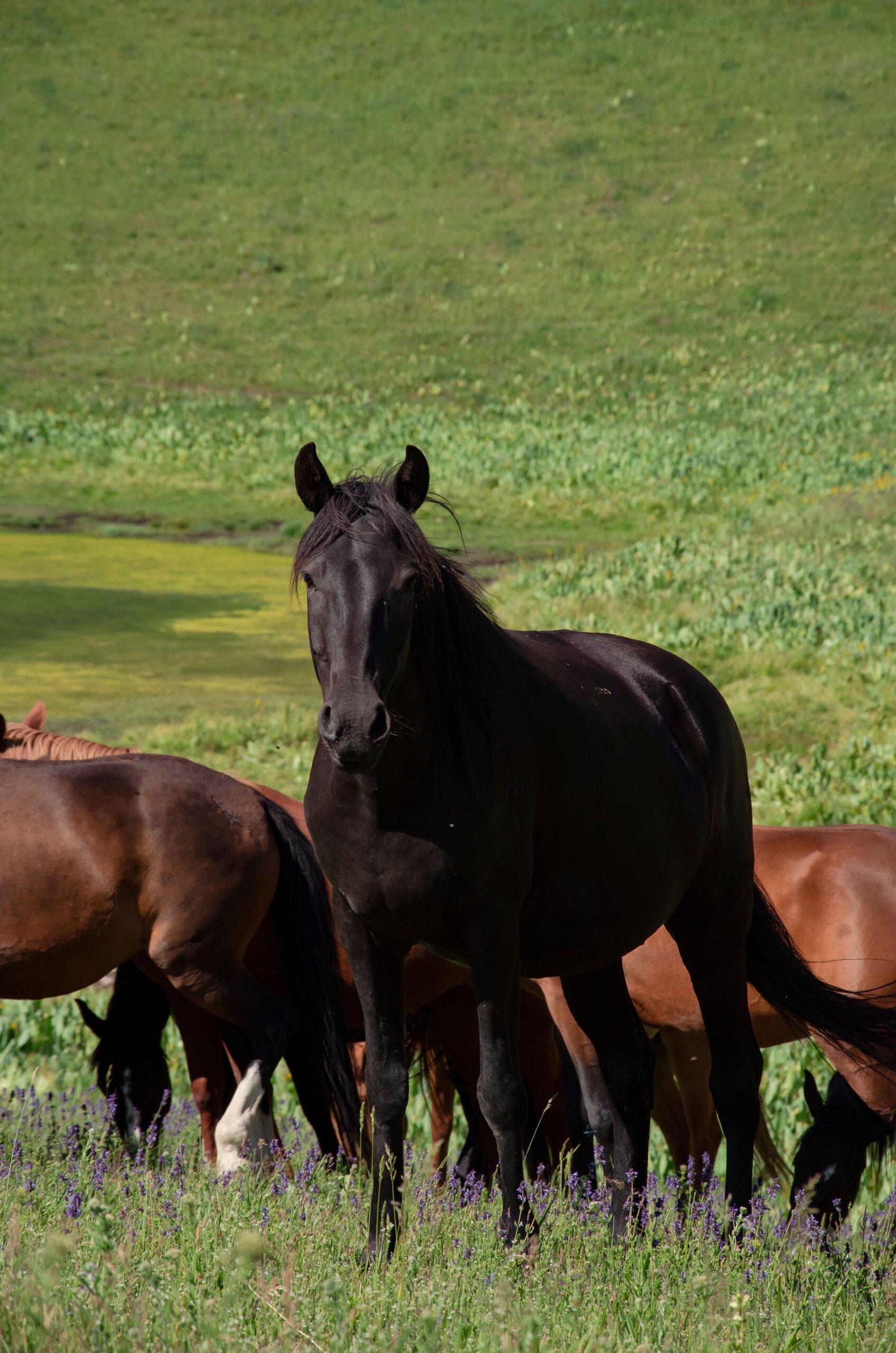
Males default masculine, but not always. Der Hund, der Hahn, der Eber, der Bär — male animals are usually masculine. But das Pferd (horse) and das Schaf (sheep) are neuter regardless of the animal’s sex, and die Katze defaults feminine even for tomcats (the male-specific word is der Kater).
Young animals are usually neuter. Das Kalb (calf), das Lamm (lamb), das Küken (chick), das Fohlen (foal) — the diminutive pattern (-chen, -lein) forces neuter, and young animals follow the same instinct. If a scramble’s answer is a baby animal, guess das first.
Species vs. individual. Many species have a general word plus sex-specific words: das Pferd (horse generally), der Hengst (stallion), die Stute (mare). The puzzles above use the general words — but knowing the trio exists turns one vocabulary item into three.
The practical rule for puzzles: when you solve an animal scramble, say the article immediately — der Fuchs, not just Fuchs. If you only learn the bare noun, you will relearn the gender later under exam pressure. The ten seconds it takes now saves ten minutes later.
Make Your Own Animal Scrambles
Once you can solve them, try building them — construction teaches the reverse skill and makes you a better solver:
- Pick an animal word and count its letters carefully (write the tally: Schlange = S:1, C:1, H:1, L:1, A:1, N:1, G:1, E:1).
- Shuffle into an order that hides the clusters — break up SCH, split doubles, move the ending letters to the front.
- Verify by reconstructing: can you solve your own scramble? If not, it is too hard — reshuffle.
- Trade with a study partner. Solving someone else’s handmade scramble is excellent training because human shuffles have different “tells” than random ones.
This is also how teachers build worksheets: the kids’ anagram list was constructed exactly this way, with every scramble verified before publication.
Solving Tips for Animal Scrambles
- Use the category. Knowing the answer is an animal eliminates 90% of German vocabulary. If the letters could make Haus but the category is animals, keep looking — Haus is not a creature.
- Glue the clusters first. SCH, CH, PF, TZ appear constantly in animal words (Fisch, Fuchs, Pferd, Katze). Circle them before rearranging anything.
- Watch the double letters. Affe (FF), Ente (N… no) — count doubles carefully; dropping one is the most common error.
- Learn gender with the animal. Der Hund, die Katze, das Pferd, das Schaf — neuter farm animals (Pferd, Schaf) surprise many learners. Say the article every time.
- Use the gender patterns: males usually masculine, young animals usually neuter (das Kalb, das Lamm), and species often come in trios (Pferd/Hengst/Stute).
- Graduate to harder lists. When these feel easy, try our food anagrams (longer words, trickier clusters) or the eight speed techniques for timed training.
- Build your own. Constructing scrambles (count, shuffle, verify, trade) teaches the reverse skill and makes you dramatically faster at solving.
Animal Idioms Worth Knowing
Solving the words is half the fun; using them is the other half. These idioms use animals from the puzzles above — learn one per day and your German will sound noticeably more native:
- schlau wie ein Fuchs — sly as a fox. The go-to compliment for cleverness.
- einen Affen haben — to be drunk (literally “to have a monkey”). Classic slang; use with friends, not bosses.
- die Katze im Sack kaufen — to buy a pig in a poke (literally “to buy the cat in the bag”). For deals that feel risky.
- wie ein Hund leiden — to suffer like a dog. For dramatic complaints.
- stolz wie ein Pfau — proud as a peacock. (Pfau was not in the puzzles, but the pattern is irresistible.)
- sich die Sporen verdienen — to earn one’s spurs. From die Sporen in our longest anagrams — for proving yourself.
- da liegt der Hund begraben — that’s the crux of the matter (literally “that’s where the dog is buried”). One of German’s most beloved sayings.
Each idiom is a memory palace: the animal word now lives inside a story, and stories outlast flashcards.
Key Takeaways
- These German animal anagrams cover twenty-five creatures from Wal to Storch, every scramble letter-verified with no missing or extra letters.
- Animal words are ideal beginner scrambles: concrete, visual, and short — with constant cluster practice (SCH, CH, PF, TZ).
- Always learn the article with the animal: der Hund, die Katze, das Pferd — gender surprises (das Schaf) are part of the lesson.
- Use the category as a filter, glue clusters before shuffling, and count double letters (Affe) carefully.
- Ready for more? Our kids’ anagrams reuse many of these words at an easier level, and the beginner word list turns the best pairs into vocabulary.