

Der Hund bellt, die Katze miaut, der Vogel singt. The dog barks, the cat meows, the bird sings — and if you understood that sentence, you already speak beginner German. Animals are among the very first words children learn in every language, which makes german animal cognates the perfect starter vocabulary: concrete, lovable, and — thanks to the shared Germanic roots of English and German — instantly recognizable.
This list gives you 50 animal names with simple English translations, correct articles (der, die, das), and honest notes where the cognate connection takes a detour through an older English word. For the pattern method behind these pairs, see our complete German-English cognates guide.
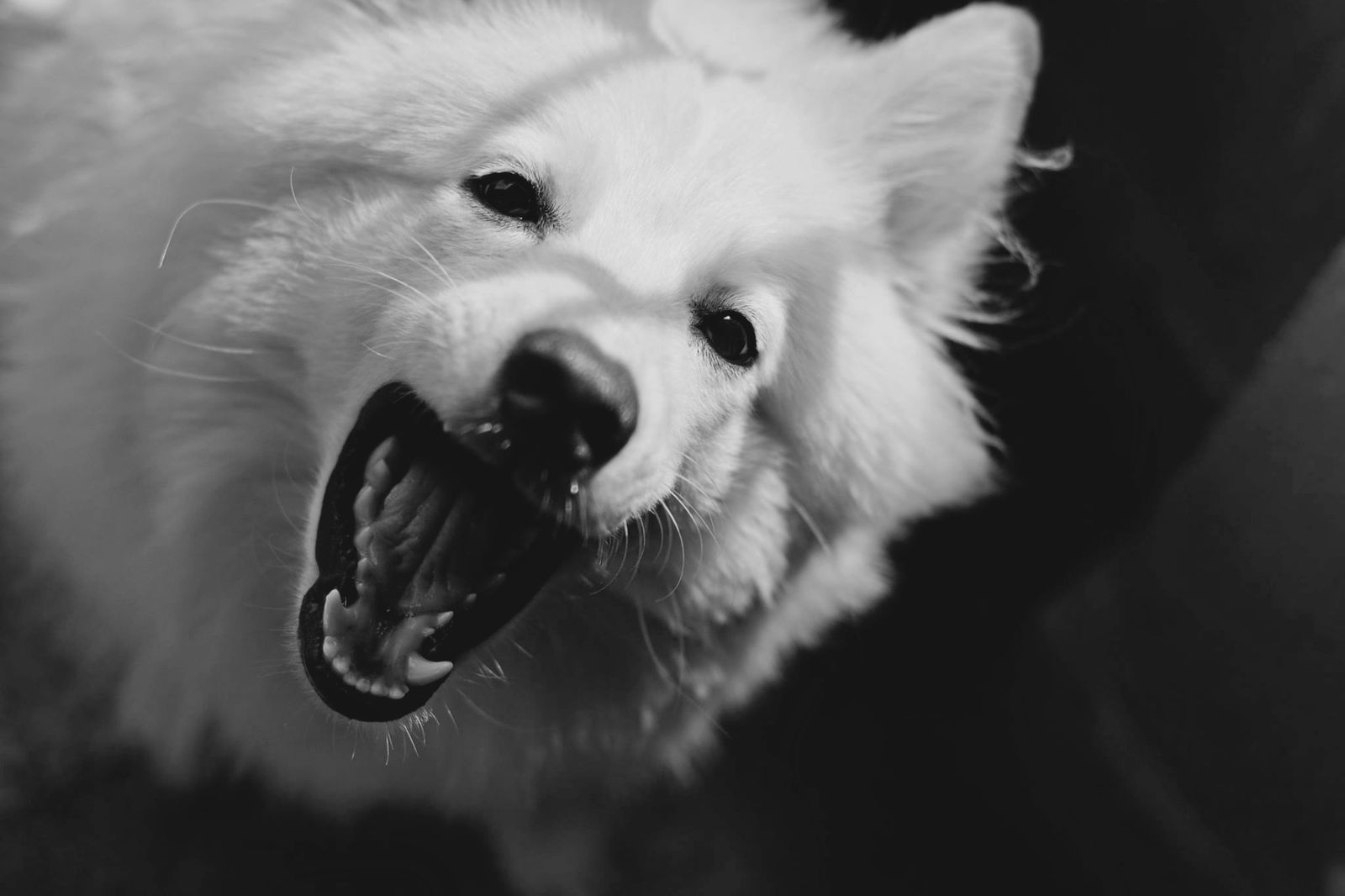
Pets and Small Companions (1–5)
| # | German | English | Note |
|---|---|---|---|
| 1 | der Hund | the dog | Cognate with “hound” — Hund is the everyday word |
| 2 | die Katze | the cat | die Katze also means a female cat specifically |
| 3 | die Maus | the mouse | Identical spelling — also a computer mouse (die Computermaus) |
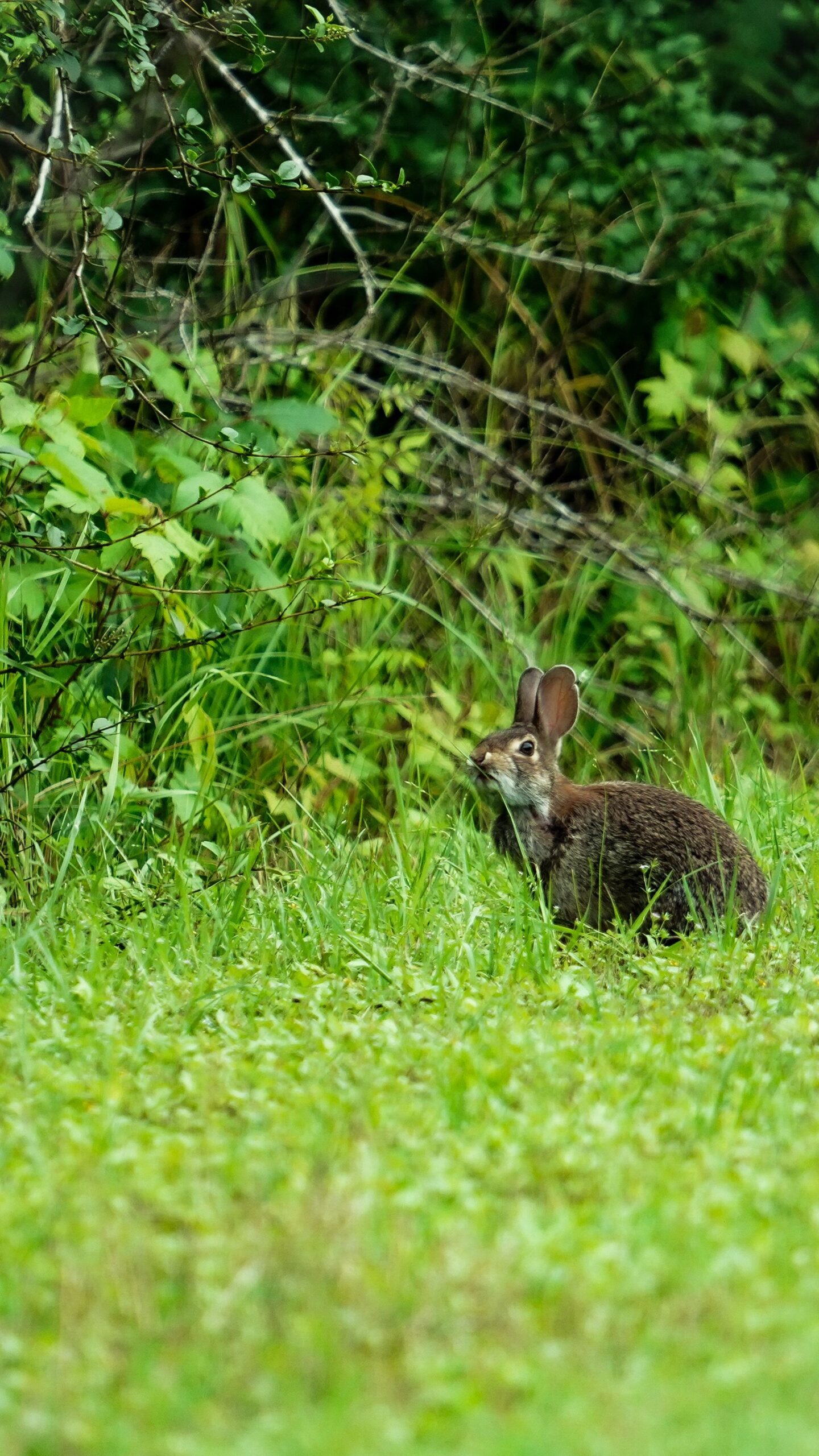
| 4 | das Kaninchen | the rabbit | Cognate with archaic “coney” (both from Latin cuniculus) |
| 5 | die Ratte | the rat | ⚠ Do not confuse with der Rat (advice) — the famous false friend |
Farm Animals (6–15)
| # | German | English | Note |
|---|---|---|---|
| 6 | das Pferd | the horse | Cognate with archaic “palfrey” (both from Latin paraveredus) |
| 7 | die Kuh | the cow | die Kuh gives us der Käse — cheese starts here |
| 8 | das Schwein | the pig | Cognate with “swine” — Schwein haben means “to be lucky” |
| 9 | das Schaf | the sheep | |
| 10 | die Ziege | the goat | ⚠ Near-miss: different roots (Ziege ← OHG ziga; goat ← OE gāt) — memorize it fresh |
| 11 | der Esel | the donkey | Shares the Latin root of English “ass” (asinus) |
| 12 | der Bulle | the bull | |
| 13 | der Ochse | the ox | |
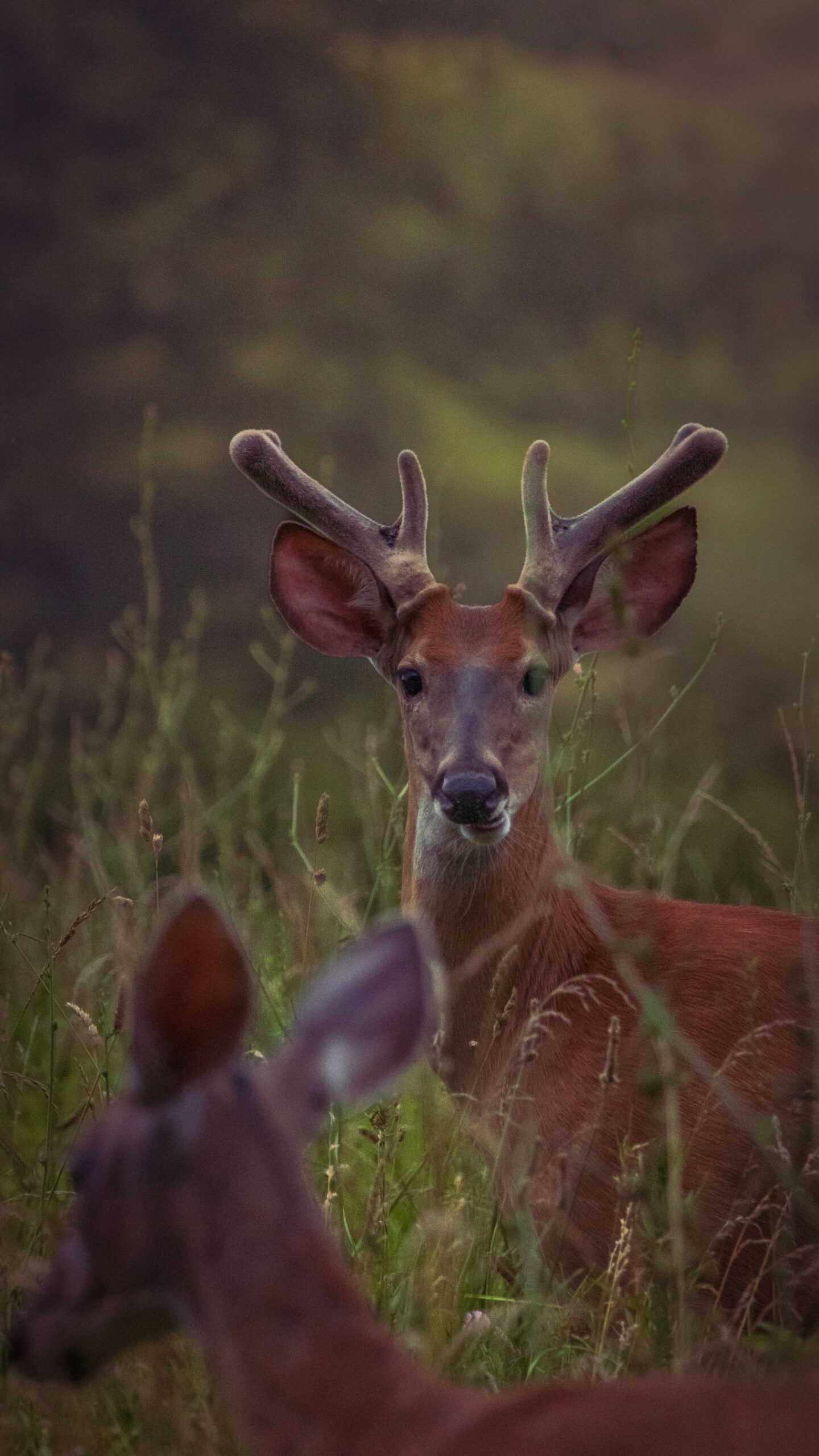
| 14 | das Kalb | the calf | |
| 15 | das Lamm | the lamb | Lamm at Easter dinner is a German tradition |
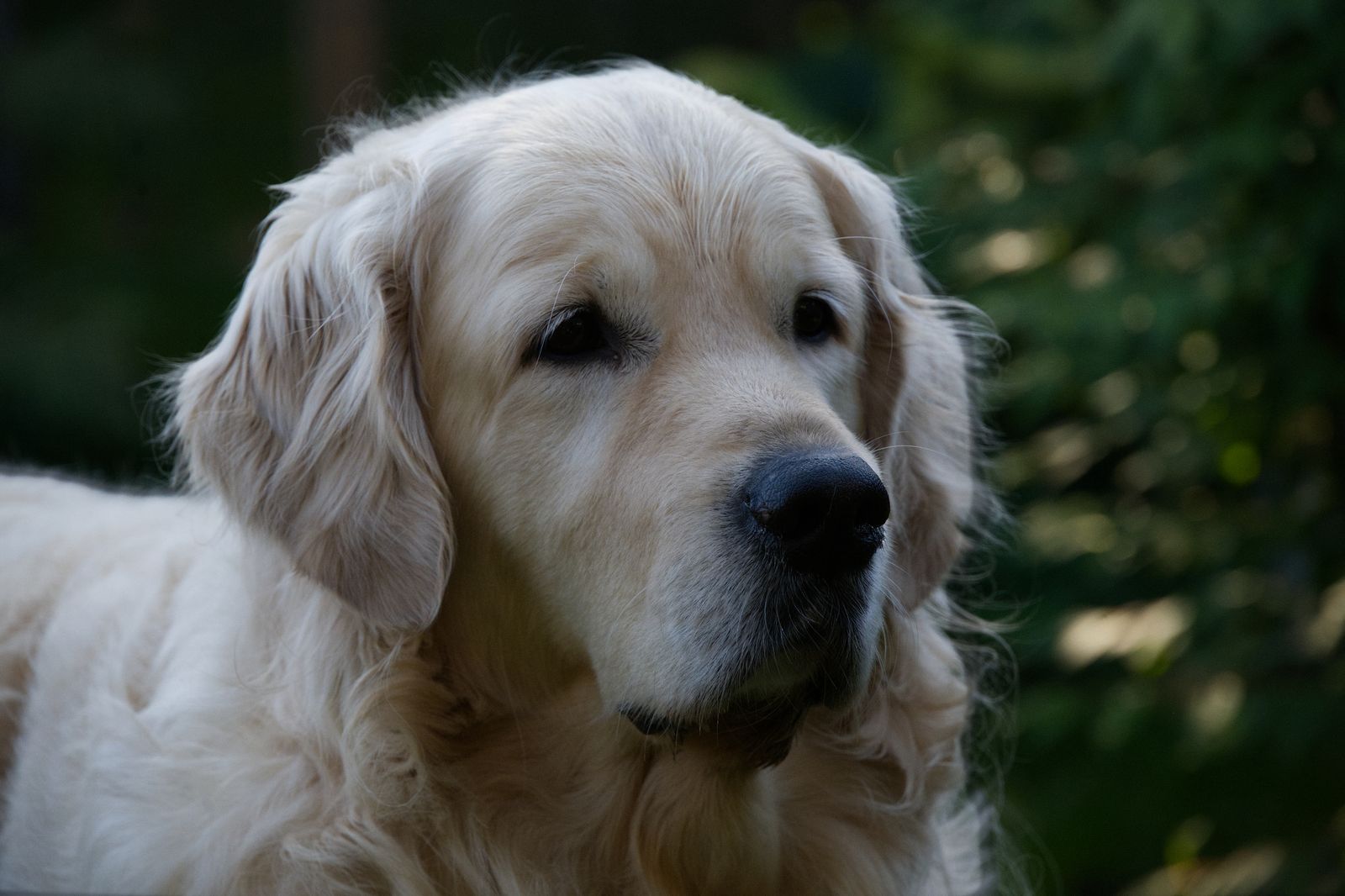
Forest and Wild Mammals (16–23)
| # | German | English | Note |
|---|---|---|---|
| 16 | der Bär | the bear | Bärenhunger — “bear-hunger,” i.e., ravenous |
| 17 | der Wolf | the wolf | Fairy tales made him famous in both languages |
| 18 | der Fuchs | the fox | fuchsteufelswild — “fox-devil-wild” = furious |
| 19 | der Hase | the hare | The Osterhase (Easter hare) brings German eggs |
| 20 | der Eber | the boar | Old shared root with “boar” |
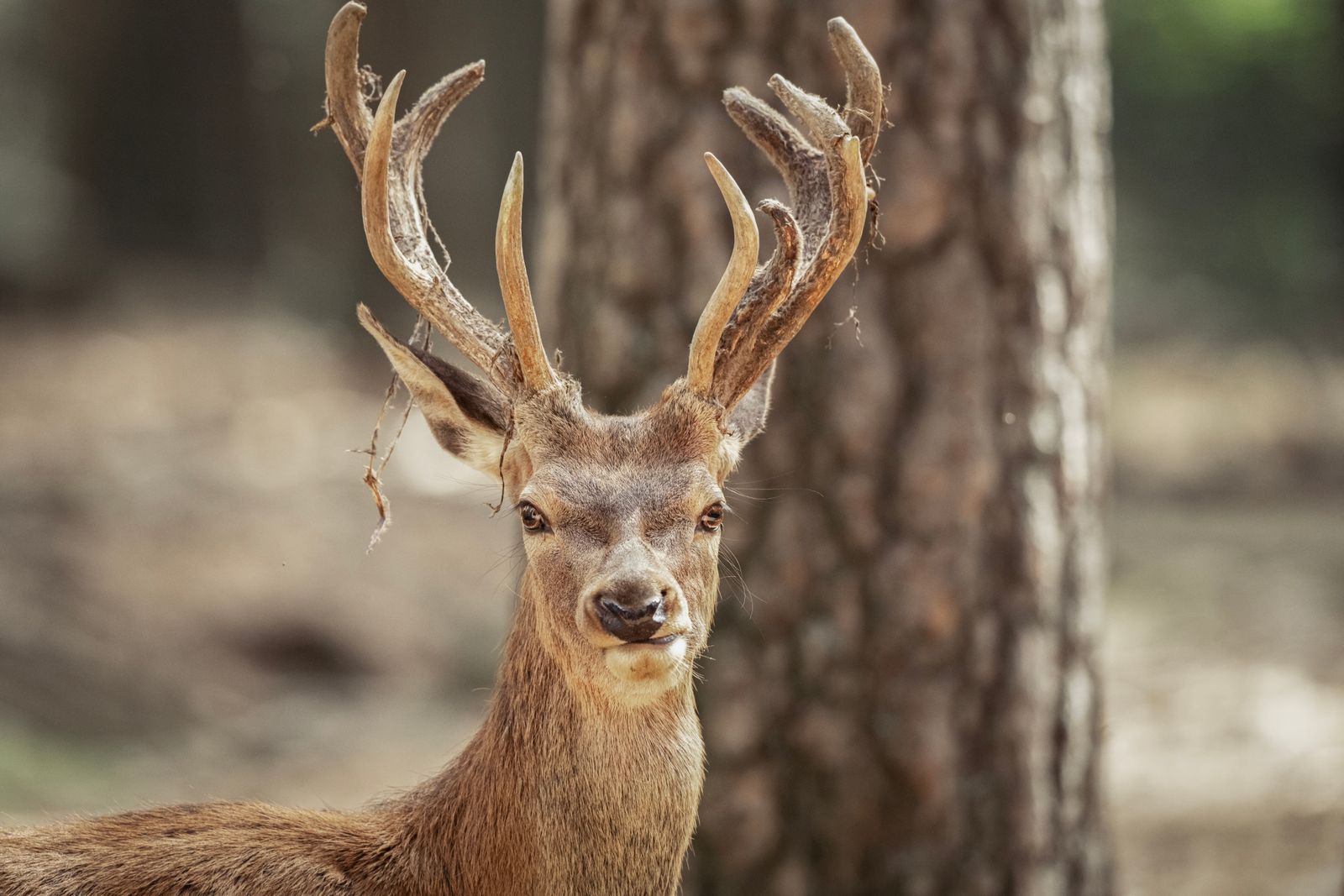
| 21 | der Hirsch | the deer | Cognate with archaic “hart” (stag) |
| 22 | das Reh | the roe deer | Cognate with “roe” |
| 23 | der Luchs | the lynx | Back in German forests after reintroduction |
Zoo Favorites and Exotics (24–32)
| # | German | English | Note |
|---|---|---|---|
| 24 | der Affe | the ape | Also means “monkey” generally |
| 25 | der Gorilla | the gorilla | |
| 26 | der Schimpanse | the chimpanzee | |
| 27 | das Känguru | the kangaroo | |
| 28 | der Panda | the panda | |
| 29 | der Koala | the koala | |
| 30 | der Elefant | the elephant | Elefantenrunde — “elephant round,” a summit of leaders |
| 31 | der Tiger | the tiger | |
| 32 | der Löwe | the lion | The Löwe guards many German city crests |
Birds / Vögel (33–47)
| # | German | English | Note |
|---|---|---|---|
| 33 | der Vogel | the bird | Cognate with “fowl” — Vogel is the general word |
| 34 | die Eule | the owl | Old shared root — the bird of wisdom in both cultures |
| 35 | der Rabe | the raven | Odin’s birds, Wagner’s operas — a literary animal |
| 36 | die Krähe | the crow | |
| 37 | der Storch | the stork | Brings babies in German folklore, as in English |
| 38 | der Reiher | the heron | |
| 39 | der Schwan | the swan | Schwanensee — Swan Lake, Tchaikovsky’s ballet |
| 40 | die Möwe | the seagull | Cognate with archaic “mew” (a gull) |
| 41 | die Taube | the dove | Symbol of peace — die Friedenstaube |
| 42 | der Spatz | the sparrow | Old shared root |
| 43 | die Schwalbe | the swallow | Eine Schwalbe macht noch keinen Sommer — one swallow doesn’t make a summer |
| 44 | die Ente | the duck | ⚠ Near-miss: Ente ← OHG anut; “duck” ← “diver” (cf. tauchen, to dive) — memorize it fresh |
| 45 | die Gans | the goose | Die Gans at Christmas is the German turkey |
| 46 | das Huhn | the chicken | See der Hahn below for the root story |
| 47 | der Hahn | the rooster | Cognate with “hen” — same root, gender flipped over time |
Water and Crawling Creatures (48–50)
| # | German | English | Note |
|---|---|---|---|
| 48 | der Fisch | the fish | Identical spelling — Fisch on every German menu |
| 49 | die Schlange | the snake | Schlange stehen — “to stand snake” = to queue |
| 50 | der Frosch | the frog | The Froschkönig (Frog Prince) is a Grimm fairy tale |
German Animal Cognates: How Animal Names Reveal Sound Shifts
Animal vocabulary is a museum of the German consonant shifts — the oldest words show the oldest changes:
- d → t: Hund/hound shows the shift inside the word itself.
- th → d: Hirsch pairs with archaic “hart” (stag) — the th→d move in action.
- Compounds: Fledermaus (flutter-mouse = bat), Meerschweinchen (little sea-pig = guinea pig), Stachelschwein (spike-pig = porcupine) — German builds animal names from familiar parts. Once you know Maus (mouse) and Schwein (pig/swine), a Meerschweinchen decodes itself.
- Borrowings: Gorilla, Känguru, Panda, Koala, Elefant, Tiger, Löwe entered both languages from explorers’ accounts and scientific Latin, so they match almost letter for letter — the easiest wins on this list.
This is the pattern method in miniature: shifts for the old words, compounds for the descriptive ones, direct borrowing for the exotics. Our 10 cognate rules systematize all of it, and the spotting guide trains your eye to apply them to real texts.
At the Zoo: Phrases That Use This List
- Wo sind die Elefanten? — Where are the elephants?
- Der Löwe schläft. — The lion is sleeping.
- Schau, ein Bär! — Look, a bear!
- Die Vögel singen. — The birds are singing.
- Ich mag die Fische. — I like the fish.
- Der Hund bellt laut. — The dog barks loudly.
Six sentences, all built from this list. That is the point of cognate-first learning: usable German from day one. Planning the trip itself? Our travel cognates cover tickets, stations, and hotels.
The Honest Corner: 2 Near-Misses Worth Knowing
Two items above carry a ⚠ mark, and they teach an important lesson:
- die Ziege / goat — They look like they should be twins, but German Ziege comes from Old High German ziga while English “goat” comes from Old English gāt. Different roots, same barnyard. Memorize Ziege as its own word.
- die Ente / duck — English “duck” originally meant “diver” (related to German tauchen, to dive), while Ente comes from Old High German anut. Two different ancient words for the same pond bird.
These near-misses are exactly why our true cognates vs false friends guide exists: most lookalikes are honest, but the exceptions deserve to be learned deliberately rather than guessed.
Bonus: 10 More Animal Words You’ll Love
- der Hamster (hamster) — English borrowed it from German.
- die Fledermaus (bat) — “flutter-mouse”; Maus is a true cognate.
- die Biene (bee) — and der Honig (honey) comes from her.
- die Wespe (wasp), die Hornisse (hornet) — the stinging twins.
- die Ameise (ant) — old shared root.
- der Wal (whale), der Delfin (dolphin) — gentle giants.
- der Lachs (salmon) — cognate with “lox.”
- der Aal (eel).
- das Nest (nest) — identical root.
- die Feder (feather).
Animal Idioms: Sound Like a Native
Germans love animal idioms, and cognates make them half-transparent:
- Schwein haben — “to have pig” = to be lucky.
- die Katze im Sack kaufen — “to buy the cat in the bag” = to buy a pig in a poke.
- Da liegt der Hund begraben. — “That’s where the dog is buried” = that’s the crux of the matter.
- Mit den Wölfen heulen. — “to howl with the wolves” = when in Rome…
- Jemandem einen Bären aufbinden. — “to tie a bear on someone” = to pull someone’s leg.
Learn five idioms and your German instantly sounds lived-in rather than textbook.
Key Takeaways
- These 50 german animal cognates span pets, farm animals, forest wildlife, zoo favorites, birds, and small creatures — with correct articles and simple English translations.
- Most are true cognates (Katze/cat, Wolf/wolf, Bär/bear); a few connect through older English words (Hund/hound, Vogel/fowl, Kaninchen/coney, Hirsch/hart).
- Two flagged near-misses (Ziege/goat, Ente/duck) have different roots — memorize them instead of decoding.
- Watch for the false-friend trap die Ratte (rat) vs. der Rat (advice).
- Animal idioms (Schwein haben, die Katze im Sack kaufen) turn vocabulary into native-sounding speech.
Frequently Asked Questions
Why are animal names so similar in German and English?
Animals were named in the Stone Age — long before the languages split. Core vocabulary (dog, cat, cow, bear, wolf, fish, bird) is the oldest layer of any language, so it preserves the shared roots most faithfully.
Is “Hund” really not cognate with “dog”?
Correct — “dog” comes from Old English docga (of obscure origin), while Hund pairs with “hound.” English just uses “dog” for the everyday animal and kept “hound” for hunting breeds. Same animal, different surviving words.
What is the difference between “Hase” and “Kaninchen”?
Der Hase is the hare (larger, wild, long ears — the Easter hare); das Kaninchen is the rabbit (smaller, often domestic). German keeps the distinction English sometimes blurs.
Are there gender rules for animal names?
Grammatical gender is fixed per word (der Hund is always masculine, even for a female dog), though many species have separate male/female words (der Hahn/die Henne). Learn the article with the word, as this list presents them.
Which animal cognates should children learn first?
Hund, Katze, Maus, Vogel, Fisch, Bär, Frosch, Schmetterling — wait, Schmetterling (butterfly) is not a cognate, but children love it anyway. Stick to this list’s first 15 for the cognate-safe starter set, then add favorites freely.
Can I use these at the zoo in Germany?
Absolutely — zoo signs use exactly these words (der Elefant, der Tiger, der Löwe, der Bär). Reading the enclosure signs is a beloved beginner exercise: real German, zero pressure, and the animals provide the pictures.
From pets to wildlife, these german animal cognates turn every zoo visit, nature walk, and picture book into a German lesson hiding in plain sight.