

German animal names are where the compounding system shows its personality. A raccoon is a “wash-bear” (der Waschbär), a skunk is a “stink-animal” (das Stinktier), a sloth is a “lazy-animal” (das Faultier) — each name a tiny poem about what the animal looks like or does. This list of 50 German animal compound words gives you the real name, the correct article (der, die, das), the literal breakdown, and the English translation for fifty creatures, from butterflies to blue whales.
Every entry is a genuine German compound: two (or more) real parts snapped together under the rules explained in our guide to how German compound words work. Read each one right to left — the last word is the head that decides the gender — and watch the animal emerge from its parts. If you want the grammar behind the articles, our German compound nouns gender and plural guide covers exactly how the head rule assigns der, die, and das.
Mammals: 20 German Animal Compound Words
| German | Breakdown | English |
|---|---|---|
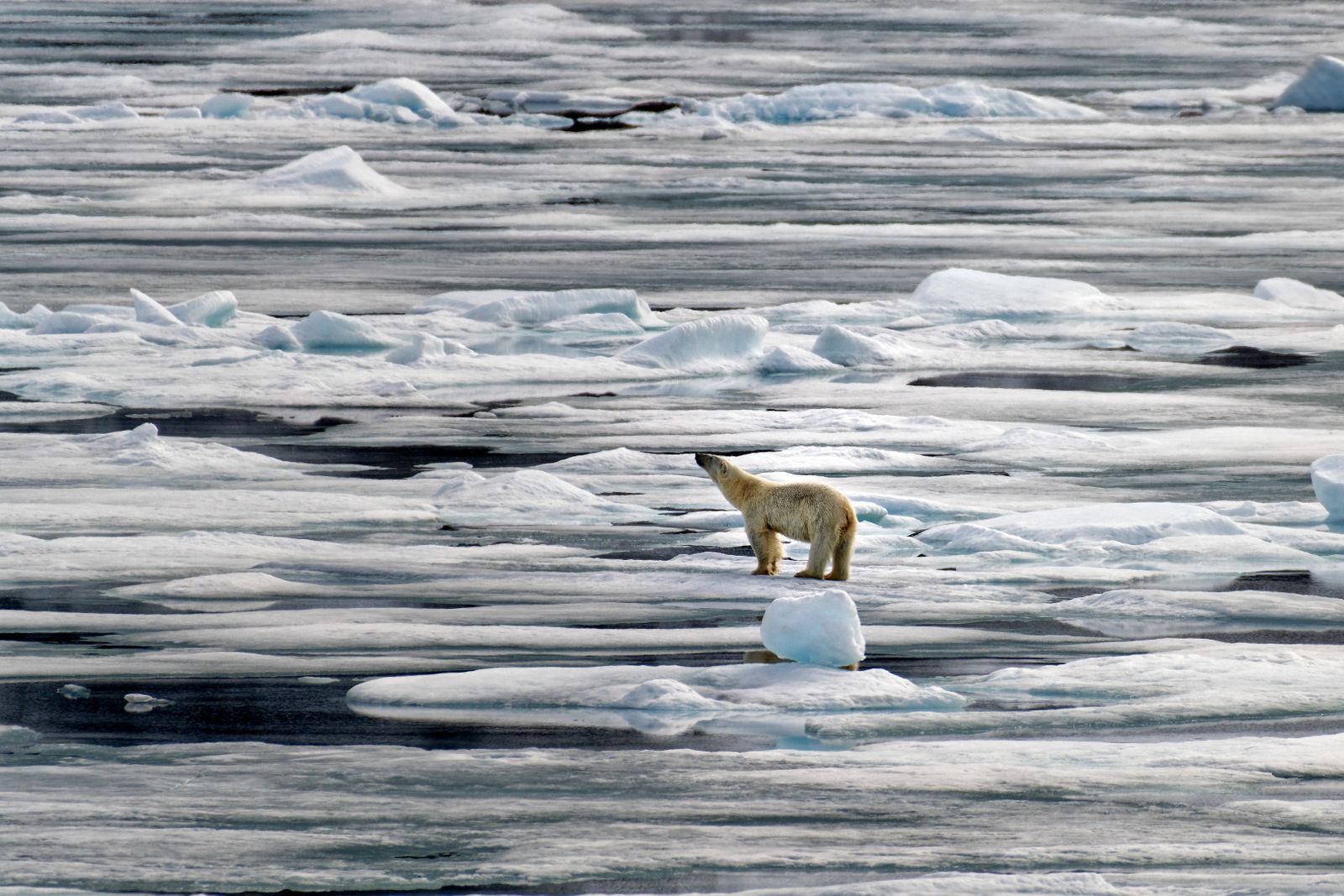
| der Eisbär | Eis (ice) + Bär (bear) | polar bear |
| der Braunbär | braun (brown) + Bär | brown bear |
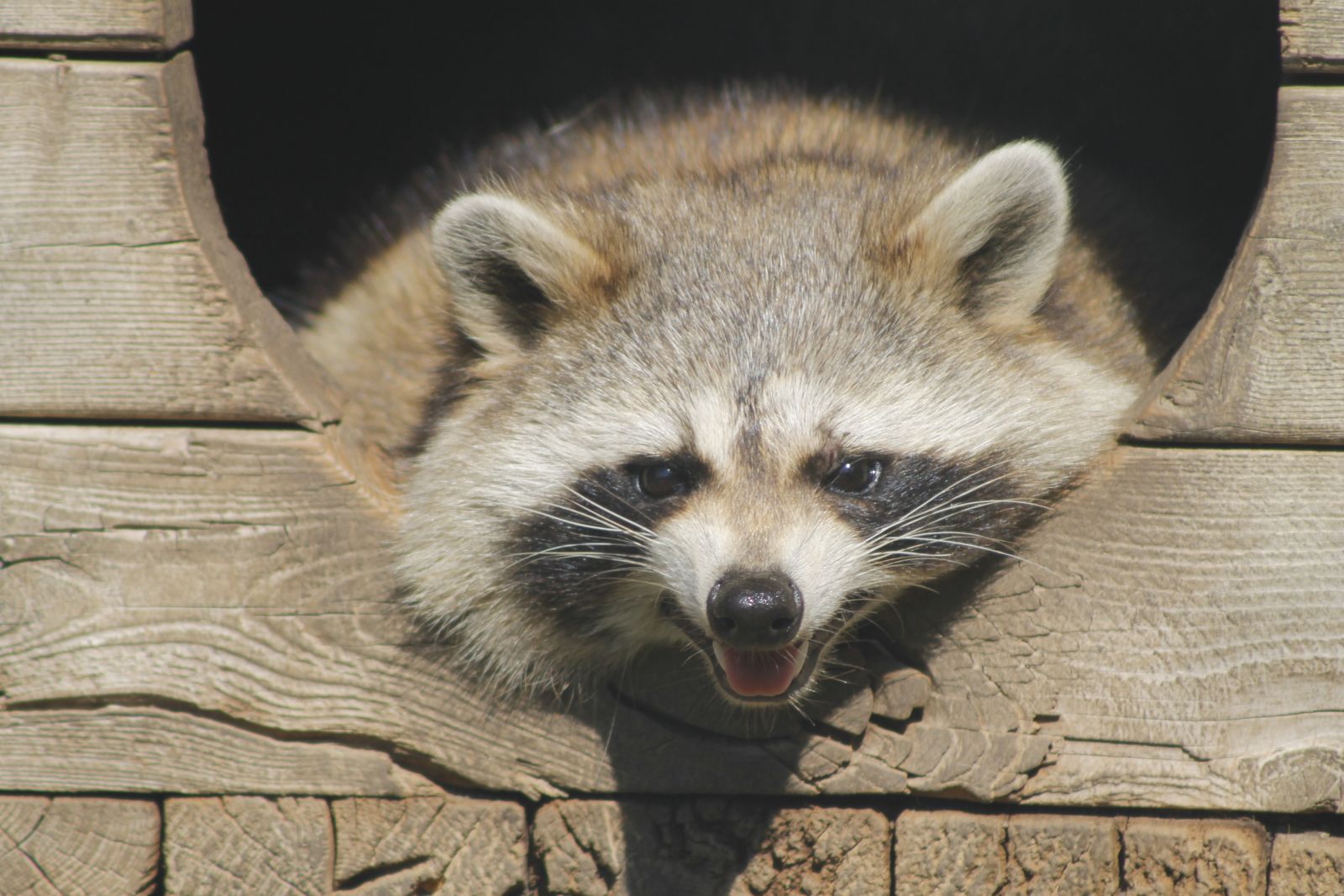
| der Waschbär | waschen (to wash) + Bär | raccoon |
| der Ameisenbär | Ameise (ant) + Bär | anteater |
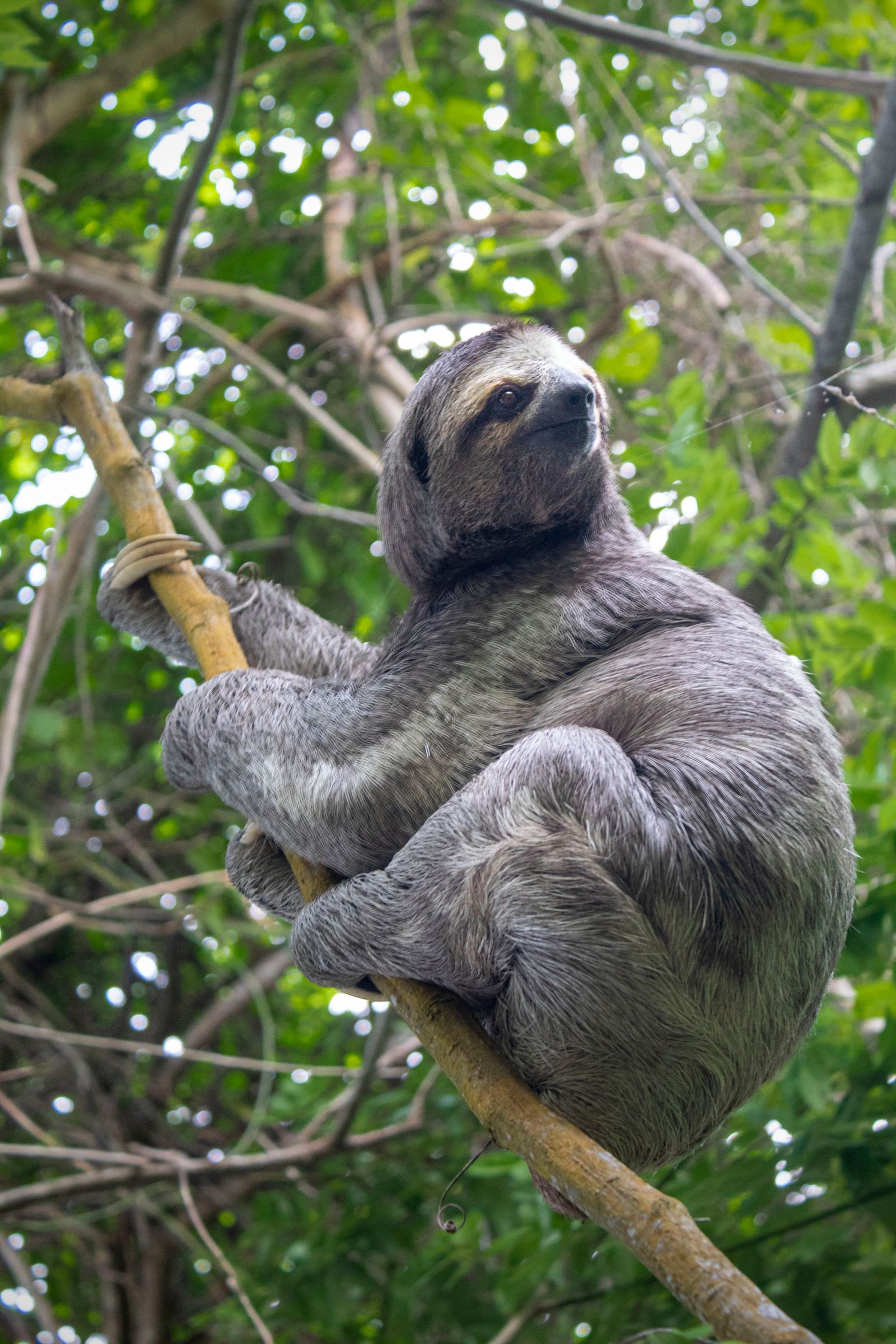
| das Faultier | faul (lazy) + Tier (animal) | sloth |
| das Nilpferd | Nil (Nile) + Pferd (horse) | hippopotamus |
| der Honigdachs | Honig (honey) + Dachs (badger) | honey badger |
| der Maulwurf | Maul (mouth/muzzle) + werfen (to throw) | mole |
| das Stachelschwein | Stachel (spine) + Schwein (pig) | porcupine |
| der Siebenschläfer | sieben (seven) + Schläfer (sleeper) | dormouse |
| der Feldhase | Feld (field) + Hase (hare) | (European) hare |
| der Rotfuchs | rot (red) + Fuchs (fox) | red fox |
| der Polarfuchs | polar + Fuchs | arctic fox |
| der Fischotter | Fisch (fish) + Otter (otter) | (Eurasian) otter |
| der Schneeleopard | Schnee (snow) + Leopard | snow leopard |
| der Seelöwe | See (sea) + Löwe (lion) | sea lion |
| das Meerschweinchen | Meer (sea) + Schweinchen (little pig) | guinea pig |
| der Steinbock | Stein (stone) + Bock (buck) | ibex |
| das Murmeltier | murmeln (to murmur) + Tier | marmot |
| der Moschusochse | Moschus (musk) + Ochse (ox) | musk ox |
The mammal names show German’s favorite naming tricks: habitat + animal (Eisbär, Seelöwe, Feldhase), behavior + animal (Waschbär, Faultier, Siebenschläfer — the dormouse supposedly sleeps seven months), and diet + animal (Ameisenbär, Honigdachs). Note das Meerschweinchen: “little sea pig” — early European sailors thought guinea pigs looked and sounded like tiny pigs, and the name stuck forever.
Birds: 10 German Animal Compound Words
| German | Breakdown | English |
|---|---|---|
| der Buntspecht | bunt (colorful) + Specht (woodpecker) | great spotted woodpecker |
| der Eisvogel | Eis (ice) + Vogel (bird) | kingfisher |
| der Zaunkönig | Zaun (fence/hedge) + König (king) | wren |
| der Seeadler | See (sea) + Adler (eagle) | white-tailed eagle |
| der Steinadler | Stein (stone) + Adler | golden eagle |
| der Fischadler | Fisch + Adler | osprey |
| die Schleiereule | Schleier (veil) + Eule (owl) | barn owl |
| der Graureiher | grau (grey) + Reiher (heron) | grey heron |
| der Weißstorch | weiß (white) + Storch (stork) | white stork |
| der Nachtfalter | Nacht (night) + Falter (butterfly/moth) | moth |
Der Zaunkönig — “hedge king” — is a charmer: one of Europe’s tiniest birds crowned king of the hedgerow. Der Eisvogel (“ice bird”) is named for flashing blue like ice, not for cold habitats. And der Nachtfalter shows the head rule beautifully: Falter covers butterflies and moths, Nacht specifies the night-flying ones.
Sea Life: 10 German Animal Compound Words
| German | Breakdown | English |
|---|---|---|
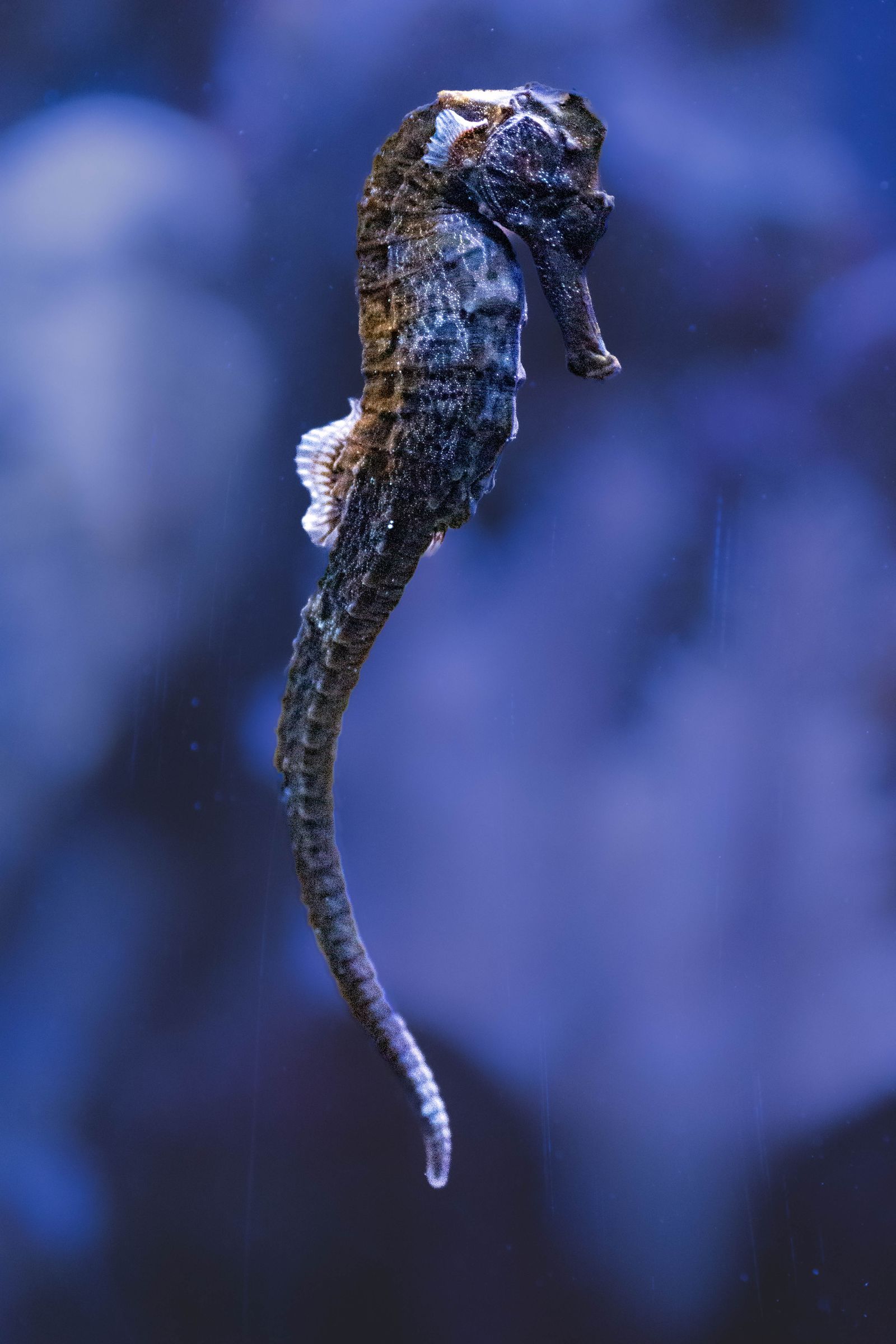
| das Seepferdchen | See (sea) + Pferdchen (little horse) | seahorse |
| der Pottwal | Pott (pot) + Wal (whale) | sperm whale |
| der Buckelwal | Buckel (hump) + Wal | humpback whale |
| der Blauwal | blau (blue) + Wal | blue whale |
| der Schweinswal | Schwein (pig) + Wal | porpoise |
| die Seekuh | See + Kuh (cow) | manatee |
| der Seeelefant | See + Elefant | elephant seal |
| der Seehund | See + Hund (dog) | harbor seal |
| das Walross | Wal + Ross (steed/horse) | walrus |
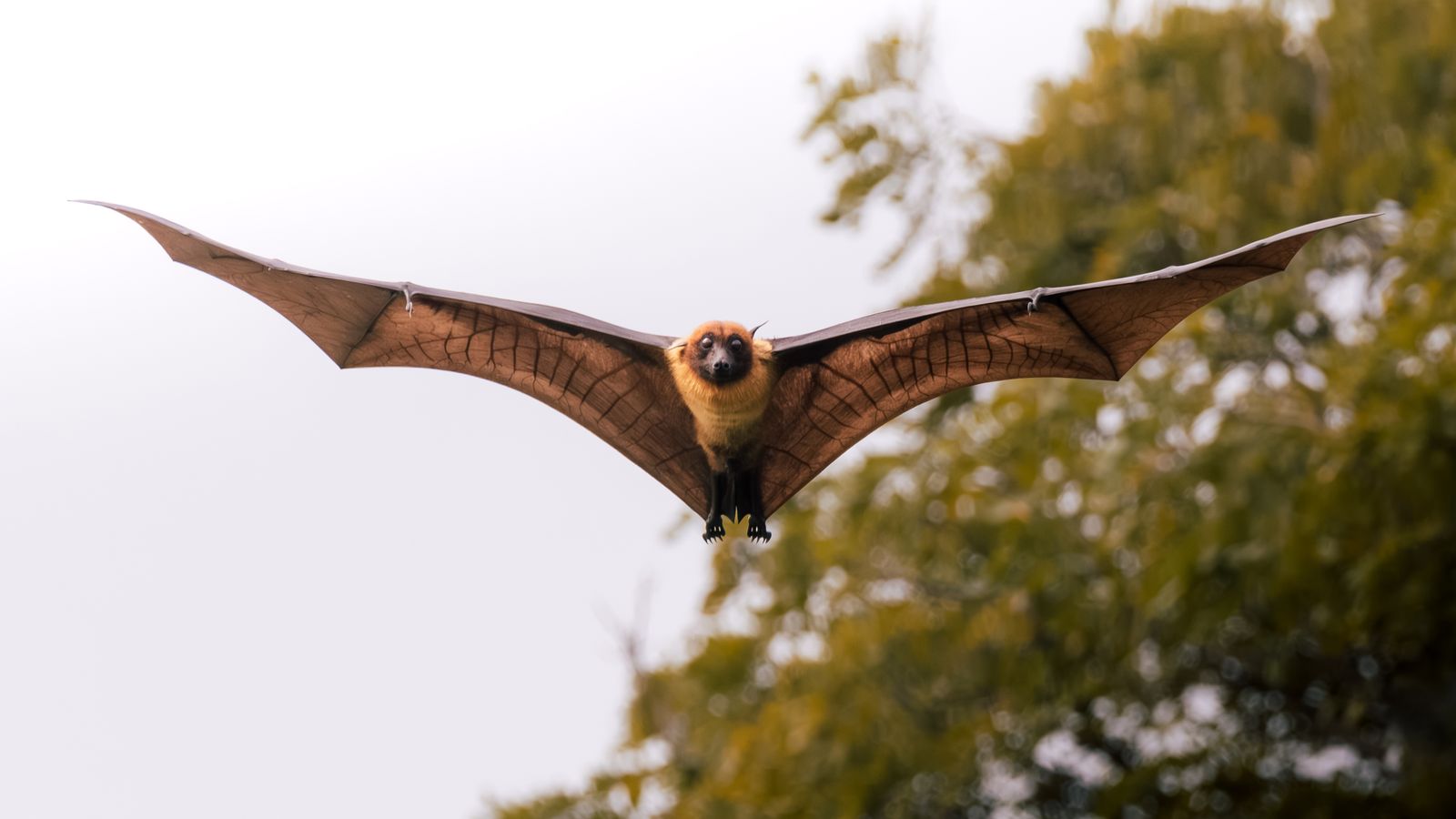
| der Flughund | fliegen (to fly) + Hund | flying fox (fruit bat) |
Sea Germans name sea creatures by land analogy: sea-horse, sea-cow, sea-dog, sea-lion, sea-elephant. The pattern is so productive it even caught the bat family — der Flughund (“flying dog”) for the giant fruit bat, alongside the classic die Fledermaus (“flutter mouse”) below. Das Walross is the odd one: Wal (whale) + Ross (old word for horse/steed) — a “whale-horse,” fossilized from centuries ago.
Insects and Small Creatures: 10 German Animal Compound Words
| German | Breakdown | English |
|---|---|---|
| der Schmetterling | Schmettern (to smash/clatter) + Ling | butterfly |
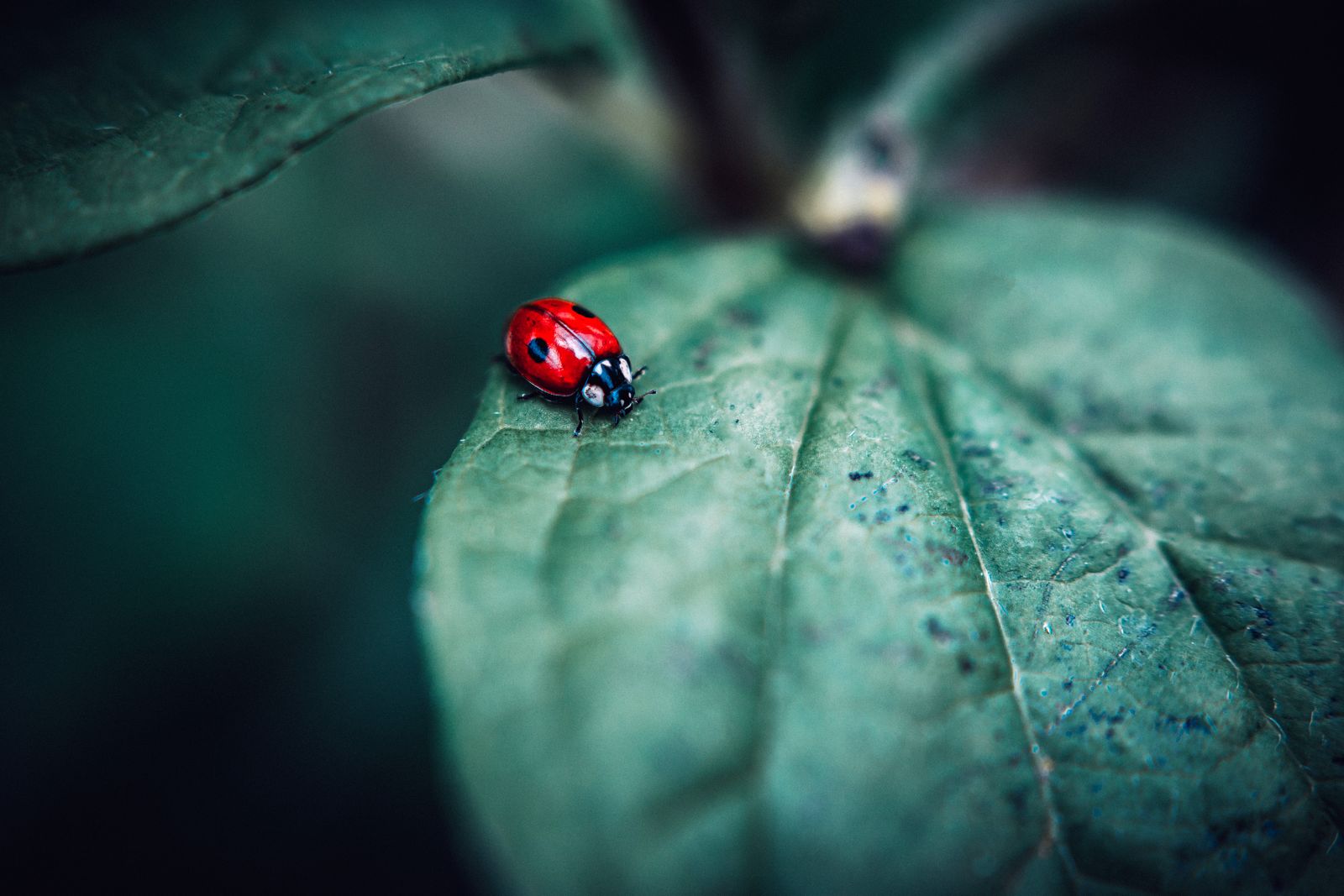
| der Marienkäfer | Maria (Mary) + Käfer (beetle) | ladybug |
| der Grashüpfer | Gras (grass) + hüpfen (to hop) | grasshopper |
| das Glühwürmchen | glühen (to glow) + Würmchen (little worm) | firefly |
| der Regenwurm | Regen (rain) + Wurm (worm) | earthworm |
| die Fledermaus | flattern (to flutter) + Maus (mouse) | bat |
| der Laubfrosch | Laub (foliage) + Frosch (frog) | (European) tree frog |
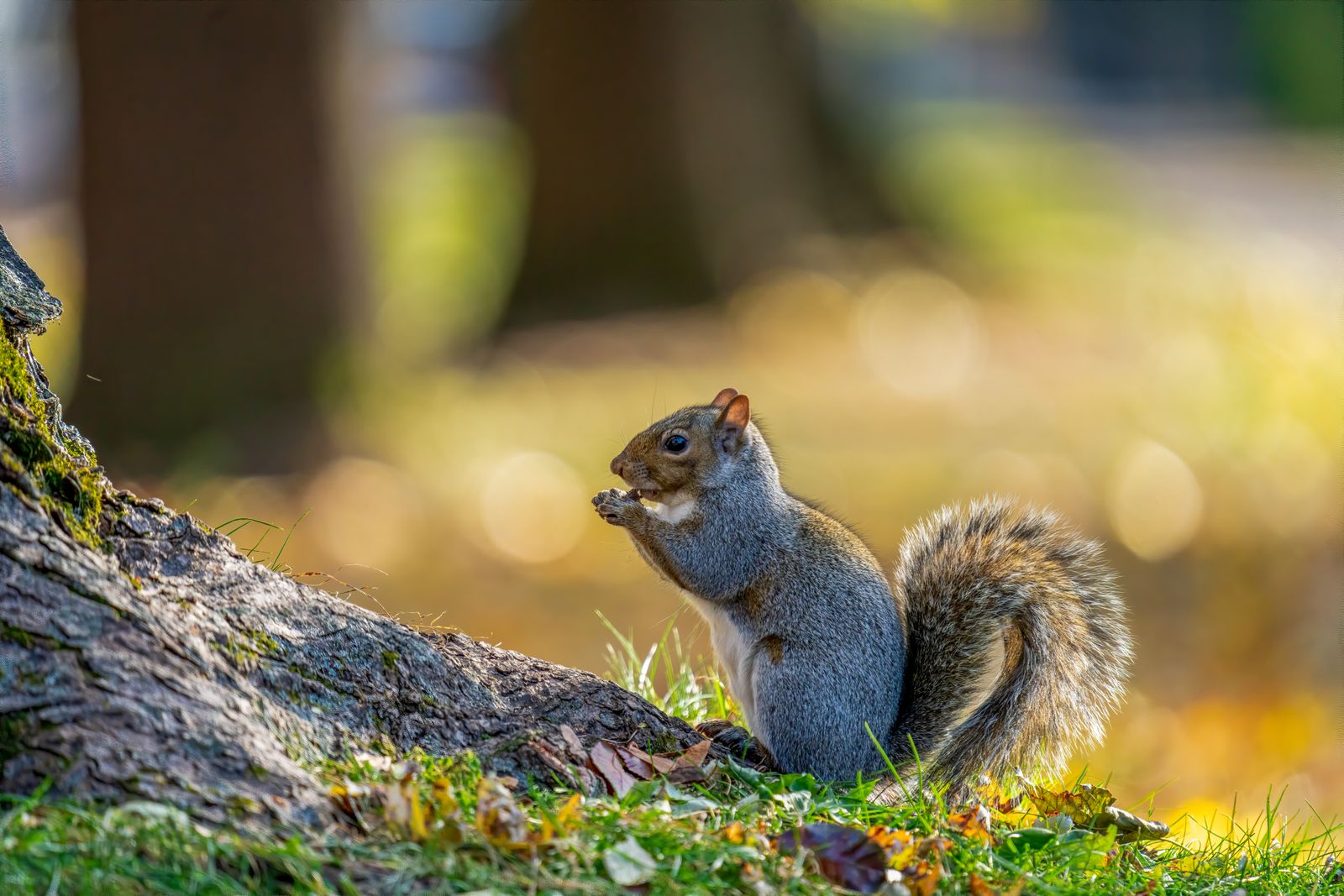
| das Eichhörnchen | Eiche (oak) + Hörnchen (little horn/crook) | (red) squirrel |
| das Stinktier | stinken (to stink) + Tier | skunk |
| der Hirschkäfer | Hirsch (stag) + Käfer (beetle) | stag beetle |
The beetle names are miniature portraits: Marienkäfer (Mary’s beetle, after the Virgin Mary), Glühwürmchen (little glowing worm), Grashüpfer (grass hopper — exactly what it does), Hirschkäfer (stag beetle, named for the male’s antler-like jaws).
5 Literal Translations That Will Make You Smile
Some German animal compounds are so vivid they deserve a spotlight:
- der Waschbär (wash-bear). Raccoons famously dunk their food in water before eating — or seem to. Early German naturalists watched this “washing” and named the animal for it. The name is a behavioral portrait in two syllables.
- das Faultier (lazy-animal). No diplomacy here: the sloth’s entire survival strategy — moving slowly to avoid predators — is filed under faul (lazy). German naming does not flatter.
- das Stinktier (stink-animal). The skunk’s defense mechanism is its name. Compare English “skunk” (from an Algonquian word, telling you nothing) with German’s blunt descriptiveness — the compound teaches you the animal’s key fact for free.
- der Maulwurf (mouth-throw). The mole “throws” earth with its mouth/snout as it digs. A thousand years ago someone watched a molehill grow and coined the perfect verb-stem compound (werfen → wurf). It has not needed updating since.
- das Meerschweinchen (little sea pig). Guinea pigs are neither from the sea nor pigs — but to 16th-century sailors they looked like tiny pigs, and “Meer” (sea) marked them as creatures from across the ocean. The name is a fossil of first contact, wrong in every detail and unforgettable.
Patterns: How German Names Animals
Step back from the fifty and the system reveals itself — the same templates repeat, which means learning one animal teaches you the next:
- Habitat + animal: Eisbär, Seelöwe, Feldhase, Laubfrosch, Seehund. If you know where it lives, you can often guess the German name.
- Appearance + animal: Braunbär, Blauwal, Weißstorch, Graureiher, Buntspecht, Schneeleopard. Color and shape do heavy lifting.
- Behavior + animal: Waschbär, Faultier, Grashüpfer, Glühwürmchen, Siebenschläfer. What it does becomes what it is called.
- Land animal + sea prefix: Seepferdchen, Seekuh, Seeelefant, Seelöwe. The ocean gets named by analogy — a whole taxonomy built on “it looks like the land version.”
- -bär as an augmentative: Eisbär, Braunbär, Waschbär, Ameisenbär. When Germans meet a striking mammal, -bär is the head they reach for — it carries weight and presence.
Notice how the head noun does the classifying: everything ending in -bär is a large mammal, everything ending in -wal is a whale, everything ending in -adler is an eagle. Learn the dozen common animal heads and you can decode unfamiliar species on sight — the same head-rule logic our build German compound words guide uses for coining new terms.
Why Animal Compounds Are Perfect Grammar Practice
Animal names are secretly one of the best ways to drill German grammar, because every entry in this list exercises the head rule. Der Eisbär is masculine — not because bears are masculine, but because der Bär is. Das Faultier is neuter because das Tier is. Die Schleiereule is feminine because die Eule is. Fifty animals, fifty repetitions of the same law, each attached to a vivid image your brain will not forget.
They also drill plurals painlessly. Der Schmetterling → die Schmetterlinge, das Eichhörnchen → die Eichhörnchen, der Grashüpfer → die Grashüpfer: only the head changes, exactly as our German compound nouns gender and plural guide teaches. And the umlaut plurals — der Apfel is not here, but der Hirschkäfer → die Hirschkäfer shows the zero-plural pattern — give you the forms that trip learners up, embedded in vocabulary you actually want.
Try this: pick five animals from the list and use each in a sentence with an adjective. Der große Eisbär, die kleine Schleiereule, das faule Faultier (the lazy sloth — the joke writes itself). Adjective endings force you to commit to the gender, and the animals make the drill enjoyable. Grammar learned through Waschbären sticks better than grammar learned through tables.
Quiz Yourself: 10 Quick Riddles
Cover the English column and translate from the breakdown. Answers follow.
- Eis + Bär → ? 2. faul + Tier → ? 3. See + Pferdchen → ? 4. stinken + Tier → ?
- Gras + hüpfen → ? 6. Honig + Dachs → ? 7. Nacht + Falter → ? 8. Maria + Käfer → ?
- Stein + Bock → ? 10. Regen + Wurm → ?
Answers: 1. polar bear (der Eisbär), 2. sloth (das Faultier), 3. seahorse (das Seepferdchen), 4. skunk (das Stinktier), 5. grasshopper (der Grashüpfer), 6. honey badger (der Honigdachs), 7. moth (der Nachtfalter), 8. ladybug (der Marienkäfer), 9. ibex (der Steinbock), 10. earthworm (der Regenwurm).
Key Takeaways: German Animal Compound Words
- These 50 German animal compound words show the system’s personality: habitat, appearance, and behavior become names (Eisbär, Blauwal, Waschbär).
- Every entry follows the head rule — the last word decides gender and meaning — so der Seelöwe is masculine (der Löwe) and das Faultier is neuter (das Tier).
- Recurring heads (-bär, -wal, -adler, -fuchs) classify whole animal families; learn the head and you decode the species.
- The literal translations are memory hooks: wash-bear, lazy-animal, stink-animal, mouth-throw, little sea pig.
- For the grammar engine behind every article in this list, see how German compound words work and why German words are so long.
Frequently Asked Questions
Why are German animal names so literal?
German compounding favors transparent description over borrowed or opaque names. Where English keeps “raccoon” (from Algonquian) or “giraffe” (from Arabic), German usually builds a descriptive compound — it is the same instinct that makes German technical vocabulary so readable.
Do Germans actually say these long names in conversation?
Yes — Waschbär, Eichhörnchen, and Schmetterling are everyday words. Length is normal in German; speakers do not perceive these as “long words” at all.
Which animal head nouns should I learn first?
Start with -bär, -vogel, -fisch, -käfer, -maus, and -tier. They head dozens of common species each and demonstrate the gender rules perfectly.
Are there animal compounds that are not literal?
A few: der Schmetterling’s origin is debated (possibly from “Schmetten,” an old word for cream — butterflies were thought to steal cream), and das Meerschweinchen is famously wrong about both the sea and the pig. The exceptions prove how literal the rule usually is.