

Restaurant menus are where false friends go to eat. You read confidently, order decisively, and receive something entirely unexpected — because german food false friends turn every menu into a small adventure. The good news: food mix-ups rarely cause offense, and they often end with you discovering something delicious you would never have ordered on purpose. In twenty years of learner stories, nobody has ever regretted the accidental Torte.
Here are 30 German food words that deceive English speakers, each with its real meaning, the English trap, and a note on what actually arrives at the table. For the historical reasons these traps exist — the centuries of meaning drift behind Keks, Torte, and friends — see why German false friends exist. For the full danger list beyond food, see our complete German false friends guide.
German Food False Friends and the Narrowing Trap
Most food false friends deceive through narrowing: the German word covers more or less than the English lookalike, and you guess the wrong scope.
German is broader. Marmelade covers every jam; English “marmalade” means only citrus. Limonade covers every fizzy soft drink; English “lemonade” means the lemon one. Eis covers ice cream and ice; English splits them. When the German word is broader, you order confidently and receive the category instead of the specific — usually fine, occasionally surprising.
German is narrower. Pudding is only the custard dessert, not the whole British pudding universe. Keks is only the biscuit, never the cake. Torte is only the layered celebration cake, never the flat tart. When the German word is narrower, you order confidently and receive less than you imagined — the biscuit instead of the cake.
The defense: when a food word looks English, ask yourself whether it names the category or the item. German food vocabulary loves categories (Wurst, Kuchen, Brot), and the lookalike often sits at a different level of the hierarchy than you assume. One clarifying question — “Ist das süß?” (Is it sweet?) — resolves most cases before the plate arrives.
Breakfast and Bakery
1. die Marmelade — jam (any fruit jam) — not just “marmalade” (orange). “Erdbeermarmelade” is strawberry jam. English “marmalade” specifically means citrus; German Marmelade covers everything spreadable. Order Orangenmarmelade if you specifically want the bitter orange kind.
2. der Keks — biscuit, cookie (not “cake”). “Ein Kaffee und zwei Kekse, bitte.” Cake is der Kuchen. The confusion is low-stakes but constant — Kekse come in packets, Kuchen comes on plates.
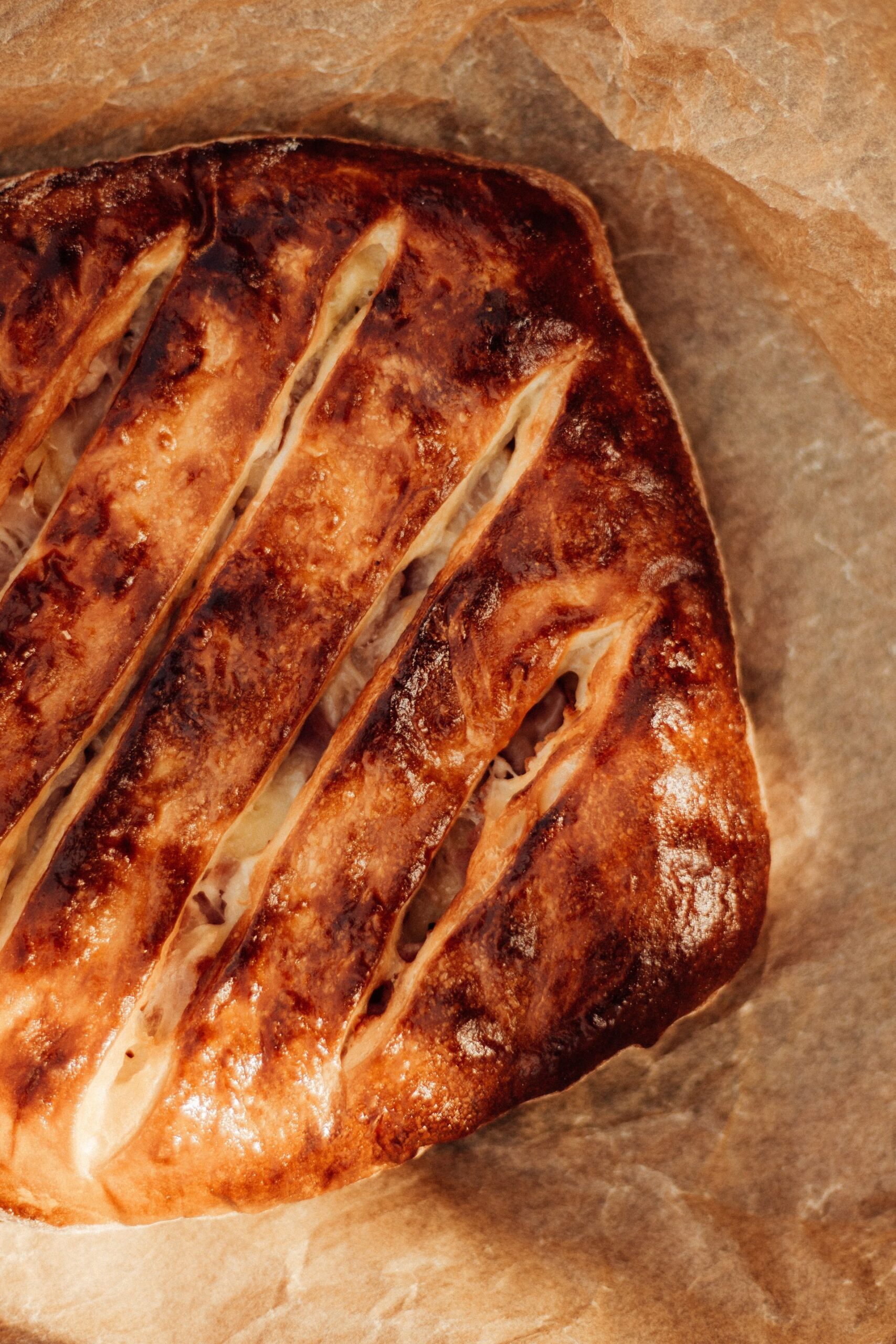
3. die Torte — layer cake, gâteau (not “tart”). “Die Schwarzwälder Kirschtorte” — Black Forest gateau — is Germany’s most famous Torte: layers of chocolate sponge, cherries, and cream. A tart (flat pastry) is die Tarte.
4. die Brötchen — bread rolls (not “bread” generally). “Zwei Brötchen zum Frühstück.” The diminutive of Brot (bread) — small breads. German breakfast culture runs on Brötchen; there are regional names (Semmel in Bavaria, Schrippe in Berlin) that confuse even Germans.
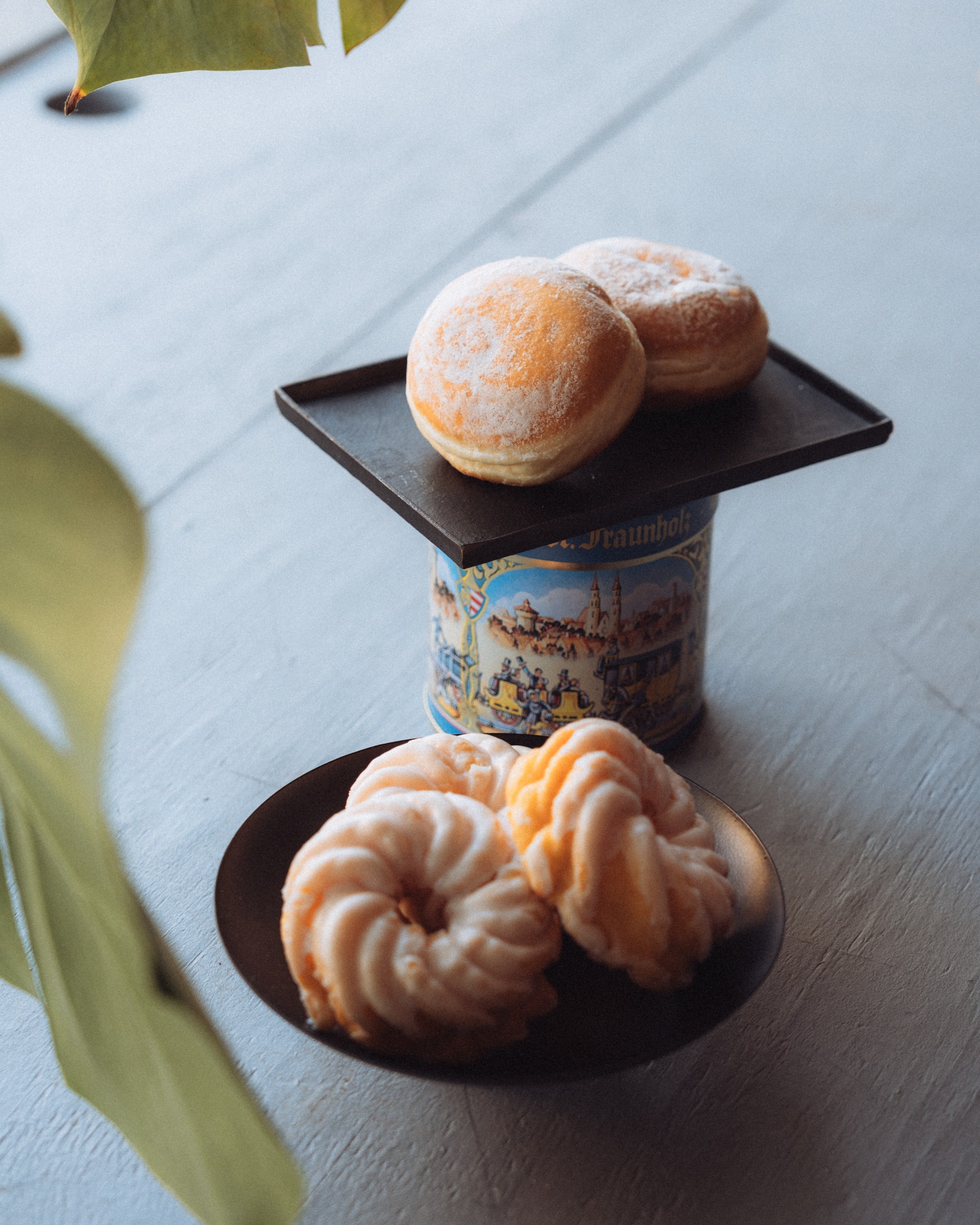
5. der Pfannkuchen — pancake (not “pan cake” anything weird). “Pfannkuchen mit Apfelmus.” Regional chaos alert: in Berlin, Pfannkuchen means a doughnut (Berliner), and the pancake is Eierkuchen. Ask locally before ordering.
6. der Lebkuchen — gingerbread (not “liver cake” — Leber is liver, Leben is life; the etymology is disputed). “Nürnberger Lebkuchen” at Christmas markets. Soft, spiced, glazed — nothing to do with liver, everything to do with December.
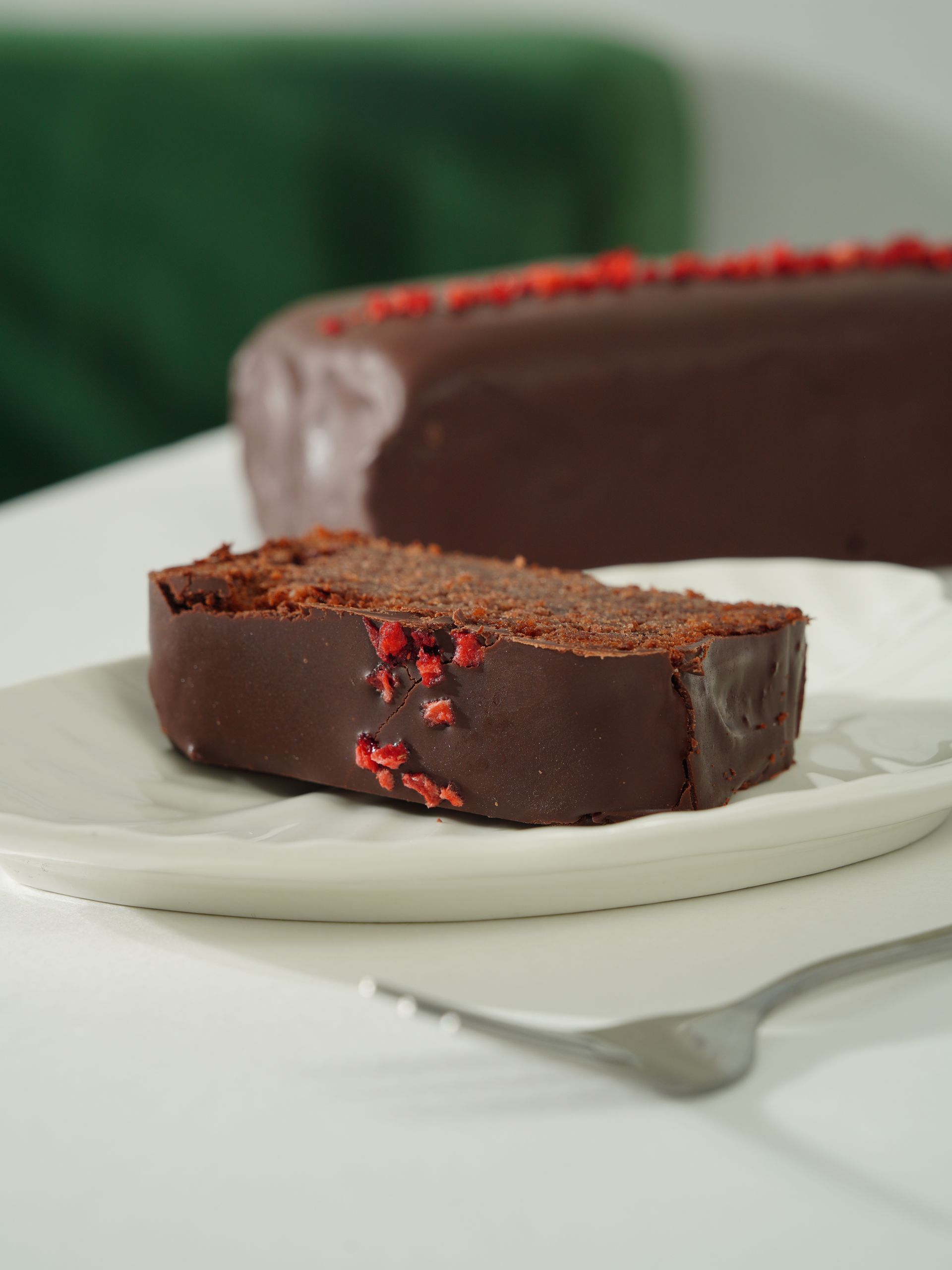
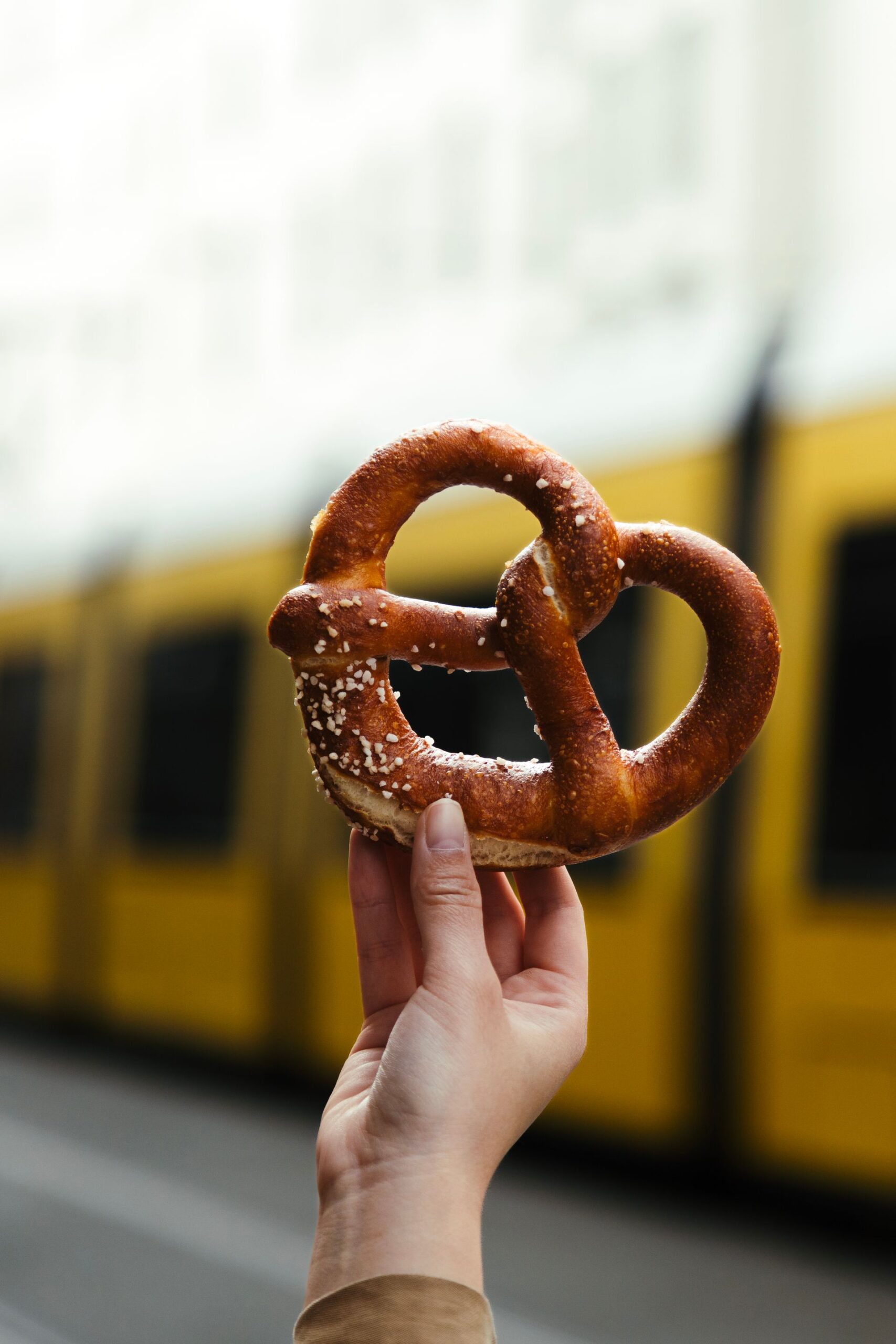
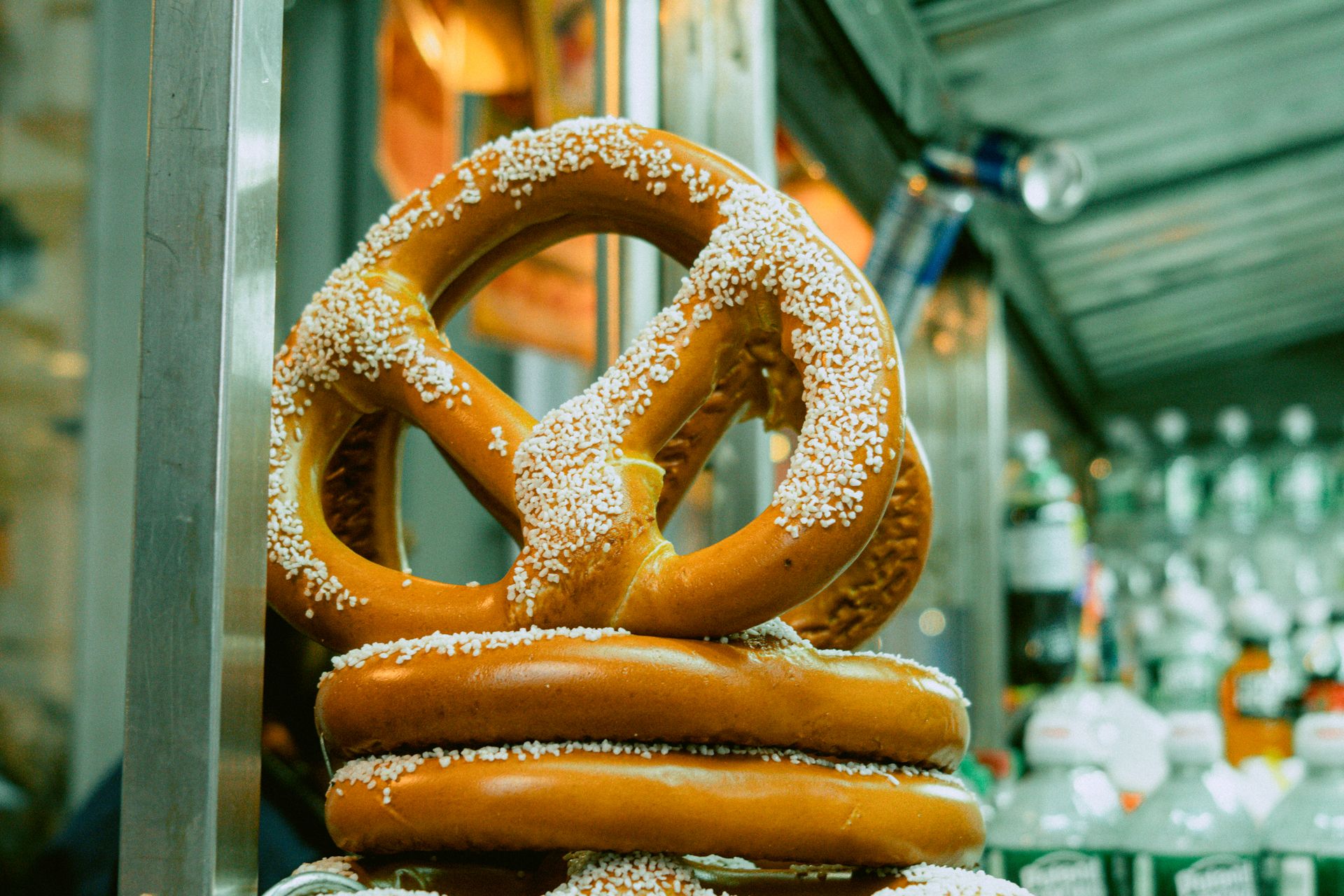
7. die Brezel — pretzel (not “brezel” anything else). “Eine Brezel mit Butter.” The Laugenbrezel (lye pretzel) is the classic — chewy, salty, perfect. Pronounced BRAY-tsul.
8. das Müsli — muesli (the breakfast cereal). “Müsli mit Joghurt.” Same as English — the surprise is the slang: “Sei kein Müsli!” (don’t be a wimp). Breakfast and mild insults share a word.
9. der Toast — toast; toasted sandwich. “Ein Toast Hawaii.” The German Toast (the 1970s classic: ham, pineapple, cheese on toast) is a cultural artifact. Note: toasten also means “to give a toast” (speech) — einen Toast ausbringen.
10. der Quark — curd cheese, quark (not “quark” the particle — though spelled identically). “Quark mit Leinöl” is a Saxon specialty. High-protein, tangy, essential to German baking (Käsekuchen is made with Quark, not cream cheese).
Mains and Sides
11. das Schnitzel — breaded cutlet (not just “veal”). “Wiener Schnitzel” is legally veal in Austria/Germany; Schnitzel Wiener Art is pork. The word means the preparation (breaded, fried cutlet), not the meat. Order by the prefix: Hähnchenschnitzel (chicken), Putenschnitzel (turkey).
12. die Bratwurst — fried/grilled sausage (not “brat” the sausage only in American BBQ contexts — actually this one is a true friend; the trap is assuming all Würste are the same). Germany has 1,500+ sausage varieties: Nürnberger, Thüringer, Currywurst. Braten means “to fry/roast” — a Bratwurst is made for frying.
13. die Currywurst — curried sausage (not “curry” the dish). Berlin’s iconic street food: sliced sausage with curry ketchup. “Eine Currywurst mit Pommes.” Invented in 1949 by Herta Heuwer — there is a plaque.
14. der Eintopf — one-pot stew (not “one pot” as cookware). “Erbseneintopf” (pea stew). The Topf is the pot; the Eintopf is what is in it. Hearty, cheap, perfect winter food.
15. die Beilage — side dish (not “beilage” anything). “Pommes als Beilage.” Beilagen are the supporting actors: potatoes, Knödel, salad. The main is die Hauptspeise.
16. die Hauptspeise — main course (not “head dish”). “Als Hauptspeise nehme ich…” (Haupt = main/head.) Menus are structured Vorspeise/Hauptspeise/Nachtisch — learn the trio and you can navigate any German menu.
17. die Vorspeise — appetizer, starter (not “before-dish” weirdness). “Zur Vorspeise eine Suppe.” (Vor = before.) Simple, logical, delicious.
18. der Nachtisch — dessert (not “night dish” — though Nacht is night and Tisch is table). “Zum Nachtisch gibt es Eis.” Literally “after-table” — what comes after the table is cleared. The synonym Dessert also exists.
19. der Auflauf — casserole, bake (not “auflauf” anything). “Nudelauflauf” (pasta bake). Auflaufen means to run aground (ships) — the food sense is “piled up” in a dish. Comfort food with a confusing name.
20. die Klöße — dumplings (not “klöße” anything English). “Kartoffelklöße” (potato dumplings) — the classic Sunday side in southern Germany. Also called Knödel. Dense, round, gravy-absorbing.
Dairy, Desserts, and Drinks
21. die Sahne — cream (whipping cream) — not “sahne” anything. “Kaffee mit Sahne.” Schlagsahne is whipped cream; saure Sahne is sour cream. German cakes are structurally dependent on Sahne.
22. der Pudding — pudding (but specifically the custard/mousse-like dessert). “Vanillepudding.” English “pudding” is a broad category; German Pudding is the specific wobbly custard dessert, usually Pulver-based. Dr. Oetker built an empire on it.
23. das Eis — ice cream; ice. “Ein Eis, bitte” gets you ice cream; “Eiswürfel” are ice cubes. Context decides — in a café it is always the sweet kind. Eiscafé culture is a German summer institution.
24. die Limonade — lemonade (but means any fizzy soft drink). “Eine Limonade” could be cola, orange soda, or actual lemonade. Orangenlimonade specifies. The English narrowing to lemon never happened in German.
25. der Eierlikör — eggnog liqueur, advocaat (not “egg liquor” weirdness). “Eierlikörkuchen” at Easter. Thick, sweet, custardy — served in small glasses, baked into cakes.
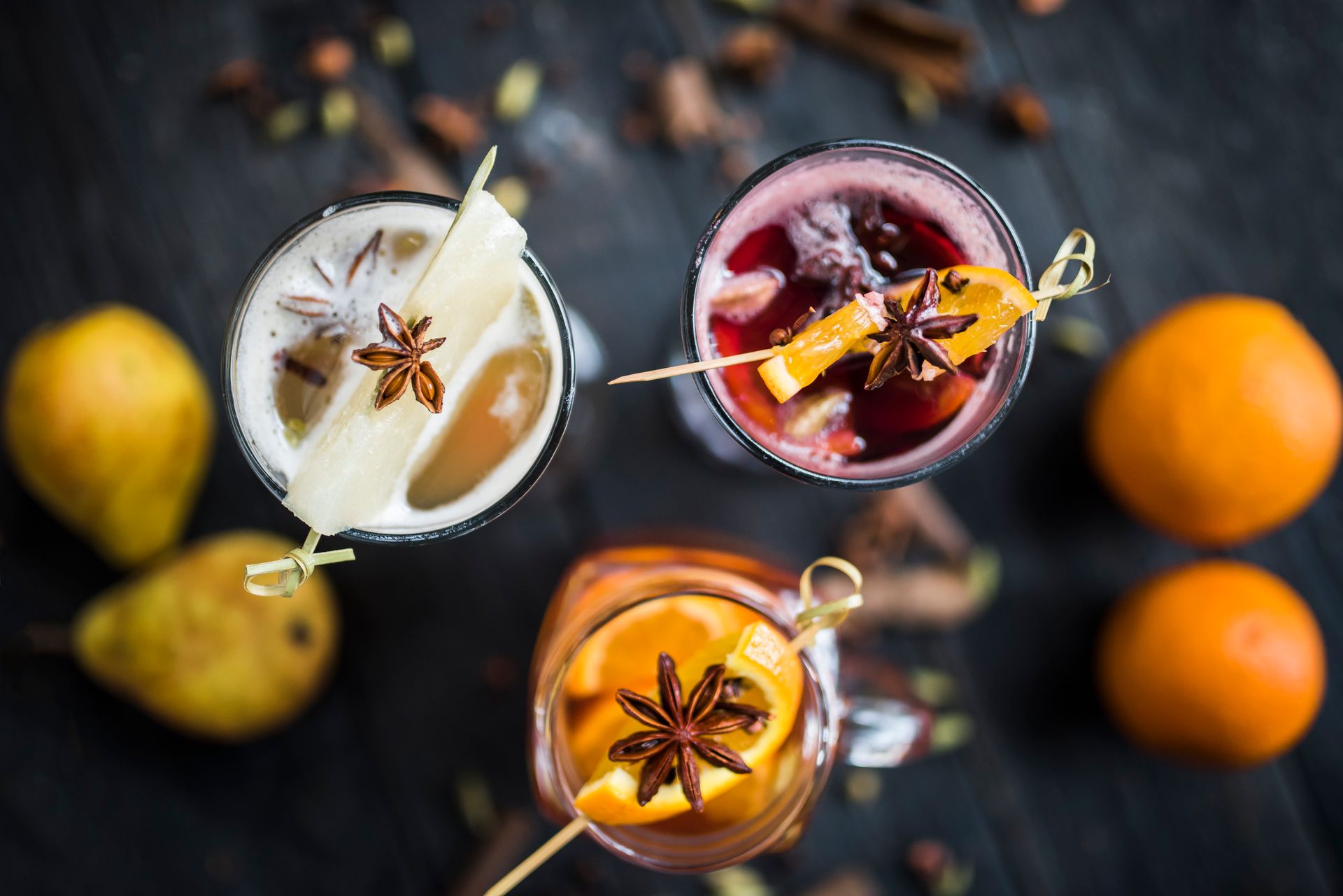
26. der Glühwein — mulled wine (not “glow wine” — though glühen is to glow). “Ein Glühwein, bitte” at the Christmas market. Served steaming hot with spices; the glow refers to the warming effect.
27. der Sekt — sparkling wine (not “sect”). “Ein Glas Sekt zum Anstoßen.” German Sekt is its own category — not Champagne (protected name), not Prosecco. Pronounced zekt.
28. die Pommes — fries (from pommes frites). “Pommes rot-weiß” (with ketchup and mayo) — order it this way and you sound like a local. The full word Pommes frites is rarely used; Pommes does all the work.
29. die Frikadelle — meatball, patty (not “frikadelle” anything). “Frikadellen mit Kartoffelsalat.” Also called Bulette (Berlin) or Fleischpflanzerl (Bavaria) — the regional names alone are a false-friend minefield for Germans.
30. das Abendbrot — supper (literally “evening bread”) — not “evening bread” as a bakery item. “Zum Abendbrot gibt es Brot und Käse.” The traditional German cold evening meal: bread, cheese, cold cuts. Abendbrot is a meal, not a product.
How to Order Without Fear
- Point and ask. “Was ist das?” (What is that?) pointing at the menu or the next table’s plate is universally understood and always charming.
- Learn the menu trio. Vorspeise (starter), Hauptspeise (main), Nachtisch (dessert) — with these three, any menu is navigable.
- Embrace the surprise. The Torte you did not expect is often better than the tart you wanted. Some of the best food stories start with a mistranslation.
- Ask for the Tageskarte. The daily specials board (Tageskarte) is where kitchens show off — and where your German gets its best workout.
- Learn the drink words. Schorle (juice or wine mixed with sparkling water — Apfelschorle is Germany’s national soft drink), Spezi (cola-orange mix), Radler (beer with lemonade). None look English, so none deceive — they are pure reward vocabulary.
- Master the magic phrases. “Ich hätte gern…” (I would like…), “Was empfehlen Sie?” (What do you recommend?), “Die Rechnung, bitte” (The check, please). With these three sentences and the vocabulary on this list, you can eat anywhere in Germany with confidence.
Regional Chaos: A Survival Note
German food vocabulary changes by region more than almost any other domain — and the changes create false friends within German. Pfannkuchen (pancake everywhere, doughnut in Berlin), Frikadelle (meatball generally, Bulette in Berlin, Fleischpflanzerl in Bavaria), Brötchen (Semmel in Bavaria and Austria, Schrippe in Berlin, Weck in parts of the south). Even native Germans order the wrong thing when traveling domestically.
The lesson for learners: when a food word confuses you, it might not be your German — it might be the region. Ask “Was ist das bei Ihnen?” (What is that here, at your place?) and locals will happily explain their version. Regional food words are a conversation starter, not a failure.
Key Takeaways
- These 30 german food false friends turn menus into adventures: Marmelade (any jam), Keks (biscuit), Torte (layer cake), Quark (curd cheese), Pfannkuchen (pancake — or doughnut in Berlin).
- Food words deceive through narrowing (Limonade = any soda, Pudding = custard dessert) and regional chaos (Pfannkuchen, Frikadelle/Bulette).
- The menu trio — Vorspeise, Hauptspeise, Nachtisch — unlocks every German restaurant.
- Mistakes are delicious: the wrong order often becomes the favorite dish, and the story of how you ordered it becomes the favorite anecdote. Order bravely.
- Keep the laughter going with 25 funny German false friends — and build your foundations with 30 false friends for beginners.
Frequently Asked Questions
What is the difference between “Torte” and “Kuchen”?
Torte is a layered, often cream-filled celebration cake (like Black Forest gateau); Kuchen is the general word for cake, including simple sheet cakes (Blechkuchen). All Torten are Kuchen, but not all Kuchen are Torten.
Why does “Pfannkuchen” mean different things in different regions?
In most of Germany it is a pancake; in Berlin it is a jam doughnut (Berliner), with the pancake called Eierkuchen. The doughnut sense spread from Berlin dialect. When in Berlin, order Eierkuchen for pancakes.
What should I order at a German Christmas market?
Glühwein (mulled wine), Lebkuchen (gingerbread), Bratwurst, and gebrannte Mandeln (roasted almonds). At Easter markets, look for Eierlikör specialties.
Is German “Pudding” the same as British pudding?
No — British “pudding” is a whole dessert category (including Christmas pudding and Yorkshire pudding); German Pudding is specifically the smooth custard-style dessert, usually vanilla or chocolate, served chilled with Vanillesauce if you are lucky.
What is “Quark” and what do I do with it?
Quark is a fresh curd cheese — tangy, high-protein, somewhere between yogurt and cream cheese. Germans eat it with fruit, herbs (Kräuterquark with potatoes), or bake it into Käsekuchen (cheesecake). Magerquark (low-fat) is a fitness staple.
How do I read a German bakery display?
Brötchen (rolls), Brot (loaves), Kuchen (cakes), Torte (layer cakes), Plätzchen (cookies, especially Christmas), Teilchen (small pastries, literally “little parts”). Pointing works, but the vocabulary earns smiles — bakery staff love customers who try.