

Your home is a compound-word museum. Every room, every appliance, every stick of furniture has a German name built from honest parts: the bedroom is the “sleep room” (das Schlafzimmer), the fridge is the “cool cupboard” (der Kühlschrank), the vacuum cleaner is the “dust sucker” (der Staubsauger). These 50 German household compound words walk you through a German home room by room — each with its correct article, literal breakdown, and English meaning.
Decode them right to left as taught in how German compound words work: the final word is the head that fixes the gender — das Zimmer makes Schlafzimmer neuter, der Schrank makes Kühlschrank masculine. The grammar engine is fully explained in our German compound nouns gender and plural guide.
Rooms: 12 German Household Compound Words
| German | Breakdown | English |
|---|---|---|
| das Schlafzimmer | schlafen (to sleep) + Zimmer (room) | bedroom |
| das Wohnzimmer | wohnen (to reside) + Zimmer | living room |
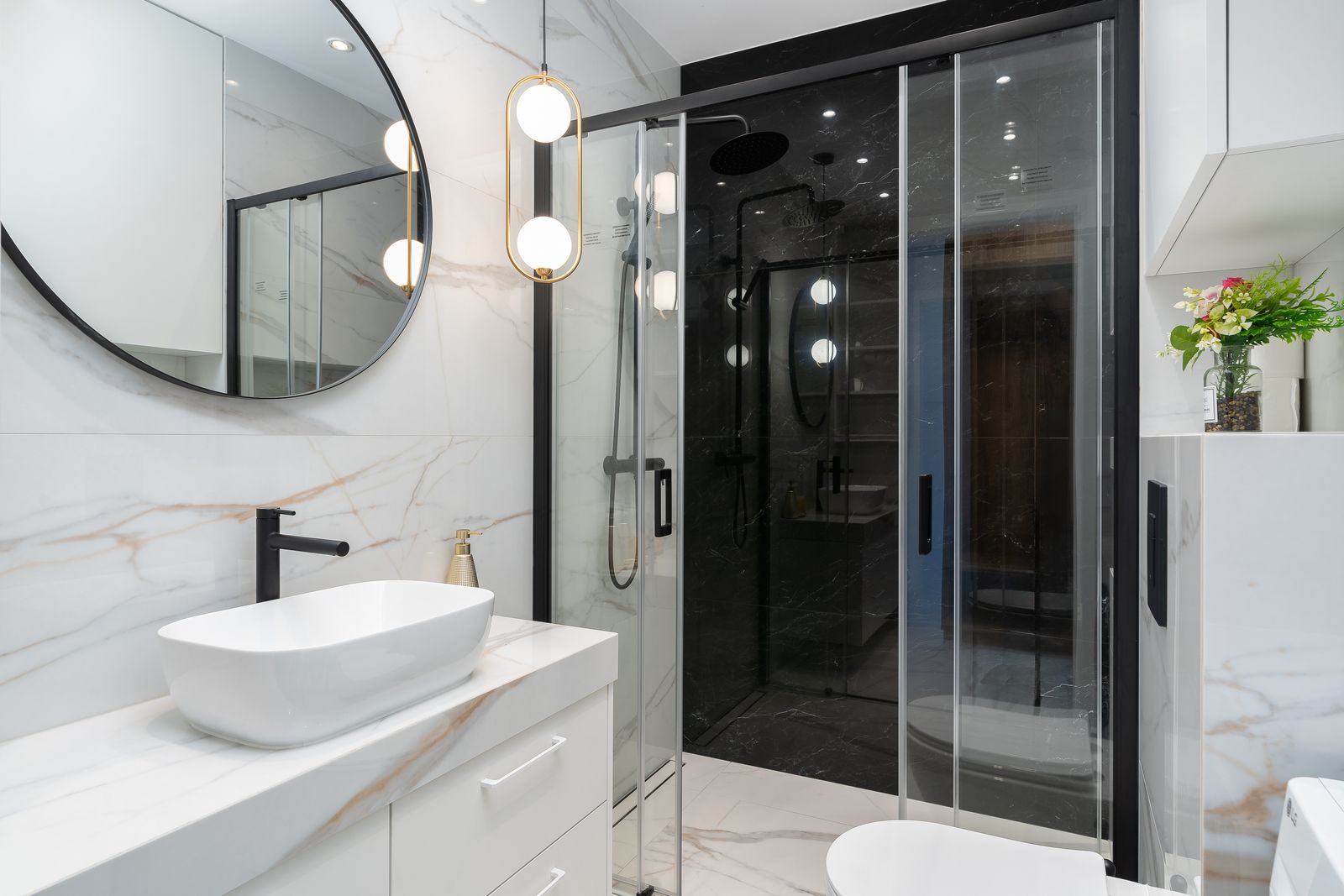
| das Badezimmer | baden (to bathe) + Zimmer | bathroom |
| das Kinderzimmer | Kind (child, pl. Kinder) + Zimmer | children’s room |
| das Arbeitszimmer | Arbeit (work) + Zimmer | study / home office |
| das Esszimmer | essen (to eat) + Zimmer | dining room |
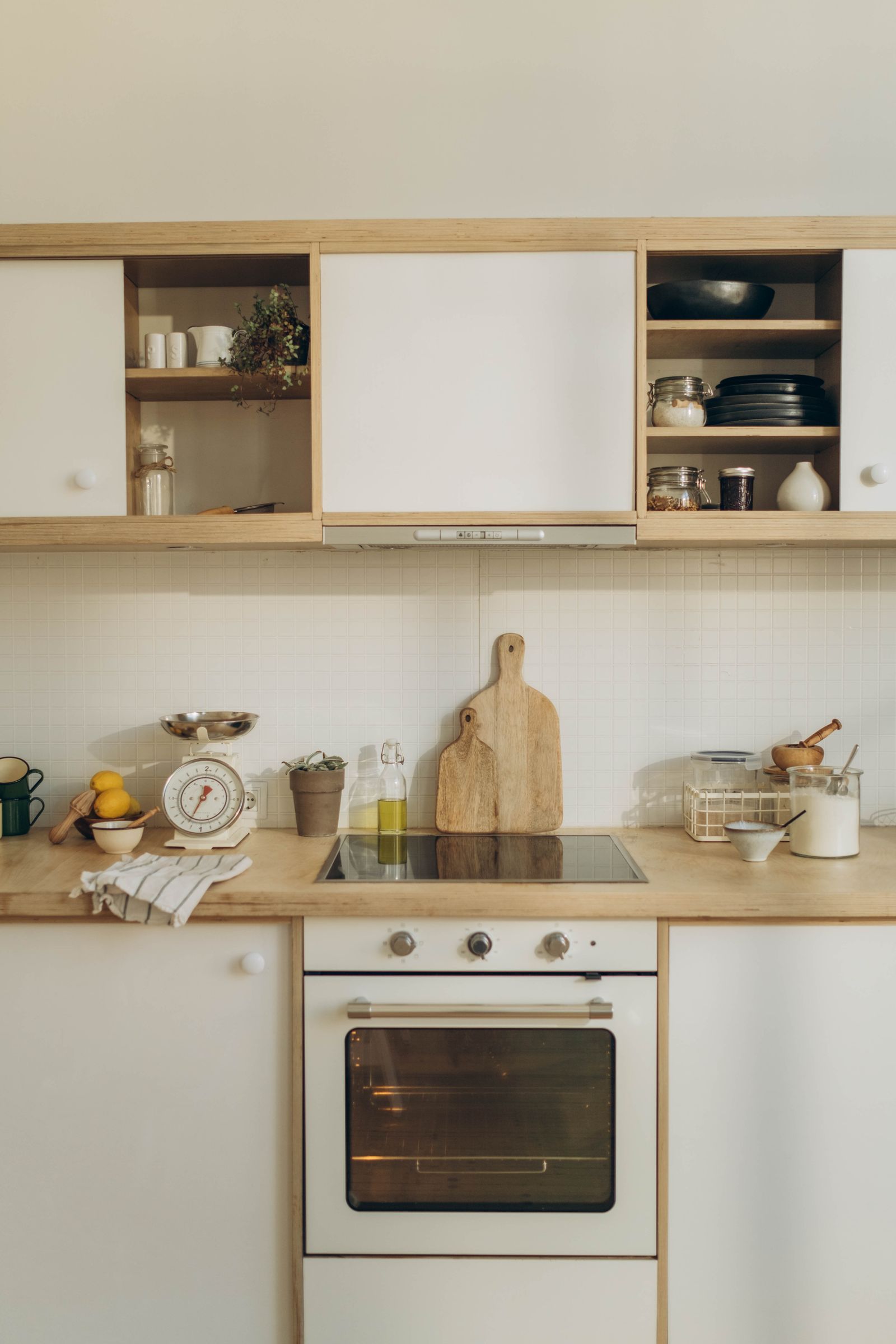
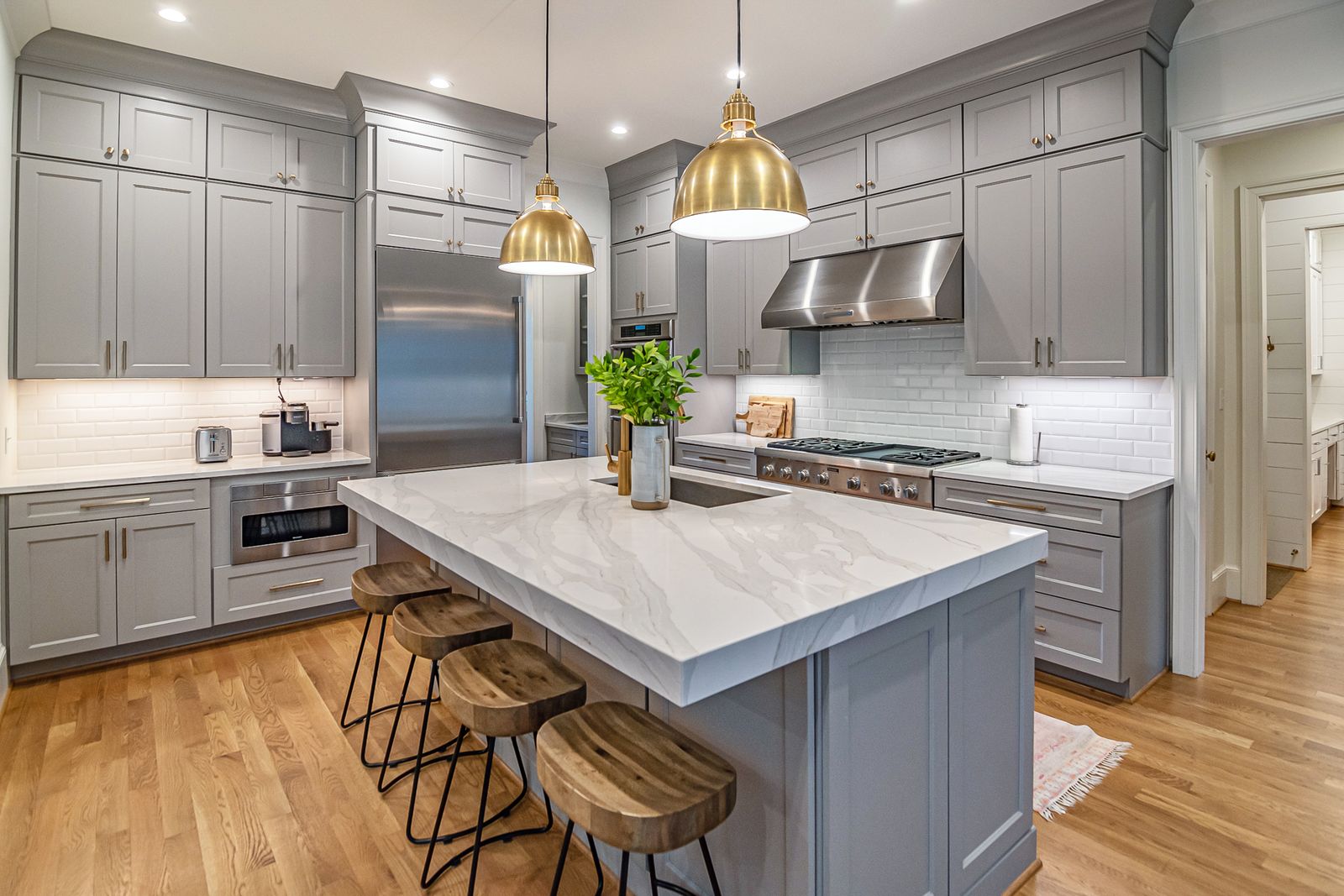
| die Einbauküche | einbauen (to install/fit) + Küche (kitchen) | fitted kitchen |
| das Treppenhaus | Treppe (stairs) + Haus (house) | stairwell |
| der Hausflur | Haus + Flur (hallway) | entrance hall |
| der Dachboden | Dach (roof) + Boden (floor) | attic |
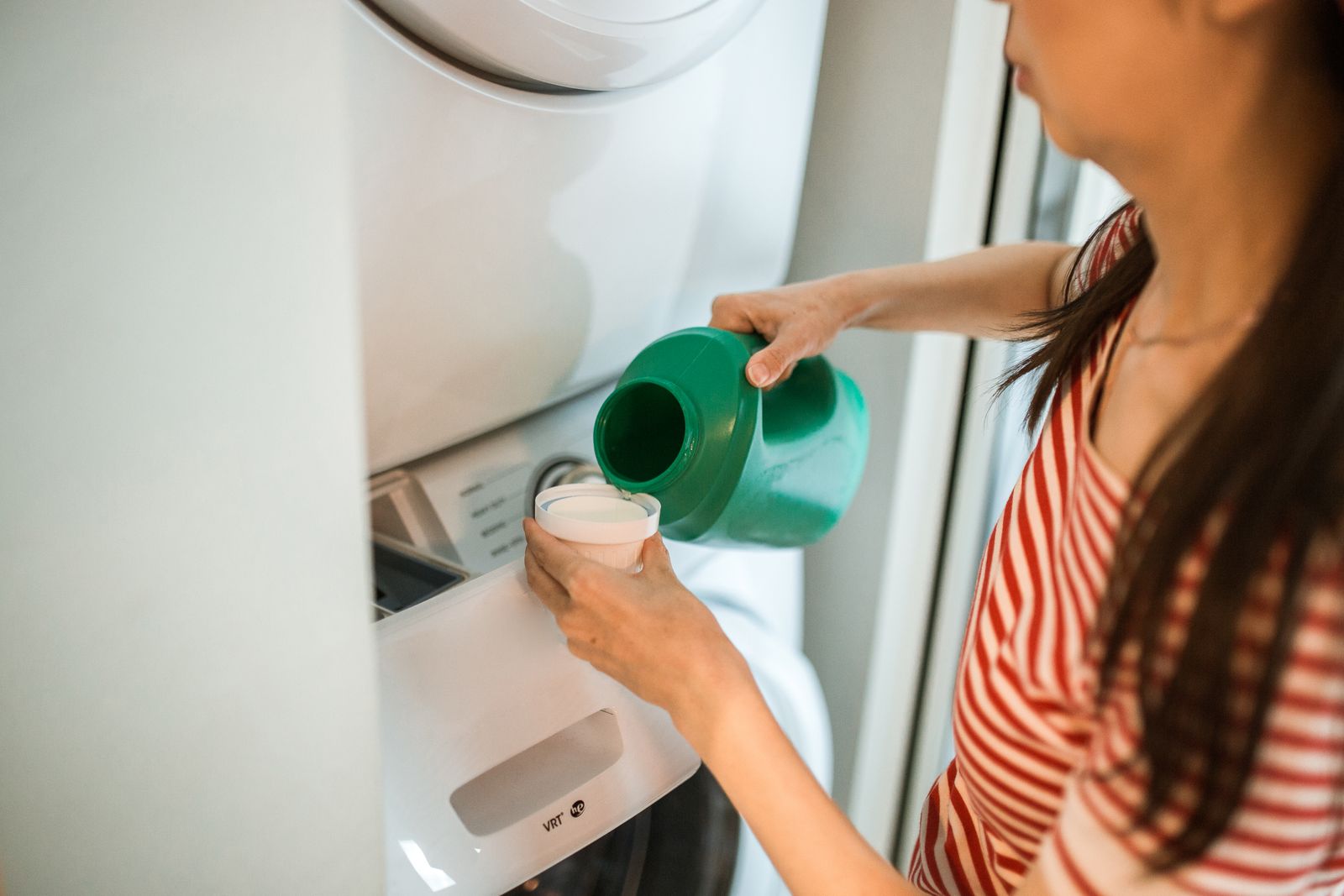
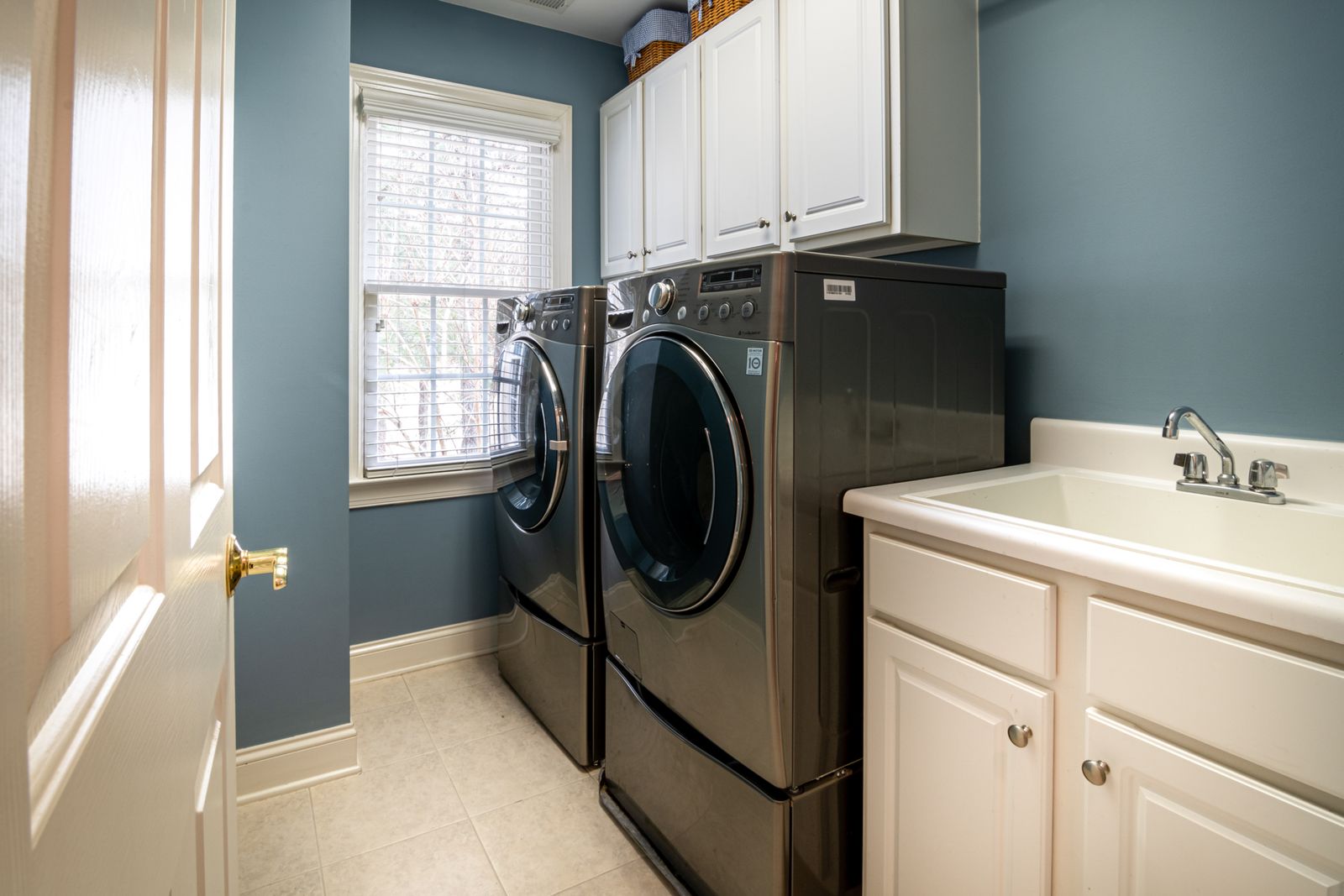
| die Waschküche | waschen (to wash) + Küche (room) | laundry room |
| der Abstellraum | abstellen (to store) + Raum (room) | storage room |
Every -zimmer word is neuter because das Zimmer is neuter — twelve rooms, one gender, zero memorization. Die Einbauküche (“built-in kitchen”) is the standard German kitchen: fitted units, not freestanding furniture. And das Treppenhaus is where German apartment life happens — neighbors, notices, and the Hausordnung (house rules) pinned by the mailboxes.
The House Itself: 6 German Household Compound Words
| German | Breakdown | English |
|---|---|---|
| das Einfamilienhaus | ein (one) + Familie + Haus | single-family house |
| das Reihenhaus | Reihe (row) + Haus | terraced house |
| die Haustür | Haus + Tür (door) | front door |
| das Dachfenster | Dach + Fenster (window) | skylight |
| der Türspion | Tür + Spion (spy) | door peephole |
| die Gardinenstange | Gardine (curtain) + Stange (rod) | curtain rod |
Der Türspion (“door spy”) is a charmer — the little lens that spies on visitors is literally named a spy. Das Einfamilienhaus vs. das Reihenhaus vs. das Mehrfamilienhaus (apartment building) is Germany’s housing taxonomy in three compounds.
Bedroom: 9 German Household Compound Words
| German | Breakdown | English |
|---|---|---|
| der Kleiderschrank | Kleider (clothes) + Schrank (cupboard) | wardrobe |
| der Nachttisch | Nacht (night) + Tisch (table) | nightstand |
| die Bettdecke | Bett (bed) + Decke (cover) | duvet |
| das Kopfkissen | Kopf (head) + Kissen (pillow) | pillow |
| das Doppelbett | doppel (double) + Bett | double bed |
| das Etagenbett | Etage (level) + Bett | bunk bed |
| der Lattenrost | Latte (slat) + Rost (frame) | slatted bed base |
| der Bettbezug | Bett + Bezug (cover) | duvet cover |
| das Spannbettlaken | spannen (to stretch) + Bettlaken (sheet) | fitted sheet |
German beds run on compounds because German sleep culture is specific: the Bettdecke (duvet) and Kopfkissen (pillow) are separate items, not “bedding.” Das Spannbettlaken (“stretch bedsheet”) names exactly what it does — stretched over the mattress. Note der Kleiderschrank: Kleider is the plural of Kleid, showing the -er- linking pattern from Kinder-style plurals.
Living and Working: 7 German Household Compound Words
| German | Breakdown | English |
|---|---|---|
| das Bücherregal | Buch (book, pl. Bücher) + Regal (shelf) | bookshelf |
| die Schreibtischlampe | Schreibtisch (desk) + Lampe (lamp) | desk lamp |
| der Esstisch | essen + Tisch | dining table |
| der Schreibtisch | schreiben (to write) + Tisch | desk |
| der Bürostuhl | Büro (office) + Stuhl (chair) | office chair |
| die Stehlampe | stehen (to stand) + Lampe | floor lamp |
| die Tischlampe | Tisch + Lampe | table lamp |
Der Schreibtisch (“write table”) uses the verb stem schreib- — the classic verb-stem pattern from our build German compound words guide. Die Stehlampe (“stand lamp”) vs. die Tischlampe (“table lamp”) vs. die Schreibtischlampe: the modifier tells you exactly where the lamp lives.
Kitchen and Laundry: 5 German Household Compound Words
| German | Breakdown | English |
|---|---|---|
| der Kühlschrank | kühl (cool) + Schrank | refrigerator |
| der Geschirrspüler | Geschirr (dishes) + spülen (to rinse) | dishwasher |
| das Spülbecken | spülen + Becken (basin) | sink |
| die Waschmaschine | waschen + Maschine (machine) | washing machine |
| der Müllbeutel | Müll (trash) + Beutel (bag) | trash bag |
Der Kühlschrank (“cool cupboard”) predates electric refrigeration — the name remembers the icebox era. Der Geschirrspüler (“dish rinser”) is masculine because der Spüler (the rinser) is masculine: agent nouns in -er are always masculine, a pattern our gender guide covers.
Bathroom and Cleaning: 9 German Household Compound Words
| German | Breakdown | English |
|---|---|---|
| der Duschkopf | duschen (to shower) + Kopf (head) | shower head |
| die Zahnbürste | Zahn (tooth) + Bürste (brush) | toothbrush |
| das Handtuch | Hand + Tuch (cloth) | towel |
| der Bademantel | baden + Mantel (coat) | bathrobe |
| der Wäscheständer | Wäsche (laundry) + Ständer (rack) | drying rack |
| das Bügelbrett | bügeln (to iron) + Brett (board) | ironing board |
| das Bügeleisen | bügeln + Eisen (iron/metal) | clothes iron |
| der Staubsauger | Staub (dust) + saugen (to suck) | vacuum cleaner |
| die Kehrschaufel | kehren (to sweep) + Schaufel (shovel) | dustpan |
Der Staubsauger (“dust sucker”) is German honesty at its finest — no Latin, no branding, just what the machine does. Das Bügeleisen (“ironing iron”) is a delightful doubling: bügeln already means “to iron,” and Eisen is the metal — the compound says “the iron for ironing.”
Heating and Power: 2 German Household Compound Words
| German | Breakdown | English |
|---|---|---|
| der Heizkörper | heizen (to heat) + Körper (body) | radiator |
| die Steckdose | stecken (to plug in) + Dose (socket) | power outlet |
Der Heizkörper (“heating body”) and die Steckdose (“plug socket”) round out the tour — the two compounds every expat learns first, usually while pointing and asking “wie heißt das?” (what is that called?).
5 Household Compounds That Show the System
- der Staubsauger (dust sucker). Verb stem + agent: Staub + saugen → the thing that sucks dust. The -er makes it masculine automatically. German product names work this way constantly — function first, poetry never.
- das Spannbettlaken (stretch bedsheet). Three parts, each earning its place: spannen (stretched) + Bett (bed) + Laken (sheet). The compound is the instruction manual for the object.
- der Türspion (door spy). Tür + Spion — a person-noun (spy) repurposed as a thing. German does this freely: der Staubsauger, der Türspion, der Wasserkocher (water boiler = kettle).
- die Einbauküche (built-in kitchen). Einbauen (to install) + Küche. The compound names a whole renovation concept — German real-estate ads run on such words (compare die Wohnküche, the open-plan kitchen).
- das Treppenhaus (staircase house). Treppe + Haus — the shared stairwell of an apartment building, legally and socially distinct from any flat. The compound created the concept’s boundaries.
Patterns: The Household Builder’s Kit
- -zimmer, -schrank, -tisch, -lampe as heads: Schlafzimmer, Kleiderschrank, Nachttisch, Stehlampe. Four heads furnish half the home — learn the head’s gender once (das Zimmer, der Schrank, der Tisch, die Lampe) and every compound follows.
- Verb stem + noun for appliances: Waschmaschine, Geschirrspüler, Staubsauger, Kühlschrank (adjective, but same idea). The verb says what it does; the noun says what it is.
- Bett- as a modifier family: Bettdecke, Bettbezug, Kopfkissen (Kopf- variant). Bedding vocabulary clusters around Bett- the way kitchen vocabulary clusters around Küchen-.
- Haus- vs. Wohnungs-: das Einfamilienhaus (whole building) vs. die Eigentumswohnung (a flat). Haus- compounds name buildings; Wohnungs- compounds name units inside them.
- -maschine, -gerät, -zeug for tools: Waschmaschine, das Küchengerät, das Werkzeug. When Germans need a word for a device, these three heads are the molds.
German Home Culture in Compounds
Household compounds do not just name objects — they encode how Germans live. Die Mülltrennung (waste separation) is not furniture, but it is the most German household word of all: four bins, strict rules, genuine civic pride. The compound (Müll + Trennung) turns a chore into a system, which is very German.
Der Feierabend (quitting time: Feier + Abend) marks the sacred end of the workday — the compound draws a line between Arbeit and Freizeit that Germans defend fiercely. Das Wochenende needs no translation, but note it is das (neuter, from Ende) even though die Woche is feminine — the head rule overriding intuition, exactly as our gender guide predicts.
Other culture-carriers: die Hausordnung (house rules, posted in every Treppenhaus), der Hausmeister (caretaker: Haus + Meister), die Nebenkosten (utilities: neben + Kosten, the dreaded second rent), and die Kaution (deposit — not a compound, but you will pay it). Learn these and you do not just speak German — you survive German renting, which is the real test.
Quiz Yourself: 10 Household Riddles
- schlafen + Zimmer → ? 2. kühl + Schrank → ? 3. Staub + saugen → ?
- Tür + Spion → ? 5. Hand + Tuch → ? 6. Bett + Decke → ?
- waschen + Maschine → ? 8. Zahn + Bürste → ? 9. Reihe + Haus → ?
- stecken + Dose → ?
Answers: 1. bedroom (das Schlafzimmer), 2. refrigerator (der Kühlschrank), 3. vacuum cleaner (der Staubsauger), 4. door peephole (der Türspion), 5. towel (das Handtuch), 6. duvet (die Bettdecke), 7. washing machine (die Waschmaschine), 8. toothbrush (die Zahnbürste), 9. terraced house (das Reihenhaus), 10. power outlet (die Steckdose).
Key Takeaways: German Household Compound Words
- These 50 German household compound words tour a German home room by room, from das Treppenhaus to die Steckdose.
- Verb-stem + noun builds the appliances (Waschmaschine, Staubsauger, Geschirrspüler); -zimmer, -schrank, -tisch, and -lampe heads furnish the rooms.
- The head rule means one gender per head family: all -zimmer words neuter, all -schrank words masculine, all -lampe words feminine.
- Literal names double as instructions — dust sucker, stretch bedsheet, door spy — making household vocabulary unusually memorable.
- For the building rules behind every entry, see build German compound words and how to read long German words.
Frequently Asked Questions
What is the difference between das Zimmer and der Raum?
Das Zimmer is a room you live in (bedroom, living room); der Raum is the generic/technical “room” or “space” (der Abstellraum, der Büroraum). Compounds use Zimmer for living spaces, Raum for utility spaces.
Why is it “der Kühlschrank” and not “das”?
Because the head is der Schrank (masculine). Kühl is just an adjective modifier — it has no say in gender. The head rule from our gender guide decides every case like this.
Do Germans really say “Waschmaschine” instead of a brand name?
Yes — Waschmaschine is the generic word; brand names (Miele, Bosch) are added, not substituted. German keeps generic compounds alongside brands, unlike English’s tendency toward brand-as-noun.
Which household compounds should I learn first as a newcomer?
Das Badezimmer, die Küche, das Schlafzimmer, der Kühlschrank, die Waschmaschine, die Steckdose, der Heizkörper, die Mülltrennung (waste separation — Germany’s sacred ritual). With these you can live, wash, cook, and sort trash like a local.