

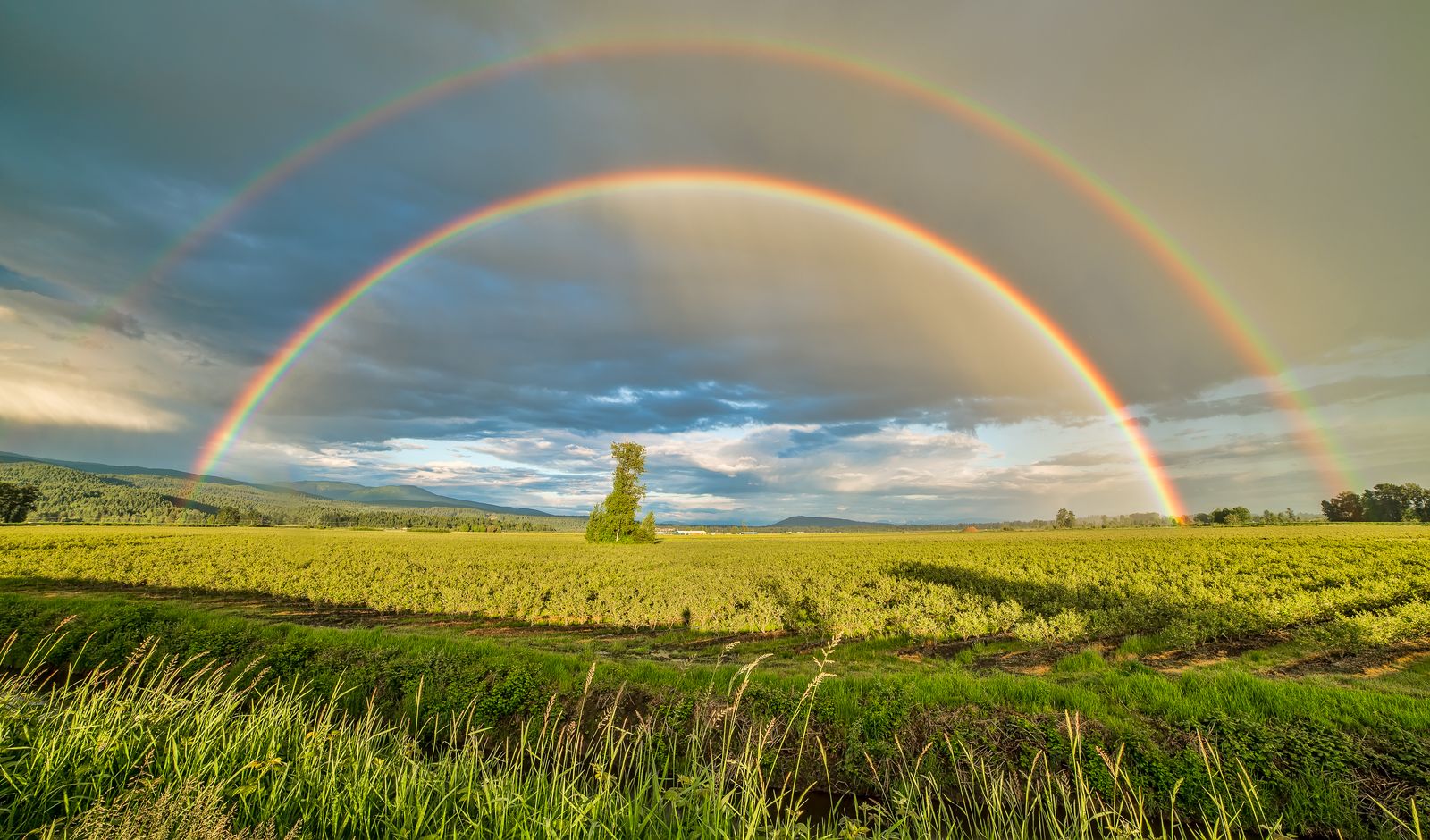
Germans talk about the weather constantly — and they do it in compounds. A rainbow is a “rain bow” (der Regenbogen), a heatwave is a “heat wave” (die Hitzewelle), black ice is “smooth ice” (das Glatteis). These 40 German weather compound words cover rain, storms, snow, heat, and the sky itself, each with its correct article, literal breakdown, and English meaning.
Decode them right to left per how German compound words work: the head sets the gender — der Sturm makes Schneesturm masculine, die Welle makes Hitzewelle feminine. Our German compound nouns gender and plural guide covers the grammar behind every article here.
Rain: 8 German Weather Compound Words
| German | Breakdown | English |
|---|---|---|
| der Regenbogen | Regen (rain) + Bogen (bow/arch) | rainbow |
| das Hagelkorn | Hagel (hail) + Korn (grain/kernel) | hailstone |
| der Regenschauer | Regen + Schauer (shower) | rain shower |
| der Eisregen | Eis (ice) + Regen | freezing rain |
| der Nieselregen | nieseln (to drizzle) + Regen | drizzle |
| der Starkregen | stark (heavy) + Regen | heavy rain |
| der Platzregen | platzen (to burst) + Regen | downpour |
| der Wolkenbruch | Wolke (cloud) + Bruch (break) | cloudburst |
German grades rain with compound precision: Nieselregen (barely wet), Regenschauer (brief), Starkregen (serious), Platzregen (sudden violent), Wolkenbruch (the sky breaks open). One head — der Regen, masculine — and five intensities. Der Regenbogen (“rain bow”) is the reward after all of them.
Wind and Storms: 8 German Weather Compound Words

| German | Breakdown | English |
|---|---|---|
| der Schneesturm | Schnee (snow) + Sturm (storm) | snowstorm / blizzard |
| der Blitzschlag | Blitz (lightning) + Schlag (strike) | lightning strike |
| das Unwetter | un- (bad/severe) + Wetter (weather) | severe weather / storm |
| die Windböe | Wind + Böe (gust) | gust of wind |
| der Wirbelsturm | Wirbel (vortex) + Sturm | cyclone |
| die Windhose | Wind + Hose (tube/trousers) | tornado / waterspout |
| das Sturmtief | Sturm + Tief (low-pressure area) | storm depression |
| die Sturmflut | Sturm + Flut (flood/tide) | storm surge |
Das Unwetter is the official warning word — when the Deutscher Wetterdienst issues an Unwetterwarnung, take it seriously. Die Windhose (“wind trousers”) is wonderfully literal: the funnel looks like a trouser leg. Note das Sturmtief: Tief is a nominalized adjective (neuter), and the compound inherits it — meteorological German loves nominalized heads.
Snow, Ice and Cold: 8 German Weather Compound Words
| German | Breakdown | English |
|---|---|---|
| das Tauwetter | tauen (to thaw) + Wetter | thaw |
| die Schneeschmelze | Schnee + Schmelze (melting) | snowmelt |
| die Frostnacht | Frost + Nacht (night) | frosty night |
| die Schneedecke | Schnee + Decke (cover/blanket) | snow cover |
| das Glatteis | glatt (smooth/slippery) + Eis (ice) | black ice |
| der Raureif | rau (rough) + Reif (hoarfrost) | hoar frost |
| der Eiszapfen | Eis + Zapfen (peg/cone) | icicle |
| der Kälteeinbruch | Kälte (cold) + Einbruch (sudden onset) | cold snap |
Das Glatteis (“smooth ice”) is the winter word Germans fear most — invisible ice on roads, named for exactly what makes it deadly. Der Kälteeinbruch (“cold break-in”) treats the cold like a burglar: it breaks in overnight. And der Raureif preserves Reif, an old word for frost that survives almost only in this compound.
Heat and Sun: 6 German Weather Compound Words

| German | Breakdown | English |
|---|---|---|
| die Hitzewelle | Hitze (heat) + Welle (wave) | heatwave |
| der Sonnenaufgang | Sonne (sun) + Aufgang (rising) | sunrise |
| der Sonnenuntergang | Sonne + Untergang (setting) | sunset |
| die Tropennacht | Tropen (tropics) + Nacht | tropical night (min 20°C) |
| die Dürreperiode | Dürre (drought) + Periode (period) | drought period |
| der Sonnenstich | Sonne + Stich (sting/stab) | sunstroke |
Die Tropennacht has a technical definition in German meteorology: a night that never drops below 20°C. The compound turned a measurement into a word — and into summer headlines. Der Sonnenstich (“sun stab”) vs. der Hitzschlag (heatstroke): German distinguishes the sun’s direct stab from ambient heat, each with its own compound.
Sky, Clouds and Measuring: 10 German Weather Compound Words
| German | Breakdown | English |
|---|---|---|
| die Wolkenbank | Wolke + Bank (bank) | bank of clouds |
| die Nebelbank | Nebel (fog) + Bank | bank of fog |
| der Bodennebel | Boden (ground) + Nebel | ground fog |
| die Wolkendecke | Wolke + Decke (cover) | cloud cover |
| die Gewitterwolke | Gewitter (thunderstorm) + Wolke | thundercloud |
| der Wetterbericht | Wetter + Bericht (report) | weather report |
| die Wetterfahne | Wetter + Fahne (vane/flag) | weathervane |
| der Windmesser | Wind + messen (to measure) | anemometer |
| der Luftdruck | Luft (air) + Druck (pressure) | air pressure |
| die Luftfeuchtigkeit | Luft + Feuchtigkeit (humidity) | humidity |
Die -bank pattern (Wolkenbank, Nebelbank) treats sky phenomena like furniture — a bank you sit on, stretched across the heavens. Der Wetterbericht is the word behind every forecast; Germans check “den Wetterbericht” the way others check their horoscope. And der Windmesser (“wind measurer”) is the -er agent pattern: the thing that measures wind, masculine by construction.
5 Weather Words That Paint Pictures
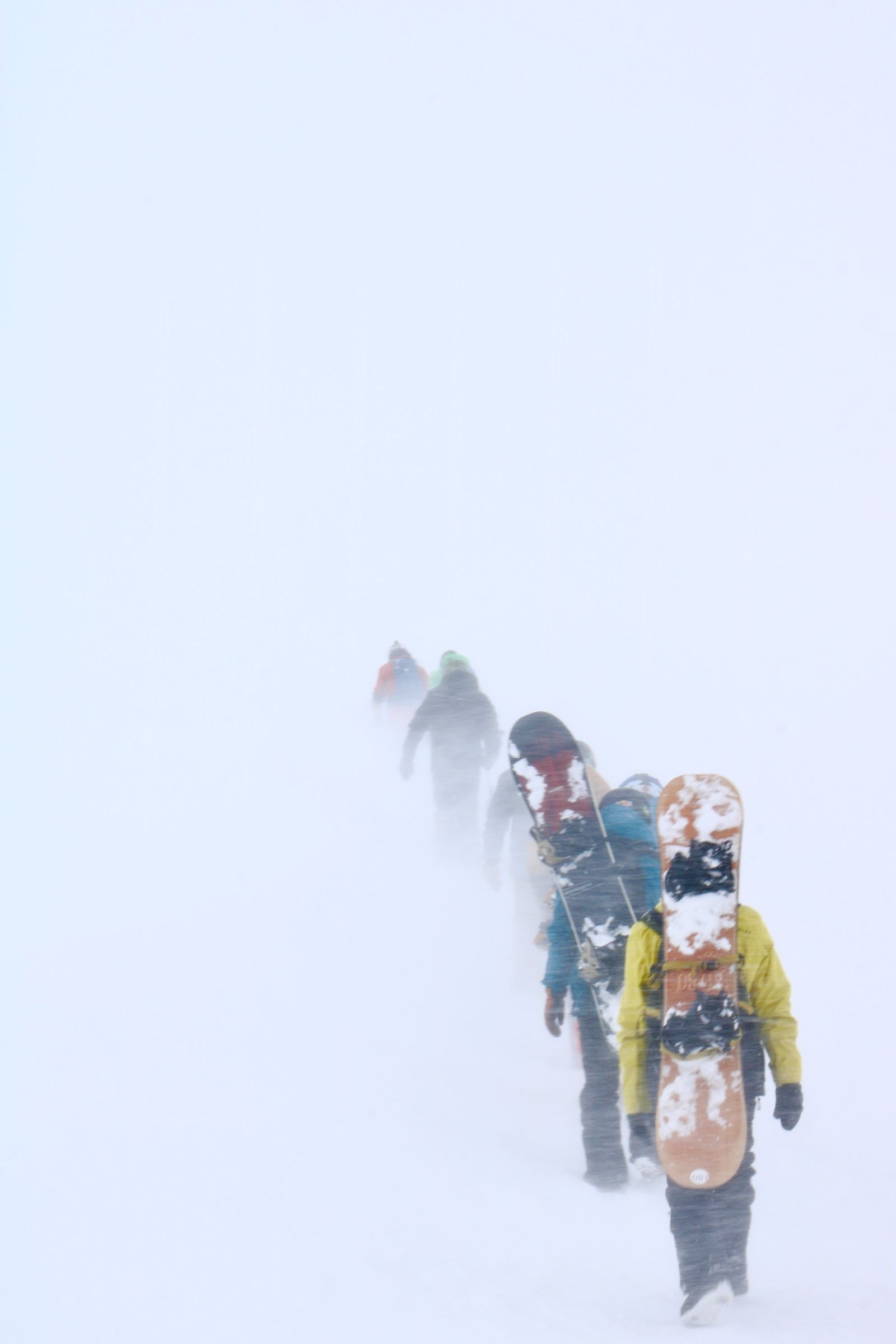
- der Wolkenbruch (cloud break). When the sky “breaks,” rain falls in sheets. The compound is a tiny drama: Wolke + Bruch — the cloud ruptures. English says “cloudburst,” which is close, but German’s Bruch carries a violence English softens.
- die Windhose (wind trousers). The tornado’s funnel looks like a trouser leg dangling from the sky. German looked up, saw pants, and named it honestly.
- das Glatteis (smooth ice). Two syllables that every German driver respects. The compound names the danger’s mechanism (smoothness = invisibility), not just the substance.
- der Kälteeinbruch (cold break-in). Einbruch is also the word for burglary — the cold “breaks in” like a thief. German weather vocabulary treats cold as an intruder and heat as a wave; the metaphors are consistent.
- der Eiszapfen (ice peg). Zapfen is a wooden peg or cone — the icicle is an ice-peg hanging from the roof. The compound preserves a craftsman’s word inside meteorology.
Patterns: The Weather Builder’s Kit
- -regen, -sturm, -welle, -nacht as heads: Nieselregen, Schneesturm, Hitzewelle, Tropennacht. Weather phenomena take these four heads the way animals take -bär — learn the head, decode the phenomenon.
- Intensifiers as modifiers: Stark- (strong), Platz- (bursting), Un- (severe). German scales weather by swapping one modifier: Regen → Starkregen → Platzregen → Wolkenbruch is a complete intensity ladder.
- -bericht, -warnung, -vorhersage for forecasts: Wetterbericht, Unwetterwarnung, Wettervorhersage. The forecast family shares heads — one pattern, every warning.
- Nominalized verbs as heads: Aufgang, Untergang, Einbruch, Bruch. Weather German loves turning verbs into nouns (the rising, the setting, the breaking-in) and compounding them.
- Luft- and Wetter- as universal modifiers: Luftdruck, Luftfeuchtigkeit, Wetterbericht, Wetterfahne. Air and weather attach to anything measurable.
Reading a German Weather Forecast
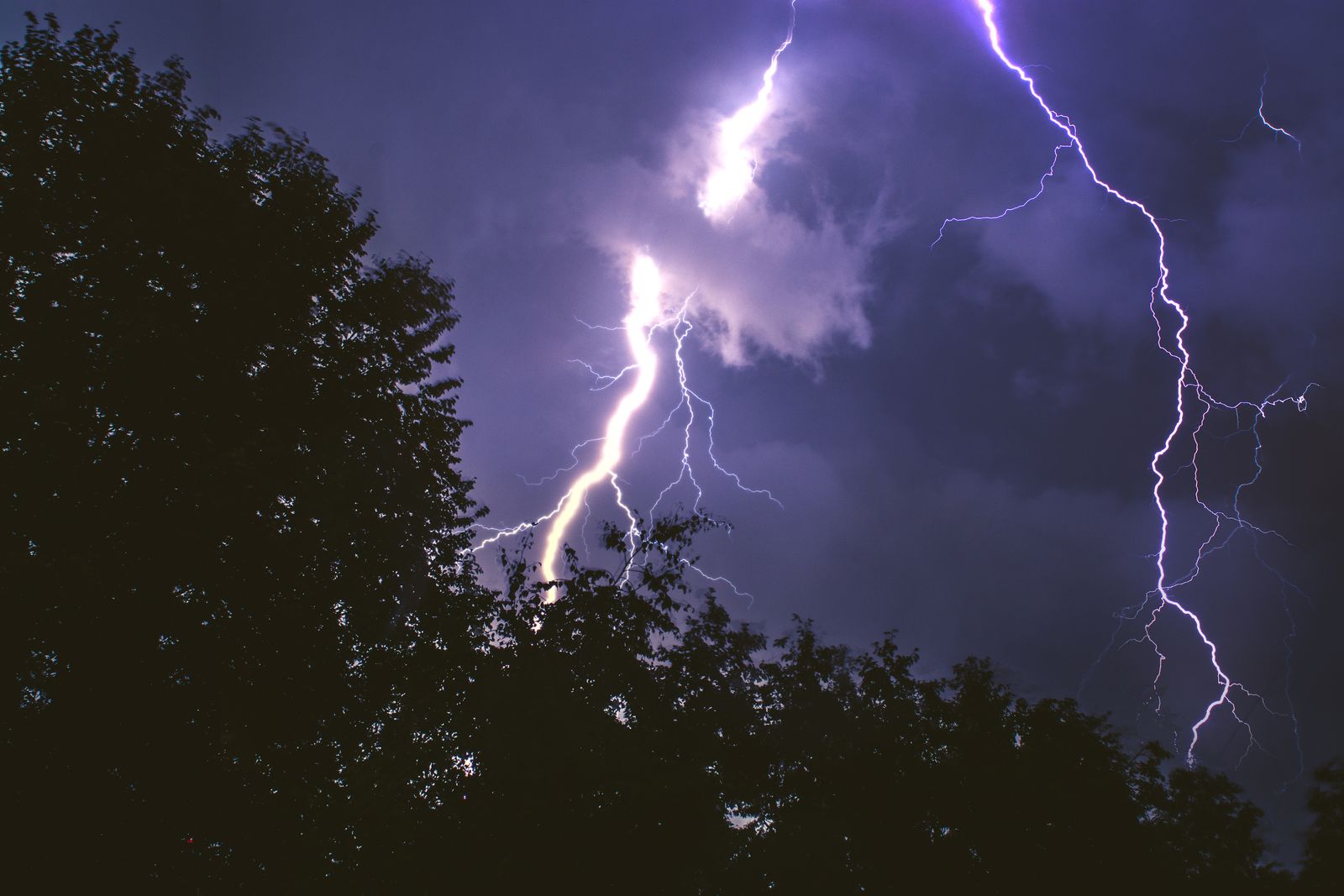
Put the vocabulary to work on a real forecast. Here is a typical Deutscher Wetterdienst outlook, decoded:
“Morgen wechselhaft mit Regenschauern und Windböen. Im Bergland Schneeschauer oberhalb von 800 Metern, dazu Glatteisgefahr in der Nacht. Die Höchstwerte erreichen 8 Grad.”
Translation: “Tomorrow changeable with rain showers and gusts. In the mountains snow showers above 800 meters, plus black-ice danger overnight. Highs reach 8 degrees.”
The compounds do the heavy lifting: Regenschauer (not just Regen — showers, intermittent), Windböen (gusts, not steady wind), Schneeschauer (snow showers), Glatteisgefahr (black-ice danger — Gefahr = danger, a productive warning head: Lawinengefahr, Sturmflutgefahr). Höchstwerte (high values: höchst + Werte) gives the maximum temperature.
Learn to spot the warning heads — -gefahr, -warnung, -alarm — and German forecasts become readable long before your grammar catches up. Die Sturmflutwarnung, die Glatteiswarnung, die Hitzewarnung: danger + phenomenon, every time. This is compounding as public safety infrastructure.
Quiz Yourself: 10 Weather Riddles
- Regen + Bogen → ? 2. Hitze + Welle → ? 3. Schnee + Sturm → ?
- glatt + Eis → ? 5. Sonne + Aufgang → ? 6. Wind + Hose → ?
- Wolke + Bruch → ? 8. Tau + Wetter → ? 9. Nebel + Bank → ?
- Luft + Druck → ?
Answers: 1. rainbow (der Regenbogen), 2. heatwave (die Hitzewelle), 3. snowstorm (der Schneesturm), 4. black ice (das Glatteis), 5. sunrise (der Sonnenaufgang), 6. tornado (die Windhose), 7. cloudburst (der Wolkenbruch), 8. thaw (das Tauwetter), 9. bank of fog (die Nebelbank), 10. air pressure (der Luftdruck).
Key Takeaways: German Weather Compound Words
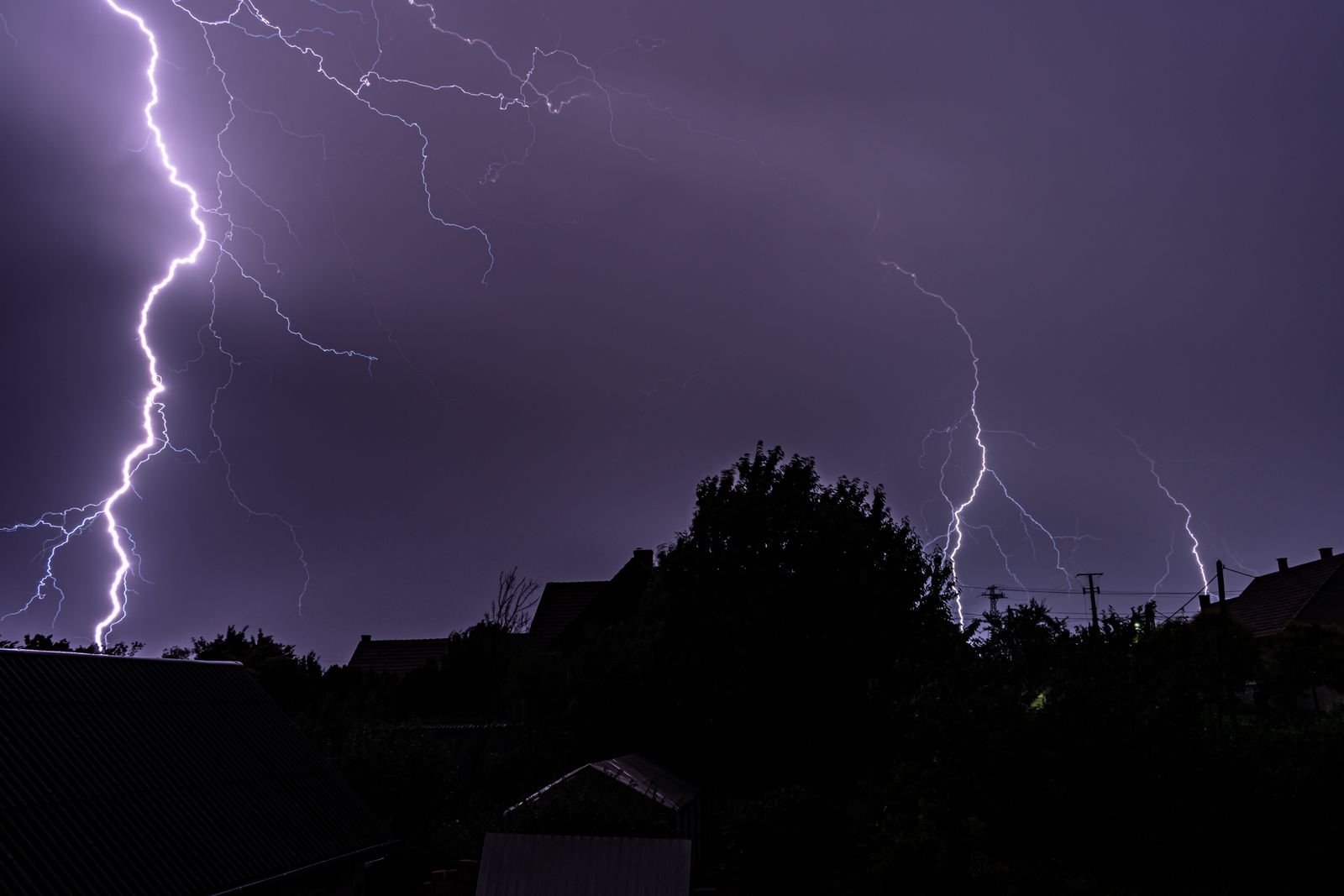
- These 40 German weather compound words grade the sky with precision: five intensities of rain, named winds, measured fog.
- Recurring heads (-regen, -sturm, -welle, -nacht, -wolke) organize the whole sky — learn the head’s gender and the phenomenon decodes itself.
- The metaphors are vivid and consistent: clouds break, cold burgles, wind wears trousers, ice is smooth.
- Weather compounds double as safety vocabulary: Unwetter, Glatteis, and Sturmflut are warning words worth knowing cold.
- For the decoding method behind every entry, see how to read long German words and why German words are so long.
Weather Idioms: Compounds in Sayings
Weather compounds escape into everyday speech as idioms — Germans use sky words for moods, situations, and people:
- “Da braut sich etwas zusammen.” (Something is brewing.) Brauen (to brew) + zusammen — the metaphor is a storm gathering. The noun version: die Gewitterstimmung (stormy atmosphere, literally and socially).
- “Er hat eine Stinkwut.” He is furious — “stink rage.” Weather-adjacent intensifiers (Stink-, Sau-, Mord-) attach to emotions: die Stinkwut, die Sauwut. Crude, vivid, very German.
- “Das ist ein Sturm im Wasserglas.” A storm in a glass of water — a tempest in a teapot. Der Sturm keeps its compound dignity even in miniature.
- “Nach dem Regen kommt Sonnenschein.” After rain comes sunshine. Der Sonnenschein (sun + shine) is the optimistic compound every German child learns.
- “Jemandem den Wind aus den Segeln nehmen.” To take the wind out of someone’s sails. Die Segel (sails) + Wind — nautical compounds sail straight into argument vocabulary.
These idioms show why weather compounds are worth learning beyond meteorology: they are the raw material of German figurative speech. A learner who knows Sturm, Wolke, and Blitz owns a shelf of metaphors for free.
Frequently Asked Questions
What is the difference between das Wetter and das Unwetter?
Das Wetter is neutral “weather”; das Unwetter (un- + Wetter) is severe, dangerous weather — storms, hail, flooding. The un- prefix works like English “un-” but stronger: it signals threat, not just negation.
Why do Germans have so many words for rain?
Precision is cultural. Nieselregen, Regenschauer, Starkregen, Platzregen, and Wolkenbruch describe genuinely different experiences — and different plans. The compounds let speakers be exact without a sentence.
What does “Tropennacht” actually mean?
A night with a minimum temperature of 20°C (68°F) or higher — a technical meteorological term that became everyday summer vocabulary. Germany tracks them as a climate-change indicator.
Which weather compounds appear in forecasts?
Der Wetterbericht (the report), die Wettervorhersage (the forecast), die Unwetterwarnung (severe-weather warning), der Luftdruck, die Luftfeuchtigkeit, and die Niederschlagswahrscheinlichkeit (precipitation probability — 29 letters of forecast German).