

German words starting with JA form one of the richest clusters in the language. At the center sits das Jahr (year), a word so productive it generates a whole family of compounds — Jahrhundert, Jahrzehnt, jährlich, Jahreszeit — plus everyday essentials like ja (yes), der Januar (January), die Jacke (jacket), and der Jäger (hunter). This guide lists German words starting with JA with meanings, pronunciation, and natural example sentences.
Pronunciation reminder: JA is pronounced “yah” — the J is the English Y-glide. See why German J sounds like Y for the full story and how to pronounce German J and V for drills.
German Words Starting with JA: The Complete List
The essentials
1. ja (“yah”) — yes. Ja, ich komme mit. (Yes, I’m coming.) Beyond simple agreement, ja works as a modal particle adding shared-knowledge flavor: Das ist ja toll! (Well, that’s great!). No other German word does so many jobs — our J words usage guide unpacks them all.
2. das Jahr (“yahr”) — year. Nächstes Jahr reisen wir nach Italien. (Next year we’re traveling to Italy.) The root of the entire compound family below — learn it deeply and the rest come cheap. Plural: die Jahre.
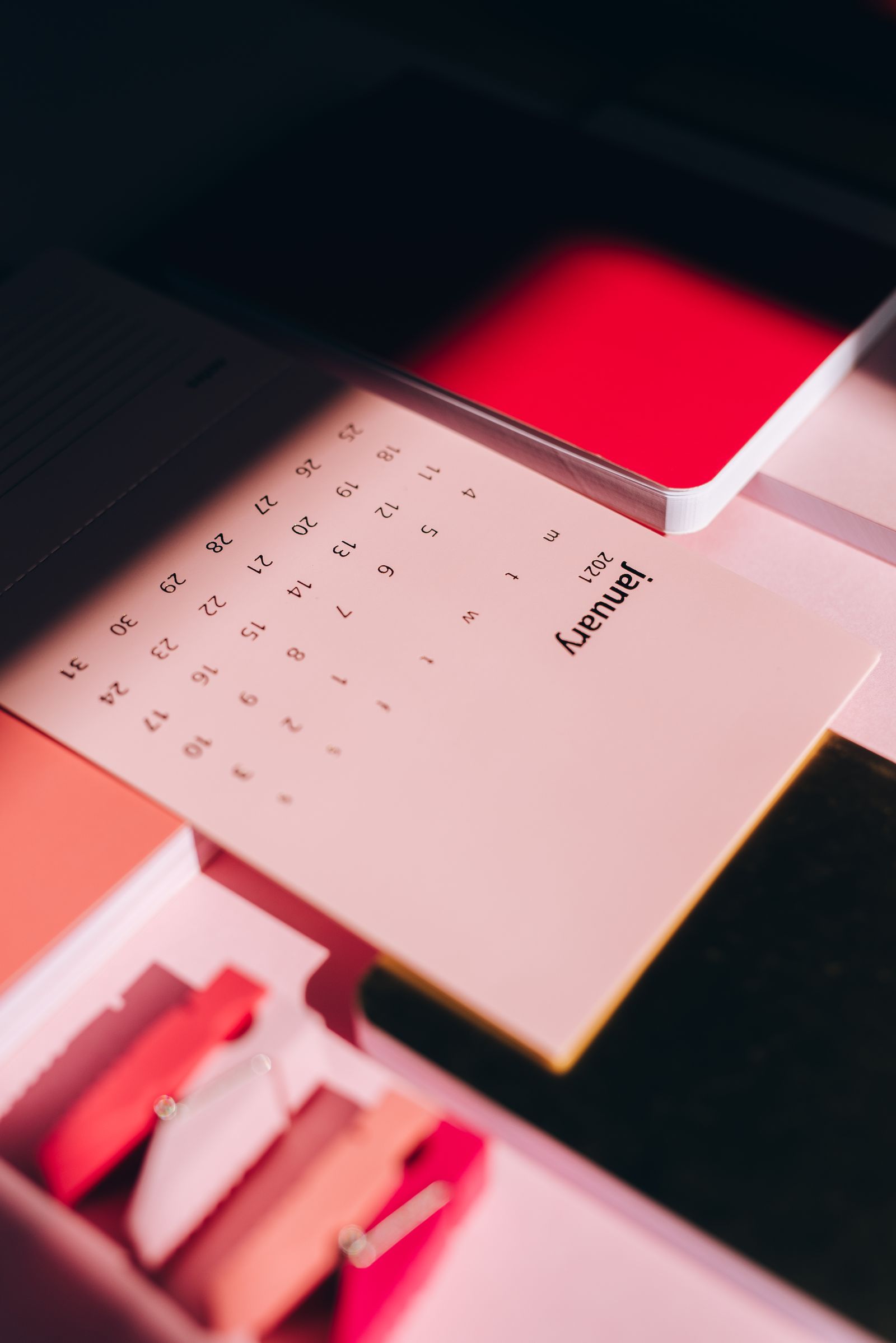
3. der Januar (“YAH-noo-ahr”) — January. Der Januar war eiskalt und dunkel. (January was ice-cold and dark.) Months are masculine and used with im: im Januar (in January). Abbreviated Jan. in calendars.
4. die Jacke (“YAH-kuh”) — jacket. Zieh deine dicke Jacke an, es schneit! (Put your thick jacket on, it’s snowing!) Everyday essential; compounds include die Winterjacke, die Regenjacke, and die Lederjacke (leather jacket).
5. die Jagd (“yahkt”) — hunt. Die Jagd beginnt bei Morgengrauen. (The hunt begins at dawn.) Figurative and common: die Jagd nach dem Job (the hunt for the job), auf der Jagd nach Schnäppchen (hunting for bargains).
6. jagen (“YAH-gen”) — to hunt, chase. Die Katze jagt den Ball durchs Zimmer. (The cat chases the ball through the room.) With prefixes it multiplies: nachjagen (chase after), verjagen (chase away), erjagen (bag, of game).
7. der Jäger (“YAY-ger”) — hunter. Der Jäger kennt jeden Pfad im Wald. (The hunter knows every path in the forest.) Also a common surname — pronounce it “YAY-ger,” never “DJAY-ger,” when addressing a Herr Jäger.
8. jammern (“YAH-mern”) — to whine, complain. Hör auf zu jammern und mach weiter! (Stop whining and keep going!) Peak usage: Jammern auf hohem Niveau (first-world problems) — a beloved German phrase.
9. die Jalousie (“zhah-loo-ZEE”) — Venetian blind. Lass bitte die Jalousien runter, die Sonne blendet. (Lower the blinds please, the sun is glaring.) French loanword — hence the “zh.” In literature it can also mean jealousy, its original French sense.
10. jäh (“yeh”) — sudden, abrupt. Ein jähes Ende der Party. (A sudden end to the party.) Formal and dramatic — newsreaders love it: jähes Unwetter (sudden storm), ein jähes Erwachen (a rude awakening).
11. der Jähzorn (“YEH-tsorn”) — sudden anger, violent temper. Sein Jähzorn ist in der Firma gefürchtet. (His sudden temper is feared at the company.) A transparent compound of jäh + Zorn (anger) — decode it once, remember it forever.
12. die Jause (“YOW-zuh”) — snack (Austrian/Bavarian). Nach der Wanderung machen wir eine Jause. (After the hike we’re having a snack.) Essential Austria vocabulary: a Jausenstation is a hiker’s snack stop, and jausnen is the verb.
The Jahr family: compounds that build fluency
13. der Jahrmarkt (“YAHR-mahrkt”) — fair, funfair. Der Jahrmarkt kommt jedes Jahr in die Stadt. (The fair comes to town every year.) Jahr + Markt — the yearly market, now carousels, bratwurst, and Ferris wheels.
14. der Jahrestag (“YAH-res-tahk”) — anniversary of an event. Heute ist unser fünfter Jahrestag. (Today is our fifth anniversary.) For weddings specifically, der Hochzeitstag is the more common word.
15. das Jahrhundert (“yahr-HOON-dert”) — century. Das 21. Jahrhundert ist digital. (The 21st century is digital.) Grammar note: im 20. Jahrhundert (in the 20th century) — dative after in for time spans.
16. jährlich (“YAYR-likh”) — yearly, annual. Das Festival findet jährlich im Juli statt. (The festival takes place yearly in July.) Adjective and adverb in one elegant word: jährliche Kosten (yearly costs).
17. das Jahrzehnt (“yahr-TSAYNT”) — decade. Ein ganzes Jahrzehnt ist vergangen. (A whole decade has passed.) Jahr + zehnt (tenth) — the logic is visible in the spelling.
18. der Jahrgang (“YAHR-gahng”) — vintage (wine); school year, graduating class. Ein ausgezeichneter Jahrgang. (An excellent vintage.) / Mein Jahrgang trifft sich alle fünf Jahre. (My graduating class meets every five years.) Context disambiguates.
19. die Jahreszeit (“YAH-res-tsyte”) — season. Der Herbst ist meine Lieblingsjahreszeit. (Autumn is my favorite season.) The four: Frühling, Sommer, Herbst, Winter — learn them as a set.
20. der Jahreswechsel (“YAH-res-vek-sel”) — turn of the year, New Year period. Zum Jahreswechsel verreisen wir nach Wien. (We’re traveling to Vienna over New Year.) Standard vocabulary in December business emails and news.
21. die Jahreskarte (“YAH-res-kahr-tuh”) — annual pass, season ticket. Eine Jahreskarte fürs Schwimmbad lohnt sich. (An annual pool pass pays off.) Transit systems, museums, and pools all sell them.
22. der Jahresabschluss (“YAH-res-ahp-shloos”) — annual financial statement; year-end closing. Der Jahresabschluss wird gerade geprüft. (The annual statement is being audited.) Core business German — accountants live by this word.
23. jahrelang (“YAH-ruh-lahng”) — for years, lasting years. Sie wartete jahrelang darauf. (She waited for it for years.) Adjective/adverb built directly on Jahre — no compound needed, just the plural stem plus -lang.
24. der Jakobsweg (“YAH-kops-vayk”) — Way of St. James (pilgrimage route). Sie pilgert den Jakobsweg in sechs Wochen. (She’s walking the Way of St. James in six weeks.) Hundreds of thousands walk it yearly — a genuine cultural phenomenon, not just a word.
Character words and the wider world
25. die Jade (“YAH-duh”) — jade (stone). Eine Kette aus echter Jade. (A necklace of real jade.) Feminine and straightforward — notable mainly for being a JA word built on neither ja nor Jahr.
26. jaulen (“YOW-len”) — to howl. Die Wölfe jaulen in der kalten Nacht. (The wolves howl in the cold night.) Also for pain: vor Schmerzen jaulen (howl with pain). Wonderfully onomatopoeic — say it and hear the wolf.
27. der Ja-Sager (“YAH-zah-ger”) — yes-man, yes-sayer. Er ist ein reiner Ja-Sager ohne eigene Meinung. (He’s a pure yes-man with no opinions of his own.) Slightly contemptuous; the hyphenated compound makes the meaning transparent.
28. der Jasmin (“yahs-MEEN”) — jasmine. Der Jasmin duftet abends am stärksten. (Jasmine smells strongest in the evening.) Masculine; the tea (der Jasmintee) is more famous internationally than the flower.
29. japsen (“YAHPS-en”) — to pant, gasp. Nach dem Sprint japste er nach Luft. (After the sprint he gasped for air.) Colloquial and physical — perfect for sports commentary and drama.
30. jauchzen (“YOWKH-tsen”) — to shout with joy. Die Fans jauchzten nach dem Siegtor. (The fans shouted with joy after the winning goal.) More exuberant than jubeln — mountaintop joy rather than polite applause.
31. der Jargon (“zhar-GOHNG”) — jargon. Der Jargon der IT-Branche ist für Laien kryptisch. (IT industry jargon is cryptic to laypeople.) French loanword — hence the “zh,” not the Y-glide.
32. japanisch (“yah-PAH-nish”) — Japanese (adjective). Sie spricht fließend Japanisch. (She speaks fluent Japanese.) Language adjectives are capitalized as nouns (das Japanisch) but lowercase as adjectives (japanisches Essen).
33. der Japaner (“yah-PAH-ner”) — Japanese person; also “Japanese” (the language, colloquial). Der Japaner lächelte höflich. (The Japanese man smiled politely.) Feminine: die Japanerin. Country: Japan (“YAH-pahn”).
34. Jamaika (“yah-MY-kah”) — Jamaica. Jamaika ist bekannt für Reggae. (Jamaica is known for reggae.) Neuter country without article: nach Jamaika (to Jamaica), in Jamaika (in Jamaica).
The Jahr Compounds: A Pattern Worth Mastering
Look at entries 13–23 again: nearly all of them are Jahr (or its stem Jahres-) plus another noun. This is German compounding at its most transparent, and it is a learnability superpower. Once you know das Jahr and a handful of second elements (-markt, -tag, -hundert, -zehnt, -zeit, -wechsel, -karte, -abschluss), you can decode — and even produce — the whole family on the fly.
The linking element -es- (Jahres-) appears when the compound needs it for pronunciation flow: Jahreszeit, Jahrestag, Jahreswechsel. Do not try to memorize when it appears; just learn each compound whole, and your ear will develop the pattern.
Two usage notes that trip up learners:
- Jahr vs. Jahre (plural). After numbers, colloquial speech often uses the singular (vor drei Jahr), but standard written German requires the dative plural: vor drei Jahren (three years ago). In exams and formal writing, always Jahren.
- jährlich vs. jedes Jahr. Both mean “yearly,” but jährlich packs it into one elegant word where English needs two. Using it (die jährliche Feier — the yearly celebration) instantly makes your German sound more native and more concise.
The -jährig Adjectives: Age and Duration in One Suffix
The Jahr family has one more productive branch worth learning: adjectives ending in -jährig, which express age or duration in a single word.
- dreijährig — three years old / lasting three years. Ein dreijähriges Kind. (A three-year-old child.) / Eine dreijährige Ausbildung. (A three-year training program.)
- minderjährig — underage, minor. Minderjährige dürfen nicht wählen. (Minors may not vote.) Essential legal vocabulary.
- volljährig — of legal age. Mit 18 ist man volljährig. (At 18 you’re of legal age.) The direct counterpart to minderjährig — learn them as a pair.
- hundertjährig — hundred-year(-old). Ein hundertjähriges Jubiläum. (A hundred-year anniversary.) Formal, ceremonial.
- mehrjährig — multi-year. Eine mehrjährige Pause. (A multi-year break.)
The pattern is beautifully regular: number + jährig. Once you see it, you can build any age or duration yourself — fünfjährig, zehnjährig, zwanzigjährig — and you will be right every time. This is the kind of morphological Lego that makes German vocabulary scale: learn one pattern, get a hundred words.
JA Words in Austrian and Bavarian German

Southern Germany and Austria give JA words extra local flavor. Die Jause (snack) is the star: in Vienna, zur Jause invites you to an afternoon snack the way zum Kaffee invites you to coffee. The verb jausnen (to have a snack) and the Jausenstation (hiker’s snack hut) complete the set — if you hike in the Alps, you will live on these words.
Der Jahrmarkt also runs deeper in the south, where church-consecration festivals (Kirchweih, Kirmes) keep the “yearly market” tradition alive with beer tents and brass bands. And in Bavarian dialect you will hear Jahr pronounced with a darker vowel, closer to “johr” — perfectly normal regionally, though learners should stick with standard “yahr.”
8 Phrases Built on JA Words
- Frohes neues Jahr! — Happy New Year!
- Jedes Jahr aufs Neue. — Every year anew.
- Im Laufe der Jahre. — Over the course of the years.
- Vor vielen Jahren. — Many years ago.
- Ein Jahr lang. — For a whole year.
- Die besten Jahre. — The best years; one’s prime.
- Ja und Amen sagen. — To agree to everything uncritically. (Er sagt zu allem Ja und Amen.)
- Jammern auf hohem Niveau. — Complaining at a high level; first-world problems.
Learn these as chunks, not as assembled parts. Im Laufe der Jahre should leave your mouth as one unit, the way “over the years” does in English. Chunk-learning is what turns vocabulary lists into actual fluent speech.
Key Takeaways
German words starting with JA cluster around two poles: the tiny powerhouse ja and the mighty Jahr with its compound family (Jahrhundert, Jahrzehnt, Jahreszeit, jährlich, jahrelang). Master those two and you own the category’s core; the character words — Jause, Jähzorn, Jakobsweg, jaulen, jauchzen, Jasmin — add the color that makes your German vivid and specific. Keep the “yah” pronunciation consistent across all of them, learn each noun with its article, and mine the Jahr compounds as a group rather than as isolated vocabulary. For the broader J vocabulary, see our 50 German words starting with J; for the shortest ones, the short German J words list.