

German Words Starting with Z: 40 Words with Meanings & Examples
The letter Z is one of the most exciting in German — it is pronounced “ts,” it is worth 10 points in German Scrabble and starts some of the most useful words in the language. These German words starting with Z take you from die Zeit (time) to der Zug (train), from der Zucker (sugar) to das Zebra (zebra), covering time, body, food, travel, feelings, and compounds. Every word below comes with its correct der/die/das article, an English meaning, and an example sentence with a translation. Los geht’s!
German Words Starting with Z for Time: From die Zeit to der Zeitpunkt
Time vocabulary is the perfect place to begin, because die Zeit is one of the most frequently used nouns in German — and many of its relatives are useful compound words. Once you know die Zeit, words like die Zeitzone and die Zeitreise explain themselves. For another fun corner of the alphabet, check out our German words starting with Y list next.
1. die Zeit (the time) — the anchor word of this entire list, used constantly in everyday German. Die Zeit vergeht wie im Flug. (Time flies.)
2. die Zukunft (the future) — literally “that which comes” (zu + kommen). Die Zukunft bringt neue Chancen. (The future brings new chances.)
3. das Zeitalter (the era / age) — Zeit + Alter (age), for naming whole epochs. Wir leben im Zeitalter des Internets. (We live in the age of the internet.)
4. die Zeitzone (the time zone) — a transparent compound: Zeit + Zone. Berlin liegt in einer anderen Zeitzone als New York. (Berlin is in a different time zone than New York.)
5. die Zeitreise (the time travel) — Zeit + Reise (journey), a favorite in science fiction. Eine Zeitreise ins Mittelalter wäre spannend. (A time journey to the Middle Ages would be exciting.)
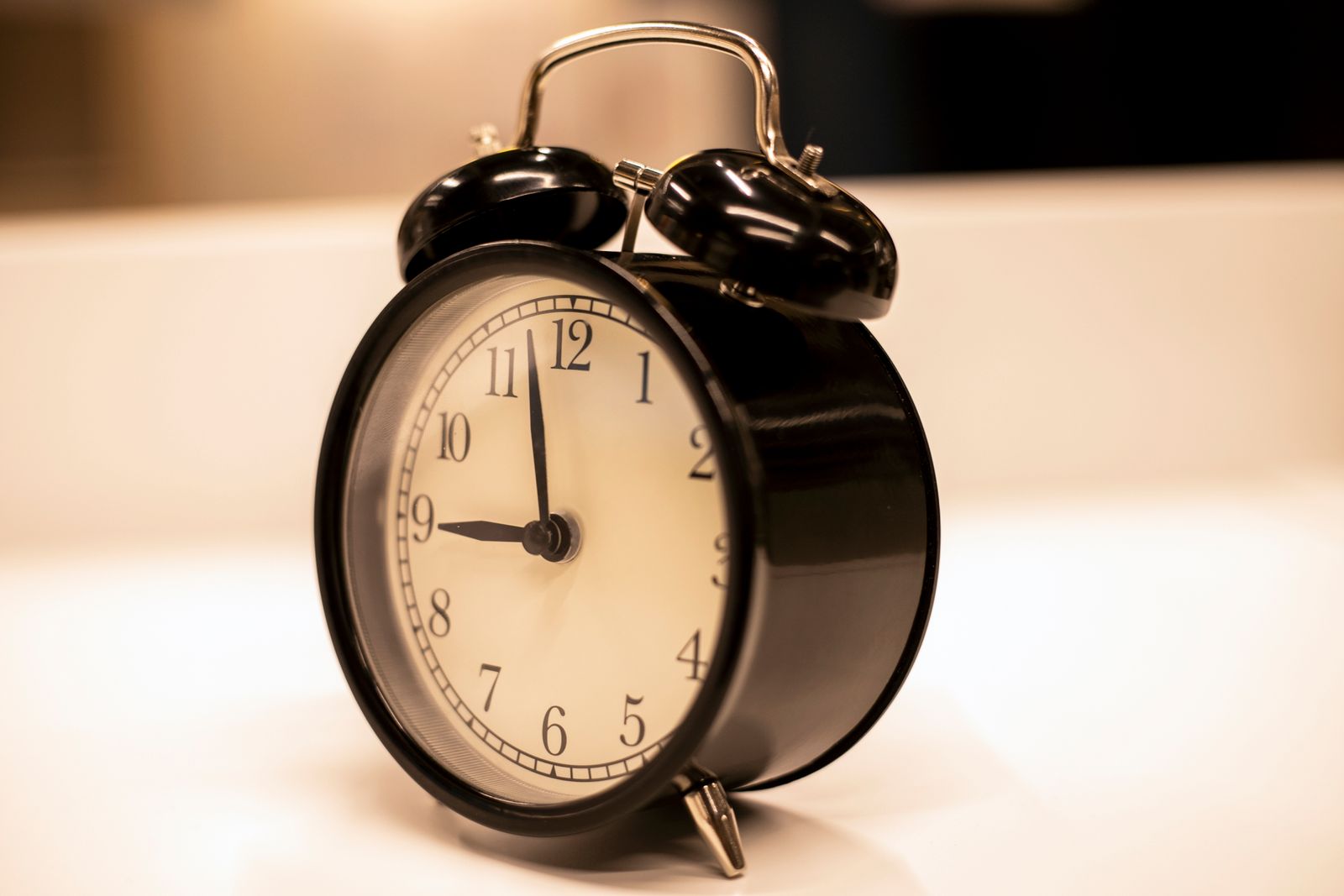
6. der Zeiger (the clock hand / pointer) — what points at the numbers on an analog clock. Der Zeiger der Uhr bewegt sich langsam. (The hand of the clock moves slowly.)
7. der Zeitpunkt (the point in time) — Zeit + Punkt, perfect for talking about timing. Der Zeitpunkt ist perfekt. (The timing is perfect.)
German Z Words for the Body and Animals
Z is surprisingly generous with body vocabulary — from der Zahn to die Zunge, these are words you will use at the dentist, in the kitchen, and in everyday small talk. Only a handful of German animal names start with Z, so das Zebra and die Ziege are easy wins for beginners.
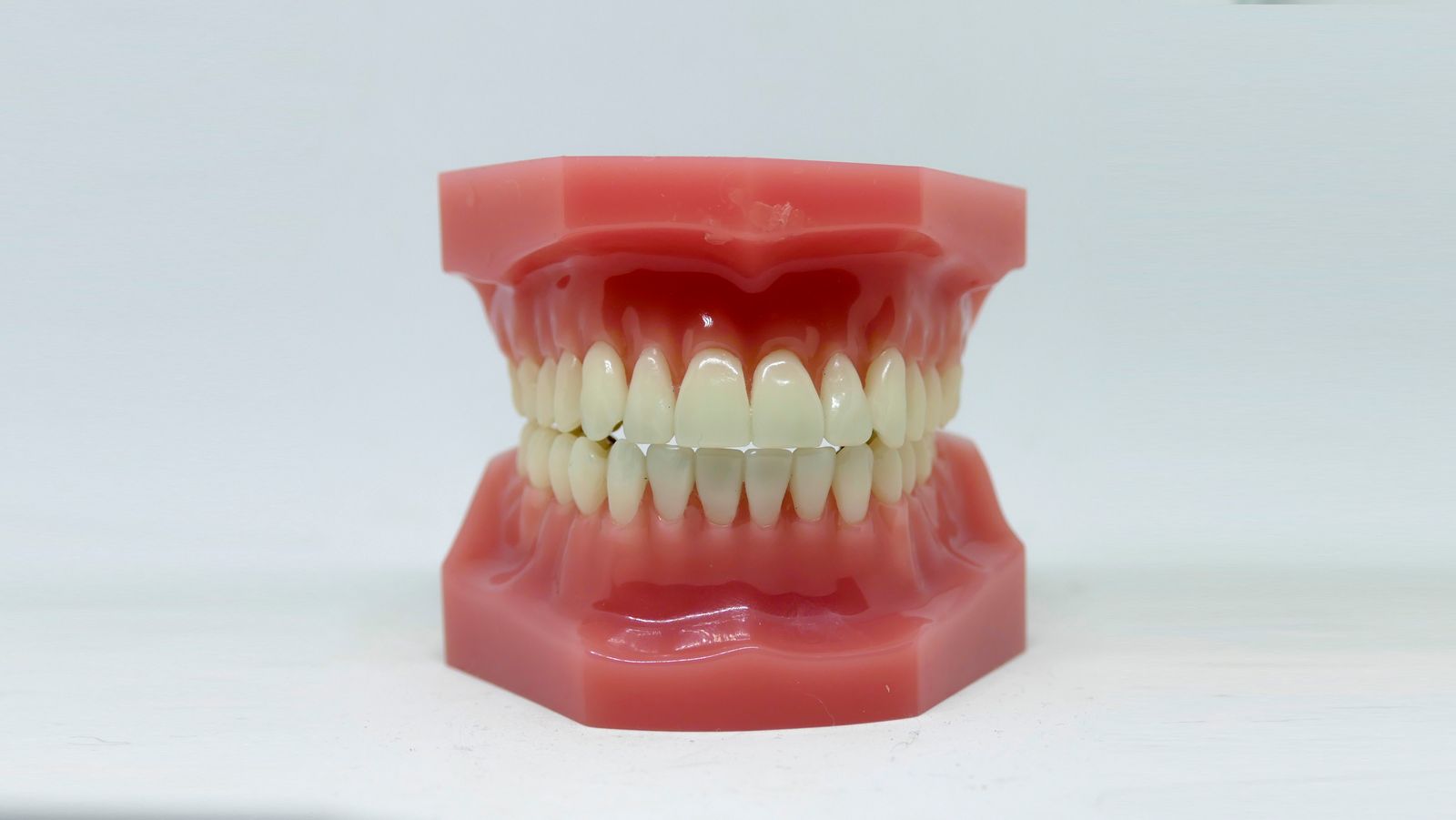
8. der Zahn (the tooth) — the dentist’s favorite word; plural die Zähne. Der Zahn tut mir weh. (My tooth hurts.)
9. die Zunge (the tongue) — also the source of the tongue-twister word later in this list. Die Zunge schmeckt süß und sauer. (The tongue tastes sweet and sour.)
10. der Zeh (the toe) — short and common; learn it together with der Zahn. Ich habe mir den Zeh gestoßen. (I stubbed my toe.)
11. der Zeigefinger (the index finger) — zeigen (to point) + Finger; note the spelling keeps the g. Mit dem Zeigefinger zeigt sie auf die Karte. (With her index finger she points at the map.)
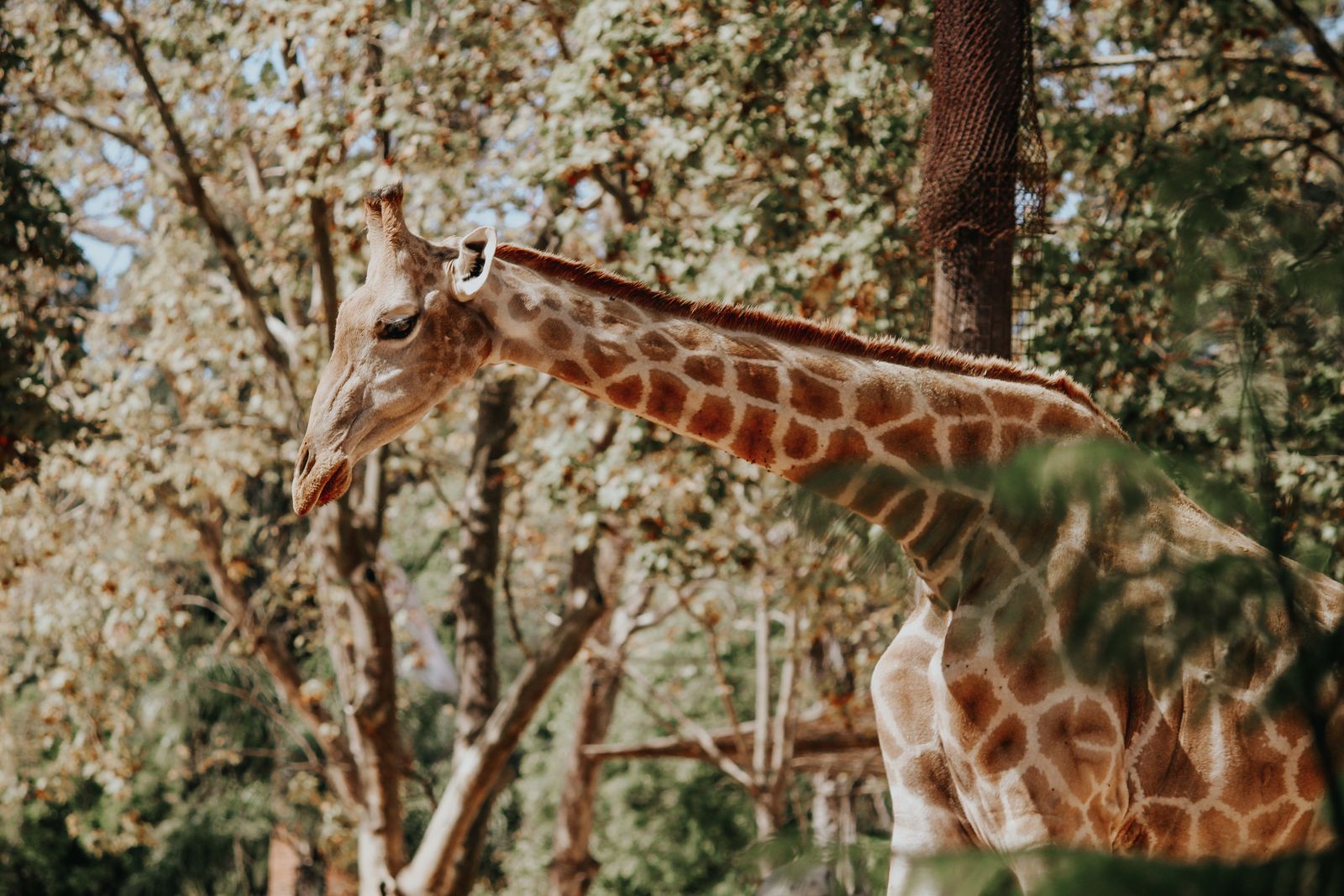
12. das Zebra (the zebra) — a true international word, identical in many languages. Das Zebra hat schwarze und weiße Streifen. (The zebra has black and white stripes.)
13. die Ziege (the goat) — a farmyard classic. Die Ziege frisst Gras auf der Wiese. (The goat eats grass in the meadow.)
German Z Words for Food and the Kitchen
The kitchen is where Z words truly shine — der Zucker, der Zimt, and die Zwiebel are everyday staples, and the sweet-sour pair die Zitrone and die Zwetschge will round out your produce vocabulary. They come up constantly in recipes, restaurants, and grocery shopping.
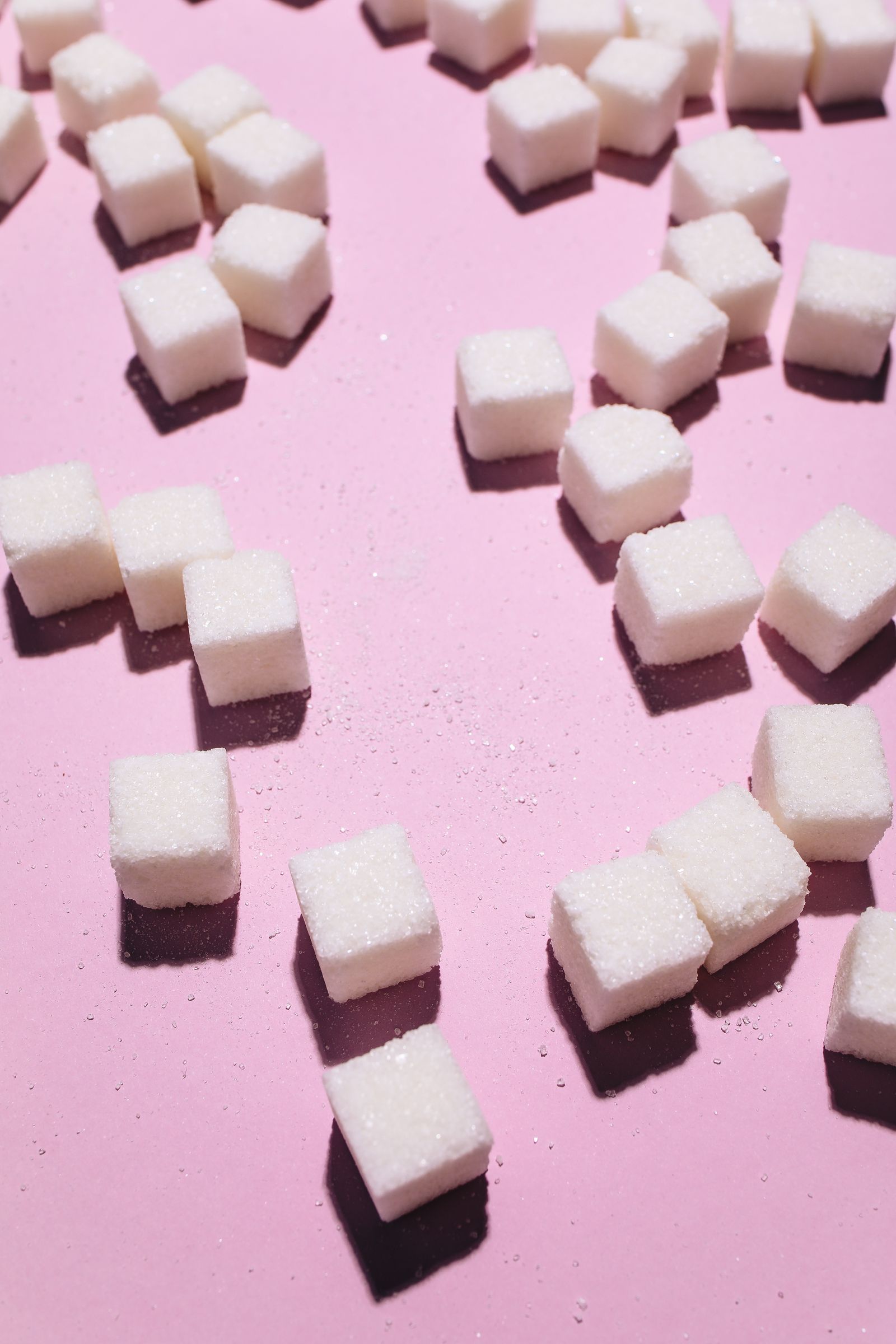
14. der Zucker (the sugar) — the sweetener behind every German cake. Der Zucker steht neben der Kaffeekanne. (The sugar stands next to the coffee pot.)
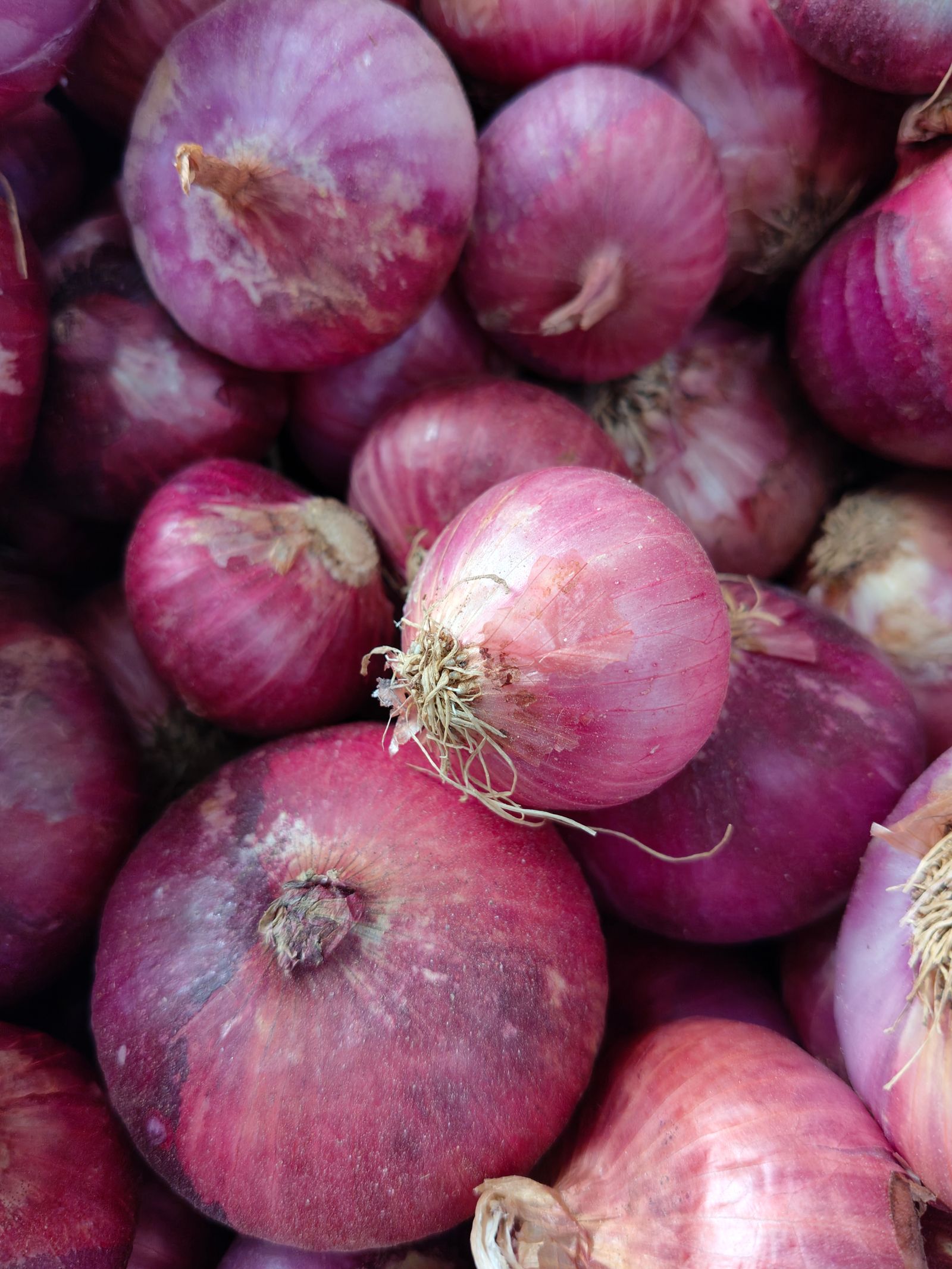
15. die Zwiebel (the onion) — pronounced “TSVEE-bel”; the zw beginning trips up many learners. Die Zwiebeln braten in der Pfanne. (The onions are frying in the pan.)
16. der Zimt (the cinnamon) — the spice of Christmas markets and apple cake; a tiny word with a mighty Z. Der Zimt duftet nach Weihnachten. (The cinnamon smells like Christmas.)
17. die Zitrone (the lemon) — sour, sunny, and useful in everything from tea to cake. Die Zitrone ist sauer. (The lemon is sour.)
18. die Zucchini (the zucchini / courgette) — a loanword that keeps its Italian spelling in German. Die Zucchini wächst in unserem Garten. (The zucchini grows in our garden.)
19. die Zwetschge (the plum) — the blue German plum used for the famous Zwetschgenkuchen. Die Zwetschge ist süß und saftig. (The plum is sweet and juicy.)
German Z Words for Travel and Everyday Life
Few letters serve travelers better than Z: der Zug alone unlocks Germany’s excellent rail system, and das Zimmer, das Zentrum, and die Zahl cover hotels, cities, and numbers. Practical from day one — at reception desks, platforms, and newsstands.
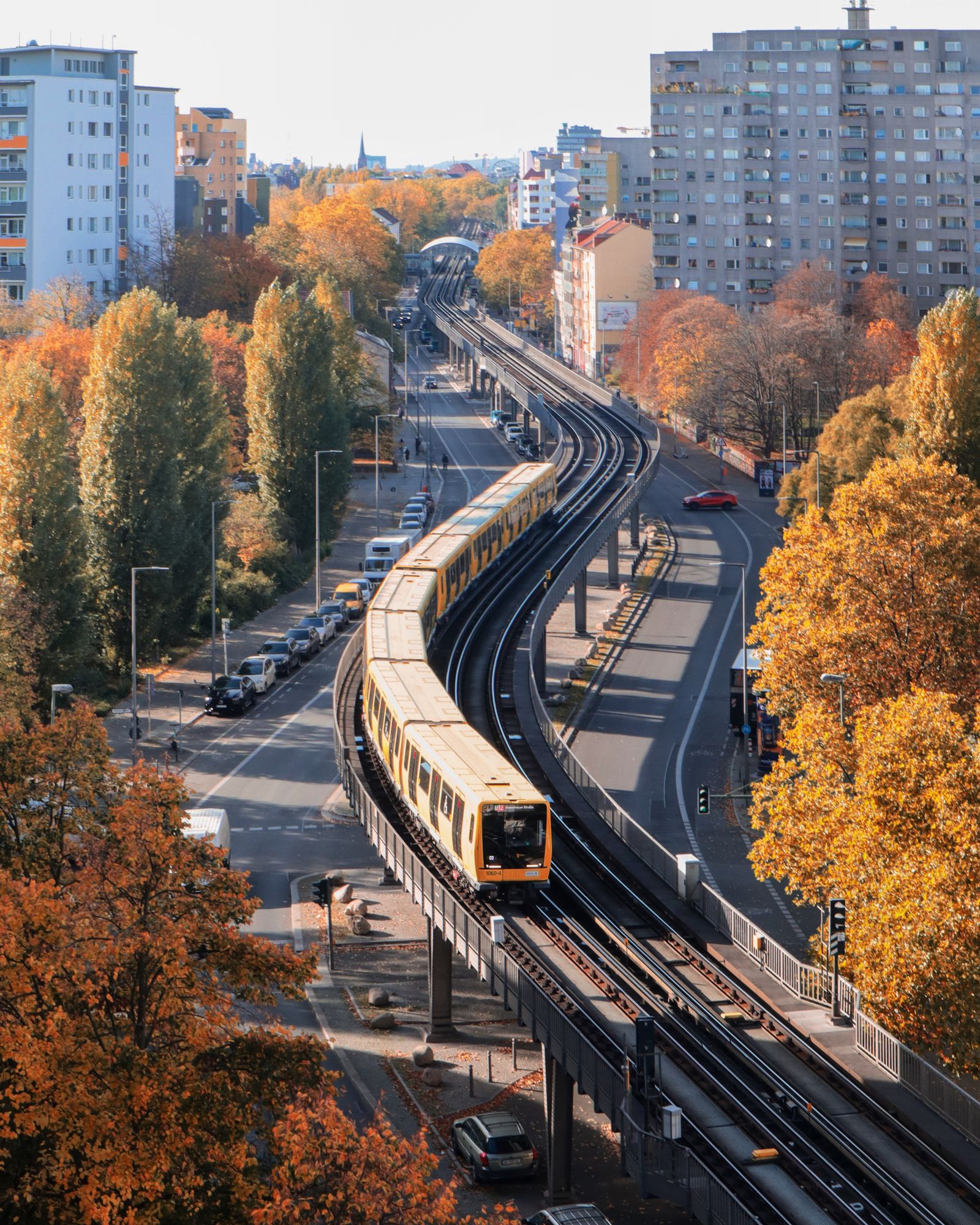
20. der Zug (the train) — one of the most useful German nouns of all; Zug also means “pull” or “procession.” Der Zug fährt pünktlich ab. (The train departs on time.)
21. das Zimmer (the room) — the word you need at every hotel reception desk. Das Zimmer ist hell und gemütlich. (The room is bright and cozy.)
22. das Zentrum (the center) — from Zentrum you also get die Innenstadt as a synonym for downtown. Das Zentrum der Stadt ist sehr belebt. (The city center is very lively.)
23. der Zoo (the zoo) — short, international, and pronounced with a long “oh”: tsoh. Der Zoo öffnet um neun Uhr. (The zoo opens at nine o’clock.)
24. der Zirkus (the circus) — with the Latin-style c pronounced as “ts” here. Der Zirkus kommt in die Stadt. (The circus is coming to town.)
25. die Zeitschrift (the magazine) — Zeit + Schrift (writing). Die Zeitschrift liegt auf dem Tisch. (The magazine lies on the table.)
26. die Zahl (the number) — essential for prices, dates, and phone numbers. Die Zahl sieben bringt Glück. (The number seven brings luck.)
German Z Words for Feelings, Coincidence, and Goals
German has a gift for naming abstract ideas with single, punchy words — and Z contributes some of the best: der Zufall for happy accidents, das Ziel for goals, der Zorn for anger. They add real depth once you move past beginner small talk. For more beginner-friendly vocabulary in this corner of the alphabet, our German words starting with J roundup pairs nicely.
27. der Zufall (the coincidence) — zu + Fall, literally “a falling-together” of events. Es war reiner Zufall. (It was pure coincidence.)
28. das Ziel (the goal / destination) — used for life goals, travel destinations, and sports targets alike. Das Ziel ist fast erreicht. (The goal is almost reached.)
29. der Zustand (the state / condition) — for describing how things are, from houses to health. Der Zustand des Hauses ist gut. (The condition of the house is good.)
30. der Zweifel (the doubt) — the classic abstract noun; zweifeln is the verb “to doubt.” Ich habe keinen Zweifel. (I have no doubt.)
31. der Zorn (the anger) — a stronger, more literary word than die Wut. Sein Zorn war schnell verflogen. (His anger faded quickly.)
32. der Zwilling (the twin) — one of a pair; the plural die Zwillinge is very common. Der Zwilling sieht seinem Bruder sehr ähnlich. (The twin looks very much like his brother.)

German Compound Words Built with Z
Compounds are the soul of German vocabulary — decode them piece by piece and you will never forget them. Der Zebrastreifen is a personal favorite: zebra + stripe = crosswalk, because the white stripes on the road look like a zebra’s coat. If compounds fascinate you, explore more in our German words starting with V collection.
33. die Zahnbürste (the toothbrush) — Zahn + Bürste (brush); note the feminine article comes from die Bürste. Die Zahnbürste steht im Bad. (The toothbrush stands in the bathroom.)
34. der Zungenbrecher (the tongue twister) — Zunge + Brecher (breaker): a breaker of tongues. Der Zungenbrecher ist schwer auszusprechen. (The tongue twister is hard to pronounce.)
35. die Zeitmaschine (the time machine) — Zeit + Maschine, straight out of science fiction. Die Zeitmaschine existiert nur in Filmen. (The time machine exists only in movies.)
36. die Zimmerpflanze (the houseplant) — Zimmer + Pflanze (plant), for greening up your Wohnzimmer. Die Zimmerpflanze braucht Wasser. (The houseplant needs water.)
37. das Zugabteil (the train compartment) — Zug + Abteil; neuter because of das Abteil. Das Zugabteil ist fast leer. (The train compartment is almost empty.)
38. die Zugfahrt (the train journey) — Zug + Fahrt (ride/trip), a staple of travel talk. Die Zugfahrt dauert zwei Stunden. (The train ride takes two hours.)
39. der Zebrastreifen (the crosswalk) — Zebra + Streifen (stripe): the striped pedestrian crossing. Der Zebrastreifen ist sicher für Fußgänger. (The crosswalk is safe for pedestrians.)
40. der Zwerg (the dwarf) — from fairy tales and fantasy; the plural is die Zwerge. Der Zwerg gräbt nach Gold. (The dwarf digs for gold.)
Pronunciation Tips for German Words Starting with Z
The letter Z is wonderfully consistent in German, which makes this list easier to say out loud than it looks:
- Z is always “ts” — every word here starts with a crisp ts: der Zucker is “TSOOK-er,” die Zeit is “TSITE,” der Zug is “TSOOK.” Never like the English “z.”
- The zw in die Zwiebel and der Zwilling — blend “ts” and “v” quickly: “TSVEE-bel,” “TSVIL-ling.”
- The c in der Zirkus — also pronounced “ts,” so der Zirkus sounds like “TSIR-koos.”
- The ie in die Ziege and das Ziel — always a long “ee”: “TSEE-geh,” “TSEEL.” One of German’s most reliable spelling rules.
- The ch in die Zucchini and der Zimt is soft — after i it hisses gently: “tsoo-KEE-nee,” “TSIMT.”
For extra practice, try the classic Zungenbrecher: “Zwischen zwei Zwetschgenzweigen sitzen zwei zwitschernde Zeisige” (between two plum branches sit two chirping siskins).
German Words Starting with Z for Word Games: Scrabble and Wordle Scores
These 40 German words starting with Z are a secret weapon in German word games. In German Scrabble, Z is the single most valuable letter at 10 points, and this list is packed with short, playable Z words: der Zug, das Ziel, der Zwerg, der Zahn, die Zunge, and der Zimt all drop a 10-point Z onto premium squares. Long compounds like der Zungenbrecher or der Zebrastreifen can span the board for a bingo-style bonus. Our dedicated German Scrabble Z words guide digs deeper into tile strategy, and the short high-scoring German Scrabble words list is perfect for tight corners.
For German Wordle players, five-letter Z words are gold: Zebra, Zunge, Zähne, Zucker, and Zimmer all work as opening guesses, while Zimt, Zahl, Zug, and Ziel are compact four-letter power plays.
Key Takeaways
These 40 German words starting with Z give you a complete starter set for one of German’s most characterful letters — from everyday essentials like die Zeit, der Zug, and der Zucker to playful compounds like der Zebrastreifen and der Zungenbrecher. Three habits will make this Z vocabulary stick. First, always learn the article with the word: der, die, or das is part of the word itself — der Zahnbürste is wrong, die Zahnbürste is right. Second, pronounce every Z as “ts,” every single time. Third, use compounds as memory hooks: once you see that die Zimmerpflanze is just Zimmer + Pflanze, the whole list starts decoding itself. Say your favorites out loud daily and this corner of the German alphabet will be yours for good. Viel Spaß beim Lernen!
FAQ: German Words Starting with Z
How is Z pronounced in German?
Z is always pronounced “ts” in German — like the “ts” in “cats.” So die Zeit sounds like “tsite” and der Zug like “tsook,” never like the English “z.”
What is the most common German word starting with Z?
Die Zeit (time) is by far the most common — it ranks among the most frequently used nouns in the entire language. Der Zug (train) and der Zucker (sugar) are close behind in everyday use.
What are good German Z words for Scrabble?
In German Scrabble, Z is worth 10 points, the highest tile value. Short Z words like Zug, Ziel, Zimt, Zahl, Zahn, and Zoo are excellent plays, and longer ones like Zucker or Zungenbrecher can cover premium squares.
What does “der Zebrastreifen” literally mean?
Der Zebrastreifen literally means “zebra stripe” — Zebra + Streifen (stripe). It is the German word for a pedestrian crosswalk, named for the white stripes painted on the road.