

Some German words do not just differ from their English lookalikes — they take the English word, move it into a new apartment, and give it a completely different job. These surprising german false friends meanings belong mostly to Denglish: English words borrowed into German and reassigned to new, often narrower meanings. The spelling screams English; the meaning whispers German.
Below are 25 of the most surprising — each with what an English speaker assumes, what it really means, and the story of how the mix-up happened.
Surprising German False Friends Meanings: What Makes Them Surprising?
Not all false friends surprise equally. Das Gift (poison) shocks because the spelling is identical and the meaning is opposite. But the words on this list surprise differently — through three distinct mechanisms:
The reassignment. An English word is borrowed and given a narrower job: Handy (only phones, never “convenient”), Beamer (only projectors, never BMWs). The English meaning is not opposite — it is simply unavailable in German.
The invention. English parts are assembled into a word that never existed in English: Dressman, Showmaster, Afterworkparty. These look the most English and are the least English — pure German engineering with imported bricks.
The promotion. An English slang or marginal word becomes standard, serious German: Shitstorm on the evening news, Mobbing in employment law. The surprise is not the meaning but the register — words your English teacher warned you about, used by German judges.
Keep these three mechanisms in mind as you read: every entry below is an example of one of them.
The Technology Traps
1. das Handy — mobile phone. The granddaddy of Denglish. Legend says German marketers in the 1990s needed a catchy name for the new mobile phones and settled on “Handy” — because it is handy to carry one. No English speaker has ever called a phone “a handy,” but 80 million Germans do, daily. “Ich habe mein Handy verloren.” (“I lost my phone.”)
2. der Beamer — video projector. Named for the beam of light it throws on the wall. In an English office, asking for “the beamer” gets you a BMW; in a German office, it gets you the projector for your presentation. “Der Beamer flackert.” (“The projector is flickering.”)
3. der Countdown — countdown (same meaning — the surprise is grammatical). Used exactly like English, but Germans treat it as fully German: der Countdown läuft (“the countdown is running”). The surprise for learners is how naturally English event vocabulary slots into German sentences.
4. das Public Viewing — public screening (of a football match, on a big screen). During the World Cup, German cities advertise “Public Viewing” zones — which to English ears sounds like a funeral home open house. It means watching the game together outdoors on giant screens. The term was coined for the 2006 World Cup in Germany and never left.
5. der Boxenstopp — pit stop (motorsport). Borrowed from Formula 1 English, now used metaphorically: “Ich mache einen Boxenstopp beim Bäcker” (“I’m making a quick stop at the bakery”). A Box is also a speaker box and a horse stall — German Box is a busy word.
6. das Brainstorming — brainstorming session (same concept, but grammatically German). “Wir haben ein Brainstorming gemacht.” The surprise: it takes German verb behavior — brainstormen is a regular German verb (wir brainstormen, ihr brainstormt). English words become German verbs with cheerful regularity.
7. das Homeoffice — working from home, remote work. “Ich bin heute im Homeoffice.” (“I’m working from home today.”) English would say “home office” for the room; German Homeoffice means the arrangement. Post-2020, this became one of the most-used Denglish words in the language.
Fashion and Lifestyle
8. das Smoking — tuxedo, dinner jacket. Borrowed from the Victorian “smoking jacket” — the informal jacket gentlemen wore while smoking after dinner. English abandoned the term; German promoted it to full formal wear. “Er trägt Smoking.” (“He’s wearing a tuxedo.”) Note the neuter article on an English loanword.
9. der Body — bodysuit. “Sie trägt einen Body.” (“She’s wearing a bodysuit.”) The English “body” never narrowed this way; German did. Shopping for one in an English-speaking country requires the full word “bodysuit” — “a body” gets you concerned looks.
10. der Dressman — male model. A German marketing invention from “dress” + “man” that no native English speaker has ever uttered. “Der Dressman auf dem Plakat.” The female equivalent, das Dressgirl, is equally homemade. Both are standard German now.
11. die High Heels — high heels (same meaning — the surprise is the plural). German borrows the English plural wholesale: die High Heels (never High Heel singular in practice). Fashion German is essentially English with German articles: die Jeans, das Top, der Hoodie.
12. der Wellness — spa, wellness (as a place/treatment). “Wir fahren zum Wellness.” (“We’re going to a spa.”) English “wellness” is an abstract concept; German Wellness is a destination — a hotel with a sauna. Wellnessurlaub (spa vacation) is a major German travel category.
13. der Shootingstar — rising star (a newly famous person). “Der Shootingstar der Saison.” (“The rising star of the season.”) English “shooting star” is the meteor; German repurposed it for celebrities. The metaphor survives — bright, fast, possibly burning out.
14. der Evergreen — evergreen song, timeless hit. “Dieser Song ist ein Evergreen.” (“This song is a timeless hit.”) From the botanical “evergreen” (always green) to the musical (always fresh). German radio loves this word.
Entertainment and Media
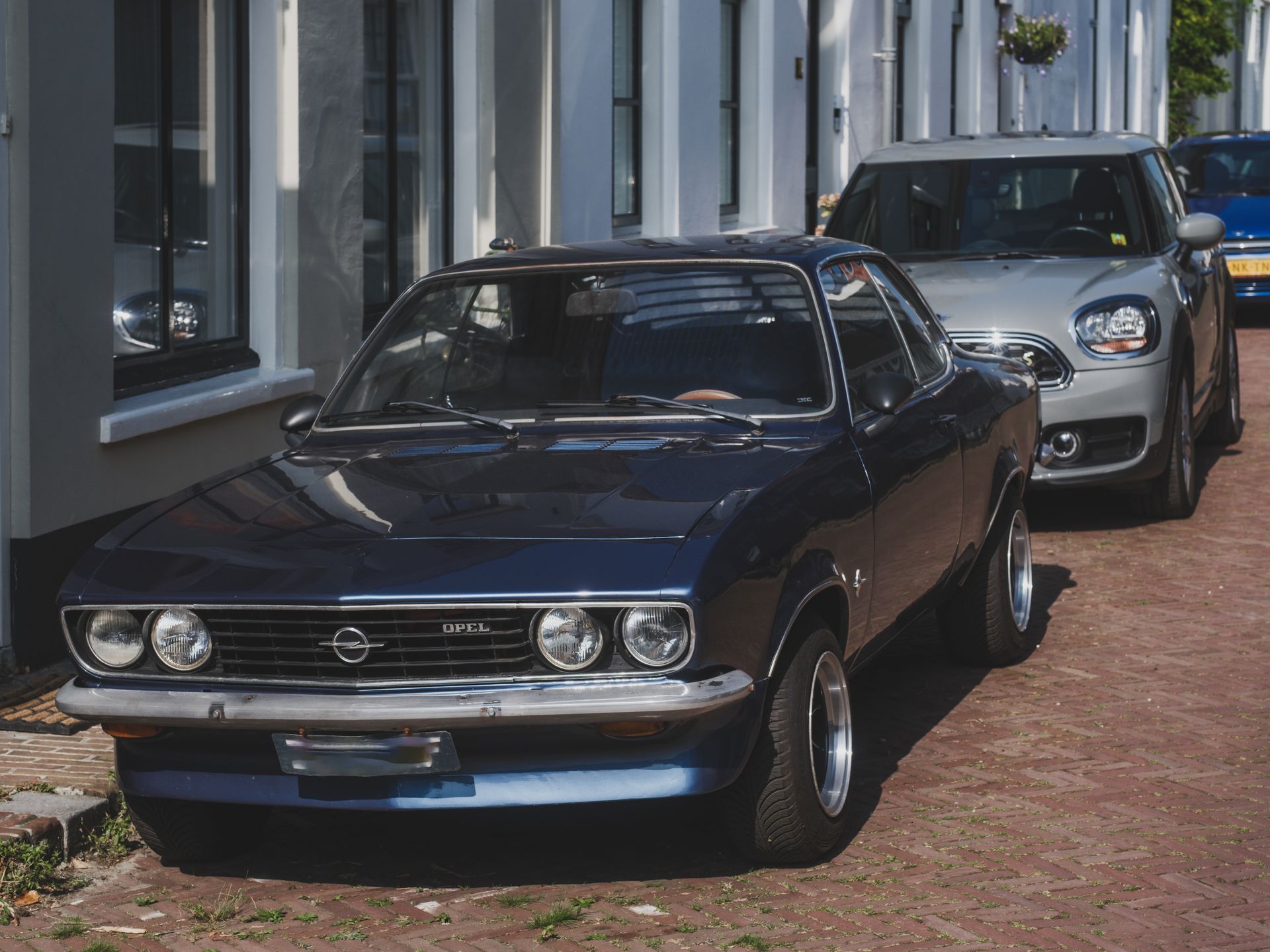
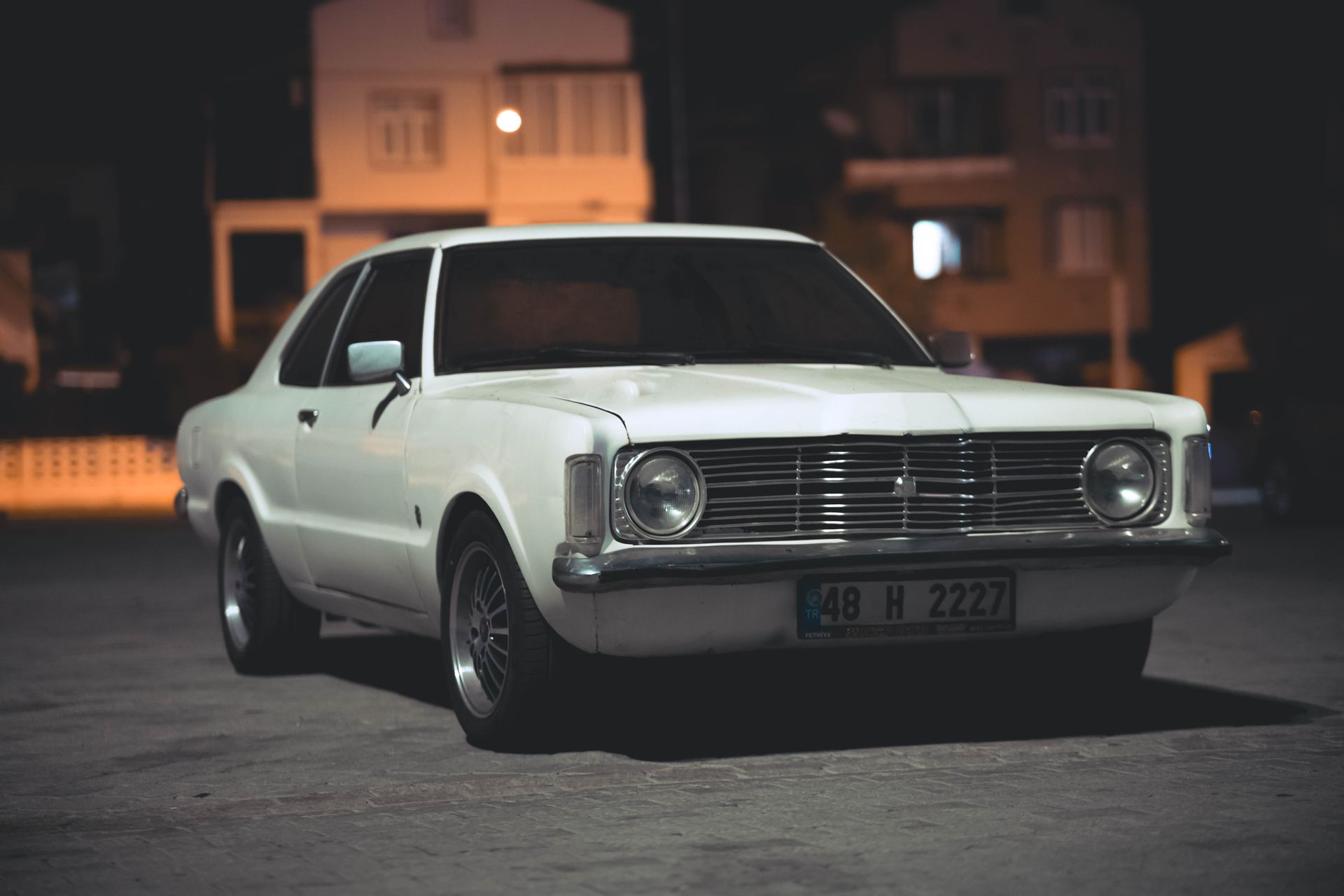
15. der Oldtimer — vintage/classic car. “Er sammelt Oldtimer.” (“He collects vintage cars.”) English “old-timer” means an elderly person or longtime member — applying it to grandpa in German gets you corrected; applying it to his car gets you admired.
16. der Artist — circus/variety performer. “Die Artisten treten heute auf.” (“The performers are on today.”) From French artiste — the circus sense is actually the older one. An artist (painter) is der Künstler.
17. der Showmaster — TV show host. “Der Showmaster begrüßt die Gäste.” Assembled from English parts in a German TV studio decades ago and never questioned since. Every German knows what a Showmaster is; no English speaker does.
18. der Talkmaster — talk-show host. The Showmaster‘s chatty sibling. “Der Talkmaster interviewt den Gast.” German television runs on these compounds — transparent to Germans, opaque to everyone else.
19. der Fanshop — fan merchandise shop. “Der Fanshop ist ausverkauft.” (“The fan shop is sold out.”) Perfectly logical English parts, but “fanshop” as one word is German assembly. Football clubs, bands, festivals — all have one.
20. der Shitstorm — wave of online outrage. “Die Firma erntet einen Shitstorm.” (“The company is facing a shitstorm.”) Borrowed from English internet slang and promoted to standard media vocabulary — German news anchors say Shitstorm with complete professionalism.
Work and Social Life
21. das Team — team (same meaning — the surprise is how German it became). “Unser Team gewinnt.” Fully integrated: teamfähig (able to work in a team) is standard HR vocabulary. English words do not stay foreign in German for long.
22. der Job — job (same meaning — the surprise is the grammar). Der Job, die Jobs — German plural on an English word. “Ich suche einen Job.” What surprises learners is not the meaning but the normality: jobben (to work a side job) is a regular German verb.
23. der Babysitter — babysitter (same meaning — the surprise is the verb). Babysitten is a separable German verb: “Ich sitte heute Abend baby” (“I’m babysitting tonight”). English words get fully German grammar — separable prefixes and all.
24. das Mobbing — bullying, harassment (especially workplace). “Mobbing am Arbeitsplatz.” (“Workplace bullying.”) From English “mob” — German took the crowd word and made it the standard legal and HR term for systematic harassment. A serious word with a surprising pedigree.
25. die Afterworkparty — after-work drinks/gathering. “Kommst du zur Afterworkparty?” German office culture runs on these; the compound is pure Denglish (after work + party), coined in Germany, for Germany. English speakers say “drinks after work” — three words where German uses one magnificent compound.
Quiz Yourself: 10 Quick Checks

Cover the right column and guess — then uncover:
- Ich habe mein Handy vergessen. → I forgot my phone.
- Der Beamer ist kaputt. → The projector is broken.
- Public Viewing am Samstag. → Public football screening on Saturday.
- Er fährt einen Oldtimer. → He drives a vintage car.
- Sie trägt einen Body. → She’s wearing a bodysuit.
- Der Dressman lächelt. → The male model is smiling.
- Wir fahren zum Wellness. → We’re going to a spa.
- Die Firma erntet einen Shitstorm. → The company faces online outrage.
- Mobbing am Arbeitsplatz. → Workplace bullying.
- Ich bin im Homeoffice. → I’m working from home.
Eight or more correct: you think in Denglish now. Fewer than five: re-read the list — these words are everywhere in modern German.
Why Germans Keep Inventing English Words
Denglish is not laziness — it is marketing and modernity. English sounds international, dynamic, and modern to German ears, so advertisers, TV producers, and youth culture reach for English parts when naming new things: phones (Handy), jobs (Dressman), parties (Afterworkparty). The parts are English, but the assembly follows German rules — which is why the results baffle native English speakers.
The practical lesson: when you meet an English-looking word in German that makes no sense, do not assume your English is failing. Assume the word was built in Germany. Ask what it means, learn the story, and add it to your collection — Denglish words are among the most fun vocabulary in the language, and Germans love explaining them.
For the historical reasons behind older false friends (Gift, Rat, Chef), see why German false friends exist; for the full danger list, our complete German false friends guide. To sharpen your instincts for spotting repurposed borrowings, work through German false friends vs true cognates.
Key Takeaways
- These 25 surprising german false friends meanings are mostly Denglish: English parts assembled by German rules into words like Handy (phone), Beamer (projector), Oldtimer (vintage car), and Dressman (male model).
- The surprise is rarely random — each word has a story (the Smoking from Victorian smoking jackets, Public Viewing from the 2006 World Cup, Mobbing from “mob”).
- Grammar gives them away: brainstormen, babysitten, die High Heels — English words wearing full German grammar are German inventions.
- When an English-looking word makes no sense, assume it was built in Germany and ask — Germans love explaining Denglish.
- For more laugh-out-loud mix-ups, see 25 funny German false friends — and the 50 most embarrassing false friends for the full hall of shame.
Frequently Asked Questions
Is Denglish considered bad German?
Language purists grumble, but Denglish is standard, dictionary-listed German used in newspapers, offices, and parliament. Handy, Beamer, and Mobbing are not slang — they are the official terms.
Why do Germans say “Handy” instead of just using “mobile phone”?
The word was coined by 1990s German marketing for its catchy, international sound. It stuck so completely that most Germans do not know it is not English — which produces the classic scene of a German asking for “a handy” in an American electronics store.
Are there English words Germans use with the same meaning?
Plenty: das Team, der Job, der Countdown, die Happy Hour. The surprise with these is grammatical (German plurals, separable verbs like babysitten) rather than semantic.
Will using Denglish words make my German sound bad?
The opposite — using Handy, Beamer, and Termin correctly makes you sound natural. These are not learner errors; they are the real vocabulary. The error is only in translating them back into English literally.
What is the funniest Denglish word?
Der Dressman (male model) and das Public Viewing (football screening) are strong contenders — both sound perfectly natural to Germans and completely absurd to English speakers. Public Viewing during the World Cup regularly confuses visiting fans.
Do young Germans use more Denglish than older Germans?
Yes — Denglish concentrates in technology, fashion, startups, and youth culture, where English signals modernity. But classics like Handy and Beamer span all generations; your German grandmother says Handy without a second thought.