

Food words are delicious puzzle material: concrete, everyday, and full of German’s best consonant clusters. These German food anagrams serve twenty-five scrambles across three courses — bakery basics, cakes and sweets, and a full fruit basket — from the three-letter Eis to the nine-letter Erdbeere. Every scramble is letter-verified: the jumble rearranges exactly into the answer, nothing added, nothing missing.
How to play: unscramble each word, check your answer, and say it aloud with its article. Food vocabulary is among the most-used German you will ever learn — restaurant menus, grocery lists, and dinner conversations all draw from exactly these words.
A note on difficulty: the list runs from the 2-letter Ei (in the bonus round) to the 9-letter Erdbeere, but length is not the real difficulty curve here — clusters are. Pflaume (7 letters, two clusters) will take longer than Erdbeere (9 letters, one obvious compound split). If a scramble resists, ask “which clusters can I glue?” before “which letters can I shuffle?” — the answer is usually the former.
Bakery Basics and the Spice Rack
1. TORB → das Brot (bread). T-first or B-first: B-R-O-T. Bread is das Brot (neuter) — the center of German food culture, with hundreds of regional varieties. The scramble is the perfect warm-up.
2. TERBUT → die Butter (butter). Double T kept together: B-U-T-T-E-R. Butter is feminine (die Butter), unlike English’s uncountable treatment — and Butterbrot (buttered bread) is a cultural institution.
3. CHLIM → die Milch (milk). CH glued: M-I-L-CH. Milch is feminine. The CH-ending (Milch, durch, manch) is a very German shape — learn to park CH at the end on sight.
4. REZUKC → der Zucker (sugar). Z mid-word, CK glued: Z-U-CK-E-R. Zucker is masculine. The CK cluster never starts a German word — that rule alone places it correctly here.
5. ZALS → das Salz (salt). S-first: S-A-L-Z. Four letters, instant solve. Salz is neuter, and the idiom Salz in die Wunde streuen (to rub salt in the wound) works exactly like English.
6. FERPFEF → der Pfeffer (pepper). Count the F’s — three of them! PF leads: PF-E-F-F-E-R. The triple-F is the whole puzzle: keep PF glued at the front and the remaining F slots in naturally. Pfeffer is masculine.
7. LEHM → das Mehl (flour). M-first: M-E-H-L. Mehl is neuter — and half of the famous Mehl/Helm anagram pair (flour/helmet). Four letters, two meanings for the price of one.
8. GIET → der Teig (dough). T-first: T-E-I-G. The IE diphthong stays glued (Teig, Liebe, Wiese). Teig is masculine — the stuff of bread, cake, and Weihnachtsplätzchen.
Cakes and Sweets
9. NECHUK → der Kuchen (cake). CH glued, -EN ending parked: K-U-CH-E-N. Kuchen is masculine and the generic word for cake — Apfelkuchen, Käsekuchen, Marmorkuchen all build on it.
10. TETOR → die Torte (torte, layer cake). T-first with -E ending: T-O-R-T-E. A Torte is the fancier, layered sibling of Kuchen — think Schwarzwälder Kirschtorte. Feminine.
11. SIE → das Eis (ice cream; ice). Three letters: E-I-S. Eis is neuter and does double duty — ice cream in summer, ice on the road in winter. The shortest word here and the sweetest.
The Fruit Basket
12. LEAFP → der Apfel (apple). PF glued mid-word: A-PF-E-L. Apfel is masculine — der Apfel, and the idiom der Apfel fällt nicht weit vom Stamm (the apple doesn’t fall far from the tree) mirrors English exactly.
13. RINEB → die Birne (pear). B-first: B-I-R-N-E. The IE diphthong glued, -E ending parked. Birne is feminine — and slang for “head” (eine weiche Birne haben — to be soft in the head).
14. SIREHKC → die Kirsche (cherry). Seven letters, but SCH glued plus -E ending: K-I-R-SCH-E. Kirsche is feminine, and the Schwarzwälder Kirschtorte (Black Forest cherry cake) is Germany’s most famous dessert export.
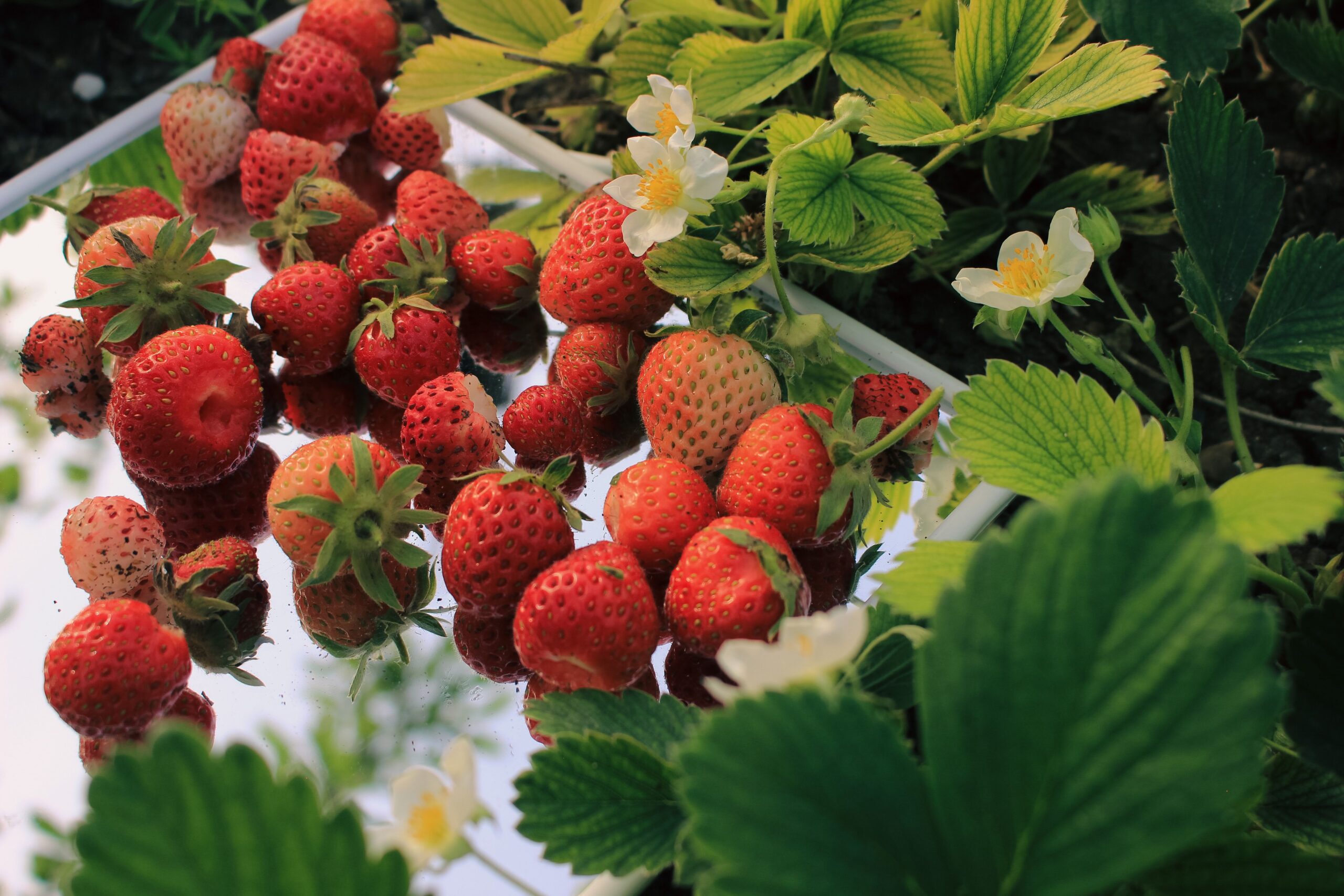
15. BEAUTR → die Traube (grape). T-first, AU diphthong glued: T-R-AU-B-E. Traube is feminine; the plural Trauben fills wine country. AU (Haus, Baum, Traube) is the friendliest German diphthong — always keep it together.
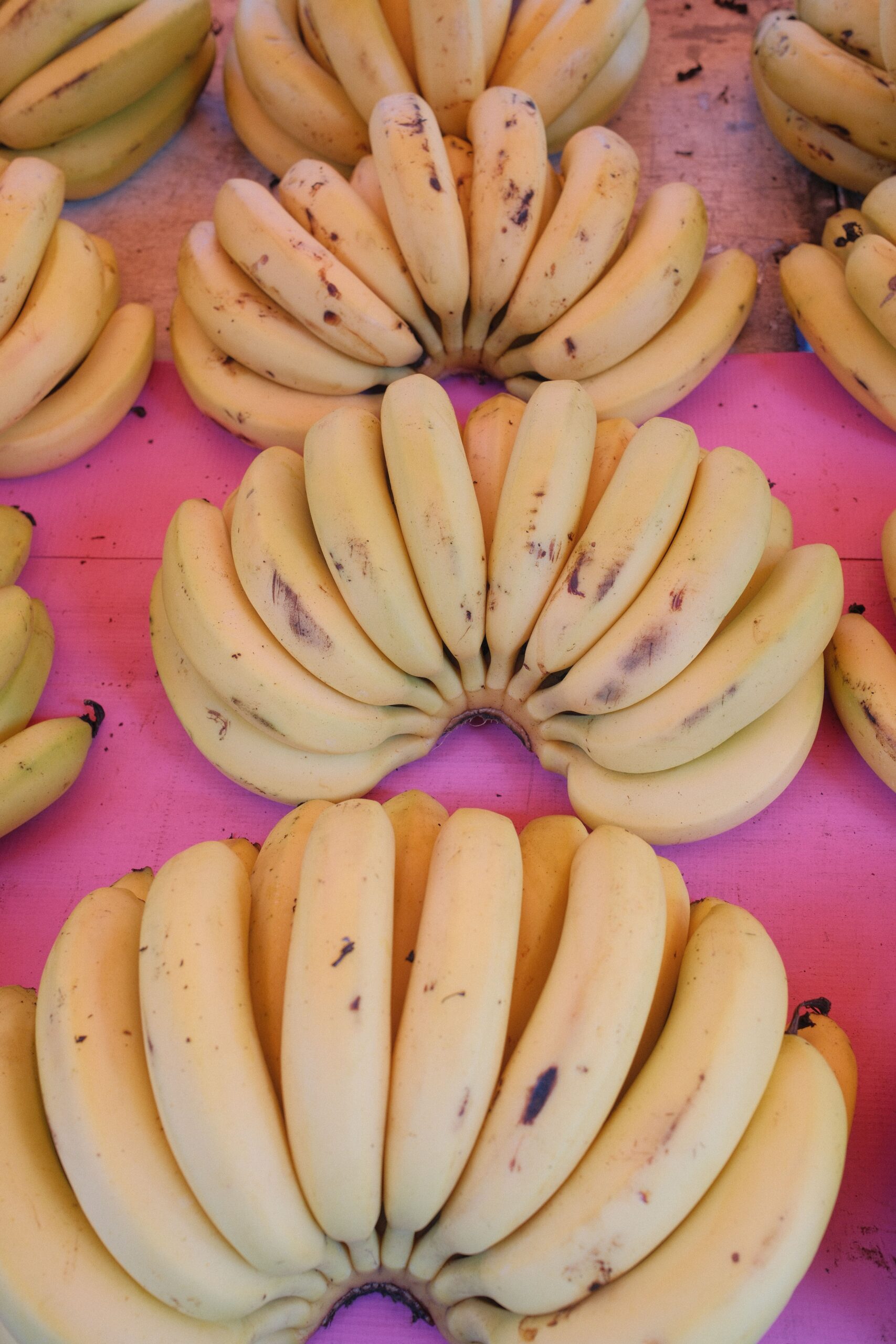
16. NAEANB → die Banane (banana). Three A’s, two N’s — count them: B-A-N-A-N-E. Banane is feminine. The triple-A is the puzzle’s whole personality; anchor on the B and let the A’s fall into the AN-A pattern.
17. GREANO → die Orange (orange). O-first: O-R-A-N-G-E. Orange is feminine in German (die Orange), and the color orange is — conveniently — also orange. Six letters, smooth solve.
18. NOZITRE → die Zitrone (lemon). Z mid-word, -E ending: Z-I-T-R-O-N-E. Zitrone is feminine. The ZI- opening (Zitrone, Zimmer, Ziege) is a reliable German shape — Z rarely ends words, so place it early.
19. REEBERDE → die Erdbeere (strawberry). Nine letters — but it is a compound: Erd- + -beere (berry). Solve the halves: ERD + BEERE. Erdbeere is feminine, and the -beere chunk repeats in the next answer — learn it once, use it twice.
20. REEBEIHM → die Himbeere (raspberry). Same -beere chunk: HIM + BEERE. Eight letters that surrender to the compound split. Himbeere is feminine. Two berry compounds in a row is not a coincidence — it is German compounding showing off.
21. MUEALFP → die Pflaume (plum). PF glued, AU glued: PF-L-AU-M-E. Two clusters in seven letters — this is the cluster-drill championship of the fruit basket. Pflaume is feminine.
22. NAASAN → die Ananas (pineapple). Three A’s, two N’s, one S: A-N-A-N-A-S. Count carefully — the scramble keeps all three A’s. Ananas is feminine in German (unlike French’s masculine ananas). The repeated ANA pattern is the whole game.
23. GOMAN → die Mango (mango). M-first or G-first: M-A-N-G-O. Five letters, tropical and simple. Mango is feminine — die Mango, ripe and ready.
24. IWIK → die Kiwi (kiwi). K-first: K-I-W-I. Four letters, alternating vowels and consonants — the C-V skeleton solves it in one try. Kiwi is feminine; the bird and the fruit share the name.
25. GEEFI → die Feige (fig). F-first, IE glued, -E ending: F-E-I-G-E. Feige is feminine — and also the word for “cowardly” (feige as an adjective), a fun double meaning to pocket.
German Food Anagrams: The Culture Behind the Words
These are not random vocabulary — they are the load-bearing words of German food culture. A little context makes each one stickier:
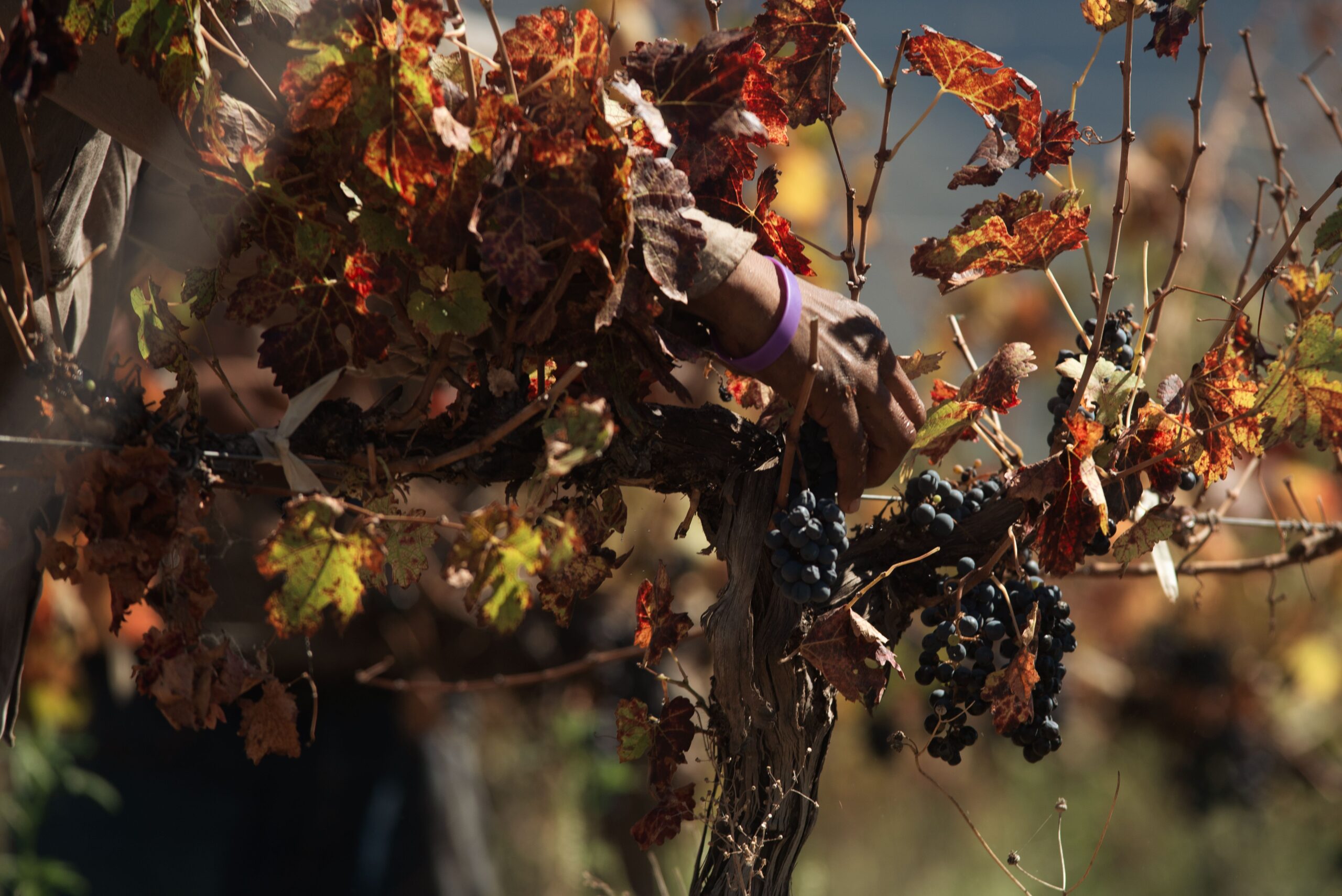
Brot is a religion. Germany recognizes over 3,000 bread varieties, and Brot anchors the two great German meals: Frühstück (breakfast) and Abendbrot (literally “evening bread” — the cold dinner of bread, cheese, and cold cuts). When you solve TORB → Brot, you are unlocking a cultural keystone, not just a noun.
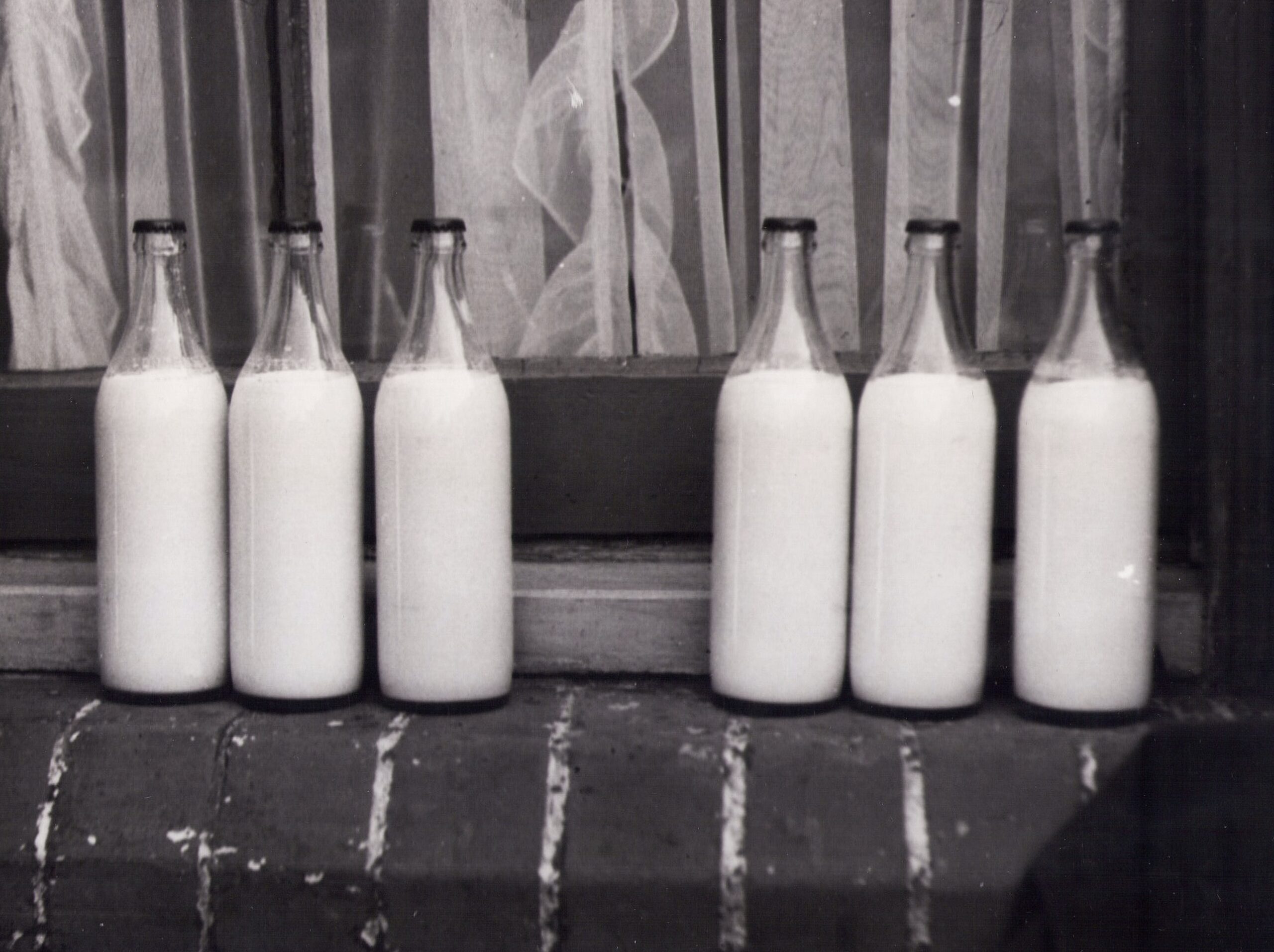
Butter and Milch: the dairy axis. Butter and Milch (plus Käse, cheese — not in the puzzles, but inevitable) form the dairy triangle of German cooking. Note the genders: die Butter, die Milch — dairy leans feminine, a pattern worth noticing.
Zucker, Salz, Pfeffer, Mehl: the baker’s quartet. Every German kitchen runs on these four. Der Zucker, das Salz, der Pfeffer, das Mehl — two masculine, two neuter, zero pattern, which is exactly why puzzle-drilling them with articles matters. You will use these four words weekly for the rest of your German life.
Kuchen vs. Torte: know the difference. Kuchen is the everyday cake (sheet cakes, coffee cakes); Torte is the layered, celebratory construction. Ordering Kuchen when you wanted Torte at a Konditorei marks you as a learner instantly — now you know.
The berry compounds. Erdbeere (earth-berry) and Himbeere (hind-berry — from Hinde, an old word for hind) show German naming logic: describe the thing, glue the words. Once you see the logic, Stachelbeere (gooseberry, “spike-berry”) and Johannisbeere (currant) decode themselves.
Turn Dinner into a Puzzle: The Menu Game
Here is a party trick that doubles as study: at a German restaurant, mentally scramble three words from the menu before ordering. Speisekarte too long? Start with Brot, Wasser, Kuchen. The steps:
- Read the word on the menu (Apfelstrudel).
- Pick a short component (Apfel).
- Scramble it mentally (LEAFP).
- Solve it before the waiter arrives.
You will order more confidently (you just rehearsed the vocabulary), and the five-minute wait becomes study time. For structured practice at home, our eight speed techniques turn this game into a timed drill, and the step-by-step method walks through twenty graded examples.
Bonus Round: 5 More Tasty Scrambles
Twenty-five down? Here are five fresh food words — same verification, new flavors. Answers below.
- IE → ? (2 letters)
- SÄKE → ? (4 letters)
- GINOH → ? (5 letters)
- PSEPU → ? (5 letters)
- SUTRW → ? (5 letters)
Answers: 1. das Ei (egg) — the shortest food word in German · 2. der Käse (cheese) — the Ä anchors · 3. der Honig (honey) — H-first, -IG ending · 4. die Suppe (soup) — double P kept together · 5. die Wurst (sausage) — W-first, ST… no, just W-U-R-S-T the German way. Five more words for your grocery German.
Solving Tips for Food Scrambles
- Think in courses. Bakery words are short and cluster-heavy (Brot, Mehl); fruit words are longer with diphthongs (Traube, Pflaume). Adjust your technique to the course.
- Split the compounds. Erdbeere and Himbeere share the -beere chunk — once you see it, both scrambles halve in difficulty. German food vocabulary is full of such reusable parts (-kuchen, -brot, -wurst).
- Count repeated letters first. Pfeffer (three F’s), Banane (three A’s), Ananas (three A’s) — the repeats are the puzzle. Count them before you arrange anything.
- Use the grocery store. Next time you shop, read the German labels in your head and mentally scramble them. Butter, Milch, Käse — the supermarket is a free puzzle book.
- Learn gender with the food. Das Brot, die Butter, der Zucker — food genders are famously irregular, which is exactly why puzzles are a good way to drill them.
False Friends at the German Table
A few food words on this list look like English but are not — worth flagging before they embarrass you:
- das Eis is ice cream, not ice (well, it is also ice — context decides). Ordering Eis in January gets you dessert, not cubes.
- die Birne is a pear, not a burn. The English lookalike “burn” is a complete coincidence.
- der Kuchen is cake, not “kitchen.” English speakers mix these constantly — Küche (kitchen) vs. Kuchen (cake) differ by one N.
- die Orange is feminine (die Orange), while English “orange” has no gender to worry about. Say die every time until it is automatic.
- die Ananas is feminine in German but masculine in French (l’ananas) — if you speak French, your instincts will betray you here.
False friends are why unscrambling beats memorizing: you handle the letters so often that the German spelling becomes the default, and the English lookalike stops interfering.
The Shopping List Challenge
The ultimate test of this page: write your next grocery list entirely as scrambles, solve them from memory at the store, and buy what you decode. Example list:
- TORB, CHLIM, SÄKE, IE, SUTRW, LEAFP, NAEANB
Seven items, all from this article. If you can decode your own list in the dairy aisle, the vocabulary is yours — no flashcard app required. Bonus: do it with a study partner and race.
Key Takeaways
- These German food anagrams cover thirty tasty words from Ei to Erdbeere, every scramble letter-verified.
- Food scrambles teach three core skills: cluster gluing (PF, SCH, CK, CH), compound splitting (Erd-beere), and repeat-letter counting (Pfeffer‘s triple F).
- The -beere chunk (Erdbeere, Himbeere) demonstrates German compounding — learn reusable parts, not just words.
- Always learn food with its article: das Brot, die Butter, der Zucker — grocery German is gender-heavy German.
- Food words carry culture: Brot anchors two daily meals, Kuchen vs. Torte marks insider knowledge, and berry compounds reveal German naming logic.
- Turn waiting time into study time with the menu game — scramble three words before the waiter arrives.
- Hungry for more? Our animal anagrams drill the same clusters on creatures, the eight speed techniques will make you fast at all of them, and the kids’ food words cover Apfel and Banane at an easier level.