

Landing in Berlin, Munich, or Vienna with zero German? You are better equipped than you think. Airports, hotels, restaurants, and street signs across the German-speaking world are full of german cognates travelers can decode on sight because English and German share them. This list of 50 gives you instant travel vocabulary: transport, lodging, documents, dining, and sightseeing, each with its article (der, die, das) and a note where the cognate hides behind a sound shift.
Memorize the transport and hotel sections before you fly, skim the rest on the plane, and you will navigate like someone who studied for months. For the full method, see our complete German-English cognates guide.
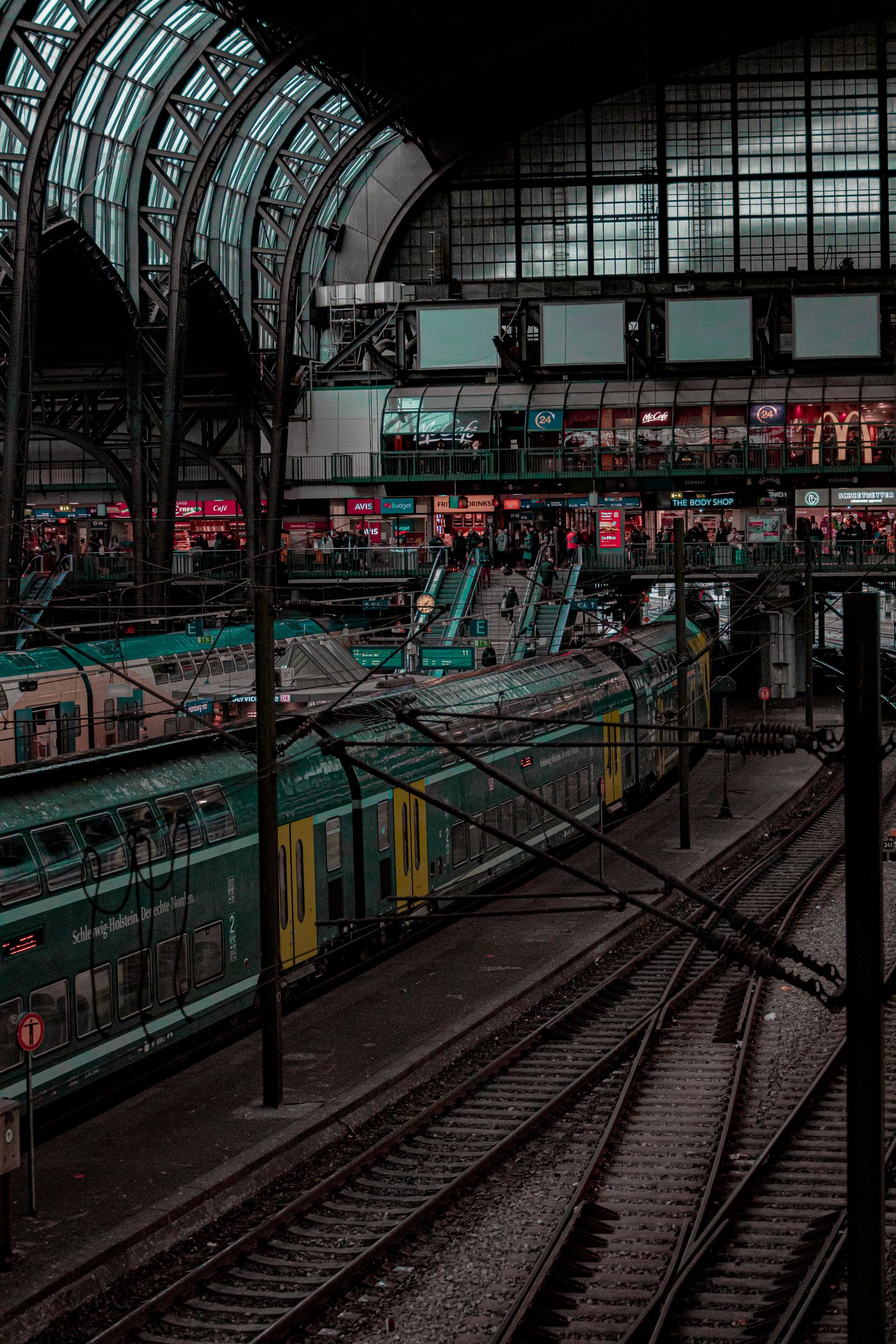
German Cognates Travelers Use: Transport and Tickets (1–12)
| # | German | English | Note |
|---|---|---|---|
| 1 | das Taxi | the taxi | Universal — say it with confidence everywhere |
| 2 | der Bus | the bus | Busbahnhof — the bus station |
| 3 | der Zug | the train | Cognate with “tug” — a Zug literally “pulls” |
| 4 | die Station | the station | |
| 5 | das Ticket | the ticket | Fahrkarte below is the native twin |
| 6 | die Fahrkarte | the ticket | “Fare-card” — Karte = card |
| 7 | der Fahrplan | the timetable | “Fare-plan” — departures and arrivals |
| 8 | die Abfahrt | the departure | From fahren (to go/drive) — cognate with “fare” |
| 9 | die Ankunft | the arrival | From kommen (to come) — “on-coming” |
| 10 | der Ausgang | the exit | “Out-going” — cognate with “gang” (as in gangway) |
| 11 | der Eingang | the entrance | “In-going” — the opposite sign |
| 12 | die Haltestelle | the stop | “Hold-place” — halten = to hold/stop |
Airports, Stations, and Luggage (13–15)
| # | German | English | Note |
|---|---|---|---|
| 13 | der Flughafen | the airport | “Flight-harbor” — Hafen also means harbor |
| 14 | der Bahnhof | the train station | “Track-yard” — the heart of every German city |
| 15 | das Gepäck | the luggage | Related to English “pack” — Gepäckausgabe is baggage claim |
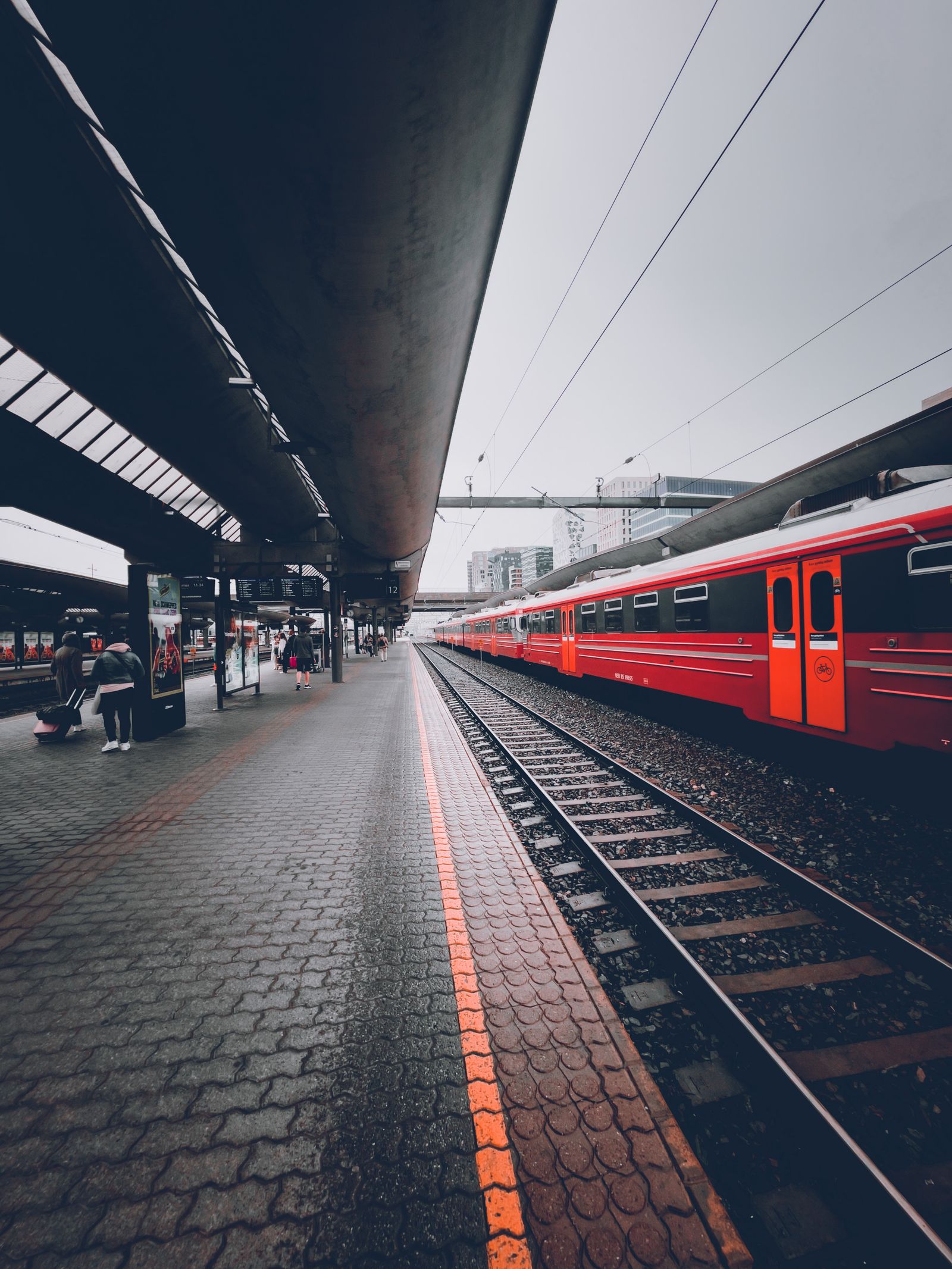
Sleep and Stay: Hotels (16–22)
| # | German | English | Note |
|---|---|---|---|
| 16 | das Hotel | the hotel | |
| 17 | das Zimmer | the room | Cognate with “timber” — originally a timber building |
| 18 | die Rezeption | the reception | Your first stop in any hotel |
| 19 | die Reservierung | the reservation | |
| 20 | die Buchung | the booking | From Buch — cognate with “book” |
| 21 | die Pension | the guesthouse | Cognate with “pension” — the cozy family-run classic |
| 22 | das Hostel | the hostel |
Papers, Money, and Post (23–27)
| # | German | English | Note |
|---|---|---|---|
| 23 | der Pass | the passport | Cognate with “pass” — Reisepass is the full word |
| 24 | die Karte | the card / map | Cognate with “card” and “chart” (Latin charta) |
| 25 | die Rechnung | the bill | From rechnen — cognate with “reckon” (to calculate) |
| 26 | das Trinkgeld | the tip | “Drink-money” — trinken = to drink |
| 27 | die Postkarte | the postcard | “Post-card” — both halves are cognates |
Eating and Drinking Out (28–31)
| # | German | English | Note |
|---|---|---|---|
| 28 | das Restaurant | the restaurant | |
| 29 | das Café | the café | Kaffee und Kuchen — the afternoon ritual |
| 30 | die Bar | the bar | |
| 31 | die Speisekarte | the menu | “Food-card” — Speise = food/dish |
Hungry for the full menu? Our 50 German food cognates turns every meal into a vocabulary lesson.
Sights and Places (32–44)
| # | German | English | Note |
|---|---|---|---|
| 32 | der Park | the park | |
| 33 | das Museum | the museum | Museumsinsel in Berlin — Museum Island |
| 34 | die Galerie | the gallery | |
| 35 | die Brücke | the bridge | |
| 36 | die Stadt | the city, town | Cognate with “stead” (as in homestead) |
| 37 | der Hafen | the harbor | Cognate with “haven” — a safe haven indeed |
| 38 | die Insel | the island | ⚠ Near-miss: Insel ← Latin insula; “island” ← Old English iegland — cousins, not twins |
| 39 | der Berg | the mountain | Cognate with “barrow” (mound); cf. “iceberg” |
| 40 | der See | the lake | Cognate with “sea” — careful: der See = lake, die See = sea |
| 41 | der Strand | the beach | Cognate with “strand” (shore) |
| 42 | der Markt | the market | Weihnachtsmarkt — the Christmas market |
| 43 | der Flohmarkt | the flea market | “Flea-market” — both halves are cognates |
| 44 | das Souvenir | the souvenir |

Finding Your Way (45–46)
| # | German | English | Note |
|---|---|---|---|
| 45 | die Ecke | the corner | Cognate with “edge” — um die Ecke = around the corner |
| 46 | die Kreuzung | the intersection | Kreuz = cross (both from Latin crux) |
People and Information (47–49)
| # | German | English | Note |
|---|---|---|---|
| 47 | der Tourist | the tourist | That is you — wear it proudly |
| 48 | die Information | the information | The i at the train station — ask anything |
| 49 | die Reise | the journey, trip | Cognate with “rise” — gute Reise! = have a good trip! |
The One You Should Not Forget (50)
| # | German | English | Note |
|---|---|---|---|
| 50 | der Koffer | the suitcase | Cognate with “coffer” — pack it with this list inside |
The Honest Corner: The Island That Is Not
One ⚠ mark above deserves its story. die Insel / island looks like a perfect cognate — and it is a perfect trap for etymology lovers. German Insel was borrowed from Latin insula, while English “island” is a native Germanic word (Old English iegland — the s crept in later by confusion with French isle). They mean the same thing and look related, but they arrived by completely different roads. It changes nothing for the traveler — die Insel still means the island — but it is a beautiful reminder that resemblance is not always kinship. Our true cognates vs false friends guide collects more of these delightful near-misses.
At the Hotel: A Sample Dialogue
Watch how far the list alone carries you:
You: Guten Tag! Ich habe eine Reservierung. Mein Name ist…
Rezeption: Willkommen! Ihr Zimmer ist im zweiten Stock. Hier ist die Karte.
You: Danke! Wo ist der Aufzug?
Rezeption: Der Aufzug ist um die Ecke, links.
You: Und das Restaurant — wann öffnet es?
Rezeption: Ab achtzehn Uhr. Guten Aufenthalt!
Translation: “Good day! I have a reservation. My name is…” / “Welcome! Your room is on the second floor. Here is the card/key.” / “Thanks! Where is the elevator?” / “The elevator is around the corner, left.” / “And the restaurant — when does it open?” / “From six p.m. Enjoy your stay!”
Nearly every content word is a cognate from this list (Reservierung, Zimmer, Karte, Restaurant). The only newcomers: Aufzug (elevator), Stock (floor), Aufenthalt (stay) — three words to learn, and the whole dialogue is yours.
Cognate Patterns Every Traveler Should Know
Three patterns do heavy lifting across this entire list:
- Compounds split into cognates: Flughafen = flight + harbor, Fahrkarte = fare + card, Haltestelle = hold + place, Trinkgeld = drink + money, Flohmarkt = flea + market. Split first, translate second.
- -tion → -tion: Station, Information, Reservierung (via French -ierung), Rezeption — the international vocabulary of travel barely changes.
- Old roots, new meanings: Zimmer/timber, Stadt/stead, Hafen/haven, Koffer/coffer — the travel words that connect through older English are the most satisfying to learn, because each one is a small history lesson.
Our 10 cognate rules drill every one of these patterns with ten example pairs each.
12 Survival Phrases Built from This List
- Wo ist der Bahnhof? — Where is the train station?
- Ein Ticket nach Berlin, bitte. — A ticket to Berlin, please.
- Wann fährt der Zug ab? — When does the train depart?
- Ich habe eine Reservierung. — I have a reservation.
- Wo ist die Rezeption? — Where is the reception?
- Die Rechnung, bitte. — The bill, please.
- Wo ist das Museum? — Where is the museum?
- Ist das weit von hier? — Is that far from here?
- Ich suche ein Hotel. — I am looking for a hotel.
- Sprechen Sie Englisch? — Do you speak English?
- Danke schön! — Thank you very much!
- Gute Reise! — Have a good trip!
Twelve phrases, nearly all built from cognates on this list. Practice them aloud before you land — confidence at the ticket counter is worth more than perfect grammar.
Key Takeaways
- These 50 german cognates give travelers instant vocabulary for transport, hotels, documents, dining, sightseeing, and directions — with correct articles throughout.
- Transport compounds decode from parts you know: Flughafen (flight-harbor), Fahrkarte (fare-card), Haltestelle (hold-place).
- Several pairs connect through older English words (Zug/tug, Stadt/stead, Hafen/haven, Koffer/coffer, Reise/rise) — noted honestly in the tables.
- die Insel/island is a famous near-miss (Latin vs. Germanic roots) — same meaning, different family.
- Twelve survival phrases turn the list into usable travel German before you even land.
Frequently Asked Questions
How much German do I need for a week in Germany?
Very little — this list plus the twelve phrases covers hotels, transport, restaurants, and sightseeing. Most Germans in cities speak English, but using even basic German transforms how warmly you are received.
What is the difference between “der See” and “die See”?
der See (masculine) is the lake; die See (feminine) is the sea — the same word with two genders and two meanings. Context almost always makes it clear, but it is a beloved beginner trap.
Do train announcements use these words?
Constantly: Abfahrt (departure), Ankunft (arrival), Gleis (platform — not a cognate, learn it separately), Ausgang (exit), Umsteigen (to change trains). Knowing the cognates lets you focus your attention on the few non-cognates that matter.
Is tipping expected in Germany?
Rounding up is the norm rather than a percentage — das Trinkgeld (“drink-money”) tells the story: it was historically money for the server’s drink. Five to ten percent for good service, given directly when paying.
What should I download before the trip?
An offline German dictionary and a transit app (DB Navigator for trains). Then review this list’s transport and hotel sections once more at the gate — recognition is strongest when it is fresh.
Can children use this list?
It is ideal for young travelers: Zug, Bus, Taxi, Hotel, Park, Museum, Strand, Souvenir are all concrete and pronounceable. Turn it into a scavenger hunt — first to spot ten words on signs wins.

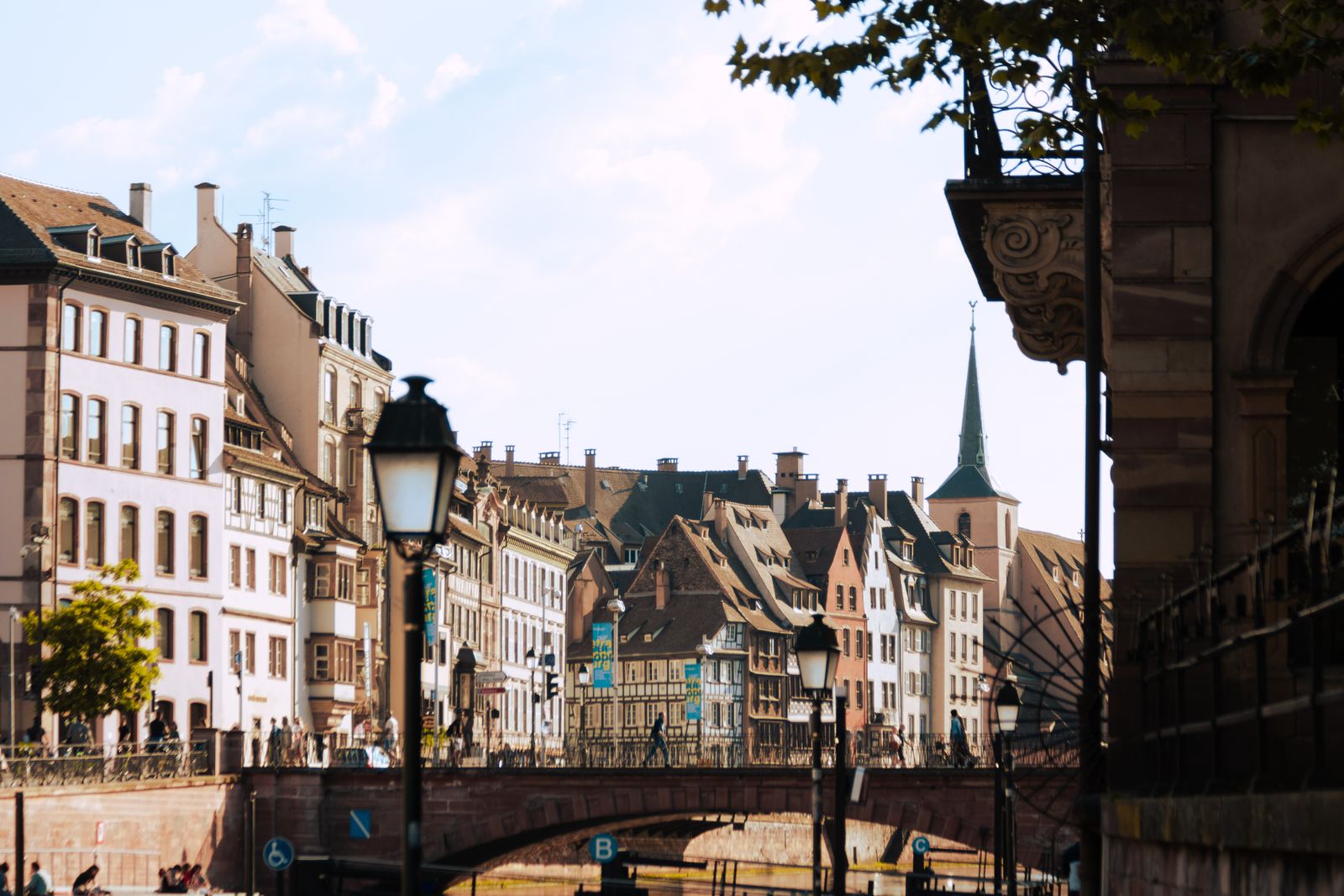

Pack these 50 german cognates travelers rely on, learn the transport section cold before you fly, and Germany will feel far less foreign on day one.