

Die Sonne scheint, der Wind weht, der Regen fällt. The sun shines, the wind blows, the rain falls — three verbs, three cognates, one perfect German sentence. Nature vocabulary is the oldest layer of any language — words humans needed before farming, before cities, before writing. That age makes the german nature cognates weather seasons list some of the most faithful twins in the whole language: Winter/winter, Sonne/sun, Mond/moon, Stern/star, Regen/rain — words that barely changed in two thousand years.
This list of 40 covers seasons, sky, weather, and the land itself, each with its correct article and honest notes where the story twists (Frühling, Himmel, and Wolke are famous near-misses — all explained in the Honest Corner). You will also learn to read German maps, decode landscape compounds, and talk about the outdoors like someone who grew up with the words. For the pattern method, see our complete German-English cognates guide.
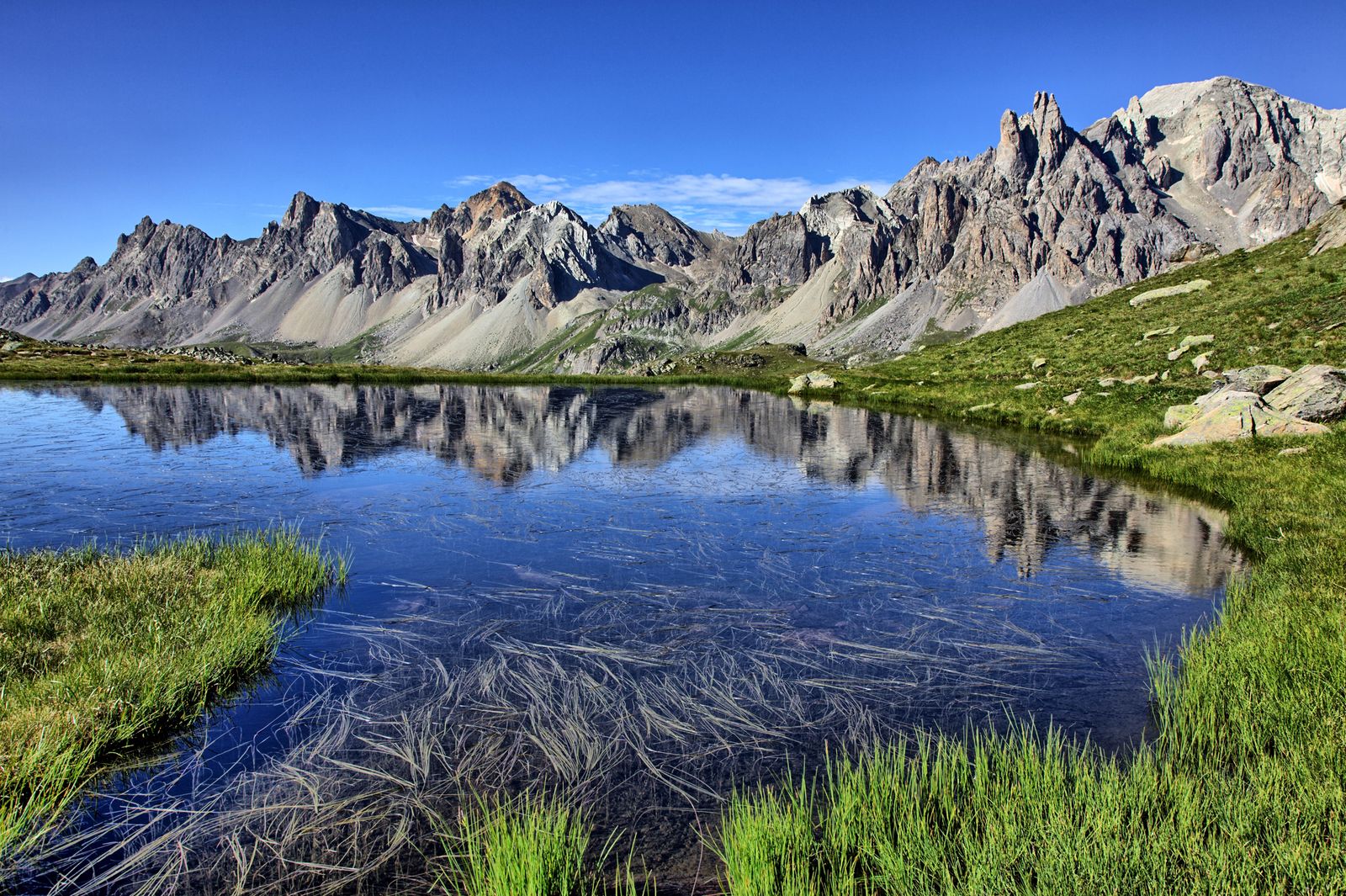
The Seasons / Jahreszeiten (1–5)
| # | German | English | Note |
|---|---|---|---|
| 1 | der Frühling | the spring | ⚠ Not a true cognate of “spring” — from früh (early), literally “the early-ing” |
| 2 | der Sommer | the summer | Identical spelling — Sommersonne is the summer sun |
| 3 | der Herbst | the autumn | Cognate with “harvest” — autumn is harvest season |
| 4 | der Winter | the winter | Identical spelling — Winterwetter needs no translation |
| 5 | die Jahreszeit | the season | “Year-tide” — Jahr (year) + Zeit (time, cognate with “tide”) |
Sun, Moon, Stars, and Sky (6–10)
| # | German | English | Note |
|---|---|---|---|
| 6 | die Sonne | the sun | Sonnenaufgang (sunrise) and Sonnenuntergang (sunset) below |
| 7 | der Mond | the moon | Mondlicht — moonlight |
| 8 | der Stern | the star | Sternenhimmel — the starry sky |
| 9 | der Himmel | the sky | ⚠ Not a true cognate of “sky” — English “sky” comes from Old Norse ský (cloud); Himmel is a different ancient root |
| 10 | die Wolke | the cloud | ⚠ Not a true cognate of “cloud” — different roots (Wolke ← OHG wolka; cloud ← OE clud) |
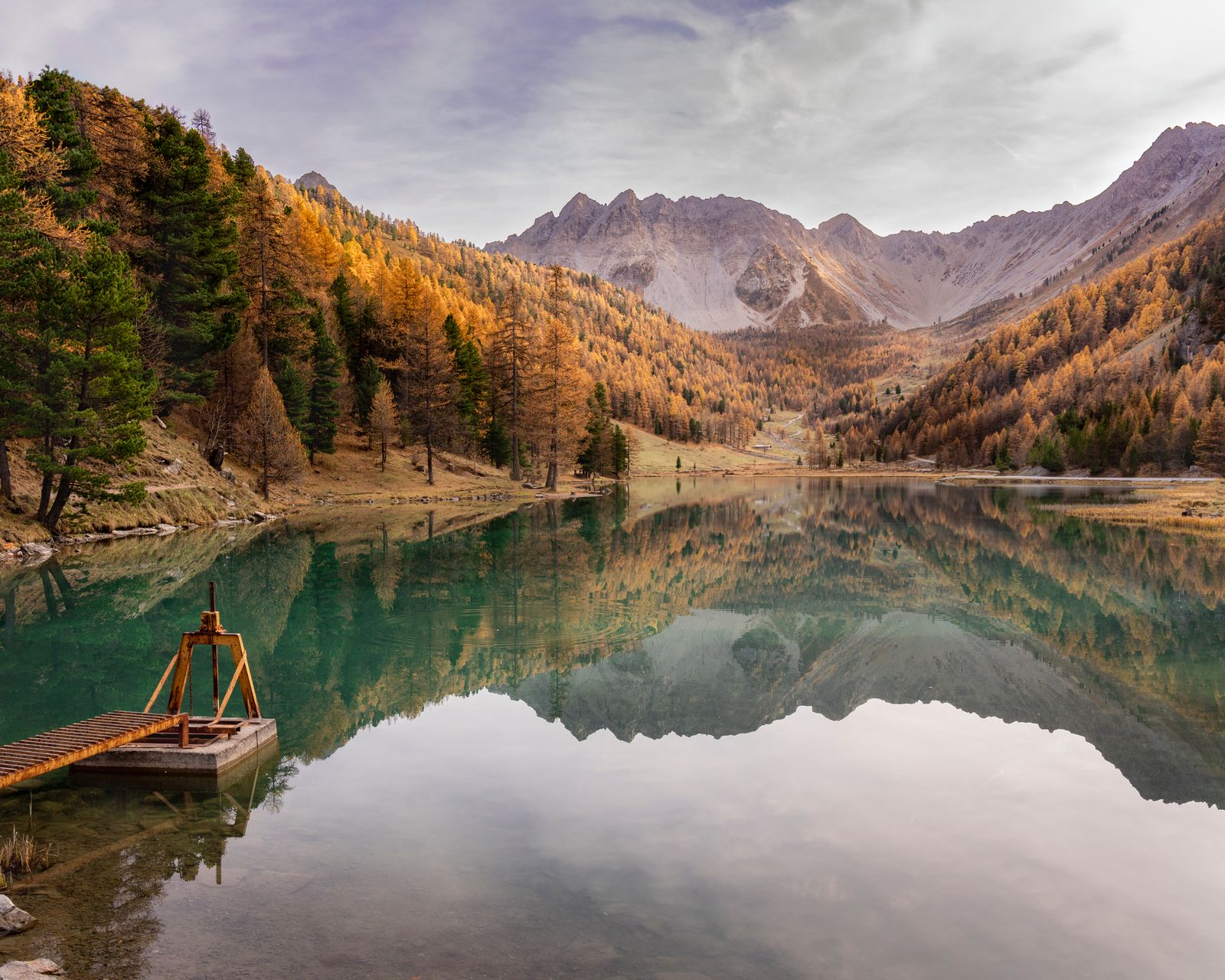
Weather / Wetter (11–25)
| # | German | English | Note |
|---|---|---|---|
| 11 | der Regen | the rain | Regenbogen — rainbow — is #24 |
| 12 | der Schnee | the snow | Schneemann — snowman |
| 13 | der Wind | the wind | windig — windy |
| 14 | das Eis | the ice | Also “ice cream” — ein Eis, bitte |
| 15 | der Frost | the frost | |
| 16 | der Reif | hoarfrost | Cognate with “rime” (frost) — the poetic twin |
| 17 | der Tau | the dew | Cognate with “thaw” — morning Tau on the grass |
| 18 | der Nebel | the fog | Same ancient root as “nebula” — mist among the stars |
| 19 | der Hagel | the hail | Old shared root — Hagelkörner are hailstones |
| 20 | der Donner | the thunder | th→d shift — Donner und Blitz |
| 21 | der Blitz | the lightning | English borrowed “blitz” from it — the word came back |
| 22 | der Sturm | the storm | Sturmwarnung — storm warning |
| 23 | das Unwetter | severe weather | “Un-weather” — Wetter = weather (cognate) |
| 24 | der Regenbogen | the rainbow | “Rain-bow” — Regen (rain) + Bogen (bow, cognate) |
| 25 | die Hitze | the heat | From heiß — cognate with “hot” |
And the cold counterpart: die Kälte (the cold — from kalt, cognate with “cold”) is the natural 41st word.
Sunrises, Sunsets, and Light (26–27)
| # | German | English | Note |
|---|---|---|---|
| 26 | der Sonnenaufgang | the sunrise | “Sun-up-going” — auf (up) + Gang (going, cognate with “gang”) |
| 27 | der Sonnenuntergang | the sunset | “Sun-under-going” — Germans watch it over the See |
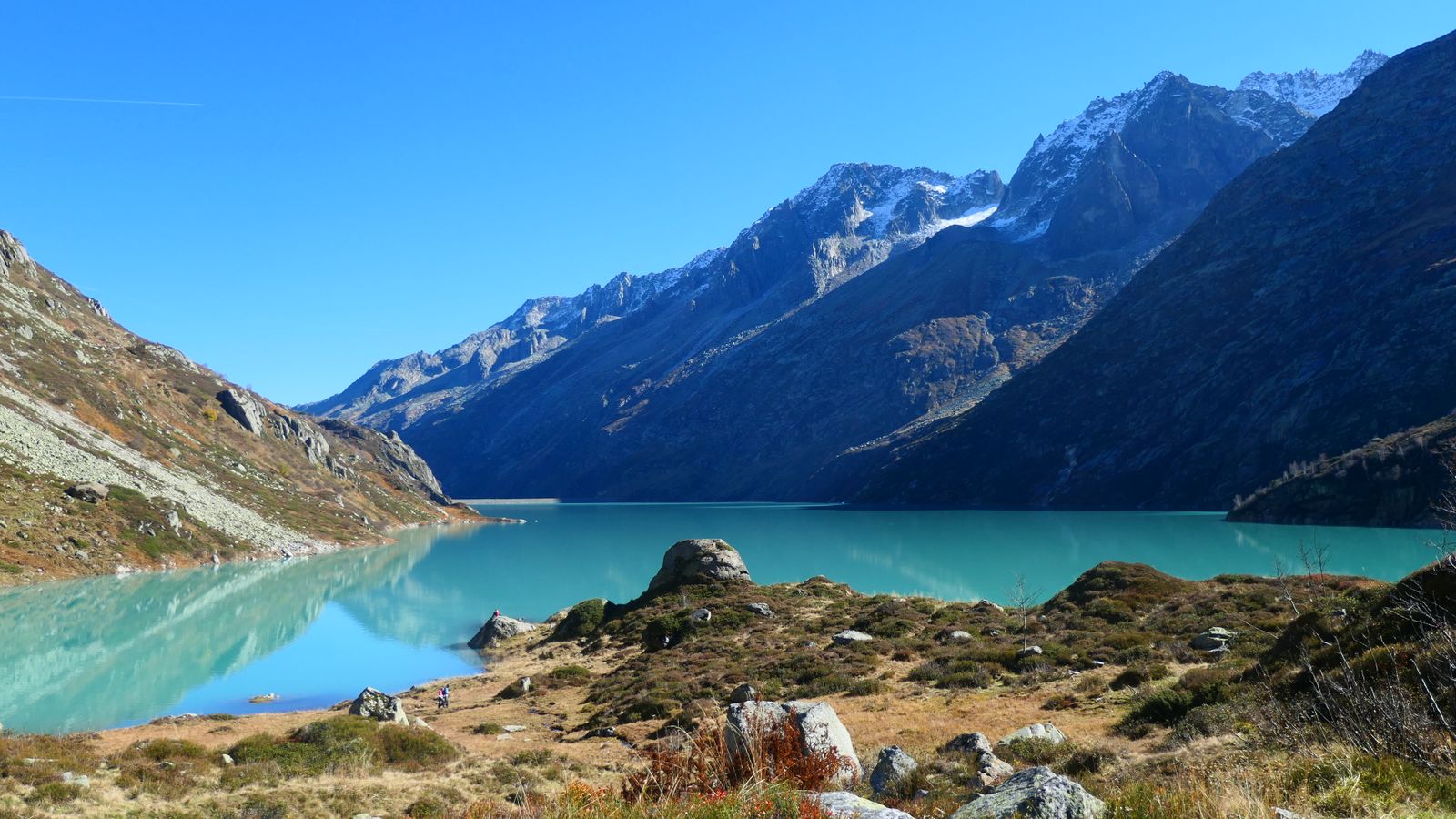
Water and the Coast (28–32)
| # | German | English | Note |
|---|---|---|---|
| 28 | die Flut | the flood | Ebbe und Flut — ebb and flow, the tides |
| 29 | die Ebbe | the ebb | Identical root — the tide going out |
| 30 | der Strand | the beach | Cognate with “strand” (shore) — Strandkorb is the hooded beach chair |
| 31 | der See | the lake | Cognate with “sea” — but der See = lake, die See = sea |
| 32 | die Welle | the wave | Wellen reiten — to ride the waves |
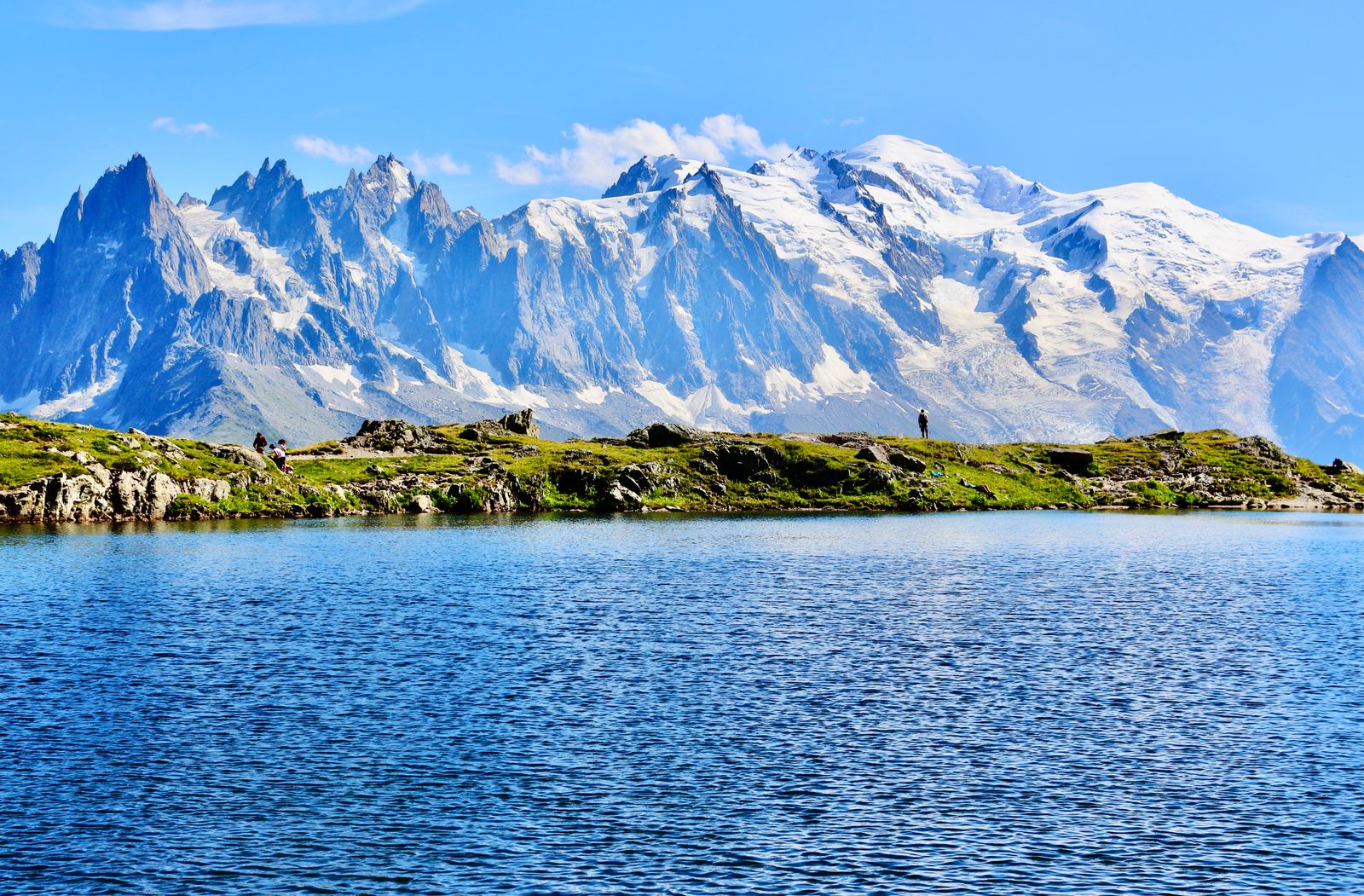
Mountains, Valleys, and Rivers (33–36)
| # | German | English | Note |
|---|---|---|---|
| 33 | der Berg | the mountain | Cognate with “barrow” (mound); English borrowed “iceberg” |
| 34 | das Tal | the valley | Cognate with “dale” — Tal between the Berge |
| 35 | der Fluss | the river | Cognate with “flow” — a river flows, after all |
| 36 | der Bach | the stream | Cognate with Northern English “beck” (stream) |
Forests and Fields (37–40)
| # | German | English | Note |
|---|---|---|---|
| 37 | der Wald | the forest | Cognate with archaic “weald”/”wold” — Waldspaziergang is the forest walk |
| 38 | die Wiese | the meadow | Shares a root with English “meadow” |
| 39 | das Feld | the field | Feldweg — the field path |
| 40 | das Moor | the bog | Cognate with “moor” — bonus word, on the house |
German Nature Cognates Weather Seasons: Reading the Landscape
German landscape words are maps drawn in syllables. Once you know the parts, the terrain names itself:
- -berg (mountain): Brocken, Feldberg, Zugspitze — wait, Spitze is “peak,” not a cognate. But Berg itself is everywhere: Bergdorf (mountain village), Bergluft (mountain air), Bergsteiger (mountaineer, “mountain-climber” — steigen ~ “to climb,” related to “stile”).
- -see (lake): Bodensee, Chiemsee, Wannsee — every -see on the map is water.
- -wald (forest): Schwarzwald (Black Forest), Bayerischer Wald — Wald on a map means trees.
- -tal (valley): Rheintal, Moseltal — the wine valleys, named transparently.
- -bach (stream): countless villages end in -bach — each one was founded by a stream.
Learn ten landscape parts and German maps become readable: you will know whether you are heading for water, woods, or heights before you arrive. This is compound-splitting as a real-world skill — our spotting guide teaches the full technique.
The Honest Corner: 3 Beautiful Near-Misses
Three ⚠ marks above — and each one teaches something about how languages really relate:
- der Frühling / spring — German named the season for earliness (früh), English for springing growth. Same season, different metaphors, no shared root. Learn Frühling as “the early-ing.”
- der Himmel / sky — English “sky” is a Viking import (Old Norse ský, meaning “cloud”) that pushed out the native word; German kept its own ancient Himmel. Two different words that ended up pointing at the same blue expanse.
- die Wolke / cloud — Old High German wolka vs. Old English clud: similar jobs, separate origins. The resemblance is real but the kinship is not.
These three are why guessing needs a verification habit — our true cognates vs false friends guide makes that habit systematic. But notice: even the near-misses are memorable, which is its own kind of useful.
Bonus: 8 More Wild Words
- die Wüste (desert) — from wüst (waste), cognate with “waste.”
- der Wasserfall (waterfall) — “water” + “fall,” both cognates.
- die Höhle (cave) — from hohl (hollow), cognate with “hollow.”
- die Tierwelt (wildlife) — Tier shares its root with “deer” (which once meant any animal).
- das Wetter (weather) — the word behind Unwetter.
- die Temperatur (temperature) — international, identical concept.
- der Kranich (crane) — old shared root, the elegant migrant.
- der Lachs (salmon) — cognate with “lox.”
- die Dämmerung (dusk) — the blue hour between day and night; learn it for the poetry alone.
Talking About Nature: Phrases for the Outdoors
- Die Sonne scheint. — The sun is shining.
- Es regnet. — It’s raining.
- Der Wind weht stark. — The wind is blowing hard.
- Im Winter schneit es. — It snows in winter.
- Der See ist wunderschön. — The lake is beautiful.
- Wir wandern in den Bergen. — We’re hiking in the mountains.
- Schau den Regenbogen an! — Look at the rainbow!
Key Takeaways
- These 40 german nature cognates cover weather, seasons, sky, water, mountains, and forests — with correct articles and honest etymology notes.
- Nature words are the oldest vocabulary layer, so the cognates run deep: Winter/winter, Sonne/sun, Mond/moon, Stern/star, Regen/rain, Schnee/snow, Wind/wind, Wald/forest, Feld/field.
- Compounds decode from parts: Regenbogen (rain-bow), Sonnenaufgang (sun-up-going), Jahreszeit (year-tide), Wasserfall (water-fall).
- Three flagged near-misses (Frühling, Himmel, Wolke) are not true cognates of “spring,” “sky,” “cloud” — learned deliberately, not guessed.
- Seven outdoor phrases turn the list into usable German for hikes, holidays, and small talk about the weather — the friendliest conversation topic in any language.
Frequently Asked Questions
Why is “Herbst” cognate with “harvest” but means “autumn”?
Because autumn is harvest time — German kept the season-name, English kept the activity-name, both from the same root. The pair is a reminder that cognates can diverge in meaning while staying recognizably related.
What is the difference between “der See” and “die See”?
der See (masculine) is the lake; die See (feminine) is the sea. Same spelling, different gender, different meaning — context always disambiguates, but it is a classic beginner trap worth knowing.
Are weather cognates useful for small talk?
Enormously. Schönes Wetter heute! (Beautiful weather today!) is the universal German icebreaker, and every word in it is either a cognate or a two-syllable freebie. Weather talk is the lowest-pressure conversation in any language.
Why do some nature words differ so much, like “Vogel”/”bird”?
Different surviving synonyms: German kept Vogel (cognate with “fowl”), English kept “bird.” Both languages once had both roots — history just dealt the words differently. See our animal cognates for the full story.
Which nature cognates should hikers learn first?
Berg, Tal, Fluss, See, Wald, Weg (way/path), Wetter, Regen, Sonne — plus Achtung (attention/caution, not a cognate but essential on signs). That is the complete trail-sign vocabulary.
Is “Blitz” really where English “blitz” comes from?
Yes — English borrowed Blitz (lightning) during WWII for “blitzkrieg” (lightning-war), then shortened it. A German word that went to England and came back with a new meaning: the boomerang loanword.
What is “die Ebbe” used for besides tides?
Ebbe also describes anything running low: Ebbe in der Kasse (the till is empty). Like English “ebb,” it drifted from the shoreline into metaphor — the two languages kept the same figurative extension.
How do Germans talk about the seasons changing?
Der Frühling kommt (spring is coming), es wird Herbst (it’s turning autumn), der Winter steht vor der Tür (winter is at the door — literally “stands before the door”). Season phrases are simple, cognate-rich, and perfect for A1 small talk.
Take these 40 german nature cognates weather seasons words outside: name the sky, the water, and the trail as you walk, and the vocabulary will root itself.