

German Words Starting with F: 40 Real Examples with Meanings & Sentences
The letter F is a friendly workhorse in German — crisp, familiar, and worth 4 points in German Scrabble. These German words starting with F take you from das Fahrrad (the bicycle) to die Freude (the joy), from der Fisch (the fish) to das Fenster (the window), covering everyday life, nature, feelings, travel, and compounds. Every word comes with its correct der/die/das article, meaning, and an example sentence with a translation. Los geht’s!
German Words Starting with F for Everyday Life: From das Fahrrad to die Frage
Start with the words you will meet before lunch: das Fahrrad, das Fenster, die Frau, and die Frage are all A1-level vocabulary. These F words in German are the furniture of daily conversation. For another letter-packed tour, our German words starting with Y list is a good next stop.
1. das Fahrrad (the bicycle) — the backbone of German commuting; das Fahrrad is how millions get to work and school. Das Fahrrad steht im Hof. (The bicycle is in the courtyard.)
2. das Fenster (the window) — also the screen of a computer (das Fenster works for both). Das Fenster ist weit offen. (The window is wide open.)
3. die Frau (the woman) — one of the most basic nouns in the language, and the polite address in die Frau Müller. Die Frau liest eine Zeitung. (The woman is reading a newspaper.)
4. die Familie (the family) — pronounced “fa-MEE-lee-uh,” almost like its English cousin. Die Familie wohnt in Berlin. (The family lives in Berlin.)
5. die Frage (the question) — eine Frage stellen is the verb pattern you will hear everywhere. Die Frage ist nicht leicht. (The question is not easy.)
6. der Film (the film / movie) — a true international word; einen Film sehen is how Germans say “watch a movie.” Der Film beginnt um acht. (The film starts at eight.)
7. das Fest (the party / festival) — from birthday parties to Oktoberfest, das Fest covers celebrations of every size. Das Fest war ein großer Erfolg. (The party was a great success.)
8. die Ferien (the holidays / vacation) — almost always used in the plural; school holidays are die Schulferien. Die Ferien beginnen nächste Woche. (The holidays begin next week.)
German F Words for Nature and Animals
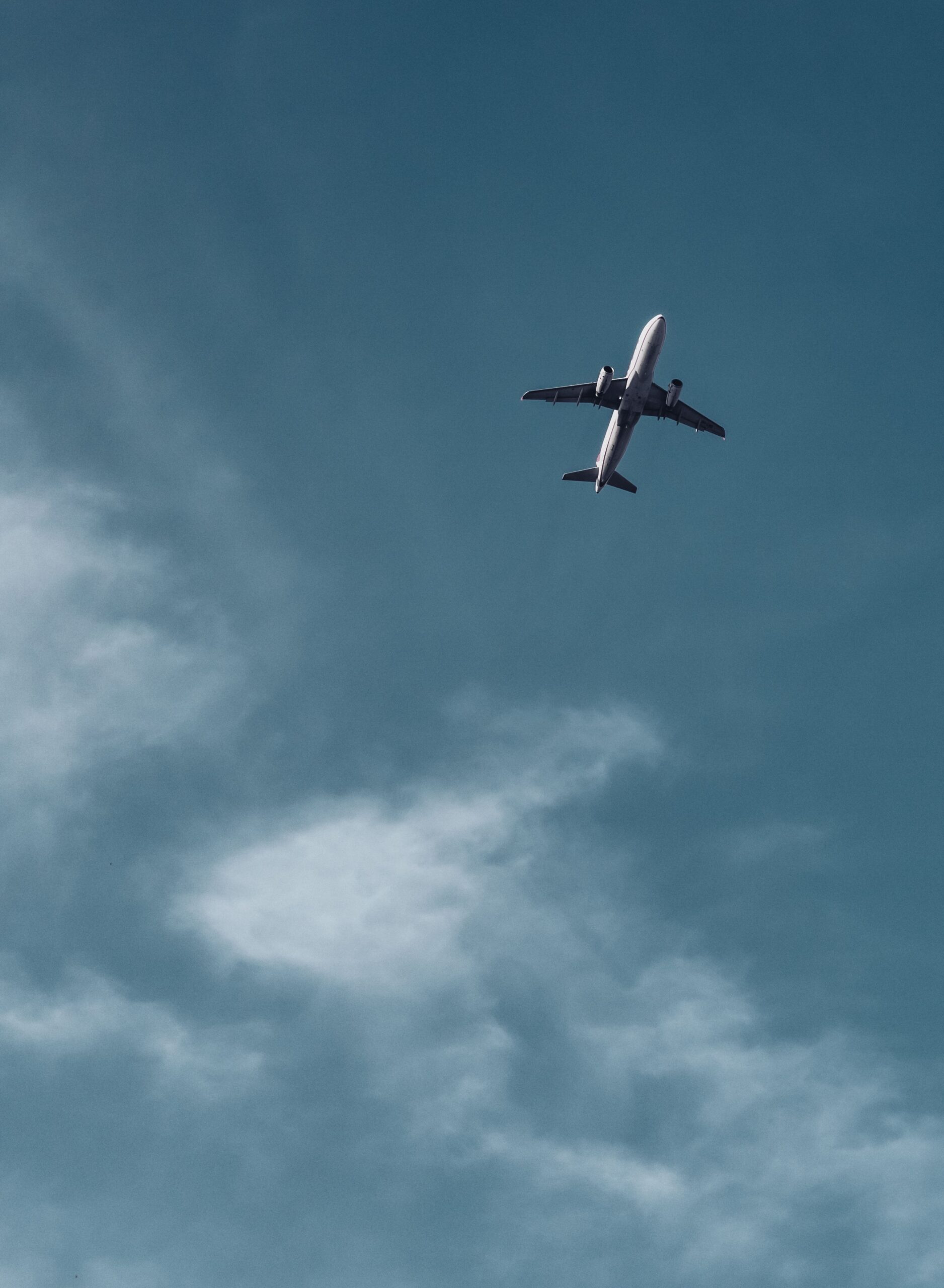
The letter F is generous with nature words — der Frühling (spring) and der Fluss (river) shape landscapes, while der Fuchs and der Frosch bring the forest and pond to life. Learn these and you can talk about seasons, rivers, and wildlife in German.
9. der Frühling (the spring) — the season of Blumen and Sonnenschein; the früh root means “early.” Der Frühling kommt bald. (Spring is coming soon.)
10. der Fluss (the river) — the Rhine and the Danube are ein Fluss each; note the double-s spelling. Der Fluss fließt durch die Stadt. (The river flows through the city.)
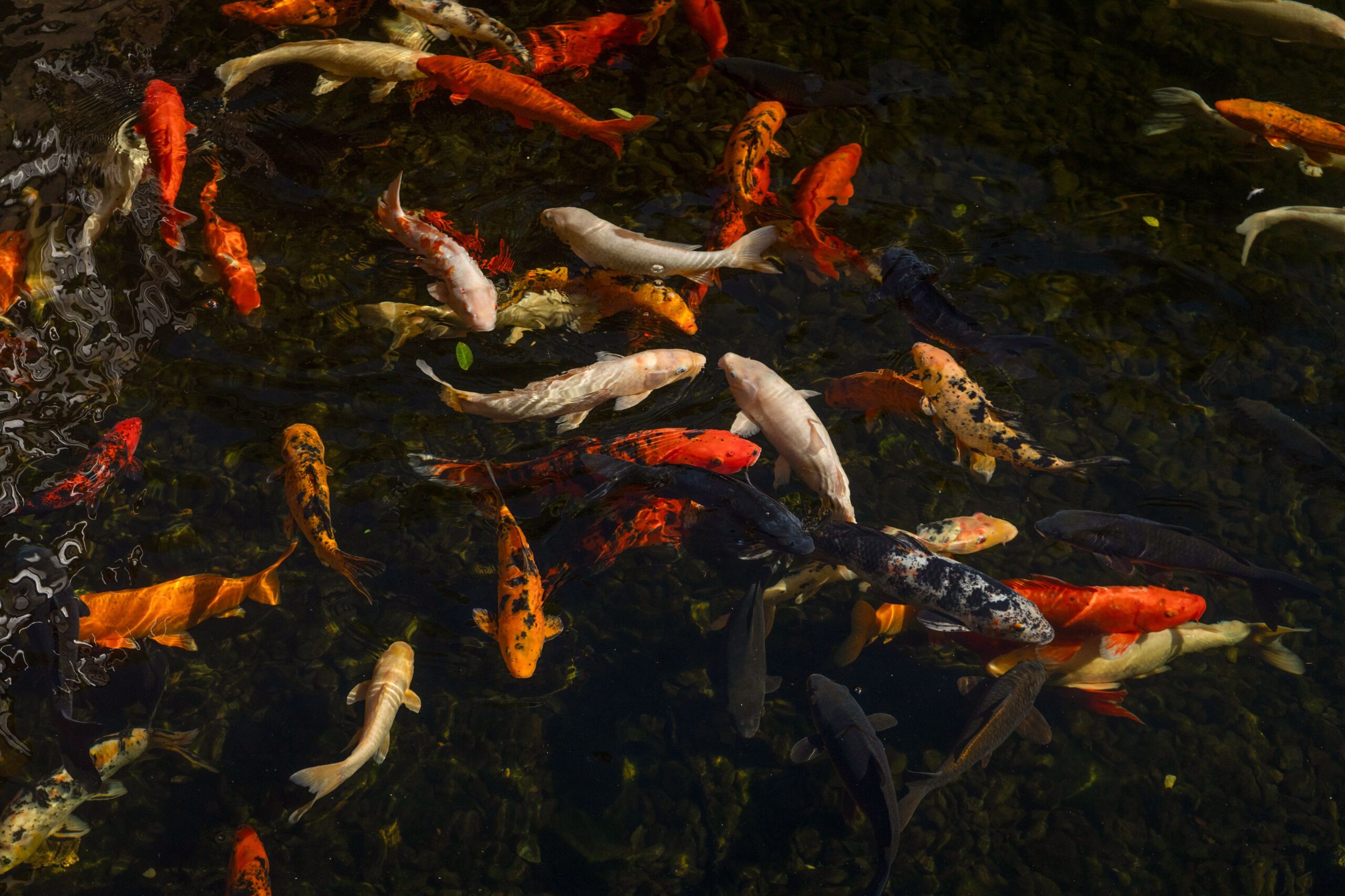
11. der Fisch (the fish) — singular der Fisch, plural die Fische; also used for the zodiac sign Pisces. Der Fisch schwimmt im Teich. (The fish swims in the pond.)
12. der Fuchs (the fox) — the clever trickster of German fairy tales; also the name of the color “sorrel” for horses. Der Fuchs läuft durch den Wald. (The fox runs through the forest.)
13. der Frosch (the frog) — the frog prince is der Froschkönig in German. Der Frosch sitzt auf dem Stein. (The frog sits on the stone.)
14. die Fichte (the spruce) — the classic German forest tree, distinct from die Tanne (fir). Die Fichte wächst sehr hoch. (The spruce grows very tall.)
15. das Feld (the field) — for meadows, sports fields, and the Feldbett (camp bed); also used in physics for “field.” Das Feld ist grün und weit. (The field is green and wide.)
16. der Felsen (the rock / cliff) — for boulders and cliff faces; die Felswand is the “rock wall” for climbers. Der Felsen ragt hoch in den Himmel. (The rock juts high into the sky.)
German Words Starting with F for Feelings and Abstract Ideas
German has a gift for naming emotions with single, musical words — and F contributes some of its warmest: die Freude, die Freiheit, and die Fröhlichkeit all glow with positive meaning. Our German idioms by theme collection is a great way to use them in context.
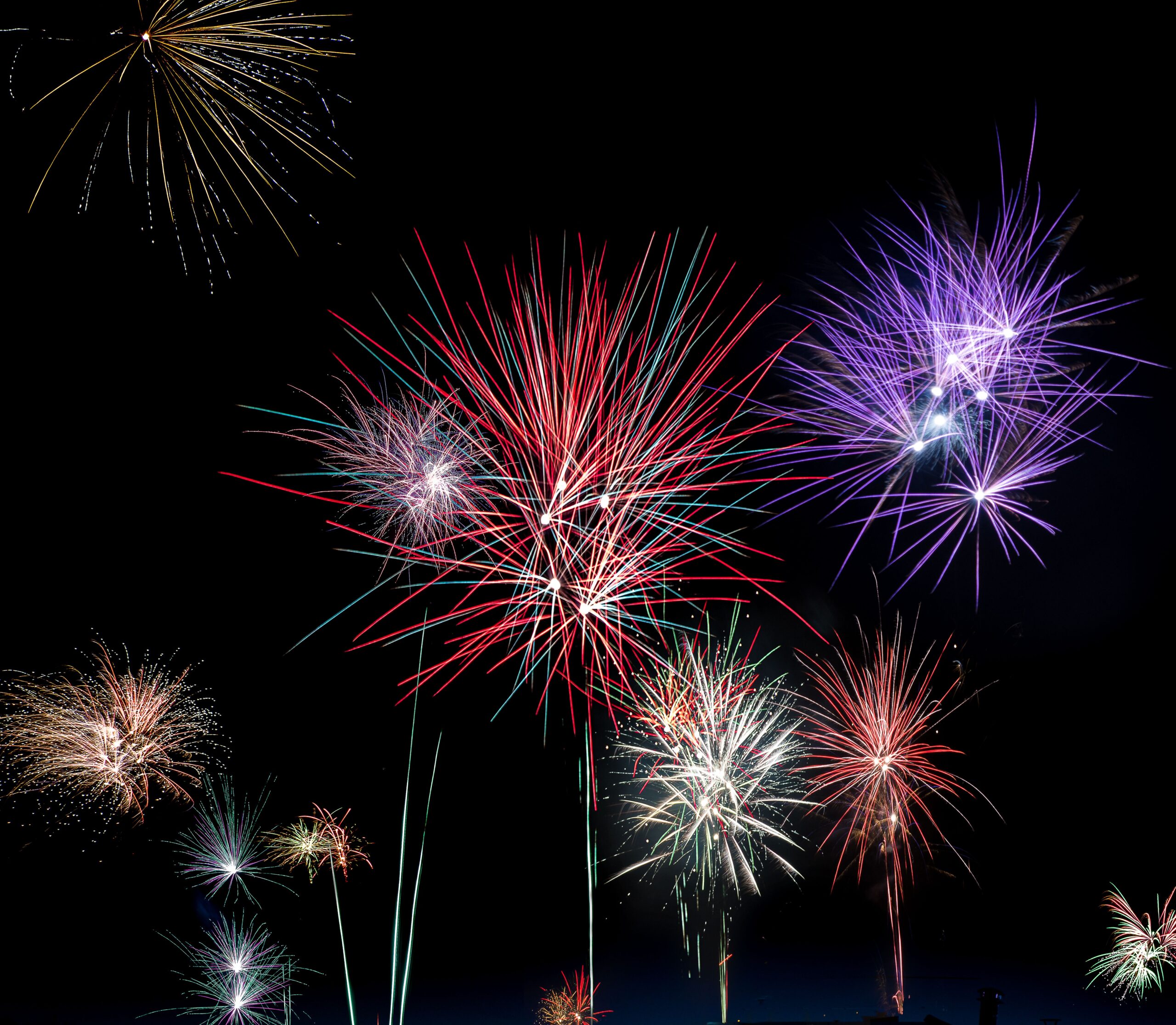
17. die Freude (the joy) — the anchor word of this group, used in greetings like mit Freude (with pleasure). Die Freude war groß. (The joy was great.)
18. der Friede (the peace) — the noun behind Friedensnobelpreis; also written as der Frieden. Der Friede dauert schon lange an. (The peace has already lasted a long time.)
19. die Freiheit (the freedom) — from frei (free) + -heit; one of Germany’s most cherished abstract nouns. Die Freiheit ist kostbar. (Freedom is precious.)
20. die Fröhlichkeit (the cheerfulness) — fröhlich is “cheerful,” and the noun turns the mood into a thing. Ihre Fröhlichkeit steckt alle an. (Her cheerfulness infects everyone.)
21. der Fehler (the mistake) — every learner’s friend: Aus Fehlern lernt man (one learns from mistakes). Der Fehler ist leicht zu beheben. (The mistake is easy to fix.)
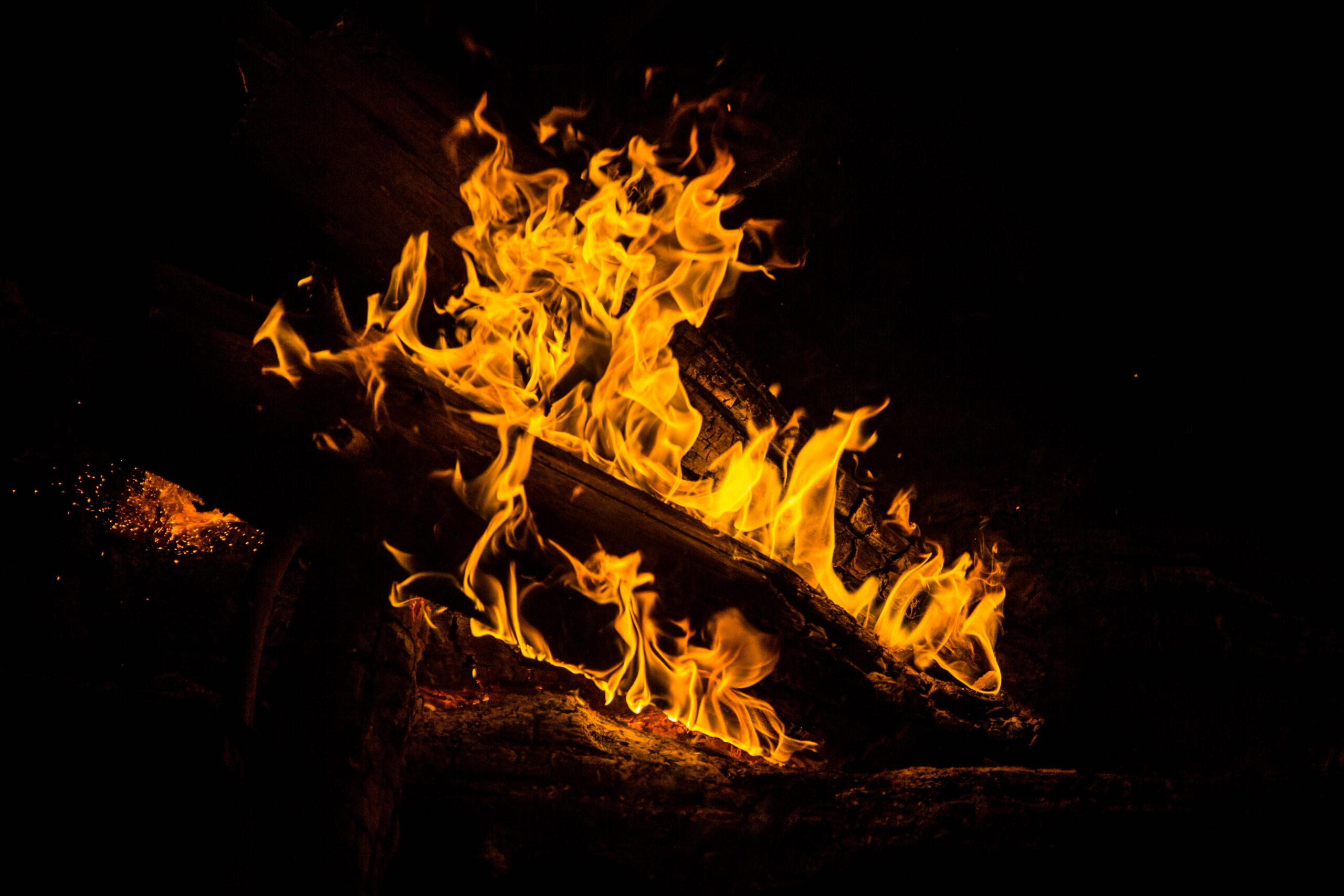
22. das Feuer (the fire) — campfires, hearths, and Feuerwehr (fire department) all start here. Das Feuer brennt hell in der Nacht. (The fire burns brightly in the night.)
23. die Flamme (the flame) — the individual tongue of a fire; also a term of endearment in older songs. Die Flamme flackert im Wind. (The flame flickers in the wind.)
24. der Funke (the spark) — both the literal spark and the figurative one in ein Funke Hoffnung (a spark of hope). Der Funke springt auf das Stroh über. (The spark jumps onto the straw.)
German F Words for Travel, Time, and Work
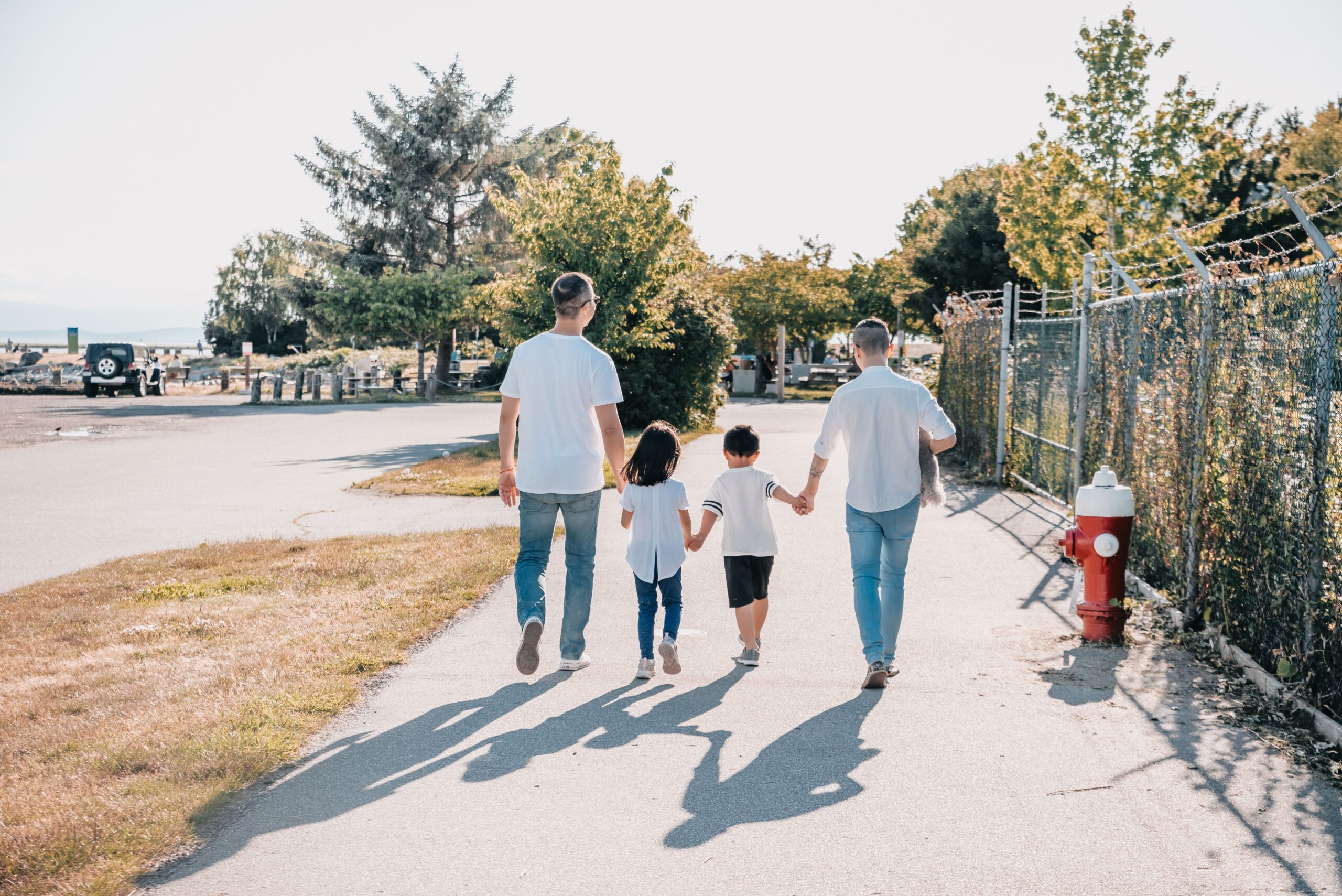
Travelers and workers use F words constantly: der Freitag names your week, die Fahrt names your ride, and die Flasche keeps you hydrated on the way. Practical from day one — at stations, in offices, and on the road. Our German airport and train station phrases guide pairs well with this list.
25. der Freitag (the Friday) — the most loved weekday; freitags means “on Fridays.” Der Freitag ist endlich da. (Friday is finally here.)
26. die Fahrt (the ride / journey) — used for car rides, train trips, and ferry crossings alike. Die Fahrt dauert etwa eine Stunde. (The ride takes about an hour.)
27. der Fahrer (the driver) — from the verb fahren (to drive); the feminine form is die Fahrerin. Der Fahrer wartet vor dem Haus. (The driver waits in front of the house.)
28. der Freund (the friend) — the masculine form; die Freundin is the feminine one. Der Freund besucht mich heute. (The friend is visiting me today.)
29. der Feiertag (the public holiday) — literally “celebration day”; German public holidays are gesetzliche Feiertage. Der Feiertag fällt auf einen Montag. (The public holiday falls on a Monday.)
30. die Fabrik (the factory) — the engine room of industry; die Fabrik is also used in the compound die Fabrikhalle. Die Fabrik produziert jeden Tag tausend Teile. (The factory produces a thousand parts every day.)
31. das Fach (the school subject / compartment) — das Lieblingsfach is a favorite school subject; das Fach also means a shelf compartment. Das Fach Englisch mag ich am liebsten. (I like the subject English best.)
32. die Flasche (the bottle) — water bottles, wine bottles, and baby bottles are all eine Flasche. Die Flasche Wasser ist leer. (The bottle of water is empty.)
German Compound Words Built with F
Compounds are the soul of German vocabulary — decode them piece by piece and you will never forget them. Das Feuerwerk is a favorite: fire + work = fireworks, a perfect picture of how compounds paint meaning. Our how German compound words work guide explains the whole system.
33. die Fahrradkette (the bicycle chain) — Fahrrad + Kette (chain); feminine because of die Kette. Die Fahrradkette muss geölt werden. (The bicycle chain needs to be oiled.)
34. das Fensterbrett (the windowsill) — Fenster + Brett (board); neuter because of das Brett. Die Katze sitzt auf dem Fensterbrett. (The cat sits on the windowsill.)
35. der Frühlingstag (the spring day) — Frühling + Tag; masculine because of der Tag. Der Frühlingstag war warm und sonnig. (The spring day was warm and sunny.)
36. die Familienfeier (the family celebration) — Familie + Feier; feminine from die Feier. Die Familienfeier findet am Sonntag statt. (The family celebration takes place on Sunday.)
37. der Fischmarkt (the fish market) — Fisch + Markt; masculine from der Markt. Der Fischmarkt öffnet früh am Morgen. (The fish market opens early in the morning.)
38. das Feuerwerk (the fireworks) — Feuer + Werk (work); neuter from das Werk. Das Feuerwerk leuchtet am Himmel. (The fireworks shine in the sky.)
39. der Frauenchor (the women’s choir) — Frauen + Chor (choir); masculine from der Chor. Der Frauenchor singt ein altes Lied. (The women’s choir sings an old song.)
40. das Flussufer (the riverbank) — Fluss + Ufer (shore); neuter from das Ufer. Ein Spaziergang am Flussufer ist schön. (A walk along the riverbank is beautiful.)
Pronunciation Tips for German Words Starting with F
The letter F is wonderfully consistent in German:
- F sounds exactly like in English — das Fahrrad is “FAHR-raht,” der Fisch is “FISH,” die Freude is “FROY-duh.” One of the easiest letters for English speakers.
- The ie in der Friede and die Flasche is long “ee” — “FREE-duh,” “FLAH-shuh.” One of German’s most reliable spelling rules.
- The chs in der Fuchs — sounds like “ks”: “FOOKS.” The chs cluster always works this way.
- The ö in die Fröhlichkeit — round your lips and say “ee”: “FRER-lich-kite,” then “Fröhlichkeit” in full.
- The a in die Fahrt and der Fahrer is long — stretch it like “father”: “FAHRT,” “FAH-rer.” Short “a” sounds are rare before h in German.
For extra practice, try the classic F tongue twister: “Fischers Fritz fischt frische Fische” (Fritz the fisherman fishes fresh fish).
German Words Starting with F for Word Games: Scrabble and Wordle Scores
In German Scrabble, F is worth 4 points — a mid-value tile that appears in many playable short words. Quick wins from this list: der Film, der Fisch, der Fluss, die Frau, die Fahrt, der Fehler, and der Feiertag for longer racks. Our German Scrabble tile values guide covers the full point table, and the short high-scoring German Scrabble words list is perfect for tight corners.
For German Wordle players, five-letter F words are excellent opening guesses: Fisch, Fuchs, and Fluss all work as first plays, while Frau is a strong four-letter starter. Our best German Wordle starting words list explains the strategy in depth.
FAQ: German Words Starting with F

What is the most common German word starting with F?
Der Freund (friend) and die Frage (question) rank among the most frequent F words; die Frau (woman) and das Fenster (window) are close behind.
Is the German F pronounced like the English F?
Yes — the German F is pronounced exactly like the English F, which makes this list very beginner-friendly. Der Fisch, die Flasche, and das Fest all sound the way they look.
What are good German F words for Scrabble?
In German Scrabble, F is worth 4 points. Short, playable F words include Film, Fisch, Fluss, Frau, Fahrt, and Fehler — all from this list.
What does “das Feuerwerk” literally mean?
Das Feuerwerk literally means “fire work” — Feuer (fire) + Werk (work). It is the German word for fireworks.
Key Takeaways
These 40 German words starting with F give you a complete starter set for one of German’s most useful letters — from everyday essentials like das Fahrrad, das Fenster, and die Frau to nature favorites like der Fluss and der Fuchs, and playful compounds like das Feuerwerk and die Fahrradkette. Two habits will make this F vocabulary stick. First, always learn the article with the word: der, die, or das is part of the word itself — das Fahrradkette is wrong, die Fahrradkette is right. Second, decode compounds piece by piece: once you see that der Frühlingstag is just Frühling + Tag, the whole list starts decoding itself. Say your favorites out loud daily and this corner of the German alphabet will be yours for good. Viel Spaß beim Lernen!
Conclusion
That is the full set of 40 German words starting with F — everyday staples like das Fahrrad and die Frau, nature words like der Fluss and der Fuchs, feelings like die Freude, and compounds like das Feuerwerk. Pick five favorites, learn each one with its article, and use them in a sentence today. Weiter so!