

Christmas vocabulary is some of the most joyful German you will ever learn — and it makes wonderful puzzles, because the words are long, compound-heavy, and full of satisfying clusters. These German Christmas anagrams give you twenty festive scrambles, from the four-letter Stern to the fourteen-letter Weihnachtsmann. Every scramble is letter-verified: the jumble rearranges exactly into the answer, with umlauts (Ä, Ö, Ü) counting as single letters.
How to play: unscramble each word, check your answer, and say it with its article. Long Christmas compounds are the perfect training ground for the compound-splitting technique — Weihnachtsmann is just Weihnacht + Mann wearing a disguise.
A note on the season: these puzzles hit hardest in December, when every word is visible in shop windows and market stalls. But they work year-round as technique training — the compounds here (Tannenbaum, Weihnachtsmann, Christkind) teach the splitting skill that cracks long German words in any season. Solve them now; thank yourself in July when a 12-letter noun surrenders to the same method.
German Christmas Anagrams: The Big Words
1. NETCHAHNIEW → Weihnachten (Christmas). Eleven letters — but chunk it: the CH appears twice, so glue both, then look for the Weihnacht- stem: W-E-I-H-N-A-CH-T-E-N. Weihnachten is neuter when it takes an article (das Weihnachten), though it usually stands alone. The year’s biggest German word, and the biggest scramble here.
In a sentence: Frohe Weihnachten! (Merry Christmas!)
2. MANTUNNEBA → der Tannenbaum (Christmas tree). Ten letters, one compound: Tannen + Baum. The double N is the signal — German doubles N in Tanne, kennen, brennen. Split the compound and each half solves easily. Tannenbaum is masculine, and yes — it is the O Tannenbaum of the famous carol.
In a sentence: Der Tannenbaum steht im Wohnzimmer. (The Christmas tree stands in the living room.)
3. MANNWEIHNACHTS → der Weihnachtsmann (Santa Claus, literally “Christmas man”). Fourteen letters, the longest scramble on this page. Do not panic: find Weihnacht (8 letters, you just solved it above) and the remainder is S-M-A-N-N → Mann with a doubled N at the seam. Weihnachtsmann is masculine. Compound-splitting turns the monster into two friends.
In a sentence: Der Weihnachtsmann bringt Geschenke. (Santa Claus brings gifts.)
4. DKINTHIRSC → das Christkind (the Christ Child). Ten letters: SCH glued, CH glued, then Christ + Kind. In southern Germany and Austria, the Christkind — not the Weihnachtsmann — brings the gifts. Christkind is neuter.
In a sentence: Das Christkind kommt in der Nacht. (The Christ Child comes at night.)
Decorations

5. ZEKER → die Kerze (candle). Five letters, -E ending parked: K-E-R-Z-E. Z sits mid-word — the reliable German Z rule. Kerze is feminine; the Advent wreath holds four of them.
In a sentence: Die Kerze brennt auf dem Kranz. (The candle burns on the wreath.)
6. ZNAKR → der Kranz (wreath). K-first: K-R-A-N-Z. Five letters, instant solve once K leads. Kranz is masculine — der Adventskranz with its four candles.
In a sentence: Der Kranz hängt an der Tür. (The wreath hangs on the door.)
7. EGNEL → der Engel (angel). Five letters with two E’s: E-N-G-E-L. The double-E plus -EL ending is a gentle shape. Engel is masculine, and the Weihnachtsengel tops many German trees.

In a sentence: Der Engel steht auf dem Baum. (The angel stands on top of the tree.)
8. NRETS → der Stern (star). Five letters: S-T-E-R-N. The Stern goes on top of the Tannenbaum — and Stern is half of the famous Stern/Ernst anagram pair. Masculine.
In a sentence: Der Stern leuchtet hell. (The star shines brightly.)
9. TATEMAL → das Lametta (tinsel). Seven letters, double T: L-A-M-E-T-T-A. Lametta is neuter and wonderfully onomatopoeic — it sounds like shimmer. Keep the double T glued.
In a sentence: Das Lametta glitzert im Licht. (The tinsel sparkles in the light.)
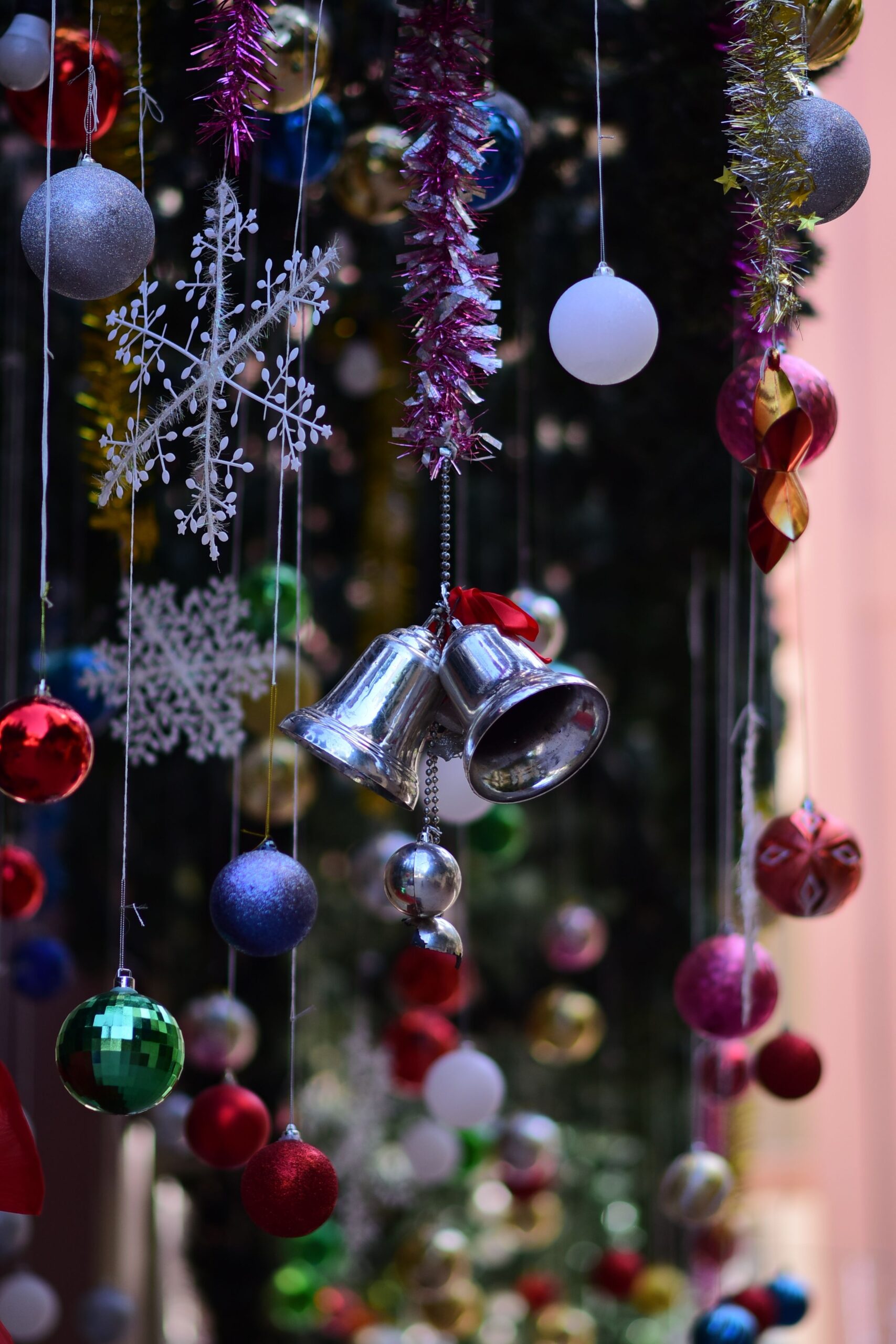
10. KECOLG → die Glocke (bell). Six letters: G-L-O-CK-E. The CK cluster never starts a word — park it mid-word and the rest arranges. Glocke is feminine; church bells ring the holiday in.
In a sentence: Die Glocke läutet zur Mette. (The bell rings for midnight mass.)
11. PPEKIR → die Krippe (nativity scene, manger). Six letters, double P: K-R-I-P-P-E. Krippe is feminine — the manger scene under the tree, and the word for daycare (Kinderkrippe) year-round.
In a sentence: Die Krippe steht unter dem Baum. (The nativity scene stands under the tree.)
Traditions
12. TNEVDA → der Advent (Advent). Six letters, -EN ending parked: A-D-V-E-N-T. Advent is masculine — the four weeks before Christmas, counted on the Adventskranz and the Adventskalender.
In a sentence: Der Advent beginnt im Dezember. (Advent begins in December.)
13. SUALOKIN → der Nikolaus (St. Nicholas). Nine letters: N-I-K-O-L-A-U-S. The U is rare enough to anchor on. Nikolaus is masculine; he visits on December 6th (Nikolaustag), filling children’s boots overnight.
In a sentence: Der Nikolaus füllt die Stiefel. (St. Nicholas fills the boots.)
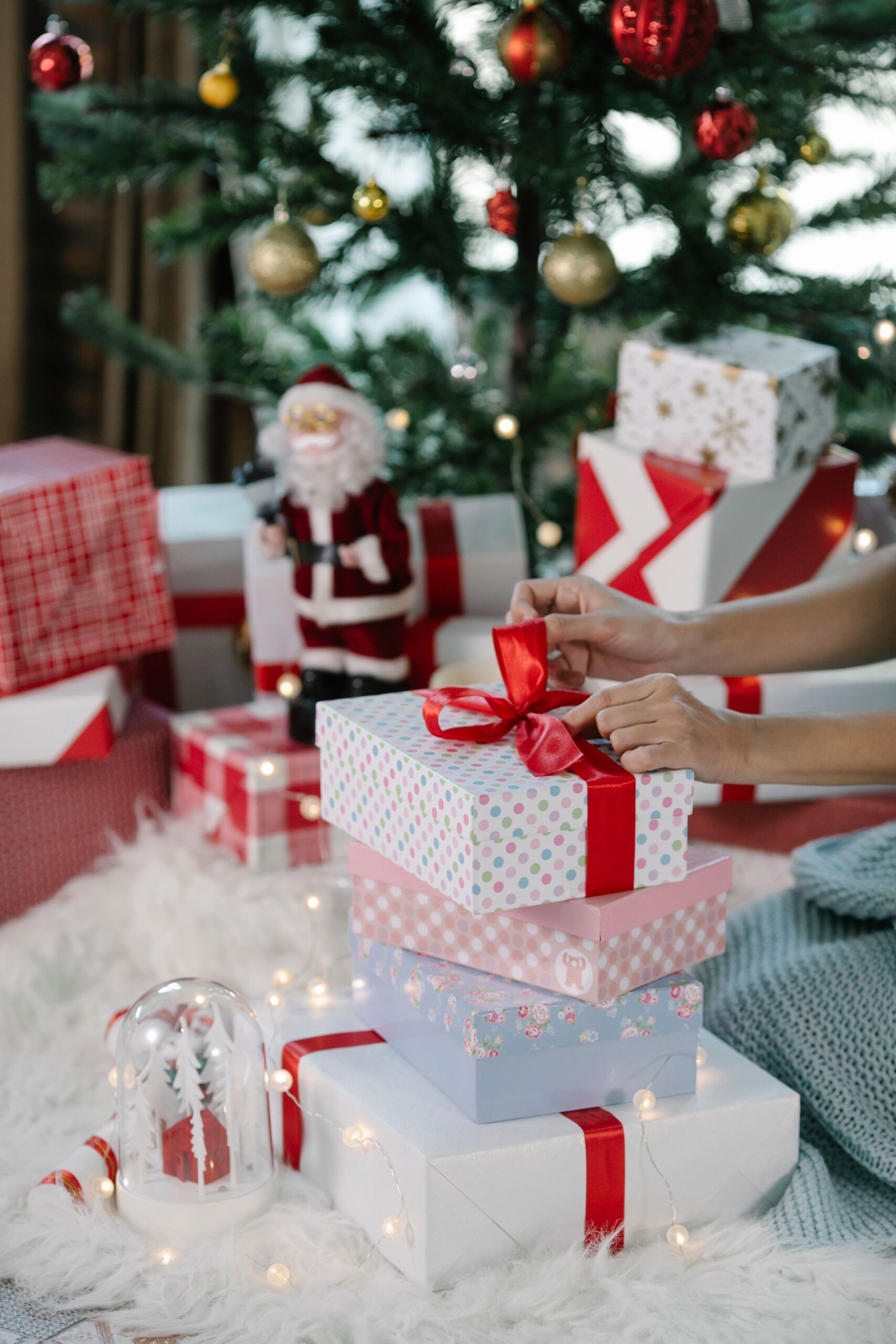
14. KNEHSECG → das Geschenk (gift, present). Eight letters: SCH glued, -E… G-E-SCH-E-N-K. Geschenk is neuter — the whole point of the season for the kids, and the word hides inside Weihnachtsgeschenk.
In a sentence: Das Geschenk liegt unter dem Baum. (The gift lies under the tree.)
15. REITNER → das Rentier (reindeer). Seven letters, -IER ending: R-E-N-T-I-E-R. Rentier is neuter and pulls the Schlitten. The IE diphthong stays glued.
In a sentence: Das Rentier zieht den Schlitten. (The reindeer pulls the sled.)
16. TENTILSHC → der Schlitten (sled, sleigh). Nine letters: SCH glued, double T: SCH-L-I-T-T-E-N. Schlitten is masculine. Keep SCH at the front and the double T together — the rest is arrangement.
In a sentence: Der Schlitten fährt durch den Schnee. (The sled glides through the snow.)
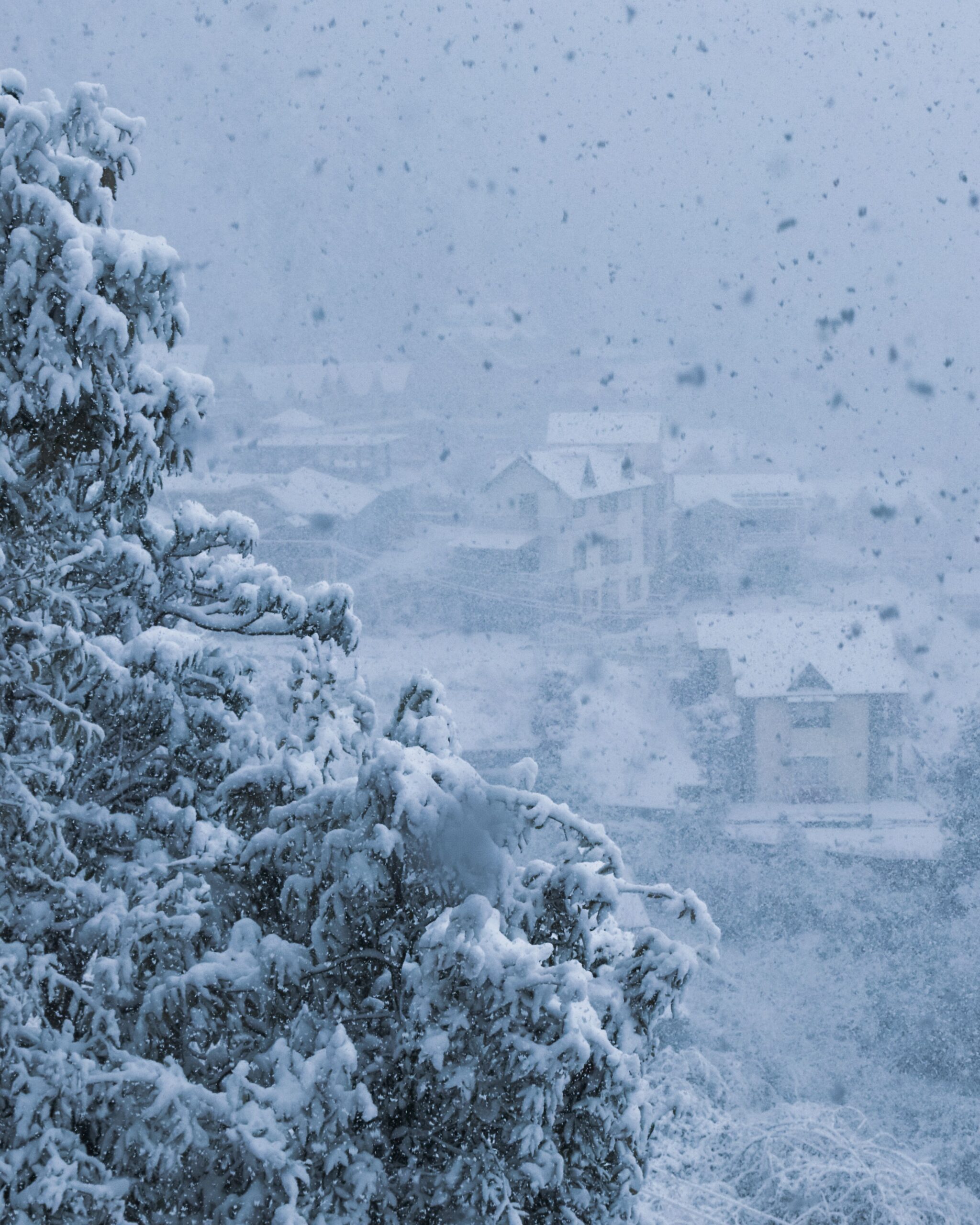
17. EESHNC → der Schnee (snow). Six letters: SCH glued, double E: SCH-N-E-E. Schnee is masculine — weiße Weihnachten (white Christmas) needs it. The double E marks the long vowel.
In a sentence: Der Schnee fällt leise. (The snow falls softly.)
Treats
18. CHENZTPÄL → die Plätzchen (Christmas cookies). Nine letters: Ä anchors, TZ glued, -CHEN diminutive ending parked: P-L-Ä-TZ-CHEN. Plätzchen is neuter plural (singular das Plätzchen). Baking Plätzchen is the definitive German December activity.
In a sentence: Die Plätzchen duften nach Zimt. (The cookies smell of cinnamon.)
19. NEHCKUBEL → der Lebkuchen (gingerbread). Nine letters: CK glued: L-E-B-K-U-CH-E-N. Lebkuchen is masculine — the spiced heart of the Weihnachtsmarkt (Christmas market). The Nuremberg Lebkuchen is the famous one.
In a sentence: Der Lebkuchen schmeckt nach Honig. (The gingerbread tastes of honey.)
20. NIEWHLÜG → der Glühwein (mulled wine). Eight letters: Ü anchors, pointing at the glüh- family (glühen, to glow): G-L-Ü-H-W-E-I-N. Glühwein is masculine — hot, spiced, and sold at every Weihnachtsmarkt stall.
In a sentence: Der Glühwein wärmt die Hände. (The mulled wine warms the hands.)
Christmas in Germany: The Traditions Behind the Words
These scrambles are vocabulary, but they are also a cultural tour. Here is what the words actually do in a German December:
Advent is a season, not a day. The four weeks before Christmas have their own name, their own wreath (Adventskranz), and their own calendar (Adventskalender) — the chocolate-filled countdown Germans take very seriously. Der Advent is masculine, and the season structures the entire month: each Sunday another candle is lit.
Nikolaus comes first. On the night of December 5th, children polish their boots and leave them outside the door; der Nikolaus fills them with sweets and small gifts overnight. This is separate from Christmas Eve gift-giving — Germany celebrates twice, and children would not have it any other way.
Heiligabend is the main event. Christmas Eve (der Heiligabend), not Christmas Day, is when German families gather around the Tannenbaum, sing carols, and open the Geschenke. The Bescherung (gift-giving ceremony) typically happens after dark — patience is part of the tradition.
Christkind vs. Weihnachtsmann: a regional divide. In the Protestant north, the Weihnachtsmann brings the gifts; in the Catholic south and Austria, it is the Christkind — a golden, angelic child-figure. Asking a Bavarian child about the Weihnachtsmann will get you corrected. Both words are in the puzzles; now you know why both exist.
The Weihnachtsmarkt is mandatory. Every town has one: wooden stalls, Glühwein, Lebkuchen, Plätzchen, carols, and cold fingers. If you learn German, you will visit one — and every word on this page will be hanging in the air, literally on signs.
The 24-Door Scramble Calendar
Inspired by the Adventskalender: solve one scramble per day from December 1st to 24th, in this order — easiest first, the fourteen-letter Weihnachtsmann saved for Christmas Eve:
1–5: STERN, KERZE, KRANZ, ENGEL, SCHNEE · 6–10: ADVENT, GLOCKE, KRIPPE, LAMETTA, RENTIER · 11–15: GESCHENK, SCHLITTEN, PLÄTZCHEN, LEBKUCHEN, GLÜHWEIN · 16–20: NIKOLAUS, CHRISTKIND, TANNENBAUM, WEIHNACHTEN, WEIHNACHTSMANN
(Use the scrambles from the list above, not the answers — no peeking.) By Heiligabend you will have solved all twenty, and the vocabulary will be wired to the season itself. That is the deepest kind of learning: words attached to lived experience.
Solving Tips for Christmas Scrambles
- Split the compounds first. Weihnachtsmann, Tannenbaum, Christkind, Lebkuchen — every long word here is two shorter words glued. Find the seam and solve the halves.
- Anchor on the umlauts. Plätzchen (Ä) and Glühwein (Ü) surrender the moment you build outward from the umlaut. Rare letters are free hints.
- Glue the clusters. SCH appears in Schnee, Schlitten, Geschenk; CH in Weihnachten, Kuchen; TZ in Plätzchen; CK in Glocke, Lebkuchen. Circle them before rearranging.
- Count the doubles. Lametta (TT), Schlitten (TT), Tannenbaum (NN), Weihnachtsmann (NN), Krippe (PP), Schnee (EE) — Christmas German loves doubled letters. Keep doubles together.
- Use the season. If you solve these in December, every word is visible in real life — trees, markets, cookies. Seasonal vocabulary learned seasonally sticks.
- Work longest-first sometimes. Most solvers warm up on short words, but tackling Weihnachtsmann first — with fresh eyes and full working memory — occasionally cracks it faster. Experiment with both orders and learn which suits your brain.
- Teach one to a child. Stern, Engel, Schnee are perfect first scrambles for kids. Explaining your method aloud (“see, SCH stays together!”) cements it for you too. Our kids’ anagrams has twenty more at the right level.
Beyond Christmas: Winter Words That Use the Same Skills
Finished all twenty? The same techniques — compound splitting, cluster gluing, umlaut anchoring — unlock the rest of German winter vocabulary. Try these on your own (answers are common words; no verification needed for reading practice):
- der Schneemann (snowman) — Schnee + Mann, the friendliest compound in the language.
- die Schneedecke (blanket of snow) — Schnee + Decke; spot the CK cluster.
- der Wintermantel (winter coat) — Winter + Mantel; split at the seam.
- die Eiszeit (ice age) — Eis + Zeit; two tiny words, one big concept.
- der Frost (frost) — and its anagram partner der Forst (forest), from our longest anagrams.
Each one is a compound waiting to be split. The Christmas puzzles trained your eyes; winter is the exam.
Key Takeaways
- These German Christmas anagrams cover twenty festive words from Stern to Weihnachtsmann, every scramble letter-verified with umlauts as single letters.
- Christmas compounds are the ultimate splitting practice: Weihnacht-s-mann, Tannen-baum, Christ-kind — find the seam first.
- Anchor on umlauts (Ä in Plätzchen, Ü in Glühwein), glue clusters (SCH, CH, TZ, CK), and keep doubles together (Lametta, Schlitten).
- The vocabulary is genuinely useful: Advent, Nikolaus, Geschenk, Glühwein are words you will meet every December in German-speaking countries.
- The traditions give the words meaning: Nikolaus fills boots on December 6th, the Christkind vs. Weihnachtsmann divide is regional, and Heiligabend is the main event.
- Try the 24-door scramble calendar: one puzzle per day through December, saving the fourteen-letter Weihnachtsmann for Christmas Eve.
- For year-round practice, try our animal anagrams and food anagrams — same methods, different seasons.