

40 German Directions Phrases Asking and Understanding Guide
Getting lost in a German city is half the fun — as long as you can ask your way back. These 40 German directions phrases asking locals for help (and understanding their answers) cover both sides of the exchange: the questions that get you pointed the right way, and the vocabulary you need to decode what people tell you. Each phrase includes pronunciation and meaning.
For the transport-specific side — platforms, tickets, and announcements — see our airport and train station guide. This list is about navigating streets, squares, and neighborhoods on foot or by car.
How to Ask: Opening the Conversation
Always start with Entschuldigung (excuse me). It is the social key that unlocks every directions exchange in Germany. Then ask. Germans are generally excellent at giving directions — precise, landmark-based, and often accompanied by pointing.
- Entschuldigung! (ent-SHOOL-dee-gung) — Excuse me! (Always first.)
- Wo ist…? (voh ist) — Where is…? The foundation: Wo ist der Bahnhof? Wo ist das Museum?
- Wie komme ich zu…? (vee KOM-eh ikh tsoo) — How do I get to…? Use with destinations: Wie komme ich zum Schloss?
- Wie komme ich am besten zu…? (vee KOM-eh ikh ahm BES-ten tsoo) — What’s the best way to get to…?
- Ist es weit von hier? (ist es vite fon heer) — Is it far from here?
- Ist das in der Nähe? (ist dahs in dair NAY-eh) — Is that nearby?
- Wie lange dauert es zu Fuß? (vee LAHNG-eh DOW-ert es tsoo fooss) — How long does it take on foot?
- Zu Fuß oder mit dem Auto? (tsoo fooss OH-der mit daym OW-toh) — On foot or by car? (Clarifying which directions you need.)
- Ich suche diese Adresse. (ikh ZOO-kheh DEE-zeh ah-DRES-eh) — I’m looking for this address. (Show your phone.)
- Können Sie es mir auf der Karte zeigen? (KURN-en zee es meer owf dair KAR-teh TSY-gen) — Can you show me on the map?
Understanding the Answer: Direction Vocabulary
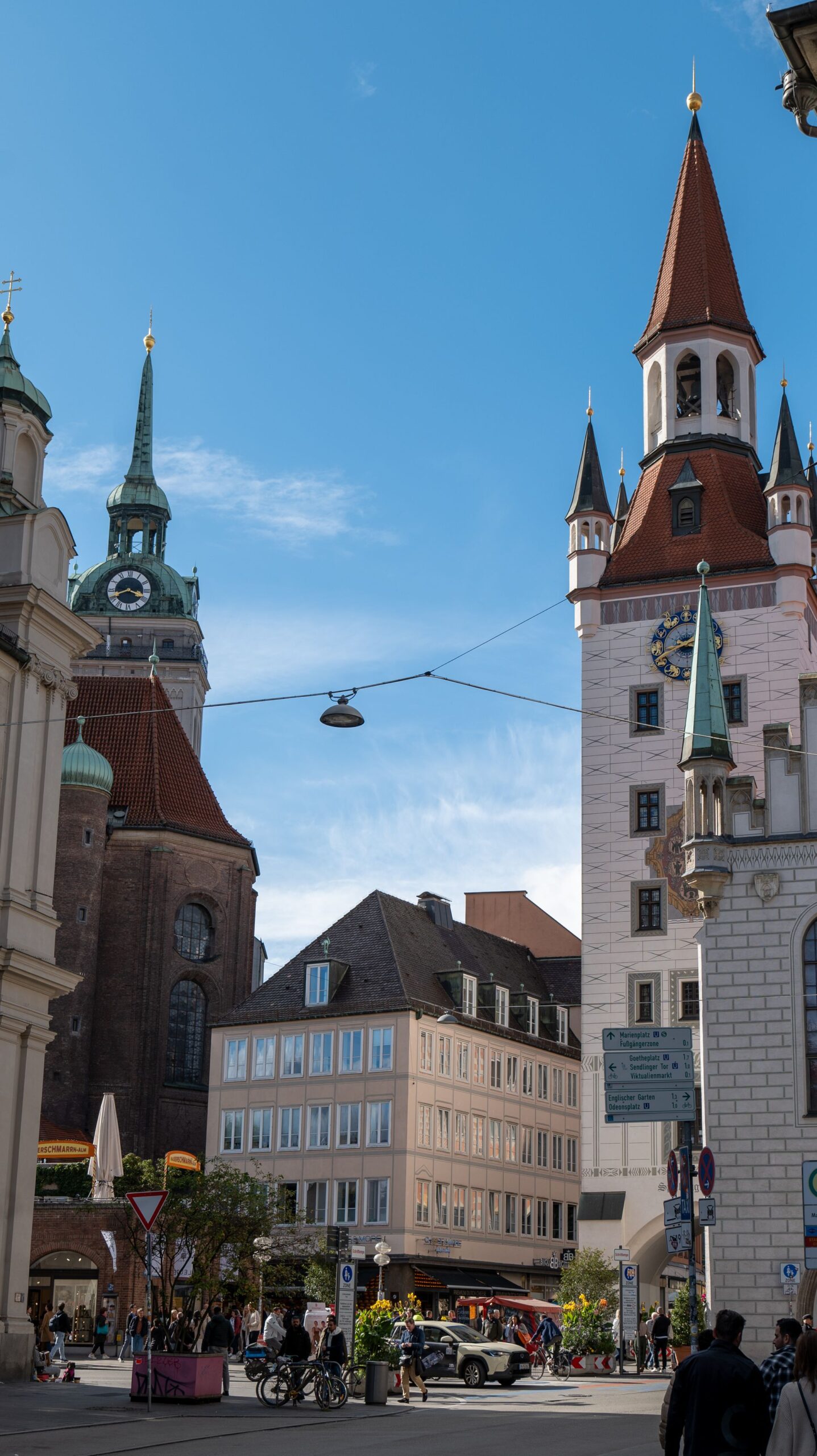
Here is what the answers sound like. These twenty phrases are the ones locals actually use when directing you:
- Gehen Sie geradeaus. (GAY-en zee geh-RAH-deh-ows) — Go straight ahead.
- Biegen Sie links ab. (BEE-gen zee links ahp) — Turn left.
- Biegen Sie rechts ab. (BEE-gen zee rekhts ahp) — Turn right.
- An der Ecke… (ahn dair EK-eh) — At the corner…
- An der Ampel… (ahn dair AHM-pel) — At the traffic light…
- An der Kreuzung… (ahn dair KROY-tsung) — At the intersection…
- Über die Brücke… (OO-ber dee BROO-keh) — Over the bridge…
- Die erste Straße links. (dee AIR-steh SHTRAH-seh links) — The first street on the left.
- Die zweite Straße rechts. (dee TSVY-teh SHTRAH-seh rekhts) — The second street on the right.
- Es ist gleich um die Ecke. (es ist glykh oom dee EK-eh) — It’s just around the corner.
- Es ist gegenüber von… (es ist gay-gen-OO-ber fon) — It’s opposite… / across from…
- Neben der Kirche. (NAY-ben dair KEER-kheh) — Next to the church.
- Hinter dem Bahnhof. (HIN-ter daym BAHN-hohf) — Behind the train station.
- Zwischen … und … (TSVISH-en) — Between … and …
- Am Ende der Straße. (ahm EN-deh dair SHTRAH-seh) — At the end of the street.
- Folgen Sie dieser Straße. (FOL-gen zee DEE-zer SHTRAH-seh) — Follow this street.
- Sie können es nicht verfehlen. (zee KURN-en es nikht fair-FAY-len) — You can’t miss it.
- Es ist zu weit zu Fuß. (es ist tsoo vite tsoo fooss) — It’s too far on foot. (Take transport.)
- Nehmen Sie die U-Bahn. (NAY-men zee dee OO-bahn) — Take the subway.
- Steigen Sie an der nächsten Haltestelle aus. (SHTY-gen zee ahn dair NAYKH-sten HAHL-teh-shtel-eh ows) — Get off at the next stop.
A typical full answer decoded: “Gehen Sie geradeaus bis zur Ampel, dann links. Das Museum ist gleich um die Ecke, gegenüber der Kirche.” = Go straight to the traffic light, then left. The museum is just around the corner, opposite the church. Notice how every element comes from the list above — learn the twenty and real answers become readable.
Transport Directions: Buses, Trains, and Subways
- Wo ist die nächste U-Bahn-Station? (voh ist dee NAYKH-steh OO-bahn-shtah-TSYOHN) — Where is the nearest subway station?
- Wo ist die nächste Bushaltestelle? (voh ist dee NAYKH-steh BOOS-hahl-teh-shtel-eh) — Where is the nearest bus stop?
- Welche Linie muss ich nehmen? (VELKH-eh LEE-nee-eh moos ikh NAY-men) — Which line do I take?
- Wo muss ich umsteigen? (voh moos ikh OOM-shty-gen) — Where do I change trains?
- In welche Richtung? (in VELKH-eh RIKH-tung) — Which direction?
- Fährt dieser Bus zum Flughafen? (fairt DEE-zer boos tsoom FLOOK-hah-fen) — Does this bus go to the airport?
- Ist das weit vom Zentrum? (ist dahs vite fom TSEN-trum) — Is that far from the center?
- Wo ist der Taxistand? (voh ist dair TAHK-si-shtahnt) — Where is the taxi stand?
If You’re Driving
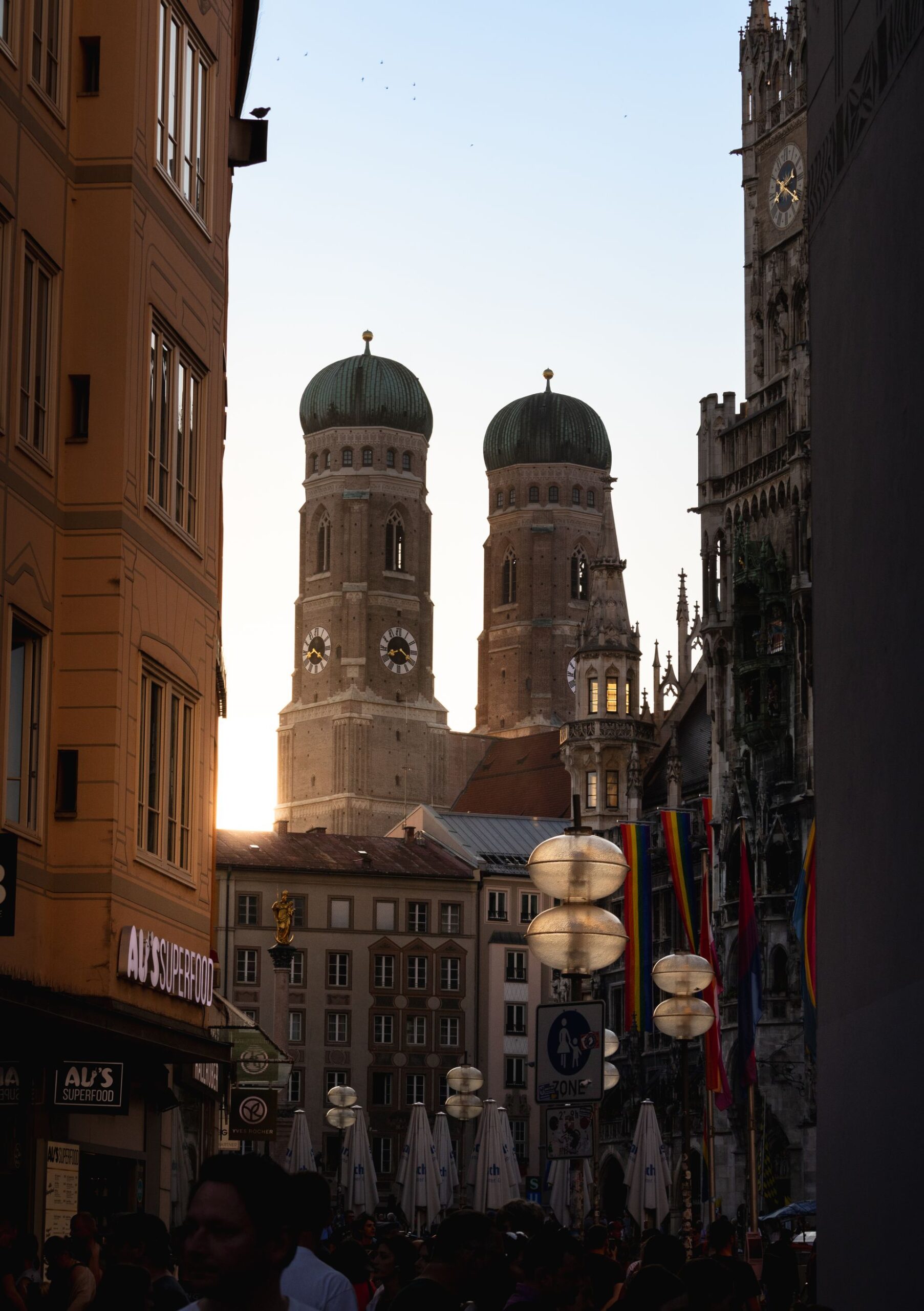
- Ich habe mich verfahren. (ikh HAH-beh mikh fair-FAH-ren) — I’m lost (driving). (On foot it is verlaufen — Germans distinguish.)
- Gibt es hier Parkplätze? (gipt es heer PARk-plet-seh) — Is there parking here?
Driving vocabulary bonus: die Autobahn (highway — no general speed limit on many stretches, but 130 km/h is the advisory), die Ausfahrt (exit), die Umleitung (detour), die Baustelle (construction site), die Tankstelle (gas station), der Stau (traffic jam). And the essential: Vorfahrt (right of way) — at unmarked intersections, right has priority.
Tips for the Directions Exchange
- Show, don’t just tell. Have the address or map open on your phone. Ich suche diese Adresse plus a screen gets faster, more accurate help than any description.
- Confirm with a repeat. After the answer, repeat the key part: “Also, geradeaus bis zur Ampel, dann links?” (So, straight to the traffic light, then left?) Locals will correct you if you misheard.
- Ask young people for English backup. If your German fails mid-exchange, Sprechen Sie Englisch? asked with a smile almost always gets a yes from anyone under 40.
- Tourist offices are gold. The Touristinformation (usually near the main station) gives free maps and directions in English — no pride required.
- Learn the landmarks. Churches (Kirche), the town hall (Rathaus), and the main station (Hauptbahnhof) are the reference points every local uses. Orient yourself to them first.
German Directions Phrases Asking About Landmarks
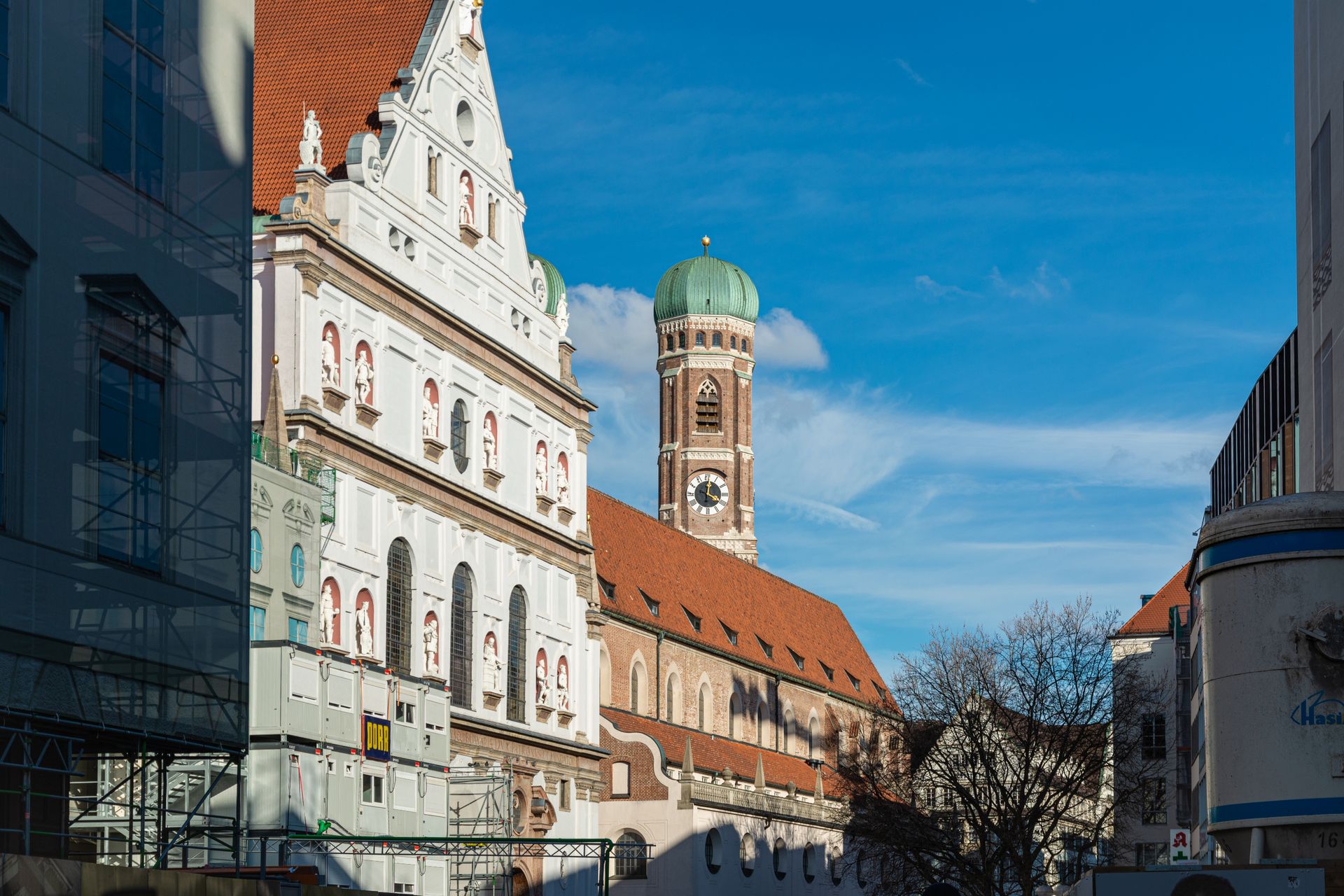
Asking “where is the museum” works better when you know the landmark words. The core set, with articles:
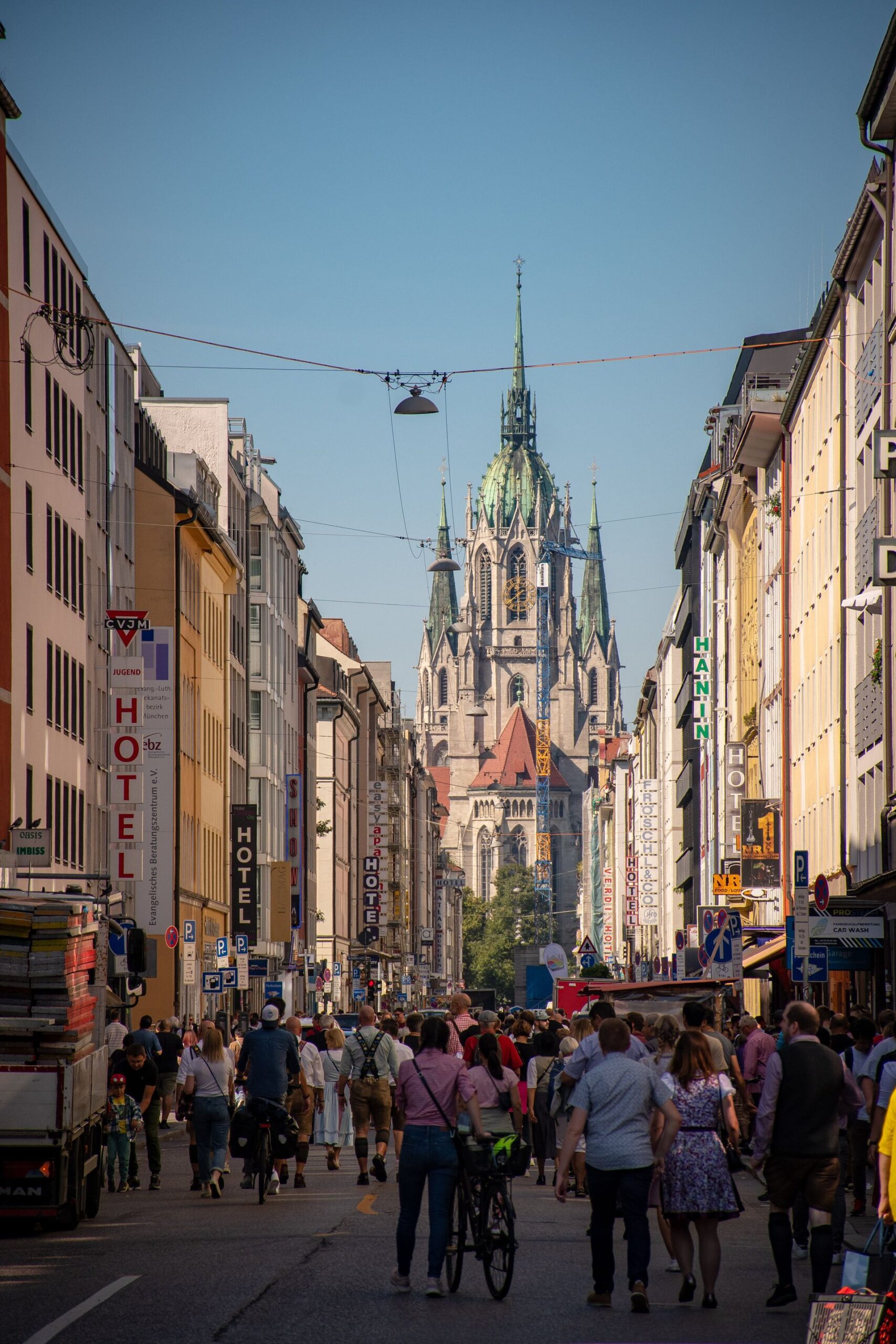
- die Sehenswürdigkeit (dee ZAY-ens-voor-dikh-kite) — the tourist attraction
- das Wahrzeichen (dahs VAHR-tsy-khen) — the landmark
- die Altstadt (dee AHLT-shtaht) — the old town
- der Dom (dair dohm) — the cathedral
- die Kirche (dee KEER-kheh) — the church
- das Schloss (dahs shlos) — the palace
- die Burg (dee boork) — the castle/fortress
- das Rathaus (dahs RAHT-hows) — the town hall
- der Marktplatz (dair MAHRKT-plahts) — the market square
- die Brücke (dee BROO-keh) — the bridge
- der Park (dair pahrk) — the park
- der Fluss (dair floos) — the river
Combine with Wo ist…?: Wo ist das Rathaus? Wo ist die nächste Brücke? For the full sightseeing set, see our sightseeing vocabulary list.
Taxi and Rideshare Phrases
- Zum Flughafen, bitte. (tsoom FLOOK-hah-fen BIT-teh) — To the airport, please. (Works for any destination: Zum Hauptbahnhof, bitte.)
- Wie viel kostet die Fahrt ungefähr? (vee feel KOS-tet dee fahrt oon-geh-FAYR) — About how much is the ride?
- Können Sie das Taxameter anmachen? (KURN-en zee dahs TAHK-sah-may-ter AHN-mah-khen) — Can you turn on the meter? (Legally required in Germany — if it is off, ask.)
- Halten Sie bitte hier an der Ecke. (HAHL-ten zee BIT-teh heer ahn dair EK-eh) — Please stop here at the corner.
- Können Sie kurz warten? (KURN-en zee koorts VAR-ten) — Can you wait a moment?
- Stimmt so. (shtimt zoh) — Keep the change. (Round up the fare as your tip.)
Rideshare note: Uber operates in major German cities but is smaller than in the US; the local alternative Free Now (formerly mytaxi) books licensed taxis by app. At airports and stations, the Taxistand rank is usually fastest.
Understanding Fast Answers: Filler Words That Confuse Learners
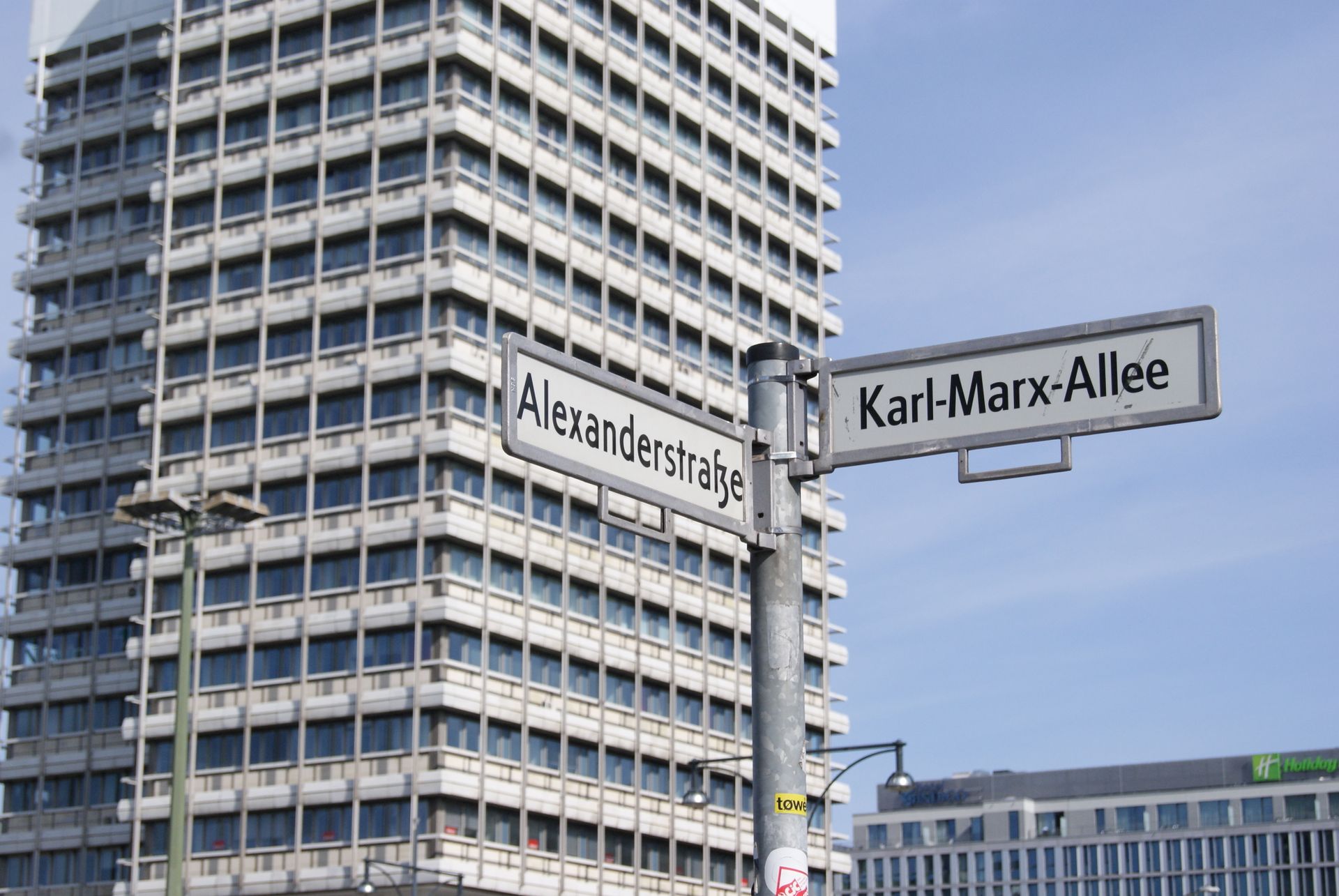
Germans lace directions with filler words that carry almost no meaning but derail beginners. Recognize and ignore them:
- also (AHL-zoh) — “so/well” (sentence starter, not “also”)
- halt (hahlt) — “just/simply” (softener: Das ist halt so = that’s just how it is)
- mal (mahl) — softens requests (Schauen Sie mal = just look)
- doch (dokh) — “but/after all” (Das geht doch = that works after all)
- eigentlich (EYE-gent-likh) — “actually” (Eigentlich geradeaus = actually straight ahead)
- quasi (KVAH-zee) — “kind of” (Quasi um die Ecke = kind of around the corner)
Hearing “Also, halt mal geradeaus, eigentlich quasi um die Ecke” and extracting “geradeaus… um die Ecke” (straight ahead… around the corner) is the real skill — listen for the direction words, let the fillers wash past.
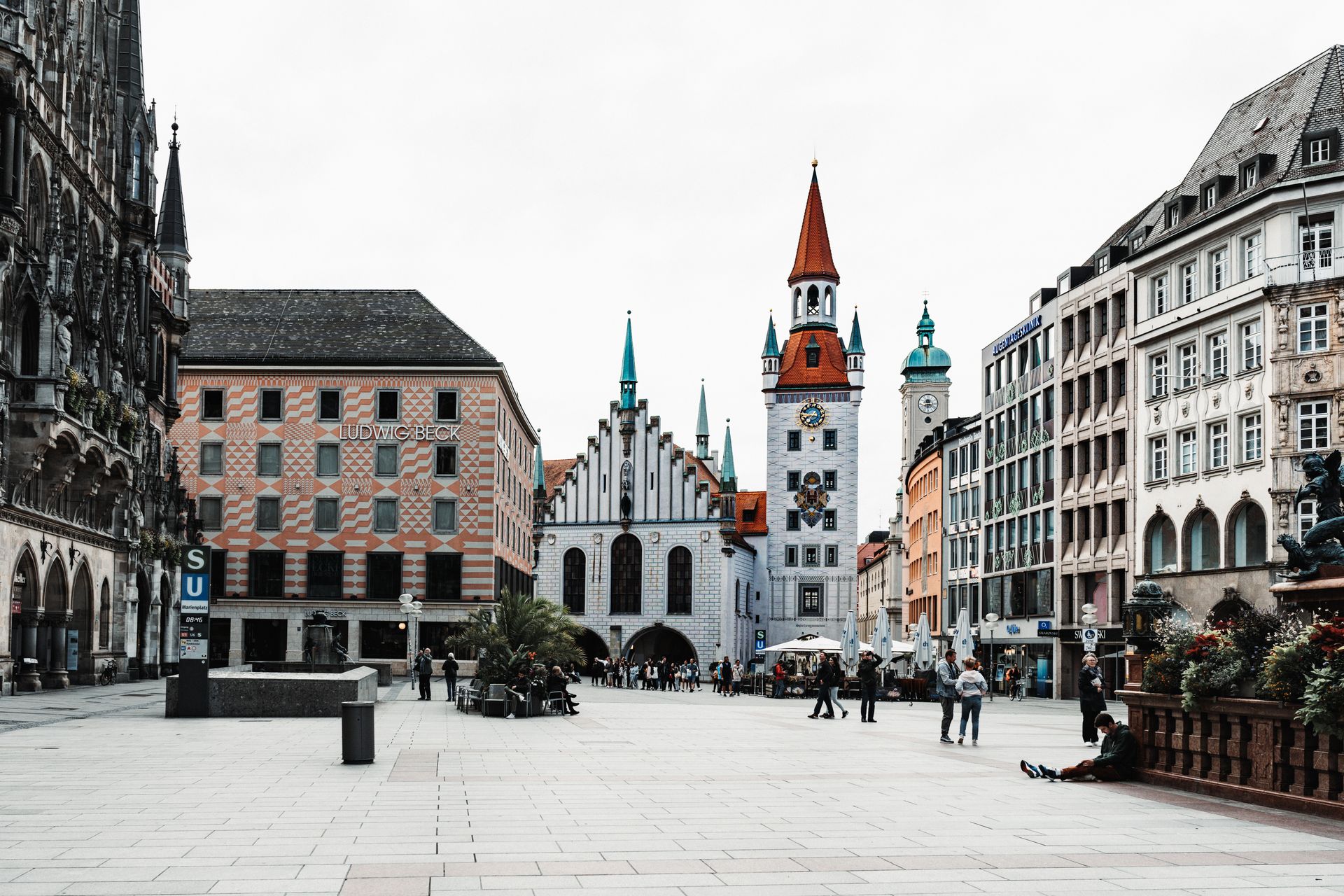
Pedestrian Zones and City Layout Words
- die Fußgängerzone (dee FOOS-gayng-er-tsoh-neh) — the pedestrian zone (every German city’s shopping spine)
- die Innenstadt (dee IN-en-shtaht) — the city center / downtown
- der Stadtrand (dair SHTAHT-rahnt) — the outskirts
- die Allee (dee ah-LAY) — the avenue (tree-lined boulevard)
- der Ring — the ring road (many old towns are circled by one — der Stadtring)
- die Sackgasse (dee ZAHK-gah-seh) — the dead end
- die Abkürzung (dee AHP-koor-tsung) — the shortcut
- der Durchgang (dair DOORKH-gahng) — the passageway (old towns are full of these — they are public, walk through)
For the everyday phrases that surround every directions exchange, keep our 100 essential travel phrases handy.
Elevation and Hiking Directions
Germany’s best views require asking about trails, not streets:
- Wo beginnt der Wanderweg? (voh beh-GINT dair VAHN-der-vayk) — Where does the hiking trail start?
- Wie lange dauert der Aufstieg? (vee LAHNG-eh DOW-ert dair OWF-shteek) — How long does the ascent take?
- Ist der Weg gut markiert? (ist dair vayk goot mahr-KEERT) — Is the trail well marked? (Look for the colored symbols — die Markierung.)
- Gibt es eine Hütte unterwegs? (gipt es INE-eh HOO-teh oon-ter-VAYKS) — Is there a hut along the way?
- Wo geht es zum Gipfel? (voh gayt es tsoom GIP-fel) — Which way to the summit?
- Ist der Weg schwierig? (ist dair vayk SHVEE-rikh) — Is the trail difficult?
- Wo ist der nächste Aussichtspunkt? (voh ist dair NAYKH-steh OWS-zikhts-punkt) — Where is the nearest viewpoint?
- Führt dieser Weg zurück ins Tal? (foort DEE-zer vayk tsoo-ROOK ins tahl) — Does this trail lead back to the valley?
- Berg Heil! (bairk hile) — the hikers’ greeting. Say it to everyone you pass — it is tradition, not optional.
Trail vocabulary: die Weggabelung (fork in the trail), der Abzweig (turnoff), der Pfad (path), der Steig (steep trail), die Alm (alpine pasture), der Grat (ridge).
Key Takeaways
These 40 German directions phrases asking and understanding cover the complete exchange: ten ways to open and ask, twenty phrases that decode the answers you will hear, transport-specific questions for buses and trains, and driving essentials. The pattern is always the same — Entschuldigung, ask with Wo ist or Wie komme ich zu, listen for geradeaus / links / rechts plus a landmark, and confirm by repeating. Pair this with our 100 essential travel phrases and the airport and train station guide, and you will never stay lost for long.