

Kids learn languages the way they learn everything else: by playing. And few language games are as naturally fun as the Zungenbrecher — the German “tongue breaker.” These short, bouncy sentences turn tricky German sounds into a giggle-filled challenge, and children will happily repeat them a dozen times trying to beat their own speed record. That repetition is exactly what builds pronunciation.
The 20 German tongue twisters for kids below are all short versions of the classics — trimmed down to one line each so young learners (and their parents) can memorize them in minutes. Every one comes with an English translation and a playful practice tip to keep things moving. Looking for the full-length versions for yourself? You will find them in our 25 classic German tongue twisters with translations.
Why German Tongue Twisters for Kids Work So Well
Children are not embarrassed by mistakes the way adults are — they laugh, try again, and in doing so drill a sound twenty times without noticing. Tongue twisters exploit this perfectly: the alliteration makes each sentence musical and memorable, the silliness keeps motivation high, and the repetition builds the exact mouth muscles German demands. Best of all, kids do not need to understand every word to benefit — the sounds alone do the training, and the translations here fill in the meaning as a bonus.
They also work brilliantly as a family activity. Say the twister together, take turns going faster, and let the kids be the judges of who messed up. You will be amazed how quickly a six-year-old masters the sch in Fischers Fritz when there is a championship at stake. For grown-up technique to support the fun, see how to pronounce German tongue twisters.
20 Short and Easy German Tongue Twisters for Kids
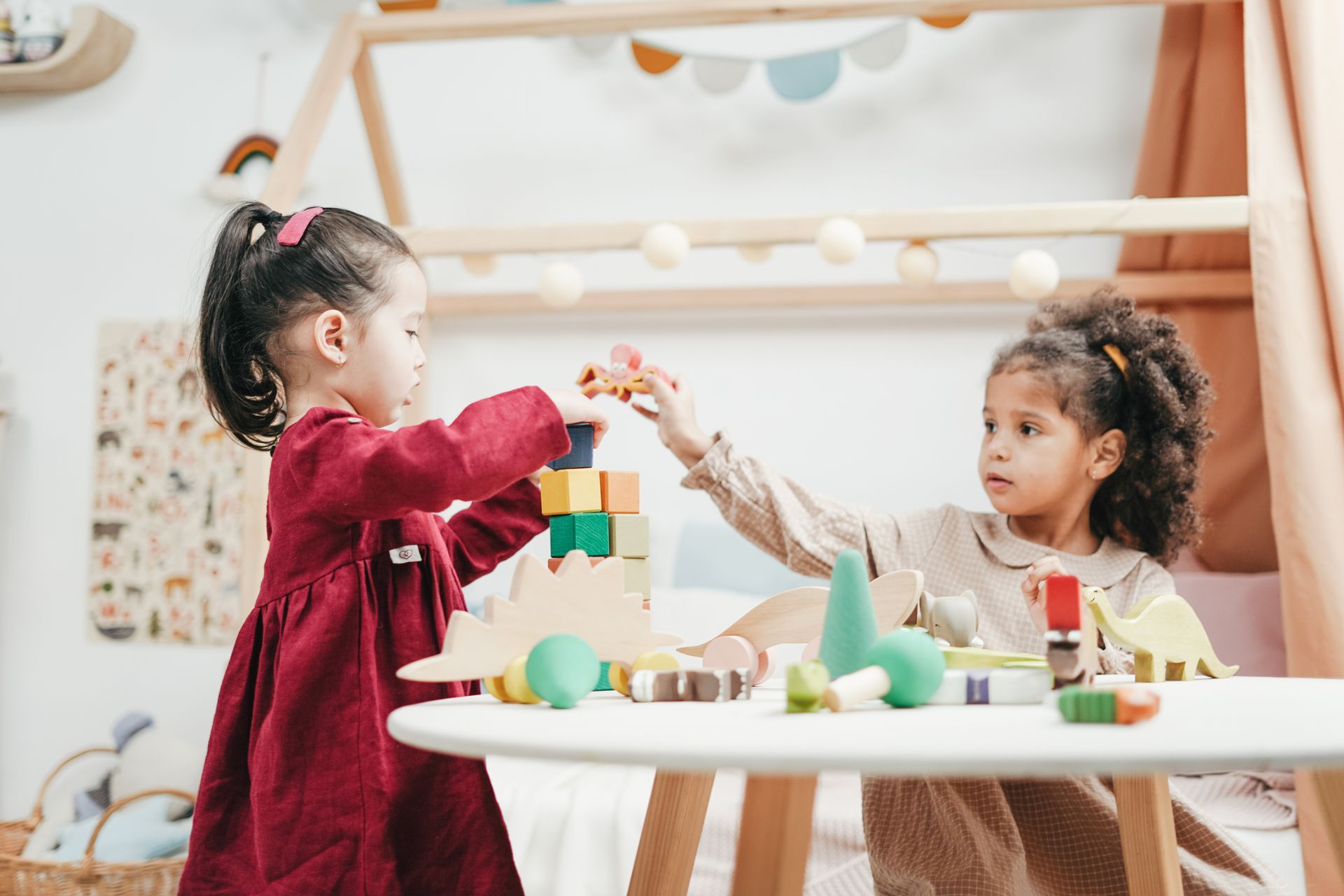
1. Fischers Fritz fischt frische Fische.
“Fischer’s Fritz fishes for fresh fish.”
Practice tip: Play “fisherman speed rounds.” Say it slowly once, then a little faster, then as fast as you can — three rounds, and the kid who says it cleanest at top speed is the champion fisher. The f vs. sch switch is the whole game: exaggerate the difference and it gets easier, not harder.
2. Blaukraut bleibt Blaukraut.
“Red cabbage stays red cabbage.”
Practice tip: Turn it into a stubborn chant. Stomp your foot on each b like you are insisting on something very important — because grammatically, that is what the sentence is doing. The bl must stay bl, never slide into br. Kids love the silliness of declaring vegetable loyalty at full volume.
3. Brautkleid bleibt Brautkleid.
“A wedding dress stays a wedding dress.”
Practice tip: Pair it with number 2 and alternate: one kid says the cabbage line, the other answers with the wedding-dress line, back and forth, faster and faster. The br vs. bl contrast across the two lines trains the ear as well as the tongue.
4. Zehn zahme Ziegen zogen zum Zoo.
“Ten tame goats went to the zoo.”
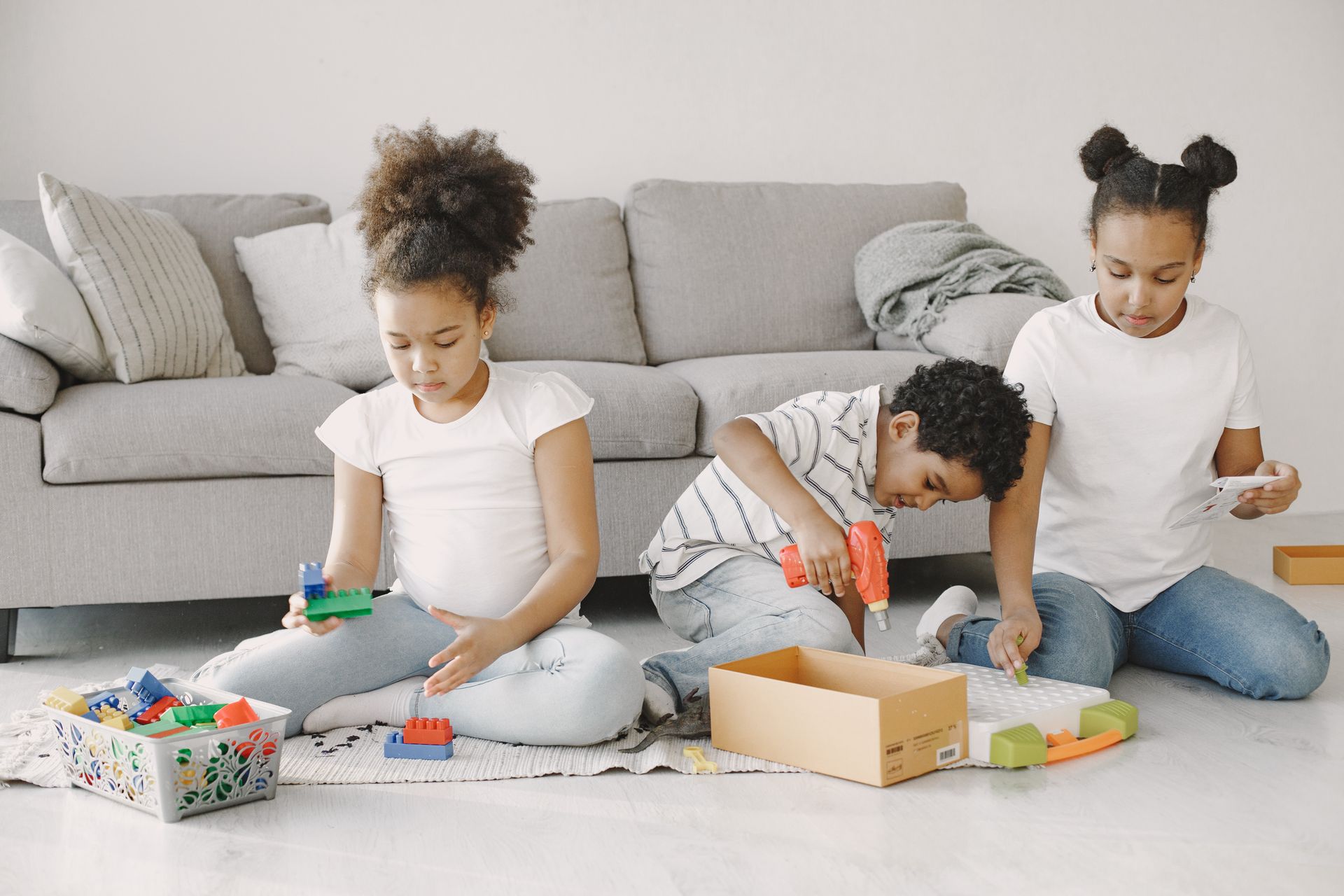
Practice tip: Count on your fingers for each z word — zehn (one), zahme (two), Ziegen (three), zogen (four), Zoo (five). Every z is ts, like the end of “cats.” Make it a rule: anyone who says an English z has to bleat like a goat. The penalty system works wonders.
5. Kleine Kinder können keine Kirschkerne knacken.
“Little children can’t crack cherry pits.”
Practice tip: This one is about the kids themselves, which makes it instantly funny. Clap on every k — Kleine (clap), Kinder (clap), können (clap) — and remember the secret rule: German says the k in kn (knacken = k-nacken). Demonstrate the wrong way first (“nacken”) and let the kids correct you. They love that.
6. Bierbrauer Bauer braut braunes Bier.
“Beer brewer Bauer brews brown beer.”
Practice tip: (For the grown-ups: Bier here is just vocabulary — no tasting required.) March in place while saying it, one step per b word. The au diphthong in Bauer, braut, braunes is the sound to watch: short and bouncy, like “ow!” when you stub your toe, not the long English “oh.”
7. In Ulm, um Ulm und um Ulm herum.
“In Ulm, around Ulm, and all around Ulm.”
Practice tip: Walk in a circle while chanting it — in Ulm (step in), um Ulm (circle around), um Ulm herum (big circle). The movement matches the meaning, and the German u (short, pure, like “boot”) gets drilled with every lap. Find Ulm on a map together afterward; it has the world’s tallest church tower.
8. Der Kaplan klebt klappbare Pappplakate.
“The chaplain sticks up foldable cardboard posters.”
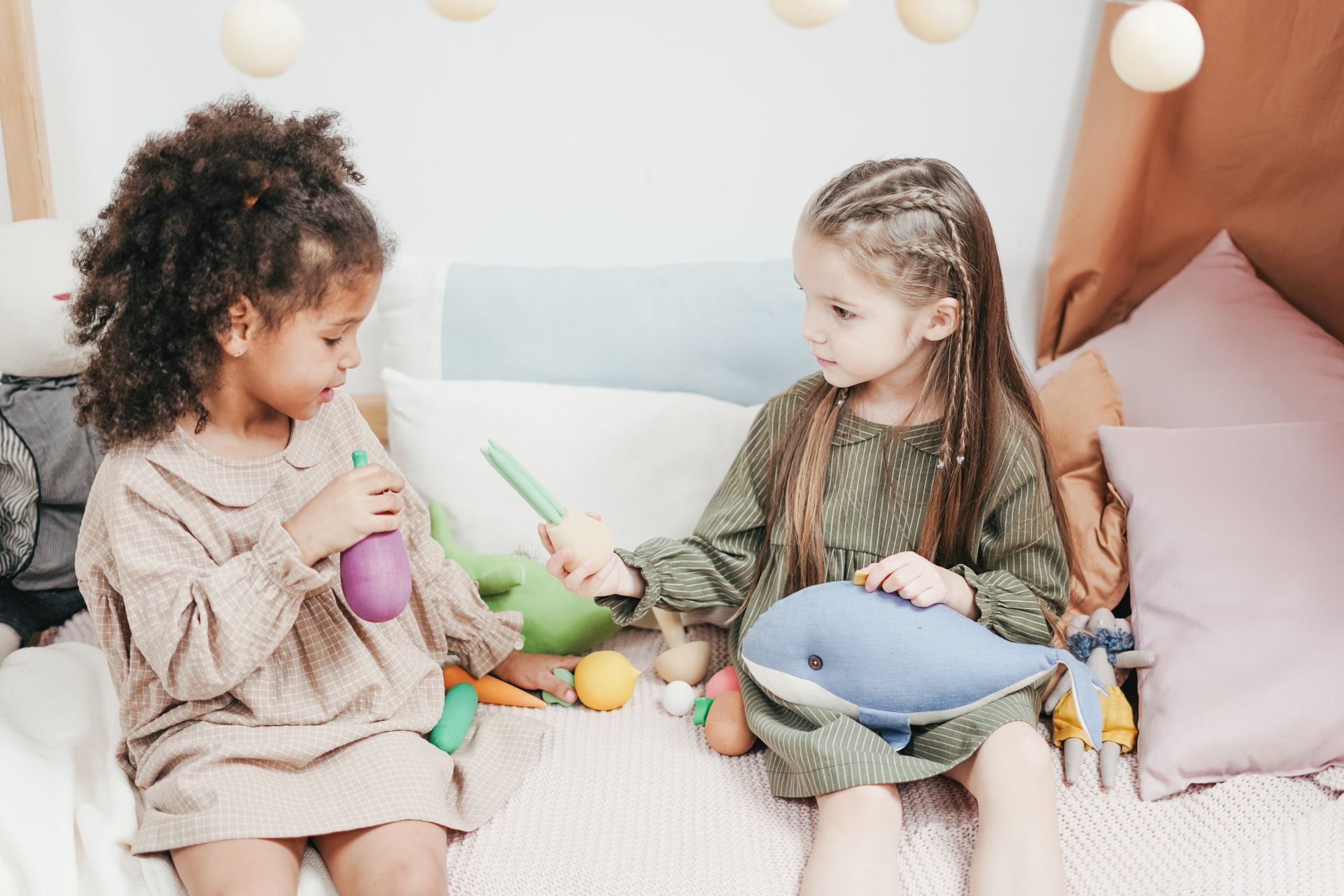
Practice tip: Pretend to stick up imaginary posters with big arm gestures on each p — klebt (slap!), klappbare (slap!), Pappplakate (slap-slap-slap!). The k/p alternation is a lip workout, and the poster-sticking mime makes the funny vocabulary (Pappplakate = cardboard posters) unforgettable.
9. Esel essen Nesseln nicht.
“Donkeys don’t eat nettles.”
Practice tip: Shake your head firmly on nicht like a very decisive donkey. Then ask: why not? Because nettles sting! The ss in essen and Nesseln is always sharp and hissing — practice by exaggerating it into a snake sound (essssss) before saying the line normally. Kids adore the snake version.
10. Schwarze Katzen kratzen mit schwarzen Tatzen.
“Black cats scratch with black paws.”
Practice tip: Do the actions: crouch like a cat on schwarze Katzen, then mime scratching on kratzen. The schw needs fully rounded lips — practice by saying “shh” with exaggerated fish lips first. Then the tz in kratzen and Tatzen is a crisp ts. Meow between repetitions for morale.
11. Sieben Schneeschipper schippen Schnee.
“Seven snow shovelers shovel snow.”
Practice tip: Count the seven shovelers on your fingers, then mime shoveling on schippen — big scooping arm movements. The sch fires in nearly every word, so this is the ultimate sch drill disguised as winter fun. In summer, pretend the “snow” is confetti. Same workout, better weather.
12. Der Whisky-Mixer mixt Whisky.
“The whisky mixer mixes whisky.”
Practice tip: (Adults: this is strictly a pronunciation exercise.) Pretend to shake a cocktail mixer on mixt — shake-shake-shake! The x is ks, and both sounds must be audible. Kids find the grown-up vocabulary hilarious, which is precisely why they will remember it. One rule: the mixer is always empty.
13. Wir Wiener Wäscheweiber waschen weiße Wäsche.
“We Viennese washerwomen wash white laundry.”
Practice tip: Mime washing clothes on a washboard while chanting — scrub-scrub-scrub on every w. And every w is pronounced like an English v: teeth on lower lip. Make it a contest: who can do the whole line without a single English w sneaking in? The Viennese washerwomen demand perfection.
14. Wenn Fliegen hinter Fliegen fliegen.
“When flies fly behind flies.”
Practice tip: Buzz around the room like flies while saying it — arms out, zooming behind furniture. The fl cluster is the drill, and the image of flies chasing flies is inherently funny to anyone under ten. Land on the couch for the final fliegen with a dramatic splat. Then do it again, faster.
15. Hinter Hermanns Haus hängen Hemden.
“Behind Hermann’s house hang shirts.”
Practice tip: Hold your hand in front of your mouth: every h (Hinter, Hermanns, Haus, hängen, Hemden) should puff air onto your palm. Make it a science experiment — “can you feel all five puffs?” Then mime hanging shirts on a line while saying it. Hermann has a lot of laundry.
16. Zwei Schwalben zwitschern.
“Two swallows twitter.”
Practice tip: Flap your arms like wings on Schwalben and do tiny quick beak-movements (open-shut-open-shut) on zwitschern. The zw is ts + v fused into one pop — practice it as a single explosive syllable. Two kids can be the two swallows and “twitter” at each other across the room.
17. Der Cottbuser Postkutscher putzt.
“The Cottbus coachman cleans.”
Practice tip: This is the short version of the most famous long twister in German. Mime polishing something with big circular arm movements on putzt. The tsch-like cluster in Cottbuser and kutscher is the challenge — say it in slow motion first, like a movie villain, then at normal speed. Cottbus is a real city; find it on the map.
18. Schnecken erschrecken.
“Snails get scared.”
Practice tip: The shortest one on the list — and the funniest to act out. Be a snail (slow-motion crawling), then get scared (gasp! recoil!) on erschrecken. The schr cluster is the drill. Ask the kids: what scared the snail? Whatever they answer becomes the next round’s story. Infinite replay value.
19. Der dicke Dachdecker deckt das Dach.
“The fat roofer covers the roof.”
Practice tip: Pat your belly on dicke (the kids will do this unprompted) and mime laying roof tiles overhead on deckt das Dach. The ch after a is the throaty sound — practice it as a gentle pretend-snore first. The roofer is fat, the roof is thick, and the alliteration is glorious.
20. Hundert Hunde hetzen Hasen.
“A hundred dogs chase hares.”
Practice tip: The grand finale — act it out as a chase around the room, one kid (or a very willing adult) as the hare, everyone else as the hundred dogs. The h sounds must all puff air: Hundert, Hunde, hetzen, Hasen. End the session here, at maximum energy and maximum volume. Nobody will forget the h after this.
How to Turn Practice into a Game
The secret to German tongue twisters for kids is simple: never call it practice. Call it a championship, a race, a performance, a silly challenge — anything but a lesson. Here are three game formats that work every time:
Speed ladder. Write the twister on a card. Round one: say it slowly and clearly. Round two: normal speed. Round three: as fast as possible. Three clean repetitions move you up a rung; a mistake sends you back down. Kids will beg for “one more round.”
Echo chain. Sit in a circle. The first player says the twister, the next repeats it a little faster, the next faster still. Anyone who stumbles starts the next round. It works with two players or twenty, and the peer pressure is entirely friendly.
Twister theater. Pick the twister with the best mental image — the goats, the snails, the washerwomen — and act it out while chanting. Costumes optional, silliness mandatory. The movement anchors the sounds in muscle memory, and you get a family performance out of it.
Aim for five minutes a day rather than a long weekly session. Short, happy, frequent beats long, forced, and rare — for pronunciation and for everything else. Record the kids on day one and again after two weeks; hearing their own progress is the best motivation there is. If the kids outgrow these, the funny German tongue twisters collection is the natural next level.
When the family is ready for longer challenges, the famous German tongue twisters guide has the full versions with word-by-word translations. And for a completely different kind of wordplay, German palindromes — words that read the same backwards — fascinate kids who love patterns.
Key Takeaways
- These 20 short German tongue twisters for kids are trimmed-down classics: one line each, memorizable in minutes, each drilling a real German sound.
- Every entry includes the English translation (so kids know what they are saying) and a play-based practice tip (so they actually say it).
- The golden rule: never call it practice — championships, races, and theater performances build the same mouth muscles with ten times the motivation.
- Five minutes a day beats one long session a week. Keep it short, silly, and frequent.
- When these get too easy, graduate the family to our 25 classic German tongue twisters with translations — the full-length originals.