

40 German Wine Vocabulary Words: Terms, Meanings & Examples
Whether you are touring the steep vineyards of the Mosel, joining a Weinprobe in the Rheingau, or simply ordering dinner in Berlin, this german wine vocabulary guide gives you the words that matter. Germany is one of the world’s great wine cultures — thirteen official wine regions, famous grapes like Riesling and Spätburgunder, and a vocabulary shaped by centuries of winemaking along the Rhine, Mosel, and Neckar.
Below you will find 40 German wine words and phrases with correct der/die/das articles, English meanings, and example sentences with translations. The list covers wine types and grape varieties, tasting and flavor words, ordering phrases for restaurants and wine festivals, the famous German wine regions, and culture words like Prost! and der Glühwein. If beer is more your speed, pair this list with our German beer vocabulary guide. These wine words in German will help you read a Weinkarte with confidence, order like a local, and toast like one too.
German Wine Vocabulary: 40 Words with Meanings & Examples
Here is the full list: forty German wine terms grouped by theme so you can learn them in context. Each entry gives the article, the English translation, and a short example sentence with its translation. Notice how often Wein starts a compound — Weinberg, Weinkarte, Weinprobe — and decoding those compounds will let you unlock dozens more wine terms on any German menu.
Wine Types & Grape Varieties
Germany’s vineyards grow some of the world’s most distinctive grapes. These ten are the essentials, from the crisp whites the country is famous for to its elegant reds.
1. der Rotwein (red wine) — Germany’s reds have come a long way; modern Rotwein from the Pfalz and Baden is elegant and fruit-forward. Ich trinke gern Rotwein. (I like to drink red wine.) German reds shine with game, hearty stews, and aged cheese.
2. der Weißwein (white wine) — the backbone of German wine: crisp, aromatic whites, usually spelled with ß. Ein Glas Weißwein, bitte. (A glass of white wine, please.)
3. der Rosé (rosé wine) — the pink wine made from red grapes, hugely popular in summer. Der Rosé ist kühl serviert. (The rosé is served chilled.)
4. der Sekt (sparkling wine) — Germany’s answer to champagne; a quality German Sekt is made by the traditional bottle-fermentation method. Zum Anstoßen gibt es Sekt. (For the toast, there is sparkling wine.) For celebrations, order a Winzersekt — estate-bottled sparkling wine.
5. der Riesling (Riesling) — Germany’s signature grape: aromatic, racy, and capable of aging for decades. Der Riesling von der Mosel ist weltberühmt. (The Riesling from the Mosel is world-famous.) Riesling pairs beautifully with spicy food — ask for it trocken if you prefer dry styles.

6. der Spätburgunder (Pinot Noir) — literally “late Burgundian”: Germany’s noble red grape, thriving in Baden and the Pfalz. Ein Spätburgunder passt zu Wild. (A Pinot Noir goes well with game.) It is the same grape the French call Pinot Noir.
7. der Grauburgunder (Pinot Gris) — the “gray Burgundian,” a rich, full-bodied white and a German restaurant staple. Der Grauburgunder schmeckt nussig. (The Pinot Gris tastes nutty.) At a restaurant, ordering a Grauburgunder marks you as someone who knows German wine beyond Riesling.
8. der Silvaner (Silvaner) — the quiet classic of Franken, earthy and mineral, served in the region’s flat Bocksbeutel bottle. Silvaner trinkt man in Franken. (You drink Silvaner in Franconia.)
9. der Müller-Thurgau (Müller-Thurgau) — Germany’s most-planted grape for decades: light, mild, and easy-drinking. Der Müller-Thurgau ist ein unkomplizierter Wein. (Müller-Thurgau is an uncomplicated wine.)
10. der Dornfelder (Dornfelder) — the deep-red, velvety German red grape bred in the 1950s, now a modern classic. Der Dornfelder hat eine dunkle Farbe. (The Dornfelder has a dark color.)
German Wine Vocabulary for Tasting & Flavor
Step into any tasting room and these words from your German wine vocabulary will be on everyone’s lips — the vineyard, the vine, and how to describe what is in the glass.

11. der Weinberg (vineyard) — the hillside where the grapes grow; the steepest Weinberge in the world line the Mosel. Der Weinberg liegt am Hang. (The vineyard lies on the slope.) The Calmont on the Mosel is Europe’s steepest vineyard.
12. die Rebe (vine) — the grapevine plant itself; note the feminine article. Die Reben sind über hundert Jahre alt. (The vines are over a hundred years old.)
13. die Traube (grape) — a single grape or a bunch of grapes; do not confuse it with der Traubensaft (grape juice). Die Trauben sind reif. (The grapes are ripe.) Wine grapes are smaller and sweeter than table grapes.
14. der Jahrgang (vintage) — the harvest year printed on the label; great vintages are collectors’ treasures. Der Jahrgang 2021 war hervorragend. (The 2021 vintage was outstanding.)
15. trocken (dry) — the key label word: a trockener Wein has almost no residual sugar. Ich mag trockenen Wein. (I like dry wine.) Wine labeled trocken contains at most nine grams of residual sugar per liter.
16. halbtrocken (off-dry) — literally “half-dry”: a touch of sweetness, very popular in Germany. Der Riesling ist halbtrocken. (The Riesling is off-dry.)
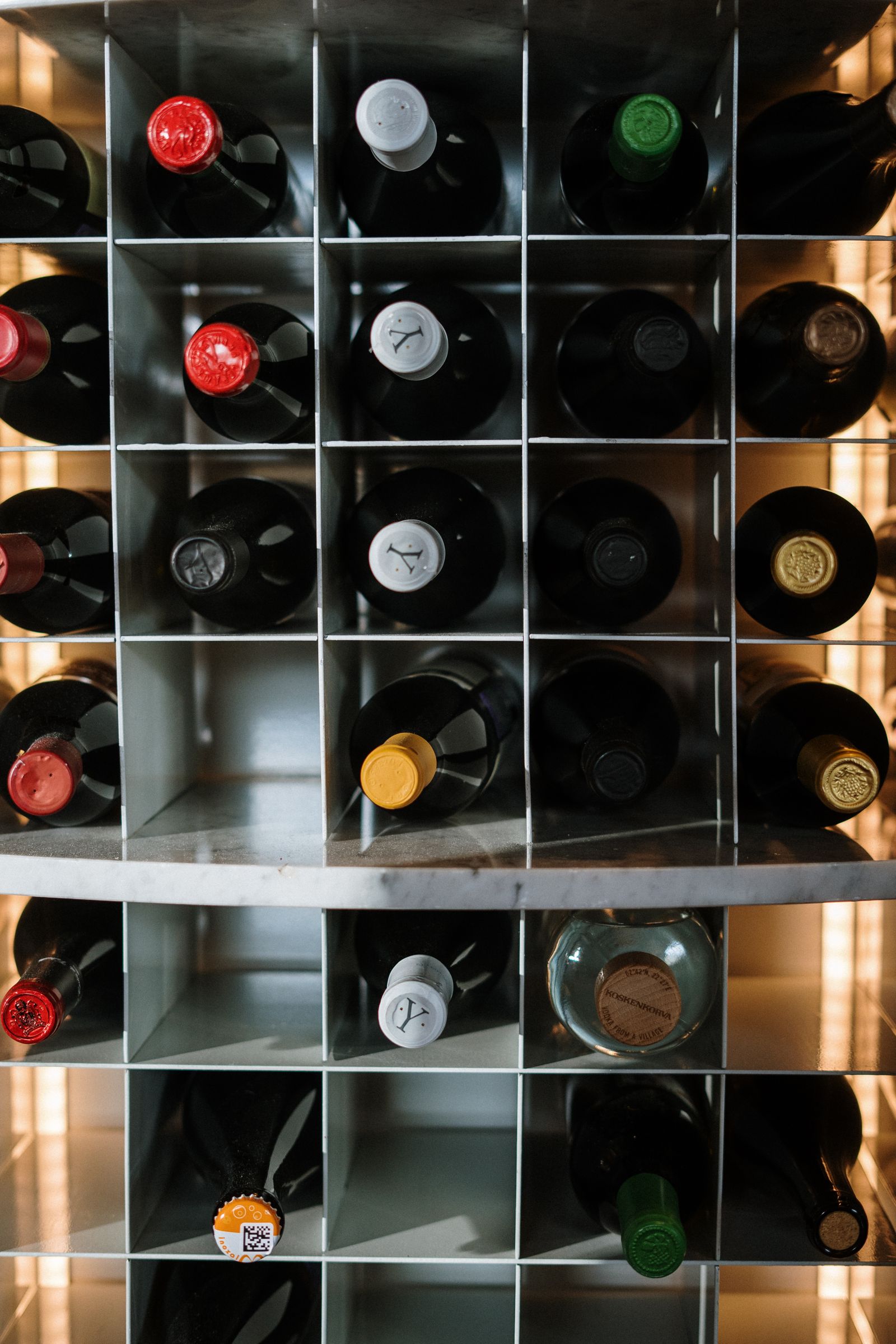
17. lieblich (sweet) — the official term for sweet wines; fruit-forward rather than heavy. Lieblich passt gut zu Dessert. (Sweet wine goes well with dessert.) Label words like these reward study — our guide to common German idioms with translation shows how much meaning hides in single German words.
18. der Geschmack (taste / flavor) — what the wine tastes like; der Nachgeschmack is the aftertaste. Der Wein hat einen fruchtigen Geschmack. (The wine has a fruity flavor.) Swirl, sniff, then sip — that is the classic tasting order.
19. das Bukett (bouquet) — the wine’s aroma, borrowed from French and used with a German article. Das Bukett erinnert an Pfirsich. (The bouquet recalls peach.)
20. die Weinprobe (wine tasting) — the event itself: wineries across Germany offer guided Weinproben for a small fee. Die Weinprobe beginnt um vierzehn Uhr. (The wine tasting starts at two o’clock.) Many Weingüter along the Mosel and in the Pfalz run open Weinproben on autumn weekends.
How to Order Wine in German
These are the words you will actually say out loud — the wine list, the glassware, and the phrases that get good wine to your table.
21. die Weinkarte (wine list) — ask for it first; German Weinkarten list wines by region and sweetness level. Die Weinkarte, bitte! (The wine list, please!)

22. der Winzer (winemaker) — the grower-producer, often a family estate you can visit. Der Winzer verkauft direkt ab Hof. (The winemaker sells directly from the farm.) Look for signs saying Weinverkauf — direct wine sales.
23. das Weingut (winery / wine estate) — the estate where wine is made; many offer tours and tastings. Das Weingut lädt zur Verkostung ein. (The winery invites you to a tasting.)
24. der Sommelier (sommelier) — the wine steward, used in German just as in English. Der Sommelier empfiehlt einen Silvaner. (The sommelier recommends a Silvaner.) Ordering wine sits naturally alongside ordering food — see our German restaurant phrases for ordering for the full table conversation.
25. der Korken (cork) — pulled with a satisfying pop; der Schraubverschluss is the screw cap. Der Korken riecht gut. (The cork smells good.)
26. das Glas (glass) — ein Glas Rotwein, bitte is the most useful sentence in this list. Ein Glas Rotwein, bitte. (A glass of red wine, please.)
27. die Flasche (bottle) — for the table or to take home from the Winzer. Eine Flasche Riesling für zu Hause. (A bottle of Riesling for home.) A standard bottle holds 0.75 liters — except Franken’s squat Bocksbeutel.
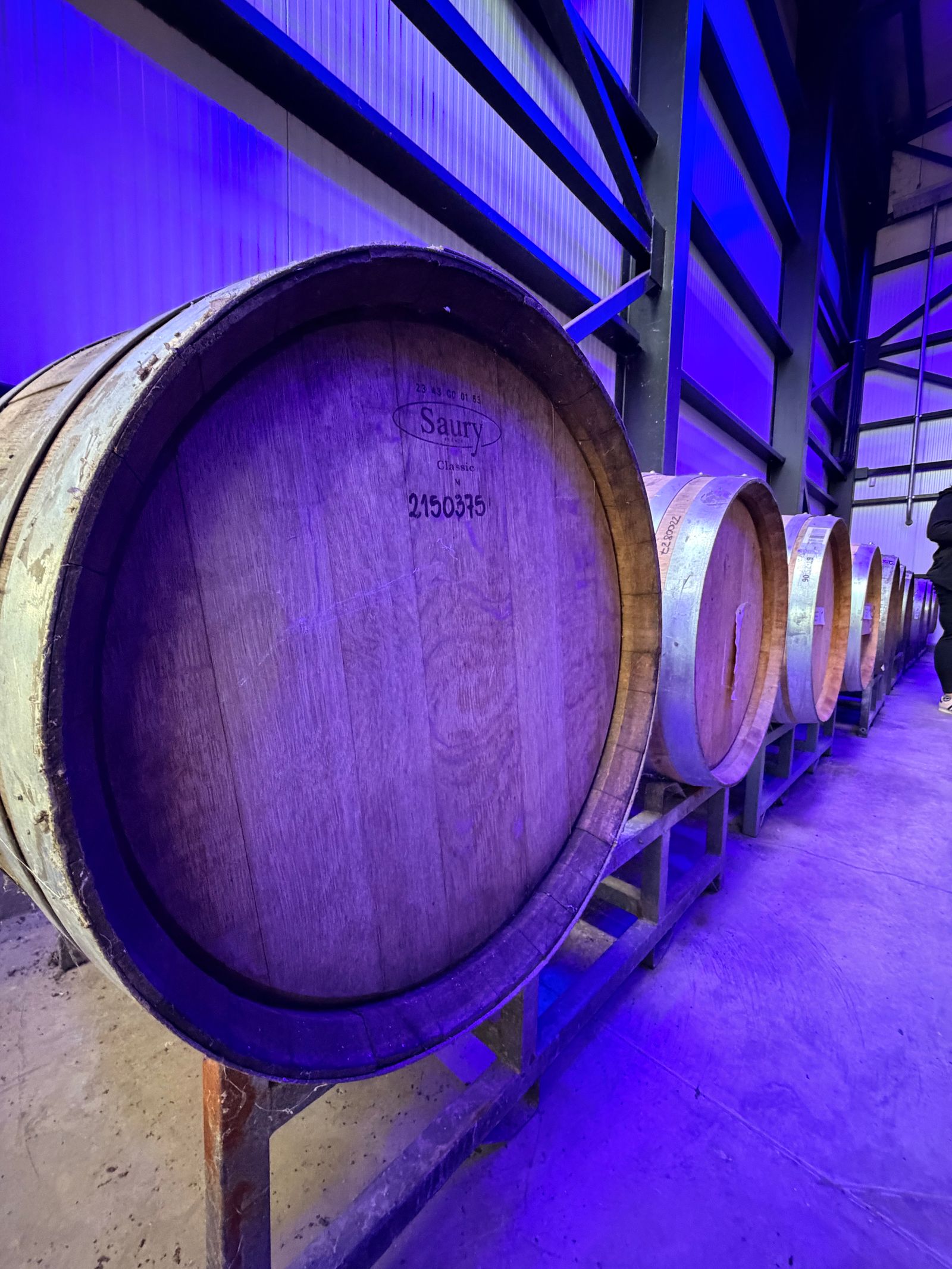
28. der Tropfen (drop / glass) — affectionate slang for a glass of good wine: ein guter Tropfen. Das ist ein feiner Tropfen. (That is a fine drop.)
29. “Die Weinkarte, bitte!” (The wine list, please!) — the polite opener; in casual spots just say “Einen trockenen Riesling, bitte.” (A dry Riesling, please.)
30. “Was empfehlen Sie?” (What do you recommend?) — the magic question that turns any server or Winzer into your guide. Was empfehlen Sie zum Fisch? (What do you recommend with fish?)
German Wine Regions
Germany’s thirteen Anbaugebiete (wine-growing regions) each have a personality. These six are the famous ones every wine lover should know.
31. die Mosel (Mosel) — the river and region of breathtakingly steep slate vineyards; rivers are feminine in German. Die Mosel ist berühmt für Riesling. (The Mosel is famous for Riesling.)
32. der Rheingau (Rheingau) — the historic region west of Frankfurt, home to legendary estates. Der Rheingau produziert edle Weine. (The Rheingau produces noble wines.)
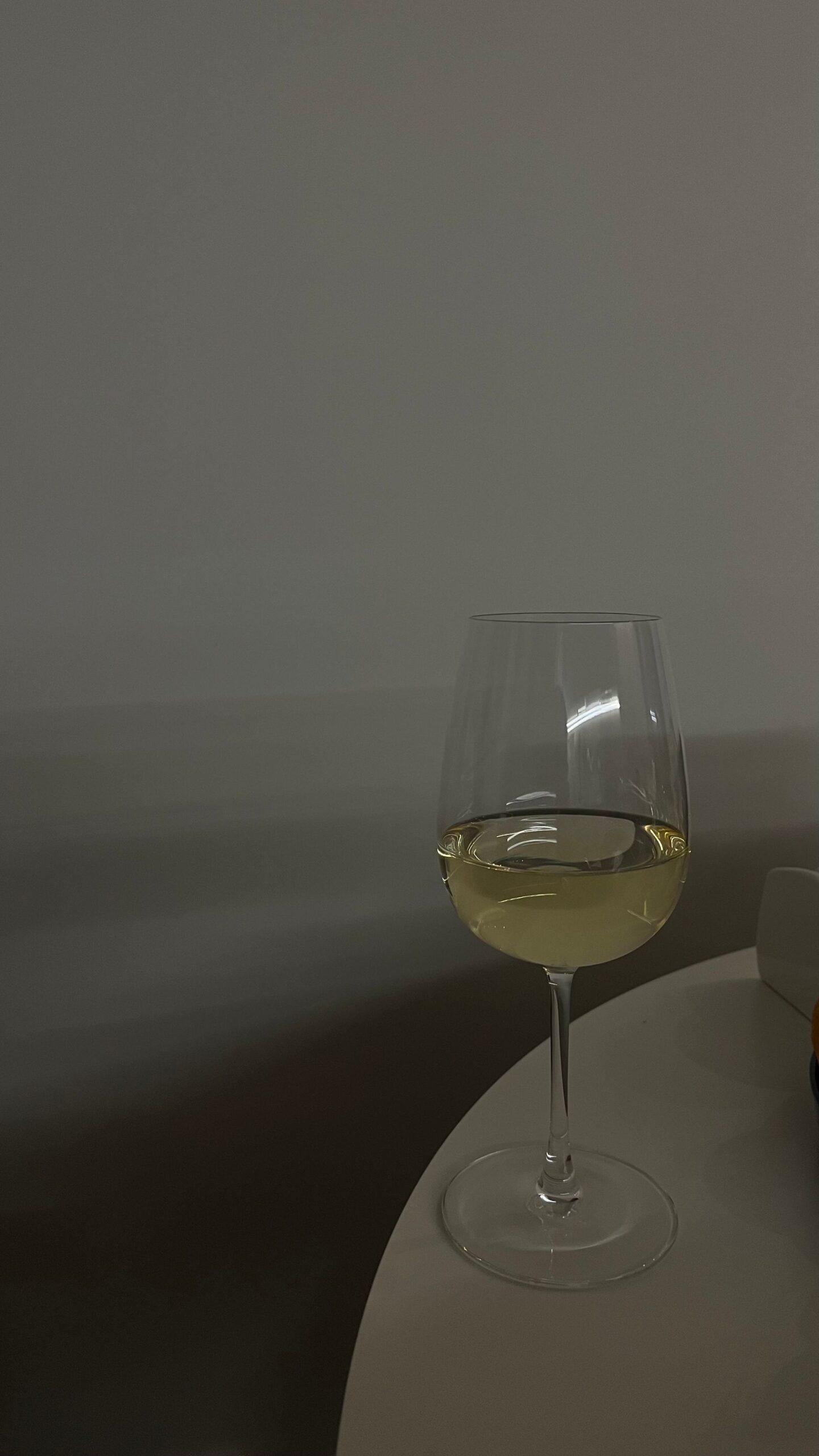
33. die Pfalz (Palatinate) — Germany’s second-largest region, sunny and generous with reds and whites alike. Die Pfalz ist sonnig und warm. (The Palatinate is sunny and warm.)
34. Franken (Franconia) — the northern region of Silvaner and the squat Bocksbeutel bottle; place names like this take no article. Franken liegt in Bayern. (Franconia is in Bavaria.)
35. Baden (Baden) — Germany’s warmest region and the home of Spätburgunder. Baden grenzt an Frankreich. (Baden borders France.) The Kaiserstuhl hills in Baden hold Germany’s warmest vineyards.
36. Württemberg (Württemberg) — the red-wine country around Stuttgart, where locals drink Trollinger. In Württemberg trinkt man gern Rotwein. (In Württemberg people like to drink red wine.) Locals famously drink Viertele — quarter-liter glasses — in rustic Besenwirtschaften. Rivers run through many of these regions — our German river names for crosswords is a fun companion list.
Wine Culture & Toasts
Beyond the glass, wine shapes German celebrations. These four words will make you sound like an insider at any table.
37. “Prost!” (Cheers!) — the universal German toast; always make eye contact when you clink glasses. Prost, auf deine Gesundheit! (Cheers, to your health!) Festival season multiplies the toasting — our German Oktoberfest vocabulary covers the autumn beer tents.
38. “Zum Wohl!” (To your health!) — the slightly more elegant toast, literally “to well-being.” Wir heben die Gläser: Zum Wohl! (We raise our glasses: to your health!)
39. der Federweißer (new wine) — the cloudy, fermenting young wine sold in autumn; sweet, fizzy, and dangerously drinkable. Im Herbst gibt es Federweißer. (In autumn there is new wine.) Traditionally it is served with Zwiebelkuchen, onion tart.
40. der Glühwein (mulled wine) — the hot spiced wine of Christmas markets, warming millions of hands each December. Ein Glühwein wärmt die Hände. (A mulled wine warms the hands.) At a Christmas market, just say “einen Glühwein, bitte” and hold the mug with both hands.
Pronunciation Tips for Wine Words
German wine vocabulary is a friendly workout for sounds English speakers stumble over:
- The ß in der Weißwein: a sharp “s” — VYSS-vine. On German Scrabble boards the ß becomes SS, so spell it WEISSWEIN there.
- The ü in Württemberg: round your lips for “oo” but say “ee” — VUERT-em-berg.
- The ch in das Weingut is silent-ish here; try the ch in trocken: after o it is the throaty ach-sound — TROK-en.
- The w in der Wein: always a soft English “v” — vine, which is no coincidence.
- The z in der Winzer: always pronounced “ts” — VINT-ser.
- The ä in der Spätburgunder: like the “e” in “bed” — SHPATE-burg-under.
Key Takeaways
These 40 words turn your german wine vocabulary from menu-pointing into confident ordering — from der Riesling and der Spätburgunder to die Weinprobe and the essential “Prost!” Three habits will make these wine words in German stick. First, always learn the article with the word: der, die, or das is part of the word itself, and pairs like der Wein versus die Weinkarte reward the extra second of attention. Second, decode the compounds — der Weinberg is just Wein + Berg, and once you see the pattern, dozens of German wine terms explain themselves. Third, say the ordering phrases out loud — “Einen trockenen Riesling, bitte!” with the right pronunciation earns a smile in any Weinstube, and a confident Prost! with eye contact makes you sound fluent already. Bookmark this list before your trip, and keep exploring: our essential German travel phrases pairs perfectly with everything here.