

A palindrome reads the same forwards and backwards — and German, with its love of long compound words and flexible sentence structure, turns out to be a natural playground for them. But what is the longest German palindrome anyone has actually written down? The answer is longer than you might expect: a full 39 letters, hiding inside a perfectly grammatical German sentence about love and sorrow.
Below you will find 15 genuine German palindromes, ordered from longest to shortest, each with its letter count, an English translation, and a short note on what makes it tick. Every single one was script-verified for this article: spaces, punctuation, and capitalization were stripped, and the remaining letters were checked to read identically backwards. If you are new to the concept, our German palindromes explained guide covers the basics first.
How We Measured the Longest German Palindromes
Before the ranking, a quick note on method — because “longest” needs rules. Each candidate was lowercased, stripped of spaces, punctuation marks, and umlaut dots were left as they are (ä counts as one letter, exactly as a German reader sees it). The cleaned string was then compared to its own reverse. Only exact matches made the list.
One more rule: the grammatical articles der, die, and das are not part of the palindrome itself. In “das Lagerregal,” the palindrome is the ten-letter word Lagerregal; the das is just the neuter article that introduces it. Letter counts below always refer to the palindrome proper.
Sentence palindromes are the real prize here. A single reversible word is a nice accident of spelling, but a whole sentence that survives reversal — with correct grammar and real meaning — is a small work of engineering.
The 15 Longest German Palindromes, Ranked Longest to Shortest
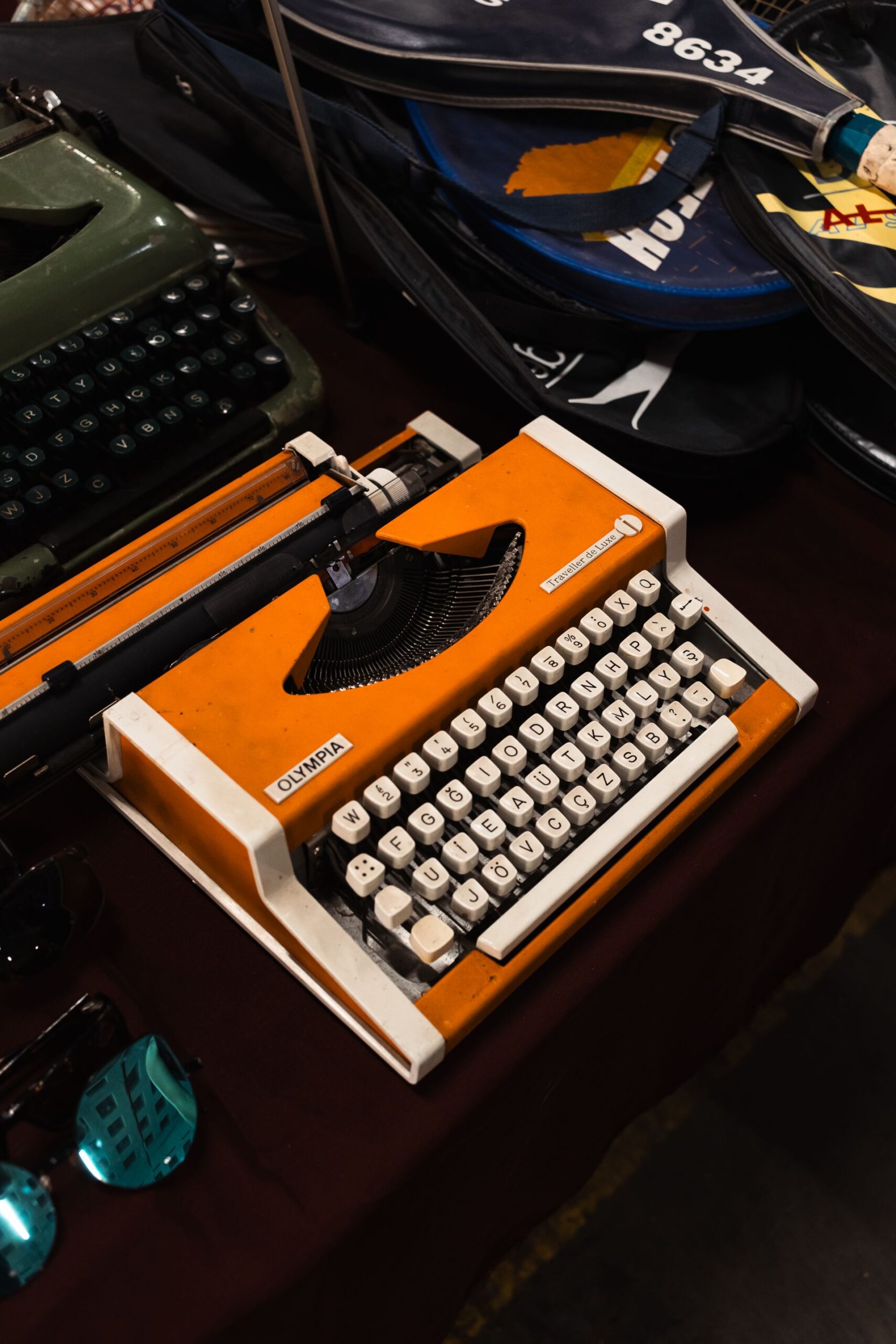
1. “Die Liebe ist Sieger, stets rege ist sie bei Leid.” — 39 letters
Translation: “Love is the victor, ever active amid sorrow.”
This is the longest German palindrome in our collection, and it earns the title honestly. Thirty-nine letters of genuine, poetic German, perfectly mirrored. Notice the architecture: the sentence pivots around the central “rege” and mirrors its two halves — Die Liebe ist Sieger on one side, ist sie bei Leid on the other. It reads like something from a 19th-century motto book, which is exactly why palindrome collectors love it. Say it slowly and you can feel the symmetry click into place.
2. “Trug Tim eine so helle Hose nie mit Gurt?” — 32 letters
Translation: “Did Tim never wear such light trousers with a belt?”
The second-longest German palindrome is a question, and a wonderfully silly one. Tim, apparently, owned a pair of strikingly light-colored trousers and — according to this sentence — never once wore them with a belt. What makes it work as a palindrome is the chain of short, reversible words: eine, so, nie, mit all mirror neatly, and the frame Trug Tim … Gurt closes the loop. It is also a great demonstration piece: read it to a German speaker and watch them try to spot the trick.
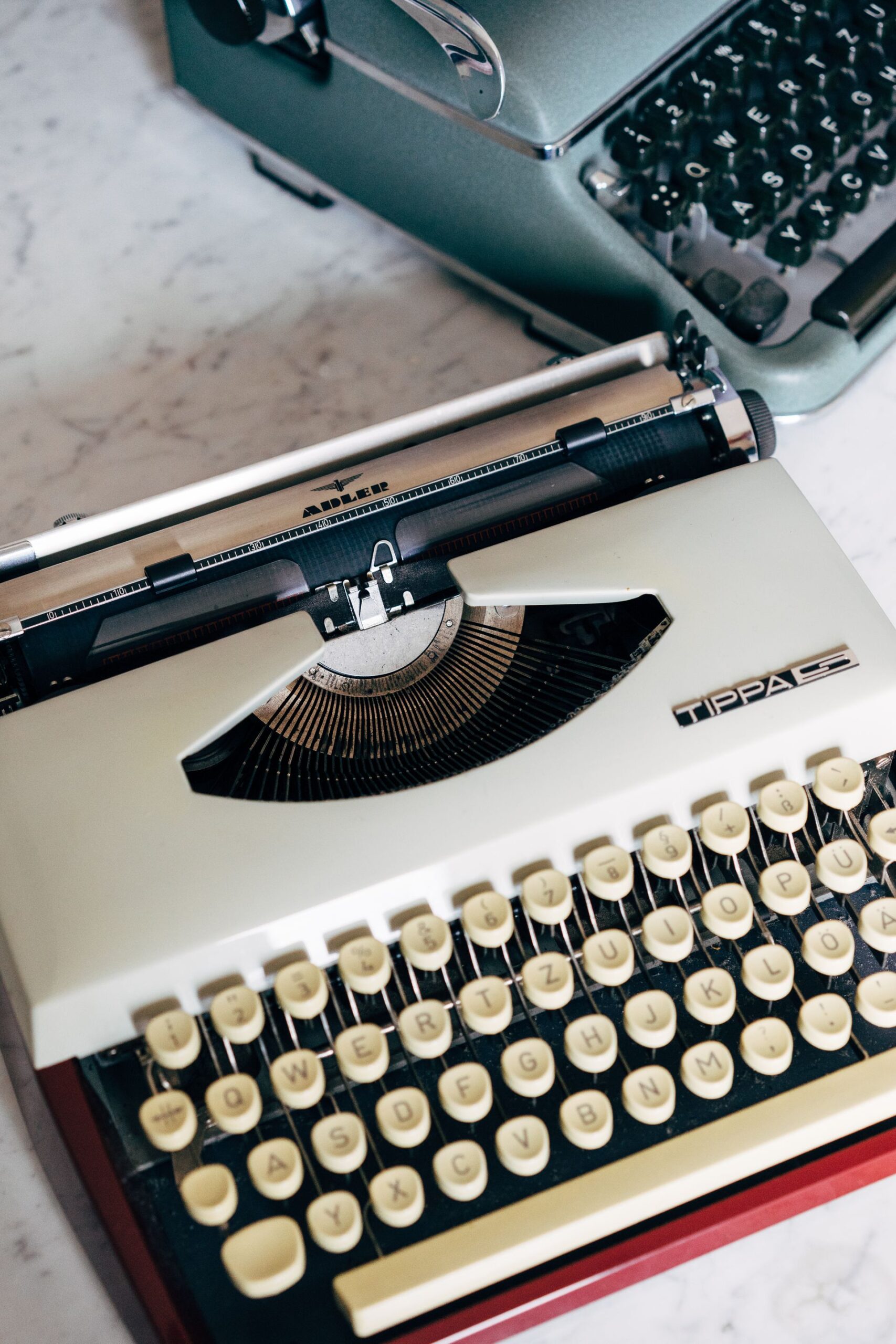
3. “Erika feuert nur untreue Fakire.” — 27 letters
Translation: “Erika only fires disloyal fakirs.”
At 27 letters, this one has the best storyline of the bunch. Erika runs some kind of fakir employment agency with strict loyalty requirements, and the disloyal ones get dismissed. The pivot here is the word nur (“only”) sitting near the center, with feuert and untreue doing the heavy mirroring work. It is a favorite in German palindrome collections precisely because it sounds like the opening line of a strange short story.
4. “O Genie, der Herr ehre dein Ego!” — 24 letters
Translation: “O genius, may the Lord honor your ego!”
Twenty-four letters of pure irony. The sentence addresses a genius and asks heaven to honor his ego — which is either a blessing or a beautifully disguised insult, depending on your reading. Structurally it is elegant: der Herr ehre mirrors around the center, and the exclamation O Genie … dein Ego frames it. This is the kind of palindrome that gets quoted in German wordplay books because the meaning survives the reversal completely intact.
5. “Lag er im Kajak? Mir egal.” — 19 letters
Translation: “Was he in the kayak? I don’t care.”
The shrug, immortalized as a palindrome. Nineteen letters, two short sentences, and a whole attitude: someone asks whether he was in the kayak, and the answer is a breezy mir egal — “I don’t care.” It works because German word order lets the question and the dismissal mirror each other almost perfectly. This one is short enough to memorize in a minute, which makes it a great party trick.
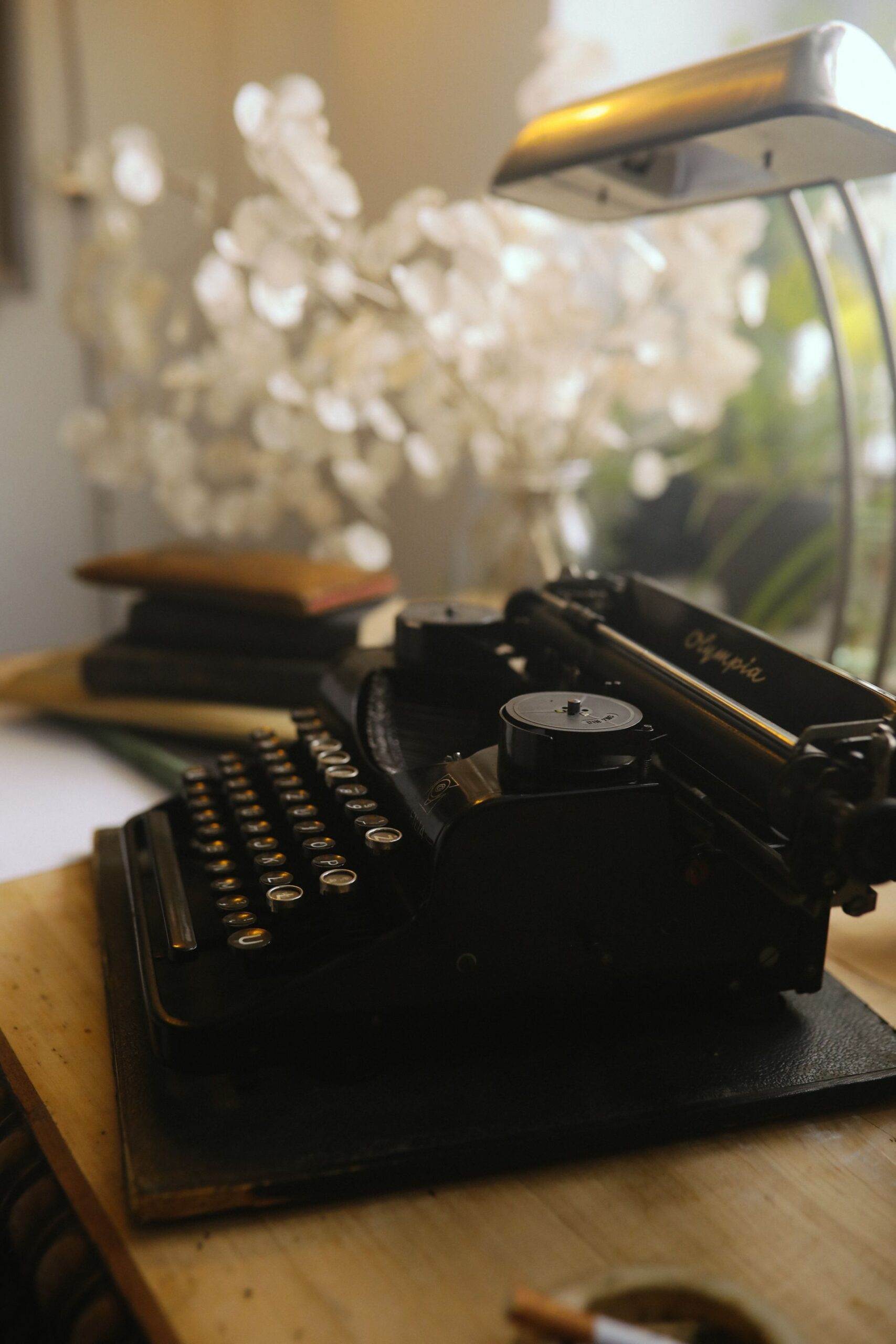
6. “Sei fein, nie fies!” — 14 letters
Translation: “Be nice, never nasty!”
Fourteen letters of solid life advice, and it reads the same backwards. The pairing fein/fies (nice/nasty) is doing double duty here: it delivers the meaning and provides the mirror structure, since the two words are near-reverses of each other. Parents in Germany have been known to deploy this one on their children, half as a joke and half as genuine instruction. Try saying it fast three times — the f sounds make it a mini tongue twister too. If you enjoy that kind of wordplay, our famous German tongue twisters and their meanings will keep you busy.
7. “Ein Esel lese nie.” — 14 letters
Translation: “A donkey never reads.”
Tied at 14 letters, this one states a zoological fact with palindrome precision. Donkeys, as far as anyone knows, do not read — and now that fact is locked into a sentence that mirrors itself. The structure is simple: Ein Esel on the left, lese nie on the right, with the double e in the middle acting as the hinge. It is the kind of sentence palindrome writers build first when they are learning the craft, because the symmetry is so clean.
8. “Dreh mal am Herd!” — 13 letters
Translation: “Turn the stove knob!”
Thirteen letters, one imperative, zero wasted words. Someone in a German kitchen is being told — firmly — to turn the stove knob. The palindrome works through the Dreh … Herd frame with mal am as the mirrored core. What is remarkable is how ordinary it sounds: unlike the longer sentence palindromes, which tend toward the poetic or absurd, this could be overheard in any household in Munich. The best palindromes are the ones you would never suspect.
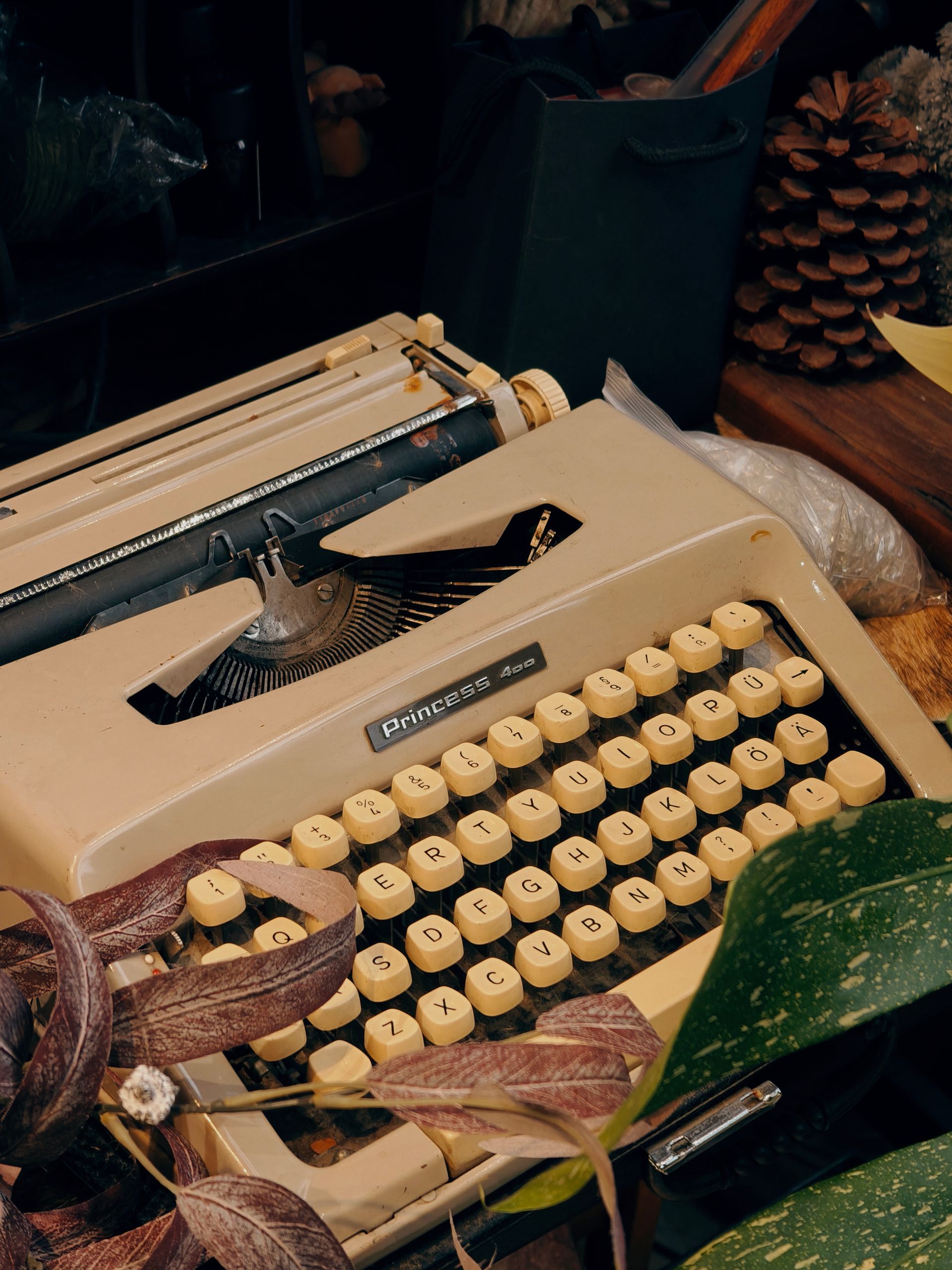
9. das Lagerregal — 10 letters
Translation: “the warehouse shelf” / “the storage rack.”
Now we move from sentences to single words, and the longest German palindrome word on our list is a beauty. Lagerregal is a compound of Lager (warehouse, storage) and Regal (shelf, rack) — and because the two halves are reverses of each other, the whole word mirrors perfectly: L-A-G-E-R-R-E-G-A-L. Ten letters, and it names a completely ordinary object you would find in any German storage room. This is the compound-noun trick at its finest: German builds long words by gluing shorter ones together, and occasionally the glue lands in exactly the right place.
10. das Reittier — 8 letters
Translation: “the riding animal” / “the mount.”
Eight letters, and another compound doing the mirror work: Reit (riding) + Tier (animal). R-E-I-T-T-I-E-R reads identically in both directions. The word itself is slightly old-fashioned — you would more likely hear Reitpferd (riding horse) in modern German — but it is a legitimate dictionary word, and palindrome hunters treasure it. Note the double t in the middle: doubled consonants are a palindrome writer’s best friend, because they form a natural hinge.
11. das Rentner — 7 letters
Translation: “the pensioner” / “the retiree.”
Seven letters for one of the most useful German palindrome words. Rentner (R-E-N-T-N-E-R) is an everyday word — Germany has over 20 million of them — and it happens to be perfectly symmetrical. Unlike Lagerregal, this one is not a compound; the symmetry is a pure accident of how the word evolved from Rente (pension). It is also a great example for learners: a common, practical word that doubles as a party trick. Words like this are catnip for word-game players — our German 5-letter words collection has more game-friendly vocabulary.
12. der Rotor — 5 letters
Translation: “the rotor.”
The classic five-letter palindrome, familiar in English too. Rotor is identical in both languages, which makes it the friendliest entry point for English speakers: you already know this palindrome, you just did not know you knew it in German. It names the rotating part of an engine or helicopter, and its symmetry feels almost engineered — which, in a sense, it is.
13. das Radar — 5 letters
Translation: “the radar.”
Another international word, another perfect five-letter mirror. Radar came into German from English (originally an acronym for RAdio Detection And Ranging), and it kept its palindrome structure across the language border. It is a useful reminder that palindromes do not respect linguistic boundaries — the same letter pattern delights speakers in dozens of languages.
14. die Madam — 5 letters
Translation: “the madam” / “the lady.”
Five letters with a slightly old-world flavor. Madam as a form of address has faded from everyday German, but the word survives in fixed phrases and historical novels — and in palindrome lists, where its perfect symmetry earns it a permanent spot. M-A-D-A-M: the d sits at the center like a pivot, with ma mirrored on both sides. Simple, elegant, done.
15. der Uhu — 3 letters
Translation: “the eagle owl.”
The shortest German palindrome on our list, and arguably the most charming. Uhu is the German name for the Eurasian eagle owl, one of Europe’s largest owls — and the word is onomatopoeic, imitating the bird’s deep uhu call. Three letters, and it is both a palindrome and a sound effect. You cannot get more efficient than that. Fun fact for word-game fans: Uhu also appears in German Scrabble discussions because of its double-U, as covered in our German Scrabble umlaut words guide.
Why German Produces Such Long Palindromes
German has three structural advantages for palindrome building. First, compound nouns: the language glues words together without spaces, so Lager + Regal becomes a single ten-letter mirror. English would write “warehouse shelf” and break the spell; German writes Lagerregal and keeps it.
Second, flexible word order. German’s verb-second rule and case system let you rearrange clauses while staying grammatical, which gives the palindrome writer room to maneuver. That is how a 39-letter sentence like “Die Liebe ist Sieger, stets rege ist sie bei Leid” stays both reversible and meaningful.
Third, reversible word pairs are everywhere in German vocabulary: er/re, en/ne, es/se, ein/nie, der/red (as in speech). Palindrome authors chain these pairs like Lego bricks. Once you start noticing them, you will see the raw material for palindromes in ordinary German sentences everywhere.
German also has a long tradition of this kind of play. Palindrome sentences have been collected in German puzzle books for over a century. If you like this corner of the language, our German words with the most vowels explores another delightful pattern.
Try Writing Your Own German Palindrome
Want to try? Start small. Pick a center — a single letter like the d in Madam or a double consonant like the tt in Reittier — and build outward symmetrically. German gives you excellent mirrored pairs to work with: er and re, en and ne, ein and nie.
Next, try a three-word sentence. “Sei fein, nie fies” shows the template: an imperative, a positive adjective, then its negative mirror. Swap in your own pairs — sei klug, nie … hmm, you will have to find the mirror yourself. That is the game.
For the ambitious: attempt a full sentence palindrome around a pivot word like nur or stets. Write the first half, then reverse it and massage the grammar until it makes sense.
Key Takeaways
- The longest German palindrome verified here is 39 letters long: “Die Liebe ist Sieger, stets rege ist sie bei Leid” (Love is the victor, ever active amid sorrow).
- Sentence palindromes beat word palindromes for length — the longest single German palindrome word on this list is the 10-letter Lagerregal.
- German’s compound nouns, flexible word order, and reversible word pairs (er/re, ein/nie) make it unusually fertile ground for palindromes.
- Every entry above was script-verified: stripped of spaces and punctuation, each reads identically forwards and backwards.
- Start your own palindrome journey with the short ones — Uhu, Radar, Rotor — and work your way up to the 39-letter champion.