

40 German Easter Words: Meanings, Articles & Examples
If you learn these 40 german easter words, you will be ready for the whole spring holiday season auf Deutsch — from der Osterhase hiding chocolate eggs to das Osterfeuer blazing on a hilltop at night. This guide covers the holy days themselves, the bunny and the eggs, the festive table, the spring nature around the holiday, beloved customs, and the religious heart of the celebration. Every entry gives you the correct der/die/das article, the English meaning, and a real German example sentence with an English translation. Easter — Ostern — is Germany’s great spring festival, blending Christian tradition with older spring rituals, which makes its vocabulary wonderfully rich. And because so many of these words are compounds built on Oster-, you will unlock a whole system of German word-building along the way. Frohe Ostern!
German Easter Words for the Holiday and Its Days
Easter in German is Ostern — used without an article in standard speech (you wish frohe Ostern, not *das Ostern). These words name the season, the holy days, and the weeks around them. If you love seasonal vocabulary, our German Christmas words cover the winter half of the church year.
1. das Osterfest (the Easter celebration) — Oster- + das Fest (festival), the whole Easter holiday. Das Osterfest feiern wir mit der Familie. (We celebrate Easter with the family.)
2. der Karfreitag (Good Friday) — Kar- (from Old High German kara, “mourning”) + Freitag (Friday). Der Karfreitag ist ein stiller Feiertag. (Good Friday is a quiet public holiday.)
3. der Ostersonntag (Easter Sunday) — the central day of Easter, joined with a linking -s-. Der Ostersonntag beginnt mit dem Gottesdienst. (Easter Sunday begins with the church service.)
4. der Ostermontag (Easter Monday) — a public holiday across Germany. Der Ostermontag ist ein Feiertag in Deutschland. (Easter Monday is a public holiday in Germany.)
5. die Osterzeit (the Easter season) — the weeks around Easter itself. Die Osterzeit bringt die ersten warmen Tage. (The Easter season brings the first warm days.)
6. die Fastenzeit (Lent) — fasten (to fast) + die Zeit (time), the forty days before Easter. Die Fastenzeit beginnt am Aschermittwoch. (Lent begins on Ash Wednesday.)
7. der Palmsonntag (Palm Sunday) — the Sunday before Easter. Der Palmsonntag eröffnet die Karwoche. (Palm Sunday opens Holy Week.)
8. die Karwoche (Holy Week) — Kar- + die Woche (week). Die Karwoche endet mit dem Ostersonntag. (Holy Week ends with Easter Sunday.)
The Bunny and the Eggs
No Easter list is complete without der Osterhase and his painted eggs. These are the symbols every German child knows by heart.
9. der Osterhase (the Easter bunny) — Oster- + der Hase (hare). Der Osterhase versteckt die Eier im Garten. (The Easter bunny hides the eggs in the garden.)
10. das Osterei (the Easter egg) — Oster- + das Ei (egg). Das Osterei ist bunt bemalt. (The Easter egg is colorfully painted.)
11. das Osternest (the Easter nest) — Oster- + das Nest (nest), the little basket children discover. Das Osternest steht unter dem Strauch. (The Easter nest stands under the bush.)
12. die Eiersuche (the egg hunt) — die Eier (eggs) + die Suche (search). Die Eiersuche beginnt am Ostermorgen. (The egg hunt begins on Easter morning.)
13. die Eierfarbe (the egg dye) — die Eier + die Farbe (paint, color). Die Eierfarbe färbt die Hände rot. (The egg dye stains the hands red.)
14. der Schokohase (the chocolate bunny) — Schoko- + der Hase. Der Schokohase schmilzt in der Sonne. (The chocolate bunny melts in the sun.)
15. das Schokoladenei (the chocolate egg) — the sweet treasure of every nest. Das Schokoladenei hat eine Überraschung innen. (The chocolate egg has a surprise inside.)
16. der Osterstrauß (the Easter bouquet) — decorated branches hung with painted eggs. Der Osterstrauß hängt voller bunter Eier. (The Easter bouquet hangs full of colorful eggs.)
Easter Food Words for the Festive Table
German Easter food is rich, buttery, and sweet. These are the tastes of the holiday — pair them with our German food compound words for more tasty vocabulary.
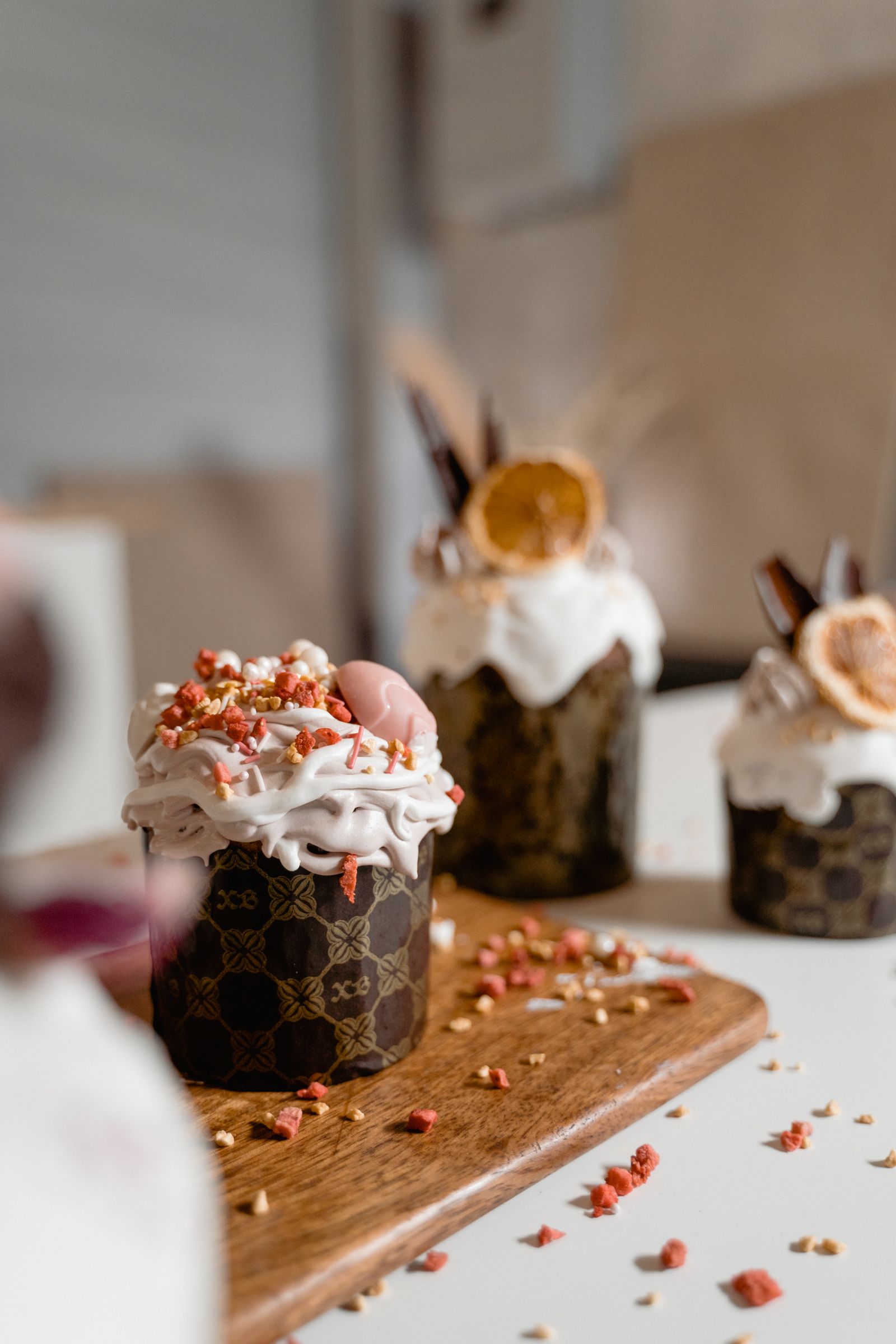
17. der Osterzopf (the Easter braid) — the plaited yeast loaf of the season. Der Osterzopf duftet nach Butter. (The Easter braid smells of butter.)
18. das Osterbrot (the Easter bread) — Oster- + das Brot (bread). Das Osterbrot backen wir selbst. (We bake the Easter bread ourselves.)
19. das Osterlamm (the Easter lamb cake) — a lamb-shaped sponge cake, not the animal. Das Osterlamm steht auf dem Festtisch. (The Easter lamb cake stands on the festive table.)
20. der Osterbrunch (the Easter brunch) — the long, late-morning feast. Der Osterbrunch dauert bis zum Nachmittag. (The Easter brunch lasts until the afternoon.)
21. das Ostergebäck (the Easter baked goods) — the collective word for all holiday baking. Das Ostergebäck schmeckt am besten frisch. (The Easter baked goods taste best fresh.)
22. das Osteressen (the Easter meal) — Oster- + das Essen (meal). Das Osteressen ist der Höhepunkt des Tages. (The Easter meal is the highlight of the day.)
23. der Eierlikör (the egg liqueur) — die Eier + der Likör (liqueur), the classic Easter drink. Der Eierlikör gehört zu Ostern dazu. (Egg liqueur belongs to Easter.)
Spring and Nature Around Easter
Easter falls in spring, and the two belong together in German. These words connect the holiday to the waking world outside — continue with our German spring words for the full seasonal set.
24. der Frühling (spring) — the season itself. Der Frühling weckt die Natur auf. (Spring wakes nature up.)
25. der Frühlingsbeginn (the start of spring) — der Frühling + der Beginn (beginning). Der Frühlingsbeginn fällt auf den März. (The start of spring falls in March.)
26. die Frühlingsblume (the spring flower) — der Frühling + die Blume (flower). Die Frühlingsblume blüht im Garten. (The spring flower blooms in the garden.)
27. die Osterglocke (the daffodil) — literally “Easter bell”, Oster- + die Glocke (bell). Die Osterglocke läutet den Frühling ein. (The daffodil rings in spring.)
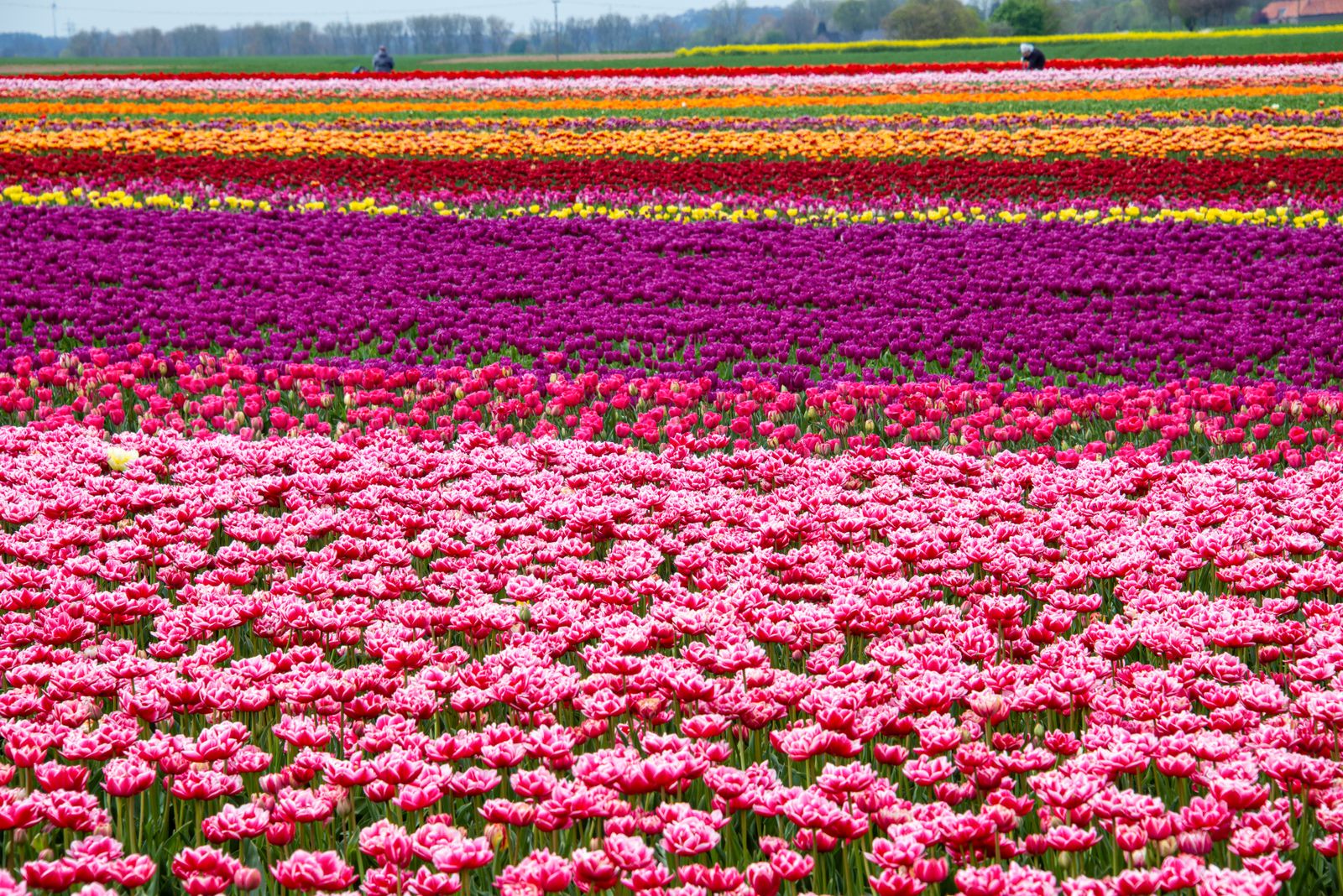
28. die Tulpe (the tulip) — a spring classic in German gardens. Die Tulpe steht in der Vase. (The tulip stands in the vase.)
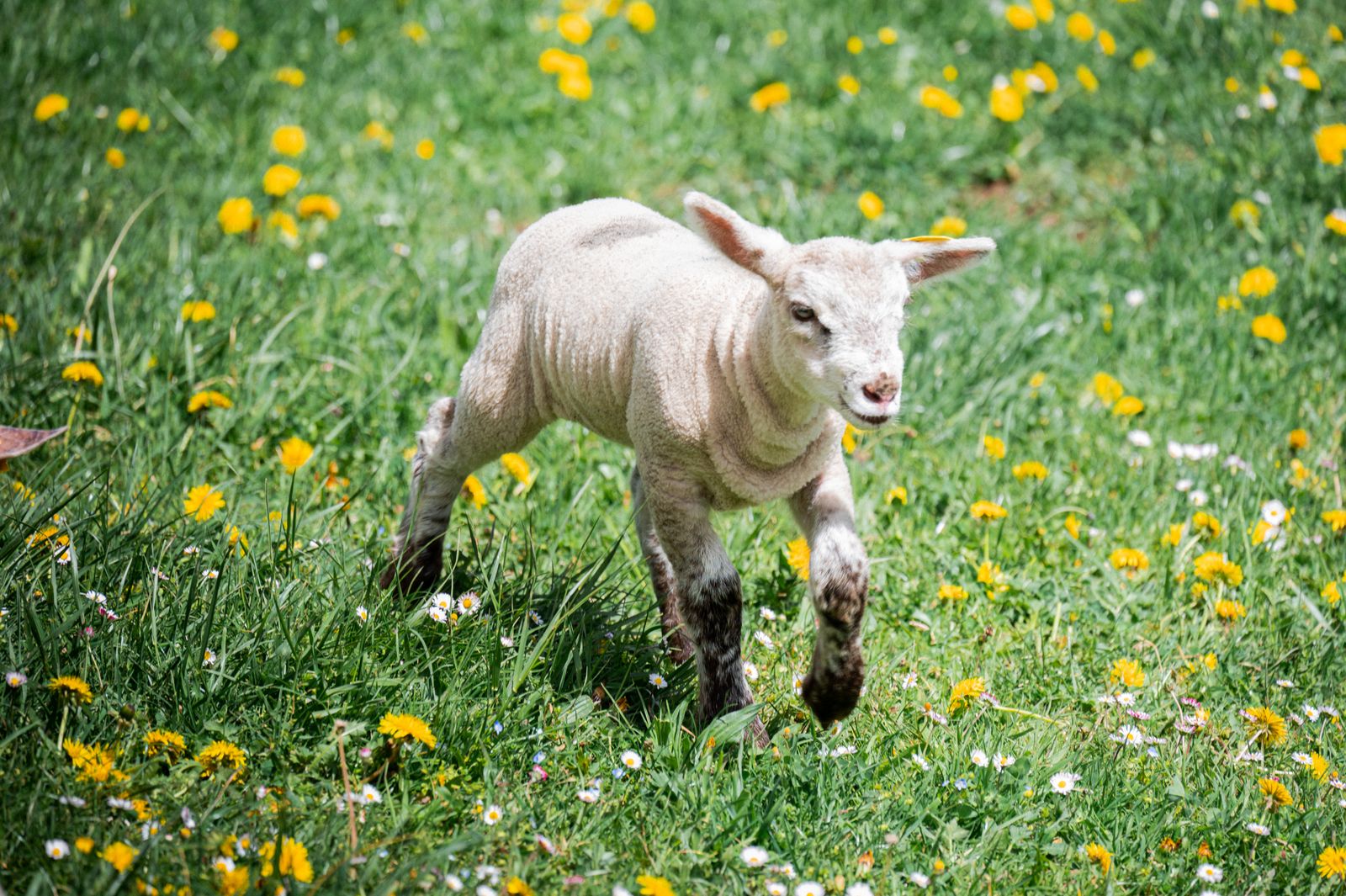
29. das Lamm (the lamb) — the living symbol of Easter. Das Lamm springt über die Wiese. (The lamb jumps across the meadow.)
30. das Küken (the chick) — the fluffy symbol on every Easter card. Das Küken piepst im Nest. (The chick chirps in the nest.)
German Easter Words for Traditions and Customs
From hilltop bonfires to candlelit churches, these words carry the customs Germans love at Easter.
31. das Osterfeuer (the Easter bonfire) — Oster- + das Feuer (fire). Das Osterfeuer brennt auf dem Hügel. (The Easter bonfire burns on the hill.)
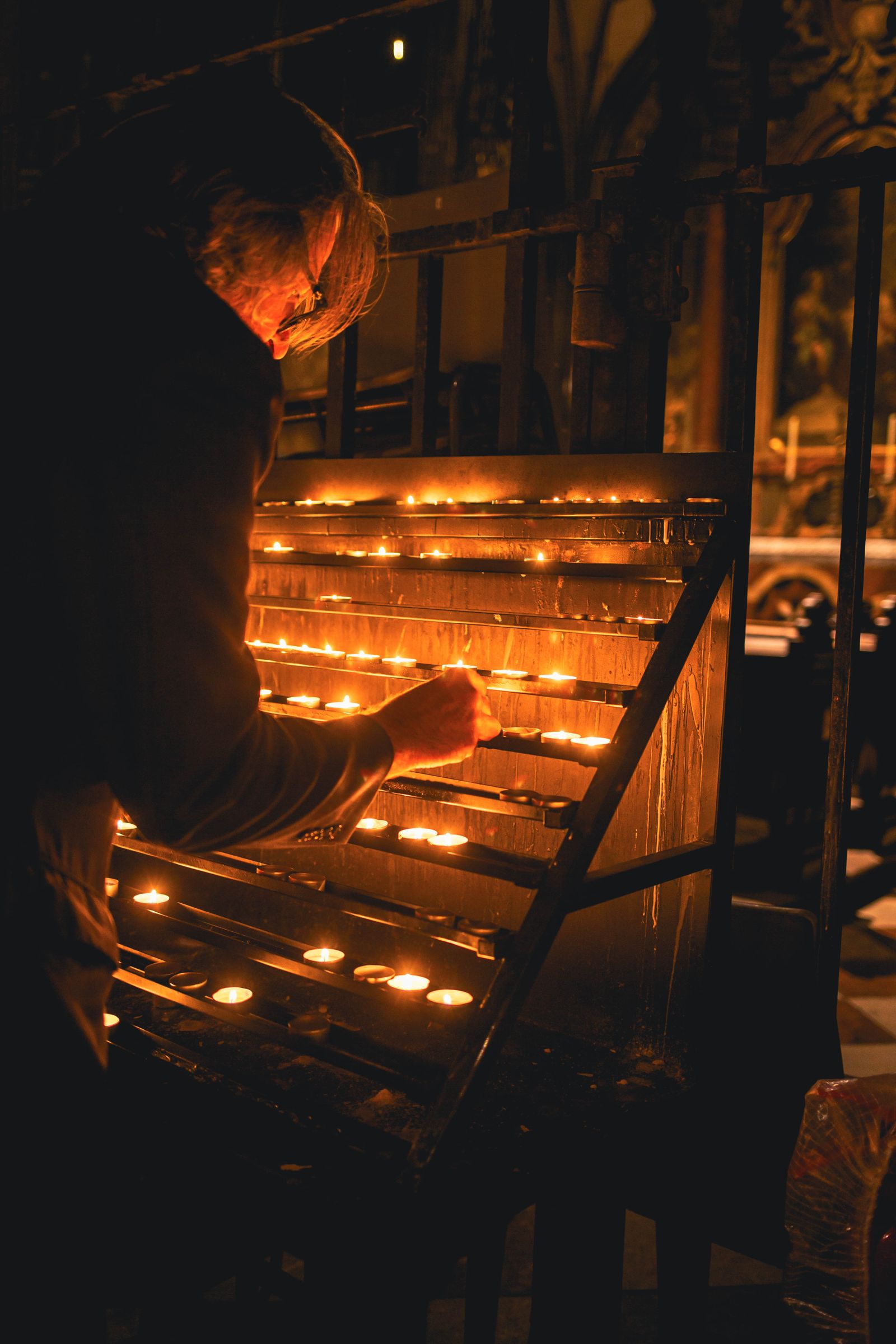
32. die Osterkerze (the Easter candle) — Oster- + die Kerze (candle). Die Osterkerze leuchtet in der Kirche. (The Easter candle glows in the church.)
33. die Osterdekoration (the Easter decoration) — all the festive ornaments. Die Osterdekoration hängt an den Zweigen. (The Easter decoration hangs on the branches.)
34. der Ostergruß (the Easter greeting) — Oster- + der Gruß (greeting); the classic is Frohe Ostern! Der Ostergruß steht auf der Karte. (The Easter greeting is on the card.)
35. die Osterferien (the Easter holidays) — plural; the school break around Easter. Die Osterferien verbringen wir am Meer. (We spend the Easter holidays at the sea.)
36. der Ostermarkt (the Easter market) — Oster- + der Markt (market). Der Ostermarkt verkauft Kunsthandwerk. (The Easter market sells handicrafts.)
The Religious Heart: Easter Words of Faith
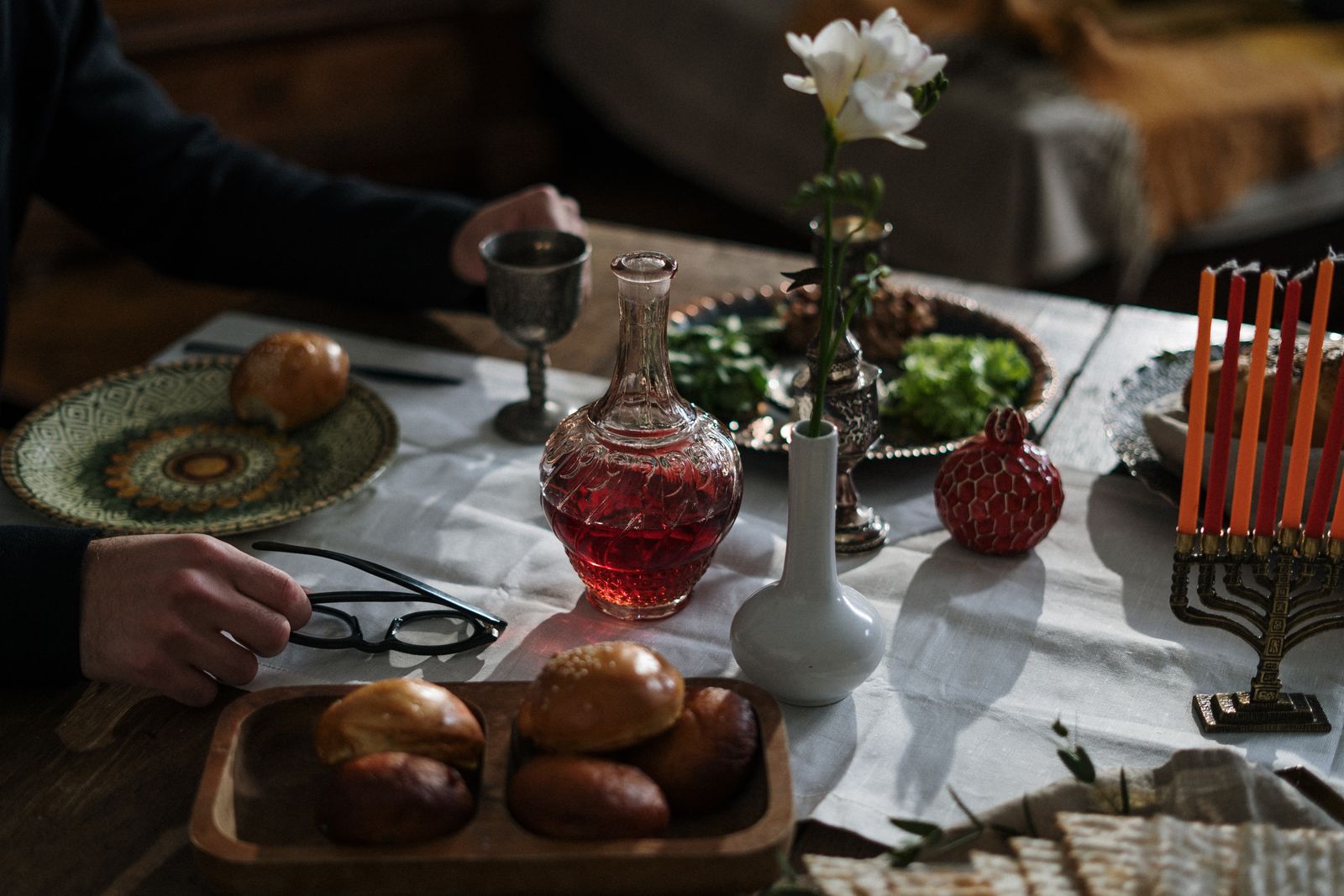
At its core, Easter is a Christian feast. These four words name its sacred center.
37. die Auferstehung (the resurrection) — auf- (up) + Erstehung (rising). Die Auferstehung feiern die Christen. (Christians celebrate the resurrection.)
38. die Kreuzigung (the crucifixion) — das Kreuz (cross) + -igung. Die Kreuzigung geschah am Karfreitag. (The crucifixion happened on Good Friday.)
39. das Abendmahl (the Last Supper) — der Abend (evening) + das Mahl (meal). Das Abendmahl fand am Gründonnerstag statt. (The Last Supper took place on Maundy Thursday.)
40. der Ostergottesdienst (the Easter church service) — Oster- + der Gottesdienst (service). Der Ostergottesdienst beginnt früh am Morgen. (The Easter church service begins early in the morning.)
Pronunciation Tips for These Easter Words
German Easter words are a cheerful pronunciation workout. Say each word out loud as you review the list:
- The ch in der Osterhase and der Schokohase: after a, o, and u it is a throaty sound, like gently clearing your throat — OH-ster-hah-zeh, SHO-ko-hah-zeh.
- The z in das Osternest and die Kreuzigung: always pronounced “ts” — OST-er-nest, KROY-tsi-gung.
- The ei in das Osterei and die Eiersuche: like the “i” in “like” — OST-er-eye, EYE-er-zoo-kheh.
- The ü in der Frühlingsbeginn and der Ostergruß: round your lips for “oo” but say “ee” — froo-lings-beh-gin, OST-er-grooss.
- The eu in das Osterfeuer: pronounced “oy” — OST-er-foy-er.
- The linking -s- in der Ostersonntag and der Ostermontag: Ostern + Sonntag are joined with a little bridge -s- — listen for it in OST-er-zon-tahk.
How German Easter Words Are Built: Compound Breakdowns
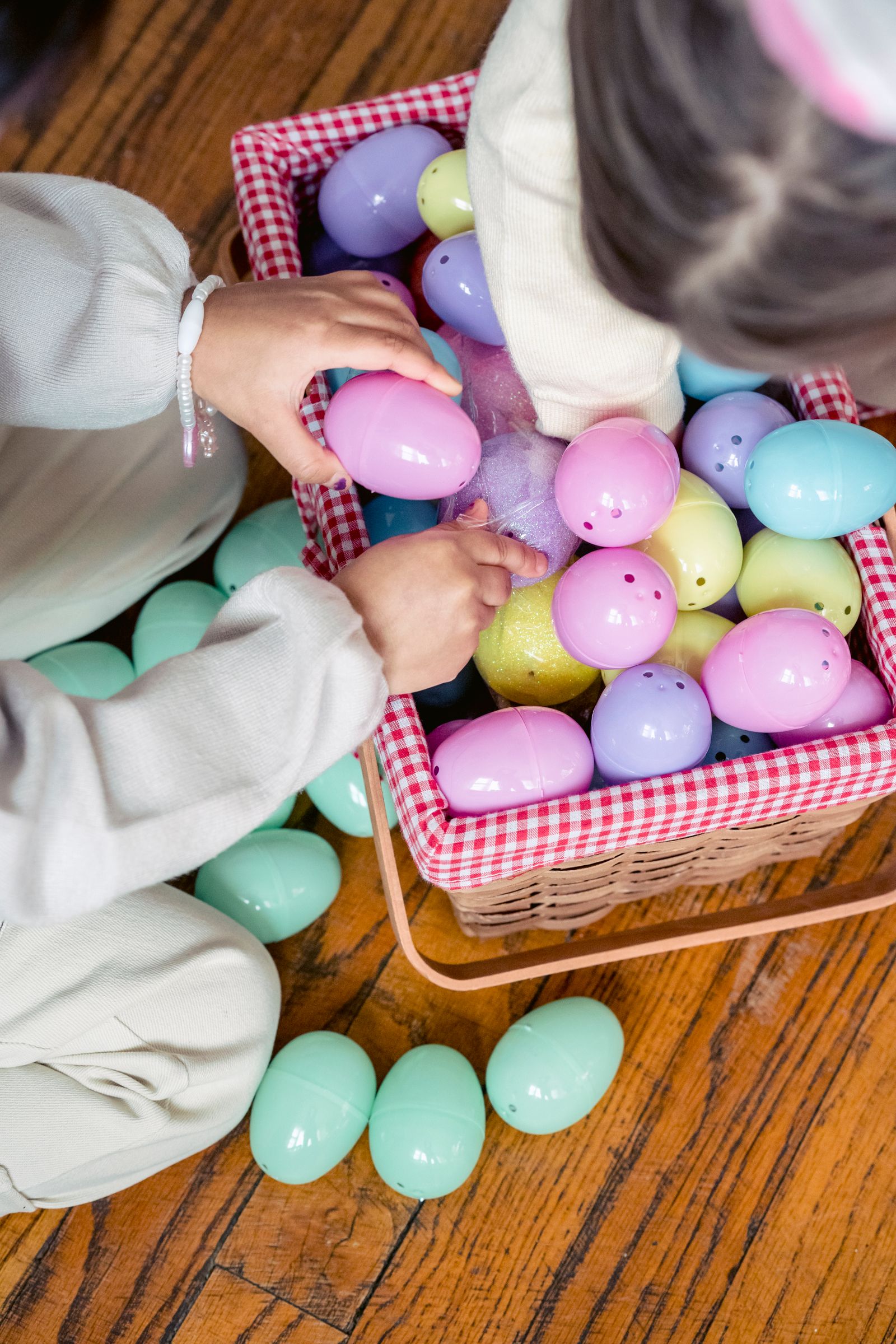
Nearly every word above is a compound, and German compounds hand you their gender on a plate: the LAST part decides. Oster- + der Hase gives der Osterhase (masculine, because der Hase is). Oster- + das Ei gives das Osterei (neuter, because das Ei is). Die Eier + die Suche gives die Eiersuche (feminine, because die Suche is). Watch for the plural first part — Eier, not Ei — and for the linking -s- in Oster-s-onntag and Oster-s-montag. Longer chains work the same way: die Schokolade + das Ei becomes das Schokoladenei (neuter, from das Ei), and der Abend + das Mahl becomes das Abendmahl (neuter, from das Mahl). Once you see the pattern, these compounds decode themselves — learn the full system in our guide to how German compound words work.
Word-Game Corner: Easter Words for Scrabble and Wordle
These Easter words are a secret weapon in German word games. In German Scrabble, Z is worth 10 points — and this list hands you der Osterzopf, das Osternest, and die Kreuzigung. The ü in der Frühlingsbeginn and der Ostergruß is worth 6 points, and long compounds like der Ostergottesdienst can stretch across the whole board for a bingo-style play. Short words like das Lamm, der Eierlikör, and der Schokohase fit neatly into tight corners.
For German Wordle players, this list is full of five-letter gold: Hase, Tulpe, Küken, Feuer, and Kerze are all perfect-length guesses straight from the list above — mine these Easter words for festive guesses all spring. Sharpen your opening with our best German Wordle starting words, then come back and play the holiday.
Key Takeaways: 40 German Easter Words to Remember
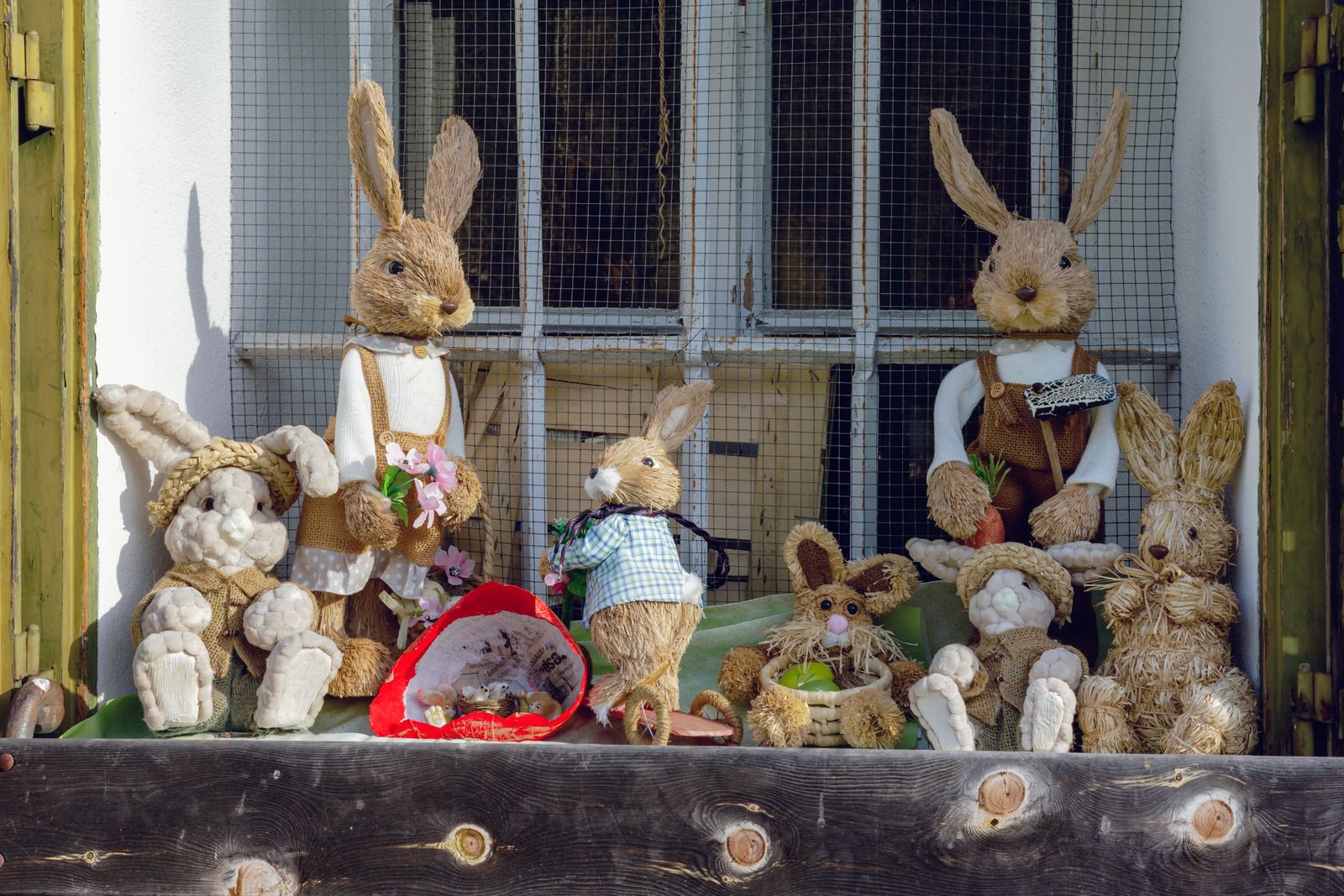
These 40 German Easter words give you everything you need to celebrate spring auf Deutsch — from der Osterhase and das Osterei to der Osterzopf and das Osterfeuer. Three things will make this vocabulary stick:
- Learn the article with the word. Der, die, or das is part of the word itself, and a compound’s gender always comes from its LAST part — das Osterei is neuter because das Ei is.
- Decode compounds instead of memorizing them. Once you see that der Osterhase is just Oster- + der Hase, dozens of new words unlock themselves.
- Connect words to real moments. Hide das Osternest for die Eiersuche, light die Osterkerze in the evening, and wish Frohe Ostern! at the Osterbrunch.
Add one new Easter word in German to a notebook each day of die Osterzeit — by spring’s end, you will own the whole festive set. Frohe Ostern!
Conclusion
These 40 words open the door into Germany’s brightest spring festival — the hidden nests, the hilltop bonfires, the braided bread, and the quiet joy of the resurrection morning. Work through this list slowly, speak every word out loud, and try one new word at your own Easter table next spring. If you enjoyed this seasonal list, our German autumn words keep the seasonal vocabulary going all year round. Viel Spaß beim Lernen!