

German Spring Words: 40 Terms with Meanings & Examples
Spring is the season when German gets beautiful fast — and German spring words are some of the most delightful vocabulary you will ever learn. From the first Schneeglöckchen pushing through the snow to the Maibaum dancing at the end of May, German spring vocabulary captures the whole season of renewal in words that are fun to say and easy to remember. In this guide you will find 40 German spring words with the correct der/die/das article, a clear English meaning, and a real example sentence with its translation. The list is organized into five handy groups: nature and flowers, spring weather, the garden, Easter and spring traditions, and spring animals. You will also learn how spring compound words are built, pick up pronunciation tips, and get Scrabble and Wordle ideas. Pull on your Gummistiefel and let’s go.
German Spring Words for Nature and Flowers: From der Frühling to die Frühlingswiese
Few things say spring louder than the first blossoms, and German spring words for nature are wonderfully literal — die Frühlingsblume and die Frühlingswiese are simply Frühling glued onto the thing they describe. Learning each flower name together with its article is one of the fastest ways to make der/die/das stick. Several of these also appear in our German nature cognates roundup.
1. der Frühling (the spring) — the season itself and the anchor word for this list. Der Frühling beginnt im März. (Spring begins in March.)
2. das Schneeglöckchen (the snowdrop) — the first flower of the year, blooming through snow. Das Schneeglöckchen blüht schon im Februar. (The snowdrop already blooms in February.)
3. der Krokus (the crocus) — the cup-shaped flower that opens in the first warm sun. Der Krokus öffnet seine Blüten bei Sonne. (The crocus opens its blossoms in sunshine.)
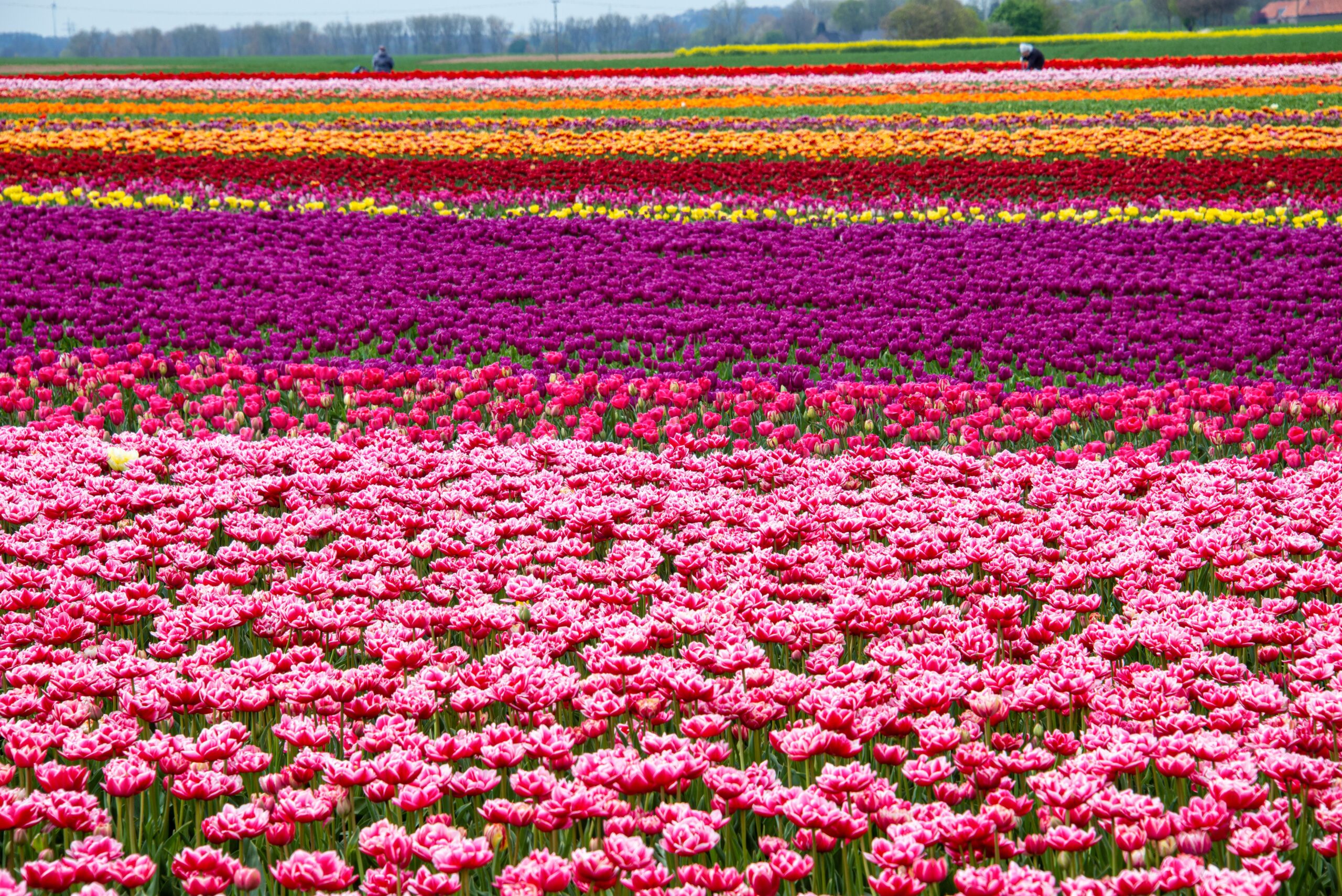
4. die Tulpe (the tulip) — the star of every spring garden and flower field. Die Tulpe wächst in vielen Farben. (The tulip grows in many colors.)
5. die Narzisse (the daffodil) — the yellow trumpet flower that heralds Easter. Die Narzisse duftet herrlich im Garten. (The daffodil smells wonderful in the garden.)
6. das Gänseblümchen (the daisy) — literally “little goose flower,” the tiny meadow bloom. Das Gänseblümchen blüht auf der Wiese. (The daisy blooms in the meadow.)
7. die Magnolie (the magnolia) — the ornamental tree with large spring blossoms. Die Magnolie trägt große weiße Blüten. (The magnolia bears large white blossoms.)
8. die Frühlingsblume (the spring flower) — the general word for any blossom of the season. Die Frühlingsblume bringt Farbe in den Garten. (The spring flower brings color to the garden.)
9. die Frühlingswiese (the spring meadow) — a meadow at its springtime best. Die Frühlingswiese ist voller bunter Blumen. (The spring meadow is full of colorful flowers.)
10. die Knospe (the bud) — the closed beginning of every blossom and leaf. Die Knospe öffnet sich langsam in der Sonne. (The bud slowly opens in the sun.)
Spring Weather Words: der Aprilschauer, das Tauwetter and More
If nature gives you the flowers, the sky gives you the drama — and German spring weather words are full of character. April is famously unpredictable in Germany (April, April, der macht, was er will — April does what it wants), and the language reflects that with words for sudden showers, melting snow, and the first real rainbows of the year. More sky talk in our German weather idioms guide.
11. der Frühlingsregen (the spring rain) — the gentle rain that wakes up the gardens. Der Frühlingsregen tut den Pflanzen gut. (Spring rain does the plants good.)
12. die Frühlingssonne (the spring sun) — the first truly warm sunshine after winter. Die Frühlingssonne wärmt mein Gesicht. (The spring sun warms my face.)
13. der Aprilschauer (the April shower) — the short, sudden downpour April is famous for. Der Aprilschauer überrascht jeden Wanderer. (The April shower surprises every hiker.)
14. das Tauwetter (the thaw) — the weather that melts the last winter snow. Das Tauwetter schmilzt den letzten Schnee. (The thaw melts the last of the snow.)
15. der Regenbogen (the rainbow) — literally “rain bow,” arcing across the spring sky. Der Regenbogen spannt sich über das Tal. (The rainbow arches over the valley.)
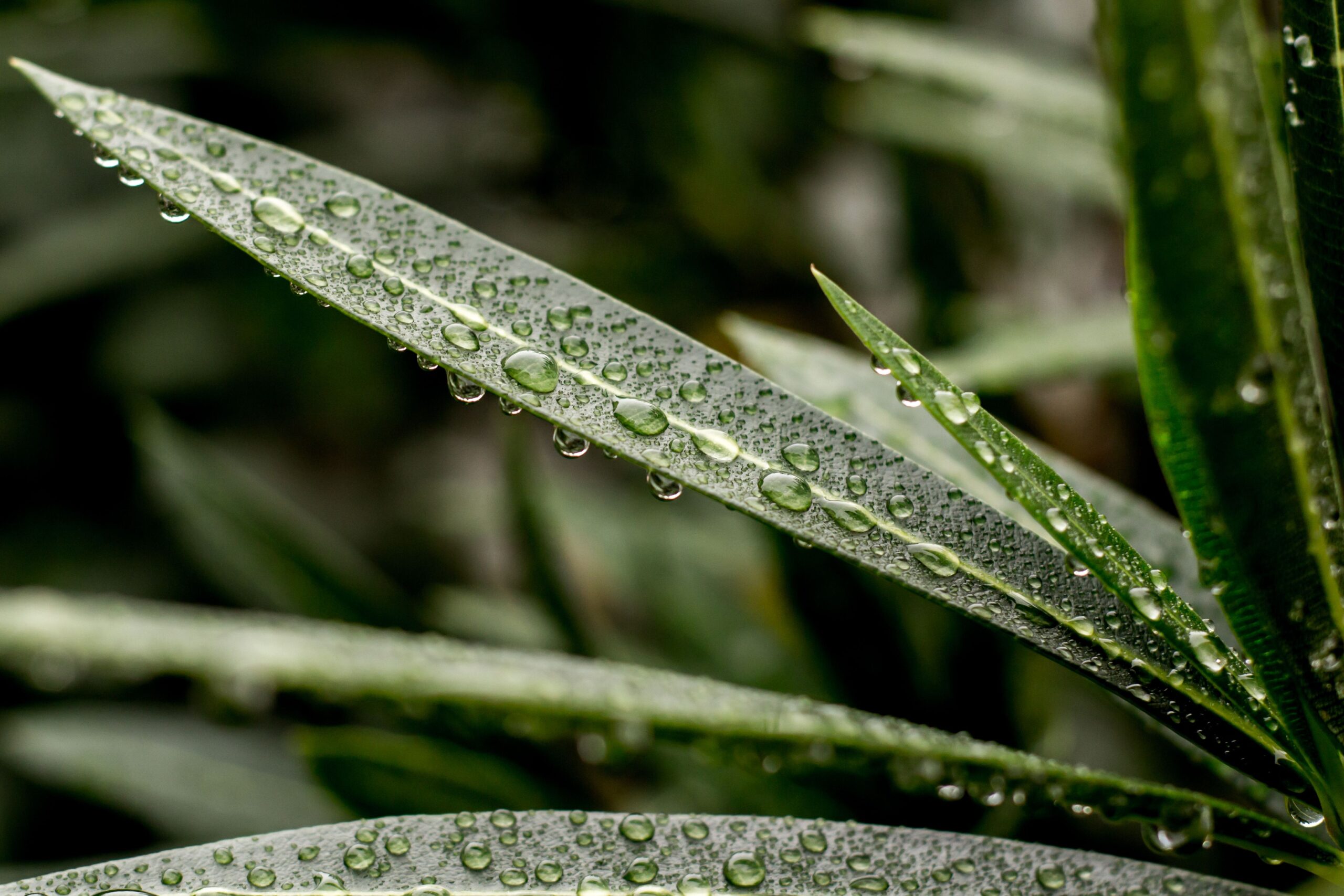
16. der Morgentau (the morning dew) — the sparkling moisture on spring grass at dawn. Der Morgentau glitzert auf dem Gras. (The morning dew glistens on the grass.)
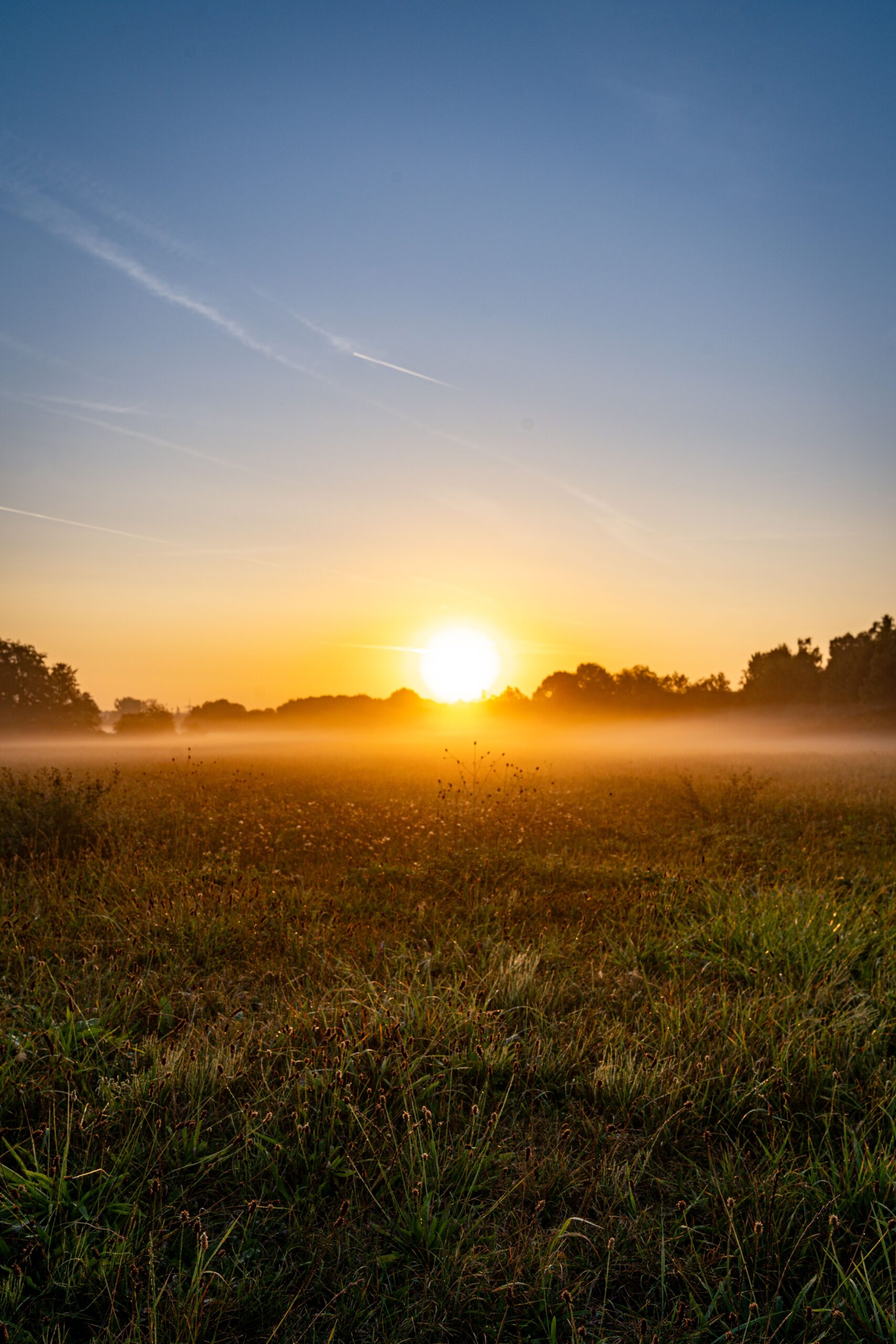
17. der Frühlingswind (the spring wind) — the mild breeze that carries pollen and petals. Der Frühlingswind trägt Blütenstaub durch die Luft. (The spring wind carries pollen through the air.)
18. die Tagundnachtgleiche (the spring equinox) — the day when day and night are equal. Die Tagundnachtgleiche markiert den Frühlingsanfang. (The equinox marks the beginning of spring.)
Garden and Growing Words: From die Aussaat to die Spargelzeit
Spring is gardening season in Germany, and the garden vocabulary is wonderfully practical — allotments and balcony planters spring to life across the country. These words cover the growing cycle from the first sowing to Germany’s beloved asparagus season. Many are compounds, and once you spot the building blocks — Aussaat, Beet, Schere — you can decode dozens of related terms. Our guide on how German compound words are built breaks the system down.
19. die Aussaat (the sowing) — the act of planting seeds in spring soil. Die Aussaat beginnt im April auf dem Balkon. (Sowing begins in April on the balcony.)
20. der Setzling (the seedling) — the young plant just sprouting from the seed. Der Setzling braucht viel Licht und Wasser. (The seedling needs a lot of light and water.)
21. das Hochbeet (the raised bed) — the elevated garden bed that warms up early. Das Hochbeet erwärmt sich schneller als der Boden. (The raised bed warms up faster than the ground.)
22. der Kompost (the compost) — the rich recycled material that feeds spring soil. Der Kompost versorgt die Erde mit Nährstoffen. (The compost supplies the soil with nutrients.)
23. die Gartenschere (the pruning shears) — the essential tool for trimming roses and bushes. Die Gartenschere schneidet die alten Rosen zurück. (The pruning shears cut the old roses back.)
24. der Frühlingsputz (the spring cleaning) — the traditional deep clean of house and garden. Der Frühlingsputz beginnt mit den Fenstern. (Spring cleaning starts with the windows.)
25. die Spargelzeit (the asparagus season) — the beloved white-asparagus season, late April to June. Die Spargelzeit startet Ende April in Deutschland. (Asparagus season starts at the end of April in Germany.)
Easter and Spring Traditions: das Osterei, der Osterhase and der Maibaum
Spring in Germany means Easter and May festivals, and the tradition words are pure joy — painted eggs, bonfires, and maypoles in every village square. These words open a window into how Germans celebrate the season, from die Karwoche (Holy Week) to die Walpurgisnacht at the end of April. Learn them before any spring visit to Germany. For the autumn festival side of the calendar, see our German Oktoberfest vocabulary.
26. das Osterfest (the Easter festival) — the Christian spring holiday and its celebrations. Das Osterfest feiern wir im Kreis der Familie. (We celebrate Easter with the family.)
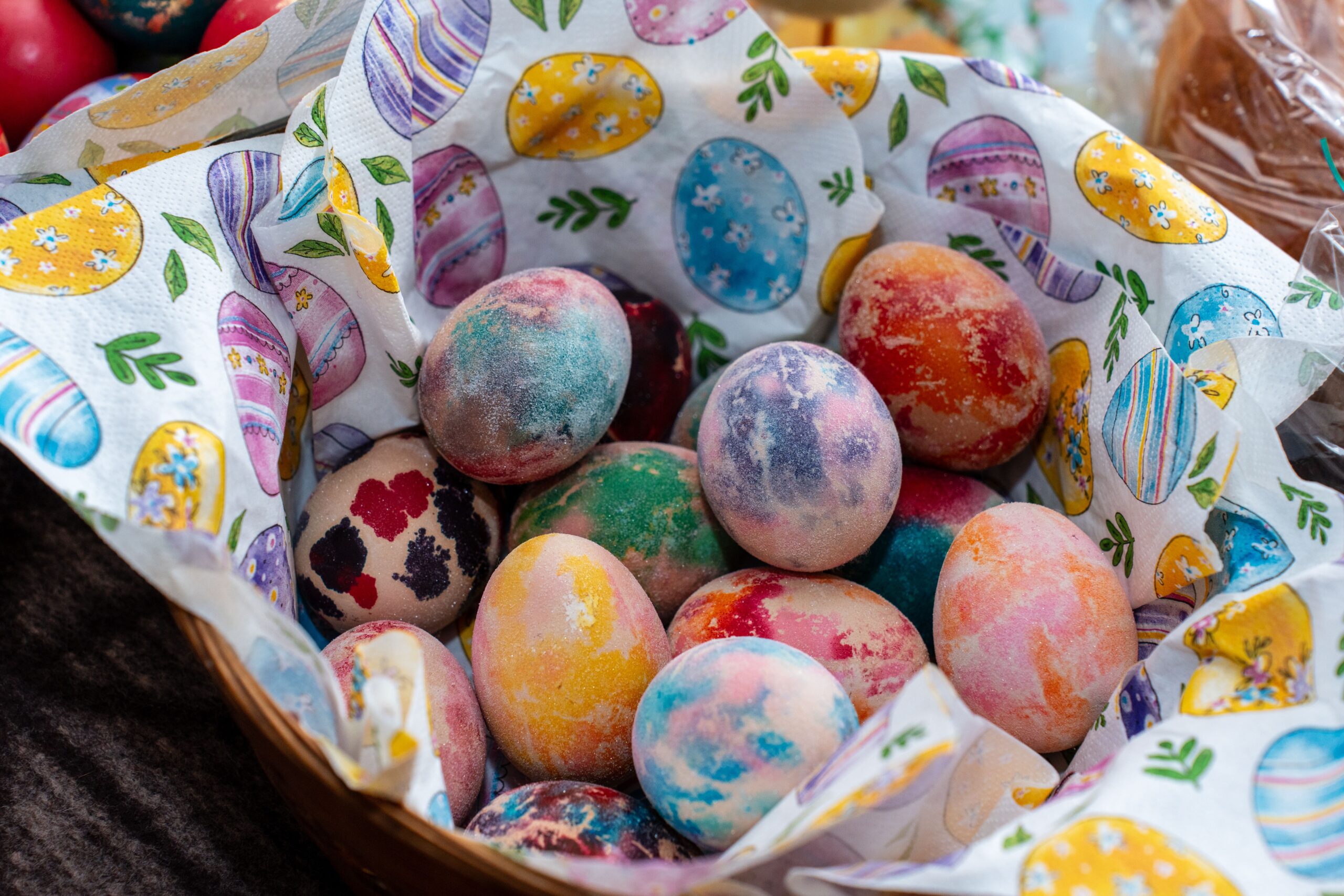
27. das Osterei (the Easter egg) — the painted or chocolate egg hidden for children. Das Osterei liegt im hohen Gras versteckt. (The Easter egg lies hidden in the tall grass.)
28. der Osterhase (the Easter bunny) — the hare who delivers Easter eggs in German tradition. Der Osterhase bringt den Kindern viele Süßigkeiten. (The Easter bunny brings the children lots of sweets.)
29. die Osterferien (the Easter holidays) — the school break around Easter in Germany. Die Osterferien dauern in den meisten Ländern zwei Wochen. (The Easter holidays last two weeks in most German states.)
30. das Osterfeuer (the Easter bonfire) — the traditional fire lit on Easter Saturday. Das Osterfeuer brennt auf dem Hügel über dem Dorf. (The Easter bonfire burns on the hill above the village.)
31. die Karwoche (the Holy Week) — the week before Easter, Palm Sunday to Easter Sunday. Die Karwoche beginnt mit dem Palmsonntag. (Holy Week begins with Palm Sunday.)
32. der Maibaum (the maypole) — the decorated tree trunk erected on May 1st. Der Maibaum wird am ersten Mai aufgestellt. (The maypole is erected on the first of May.)
33. die Walpurgisnacht (the Walpurgis Night) — the night of April 30th, with bonfires and folk traditions. Die Walpurgisnacht feiert man Ende April mit Feuer. (Walpurgis Night is celebrated at the end of April with fire.)
Spring Animals: die Schwalbe, der Schmetterling and das Lamm
The return of the swallows is the classic German sign of spring. The return of die Schwalbe is a classic German sign of spring, alongside the first butterflies, buzzing bees, and lambs in the pasture. They pair nicely with the animals in our German autumn words list, which continues the seasonal journey.
34. die Schwalbe (the swallow) — the bird whose return announces spring in German proverbs. Die Schwalbe kehrt im Frühling in ihr Nest zurück. (The swallow returns to its nest in spring.)
35. die Biene (the bee) — the busy pollinator of spring blossoms. Die Biene sammelt Nektar aus den ersten Blüten. (The bee collects nectar from the first blossoms.)
36. der Schmetterling (the butterfly) — the winged beauty dancing over spring meadows. Der Schmetterling tanzt über die bunte Wiese. (The butterfly dances over the colorful meadow.)
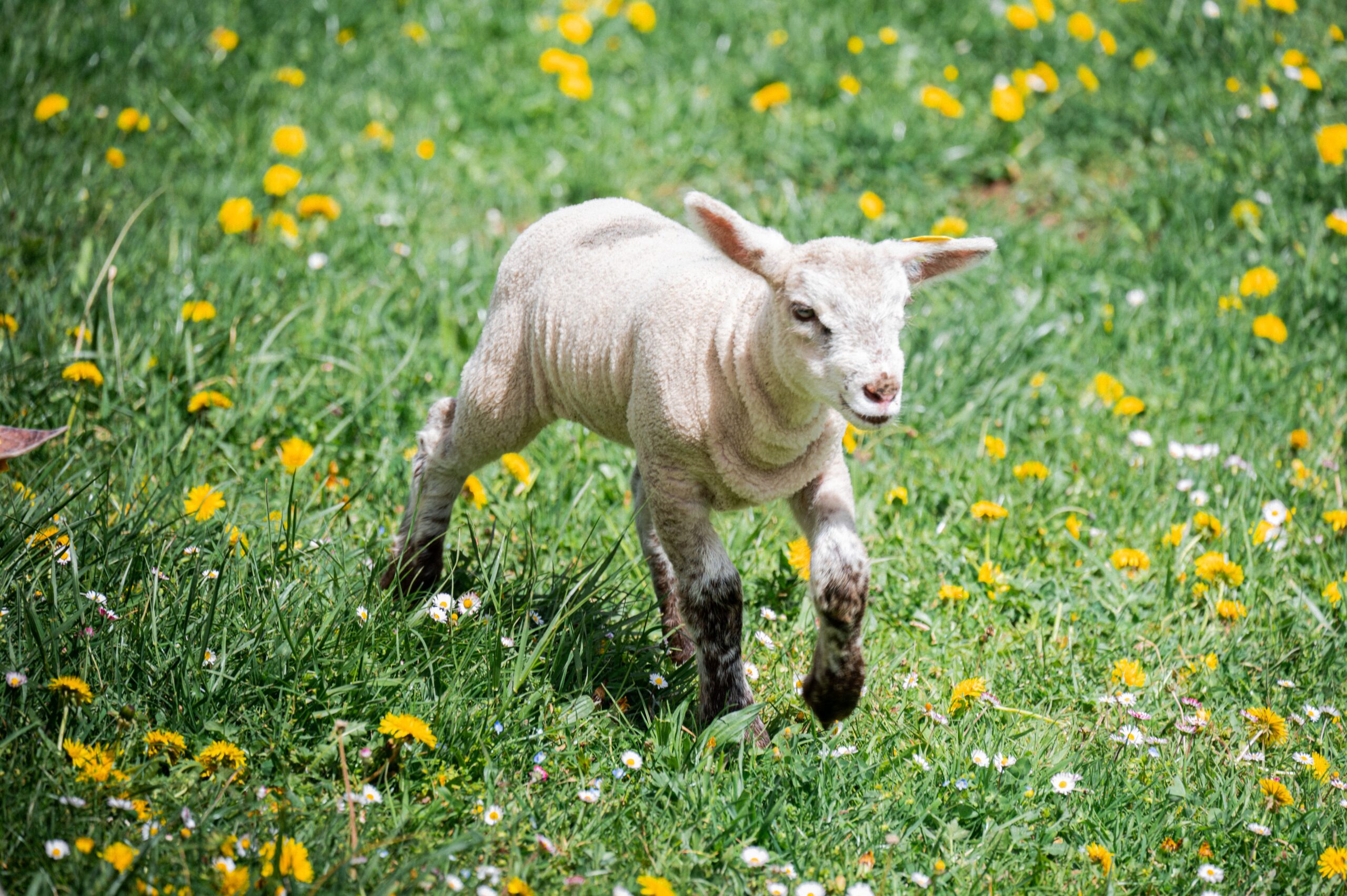
37. das Lamm (the lamb) — the young sheep bouncing across spring pastures. Das Lamm springt fröhlich über die Weide. (The lamb jumps happily across the pasture.)
38. das Küken (the chick) — the newly hatched baby bird of spring. Das Küken schlüpft aus dem warmen Ei. (The chick hatches from the warm egg.)
39. der Frosch (the frog) — the pond singer that wakes up with the warmth. Der Frosch quakt laut am kleinen Teich. (The frog croaks loudly at the small pond.)
40. die Kaulquappe (the tadpole) — the young frog before it grows legs. Die Kaulquappe wird bald ein Frosch sein. (The tadpole will soon be a frog.)
Spring Compound Words: How Germans Build Seasonal Vocabulary
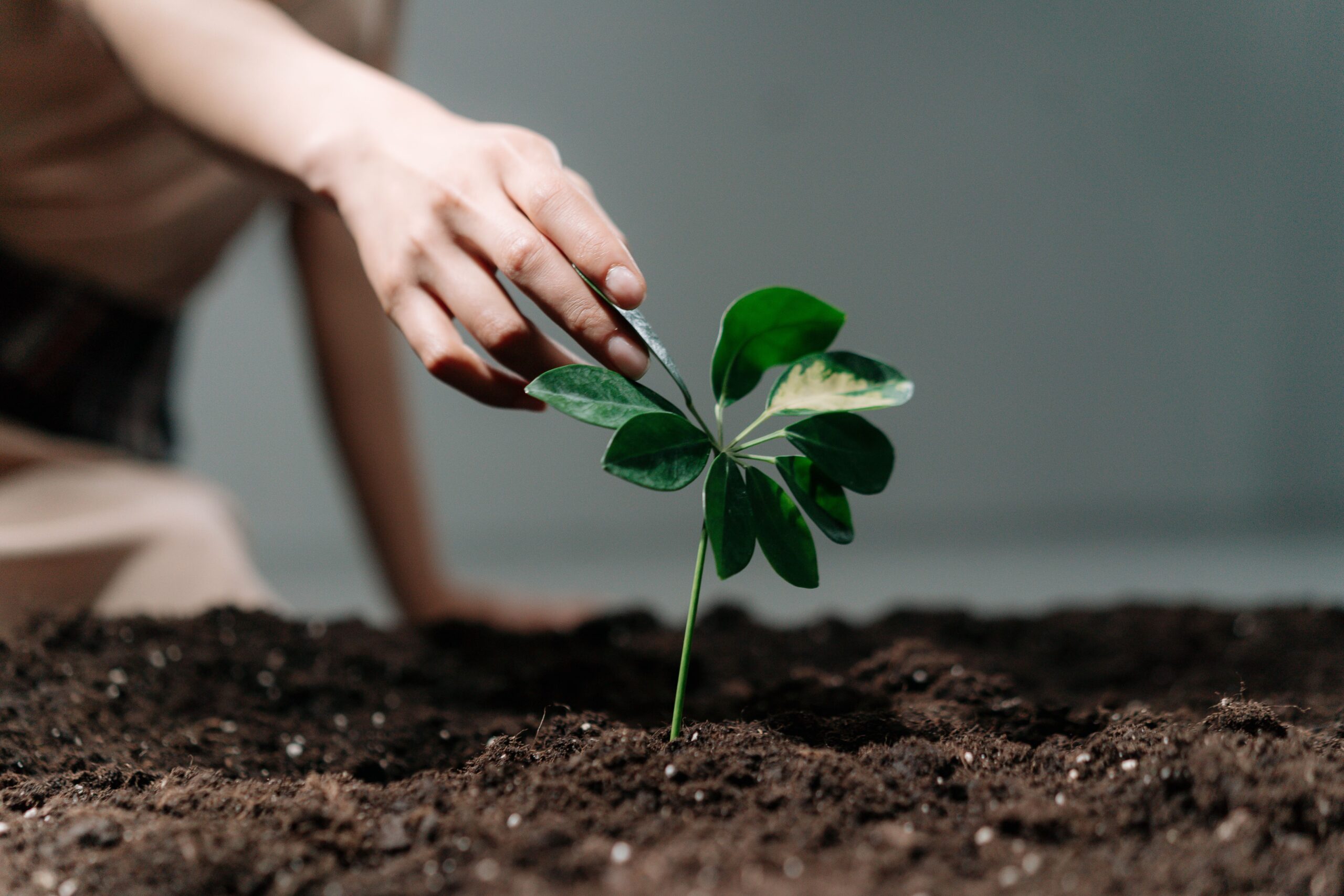
Here is the secret that makes all these German spring words so easy to learn: most of them are compounds. Frühlings- acts as a building block that snaps onto almost anything — Frühlingsregen (spring rain), Frühlingswind (spring wind), Frühlingsblume (spring flower). The rule is simple: the LAST word decides the gender and the core meaning, while the first part describes it. So die Sonne is feminine, which makes die Frühlingssonne feminine too; der Wind is masculine, giving you der Frühlingswind. Learn ten spring compounds and you can decode fifty more without a dictionary.
Pronunciation Tips for German Spring Vocabulary
The ü in der Frühling sounds like saying “ee” with rounded lips — stretch Früüühling slowly until it clicks. The ch in Frühling and Osterei is a soft, breathy sound (like a cat hissing softly), never the harsh Scottish loch sound. Watch out for die Schwalbe: sch is one sound like English “sh,” so it reads “SHVAL-buh.” In der Aprilschauer, the auer ending glides like “ow-uh” (ah-PRILL-show-uh). And die Tagundnachtgleiche looks terrifying but is just four small words — Tag + und + Nacht + Gleiche — sounded out piece by piece, perfectly manageable. Say every word in this list out loud at least once.
Word Game Corner: German Spring Words for Scrabble and Wordle
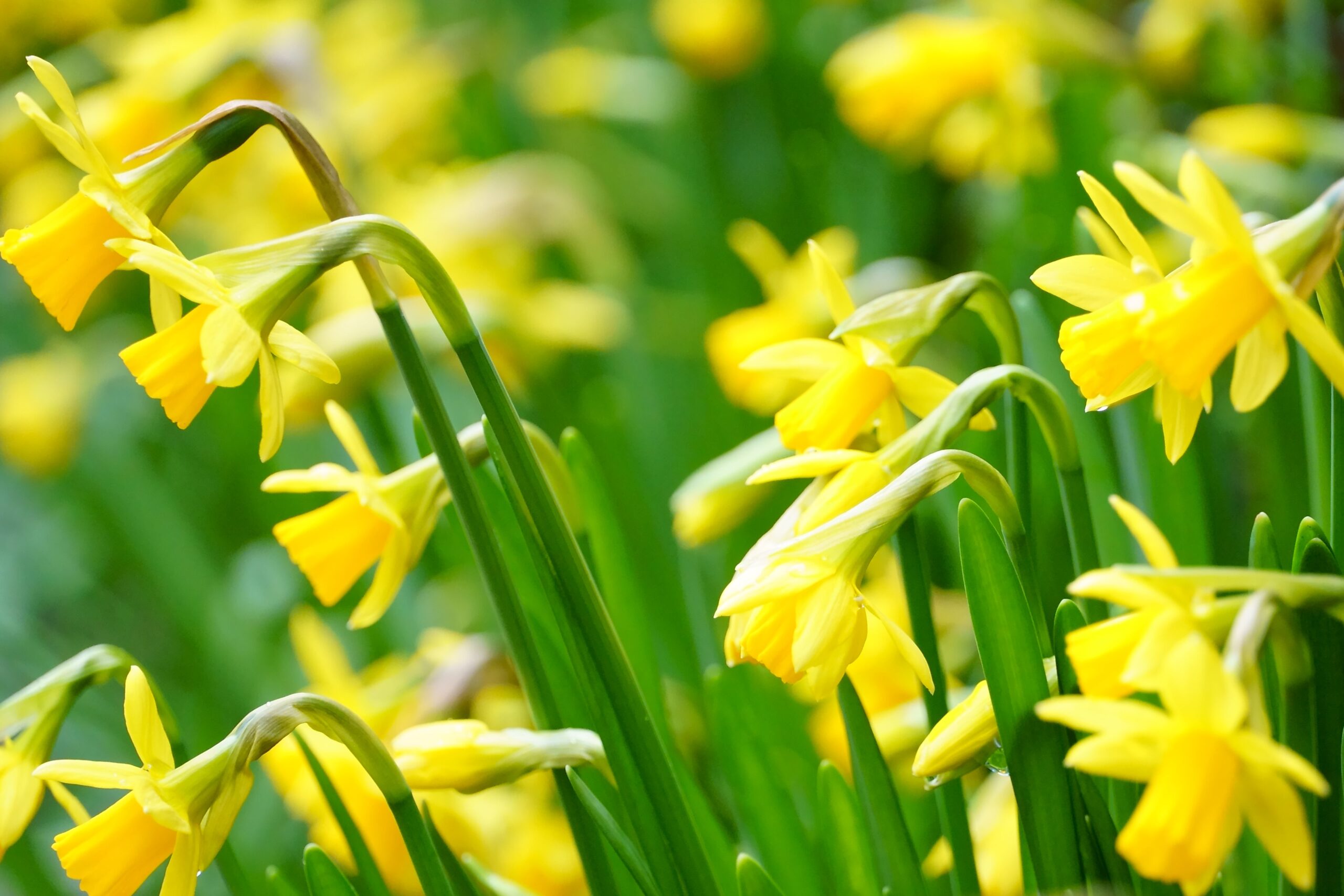
Spring vocabulary is gold for German word games. In German Scrabble, die Tulpe, der Krokus, and der Frosch are handy mid-length plays, while das Osterei makes a spectacular bingo word. Watch the umlauts: they are played as ue, so der Frühling becomes FRUEHLING on the board — still a monster score. For Wordle-style games, TULPE and KNOSPE offer excellent vowel balance. Full tile details: our German Scrabble rules page.
Key Takeaways: German Spring Words at a Glance
Learning these German spring words gives you more than seasonal small talk — it builds real German skills. You now know 40 genuine spring terms, each with its correct der/die/das article, from der Frühling and das Schneeglöckchen to der Maibaum and die Walpurgisnacht. You have seen how the Frühlings- prefix snaps onto other words to create instant compounds, why the last word in a compound decides its gender, and how to pronounce tricky sounds like ü and sch.
Conclusion
Spring vocabulary is one of the most rewarding corners of the German language — beautiful, practical, and useful from March through May. These 40 German spring words take you from the first snowdrop to the Maypole, covering nature, weather, gardens, Easter traditions, and the animals that return with the warmth. Keep the compound rule in mind and spring words start inventing themselves: Frühlingsmorgen (spring morning), Frühlingsgefühle (springtime feelings). Continue your seasonal journey with our German winter words list, and keep growing your German.