

German Autumn Words: 40 Words with Meanings & Examples
Few seasons are as rich in vocabulary as autumn — and German autumn words capture the season beautifully, from misty mornings to harvest tables. Learning these Herbst words gives you far more than a seasonal word list: autumn vocabulary is packed with classic German compound words, so every new word you learn quietly teaches you the building blocks for dozens of others. In this guide you will find 40 German autumn words with correct der/die/das articles, English meanings, and short example sentences with translations, organized into four handy groups: nature, harvest and farm life, food and drink, and animals, weather, and traditions. Grab a Tasse Tee and let’s walk through the season — auf Deutsch.
German Autumn Words for Nature: From der Herbst to der goldene Oktober
Start with the season itself. These German autumn words describe what you see, hear, and smell when October arrives — falling leaves, morning fog, and forests going golden. Pay attention to the articles as you read; spotting the der/die/das pattern across a themed list is one of the fastest ways to internalize German noun gender. Many of these autumn vocabulary favorites also show up in our German nature cognates roundup, which pairs beautifully with this list.
1. der Herbst (the autumn / fall) — the season itself, and your anchor word for this whole list. Der Herbst ist meine Lieblingsjahreszeit. (Autumn is my favorite season.)
2. das Herbstblatt (the autumn leaf) — a single leaf in its fall colors. Ein Herbstblatt segelt durch die Luft. (An autumn leaf sails through the air.)
3. das Herbstlaub (the autumn foliage) — the collective word for fallen leaves. Das Herbstlaub raschelt unter meinen Schuhen. (The autumn foliage rustles under my shoes.)
4. der Herbstwind (the autumn wind) — the crisp wind that carries leaves down the street. Der Herbstwind pfeift um das Haus. (The autumn wind whistles around the house.)
5. der Nebel (the fog) — the signature weather of October mornings. Der Nebel liegt über dem Feld. (The fog lies over the field.)
6. das Moos (the moss) — damp and green in autumn forests. Das Moos wächst auf dem alten Stein. (The moss grows on the old stone.)
7. das Spinnennetz (the spiderweb) — beaded with dew on autumn mornings. Das Spinnennetz glänzt in der Sonne. (The spiderweb glistens in the sun.)
8. die Eichel (the acorn) — the oak’s autumn seed, also a card suit in German card games. Die Eichel fällt vom Baum. (The acorn falls from the tree.)
9. die Buchecker (the beechnut) — the small nut of the beech tree, a forest-floor classic. Die Bucheckern liegen überall im Wald. (The beechnuts lie all over the forest.)
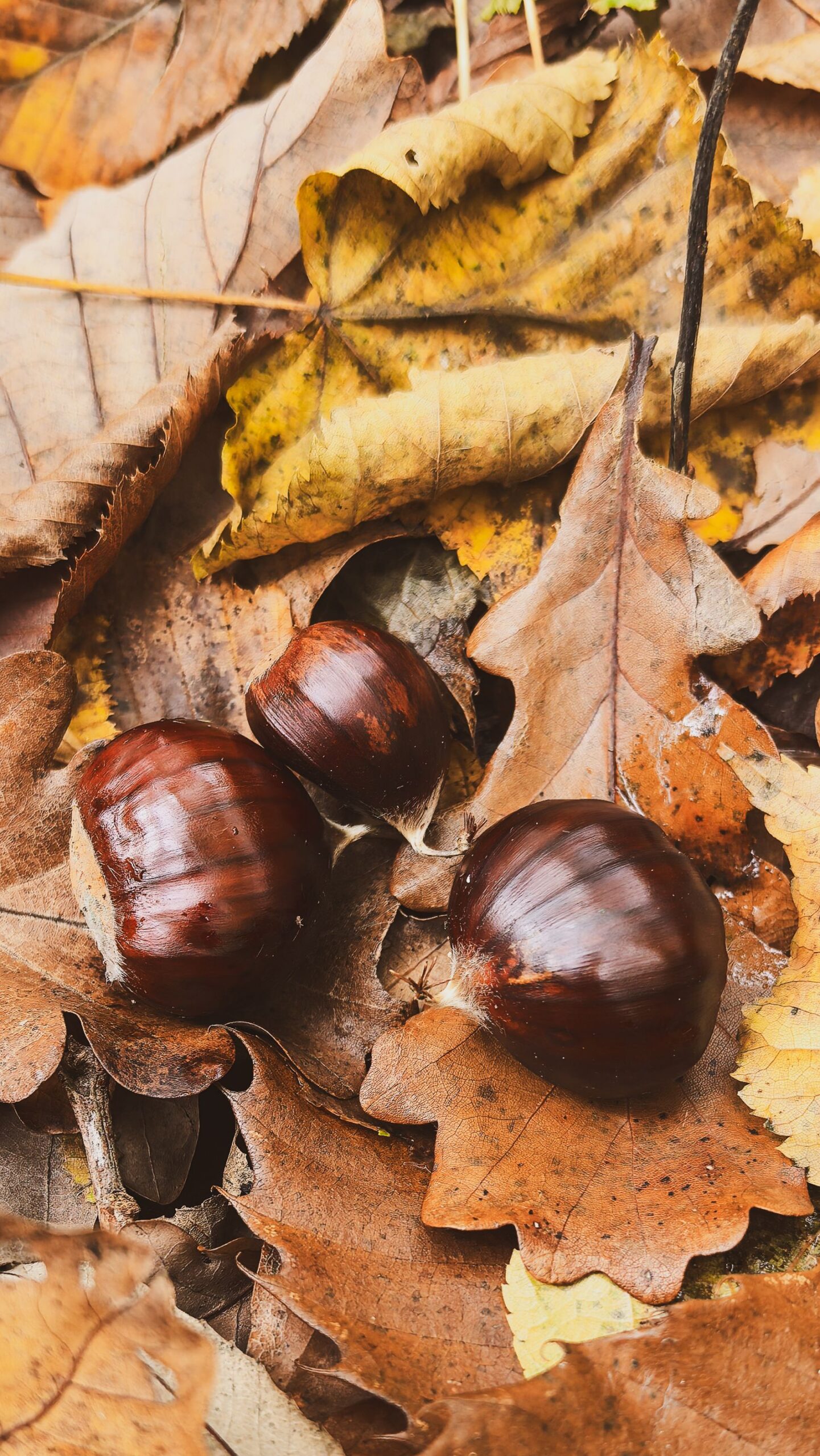
10. die Kastanie (the chestnut) — roasted, they are the street snack of autumn. Die Kastanie ist heiß und duftet süß. (The chestnut is hot and smells sweet.)
11. der Herbstanfang (the beginning of autumn) — the official start of the season. Der Herbstanfang bringt kühlere Tage. (The beginning of autumn brings cooler days.)
12. der goldene Oktober (the golden October) — the beloved German phrase for October’s golden weeks. Der goldene Oktober zeigt die schönsten Farben. (The golden October shows the most beautiful colors.)
German Harvest and Farm Words: The Season of die Ernte
No autumn vocabulary list is complete without the harvest. These farm and harvest words are some of the oldest in the German language, and they are full of satisfying compounds — Ernte (harvest) plus Dank (thanks) plus Fest (festival) gives you one of the longest and most useful words on this list. If compounds fascinate you, our guide to how German compound words are built breaks the whole system down.
13. die Ernte (the harvest) — the gathering of crops, the heart of autumn farming. Die Ernte ist dieses Jahr sehr gut. (The harvest is very good this year.)
14. die Erntezeit (the harvest season) — the weeks of gathering crops. In der Erntezeit arbeiten alle mit. (During the harvest season everyone helps out.)
15. das Erntedankfest (the harvest thanksgiving festival) — celebrated on the first Sunday in October in Germany. Das Erntedankfest feiern wir mit der Familie. (We celebrate the harvest thanksgiving festival with family.)
16. der Weinberg (the vineyard) — where the wine harvest happens in regions like the Pfalz and Mosel. Der Weinberg leuchtet in roten Farben. (The vineyard glows in red colors.)
17. die Weinlese (the grape harvest) — literally “wine reading,” the autumn picking of wine grapes. Die Weinlese beginnt im September. (The grape harvest begins in September.)
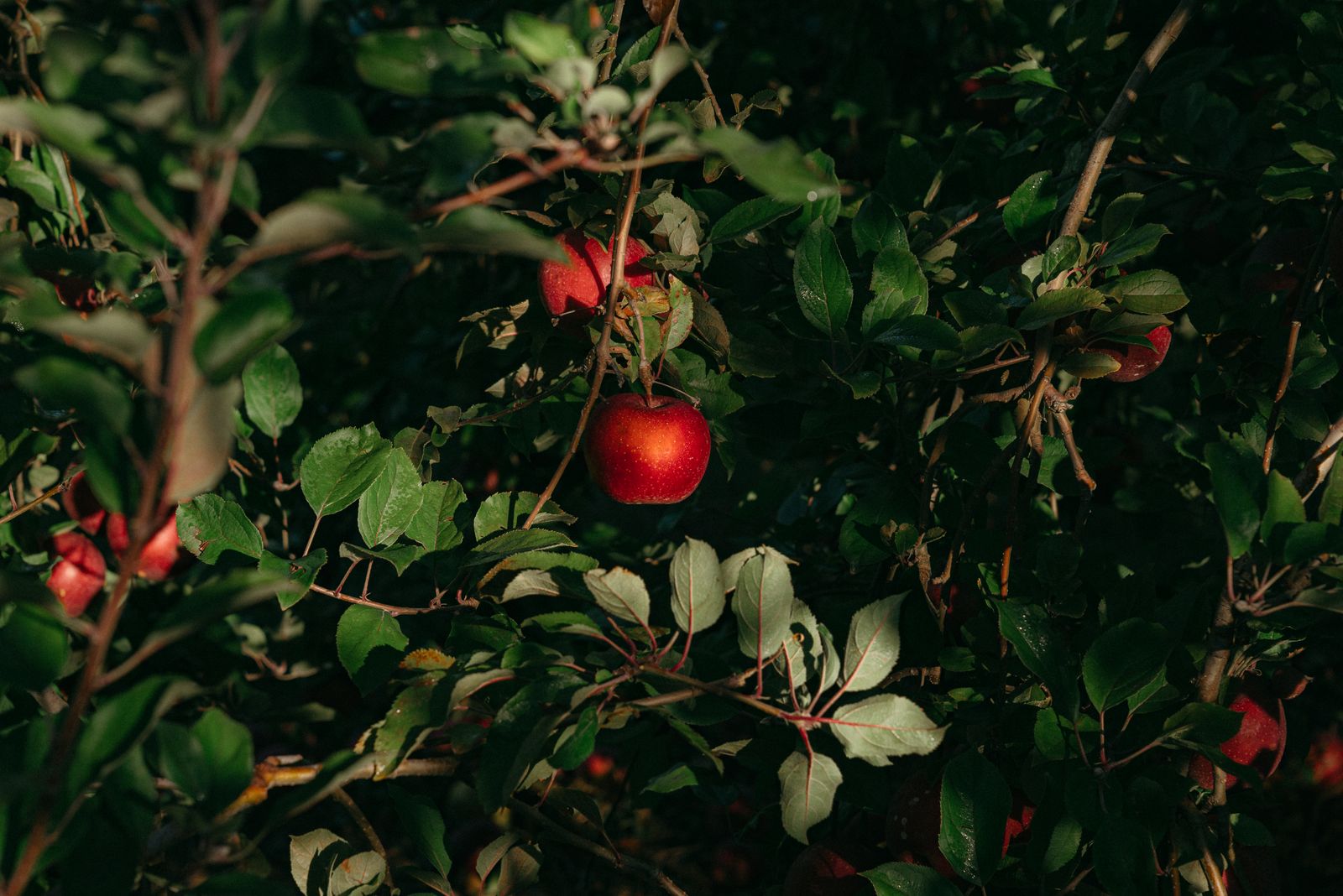
18. der Apfel (the apple) — the classic autumn fruit. Der Apfel schmeckt frisch und süß. (The apple tastes fresh and sweet.)
19. die Birne (the pear) — ripening right alongside the apples. Die Birne hängt schwer am Ast. (The pear hangs heavy on the branch.)
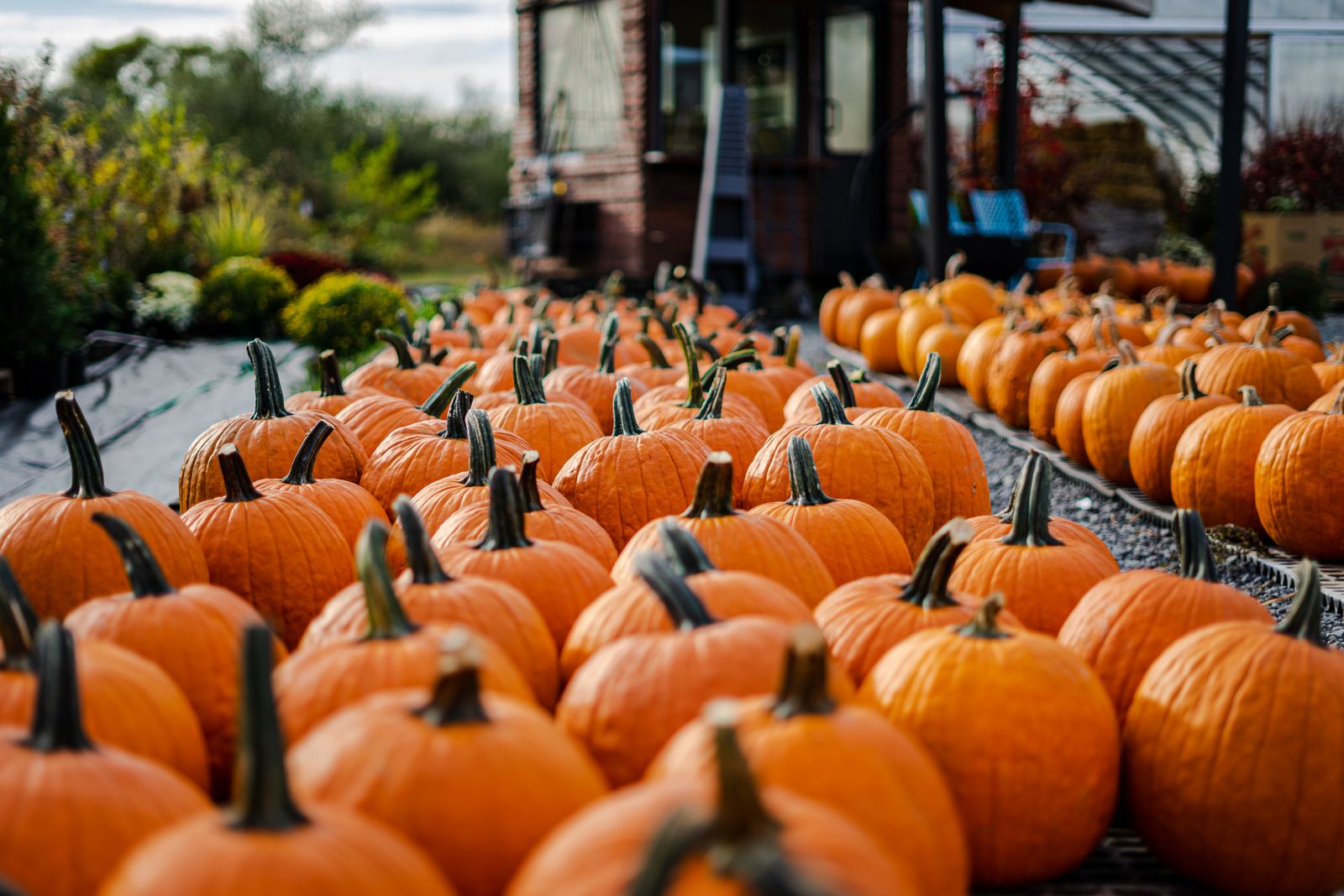
20. der Kürbis (the pumpkin) — the undisputed king of autumn produce. Der Kürbis liegt auf dem Markt. (The pumpkin lies at the market.)
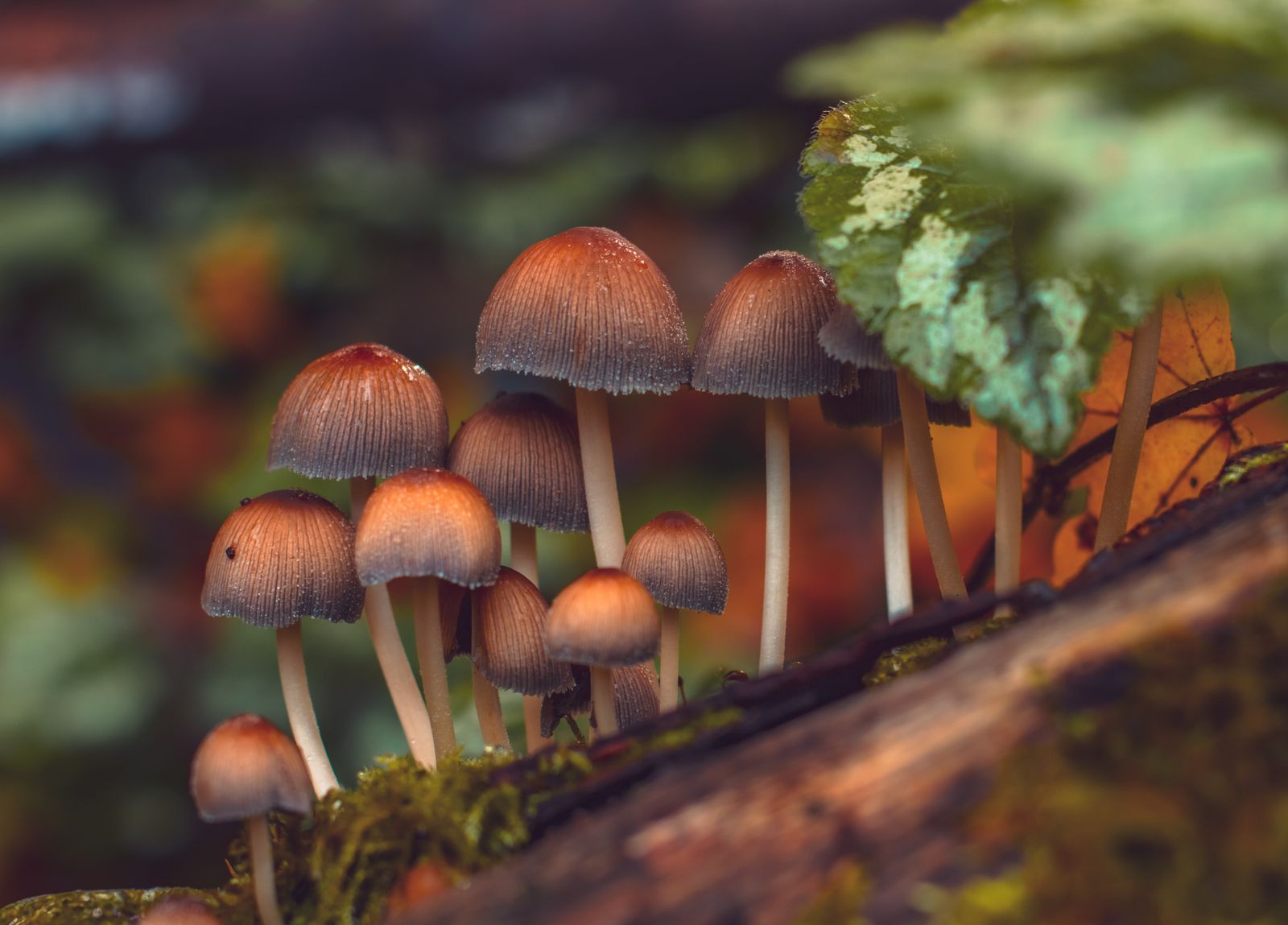
21. der Pilz (the mushroom) — autumn is peak mushroom season in German forests. Der Pilz wächst unter der Buche. (The mushroom grows under the beech tree.)
22. die Vogelscheuche (the scarecrow) — Vogel (bird) + scheuchen (to scare away), standing guard over the fields. Die Vogelscheuche steht mitten im Feld. (The scarecrow stands in the middle of the field.)
German Autumn Food and Drink Words
Autumn in Germany tastes like cinnamon, roasted chestnuts, and fresh-pressed apple juice. These food words are great dinner-table vocabulary — and several of them are delicious compound words you can decode piece by piece. For more tasty compounds, see our German food compound words collection.
23. die Kürbissuppe (the pumpkin soup) — the ultimate autumn comfort food. Die Kürbissuppe wärmt an kalten Tagen. (The pumpkin soup warms on cold days.)
24. der Apfelkuchen (the apple cake) — the star of every autumn Kaffeetafel. Der Apfelkuchen duftet nach Zimt. (The apple cake smells of cinnamon.)
25. der Pflaumenkuchen (the plum cake) — late-summer plums baked into autumn’s favorite sheet cake. Der Pflaumenkuchen ist mein Lieblingskuchen. (The plum cake is my favorite cake.)
26. der Zimt (the cinnamon) — the spice that defines autumn baking. Der Zimt verfeinert jeden Kuchen. (The cinnamon refines every cake.)
27. der Federweißer (the new wine) — the cloudy, young wine sold only in autumn. Der Federweißer schmeckt süß und frisch. (The new wine tastes sweet and fresh.)
28. das Kürbisfest (the pumpkin festival) — autumn fairs celebrating all things pumpkin. Das Kürbisfest lockt viele Besucher an. (The pumpkin festival attracts many visitors.)
German Autumn Animals, Weather, and Tradition Words
Animals prepare for winter, the rain returns, and beloved autumn traditions begin — from lantern parades to kite flying on windy October afternoons. This group mixes wildlife, weather gear, and the festivals Germans celebrate each autumn. For more animal vocabulary, our German animal cognates list is a perfect companion, and rainy-day words pair well with our German weather idioms.
29. der Igel (the hedgehog) — fattening up before its winter sleep. Der Igel sucht sich ein Winterquartier. (The hedgehog looks for winter quarters.)
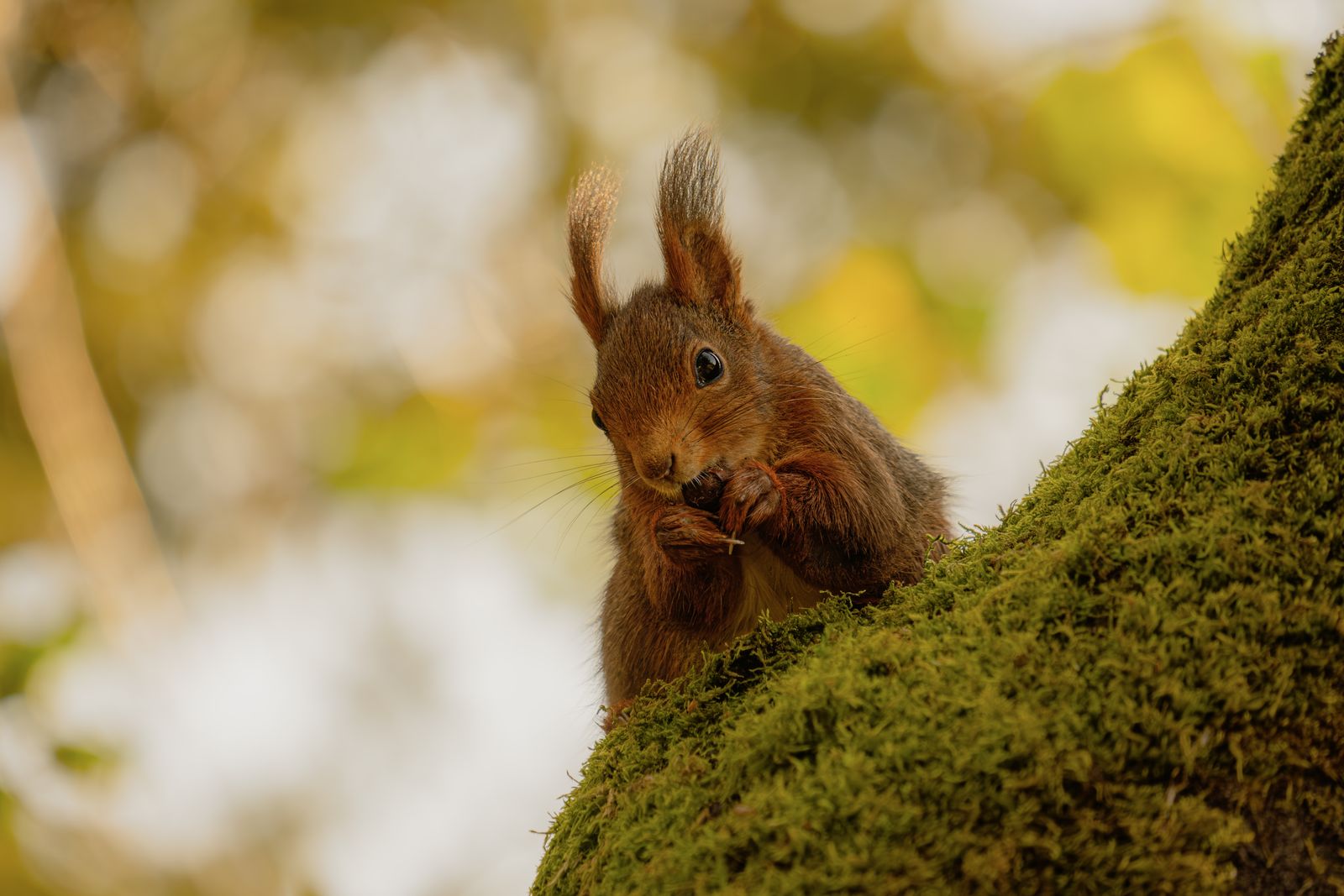
30. das Eichhörnchen (the squirrel) — burying nuts all autumn long. Das Eichhörnchen versteckt Nüsse im Garten. (The squirrel hides nuts in the garden.)
31. die Zugvögel (the migratory birds) — plural; the flocks heading south each autumn. Die Zugvögel fliegen in den Süden. (The migratory birds fly to the south.)
32. der Kranich (the crane) — the majestic bird whose autumn calls echo over the fields. Der Kranich zieht über das Land. (The crane migrates across the land.)
33. der Drachen (the kite) — October winds mean kite-flying season; note that der Drache (without the n) is the dragon. Der Drachen steigt hoch in den Himmel. (The kite rises high into the sky.)
34. der Regenmantel (the raincoat) — essential autumn outerwear. Der Regenmantel schützt vor dem Regen. (The raincoat protects against the rain.)
35. der Regenschirm (the umbrella) — Regen (rain) + Schirm (shield/canopy), a textbook compound. Der Regenschirm bleibt heute zu Hause. (The umbrella stays home today.)
36. die Pfütze (the puddle) — every child’s favorite after the rain. Die Pfütze spiegelt den Himmel. (The puddle reflects the sky.)
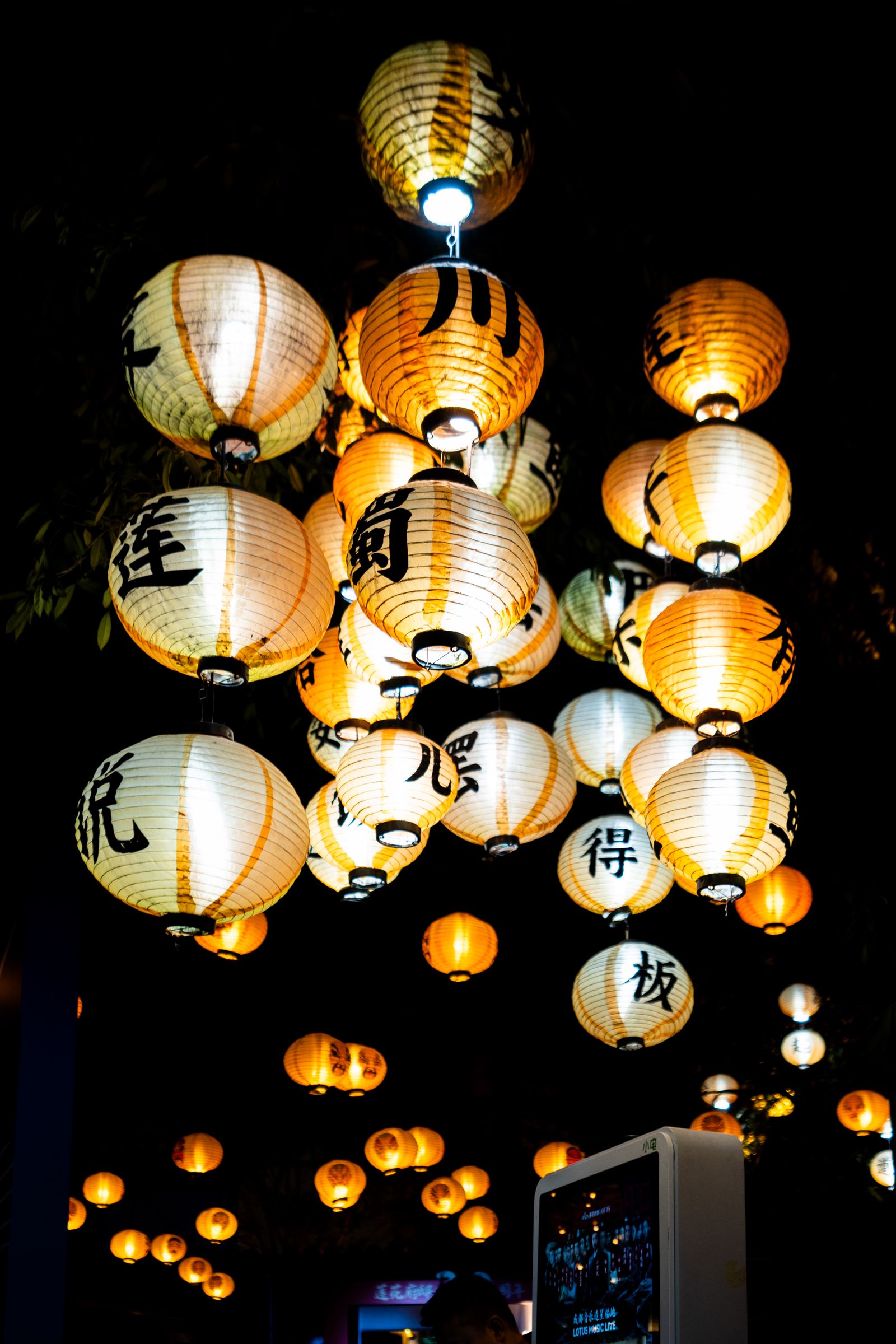
37. der Laternenumzug (the lantern parade) — children walk with homemade lanterns on St. Martin’s Day. Der Laternenumzug beginnt am Abend. (The lantern parade starts in the evening.)
38. der Martinstag (St. Martin’s Day) — November 11th, with lanterns, songs, and Weckmänner pastries. Der Martinstag ist ein schönes Fest. (St. Martin’s Day is a lovely festival.)
39. die Kastanienfigur (the chestnut figure) — little animals crafted from chestnuts and matchsticks, a beloved autumn kids’ craft. Die Kastanienfigur steht auf dem Fensterbrett. (The chestnut figure stands on the windowsill.)
40. der Kürbiskopf (the jack-o’-lantern) — Kürbis + Kopf (head), the carved pumpkin of late October. Der Kürbiskopf leuchtet in der Nacht. (The jack-o’-lantern glows at night.)
Pronunciation Tips for German Autumn Words
Autumn vocabulary is a wonderful workout for the German sounds English speakers find trickiest. Say these words out loud as you review the list:
- The ch in der Kranich and die Buchecker: after i it is a soft hissing sound, like a cat — KRAH-nish, BOO-kek-ern.
- The ü in die Kürbissuppe and die Pfütze: round your lips as for “oo” but say “ee” — KUER-bis-zoop-eh, PFUET-seh.
- The z in der Zimt and die Zugvögel: always pronounced “ts” in German — TSIMT, TSOOK-fuh-gel.
- The ei in das Eichhörnchen: pronounced like the “i” in “like” — IKE-hurn-shen; take it one syllable at a time.
- The ä in die Kastanie: say it like the “e” in “bed” — kas-TAH-nee-eh.
- The w in der Weinberg and die Weinlese: pronounced like an English “v” — VINE-bairg, VINE-lay-zeh.
For a playful way to keep practicing, try our German Halloween words list next — October vocabulary and pronunciation practice in one spooky package.
German Autumn Words for Word Games: Scrabble and Wordle Scores
These 40 German autumn words are a secret weapon in German word games. In German Scrabble, the high-value letters are Z (10 points), Ä, Ö, Ü (6 points each), V and J (6 points each) — and this list is full of them. Die Zugvögel packs a Z, a Ü, and a V for a serious score, der Kürbiskopf brings two K’s and a Ü, and der Zimt is a tiny four-letter powerhouse with a Z worth ten points. Short words like der Pilz, das Moos, der Apfel, and der Igel fit perfectly into tight board corners, while long compounds like das Erntedankfest or die Kastanienfigur can stretch across the whole board for a bingo bonus.
For German Wordle players, this list is a goldmine of five-letter guesses: Herbst, Nebel, and Pilze are all exactly five letters, and Apfel, Zimt, Ernte, and Kürbis work beautifully as opening or mid-game guesses. Try building anagrams from der Herbstwind or das Erntedankfest — anagram practice sharpens your spelling instincts and makes the compound-word pattern second nature.
Key Takeaways
These 40 German autumn words give you everything you need to talk about the season auf Deutsch — from der Herbst and die Ernte to cozy words like der Zimt and der Federweißer. Three things will make this autumn vocabulary stick. First, always learn the article with the word: der, die, or das is part of the word itself, and guessing wrong is the most common beginner mistake. Second, use the compound-word pattern to your advantage — once you see that der Regenmantel is just Regen + Mantel, dozens of new fall words decode themselves. Third, connect words to real moments: say der Nebel on a foggy morning, die Kürbissuppe at the dinner table, and der Laternenumzug when November approaches. Keep a small notebook or phone list of your favorites, and add one new word each day — by the end of the season, you will own the whole autumn set. Viel Spaß beim Lernen!
FAQ: German Autumn Words
What is the German word for autumn?
The German word for autumn is der Herbst (masculine). Germans also say der goldene Oktober for the especially beautiful golden weeks of October.
When is the Erntedankfest celebrated in Germany?
The Erntedankfest (harvest thanksgiving festival) is celebrated on the first Sunday in October in Germany, with decorated churches and festive meals.
What are good German autumn words for beginners?
Start with short, useful words like der Herbst, der Apfel, der Nebel, der Pilz, and der Zimt — all common, easy to pronounce, and useful in everyday conversation.
What is Federweißer?
Der Federweißer is a cloudy, young, partially fermented wine sold only in autumn in Germany. It tastes sweet and fresh and pairs traditionally with Zwiebelkuchen (onion cake).