

40 German Halloween Words: Spooky Vocabulary with Meanings
If you love the spooky season and are learning German, these German Halloween words will take your vocabulary to deliciously dark places. From die Hexe (the witch) to der Kürbis (the pumpkin), Halloween in Germany has a vocabulary all its own — and learning it gives you far more than party small talk. Germany celebrates Halloween with real enthusiasm, especially in cities like Berlin and Munich, where costume parties, haunted-house attractions, and decorated storefronts have become a genuine autumn tradition.
This guide collects 40 spooky words with their correct der/die/das articles, English meanings, and short example sentences so you can use each word with confidence. You will also notice that many of these words are classic German compound words, built by snapping two or more smaller words together — a pattern that makes even the scariest vocabulary surprisingly easy to decode. Ready to get gruselig? Let’s begin.
40 German Halloween Words with Meanings
Below is the full list: forty German Halloween words with meanings, organized from classic monsters to eerie atmosphere words. Each entry gives you the article, the English translation, and a short example sentence with its translation. Pay attention to the articles as you read — spotting the der/die/das pattern across the list is one of the fastest ways to internalize German gender rules without drilling grammar tables.
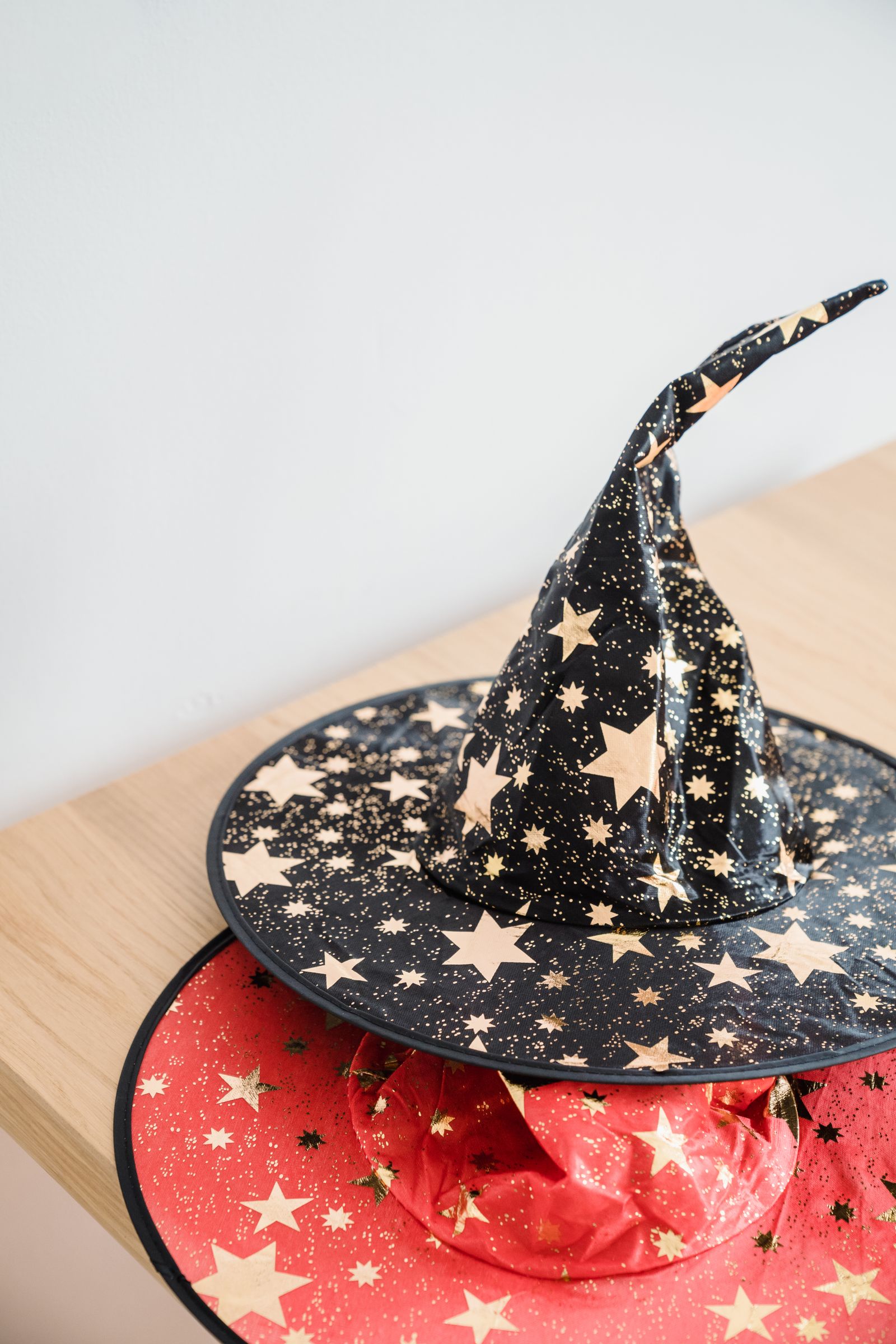
1. die Hexe (the witch) — Germany’s Halloween icon and the star of every costume party. Die Hexe fliegt auf ihrem Besen über das Dorf. (The witch flies on her broom over the village.)
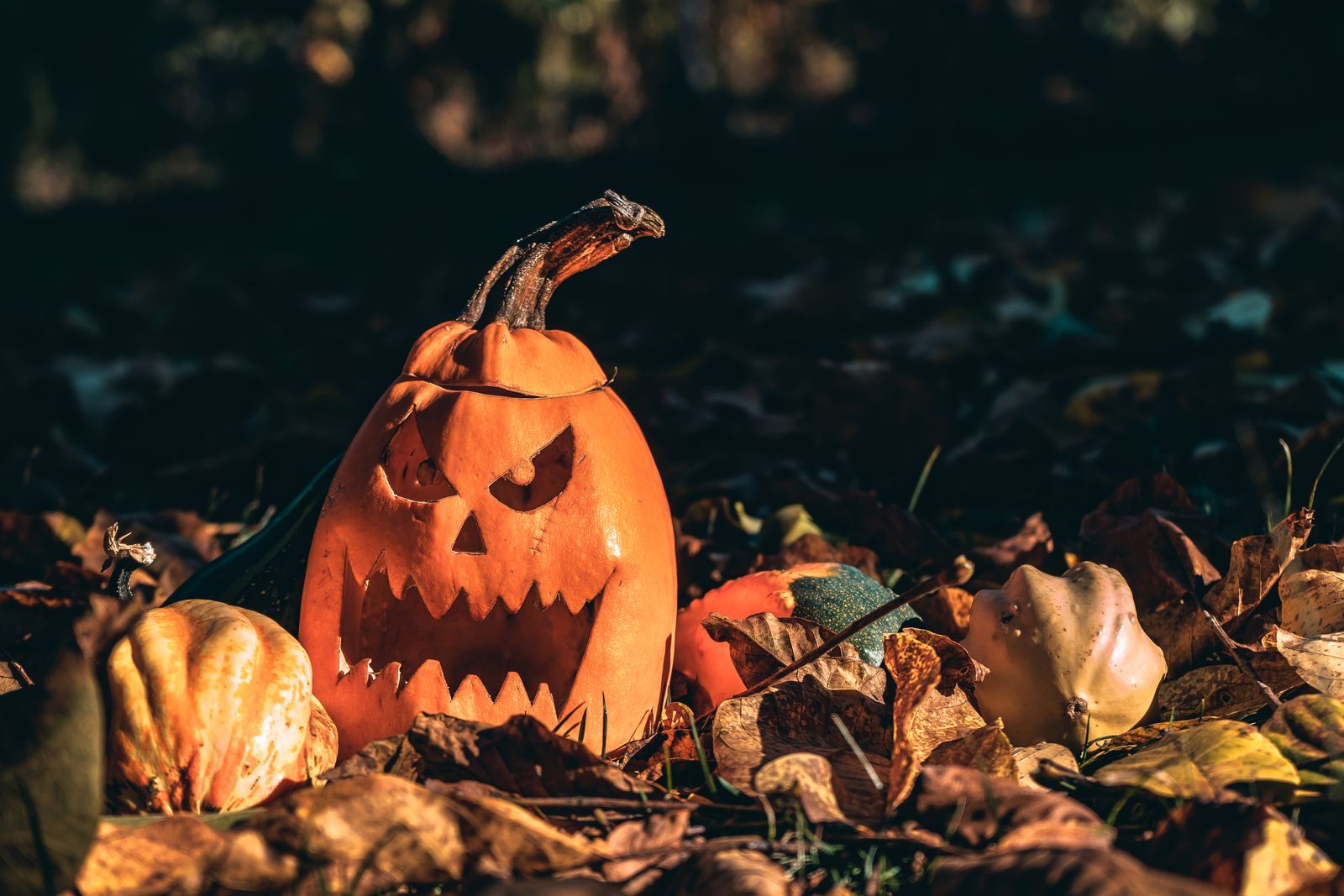
2. der Kürbis (the pumpkin) — the carved jack-o’-lantern at the heart of Halloween decorating. Wir schnitzen einen Kürbis für Halloween. (We are carving a pumpkin for Halloween.)
3. das Gespenst (the ghost) — a spooky apparition, often friendly in German children’s stories. Das Gespenst erscheint um Mitternacht. (The ghost appears at midnight.)
4. der Vampir (the vampire) — fangs, capes, and a serious aversion to daylight. Der Vampir trinkt kein Blut mehr. (The vampire no longer drinks blood.)
5. die Fledermaus (the bat) — literally “flutter mouse,” a wonderful example of a German animal compound. Die Fledermaus hängt kopfüber in der Höhle. (The bat hangs upside down in the cave.)
6. der Friedhof (the cemetery) — where all good Halloween stories begin. Der Friedhof liegt am Rand der Stadt. (The cemetery lies at the edge of town.)
7. der Sarg (the coffin) — a staple of vampire films and haunted-house props. Der Sarg steht in der dunklen Gruft. (The coffin stands in the dark crypt.)
8. das Skelett (the skeleton) — rattling bones in every haunted house. Das Skelett hängt an der Tür. (The skeleton hangs on the door.)
9. die Spinne (the spider) — the eight-legged queen of Halloween decorations. Die Spinne spinnt ihr Netz in der Ecke. (The spider spins its web in the corner.)
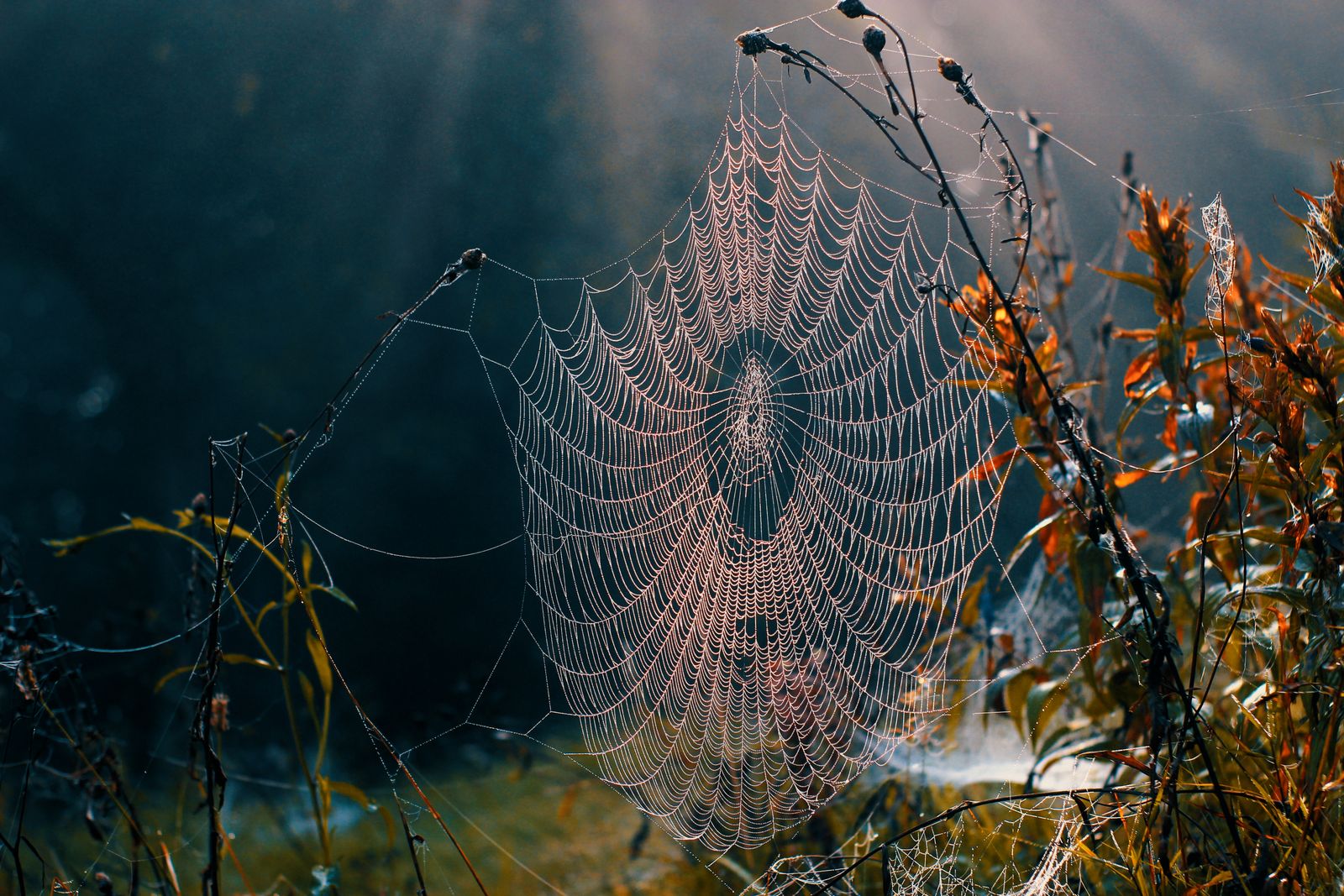
10. das Spinnennetz (the spiderweb) — cobwebs draped over every spooky doorway. Das Spinnennetz glänzt im Mondlicht. (The spiderweb glistens in the moonlight.)
11. der Mond (the moon) — the silent witness to every Halloween night. Der Mond scheint durch die Wolken. (The moon shines through the clouds.)
12. die Dunkelheit (the darkness) — where things go bump in the night. Die Kinder fürchten sich vor der Dunkelheit. (The children are afraid of the darkness.)
13. der Nebel (the fog) — the classic atmosphere-maker of horror films. Der Nebel zieht über den Friedhof. (The fog drifts across the cemetery.)
14. gruselig (creepy) — the essential Halloween adjective. Der alte Keller ist wirklich gruselig. (The old cellar is really creepy.)
15. das Kostüm (the costume) — no Halloween without one. Mein Kostüm ist ein Vampir. (My costume is a vampire.)
16. sich verkleiden (to dress up) — the reflexive verb for putting on a costume. Die Kinder verkleiden sich als Gespenster. (The children dress up as ghosts.)
17. die Süßigkeiten (the sweets) — the whole point of trick-or-treating. Die Kinder sammeln viele Süßigkeiten. (The children collect lots of sweets.)
18. der Zauberspruch (the magic spell) — what every witch whispers at midnight. Die Hexe spricht einen Zauberspruch. (The witch speaks a magic spell.)
19. der Werwolf (the werewolf) — from Old High German wer (man) plus Wolf. Der Werwolf heult bei Vollmond. (The werewolf howls at the full moon.)
20. die Mumie (the mummy) — wrapped in linen, walking out of the tomb. Die Mumie liegt in der Pyramide. (The mummy lies in the pyramid.)
21. der Zombie (the zombie) — shambling through every horror film marathon. Der Zombie wankt durch die Straßen. (The zombie staggers through the streets.)
22. der Teufel (the devil) — the classic Halloween costume and fairy-tale villain. Der Teufel trägt einen roten Umhang. (The devil wears a red cape.)
23. der Dämon (the demon) — a darker, more menacing spirit. Der Dämon lauert in der Dunkelheit. (The demon lurks in the darkness.)
24. der Geist (the ghost / spirit) — can mean a ghost or a mind, depending on context. Der Geist des Schlosses spukt noch heute. (The castle’s ghost still haunts today.)
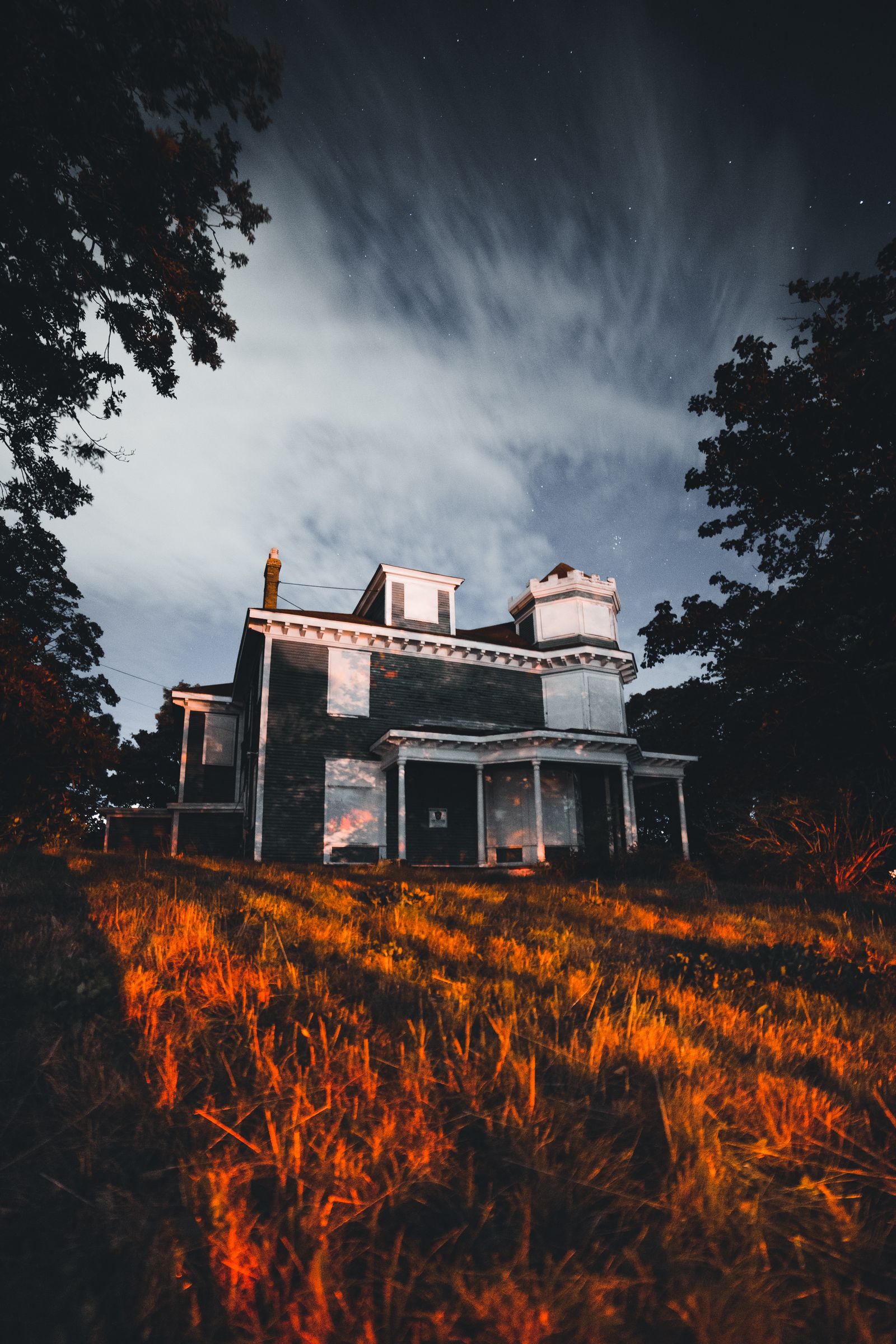
25. das Spukhaus (the haunted house) — the main attraction of every Halloween fair. Das Spukhaus steht auf dem Hügel. (The haunted house stands on the hill.)
26. der Horrorfilm (the horror film) — the perfect October movie night. Wir schauen einen Horrorfilm an Halloween. (We watch a horror film on Halloween.)
27. die Mitternacht (the midnight) — the witching hour. Um Mitternacht beginnt der Spuk. (At midnight the haunting begins.)
28. der Vollmond (the full moon) — when werewolves come out to play. Der Vollmond erhellt den Wald. (The full moon lights up the forest.)
29. der Aberglaube (the superstition) — black cats, broken mirrors, and Friday the 13th. Der Aberglaube ist in jedem Land anders. (Superstition is different in every country.)
30. die schwarze Katze (the black cat) — the most famous Halloween animal of all. Die schwarze Katze kreuzt meinen Weg. (The black cat crosses my path.)
31. der Rabe (the raven) — the ominous bird of gothic tales. Der Rabe sitzt auf dem Grabstein. (The raven sits on the gravestone.)
32. die Eule (the owl) — hooting through the Halloween night. Die Eule ruft aus dem dunklen Wald. (The owl calls from the dark forest.)
33. das Grab (the grave) — where the story often starts. Das Grab ist mit Blumen geschmückt. (The grave is decorated with flowers.)
34. der Grabstein (the gravestone) — Grab plus Stein, a textbook compound word. Der alte Grabstein ist verwittert. (The old gravestone is weathered.)
35. die Gruft (the crypt) — the underground vault beneath old churches. Die Gruft liegt unter der Kapelle. (The crypt lies beneath the chapel.)
36. verflucht (cursed) — the adjective for anything under a dark spell. Das alte Haus ist verflucht. (The old house is cursed.)
37. der Fluch (the curse) — the noun behind every haunted-house legend. Ein uralter Fluch liegt auf dem Schloss. (An ancient curse lies upon the castle.)
38. das Blut (the blood) — essential vampire vocabulary. Der Vampir dürstet nach Blut. (The vampire thirsts for blood.)
39. unheimlich (eerie) — a moodier, more atmospheric word than gruselig. Es war unheimlich still im Haus. (It was eerily quiet in the house.)
40. die Gänsehaut (the goosebumps) — literally “goose skin,” and exactly what a good horror film gives you. Ich bekomme Gänsehaut bei diesem Film. (I get goosebumps from this film.)
As a bonus phrase for the big night itself, remember “Süßes oder Saures!” — the German version of “trick or treat,” which children shout at every door on October 31st.
Spooky German Compound Words: Building Your Own Horror Vocabulary
German is famous for building long words by gluing shorter ones together, and Halloween vocabulary is full of them. If you understand how German compound words are built, you can decode even words you have never seen before. The last part of the compound always decides the article and the basic meaning. Here are five spooky examples broken down:
- der Kürbiskopf (the pumpkin head) = der Kürbis (pumpkin) + der Kopf (head)
- das Spinnennetz (the spiderweb) = die Spinne (spider) + das Netz (net) — note the double n where the two words join
- der Grabstein (the gravestone) = das Grab (grave) + der Stein (stone)
- das Spukhaus (the haunted house) = der Spuk (haunting, spook) + das Haus (house)
- der Zauberspruch (the magic spell) = der Zauber (magic) + der Spruch (saying, verse)
Once you spot the pattern, you can even invent your own: a Hexenbesen (witch’s broom) or a Geisterstunde (the ghost hour, midnight) follows exactly the same logic. Animal compounds like die Fledermaus (flutter + mouse = bat) show up all over this list — you will find more of them in our roundup of German animal compound words, and atmosphere words like der Nebel pair nicely with our German weather compound words.
Pronunciation Tips for Spooky German Words
German Halloween words are a great workout for the sounds English speakers find trickiest. Say these words out loud and Halloween becomes a pronunciation lesson in disguise:
- The ü in der Kürbis: round your lips as if saying “oo” but try to say “ee.” It should sound like KUER-bis, not KOOR-bis.
- The ä in die Gänsehaut: say it like the “e” in “bed” — GEN-ze-howt. The au at the end rhymes with “house.”
- The ch in unheimlich and die Hexe: after i and e it is a soft hissing sound, like a cat — oon-HIME-lish, HEK-se.
- The z in der Zombie: always pronounced “ts” in German — TSOM-bee.
- The w in der Werwolf: pronounced like an English “v” — VAIR-volf.
If you want to turn pronunciation practice into a game, our collection of easy German tongue twisters for beginners is the perfect next step — nothing trains your ch and ü faster than a good tongue twister.
Using German Halloween Words in Word Games
Spooky vocabulary is a secret weapon in German word games. In German Scrabble, high-value letters like Z (10 points), V (6 points), and Ü (6 points) turn words like der Zombie, verflucht, and die Gänsehaut into score monsters. Short words from this list — das Grab, der Rabe, die Eule, der Sarg, der Fluch — are perfect for tight board corners, while long compounds like das Spinnennetz can stretch across the whole board for a bingo bonus.
For German Wordle players, this list is a goldmine of five-letter guesses: Geist, Nebel, and Fluch are all exactly five letters, and Hexe, Grab, and Rabe work beautifully in four-letter variants. If you enjoy rearranging letters, try building anagrams from der Vollmond or das Skelett — anagram practice sharpens your spelling instincts, and our German Christmas anagrams article shows the same technique with festive vocabulary.
Key Takeaways
These 40 German Halloween words give you everything you need to talk about the spooky season auf Deutsch — from die Hexe and der Kürbis to atmospheric words like unheimlich and die Gänsehaut. Three things will make this vocabulary stick. First, always learn the article with the word: der, die, or das is part of the word itself, and guessing wrong is the most common beginner mistake. Second, use the compound-word pattern to your advantage — once you see that das Spinnennetz is just Spinne + Netz, dozens of new words decode themselves. Third, say the words out loud: the umlauts and ch sounds in this list are exactly the pronunciation practice German learners need. For more advanced pronunciation play, try our famous German tongue twisters with meanings. Keep a small notebook or phone list of your favorites and try using one new word each day in October — by the 31st, you will own the whole spooky set. Happy Halloween — or as the Germans say, frohes Gruseln!