

German Sports Vocabulary: 40 Words Every Fan Should Know
Germany lives and breathes sport. From packed Bundesliga stadiums on a Saturday afternoon to quiet morning runs along the Rhine, sport is part of everyday conversation, and this guide to german sports vocabulary gives you the words you need to join in. You will learn 40 real, currently used German sports words, grouped by theme, each with its correct article, a clear English meaning, and a short German example sentence with an English translation. Whether you are watching a match, joining a gym, or chatting with German friends about last night’s game, these words will help you understand more and say more.
Before we begin, one habit will make everything easier: always learn the article with the noun. In German, der, die, and das are part of the word itself, so practise saying “der Sport” rather than just “Sport” from the very start. If you are building a wider travel word bank, this list pairs well with our German train vocabulary for getting to the stadium, and our German beer vocabulary for the refreshments afterwards.
German Sports Vocabulary for General Sport Terms
These eight words are the foundation of almost every sports conversation in German. Learn them first, and you will recognise them in news reports, commentary, and everyday chat about weekend games and training plans.
1. der Sport — sport. This is the general word for sport of any kind, from football to swimming. Example: “Sport ist gesund.” — “Sport is healthy.”
2. der Sportler — the athlete (male; the female form is die Sportlerin). Use it for anyone who trains and competes seriously. Example: “Der Sportler trainiert jeden Tag.” — “The athlete trains every day.”
3. die Mannschaft — the team. A group of players who compete together under one name and one shirt. Example: “Unsere Mannschaft hat gewonnen.” — “Our team has won.”
4. der Trainer — the coach. The person who plans training, picks the team, and shouts instructions from the sideline. Example: “Der Trainer ist zufrieden mit dem Spiel.” — “The coach is pleased with the game.”
5. der Spieler — the player. Any person who plays in a match, whatever the sport. Example: “Der Spieler schießt ein Tor.” — “The player scores a goal.”
6. der Wettkampf — the competition. A contest between athletes or teams to decide who is best on the day. Example: “Der Wettkampf beginnt um zehn Uhr.” — “The competition starts at ten o’clock.”
7. das Training — the training. The regular practice sessions where athletes build fitness, skill, and teamwork. Example: “Das Training dauert zwei Stunden.” — “The training lasts two hours.”
8. der Sieg — the victory. The win itself, and a word you will hear fans chanting after a great result. Example: “Der Sieg war verdient.” — “The victory was deserved.”
German Sports Vocabulary for Team Sports

Football dominates German sports talk, but basketball, volleyball, and handball all have loyal followings too. This set covers the games, the goals, and the people who decide them, so you can follow a team-sport broadcast without getting lost.
9. der Fußball — football, or soccer. Germany’s most popular sport, played in every town and talked about in every office on Monday morning. Example: “Fußball ist in Deutschland sehr beliebt.” — “Football is very popular in Germany.”
10. das Tor — the goal. Both the physical goal frame and the point scored when the ball crosses the line. Example: “Das war ein schönes Tor!” — “That was a beautiful goal!”
11. der Torwart — the goalkeeper. The player who guards the goal and is often the hero, or the villain, of a match. Example: “Der Torwart hat den Ball gehalten.” — “The goalkeeper saved the ball.”
12. der Schiedsrichter — the referee. The official who enforces the rules, blows the whistle, and hands out cards. Example: “Der Schiedsrichter pfeift das Spiel ab.” — “The referee blows the final whistle.”
13. die Halbzeit — half-time. The break in the middle of a match, when teams rest and fans grab a snack. Example: “In der Halbzeit steht es 1:0.” — “At half-time the score is 1:0.”
14. der Elfmeter — the penalty kick. Awarded after a foul in the penalty area, and one of the tensest moments in any football match. Example: “Der Elfmeter war entscheidend.” — “The penalty kick was decisive.”
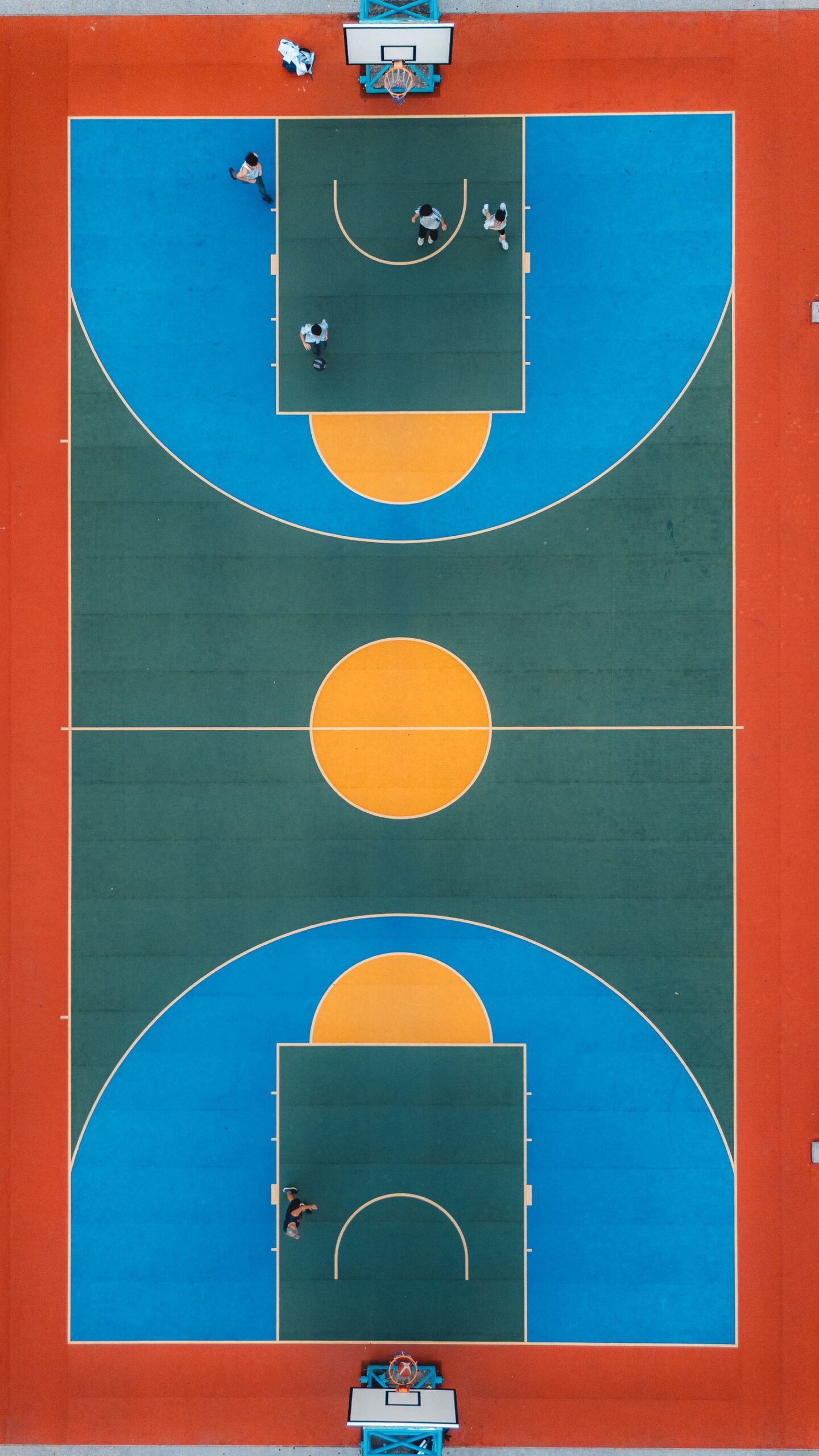
15. der Basketball — basketball. A fast indoor game that has grown quickly in Germany, with a strong national league. Example: “Wir spielen heute Basketball.” — “We are playing basketball today.”
16. der Volleyball — volleyball. Played indoors and on the beach, and a popular summer sport across Germany. Example: “Volleyball macht im Sommer viel Spaß.” — “Volleyball is a lot of fun in summer.”
German Sports Vocabulary for Individual Sports
Not every sport needs a team. These eight words cover the solo pursuits Germans love most, from the swimming pool to the marathon course, and they are just as useful if you are taking part yourself as if you are watching from the sidelines.
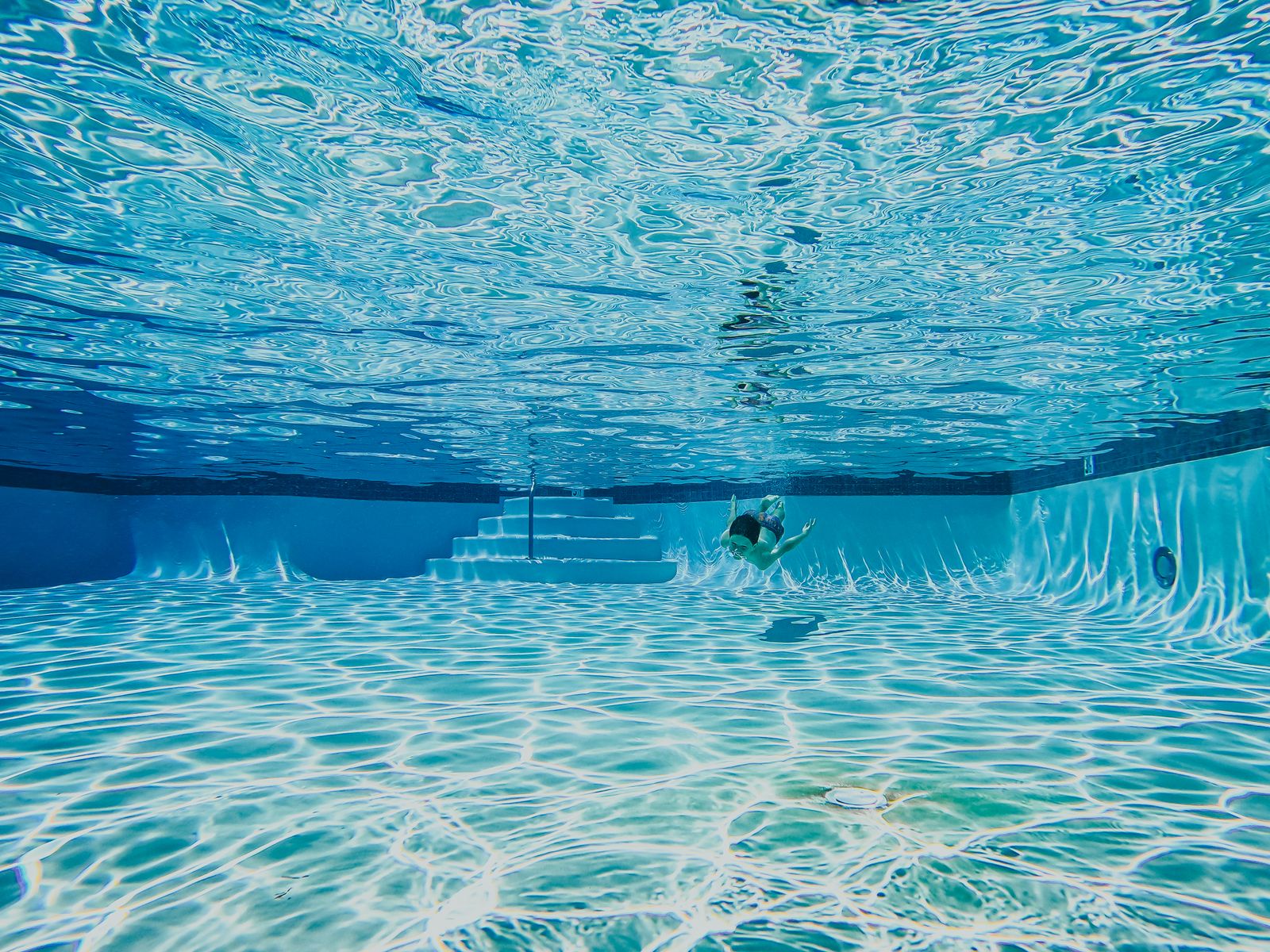
17. das Schwimmen — swimming. A favourite way to keep fit, whether in a lake in summer or an indoor pool in winter. Example: “Schwimmen ist gut für den Rücken.” — “Swimming is good for your back.”
18. das Laufen — running. The simplest sport of all, and the word for jogging, road running, and racing alike. Example: “Laufen am Morgen macht wach.” — “Running in the morning wakes you up.”
19. der Marathon — the marathon. The classic 42.195-kilometre race, with Berlin’s marathon among the most famous in the world. Example: “Der Marathon in Berlin ist weltberühmt.” — “The Berlin marathon is world-famous.”
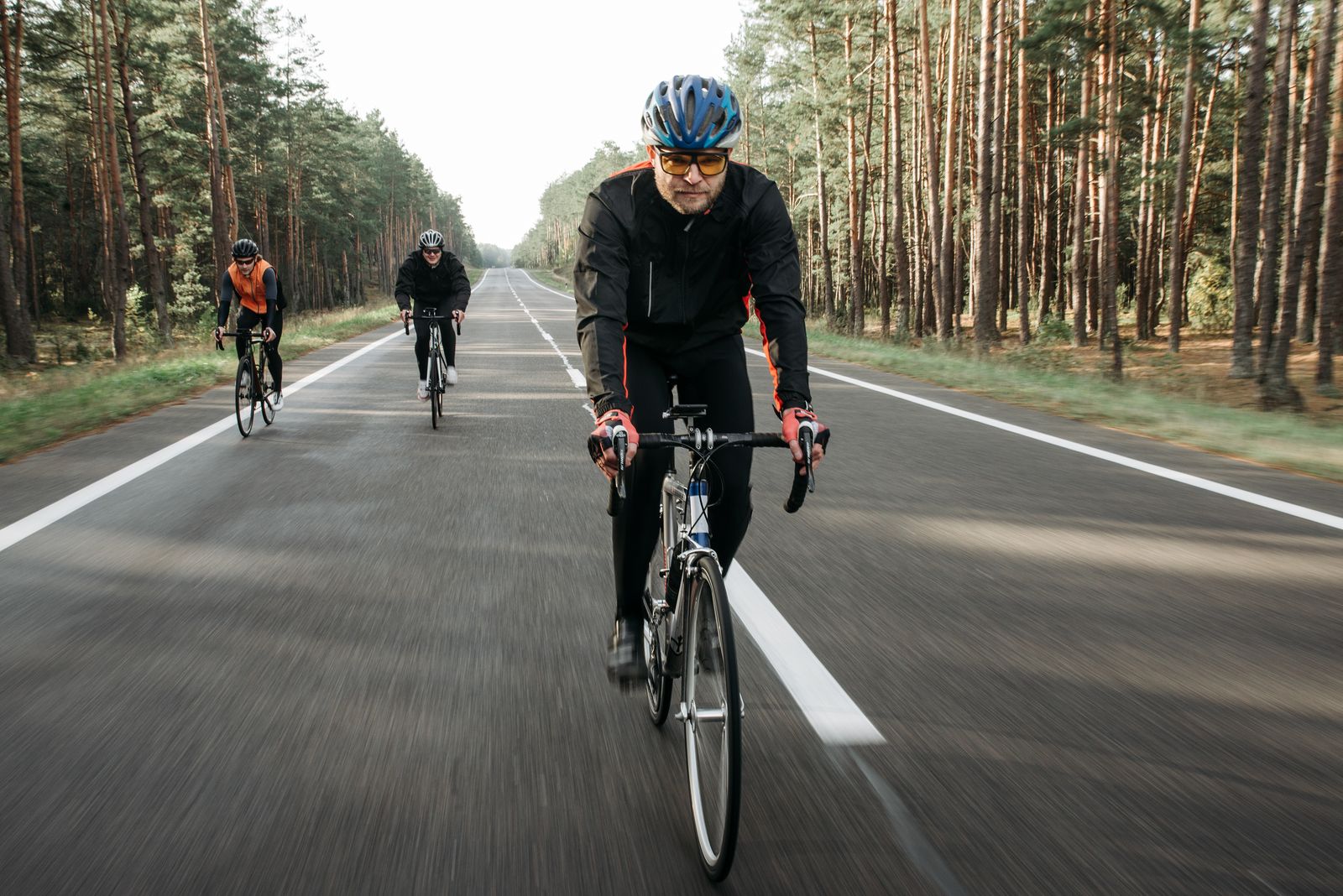
20. das Radfahren — cycling. Hugely popular in Germany, both as a leisure ride and as a competitive road and track sport. Example: “Radfahren ist mein Lieblingssport.” — “Cycling is my favourite sport.”
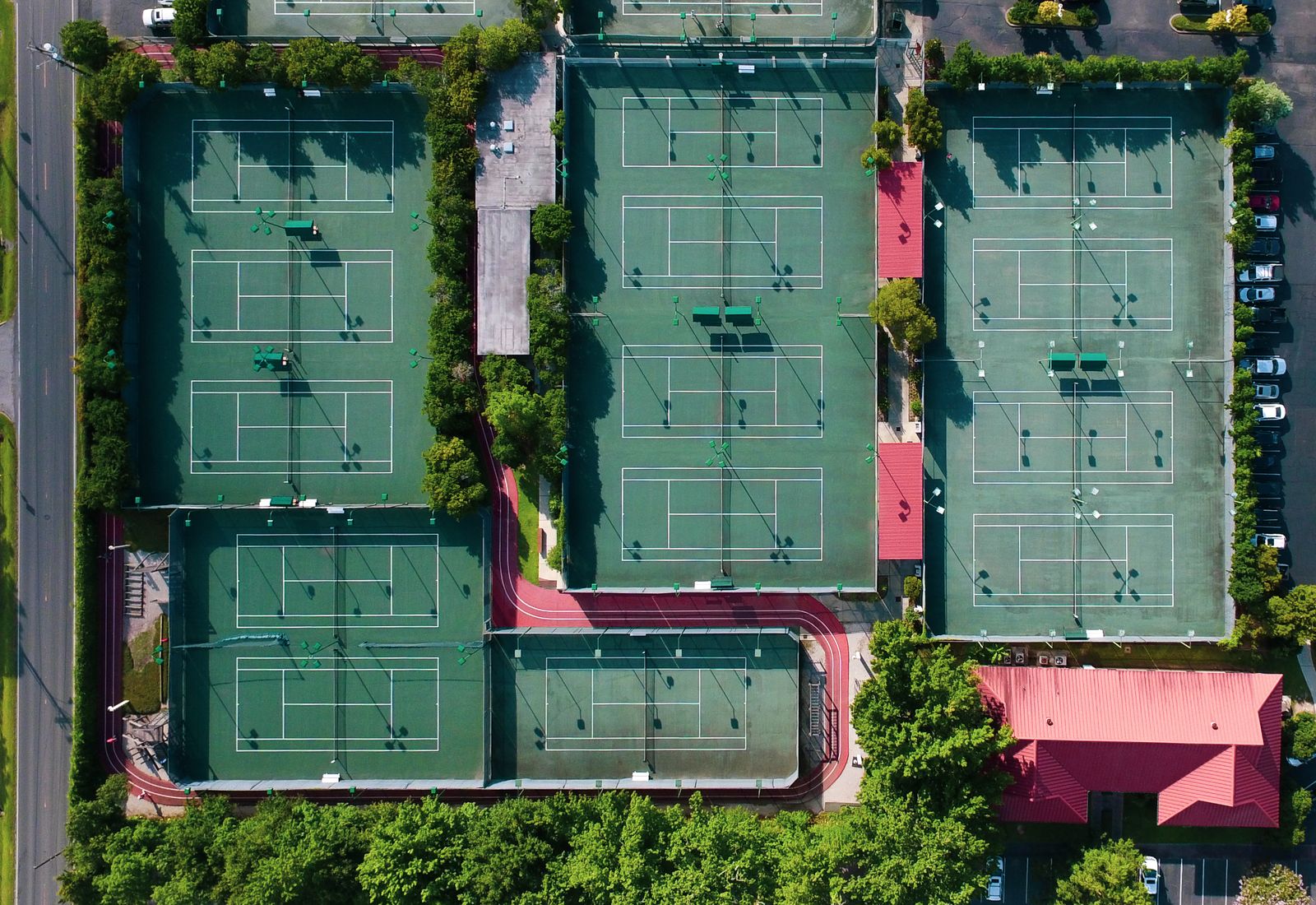
21. das Tennis — tennis. Played in clubs all over Germany, and a sport with a long German tradition of champions. Example: “Wir spielen am Sonntag Tennis.” — “We play tennis on Sunday.”
22. das Boxen — boxing. The sport of fighting with gloved fists in a ring, under strict rules and a referee’s watch. Example: “Boxen erfordert viel Disziplin.” — “Boxing requires a lot of discipline.”
23. das Skifahren — skiing. A winter passion, especially in the Bavarian Alps, where whole families head to the slopes. Example: “Skifahren in den Alpen ist wunderbar.” — “Skiing in the Alps is wonderful.”
24. das Turnen — gymnastics. The sport of floor routines, bars, and beam work, practised in clubs known as Turnvereine. Example: “Turnen trainiert Kraft und Beweglichkeit.” — “Gymnastics trains strength and flexibility.”
Match Day and the Stadium

A German match day is an experience in itself: scarves, songs, sausages, and eighty thousand voices. These words will help you find your seat, follow the crowd, and enjoy the atmosphere like a local rather than a lost tourist.
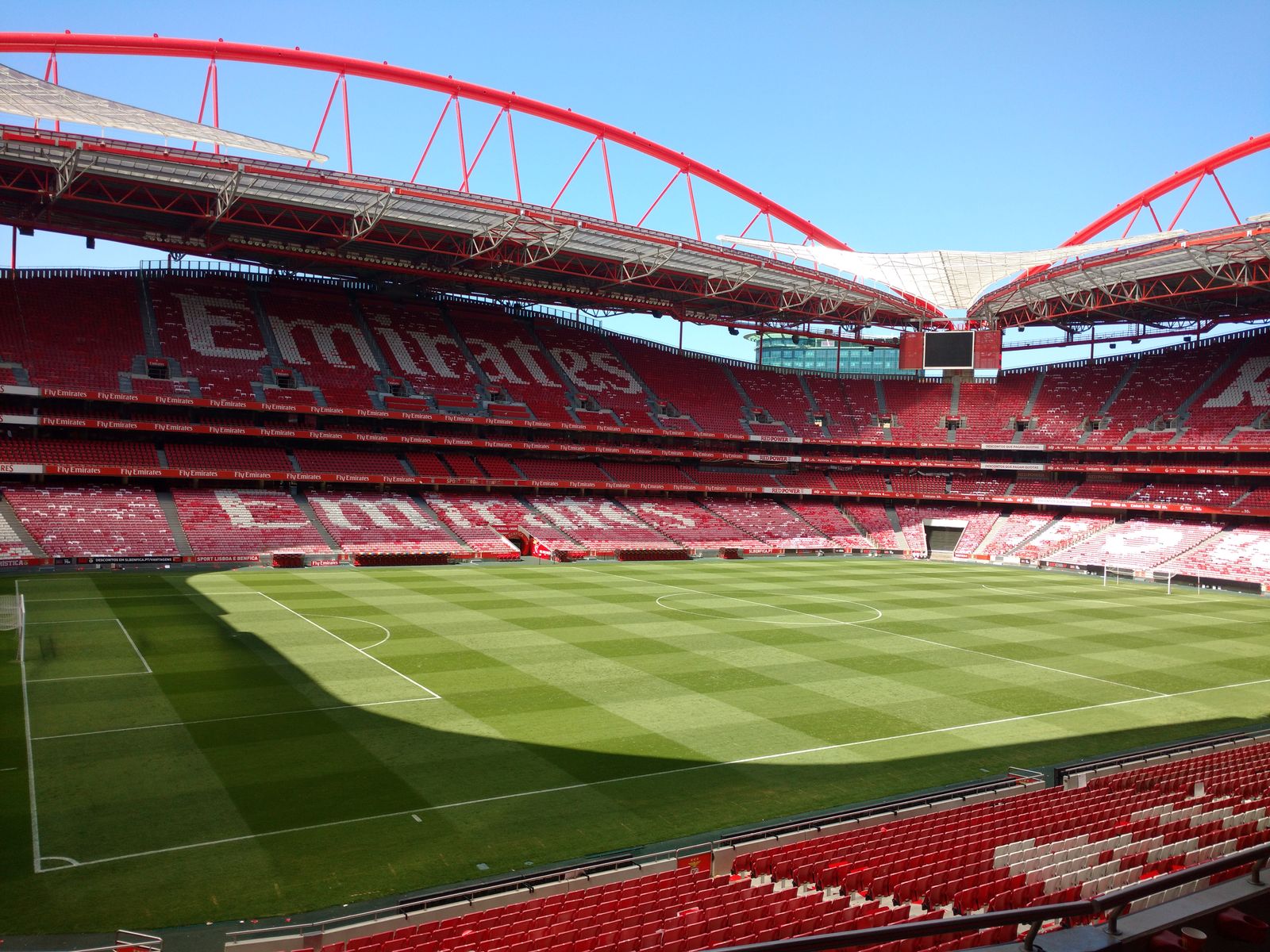
25. das Stadion — the stadium. The big arena where matches are played, from Dortmund’s Signal Iduna Park to Munich’s Allianz Arena. Example: “Das Stadion ist ausverkauft.” — “The stadium is sold out.”
26. der Fan — the fan. A supporter of a team, often wearing its colours and singing its songs. Example: “Die Fans singen laut.” — “The fans are singing loudly.”
27. die Eintrittskarte — the admission ticket. The ticket that gets you through the turnstile and into the stadium. Example: “Ich habe meine Eintrittskarte vergessen.” — “I have forgotten my admission ticket.”
28. die Tribüne — the stand, or grandstand. The covered seating area where most spectators sit during a match. Example: “Wir sitzen auf der Tribüne.” — “We are sitting in the stand.”
29. die Fankurve — the fan curve, or fan block. The standing section behind the goal where the loudest, most passionate supporters gather. Example: “Die Fankurve ist sehr laut.” — “The fan block is very loud.”
30. das Trikot — the jersey, or shirt. The team shirt fans wear proudly, often with a favourite player’s name on the back. Example: “Er trägt das neue Trikot.” — “He is wearing the new jersey.”
31. die Hymne — the anthem. The song played before a big match, sung by players and fans alike. Example: “Die Hymne erklingt vor dem Spiel.” — “The anthem sounds before the game.”
32. der Jubel — the cheering, or celebration. The roar that erupts from the crowd when a goal goes in. Example: “Nach dem Tor war der Jubel groß.” — “After the goal, the cheering was huge.”
Training, Fitness, and Results
Every athlete trains, and every match ends with a result. This final set of german sports vocabulary covers warm-ups, injuries, and the outcomes fans argue about afterwards, from glorious championships to painful defeats.
33. das Aufwärmen — the warm-up. The gentle exercises before training or a match that prepare muscles and prevent injury. Example: “Das Aufwärmen ist sehr wichtig.” — “The warm-up is very important.”
34. die Übung — the exercise, or drill. A single practice movement, repeated until it becomes second nature. Example: “Diese Übung ist anstrengend.” — “This exercise is exhausting.”
35. die Verletzung — the injury. Any hurt picked up in training or a match, from a sprain to a pulled muscle. Example: “Die Verletzung heilt langsam.” — “The injury is healing slowly.”
36. der Muskelkater — sore muscles. The ache you feel the day after a hard workout, familiar to every beginner. Example: “Nach dem Training habe ich Muskelkater.” — “After training I have sore muscles.”
37. das Unentschieden — the draw. A match that ends level, with neither side winning, which satisfies nobody and everybody at once. Example: “Das Spiel endete unentschieden.” — “The game ended in a draw.”
38. die Niederlage — the defeat. A loss, and the word no fan wants to hear after a big match. Example: “Die Niederlage war bitter.” — “The defeat was bitter.”
39. die Meisterschaft — the championship. The title won by the best team or athlete over a whole season. Example: “Die Meisterschaft ist das große Ziel.” — “The championship is the big goal.”
40. der Pokal — the trophy, or cup. Both the physical cup lifted by the winners and the knockout competition itself. Example: “Die Mannschaft hebt den Pokal hoch.” — “The team lifts the trophy high.”
Watching a Match in Germany: Useful Fan Phrases
Knowing the words is one thing; joining the crowd is another. These phrases put your german sports vocabulary to work in a real stadium. These short fan phrases will help you cheer along, order refreshments, and talk about the game with the people around you. Shout “Auf geht’s!” when your team attacks, yell “Tor!” the second the ball hits the net, and try “Wir sind die Besten!” when confidence is high. If you are unsure what just happened, ask “War das ein Foul?” — “Was that a foul?” — and your neighbours will happily explain. At half-time, “Noch ein Bier, bitte” orders another beer, which connects neatly with our German Oktoberfest vocabulary and German music vocabulary for the songs and celebrations that follow a win. For a different kind of word play between matches, try our German words starting with M.
Tips for Remembering Your German Sports Vocabulary
Start with the ten words you will meet first: Sport, Mannschaft, Trainer, Spieler, Tor, Torwart, Stadion, Fan, Training, and Sieg. Say each one aloud with its article three times, then use it in a sentence of your own, even a simple one like “Unsere Mannschaft gewinnt.” Second, watch a German match with German commentary, even if you only catch every fifth word at first: hearing Tor, Halbzeit, and Elfmeter in real commentary cements them far better than flashcards alone. Third, learn in pairs: Torwart goes with Tor, Trainer goes with Mannschaft, and Aufwärmen goes with Training. Finally, do not worry about perfect grammar when cheering. A shouted “Tor!” needs no article at all, and German fans will welcome any supporter who tries.
Key Takeaways
Learning german sports vocabulary is one of the fastest ways to enjoy German sport like a local. The 40 words above cover the whole experience: the general language of sport, the team and individual games Germans love, the stadium on match day, and the training and results fans discuss afterwards. Learn each noun together with its article, practise the fan phrases out loud before your next match, and keep this list on your phone for your first visit to a German stadium. Viel Spaß beim Spiel — have fun at the game!