

40 German Train Vocabulary Words for Rail Travel
Germany has one of the best rail networks in the world, and knowing the right words makes every journey smoother. This guide to german train vocabulary covers 40 essential words and phrases you will actually see on departure boards, hear in announcements, and need at the ticket counter. Whether you are catching a high-speed ICE to Berlin or a sleepy regional train through Bavaria, these terms will help you buy tickets, find platforms, and handle delays with confidence.
Before we start, one quick note on articles: German nouns always come with der, die, or das, and learning the article together with the word saves you trouble later. If you are building a broader travel word bank, pair this list with our essential German travel phrases and our German for travelers survival guide for the phrases you will need beyond the station.
German Train Vocabulary for Stations and Tickets
Everything begins at the station, and this first set of german train vocabulary words covers the places, people, and paperwork of buying your way onto a train.
1. der Bahnhof — the train station. Every German rail journey starts here, and a big-city Hauptbahnhof (main station) also holds shops, bakeries, and ticket offices. Example: “Ich warte am Bahnhof auf dich.” — “I’ll wait for you at the station.”
2. die Fahrkarte — the ticket. You need one before boarding, and on many regional trains there is no conductor selling tickets onboard. Example: “Ich habe meine Fahrkarte verloren.” — “I have lost my ticket.”
3. der Fahrkartenautomat — the ticket machine. These machines stand in every station hall and sell tickets in several languages, including English. Example: “Der Fahrkartenautomat nimmt auch Karten.” — “The ticket machine also accepts cards.”
4. der Fahrplan — the timetable. It lists departures, arrivals, and platform numbers, and you will find printed copies plus live versions on the DB app. Example: “Schau bitte im Fahrplan nach.” — “Please check the timetable.”
5. die Abfahrt — the departure. Departure boards are headed with this word, followed by the time and destination. Example: “Die Abfahrt ist um zehn Uhr.” — “The departure is at ten o’clock.”
6. die Ankunft — the arrival. You will see it on arrival boards and hear it in announcements when your train pulls in. Example: “Die Ankunft verzögert sich etwas.” — “The arrival is delayed a little.”
7. der Bahnsteig — the platform. This is the raised area where you wait and board, and its number is printed on your ticket and the departure board. Example: “Der Zug fährt von Bahnsteig 5 ab.” — “The train departs from platform 5.”
8. das Gleis — the track. While Bahnsteig is the platform you stand on, Gleis is the actual track the train runs on, and announcements often mention both. Example: “Das Gleis wurde geändert.” — “The track has been changed.”
Train Types and Platforms
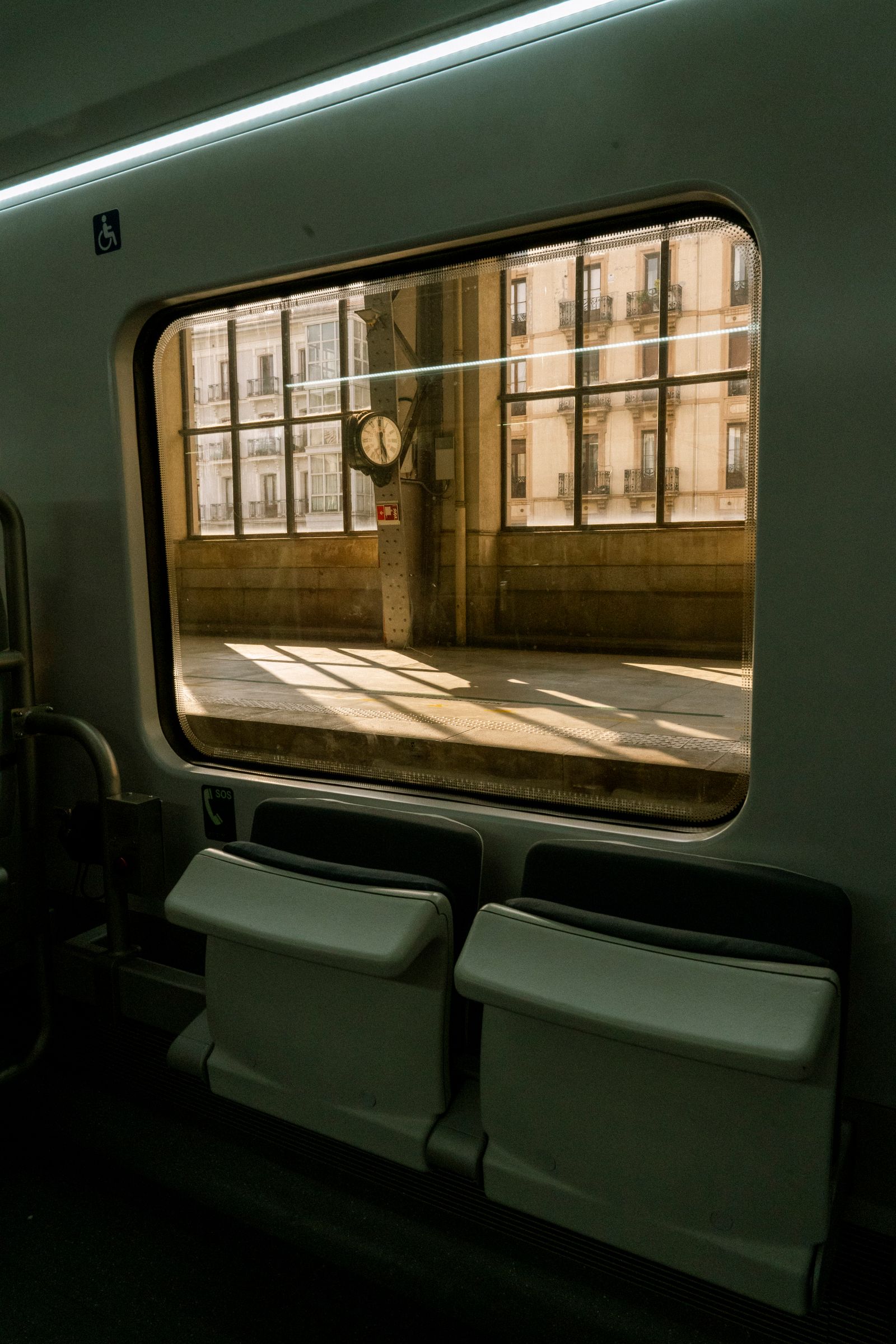
Germany runs several kinds of trains, and knowing which one you are on matters for speed, price, and comfort. This section sorts out the names you will see on every departure board.
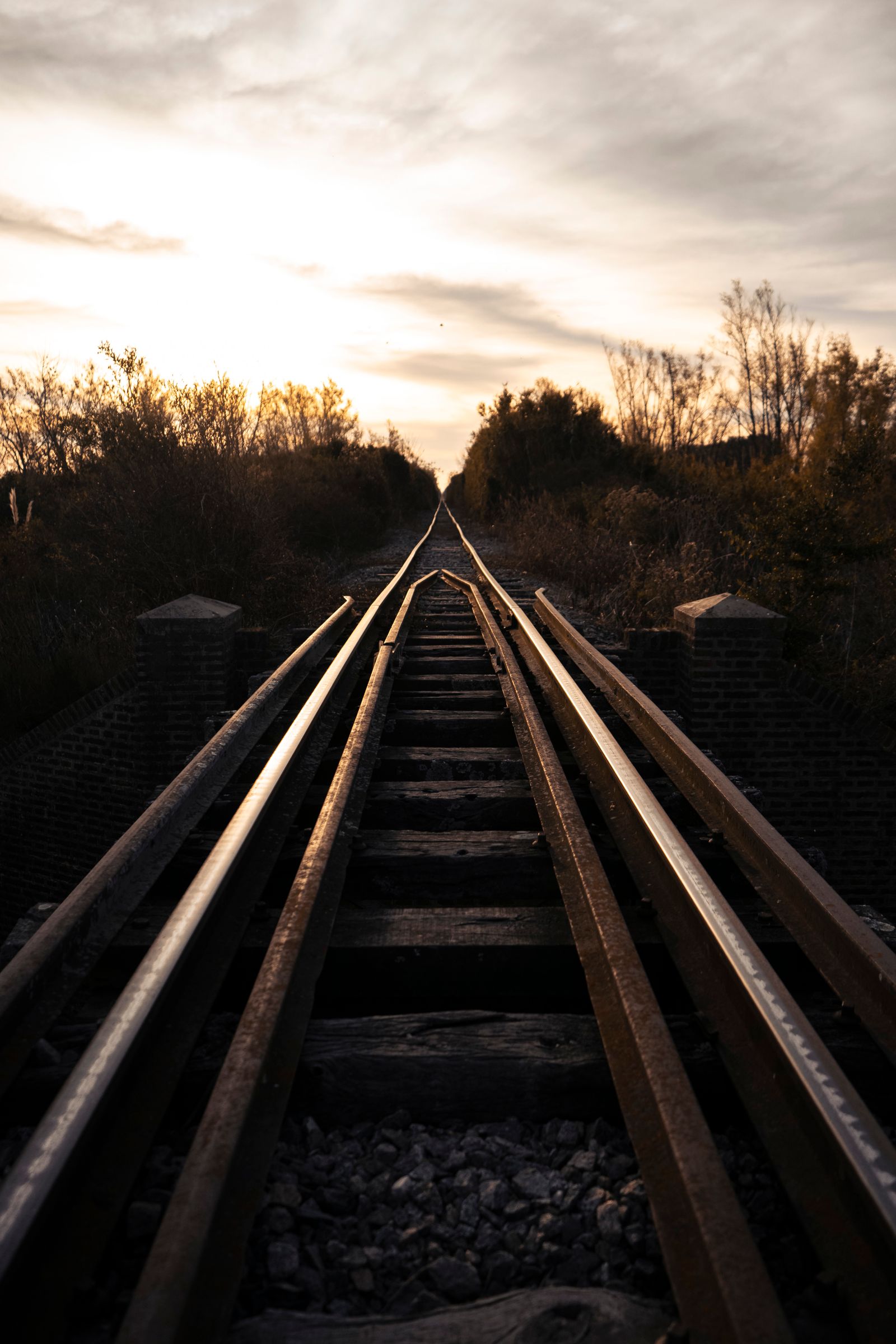
9. der Zug — the train. This is the general word for any train, from a tiny local service to a cross-country express. Example: “Der Zug ist pünktlich.” — “The train is on time.”
10. der ICE — the Intercity-Express, Germany’s fastest train, reaching up to 300 km/h on major routes. Reservations are optional but recommended at busy times. Example: “Mit dem ICE sind wir in vier Stunden in Berlin.” — “With the ICE, we reach Berlin in four hours.”
11. der Intercity (IC) — the Intercity train, a comfortable long-distance service that is slower than the ICE but often cheaper and stops at more towns. Example: “Der Intercity hält auch in kleineren Städten.” — “The Intercity also stops in smaller towns.”
12. der Regionalexpress (RE) — the regional express, a faster regional train that skips smaller stops and links cities within a region. Example: “Der Regionalexpress fährt stündlich.” — “The regional express runs hourly.”
13. die Regionalbahn (RB) — the regional train that stops at nearly every station, perfect for exploring villages and countryside. Example: “Die Regionalbahn ist ideal für Tagesausflüge.” — “The regional train is ideal for day trips.”
14. die S-Bahn — the suburban commuter train serving a city and its surroundings, marked with a green-and-white S logo. Example: “Mit der S-Bahn komme ich schnell zum Flughafen.” — “With the S-Bahn I get to the airport quickly.”
15. der Nachtzug — the night train, with sleeper and couchette cars for overnight journeys across Germany and into neighboring countries. Example: “Wir nehmen den Nachtzug nach Wien.” — “We are taking the night train to Vienna.”
16. der Waggon — the carriage or car. Trains are made of several Waggons, and your ticket may tell you which one holds your seat. Example: “Unser Waggon ist ganz vorne.” — “Our carriage is right at the front.”
Onboard: Seats, Staff, and Comfort
Once you step aboard, a second set of words takes over: seats, staff, and the small comforts that make a long ride pleasant. This part of your german train vocabulary is the one you will use most on long journeys. If you like learning themed word sets, our German coffee vocabulary pairs nicely with the dining-car section below.
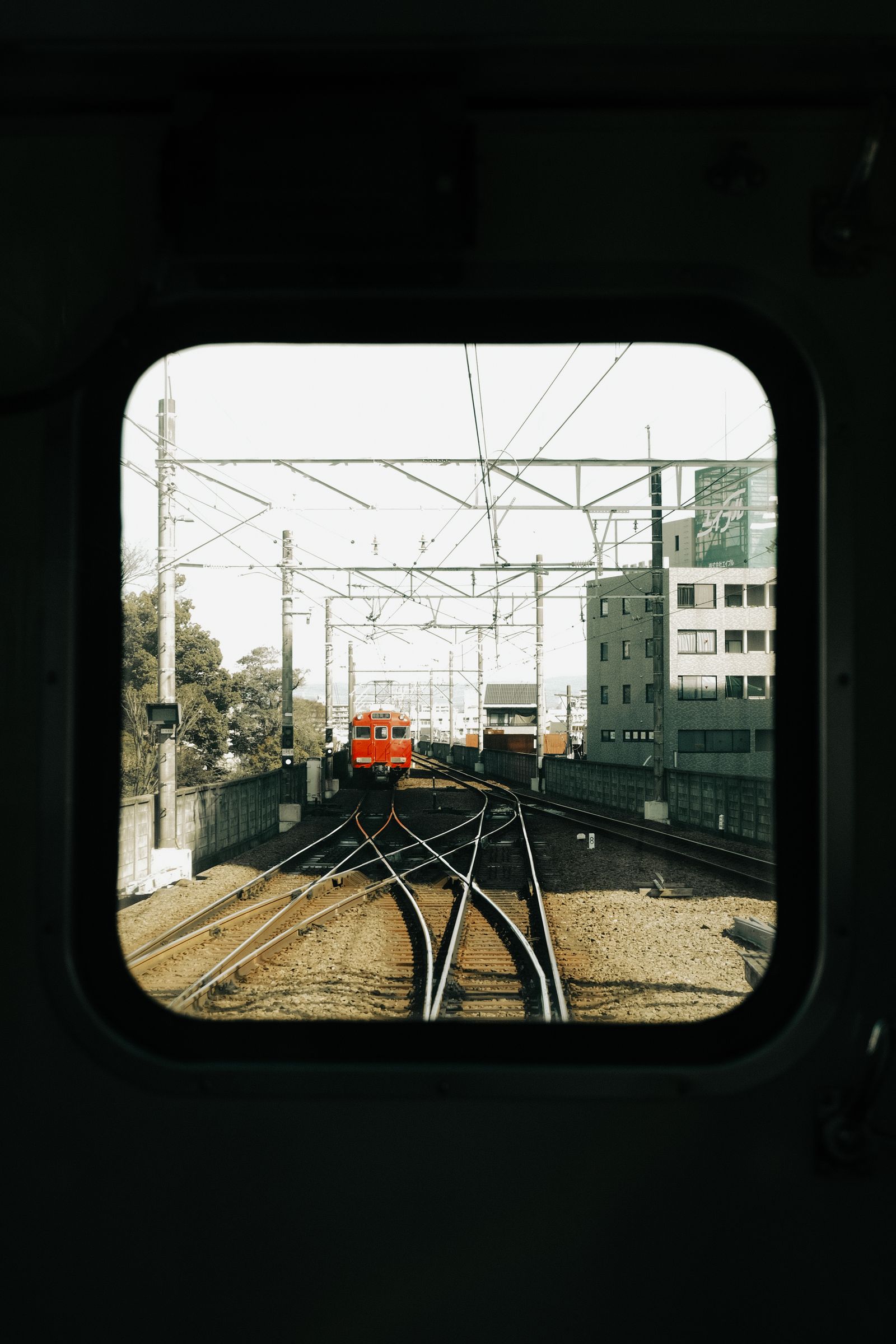
17. der Schaffner — the conductor. He or she checks tickets, answers questions, and can help when you are unsure about a connection. Example: “Der Schaffner kontrolliert die Fahrkarten.” — “The conductor is checking the tickets.”
18. der Sitzplatz — the seat. On busy routes, a reserved seat saves you from hunting through crowded carriages. Example: “Mein Sitzplatz ist am Fenster.” — “My seat is by the window.”
19. die Sitzplatzreservierung — the seat reservation. It costs a few euros on top of your ticket and guarantees your place, especially on ICE trains. Example: “Ich habe eine Sitzplatzreservierung gebucht.” — “I have booked a seat reservation.”
20. das Abteil — the compartment. Older trains still have these closed six-seat rooms, a quieter and more private way to travel. Example: “Wir sitzen in einem ruhigen Abteil.” — “We are sitting in a quiet compartment.”
21. der Speisewagen — the dining car. Here you can order hot meals, snacks, and drinks while the landscape rolls past the window. Example: “Im Speisewagen gibt es leckeren Kuchen.” — “In the dining car there is delicious cake.”
22. der Fensterplatz — the window seat. The most popular seat on scenic routes, so reserve it early if you can. Example: “Ich liebe den Fensterplatz im Zug.” — “I love the window seat on the train.”
23. der Gangplatz — the aisle seat. A good choice if you plan to stretch your legs often or need quick access to your luggage. Example: “Der Gangplatz ist praktischer für mich.” — “The aisle seat is more practical for me.”
24. der Fahrgast — the passenger. You will hear this word in announcements addressed to everyone aboard, such as requests to keep aisles clear. Example: “Liebe Fahrgäste, wir bitten um Aufmerksamkeit.” — “Dear passengers, we ask for your attention.”
Delays and Connections
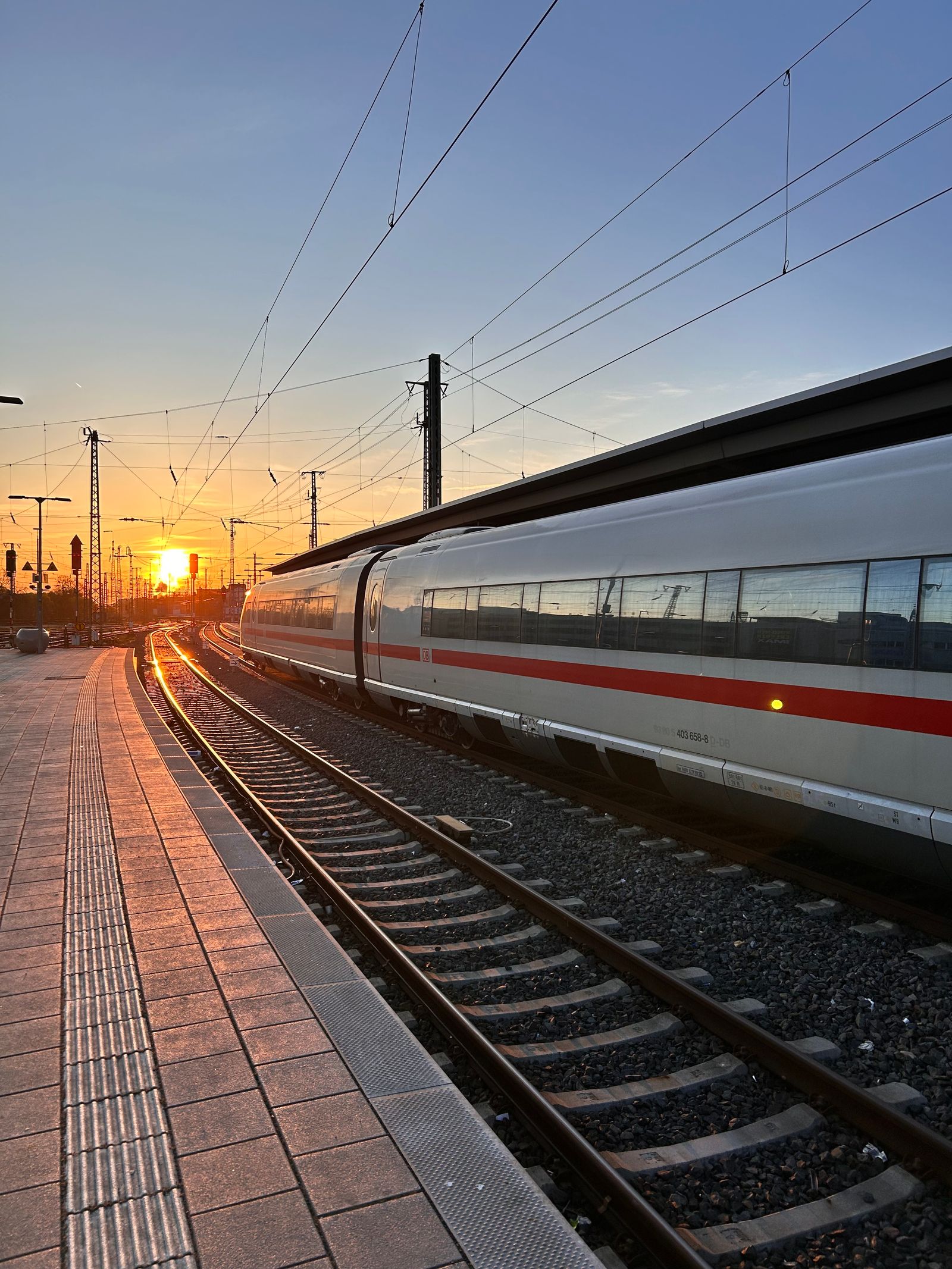
German trains are usually punctual, but delays happen, and this is exactly when good vocabulary pays off. These words help you understand announcements and replan on the spot.
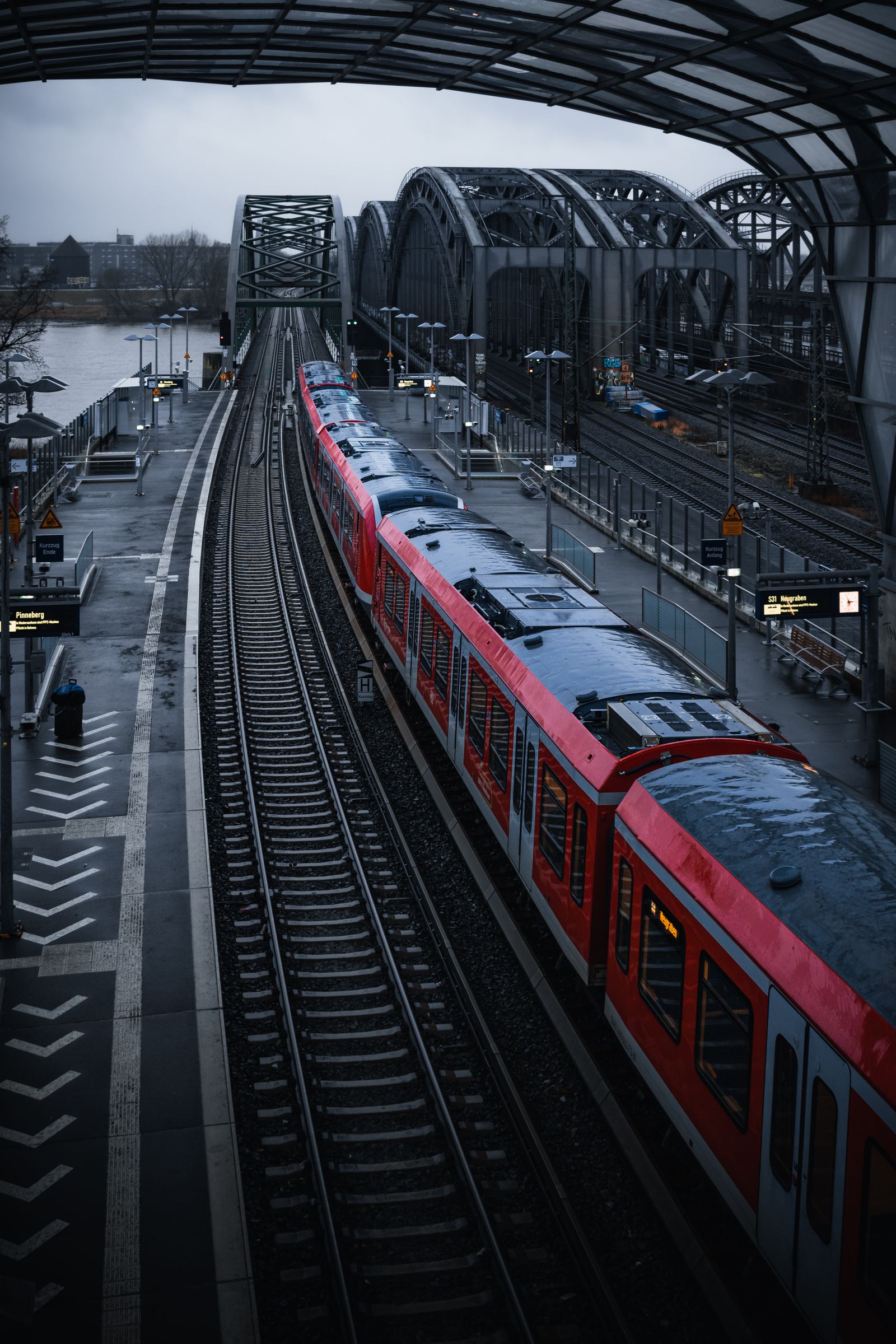
25. die Verspätung — the delay. The single most important word when things go wrong, announced with the number of minutes. Example: “Der Zug hat zehn Minuten Verspätung.” — “The train is delayed by ten minutes.”
26. der Anschluss — the connection. Your onward train after arriving somewhere, and the word staff use when helping you replan. Example: “Ich muss meinen Anschluss in Frankfurt erreichen.” — “I have to catch my connection in Frankfurt.”
27. der Umstieg — the change of trains. When your route needs more than one train, this is the transfer between them. Example: “Der Umstieg dauert nur fünf Minuten.” — “The change of trains takes only five minutes.”
28. der Zugausfall — the train cancellation. If your train is cancelled entirely, listen for this word and look for the next departure. Example: “Wegen eines Zugausfalls nehmen wir den nächsten Zug.” — “Because of a train cancellation, we take the next train.”
29. die Gleisänderung — the platform change. A last-minute switch of platform, announced loudly and shown on the departure board. Example: “Achtung, Gleisänderung für den Zug nach Hamburg!” — “Attention, platform change for the train to Hamburg!”
30. die Durchsage — the announcement. Station and onboard announcements use this word, and listening for it helps you catch the important news. Example: “Haben Sie die Durchsage gehört?” — “Did you hear the announcement?”
31. der Schienenersatzverkehr — the rail replacement bus service. When engineering works close a line, buses take over, and this long compound word appears on signs. Example: “Heute gibt es Schienenersatzverkehr mit Bussen.” — “Today there is a rail replacement bus service.”
32. die Entschädigung — the compensation. For long delays, passengers can claim back part of the fare, and this is the word for that refund. Example: “Bei einer Stunde Verspätung gibt es eine Entschädigung.” — “For a one-hour delay, there is compensation.”
German Train Vocabulary: Useful Phrases for Travelers
Words are only half the battle: these ready-made phrases let you ask questions, buy tickets, and solve problems even if your grammar is still basic. For the rest of your trip, our German hotel vocabulary and German sightseeing vocabulary continue where this list leaves off, and our German airport and train station phrases cover the journey to the station itself.
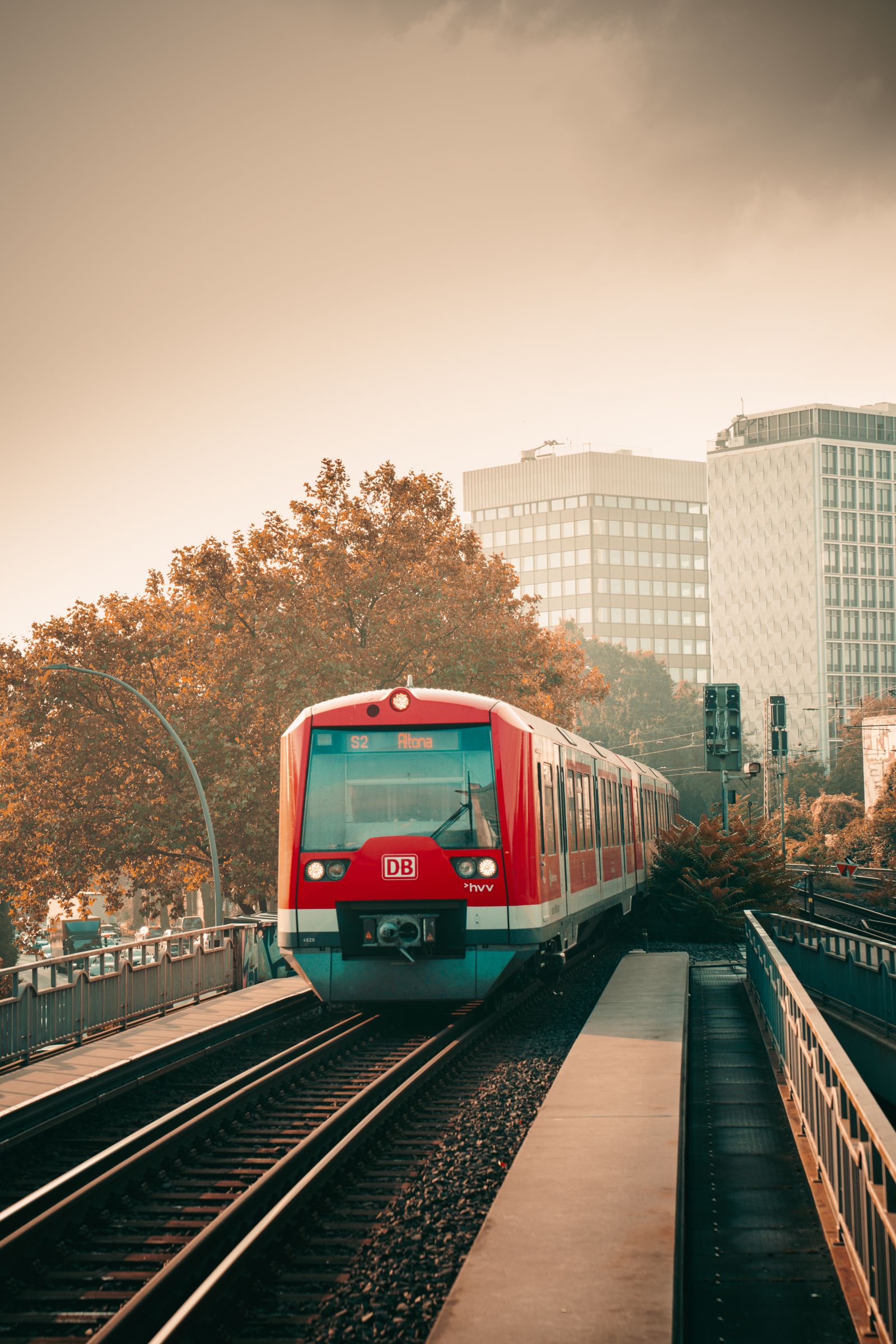
33. “Ein Ticket nach Berlin, bitte.” — “One ticket to Berlin, please.” The simplest way to buy at any counter or machine with staff nearby.
34. “Wann fährt der nächste Zug ab?” — “When does the next train depart?” Useful at any station when you have missed one or are planning spontaneously.
35. “Wo ist der Bahnsteig?” — “Where is the platform?” Ask this when the station is large and the signs are confusing.
36. “Ist dieser Platz frei?” — “Is this seat free?” The polite way to check before sitting down in an unreserved seat.
37. “Entschuldigung, wo muss ich umsteigen?” — “Excuse me, where do I have to change trains?” Staff and fellow passengers will happily point you in the right direction.
38. “Fährt dieser Zug nach München?” — “Does this train go to Munich?” A quick check before boarding that can save you a long detour.
39. “Ich habe meinen Anschluss verpasst.” — “I have missed my connection.” Say this at the information desk, and staff will find you the next best route.
40. “Wo ist der Fahrkartenautomat?” — “Where is the ticket machine?” Handy when you arrive at a small station and cannot see a counter anywhere.
Tips for Using Your German Train Vocabulary on the Road
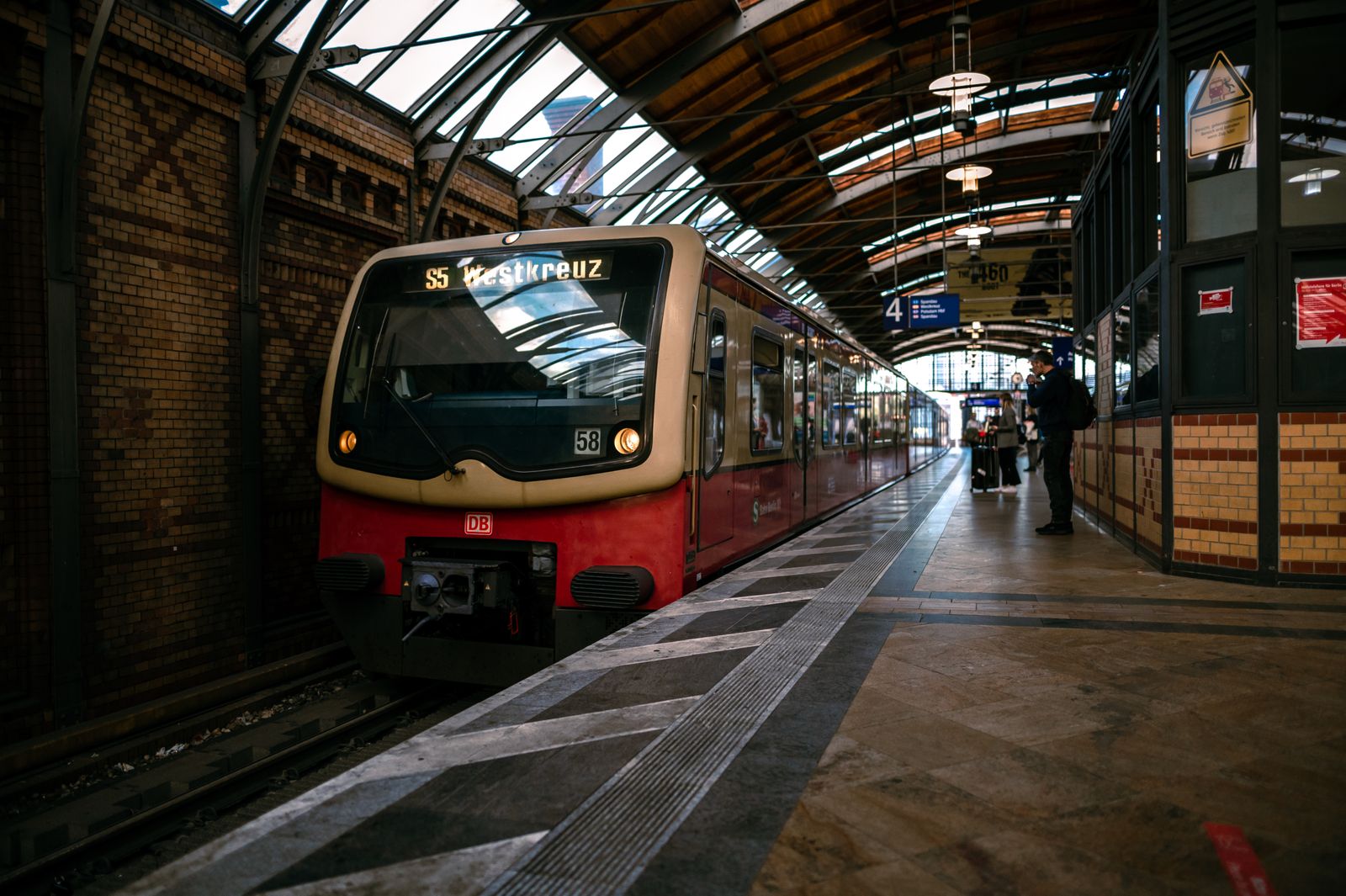
Knowing the words is one thing; using them under time pressure at a busy station is another. Start by learning the ten words you will meet first: Bahnhof, Fahrkarte, Bahnsteig, Gleis, Abfahrt, Ankunft, Verspätung, Anschluss, Zug, and Schaffner. These alone cover most departure boards and announcements. Second, practise saying the eight phrases out loud before your trip, because a phrase you have spoken once is far easier to recall than one you have only read. Third, download the DB Navigator app and switch it to German for a day: you will see your german train vocabulary in real timetables, platform notices, and delay messages. Finally, do not be afraid to mix German and English. A sentence like “Entschuldigung, where is the Bahnsteig?” is perfectly understood, and most staff will answer in English if you get stuck. Every real conversation cements this german train vocabulary far better than another round of flashcards. For asking your way around town after you step off the train, our German directions phrases will take you the rest of the way.
Key Takeaways
Learning german train vocabulary is one of the fastest ways to travel Germany with confidence. The 40 words and phrases above cover the whole journey: buying a ticket at the Bahnhof, reading the Fahrplan, finding your Bahnsteig, settling into your Sitzplatz, and handling a Verspätung without panic. Learn the articles with the nouns, practise the eight phrases out loud before your trip, and keep this list on your phone for your first German rail journey. Gute Fahrt — have a good trip!