

German Music Vocabulary: 40 Words & Phrases for Music Lovers
Music is one of the fastest ways into a language — and Germany is a wonderful place to start. From the concert halls of Leipzig to brass bands at a village festival, this german music vocabulary gives you 40 real German words and phrases for instruments, genres, concerts, playing, singing and listening, each with the correct der/die/das article, an English meaning and a short German example sentence with translation. Whether you are planning a trip, learning German through songs, or just love music, these words will help you talk about what you hear. Music vocabulary is also unusually motivating to learn: every new word immediately connects to a song you can play, a concert you can attend, or an artist you already enjoy. If you are building your word lists one theme at a time, pair this guide with our German words starting with G and German words starting with K for extra everyday vocabulary.
German Music Vocabulary for Instruments: die Gitarre, das Klavier & More
Instruments are the natural place to begin, because so many German instrument names look familiar — yet their articles still need learning. Note that spielen (to play) is used with instruments without an article: Ich spiele Klavier, not Ich spiele das Klavier. Learning the article together with the noun is the single most useful habit in this whole german music vocabulary list, because it saves you from relearning every word later.
1. die Gitarre (the guitar) — the most popular instrument for beginners. Sie spielt jeden Tag Gitarre. (She plays guitar every day.)
2. das Klavier (the piano) — a classic German living-room instrument. Das Klavier steht im Wohnzimmer. (The piano is in the living room.)
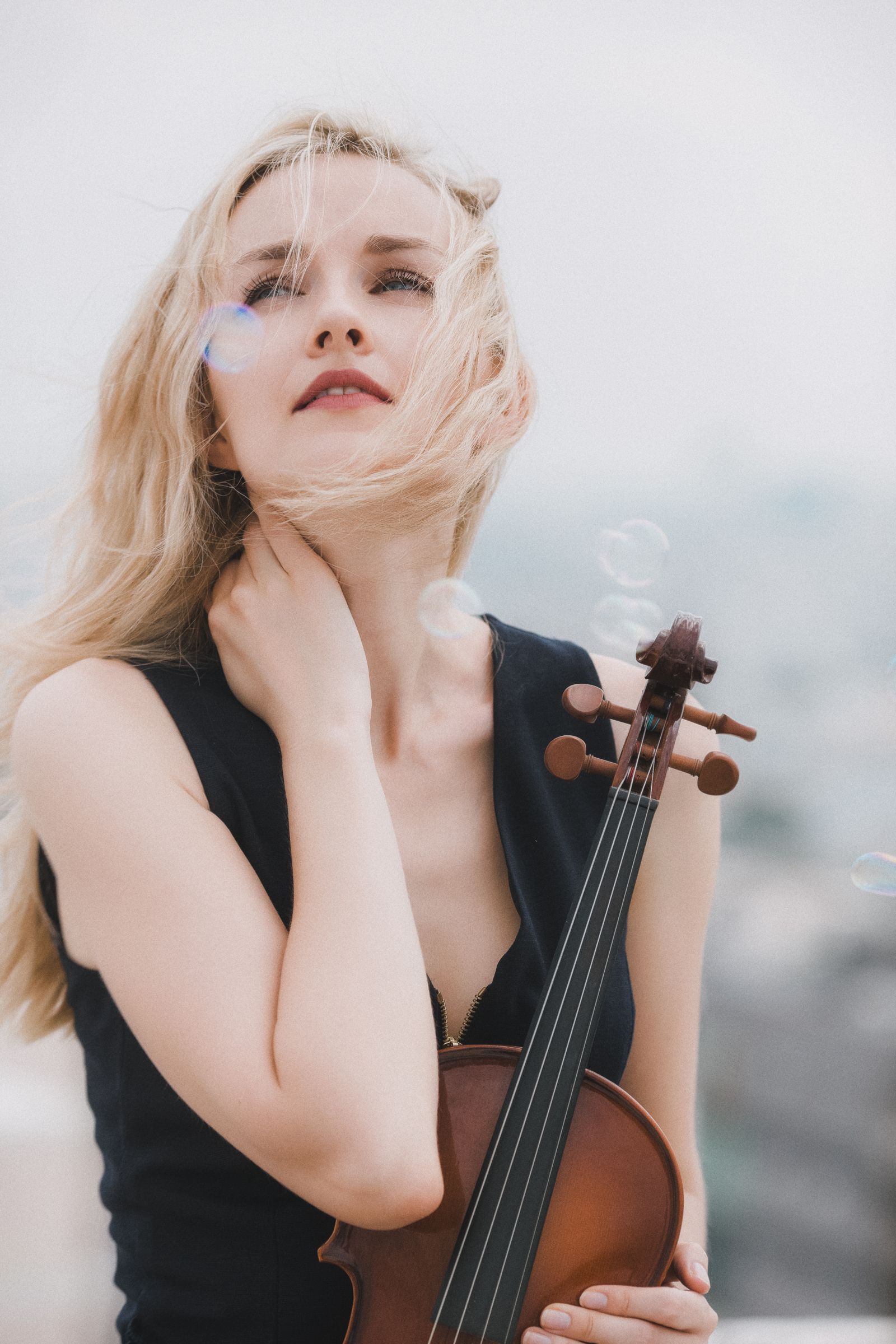
3. die Geige (the violin) — also called die Violine in formal contexts. Die Geige klingt wunderschön. (The violin sounds beautiful.)
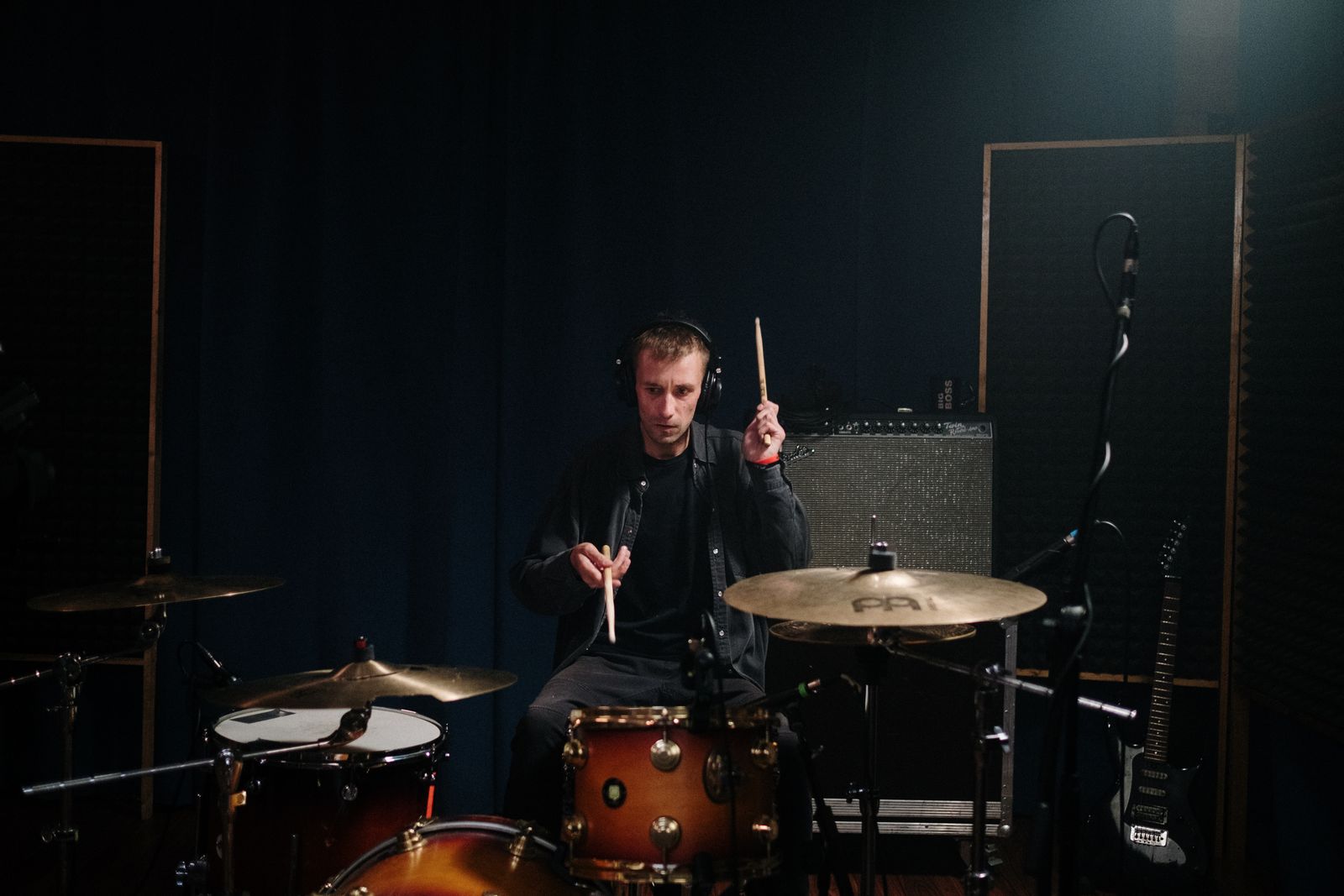
4. das Schlagzeug (the drums) — literally “the striking instrument”. Er spielt Schlagzeug in einer Band. (He plays drums in a band.)
5. die Trompete (the trumpet) — bright, loud and unmistakable. Die Trompete ist laut und strahlend. (The trumpet is loud and brilliant.)
6. die Flöte (the flute) — a common first instrument for schoolchildren in Germany. Meine Tochter lernt Flöte. (My daughter is learning the flute.)
7. das Cello (the cello) — short for das Violoncello. Das Cello hat einen warmen Klang. (The cello has a warm sound.)
8. die Klarinette (the clarinet) — a favourite in both classical music and jazz. Die Klarinette klingt weich und klar. (The clarinet sounds soft and clear.)
Music Genres in German: der Rock, die klassische Musik & More
Genre words in German are often borrowed from English, but their articles and a few homegrown genres still catch learners out. Schlager, for example, has no neat English equivalent — it is Germany’s own brand of catchy pop. When you talk about genres, you can simply say Ich höre gern Jazz or Ich mag Rock, using the genre word directly after the verb.
9. der Rock (rock music) — a masculine loanword. Wir hören gern Rock. (We like listening to rock.)
10. der Pop (pop music) — short, simple and masculine. Pop läuft im Radio den ganzen Tag. (Pop plays on the radio all day.)
11. die klassische Musik (classical music) — Germany’s most famous musical export. Ich liebe klassische Musik. (I love classical music.)
12. der Jazz (jazz) — another masculine loanword. Der Jazz kommt aus Amerika. (Jazz comes from America.)
13. die Volksmusik (folk music) — traditional music of the people. Volksmusik spielt man auf vielen Festen. (Folk music is played at many festivals.)
14. der Hip-Hop (hip-hop) — popular with younger listeners across Germany. Hip-Hop ist in Berlin sehr beliebt. (Hip-hop is very popular in Berlin.)
15. die elektronische Musik (electronic music) — Berlin is world-famous for it. Elektronische Musik füllt die Clubs in Berlin. (Electronic music fills the clubs in Berlin.)
16. der Schlager (German hit pop) — catchy, cheerful German-language pop songs. Schlager ist in Deutschland sehr beliebt. (Schlager is very popular in Germany.)
At a Concert: das Konzert, die Bühne & More
Concert vocabulary is practical travel German: it covers tickets, stages, audiences and applause. If you are heading to a festival, read our German Oktoberfest vocabulary too, since live brass-band music is a huge part of that celebration. At the venue, useful phrases include Wo ist die Bühne? (Where is the stage?) and Wann beginnt das Konzert? (When does the concert begin?).
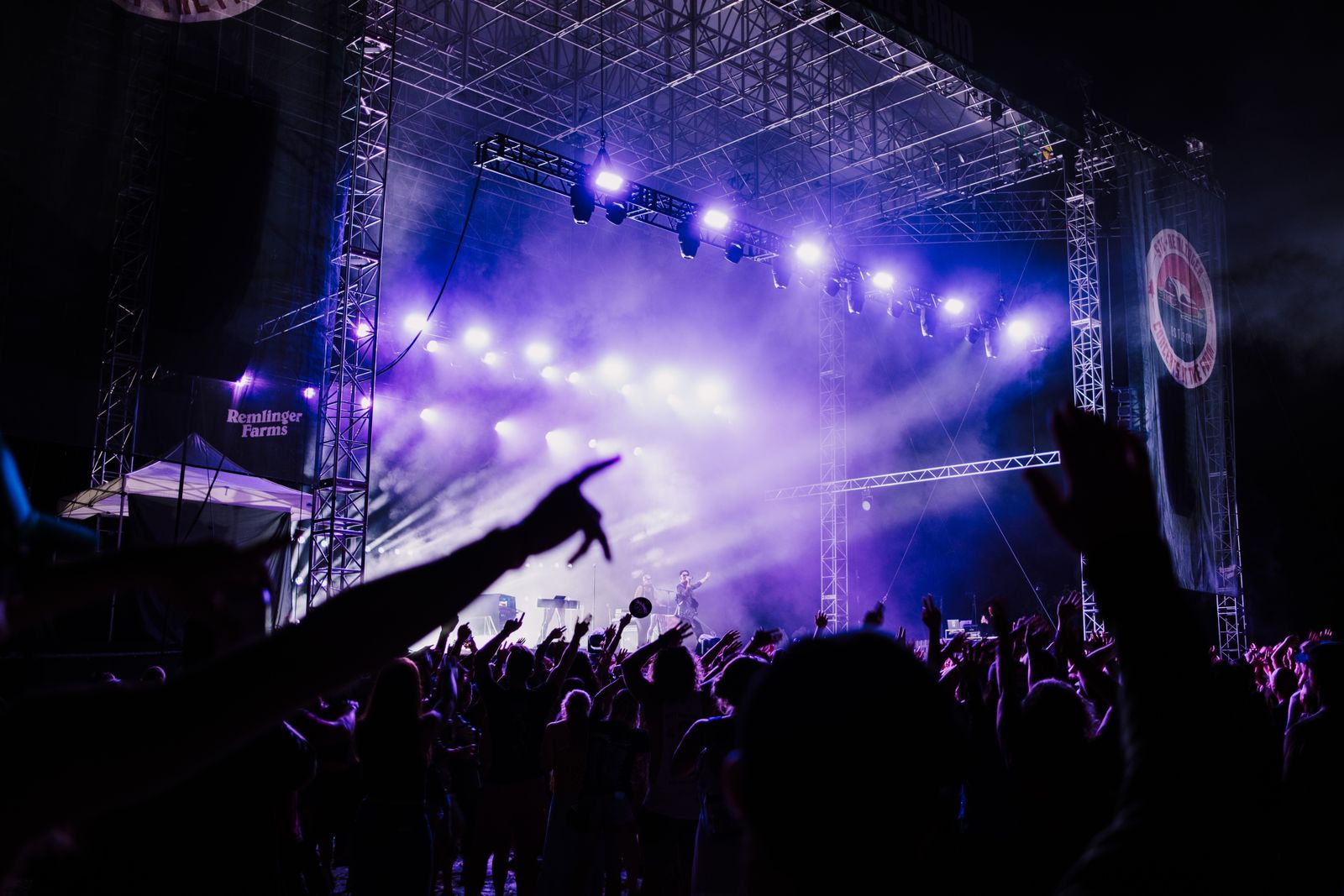
17. das Konzert (the concert) — the key word for any live show. Das Konzert beginnt um acht Uhr. (The concert starts at eight o’clock.)
18. die Bühne (the stage) — where the performers stand. Die Band steht auf der Bühne. (The band is standing on the stage.)
19. das Publikum (the audience) — a neuter collective noun. Das Publikum klatscht begeistert. (The audience is applauding enthusiastically.)
20. die Eintrittskarte (the admission ticket) — the full word for a concert ticket. Ich habe zwei Eintrittskarten gekauft. (I bought two admission tickets.)
21. die Band (the band) — borrowed from English, feminine in German. Die Band spielt heute Abend live. (The band is playing live tonight.)
22. der Sänger / die Sängerin (the singer) — the masculine and feminine forms. Der Sänger hat eine tolle Stimme. (The singer has a great voice.)
23. das Lied (the song) — one of the most useful music words of all. Das Lied gefällt mir sehr. (I like the song a lot.)
24. der Applaus (the applause) — what every performer hopes for. Der Applaus war riesig. (The applause was huge.)
Playing and Singing in German: spielen, singen & More
These verbs and nouns let you describe making music yourself, from practising at home to singing in a choir. Note that üben (to practise) is the verb German learners use for rehearsing an instrument.
25. spielen (to play an instrument) — used with instruments and games alike. Ich spiele Klavier seit zehn Jahren. (I have played piano for ten years.)
26. singen (to sing) — an irregular verb: singen, sang, gesungen. Wir singen gern zusammen. (We like singing together.)
27. die Stimme (the voice) — your instrument if you sing. Sie hat eine schöne Stimme. (She has a beautiful voice.)
28. der Chor (the choir) — community choirs are popular all over Germany. Ich singe in einem Chor. (I sing in a choir.)
29. das Orchester (the orchestra) — Germany is home to many world-class orchestras. Das Orchester spielt Beethoven. (The orchestra is playing Beethoven.)
30. der Dirigent / die Dirigentin (the conductor) — the person leading the orchestra. Der Dirigent hebt den Taktstock. (The conductor raises the baton.)
31. die Note (the musical note) — also the word for a school grade, so context matters. Ich kann die Noten lesen. (I can read the notes.)
32. üben (to practise) — the daily work behind every performance. Er übt jeden Morgen eine Stunde. (He practises for an hour every morning.)
Listening, Songs and Famous German Music Culture
Germany’s musical heritage is genuinely world-changing: Johann Sebastian Bach and Ludwig van Beethoven are among the most famous composers in history, and their music is still performed daily in German concert halls. Brass-band music (die Blasmusik) is equally part of everyday culture, from beer gardens to autumn festivals — our German autumn words list pairs well with festival season. Modern Germany adds another layer entirely, from techno clubs in Berlin to chart pop on every radio station. These final eight words cover listening and enjoying music.
33. das Album (the album) — a collection of songs by one artist. Das neue Album ist fantastisch. (The new album is fantastic.)
34. die Melodie (the melody) — the tune you hum afterwards. Die Melodie bleibt im Kopf. (The melody stays in your head.)
35. der Rhythmus (the rhythm) — the beat that makes you move. Der Rhythmus ist schnell und fröhlich. (The rhythm is fast and cheerful.)
36. der Liedtext (the lyrics) — the words of a song. Der Liedtext ist auf Deutsch. (The lyrics are in German.)
37. hören (to listen to / to hear) — the core verb for music lovers. Ich höre gern Musik beim Kochen. (I like listening to music while cooking.)
38. das Radio (the radio) — still a daily habit for many Germans. Im Radio läuft ein schönes Lied. (A beautiful song is playing on the radio.)
39. die Playlist (the playlist) — a modern loanword, feminine in German. Meine Playlist ist voll mit Jazz. (My playlist is full of jazz.)
40. der Komponist / die Komponistin (the composer) — the person who writes the music. Bach war ein großer Komponist. (Bach was a great composer.)
That completes the core list, and every entry in this german music vocabulary follows the same pattern: article, meaning, and a sentence you can actually say. Reviewing the list aloud a few times will fix the articles faster than reading it silently.
How to Use This German Music Vocabulary: Pronunciation Tips
German pronunciation is refreshingly regular once you know a few rules, and this german music vocabulary is a good place to practise them. The letter w sounds like an English v (die Volksmusik sounds like “FOLKS-moo-zeek”), z sounds like ts (das Schlagzeug ends in a ts sound), and ch after a, o or u is a throaty sound, as in Bach. Stress usually falls on the first syllable of German nouns, so GItarre is wrong — say giTARre, with the stress on the second syllable, just as native speakers do. The best way to use these words is to listen actively: pick a German song, follow along with der Liedtext, and look up any word you do not know. Singing along is not just fun — it fixes pronunciation and articles in your memory far faster than silent reading. Try a simple routine: learn five words from this german music vocabulary each day, say each one aloud three times with its article, then use it in a short sentence of your own. Within a week you will be able to describe your favourite artists, genres and concerts in German without hesitating. For more everyday themed lists, try our German coffee vocabulary and German words starting with H next.
Key Takeaways
- This german music vocabulary covers 40 real words: instruments, genres, concert terms, playing and singing vocabulary, and listening words.
- Learn each noun with its article — die Gitarre, das Klavier, der Rock — because the article is part of the word.
- Use spielen for instruments and singen for singing, and remember that instruments take no article after spielen.
- Germany’s musical heritage, from Bach and Beethoven to modern Berlin electronic music, gives you endless listening material.
- Practise by listening to German songs, reading der Liedtext, and singing along — it builds vocabulary and pronunciation together.
- Keep this german music vocabulary list handy when you travel: even ten confident words are enough to enjoy a concert, ask about a band, or chat with fellow music fans in German.
Frequently Asked Questions
What is the German word for music?
The German word for music is die Musik (feminine). Ich höre gern Musik. means “I like listening to music.” You can build on it easily: die Musik hören means “to listen to music”, and die Musik leise stellen means “to turn the music down.”
How do you say “I play guitar” in German?
Say Ich spiele Gitarre. Note that German drops the article here — you do not say Ich spiele die Gitarre when you mean playing as a skill or hobby.
What is Schlager music?
Schlager is a genre of catchy, melodic German-language pop music, hugely popular in Germany and Austria, especially at festivals and parties. Think singalong choruses and cheerful themes. If you attend a German folk festival, you will almost certainly hear Schlager playing alongside traditional brass-band music.
Who are the most famous German composers?
Johann Sebastian Bach, Ludwig van Beethoven, Johannes Brahms and Richard Wagner are among the most famous German composers, and their works remain central to classical music worldwide.