

German loves compounds, and even the rare letter X gets its share: German compound words with X are built by snapping an X-word (Text, Box, Hexe, Taxi, Export, Fax) together with another noun. The result is everyday vocabulary — der Textmarker on your desk, der Boxenstopp on race day, der Taxifahrer on the street. Each entry below shows the compound’s article (determined by the last element, as always in German), its English meaning, an example sentence, and the two halves that built it. For the X-words these compounds are made from, see German words with X; for why X is so rare in German, read why German words with X are rare.
German Compound Words with X: Text and Office
der Textmarker — highlighter pen. Leih mir mal deinen Textmarker. (Lend me your highlighter.) Text + Marker; the desk essential for students.
die Textnachricht — text message. Er antwortet nie auf Textnachrichten. (He never replies to text messages.) Text + Nachricht; the standard German word for SMS.
die Textstelle — text passage. Lies die Textstelle noch einmal. (Read the text passage again.) Text + Stelle; used in school and literary discussion.
der Textabschnitt — text section, paragraph block. Der Textabschnitt ist zu lang. (The text section is too long.) Text + Abschnitt; formal writing vocabulary.
der Texteditor — text editor. Öffne die Datei im Texteditor. (Open the file in the text editor.) Text + Editor; programmer vocabulary.
das Faxgerät — fax machine. Das Faxgerät piept schon wieder. (The fax machine is beeping again.) Fax + Gerät; fading but still in every German bureaucracy.
die Faxnummer — fax number. Die Faxnummer steht auf der Website. (The fax number is on the website.) Fax + Nummer; still requested on German official forms.
der Praxisraum — practice room, surgery room. Der Praxisraum ist frisch renoviert. (The practice room is newly renovated.) Praxis + Raum; doctor’s or therapist’s office.
der Indexfonds — index fund. Indexfonds sind kostengünstig. (Index funds are low-cost.) Index + Fonds; the investor’s compound.
German Compound Words with X: Sport and Leisure
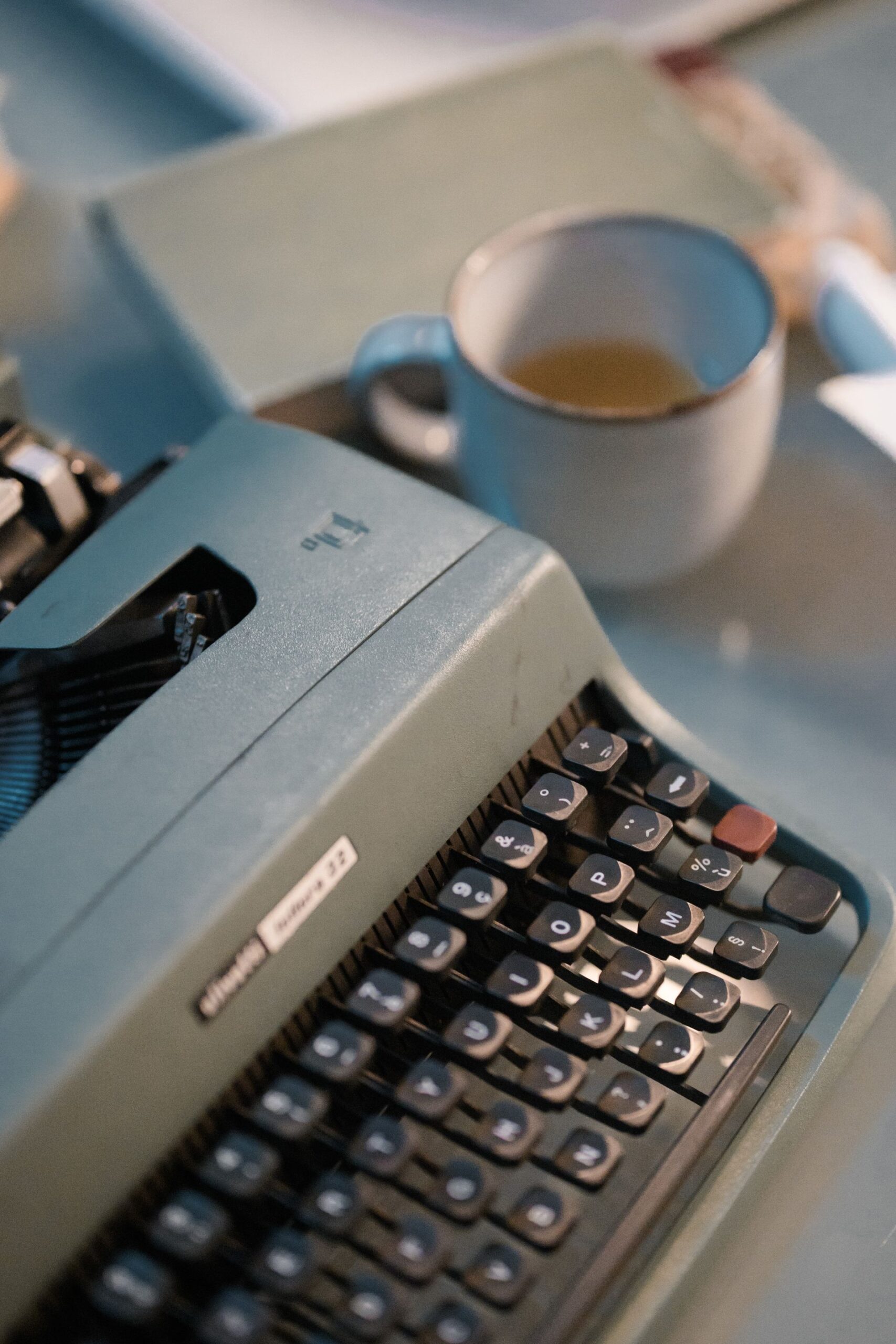
der Boxenstopp — pit stop. Der Boxenstopp war perfekt getimt. (The pit stop was perfectly timed.) Box (pit box) + Stopp; motor-racing German.
die Boxhandschuhe (plural) — boxing gloves. Zieh die Boxhandschuhe an. (Put on the boxing gloves.) Boxen + Handschuhe; singular der Boxhandschuh.
der Boxkampf — boxing match. Der Boxkampf geht über zwölf Runden. (The boxing match goes twelve rounds.) Boxen + Kampf; Saturday-night TV vocabulary.
die Boxershorts (plural) — boxer shorts. Er trägt Boxershorts. (He wears boxer shorts.) Boxer + Shorts; laundry-day vocabulary.
der Mixer — mixer, blender. Der Mixer steht in der Küche. (The mixer is in the kitchen.) Mix + -er (agent suffix); also the cocktail-mixing person.
das Mixgetränk — mixed drink. Das Mixgetränk ist zu süß. (The mixed drink is too sweet.) Mix + Getränk; party and bar vocabulary.
German Compound Words with X: Export and Business
die Exportfirma — export company. Die Exportfirma sitzt in Hamburg. (The export company is based in Hamburg.) Export + Firma; Hanseatic tradition in one word.
die Exportquote — export quota/ratio. Die Exportquote steigt. (The export ratio is rising.) Export + Quote; economics news staple.
der Exportüberschuss — export surplus. Der Exportüberschuss bleibt hoch. (The export surplus remains high.) Export + Überschuss; the word behind Germany’s trade debates.
der Exporteur — exporter. Der Exporteur liefert nach Asien. (The exporter delivers to Asia.) Export + -eur (French agent suffix); feminine die Exporteurin.
die Exportabteilung — export department. Sie arbeitet in der Exportabteilung. (She works in the export department.) Export + Abteilung; corporate structure vocabulary.
German Compound Words with X: Hexe (Witch) Family
der Hexenschuss — lumbago (sudden back pain). Nach dem Umzug hatte er einen Hexenschuss. (After the move he had lumbago.) Hexe + Schuss; literally “witch’s shot.”
die Hexenjagd — witch hunt. Die Hexenjagd forderte viele Opfer. (The witch hunt claimed many victims.) Hexe + Jagd; literal history and political metaphor.
das Hexenhaus — witch’s house. Das Hexenhaus aus Lebkuchen steht im Schaufenster. (The gingerbread witch’s house is in the shop window.) Hexe + Haus; Hänsel-und-Gretel vocabulary.
der Hexenbesen — witch’s broom. Der Hexenbesen lehnt an der Tür. (The witch’s broom leans against the door.) Hexe + Besen; Halloween and fairy-tale essential.
der Hexenkessel — witch’s cauldron. Im Hexenkessel brodelt der Zaubertrank. (The magic potion bubbles in the witch’s cauldron.) Hexe + Kessel; pure fairy tale.
das Hexenwerk — witchcraft; also “tricky business” (colloquial). Das ist doch kein Hexenwerk! (That’s not rocket science!) Hexe + Werk; the idiom means “it’s not that hard.”
der Hexenmeister — sorcerer, master wizard. Der Hexenmeister kennt alle Zauber. (The sorcerer knows all spells.) Hexe + Meister; a step up from der Hexer.
die Hexenverbrennung — witch burning. Die Hexenverbrennung gehört ins Mittelalter. (Witch burning belongs to the Middle Ages.) Hexe + Verbrennung; historical vocabulary.
German Compound Words with X: Taxi, Ex-, and More
der Taxifahrer — taxi driver. Der Taxifahrer wartet draußen. (The taxi driver is waiting outside.) Taxi + Fahrer; feminine die Taxifahrerin.
die Taxizentrale — taxi dispatch center. Ruf die Taxizentrale an. (Call the taxi dispatch.) Taxi + Zentrale; the number you call at 2 a.m.
der Taxistand — taxi stand. Am Taxistand warten drei Wagen. (Three cars are waiting at the taxi stand.) Taxi + Stand; look for the sign at stations.
die Taxifahrt — taxi ride. Die Taxifahrt dauerte zwanzig Minuten. (The taxi ride took twenty minutes.) Taxi + Fahrt; expense-report vocabulary.
der Exfreund — ex-boyfriend. Ihr Exfreund wohnt jetzt in München. (Her ex-boyfriend lives in Munich now.) Ex- + Freund; the productive ex-prefix.
die Exfreundin — ex-girlfriend. Seine Exfreundin hat geheiratet. (His ex-girlfriend got married.) Ex- + Freundin.
das Exil — exile (base word, included as compound root). Viele Künstler lebten im Exil. (Many artists lived in exile.) Root of Exilregierung (government in exile) and Exilliteratur.
How German X-Compounds Are Built

German compounds follow one iron rule: the last element determines the article and the core meaning; the elements before it describe. der Textmarker is a Marker (masculine) for Text. die Textnachricht is a Nachricht (feminine) about Text. das Faxgerät is a Gerät (neuter) for Fax.
X-compounds add one wrinkle: the X-element is almost always the describer, not the core. Der Boxenstopp is a Stopp in the Box (pit); die Exportquote is a Quote about Export; der Taxifahrer is a Fahrer of a Taxi. The X brings the flavor (sport, trade, transport, witchcraft); the plain German noun brings the grammar. This means you can decode any X-compound by covering the X-part and reading the last word: -stopp, -quote, -fahrer, -gerät, -besen — the meaning skeleton is always ordinary German.
Linking elements: some X-compounds add an -n- or -en- between parts: die Boxen + Handschuhe → die Boxhandschuhe (the -n- is the plural marker of Boxen), die Hexe + Jagd → die Hexenjagd (the -n- is the genitive/weak feminine link). Don’t overthink these — they’re the glue German inserts by habit, and dictionaries list the finished compound anyway.
Stress: compound stress falls on the first element: TEXTmarker, BOXenstopp, HEXenjagd, TAXifahrer, EXportquote. Say it wrong (textmarKER) and Germans will still understand you, but the rhythm marks you as a learner instantly. (The [ks] inside every one of these is always crisp — see our Q, X, Y pronunciation guide for the sound rules.)
The 6 Most Productive X-Roots
Six X-words generate nearly all X-compounds. Learn the roots, get the compounds free:
- TEXT- → Textmarker, Textnachricht, Textstelle, Textabschnitt, Texteditor, Textverarbeitung (word processing). The office root.
- BOX- → Boxenstopp, Boxhandschuhe, Boxkampf, Boxershorts, Boxring (boxing ring, bonus). The sport root.
- EXPORT- → Exportfirma, Exportquote, Exportüberschuss, Exporteur, Exportabteilung, Exportland (export country, bonus). The trade root.
- HEXE- → Hexenschuss, Hexenjagd, Hexenhaus, Hexenbesen, Hexenkessel, Hexenwerk, Hexenmeister, Hexenverbrennung. The folklore root — eight compounds from one witch.
- TAXI- → Taxifahrer, Taxizentrale, Taxistand, Taxifahrt, Taxameter (taximeter, bonus). The transport root.
- FAX- → Faxgerät, Faxnummer. Small family, fading technology — but per Fax survives in bureaucracy.
Six roots, thirty compounds. German compounding is a combinatorial machine: feed it productive roots and it manufactures vocabulary faster than any learner can memorize — which is why learning the system beats learning the list.
X-Compounds in German News Headlines

X-compounds are headline favorites because they’re compact and precise. Recent-style examples (constructed to show typical usage):
- “Exportüberschuss erreicht Rekordhoch” (Export surplus hits record high) — business pages, quarterly.
- “Boxenstopp-Entscheidung bringt Sieg” (Pit-stop decision brings victory) — sports pages, race season.
- “Hexenjagd gegen Kritiker” (Witch hunt against critics) — politics pages, metaphorical and biting.
- “Taxizentrale meldet Fahrermangel” (Taxi dispatch reports driver shortage) — local news, evergreen.
- “Textnachrichten als Beweismittel” (Text messages as evidence) — court reporting, modern classic.
Read German headlines with X-compounds in mind and you’ll start spotting them weekly. Each sighting is free vocabulary revision — the compound you decode in a headline is the compound you own.
Build Your Own X-Compounds: The System in Action
Once you know the roots, you can decode — and even predict — X-compounds you’ve never seen. Try these real-but-rare compounds:
- der Textbaustein (text module) — Text + Baustein. Predictable: a building block of text.
- die Exporterlaubnis (export permit) — Export + Erlaubnis. Bureaucracy loves this pattern.
- der Taxigutschein (taxi voucher) — Taxi + Gutschein. Corporate-benefit vocabulary.
- die Boxlegende (boxing legend) — Box + Legende. Sports journalism.
The exercise: take any X-root and attach it to any ordinary noun. Nine times out of ten, the result is either a real word or an instantly understandable invention — because German compounding is productive, not memorized. Native speakers do this constantly (“der Textmarker-Verleih” — the highlighter rental… okay, nobody rents highlighters, but every German would understand it). This productivity is why learning 6 roots beats learning 30 compounds: the roots generate the compounds on demand.
The article rule, once more: last element decides. der Textmarker (der Marker), die Textnachricht (die Nachricht), das Faxgerät (das Gerät). When you invent or encounter a new compound, find the last noun — that’s your article. This single rule eliminates 90% of article anxiety with compounds.
X-Compounds Quiz
- What does the last element of a German compound determine? (Article and core meaning.)
- Break down der Boxenstopp. (Box = pit box + Stopp = stop.)
- What’s a Hexenbesen? (Witch’s broom.)
- Which X-root generates Taxizentrale, Taxistand, Taxifahrt? (TAXI-.)
- Translate “text message.” (die Textnachricht.)
- What’s the difference between der Exporteur and die Exportabteilung? (Person vs. department — the -eur person-suffix vs. -abteilung.)
- Name three Hexe-compounds. (Any three of: Hexenschuss, Hexenjagd, Hexenhaus, Hexenbesen, Hexenkessel, Hexenwerk, Hexenmeister, Hexenverbrennung.)
X-Compounds in Austrian and Swiss German
X-compounds travel well across borders, with local seasoning:
Austria: der Taxler (Viennese slang for taxi driver — from Taxi + -ler, the Austrian agent suffix). “Ruf an Taxler!” is pure Vienna. Der Boxenstopp and die Hexenjagd are identical to Germany. Austrian bureaucracy loves Fax- compounds as much as Germany’s — das Faxgerät refuses to die in Viennese offices.
Switzerland: das SMS… no X. Swiss specifics: der Taxameter is universal, die Textnachricht identical. Swiss German dialects form X-compounds the same way (last-element rule holds in dialect too). One Swiss particularity: English Box- compounds arrive slightly faster in Swiss sports media.
The shared core: Textmarker, Boxenstopp, Hexenschuss, Taxifahrer, Exportquote — identical in Berlin, Vienna, and Zurich. X-compounds are among the most uniform vocabulary in the German-speaking world, because most were coined in the standard language (not dialects) in the last 200 years. Learn them once, use them everywhere.
Key Takeaways

German compound words with X show the letter’s two personalities: the international, modern X of Textmarker, Boxenstopp, Exportquote, and Indexfonds, and the ancient, native X of the Hexe family — Hexenschuss, Hexenjagd, Hexenbesen. Learn the half-dozen productive X-roots (Text, Box, Export, Hexe, Taxi, Fax) and you can decode almost any X-compound you meet. For the roots themselves, see German words with X; for the letter’s history, why German words with X are rare; and for game night, the German Scrabble Q, X, Y strategy guide.