

German Idioms About Family: 28 Sayings Explained
Family is at the heart of everyday German conversation — and German idioms about family are some of the warmest, wisest, and most-used expressions in the language. Germans love comparing a stubborn child to their grandfather, joking about the “black sheep” at the reunion, or noting that blood is thicker than water. Heard at Sunday dinners, in family WhatsApp groups, and in German films, they instantly make your German warmer and more natural. New to idiomatic German? Our German idioms explained guide is the perfect warm-up. Below: 28 genuine German family sayings — parents and children, relatives, home life, and timeless wisdom — each with literal translation, meaning, and example.
Why Family Sayings Are Everywhere in German
In Germany, asking about family is daily small talk — “Wie geht’s der Familie?” (How is the family?) opens countless conversations, and the Sunday Sonntagessen remains a cherished ritual. Family life is so central that the language overflowed with sayings centuries ago: grandparents quote them, parents teach with them, siblings tease with them. They reveal real German values — loyalty, honesty, and the belief that character is formed at home.
German Idioms About Family: Parents and Children
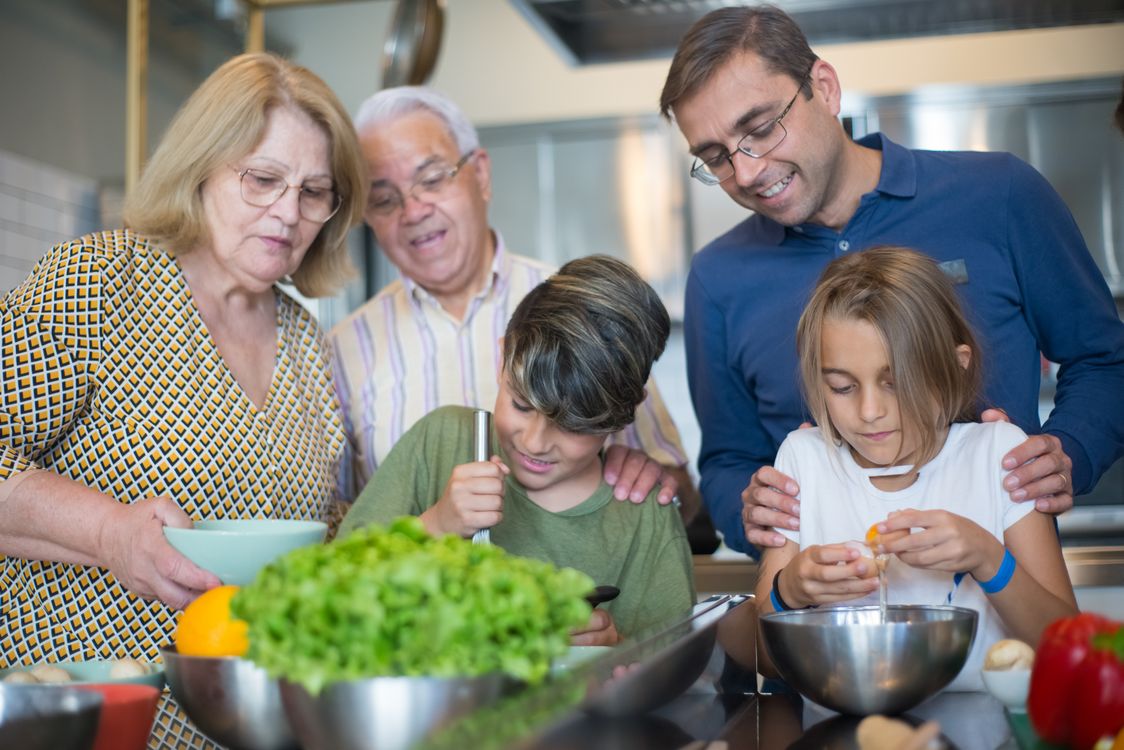
The parent-child bond is the richest source of family sayings — affection, teasing, and hard-won wisdom.
1. Der Apfel fällt nicht weit vom Stamm
Literal translation: “The apple doesn’t fall far from the trunk.”
Meaning: Children resemble their parents in character or habits — usually said with a knowing smile.
Example: “Sie ist genauso stur wie ihre Mutter — der Apfel fällt nicht weit vom Stamm.” (“She’s just as stubborn as her mother — the apple doesn’t fall far from the tree.”) The apple also stars in our German sayings about food.
2. Wie der Vater, so der Sohn
Literal translation: “Like the father, so the son.”
Meaning: A son takes after his father (Wie die Mutter, so die Tochter for daughters).
Example: “Er repariert alles selbst — wie der Vater, so der Sohn.” (“He fixes everything himself — like father, like son.”)
3. Blut ist dicker als Wasser
Literal translation: “Blood is thicker than water.”
Meaning: Family bonds outweigh all others — even after a quarrel.
Example: “Trotz des Streits half er seinem Bruder — Blut ist dicker als Wasser.” (“Despite the argument, he helped his brother — blood is thicker than water.”)
4. Das liegt in der Familie
Literal translation: “That lies in the family.”
Meaning: A trait, talent, or illness runs in the family — inherited, not learned.
Example: “Musikalisches Talent? Das liegt bei uns in der Familie.” (“Musical talent? It runs in our family.”)
5. Kleine Kinder, kleine Sorgen; große Kinder, große Sorgen
Literal translation: “Small children, small worries; big children, big worries.”
Meaning: Parenting worries grow with the children — from lost teddy bears to driving tests.
Example: “Erst die Hausaufgaben, jetzt der Führerschein — kleine Kinder, kleine Sorgen; große Kinder, große Sorgen.” (“First homework, now the driving test — small children, small worries; big children, big worries.”)
6. Kinder und Narren sagen die Wahrheit
Literal translation: “Children and fools tell the truth.”
Meaning: Small children blurt out honest, sometimes painfully embarrassing truths.
Example: “‘Dein Bauch ist aber dick!’ — Kinder und Narren sagen die Wahrheit.” (“‘Your belly is really big!’ — children and fools tell the truth.”)
7. Er ist ganz der Vater
Literal translation: “He is entirely the father.”
Meaning: He’s the spitting image of his father — looks, laugh, or mannerisms.
Example: “Mit diesem Lachen — er ist ganz der Vater.” (“With that laugh — he’s the spitting image of his father.”)
8. Wie die Alten sungen, so zwitschern auch die Jungen
Literal translation: “As the old ones sang, so chirp the young ones.”
Meaning: Children imitate their parents — a poetic way of saying kids copy what they see.
Example: “Sie diskutiert genauso leidenschaftlich wie ihr Vater — wie die Alten sungen, so zwitschern auch die Jungen.” (“She argues just as passionately as her father — as the old ones sang, so chirp the young.”)
9. Was Hänschen nicht lernt, lernt Hans nimmermehr
Literal translation: “What little Hans doesn’t learn, Hans will never learn.”
Meaning: Learn things young or never.
Example: “Melde die Kinder früh zum Schwimmkurs an — was Hänschen nicht lernt, lernt Hans nimmermehr.” (“Sign the kids up for swimming lessons early — what little Hans doesn’t learn, Hans never will.”)

10. Jung gewohnt, alt getan
Literal translation: “Accustomed young, done old.”
Meaning: Childhood habits stick for life.
Example: “Er liest jeden Abend vor dem Schlafen — jung gewohnt, alt getan.” (“He reads every evening before bed — habits learned young stick for life.”)
German Idioms About Family: Relatives and Kinship
Sharp and funny sayings for grandparents, in-laws, and that one eccentric uncle everyone knows.
11. Das schwarze Schaf der Familie
Literal translation: “The black sheep of the family.”
Meaning: The odd one out — the relative who breaks every family tradition.
Example: “Während alle Ärzte wurden, wurde er Künstler — das schwarze Schaf der Familie.” (“While everyone became doctors, he became an artist — the black sheep of the family.”)
12. Man kann sich seine Freunde aussuchen, seine Familie aber nicht
Literal translation: “You can choose your friends, but not your family.”
Meaning: Said with a shrug about difficult relatives — you love them anyway.
Example: “Mein Onkel redet nur über Politik — aber man kann sich seine Freunde aussuchen, seine Familie aber nicht.” (“My uncle only talks about politics — but you can’t choose your family.”)
13. Ein Nesthocker
Literal translation: “A nest-squatter.”
Meaning: An adult child who won’t leave the parental home.
Example: “Mit dreißig wohnt er immer noch bei Mama — ein echter Nesthocker.” (“At thirty he still lives with Mum — a real nest-squatter.”)
14. Ein Nestbeschmutzer
Literal translation: “A nest-soiler.”
Meaning: Someone who publicly badmouths their own family or group — a strong insult.
Example: “Wer die eigene Familie öffentlich schlechtmacht, ist ein Nestbeschmutzer.” (“Anyone who publicly badmouths their own family is a nest-soiler.”)
15. Jeder Topf findet seinen Deckel
Literal translation: “Every pot finds its lid.”
Meaning: There’s a partner for everyone — a favorite wedding toast.
Example: “Nach langem Suchen hat er geheiratet — jeder Topf findet seinen Deckel.” (“After a long search he got married — every pot finds its lid.”)
16. Alte Liebe rostet nicht
Literal translation: “Old love doesn’t rust.”
Meaning: True affection never fades — quoted at golden anniversaries.
Example: “Nach fünfzig Jahren halten sie immer noch Händchen — alte Liebe rostet nicht.” (“After fifty years they still hold hands — old love never rusts.”) See also our German idioms about love.
17. Kinder, Küche, Kirche
Literal translation: “Children, kitchen, church.”
Meaning: The old-fashioned “three Ks” of women’s roles — today used ironically.
Example: “Früher hieß es ‘Kinder, Küche, Kirche’ — heute lachen wir darüber.” (“It used to be ‘children, kitchen, church’ — today we laugh about it.”)
Home Sweet Home: Idioms About Family Life

The German house and hearth produced some of the language’s coziest expressions.

18. Der Haussegen hängt schief
Literal translation: “The house blessing hangs crooked.”
Meaning: There’s tension at home — the blessing over the house hangs crooked.
Example: “Sprich ihn lieber morgen an — heute hängt der Haussegen schief.” (“Better talk to him tomorrow — there’s tension at home today.”)
19. Trautes Heim, Glück allein
Literal translation: “Cozy home, happiness alone.”
Meaning: There’s no place like home — said with relief after a long trip.
Example: “Nach der langen Reise: trautes Heim, Glück allein.” (“After the long journey: home sweet home.”)
20. Mein Haus ist meine Burg
Literal translation: “My house is my castle.”
Meaning: At home you’re safe and in charge — your roof, your rules.
Example: “Hier bestimme ich die Regeln — mein Haus ist meine Burg.” (“I make the rules here — my house is my castle.”)
21. Ordnung muss sein
Literal translation: “There must be order.”
Meaning: The classic German household rule — everything in its place.
Example: “‘Räum dein Zimmer auf — Ordnung muss sein!'” (“‘Tidy your room — there must be order!'”)
22. Morgenstund hat Gold im Mund
Literal translation: “The morning hour has gold in its mouth.”
Meaning: The early bird catches the worm — every German parent’s favorite wake-up call.
Example: “‘Aufstehen! Morgenstund hat Gold im Mund.'” (“‘Get up! The early bird catches the worm.'”)
23. Unter vier Augen
Literal translation: “Between four eyes.”
Meaning: In private, just between two people.
Example: “Darüber reden wir später unter vier Augen.” (“We’ll talk about that later in private.”)
Timeless Family Wisdom: Proverbs Passed Down Generations
Short proverbs parents repeat until their children can recite them in their sleep.
24. Lügen haben kurze Beine
Literal translation: “Lies have short legs.”
Meaning: Lies get caught quickly — the classic parental warning.
Example: “‘Sag die Wahrheit — Lügen haben kurze Beine!'” (“‘Tell the truth — lies have short legs!'”)
25. Ehrlich währt am längsten
Literal translation: “Honest lasts longest.”
Meaning: Honesty pays off in the long run.
Example: “Er gab das verlorene Geld zurück — ehrlich währt am längsten.” (“He returned the lost money — honesty lasts longest.”)
26. Wie man in den Wald hineinruft, so schallt es heraus
Literal translation: “As you shout into the forest, so it echoes back.”
Meaning: You get back what you give.
Example: “Wenn du freundlich bist, sind die Kinder es auch — wie man in den Wald hineinruft, so schallt es heraus.” (“If you’re kind, the kids are too — as you call into the forest, so it echoes back.”)
27. Der Klügere gibt nach
Literal translation: “The smarter one yields.”
Meaning: The wiser person backs down — the peacemaker’s motto.
Example: “Streitet euch nicht — der Klügere gibt nach.” (“Don’t argue — the wiser one yields.”)
28. Geteiltes Leid ist halbes Leid
Literal translation: “Shared sorrow is half sorrow.”
Meaning: A trouble shared with family is a trouble halved.
Example: “Erzähl es deiner Schwester — geteiltes Leid ist halbes Leid.” (“Tell your sister — a trouble shared is a trouble halved.”)
How to Use These German Family Sayings Naturally
Start with the famous three — Der Apfel fällt nicht weit vom Stamm, Blut ist dicker als Wasser, and das schwarze Schaf der Familie — every native knows them, so you’ll sound natural immediately. Learn each saying as one fixed chunk; German idioms rarely survive literal-translation logic. Watch the tone: some are warm (Alte Liebe rostet nicht), some teasing (Nesthocker), some stern (Lügen haben kurze Beine). Listen for them in German dramas and podcasts — hearing der Haussegen hängt schief in a TV argument locks it into memory. Build themed sets with our German idioms by theme collection, and learn to weave them into conversation with our guide on how to use German idioms naturally.
Pronunciation and Word Order Tips
Family idioms are great pronunciation practice. Mind the umlauts — Söhne and schön sound quite different from their umlaut-free cousins, and nailing für, über, and Häuschen makes you instantly more understandable. Notice word order: the verb stays second in main clauses (Der Apfel fällt nicht weit vom Stamm) but jumps to the end in subordinate clauses (…, dass der Apfel nicht weit vom Stamm fällt). Articles matter too — das schwarze Schaf, der Haussegen, die Familie. Read each example aloud three times, then swap in your own relatives: “Er ist ganz der Opa” works just as well.
Key Takeaways

These 28 German idioms about family take you from the dinner table to the family reunion: the apple that never falls far from the tree, blood thicker than water, the crooked house blessing, and wisdom like “lies have short legs.” Every saying here is genuinely used by native speakers. Pick two or three favorites, try them in your next German conversation, and watch native speakers smile. For more everyday expressions, explore our everyday German expressions natives use collection next.
Frequently Asked Questions
What is the most famous German idiom about family?
Der Apfel fällt nicht weit vom Stamm (the apple doesn’t fall far from the tree) — used whenever a child shows a parent’s traits, talents, or stubbornness.
How do you say “blood is thicker than water” in German?
The German version is Blut ist dicker als Wasser — a literal match that Germans use in exactly the same situations as English speakers.
Are German family idioms used in everyday conversation?
Absolutely. Das schwarze Schaf der Familie, Ordnung muss sein, and Morgenstund hat Gold im Mund are living speech — you’ll hear them at home, at work, and on TV.
What is a funny German idiom about family life?
Der Haussegen hängt schief (the house blessing hangs crooked) is a wonderfully vivid way to say there’s tension at home — and Nesthocker is the perfect teasing word for an adult child who won’t move out.