

Germans think in groceries. The dinner table is where opinions are served, consequences are dished out, and flattery is spread like honey — literally. These 25 German sayings about food cover everything from indifference (das ist mir Wurst) to disaster (da haben wir den Salat), each with its literal translation, real meaning, and a tasty example. Pull up a chair.
German Sayings About Food: Attitudes and Opinions
Germans don’t just eat food — they use it to describe their entire attitude to life.
1. Das ist mir Wurst
Literal meaning: “That is sausage to me.”
What it really means: “I don’t care” — complete indifference. The sausage, humble and everyday, stands for something utterly unimportant. Possibly the most German sentence ever uttered.
Example: “Ob wir Pizza oder Pasta bestellen — das ist mir Wurst.” — “Whether we order pizza or pasta — I don’t care.”
2. Da haben wir den Salat
Literal meaning: “There we have the salad.”
What it really means: “What a mess” — the resigned announcement that something has gone wrong. Why salad? Nobody knows; the absurdity is the point.
Example: “Der Zug fällt aus und das Taxi kommt nicht — da haben wir den Salat.” — “The train’s cancelled and the taxi isn’t coming — what a mess.”
3. Alles in Butter
Literal meaning: “Everything in butter.”
What it really means: “Everything’s fine” — all is well, smooth as butter. The cozy opposite of the salad above.
Example: “Keine Sorge, die Prüfung ist vorbei — alles in Butter.” — “Don’t worry, the exam is over — everything’s fine.”
4. Seinen Senf dazugeben
Literal meaning: “to add one’s mustard to it.”
What it really means: To put in one’s two cents — to offer an (often unwanted) opinion. Mustard is the condiment nobody asked for but everybody gets.
Example: “Er muss überall seinen Senf dazugeben.” — “He has to put his two cents in everywhere.”
5. Um den heißen Brei herumreden
Literal meaning: “to talk around the hot porridge.”
What it really means: To beat around the bush — to avoid the point. The porridge is hot, so nobody wants to touch it directly. A perfect image for evasive conversations.
Example: “Rede nicht um den heißen Brei herum — sag, was du willst.” — “Don’t beat around the bush — say what you want.”
6. Das Gelbe vom Ei
Literal meaning: “the yellow of the egg” (the yolk).
What it really means: The best part — the ideal, the premium version. Usually heard in the negative: “Das ist nicht gerade das Gelbe vom Ei” (that’s not exactly the best).
Example: “Die neue Wohnung ist ganz nett, aber nicht das Gelbe vom Ei.” — “The new apartment is nice, but not exactly the best.”
7. Das Haar in der Suppe finden
Literal meaning: “to find the hair in the soup.”
What it really means: To find fault with everything — to nitpick even a perfectly good bowl of soup. For chronic complainers and perfectionists.
Example: “Sie findet immer das Haar in der Suppe.” — “She always finds something to complain about.”

Consequences, Served Hot: German Food Sayings About Actions
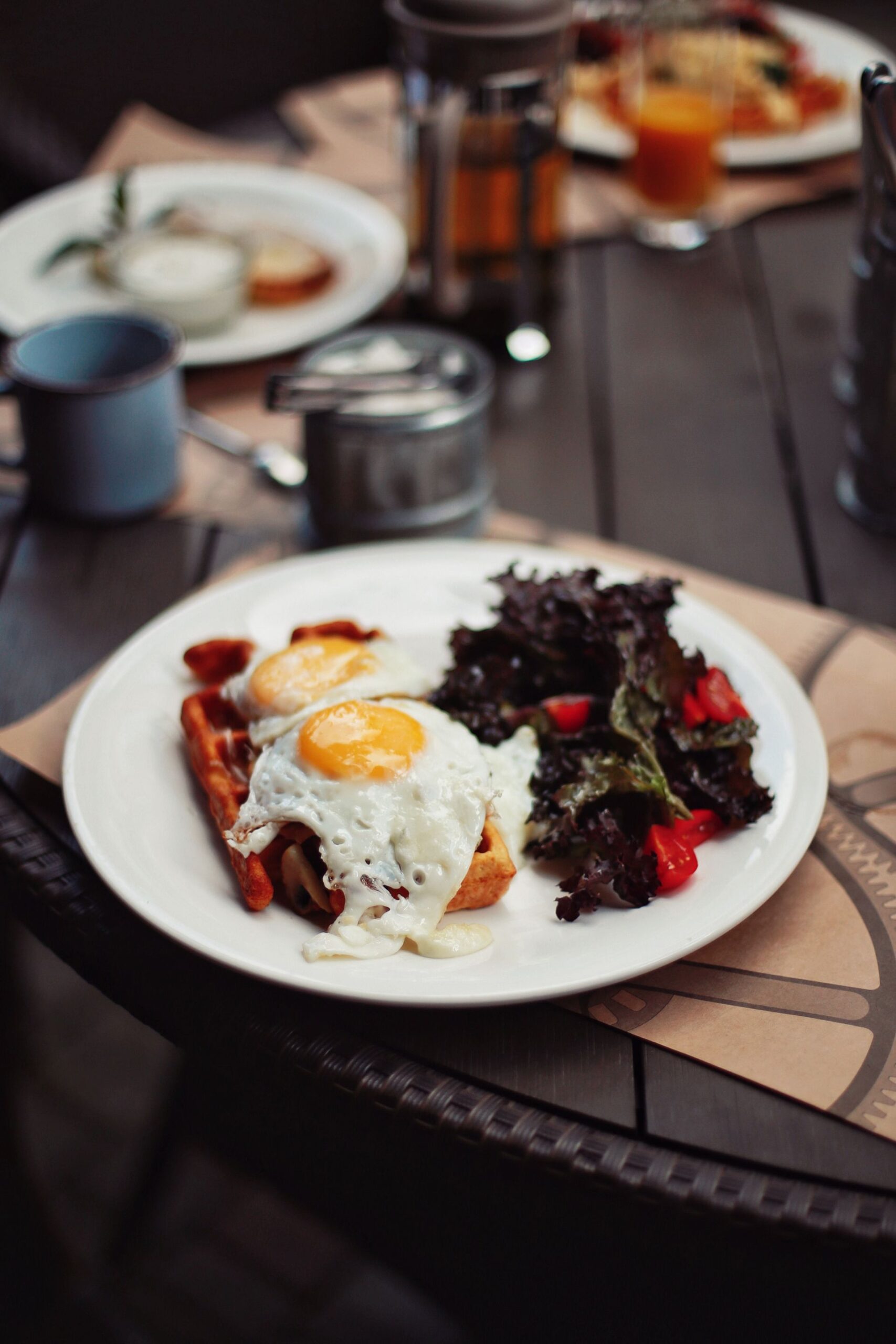
In German idiom, you cook it — you eat it. These sayings are all about facing what you’ve prepared.
8. Die Suppe auslöffeln, die man sich eingebrockt hat
Literal meaning: “to spoon out the soup one has crumbled bread into” (einbrocken = to crumble bread into soup).
What it really means: To face the consequences of your own actions — you made this mess, now eat it. The full, glorious German version of “you made your bed.”
Example: “Er hat die Suppe auslöffeln müssen, die er sich eingebrockt hat.” — “He had to face the consequences of his actions.”
9. Salz in die Wunde streuen
Literal meaning: “to sprinkle salt into the wound.”
What it really means: To rub salt in the wound — to make someone’s pain worse with a careless remark. Same image as in English, equally wince-inducing.
Example: “Streu doch kein Salz in die Wunde — sie ist traurig genug.” — “Don’t rub salt in the wound — she’s sad enough already.”
10. In den sauren Apfel beißen
Literal meaning: “to bite into the sour apple.”
What it really means: To bite the bullet — to do something unpleasant because it has to be done. The apple is sour, but you chew anyway.
Example: “Ich habe in den sauren Apfel gebissen und die Steuererklärung gemacht.” — “I bit the bullet and did my tax return.”
11. In der Not frisst der Teufel Fliegen
Literal meaning: “In need, the devil eats flies.”
What it really means: Beggars can’t be choosers — when you’re desperate, you’ll accept anything. Delightfully dramatic, very German.
Example: “In der Not frisst der Teufel Fliegen — nimm den Job erst einmal an.” — “Beggars can’t be choosers — take the job for now.”
12. Hunger ist der beste Koch
Literal meaning: “Hunger is the best cook.”
What it really means: Hunger is the best sauce — everything tastes good when you’re truly hungry. Quoted at every mediocre campsite meal ever eaten.
Example: “Hunger ist der beste Koch — nach der Wanderung schmeckt alles.” — “Hunger is the best cook — after the hike, everything tastes good.”
13. Man ist, was man isst
Literal meaning: “One is what one eats.”
English equivalent: You are what you eat.
When Germans use it: In every conversation about healthy eating ever held. Earnest, a little preachy, and impossible to argue with.
Example: “Man ist, was man isst — also koche ich frisch.” — “You are what you eat — so I cook fresh.”
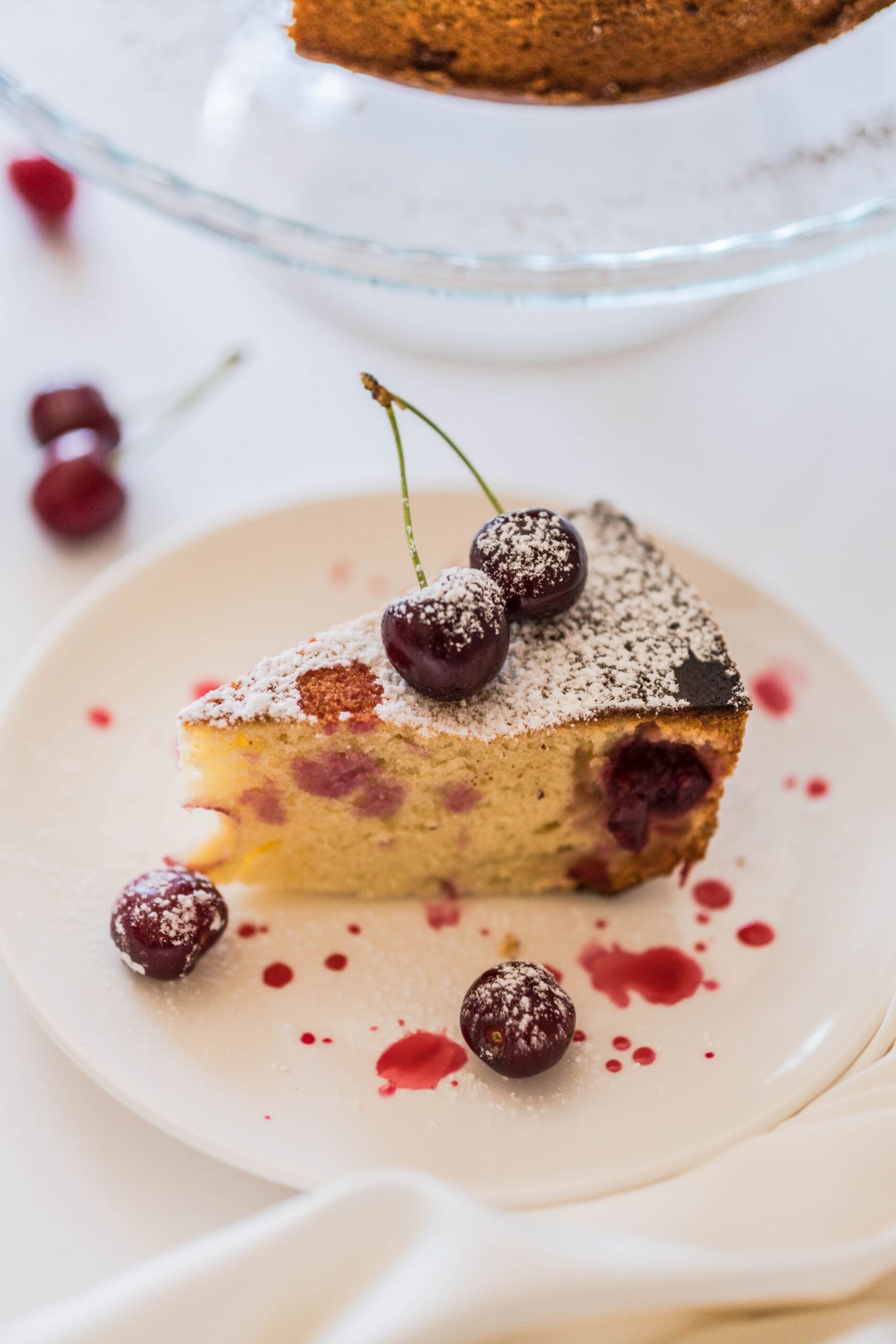
14. Das Auge isst mit
Literal meaning: “The eye eats too.”
What it really means: Presentation matters — food should look appetizing, not just taste good. The philosophy behind every carefully plated German restaurant dish.
Example: “Das Auge isst mit — richte den Teller schön an.” — “The eye eats too — plate it nicely.”
15. Wie ein begossener Pudel dastehen
Literal meaning: “to stand there like a doused poodle.”
What it really means: To look sheepish — drenched, drooping, and thoroughly embarrassed after a scolding or a failure. One of the most visual (and funniest) entries among our funny German idioms — and yes, it’s also one of our German animal idioms.
Example: “Nach der Kritik vom Chef stand er da wie ein begossener Pudel.” — “After the boss’s criticism, he stood there looking sheepish.”
At the Table: Social German Sayings About Food and Drink
Dinner parties, office kitchens, family meals — these sayings grease the social wheels.
16. Die Kirsche auf der Torte
Literal meaning: “the cherry on the cake” (Germans say cake, not ice cream).
What it really means: The cherry on top — the perfect finishing touch that crowns an already good thing.
Example: “Der Sonnenuntergang war die Kirsche auf der Torte dieses Urlaubs.” — “The sunset was the cherry on top of this vacation.”
17. Den Braten riechen
Literal meaning: “to smell the roast.”
What it really means: To smell a rat — to sense that something is off, that someone is up to something. The roast in the oven means someone’s planning something.
Example: “Er hat den Braten gerochen und ist nicht zur Besprechung gekommen.” — “He smelled a rat and didn’t come to the meeting.”
18. Jemandem Honig ums Maul schmieren
Literal meaning: “to smear honey around someone’s mouth.”
What it really means: To flatter someone — to butter them up with sweet words. The honey makes the flattery almost visible.
Example: “Schmier mir keinen Honig ums Maul — sag mir die Wahrheit.” — “Don’t butter me up — tell me the truth.”
19. Die beleidigte Leberwurst spielen
Literal meaning: “to play the offended liver sausage.”
What it really means: To sulk — to act offended over a trifle. Why a liver sausage? Because it’s plump, red, and looks like it’s pouting. Absurd, beloved, and untranslatable.
Example: “Spiel nicht die beleidigte Leberwurst — es war nur ein Scherz.” — “Don’t sulk — it was just a joke.”

20. Eine Extrawurst verlangen
Literal meaning: “to demand an extra sausage.”
What it really means: To demand special treatment — to insist on an exception just for yourself. At the butcher’s counter, the extra sausage was the original VIP perk.
Example: “Für dich gibt es keine Extrawurst — du musst dich anstellen wie alle.” — “No special treatment for you — queue up like everyone else.”
21. Das Ei des Kolumbus
Literal meaning: “the egg of Columbus.”
What it really means: A surprisingly simple solution — the clever trick that seems obvious once someone shows you. From the legend of Columbus balancing an egg by cracking its base.
Example: “Das war das Ei des Kolumbus — so einfach und doch genial.” — “That was a brilliantly simple solution.”
22. Kleinvieh macht auch Mist
Literal meaning: “Small livestock also makes manure.”
What it really means: Every little bit helps — small contributions add up. Farmers knew about compound interest before bankers did. You’ll find it again among our German idioms about luck and money, where thrift is the theme.
Example: “Kleinvieh macht auch Mist — jeder Euro zählt.” — “Every little bit helps — every euro counts.”
23. Viele Köche verderben den Brei
Literal meaning: “Many cooks spoil the porridge.”
English equivalent: Too many cooks spoil the broth.
When Germans use it: When a project has too many decision-makers and nothing gets done. A warning against committees, served with porridge.
Example: “Viele Köche verderben den Brei — einer sollte das Sagen haben.” — “Too many cooks spoil the broth — one person should be in charge.”
24. Jemandem läuft das Wasser im Mund zusammen
Literal meaning: “Someone’s water runs together in the mouth.”
What it really means: Someone’s mouth is watering — at the sight or smell of delicious food. Physiologically precise, as German often is.
Example: “Beim Duft des frischen Kuchens lief ihm das Wasser im Mund zusammen.” — “His mouth watered at the smell of the fresh cake.”
25. Einen Kater haben
Literal meaning: “to have a tomcat.”
What it really means: To have a hangover. The tomcat (der Kater) yowls in your head the morning after — a vivid, slightly pitiful image every German drinker knows.
Example: “Nach der Party hatte ich einen fürchterlichen Kater.” — “After the party I had a terrible hangover.”
Cooking Up Natural Usage
Taste them in context. Food idioms are social idioms — they belong at tables, in kitchens, and in stories about both. Try “das ist mir Wurst” the next time friends debate dinner plans; it always gets a laugh. More on timing in how to use German idioms naturally.
Learn the negative forms. Many of these live in the negative: “nicht das Gelbe vom Ei,” “keine Extrawurst.” Noticing the pattern doubles your usable vocabulary for free.
Group by meal. Breakfast sayings, hangover sayings, dinner-party sayings — our German idioms by theme collection organizes the whole idiom pantry this way, and common German idioms with translation covers the everyday classics.
Key Takeaways
- These 25 German sayings about food turn the kitchen into a philosophy seminar: indifference (das ist mir Wurst), disaster (da haben wir den Salat), consequences (die Suppe auslöffeln), and flattery (Honig ums Maul schmieren).
- The literal images — sour apples, offended liver sausages, doused poodles — are absurd enough to be unforgettable, which is exactly why they stick.
- Most of these are social and playful: deploy them at the table, not in the boardroom.
- Master five favorites, use them where food is involved, and watch German speakers light up — nothing delights a native like a foreigner who knows that alles in Butter is.