

Germans have complicated feelings about money — they save meticulously, discuss salaries reluctantly, and yet their language is stuffed with cash. Pigs bring luck, belts get tightened, and fortunes are forged like iron. These 30 German idioms about luck and money cover windfalls and wallet-aches alike, each with its literal translation, real meaning, and a natural example. Whether you’re after the poetry of luck or the pragmatics of getting ahead, this is the vocabulary.
German Idioms About Luck and Money: When Fortune Smiles
Luck (das Glück) is one of the hardest-working words in German — it means both “luck” and “happiness.” These nine idioms are all about fortune’s fickle favor.
1. Schwein haben
Literal meaning: “to have pig.”
What it really means: To be lucky — to have a stroke of good fortune. The pig is Germany’s premier lucky animal (marzipan pigs are traditional New Year’s gifts). One of the best-known funny German idioms for beginners, and a German animal idiom to boot.
Example: “Schwein gehabt! Der Zug hatte Verspätung, aber ich habe den Anschluss noch geschafft.” — “Lucky me! The train was late, but I still caught my connection.”
2. Mehr Glück als Verstand haben
Literal meaning: “to have more luck than sense.”
What it really means: To be lucky despite yourself — to succeed through fortune rather than brains. Said with affectionate exasperation, usually about someone else.
Example: “Er hat mehr Glück als Verstand — wieder hat alles geklappt.” — “He has more luck than sense — everything worked out again.”
3. Glück im Unglück haben
Literal meaning: “to have luck in misfortune.”
What it really means: A blessing in disguise — to be lucky within a bad situation. The car broke down, but right next to a garage.
Example: “Glück im Unglück: Der Unfall war schlimm, aber niemand wurde verletzt.” — “A blessing in disguise: the accident was bad, but nobody was hurt.”
4. Einen Glücksgriff tun
Literal meaning: “to make a luck-grip” (to grab luckily).
What it really means: To strike lucky — to make a choice that turns out brilliantly, especially a hire, a purchase, or a decision. A favorite in business retrospectives.
Example: “Mit der neuen Mitarbeiterin haben wir einen echten Glücksgriff getan.” — “We really struck lucky with the new employee.”
5. Das große Los ziehen
Literal meaning: “to draw the big lottery ticket.”
What it really means: To hit the jackpot — to land an extraordinary piece of luck, in love, career, or literally the lottery.
Example: “Mit diesem Job hat sie das große Los gezogen.” — “She hit the jackpot with this job.”
6. Ein Sechser im Lotto
Literal meaning: “a six in the lottery” (six correct numbers).
What it really means: Hitting the jackpot — the ultimate German symbol of impossible luck. Used for anything extraordinarily fortunate.
Example: “Diese Wohnung in der Lage ist ein Sechser im Lotto.” — “This apartment in this location is like winning the lottery.”
7. Pech haben
Literal meaning: “to have pitch” (Pech = pitch/tar — sticky, black, bad luck).
What it really means: To be unlucky. The dark counterpart to Schwein haben — and Germans reach for it just as often.
Example: “Pech gehabt — das Konzert ist ausverkauft.” — “Bad luck — the concert is sold out.”
8. Vom Pech verfolgt sein
Literal meaning: “to be pursued by bad luck.”
What it really means: To be dogged by bad luck — when everything goes wrong at once and it feels personal. The German way of saying “why me?”
Example: “Er ist in letzter Zeit vom Pech verfolgt — erst das Auto, dann der Job.” — “He’s been dogged by bad luck lately — first the car, then the job.”
9. Jemandem die Daumen drücken
Literal meaning: “to press one’s thumbs for someone” (thumbs pressed inside fists).
What it really means: To keep one’s fingers crossed for someone — the German gesture of wishing luck. Say it before exams, interviews, and first dates.
Example: “Ich drücke dir die Daumen für das Vorstellungsgespräch!” — “I’m keeping my fingers crossed for your interview!”
German Idioms About Luck and Money: Wealth and Spending

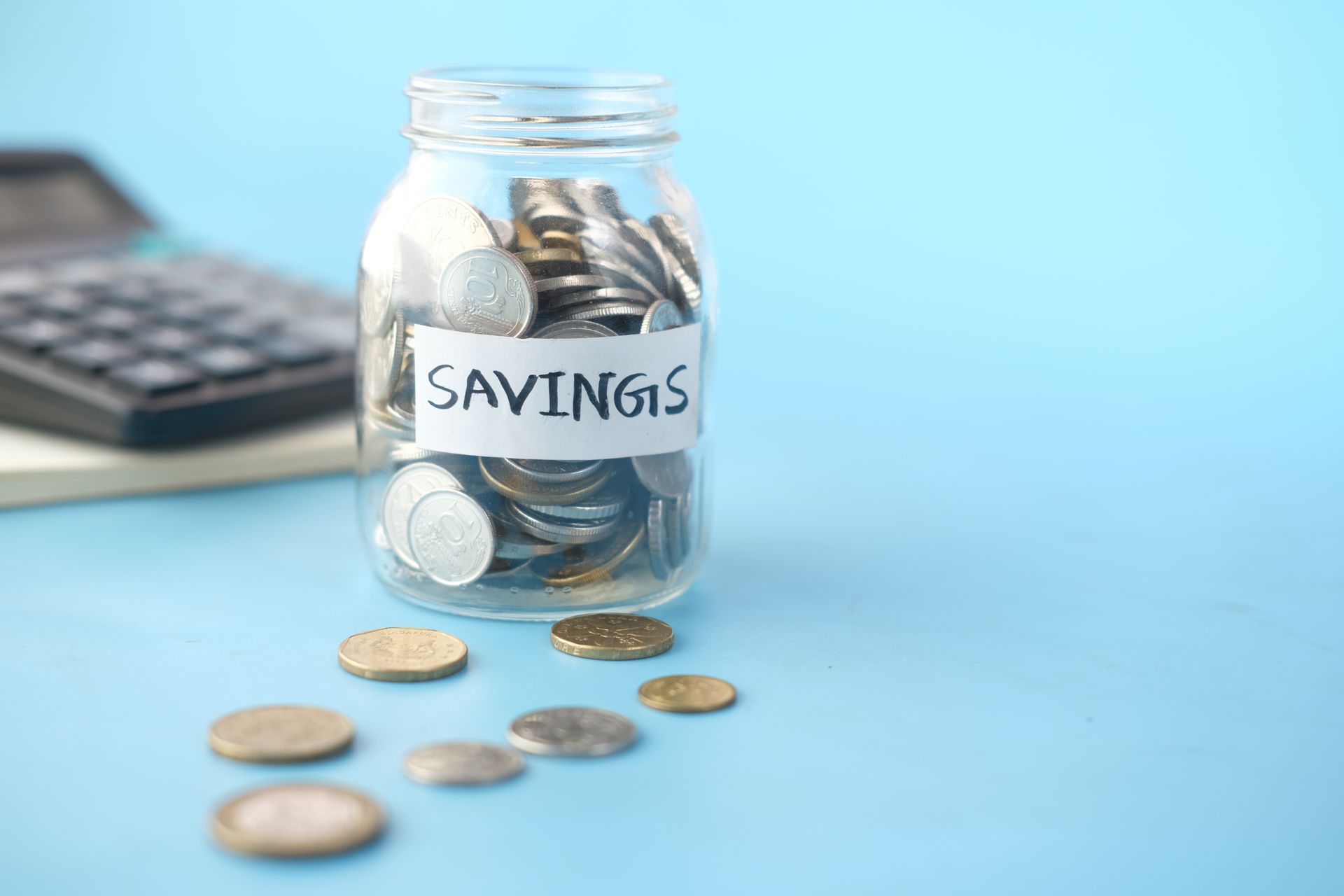
From swimming in cash to throwing it out the window — German money idioms are vivid, moralizing, and often funny.
10. Ein Schweinegeld kosten
Literal meaning: “to cost a pig’s money.”
What it really means: To cost a fortune — an absurd amount of money. The pig returns, this time as a unit of extravagance.
Example: “Die Reparatur hat ein Schweinegeld gekostet.” — “The repair cost a fortune.”
11. Geld zum Fenster hinauswerfen
Literal meaning: “to throw money out of the window.”
What it really means: To throw money away — to waste it on pointless things. Germans, famous savers, say this with genuine pain.
Example: “Für diese Werbung haben sie Geld zum Fenster hinausgeworfen.” — “They threw money out the window on that ad campaign.”
12. Im Geld schwimmen
Literal meaning: “to swim in money.”
What it really means: To be rolling in it — to have so much money you could swim in it. Same image as in English, same envy.
Example: “Seit dem Verkauf der Firma schwimmt er im Geld.” — “Since selling the company, he’s swimming in money.”
13. Geld wie Heu haben
Literal meaning: “to have money like hay.”
What it really means: To have money coming out of your ears — wealth stacked up like hay bales. Rural, vivid, and slightly envious.
Example: “Die Familie hat Geld wie Heu.” — “That family has money like hay.”
14. Steinreich sein
Literal meaning: “to be stone-rich.”
What it really means: To be filthy rich — wealthy beyond measure. The stone suggests something massive and immovable.
Example: “Er ist steinreich, aber völlig bodenständig geblieben.” — “He’s filthy rich but stayed completely down-to-earth.”
15. Reich wie Krösus
Literal meaning: “rich as Croesus” (Krösus = the famously wealthy Lydian king).
What it really means: Rich as Croesus — proverbial, legendary wealth.
Example: “Man muss nicht reich wie Krösus sein, um glücklich zu leben.” — “You don’t need to be rich as Croesus to live happily.”
16. Eine goldene Nase verdienen
Literal meaning: “to earn oneself a golden nose.”
What it really means: To make a fortune — to earn extremely well at something. The golden nose is pure German surrealism and all the better for it.
Example: “Mit dem Online-Shop hat sie sich eine goldene Nase verdient.” — “She made a fortune with the online shop.”
17. Aus dem Vollen schöpfen
Literal meaning: “to draw from the full.”
What it really means: To draw from abundance — to have plenty of resources (money, talent, options) and use them freely. Enviable and admiring.
Example: “Er kann aus dem Vollen schöpfen — Kontakte, Geld, Erfahrung.” — “He can draw from abundance — contacts, money, experience.”

18. Geld regiert die Welt
Literal meaning: “Money rules the world.”
What it really means: Money makes the world go round — said with a shrug, a sigh, or a raised eyebrow, depending on the speaker’s mood.
Example: “Geld regiert die Welt — das war schon immer so.” — “Money rules the world — it’s always been that way.”
19. Geld stinkt nicht
Literal meaning: “Money doesn’t stink.”
What it really means: Money is money, whatever its source — from the Roman pecunia non olet. Used to shrug off questions about where cash came from.
Example: “Geld stinkt nicht — Hauptsache, die Rechnung ist bezahlt.” — “Money’s money — as long as the bill gets paid.”
Thrift, Wisdom and Getting Ahead
The German relationship with money isn’t just about having it — it’s about deserving it. These final idioms are the philosophy of getting ahead.
20. Den Gürtel enger schnallen
Literal meaning: “to buckle the belt tighter.”
What it really means: To tighten one’s belt — to spend less in hard times. The universal idiom of austerity, German-style.
Example: “Nach dem Kauf des Hauses müssen wir den Gürtel enger schnallen.” — “After buying the house, we have to tighten our belts.”
21. Auf großem Fuß leben
Literal meaning: “to live on a large foot.”
What it really means: To live large — lavishly and gloriously, often beyond one’s means.
Example: “Sie leben auf großem Fuß — Villa, Pool, zwei Autos.” — “They live large — villa, pool, two cars.”
22. Auf Rosen gebettet sein
Literal meaning: “to be bedded on roses.”
What it really means: To live a life of luxury — comfortable, pampered, without a care. The soft life, German-style.
Example: “Als Erbe der Firma ist er auf Rosen gebettet.” — “As heir to the company, he’s living a life of luxury.”
23. Sich ins gemachte Nest setzen
Literal meaning: “to settle into the made nest.”
What it really means: To step into a cushy, ready-made position — inheriting a thriving business, marrying into comfort. Slightly envious, slightly judgmental.
Example: “Er hat sich ins gemachte Nest gesetzt und die Firma vom Vater übernommen.” — “He stepped into a cushy position, taking over his father’s company.”
24. Das große Geld machen
Literal meaning: “to make the big money.”
What it really means: To make big money — to land the major deal, the breakthrough, the serious wealth. Ambition in four words.
Example: “Mit der App will er das große Geld machen.” — “He wants to make big money with the app.”
25. Kleinvieh macht auch Mist
Literal meaning: “Small livestock also makes manure.”
What it really means: Every little bit helps — small savings and small efforts add up. The thrift proverb appears here and among our German sayings about food — it belongs to both the farmyard and the wallet.
Example: “Kleinvieh macht auch Mist — spare jeden Monat ein bisschen.” — “Every little bit helps — save a little each month.”
26. Wer den Pfennig nicht ehrt, ist des Talers nicht wert
Literal meaning: “Who doesn’t honor the penny is not worthy of the thaler.”
What it really means: Take care of the pennies and the pounds will take care of themselves. The classic German savings sermon — respect small money to deserve big money.
Example: “Wer den Pfennig nicht ehrt, ist des Talers nicht wert — so hat es meine Großmutter gesagt.” — “Take care of the pennies — that’s what my grandmother always said.”
27. Jeder ist seines Glückes Schmied
Literal meaning: “Everyone is the smith of his own fortune.”
What it really means: Everyone forges their own fortune — luck is hammered out through work. Also among our German proverbs with English translation.
Example: “Jeder ist seines Glückes Schmied — warte nicht auf den Zufall.” — “Everyone forges their own fortune — don’t wait for chance.”
28. Das Glück ist mit den Tüchtigen
Literal meaning: “Luck is with the diligent.”
What it really means: Fortune favors the bold (literally: the hardworking). The German version insists luck follows effort, not daring — a telling difference.
Example: “Das Glück ist mit den Tüchtigen — also ran an die Arbeit.” — “Fortune favors the hardworking — so get to it.”
29. Zeit ist Geld
Literal meaning: “Time is money.”
What it really means: Time is money — and no nation believes it more literally than Germany, where punctuality is a moral virtue.
Example: “Zeit ist Geld — fangen wir pünktlich an.” — “Time is money — let’s start on time.”
30. Es ist nicht alles Gold, was glänzt
Literal meaning: “Not everything that glitters is gold.”
English equivalent: All that glitters is not gold.
When Germans use it: A warning against flashy offers, get-rich-quick schemes, and too-good-to-be-true deals. The perfect skeptical ending to a list about money.
Example: “Es ist nicht alles Gold, was glänzt — prüfe das Angebot genau.” — “All that glitters is not gold — check the offer carefully.”
Using Luck and Money Idioms Naturally

Pigs are always safe. Schwein haben and ein Schweinegeld kosten are beloved, harmless, and work in almost any company. Start here.
Mind the moralizing tone. Many money idioms carry judgment — use them about yourself freely, about others carefully. See how to use German idioms naturally for the register traps.
Pair luck with effort. Germans respect das Glück ist mit den Tüchtigen far more than windfall talk — frame fortune as earned. More work-and-reward expressions live in our German idioms by theme collection.
Key Takeaways
- These 30 German idioms about luck and money run from pure fortune (Schwein haben, ein Sechser im Lotto) through vivid wealth (steinreich, eine goldene Nase verdienen) to the thrift philosophy (wer den Pfennig nicht ehrt, jeder ist seines Glückes Schmied).
- The pig is Germany’s luckiest animal — learn Schwein haben first and use it often.
- Literal images (golden noses, tightened belts, made nests) make these idioms stick far better than abstract translations.
- Remember the German moral: luck is welcome, but das Glück ist mit den Tüchtigen — fortune favors those who work for it.