

Nothing reveals the soul of a language like the way it talks about love. German is often stereotyped as harsh or overly logical, yet it turns surprisingly tender the moment romance enters the room. This collection of German idioms about love proves it: butterflies in stomachs, hearts given away like gifts, couples floating on cloud seven. Below are 30 genuine German idioms about love and relationships, each with its literal translation, real figurative meaning, and a natural example sentence. Whether you’re learning German for a partner or simply collecting beautiful expressions, these idioms name feelings English sometimes can’t.
German Idioms About Love: Falling for Someone
Every love story starts somewhere. These eight German idioms about love capture the dizzy early days — the crush, the nerves, the moment you realize you’re in trouble.
1. Schmetterlinge im Bauch haben
Literal: “to have butterflies in the stomach.”
Meaning: The fluttery, nervous excitement of new love — identical to the English idiom, and just as common in German.
Example: “Vor unserem ersten Date hatte ich solche Schmetterlinge im Bauch.” — “I had such butterflies before our first date.”
2. Sich in jemanden verlieben
Literal: “to fall in love into someone” (sich verlieben + in + accusative).
Meaning: The standard, neutral way to say “to fall in love with someone” — the everyday verb every learner needs first.
Example: “Sie haben sich im Spanien-Urlaub ineinander verliebt.” — “They fell in love with each other on vacation in Spain.”
3. Sich Hals über Kopf verlieben
Literal: “to fall in love neck over head.”
Meaning: To fall head over heels — suddenly, completely, without thinking. The German version keeps the tumbling image.
Example: “Er hat sich Hals über Kopf in seine Kollegin verliebt.” — “He fell head over heels for his colleague.”
4. Liebe auf den ersten Blick
Literal: “love at the first glance.”
Meaning: Love at first sight. Used exactly like in English, often with a wink — Germans are famously skeptical of the concept, which makes it half romantic, half ironic.
Example: “Für ihn war es Liebe auf den ersten Blick.” — “For him it was love at first sight.”
5. Sich in jemanden vergucken
Literal: “to mis-look oneself into someone” (sich vergucken = to take a fancy to).
Meaning: To develop a crush — lighter and more casual than sich verlieben. Perfect for the early “I think I like them” stage.
Example: “Ich glaube, er hat sich in dich verguckt.” — “I think he’s got a crush on you.”
6. Verrückt nach jemandem sein
Literal: “to be crazy after someone.”
Meaning: To be crazy about someone — infatuated, thinking about them constantly. Also works for things (verrückt nach Schokolade).
Example: “Sie ist total verrückt nach ihm.” — “She’s totally crazy about him.”
7. Jemanden anbeten
Literal: “to worship someone.”
Meaning: To adore someone with a touch of reverence — love at its most intense, the “worship the ground they walk on” phase.
Example: “Er betet seine Frau geradezu an.” — “He practically worships his wife.”

8. Für jemanden Feuer und Flamme sein
Literal: “to be fire and flame for someone.”
Meaning: To be all fired up about someone — passionate and burning with excitement. Originally used for anything thrilling.
Example: “Seit dem ersten Treffen ist sie Feuer und Flamme für ihn.” — “Since their first meeting she’s been all fired up about him.”
Winning Someone’s Heart: Courtship Idioms
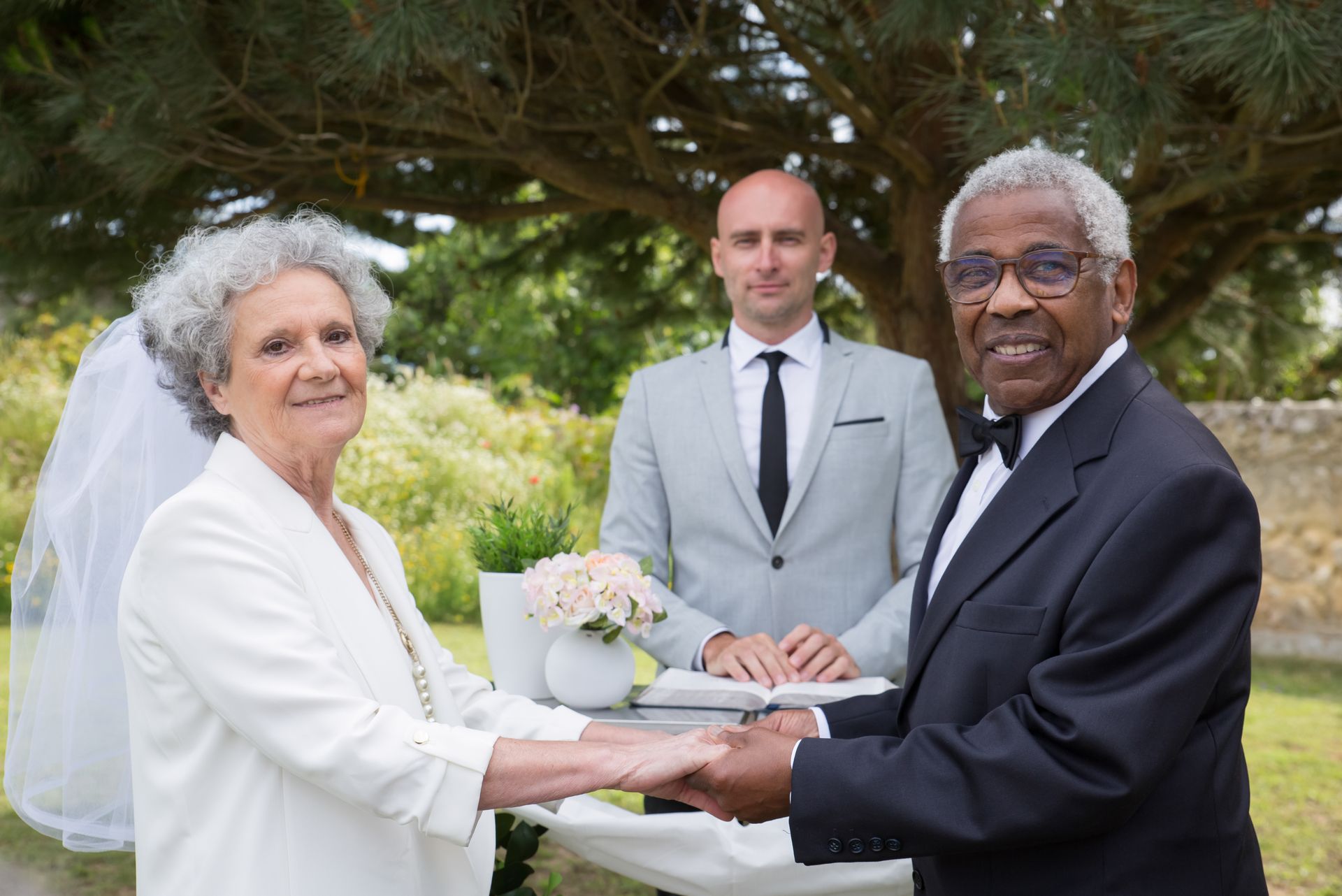
Before the relationship comes the pursuit — flirting, courting, rejection, and the brave business of making the first move.
9. Jemanden ins Herz schließen
Literal: “to close someone into one’s heart.”
Meaning: To take someone to your heart — to grow genuinely fond of them. Warmer and deeper than simply liking someone.
Example: “Die Familie hat den neuen Freund sofort ins Herz geschlossen.” — “The family took the new boyfriend to their hearts immediately.”
10. Jemandem den Hof machen
Literal: “to make someone the court” (from the tradition of courtly love).
Meaning: To court or woo someone — old-fashioned, charming, still used with a smile. Think flowers and deliberate romantic effort.
Example: “Er macht ihr seit Wochen den Hof.” — “He’s been courting her for weeks.”
11. Den ersten Schritt machen
Literal: “to make the first step.”
Meaning: To make the first move — in dating and beyond. A constant refrain in German relationship advice.
Example: “Wenn du ihn magst, mach den ersten Schritt.” — “If you like him, make the first move.”
12. Auf Freiersfüßen gehen
Literal: “to walk on a suitor’s feet” (der Freier = suitor).
Meaning: To be on the lookout for a partner — back on the dating scene and open to romance. Playful and slightly old-fashioned.
Example: “Seit der Trennung geht er wieder auf Freiersfüßen.” — “Since the breakup he’s back on the dating prowl.”
13. Einen Korb geben / einen Korb bekommen
Literal: “to give / to get a basket.”
Meaning: To reject someone / to be rejected. The image comes from lowering a basket from a window instead of opening the door — a centuries-old brush-off, and one of the funniest German idioms about love for learners.
Example: “Sie hat ihm einen Korb gegeben.” — “She turned him down.”

14. Sein Herz verschenken
Literal: “to give one’s heart away as a gift.”
Meaning: To give your heart to someone — to fall in love and entrust them with your feelings. Tender and a little vulnerable.
Example: “Sie hat ihr Herz an einen Musiker verschenkt.” — “She gave her heart to a musician.”
15. Jemanden um den Finger wickeln
Literal: “to wrap someone around one’s finger.”
Meaning: To have someone wrapped around your finger — they adore you so much they’d do anything for you. Same image as in English.
Example: “Die Tochter hat ihren Papa um den Finger gewickelt.” — “The daughter has her dad wrapped around her finger.”
Happily in Love: Idioms for Couples
Once you’re a couple, German gets dreamy — devotion, harmony, and the occasional pair of rose-tinted glasses.
16. Auf Wolke sieben schweben
Literal: “to float on cloud seven.”
Meaning: To be on cloud nine — blissfully happy, walking on air. Note: Germans float on cloud seven, not nine.
Example: “Seit der Hochzeit schwebt sie auf Wolke sieben.” — “Since the wedding she’s been floating on cloud nine.”
17. Die große Liebe
Literal: “the great love.”
Meaning: The love of your life — the one great romance. Germans say “die große Liebe finden” the way English speakers say “find the one.”
Example: “Mit vierzig fand sie ihre große Liebe.” — “At forty she found the love of her life.”
18. Ein Herz und eine Seele sein
Literal: “to be one heart and one soul.”
Meaning: To be completely in tune — inseparable, of one mind. Used for couples and best friends alike.
Example: “Die beiden sind ein Herz und eine Seele.” — “Those two are inseparable.”
19. Jemanden auf Händen tragen
Literal: “to carry someone on one’s hands.”
Meaning: To pamper someone with love — to treat them so tenderly it’s as if you’re carrying them. The ultimate compliment about a devoted partner.
Example: “Er trägt seine Frau auf Händen.” — “He treats his wife like a queen.”

20. Die rosarote Brille tragen
Literal: “to wear rose-red glasses.”
Meaning: To see through rose-tinted glasses — to idealize your partner and overlook flaws. Every German knows “Zieh die rosarote Brille ab!”
Example: “Am Anfang trägt man eben die rosarote Brille.” — “In the beginning you see everything through rose-tinted glasses.”
21. Liebe macht blind
Literal: “love makes blind.”
Meaning: Love is blind — the proverb Germans reach for when a friend can’t see their partner’s obvious flaws.
Example: “Liebe macht blind — und bei den beiden stimmt es.” — “Love is blind — and it’s true for those two.”
22. Jemandem treu bleiben
Literal: “to remain faithful to someone.”
Meaning: To stay loyal and faithful — the quiet, serious promise at the core of German ideas about lasting love.
Example: “Sie sind einander immer treu geblieben.” — “They always stayed faithful to each other.”
23. Das Herz am rechten Fleck haben
Literal: “to have the heart at the right spot.”
Meaning: To have your heart in the right place — to be genuinely kind and good-hearted. High praise for a partner.
Example: “Er wirkt schroff, aber hat das Herz am rechten Fleck.” — “He seems gruff, but his heart is in the right place.”
When Love Hurts — and When It Lasts
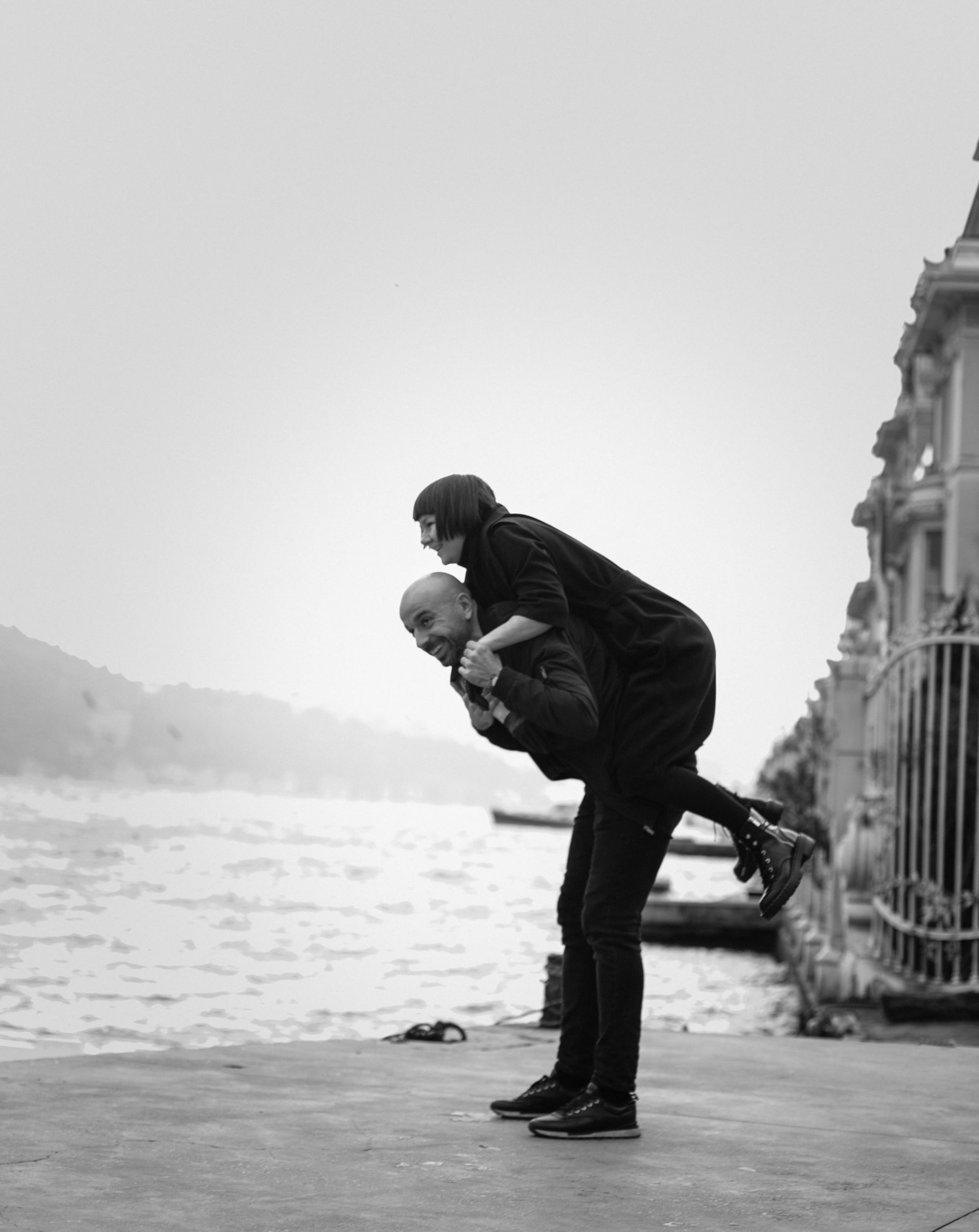
German doesn’t flinch from love’s painful side either — heartbreak, cooling feelings, and the love that endures.
24. Liebeskummer haben
Literal: “to have love-sorrow.”
Meaning: To be lovesick — the heavy sadness of unhappy love. German even has the noun der Liebeskummer, with endless pop songs about it.
Example: “Nach der Trennung hatte sie monatelang Liebeskummer.” — “After the breakup she was lovesick for months.”
25. Jemandem das Herz brechen
Literal: “to break someone the heart.”
Meaning: To break someone’s heart — exactly as in English, and just as devastating.
Example: “Mit der Trennung per SMS brach er ihr das Herz.” — “By breaking up over text, he broke her heart.”

26. Ein Herz aus Stein haben
Literal: “to have a heart of stone.”
Meaning: To be cold and unfeeling — incapable of love or pity. The accusation for ex-partners who show no remorse.
Example: “Wer so handelt, muss ein Herz aus Stein haben.” — “Anyone who acts like that must have a heart of stone.”
27. Eine Beziehung auf Eis legen
Literal: “to put a relationship on ice.”
Meaning: To put a relationship on hold — a break without officially ending things. Cooler and more deliberate than drifting apart.
Example: “Sie haben ihre Beziehung auf Eis gelegt.” — “They’ve put their relationship on ice.”
28. Liebe geht durch den Magen
Literal: “love goes through the stomach.”
Meaning: The way to someone’s heart is through their stomach — cook for the person you love. As our German sayings about food show, the kitchen is sacred ground in German idiom.
Example: “Liebe geht durch den Magen — ich koche sein Lieblingsessen.” — “The way to his heart is through his stomach — I’m cooking his favorite meal.”
29. Das Ja-Wort geben
Literal: “to give the yes-word.”
Meaning: To say “I do” — to get married. Beautiful German literalism: marriage is simply giving your “yes-word.”
Example: “Nächsten Sommer geben sie sich das Ja-Wort.” — “Next summer they’re tying the knot.”
30. Alte Liebe rostet nicht
Literal: “old love doesn’t rust.”
Meaning: Old love never fades — feelings for a former flame never fully disappear. A wistful ending: even rust can’t touch it.
Example: “Alte Liebe rostet nicht — nach zwanzig Jahren fanden sie wieder zueinander.” — “Old love never rusts — after twenty years they found each other again.”
How to Use German Idioms About Love Naturally
Start with the everyday ones. Sich verlieben, Schmetterlinge im Bauch haben, and Liebe auf den ersten Blick never sound forced. Save jemandem den Hof machen and auf Freiersfüßen gehen for charming, funny moments — they carry an old-fashioned wink. More on matching idioms to the moment in our guide to how to use German idioms naturally.
Watch the register. Einen Korb bekommen is perfect among friends; formally you’d say abgelehnt werden. Most love idioms live in warm, casual conversation — exactly where they belong.
Learn the nouns too. Die Liebe and das Herz are among the most common five-letter German words — handy if you play German Wordle, where romance vocabulary doubles as game vocabulary.
Expect playful replies. Mention a new relationship and a German friend may grin: “Glück im Spiel, Pech in der Liebe” — lucky at cards, unlucky in love. You’ll find it in our German idioms about luck and money, and lighter fare in funny German idioms.
Key Takeaways

- These 30 German idioms about love cover the whole arc: the crush (sich vergucken), the courtship (jemandem den Hof machen), the bliss (auf Wolke sieben schweben), the heartbreak (Liebeskummer), and the happy ending (das Ja-Wort geben).
- Literal translations are your memory hook: picture “cloud seven” or “the yes-word” and the German sticks.
- Use casual idioms freely; save old-fashioned ones (auf Freiersfüßen gehen, einen Korb geben) for playful moments.
- Try one new expression per week in real conversation, and revisit our German idioms explained hub for the full collection.