

German Idioms About Food: 28 Sayings Explained
Germans talk about food even when they aren’t hungry — and German idioms about food are some of the most flavorful expressions in the language. From the office to the pub, you’ll hear sausages, soup, apples, and cake used to describe love, trouble, indifference, and hangovers. This collection of German idioms about food is your ticket to sounding like a native: every saying is genuinely used in everyday conversation, with literal translation, real meaning, and a natural example. New to idiomatic German? Start with our German idioms explained guide, then dig in.
Why Germans Season Their Speech With Food
Germany is a country of bread, sausage, beer, and cake — and that love of eating shaped the language. Centuries of kitchen talk, pub arguments, and family dinners left their mark: a decision becomes a sausage (Es geht um die Wurst), a ruined plan is salted soup, and flattery is honey smeared around the mouth. These sayings are living speech, not museum pieces — you’ll hear them in offices, on TV, and at the Stammtisch (regulars’ table). Many also hide fun vocabulary: learn the food words first with our German food compound words and German food cognates lists.
German Idioms About Food: Eating and Appetite
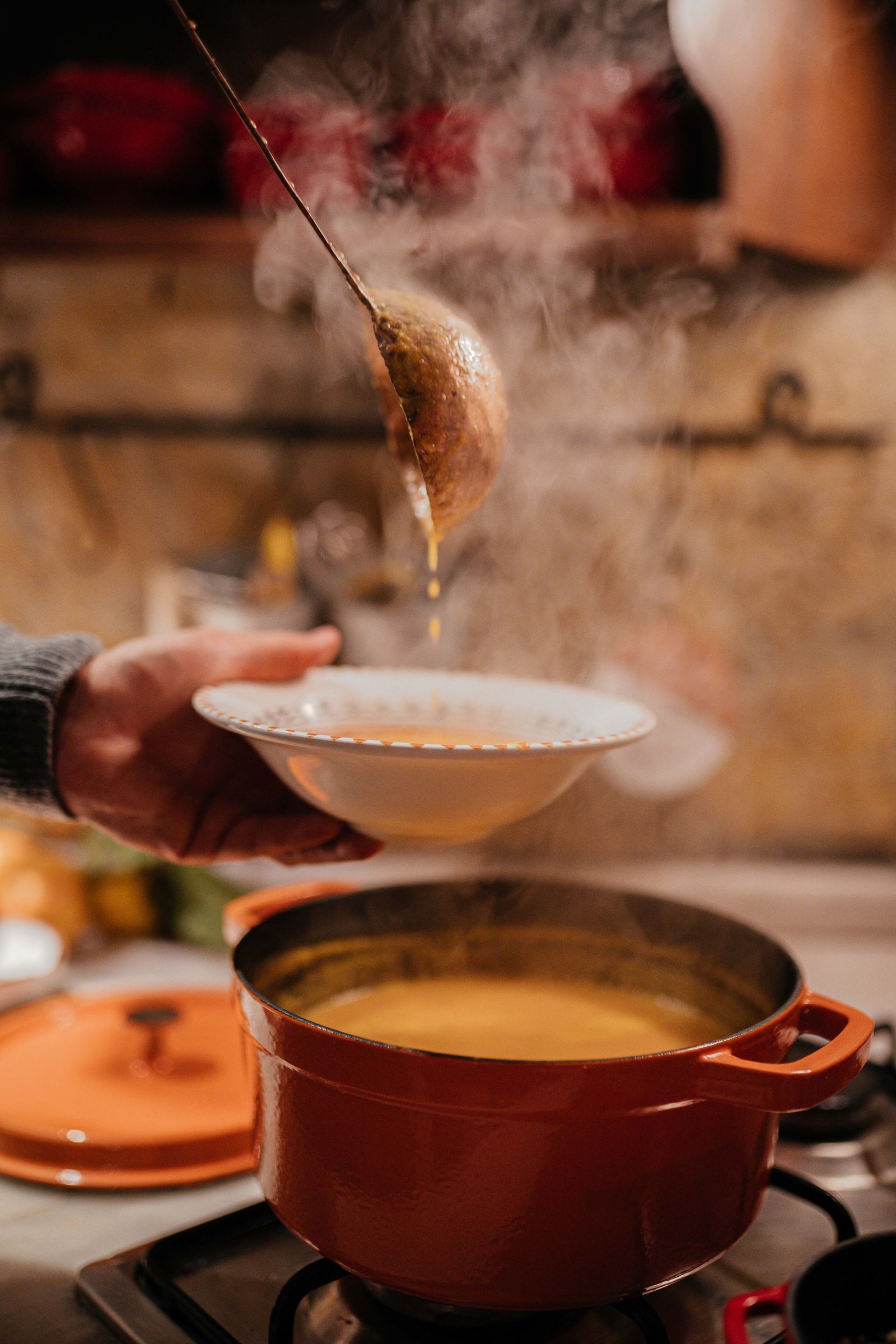
When Germans talk about eating, they’re often talking about life — indifference, decisions, and opinions, all served up on a plate.
1. Das ist mir Wurst
Literal translation: “That is sausage to me.”
Meaning: It’s all the same to me — I don’t care either way.
Example: “Kino oder Theater — das ist mir Wurst.” (“Cinema or theater — it’s all the same to me.”)
2. Es geht um die Wurst
Literal translation: “It’s about the sausage.”
Meaning: Now it’s serious — the decisive moment has arrived.
Example: “Im Finale geht es um die Wurst — wer gewinnt, wird Meister.” (“In the final it’s now or never — whoever wins becomes champion.”)
3. Die beleidigte Leberwurst spielen
Literal translation: “To play the insulted liver sausage.”
Meaning: To sulk because you feel offended — usually over something small.
Example: “Nur weil er nicht eingeladen wurde, spielt er die beleidigte Leberwurst.” (“Just because he wasn’t invited, he’s sulking like a child.”)
4. Seinen Senf dazugeben
Literal translation: “To add one’s mustard to it.”
Meaning: To give your (often unwanted) two cents on a topic.
Example: “Zu allem muss er seinen Senf dazugeben.” (“He has to put in his two cents about everything.”)
5. Das Auge isst mit
Literal translation: “The eye eats along.”
Meaning: Food should look appetizing — presentation matters as much as taste.
Example: “Richte den Teller schön an — das Auge isst mit.” (“Plate it nicely — we eat with our eyes first.”)
German Idioms About Food: Cooking and the Kitchen
The German kitchen produced sayings about consequences, meddling, and suspicion — pots and pans as life philosophy.
6. Viele Köche verderben den Brei
Literal translation: “Many cooks spoil the porridge.”
Meaning: Too many people interfering ruins the result — the German “too many cooks.”
Example: “Lass sie das allein entscheiden — viele Köche verderben den Brei.” (“Let her decide alone — too many cooks spoil the broth.”)
7. Um den heißen Brei herumreden
Literal translation: “To talk around the hot porridge.”
Meaning: To beat around the bush instead of saying what you mean.
Example: “Red nicht um den heißen Brei herum — sag, was du willst!” (“Don’t beat around the bush — say what you want!”)
8. Die Suppe auslöffeln, die man sich eingebrockt hat
Literal translation: “To spoon out the soup you crumbled bread into.”
Meaning: To face the consequences of your own actions.
Example: “Er hat das Chaos verursacht — jetzt muss er die Suppe auslöffeln.” (“He caused the chaos — now he has to face the consequences.”)
9. Jemandem die Suppe versalzen
Literal translation: “To salt someone’s soup.”
Meaning: To spoil someone’s plans or ruin their fun.
Example: “Der Regen hat uns die Suppe versalzen — das Picknick fällt aus.” (“The rain spoiled our plans — the picnic is cancelled.”)
10. Das Salz in der Suppe
Literal translation: “The salt in the soup.”
Meaning: The thing that makes something interesting — the spice, the highlight.
Example: “Sein Humor ist das Salz in der Suppe jeder Party.” (“His humor is what makes every party fun.”)
11. Den Braten riechen
Literal translation: “To smell the roast.”
Meaning: To sense that something is off — to smell a rat.
Example: “Als er so freundlich wurde, roch ich den Braten.” (“When he suddenly turned friendly, I smelled a rat.”)
Sweet Tooth Sayings: Fruit, Eggs, and Honey

Apples, cherries, eggs, and honey — the sweet side of German sayings, from envy to flattery.
12. In den sauren Apfel beißen
Literal translation: “To bite into the sour apple.”
Meaning: To bite the bullet — to do something unpleasant but necessary.
Example: “Ich muss in den sauren Apfel beißen und die Steuererklärung machen.” (“I have to bite the bullet and do my tax return.”)
13. Die Kirschen in Nachbars Garten
Literal translation: “The cherries in the neighbor’s garden.”
Meaning: The grass is always greener — what others have always looks better.
Example: “Sein neues Auto? Die Kirschen in Nachbars Garten schmecken immer süßer.” (“His new car? The neighbor’s cherries always taste sweeter.”)
14. Das Ei des Kolumbus
Literal translation: “The egg of Columbus.”
Meaning: A brilliantly simple solution to a problem everyone overthought.
Example: “Der neue Griff war das Ei des Kolumbus — so einfach!” (“The new handle was a stroke of genius — so simple!”)
15. Nicht das Gelbe vom Ei
Literal translation: “Not the yellow of the egg.”
Meaning: Not exactly brilliant — mediocre, not the best.
Example: “Der Film war nicht gerade das Gelbe vom Ei.” (“The film wasn’t exactly brilliant.”)
16. Ein faules Ei
Literal translation: “A rotten egg.”
Meaning: A bad egg — a dishonest or unreliable person; also, a dud.
Example: “Trau ihm nicht — er ist ein faules Ei.” (“Don’t trust him — he’s a bad egg.”)
17. Jemandem Honig ums Maul schmieren
Literal translation: “To smear honey around someone’s mouth.”
Meaning: To butter someone up with flattery to get something.
Example: “Schmier dem Chef nicht so Honig ums Maul — arbeite einfach gut.” (“Don’t butter up the boss — just do good work.”)
Drinks, Beer, and the Morning After
Beer, coffee, and water flow through these sayings — including the honest vocabulary of hangovers.
18. Einen Kater haben
Literal translation: “To have a tomcat.”
Meaning: To have a hangover — the Kater (tomcat) scratches behind your forehead.
Example: “Nach der Hochzeit hatte ich einen furchtbaren Kater.” (“After the wedding I had a terrible hangover.”)
19. Einen über den Durst trinken
Literal translation: “To drink over one’s thirst.”
Meaning: To have one too many — to drink more than you should.
Example: “Gestern hat er wieder über den Durst getrunken.” (“Yesterday he had one too many again.”)
20. Das ist Wasser auf seine Mühle
Literal translation: “That is water on his mill.”
Meaning: That’s grist to his mill — it plays right into his hands.
Example: “Der Skandal ist Wasser auf die Mühle der Opposition.” (“The scandal is grist to the opposition’s mill.”)
21. Kalter Kaffee
Literal translation: “Cold coffee.”
Meaning: Old news — something everyone already knows and nobody cares about.
Example: “Diese Geschichte ist doch kalter Kaffee.” (“That story is old news.”)
22. Bierernst
Literal translation: “Beer-serious.”
Meaning: Dead serious — said with complete gravity (no joke involved).
Example: “Er meinte es bierernst mit der Kündigung.” (“He was dead serious about quitting.”)
At the German Table: Manners, Meals, and Mess
Table wisdom, lunchtime greetings, and the cozy philosophy of a nation that loves to eat well.
23. Essen hält Leib und Seele zusammen
Literal translation: “Eating holds body and soul together.”
Meaning: You need proper food to keep going — said before a hearty meal.
Example: “Iss erst mal was Richtiges — Essen hält Leib und Seele zusammen.” (“Eat something proper first — food keeps body and soul together.”)
24. Liebe geht durch den Magen
Literal translation: “Love goes through the stomach.”
Meaning: The way to someone’s heart is through good cooking.
Example: “Sie hat ihn mit ihrem Apfelkuchen erobert — Liebe geht durch den Magen.” (“She won him over with her apple cake — the way to a man’s heart is through his stomach.”) For romance vocabulary, see our German idioms about family too — food and family go hand in hand.
25. Mahlzeit!
Literal translation: “Mealtime!”
Meaning: The classic German lunchtime greeting — colleagues say Mahlzeit! in hallways and canteens around noon.
Example: “Mahlzeit! Gehen wir zusammen in die Kantine?” (“Enjoy your meal! Shall we go to the canteen together?”)

26. Da haben wir den Salat
Literal translation: “There we have the salad.”
Meaning: Well, now we’re in a fine mess — said when things go wrong.
Example: “Der Zug fällt aus — da haben wir den Salat!” (“The train is cancelled — now we’re in a fine mess!”)
27. Wie Kraut und Rüben
Literal translation: “Like cabbage and turnips.”
Meaning: All mixed up, higgledy-piggledy — total disorder.
Example: “Nach dem Umzug lag alles wie Kraut und Rüben herum.” (“After the move everything was lying around in total disarray.”)
28. Alles in Butter
Literal translation: “Everything in butter.”
Meaning: Everything’s fine — all is well, nothing to worry about.
Example: “Keine Sorge, nach dem Gespräch ist wieder alles in Butter.” (“Don’t worry, after the talk everything will be fine again.”)
How to Use These German Food Idioms Naturally
Start with the everyday workhorses — Das ist mir Wurst, Alles in Butter, and Einen Kater haben — you’ll hear them constantly, so using them sounds instantly natural. The best German idioms about food stick because you actually use them, not because you memorize them. Match the tone: Seinen Senf dazugeben and Die beleidigte Leberwurst spielen are playful teasing, while In den sauren Apfel beißen is sincere. Learn each idiom as a fixed chunk; translating them word by word never works. Listen for them in German sitcoms and podcasts — catching kalter Kaffee in a news show locks it into memory. For more laugh-out-loud expressions, browse our funny German idioms collection, and compare with nature imagery in our German weather idioms.
Key Takeaways
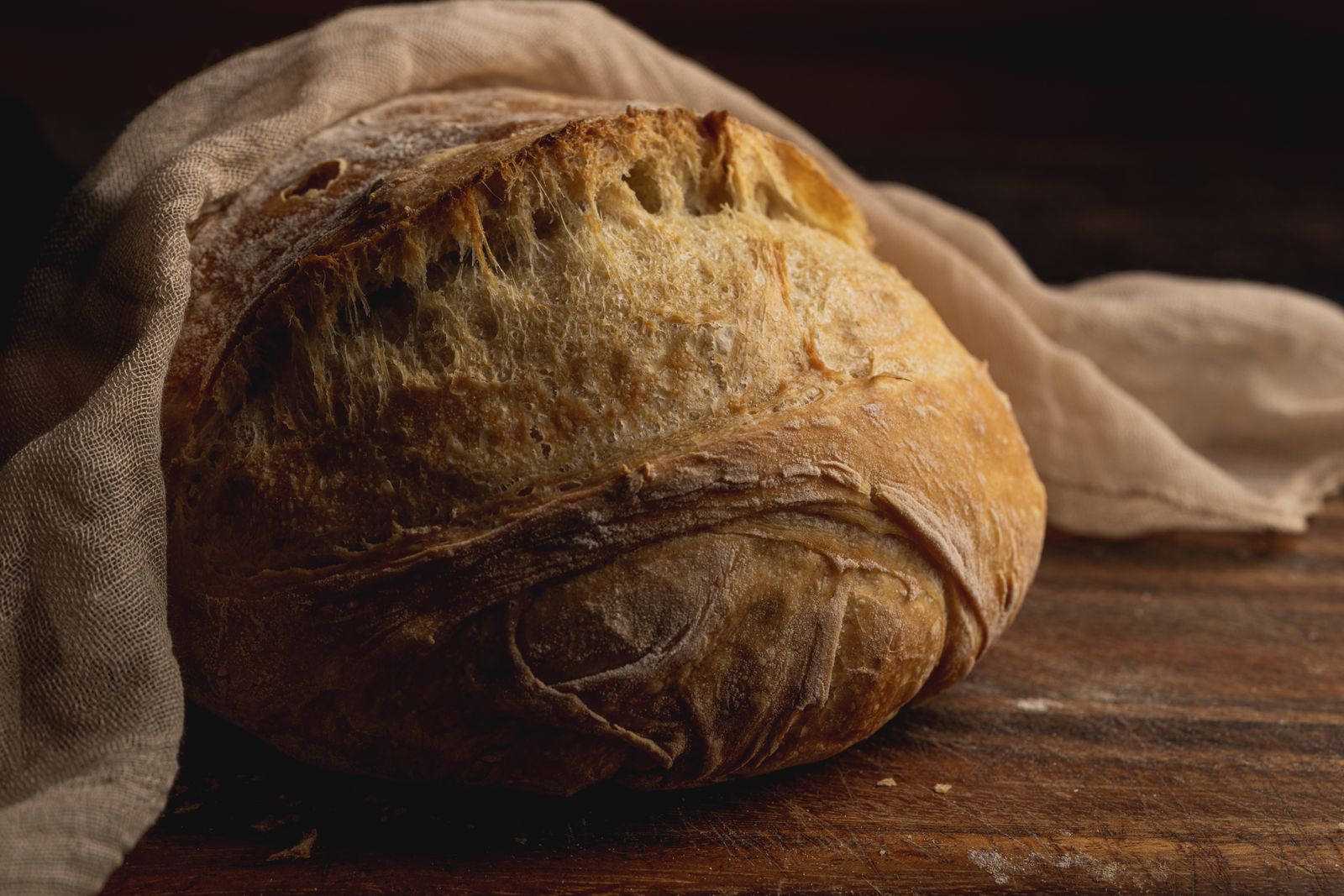
These 28 German idioms about food take you from the kitchen to the pub: the sausage you don’t care about, the sour apple you have to bite, the honey smeared around the mouth, and the tomcat of the morning after. Every saying here is genuinely used by native speakers in everyday life. Pick two or three favorites — Das ist mir Wurst is the perfect starter — and try them in your next German conversation. For more everyday expressions, explore our German idioms explained guide next.
Frequently Asked Questions
What is the most common German idiom about food?
Das ist mir Wurst (it’s all the same to me) — Germans use it daily to express indifference, from choosing a restaurant to picking a movie.
How do you say “to have a hangover” in German?
Einen Kater haben — literally “to have a tomcat,” one of the most beloved German idioms about food and drink.
What does “Alles in Butter” mean?
It means “everything’s fine” — the German way of saying all is well, with butter as the symbol of things going smoothly.
Are German food idioms used in everyday conversation?
Absolutely. German idioms about food like Das ist mir Wurst, Alles in Butter, kalter Kaffee, and Mahlzeit! are living speech — you’ll hear them at work, in pubs, and on TV.