

30 german words with ö, each with its English meaning — the essential Ö vocabulary for learners, with example sentences, grammar patterns, and memory tricks.
Ö is the umlaut learners practice most — the rounded-lips “eh” that makes schön sound beautiful instead of merely correct. This list of german words with ö collects the 30 most useful Ö words, each with its English meaning: everyday adjectives like schön and möglich, essential verbs like hören and öffnen, and the plural nouns where Ö does its grammatical work (Sohn → Söhne, Wort → Wörter). Learn them with the example sentences and patterns below, and the Ö will stop being a sound you produce and become a sound you own.
New to the pronunciation? Our Ä, Ö, Ü pronunciation guide teaches the Ö mouth position in five minutes, and the Ö vs O listening drills train your ear on exactly these contrasts.
German Words with Ö: The Complete 30-Word List
Nouns first (always with their articles), then the verbs, adjectives and adverbs.
Nouns with Ö
| German | English meaning |
|---|---|
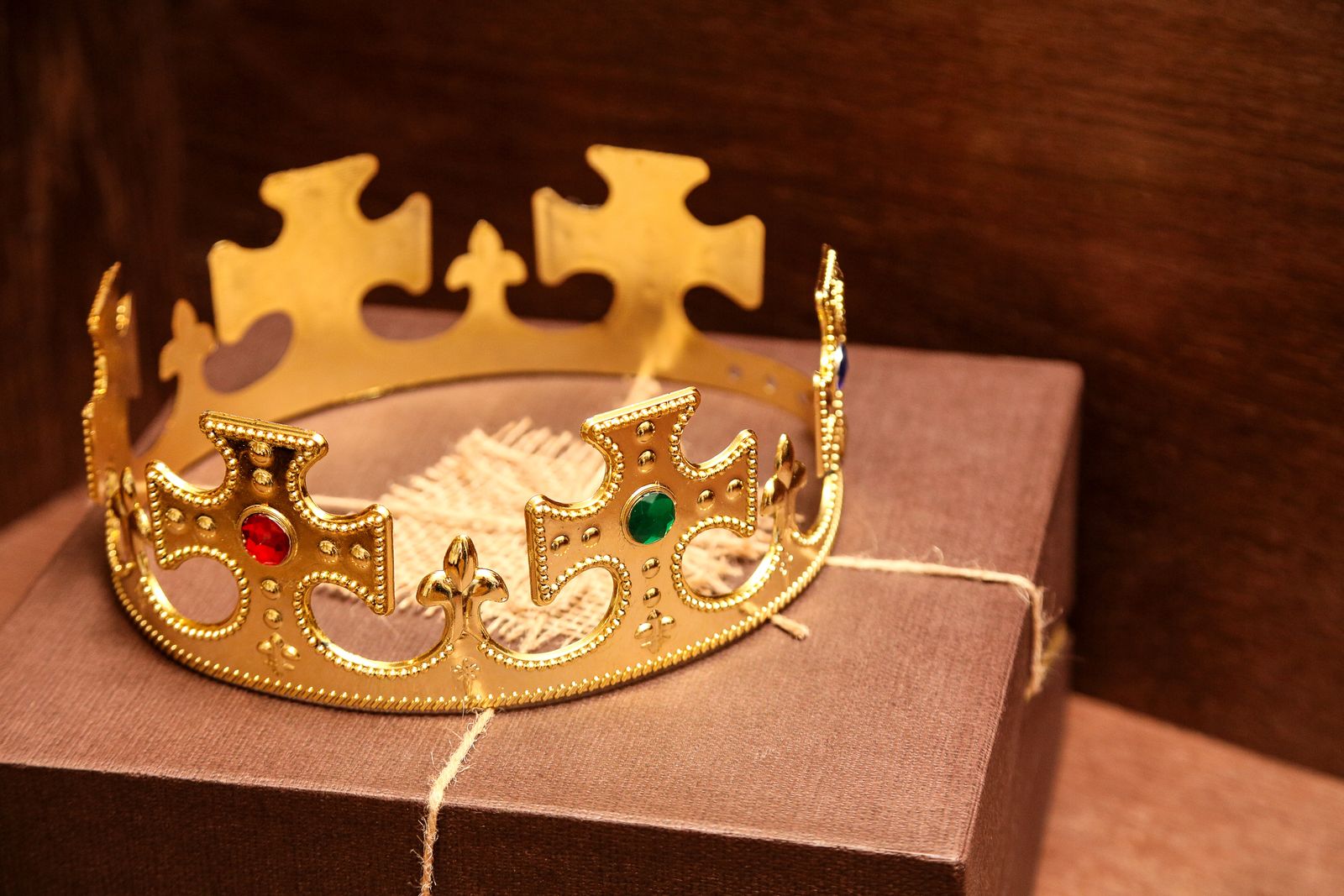
| der König | king |
| die Königin | queen |
| das Öl | oil |
| der Löwe | lion |
| das Brötchen | bread roll |
| die Flöte | flute |
| die Größe | size |
| die Wörter | words |
| die Söhne | sons |
| die Töchter | daughters |
| die Wölfe | wolves |
| die Vögel | birds |
| die Köpfe | heads |
| die Töpfe | pots |
| die Knöpfe | buttons |
| die Zöpfe | braids |
| die Öffnung | opening |
| die Lösung | solution |
| der Löffel | spoon |
| die Höhe | height |
| die Hölle | hell |
| die Höhle | cave |
| die Möbel (pl.) | furniture |
| die Möglichkeit | possibility |
Verbs, adjectives, and adverbs with Ö
| German | English meaning |
|---|---|
| schön | beautiful, nice |
| hören | to hear |
| öffnen | to open |
| öffentlich | public |
| lösen | to solve |
| möglich | possible |
Everyday Ö Words Worth Learning First

These ten german words with ö carry the most weight in daily conversation — prioritize them:
schön (beautiful, nice). The hardest-working adjective in German: Das Wetter ist schön. (The weather is nice.) Du siehst schön aus. (You look beautiful.) It also softens requests: Schön, dass du da bist. (Nice that you’re here.) Nail the Ö here and half your small talk sounds fluent.
hören (to hear). Ich höre dich nicht. (I can’t hear you.) / Hörst du die Musik? (Do you hear the music?) A top-50 verb; the Ö sits in the stressed stem, so it can’t be mumbled.
der König (king) / die Königin (queen). Der König lebt im Schloss. (The king lives in the castle.) Note: the plural is die Könige — no umlaut, the classic trap. Learn it right the first time.
öffnen (to open). Kannst du das Fenster öffnen? (Can you open the window?) Pairs with die Öffnung (opening): Die Öffnung ist zu klein. (The opening is too small.)
möglich (possible) / die Möglichkeit (possibility). Ist das möglich? (Is that possible?) / Es gibt viele Möglichkeiten. (There are many possibilities.) Abstract, frequent, and essential for polite German: Wäre es möglich…? (Would it be possible…?)
die Lösung (solution) / lösen (to solve). Hast du eine Lösung? (Do you have a solution?) / Wir müssen das Problem lösen. (We have to solve the problem.) The noun/verb pair shares the Ö — learn them together.
die Größe (size). Welche Größe haben Sie? (What size are you?) — the standard question when shopping for clothes in Germany.
das Brötchen (bread roll). Zwei Brötchen, bitte. (Two bread rolls, please.) The diminutive of Brot with the regular -chen umlaut — and the word that gets you breakfast.
der Löffel (spoon). Kann ich einen Löffel haben? (Can I have a spoon?) Table vocabulary you’ll use in every restaurant.
öffentlich (public). Die öffentlichen Verkehrsmittel. (Public transport.) Compound-heavy but high-frequency — you’ll read it on signs everywhere.
Plural Ö Words: The Grammar Behind the List
Nine of the nouns above are plurals — Wörter, Söhne, Töchter, Wölfe, Vögel, Köpfe, Töpfe, Knöpfe, Zöpfe — and they follow the classic masculine/neuter umlaut-plural pattern. Learn each as a singular → plural pair:
- der Sohn → die Söhne (son → sons)
- die Tochter → die Töchter (daughter → daughters)
- der Wolf → die Wölfe (wolf → wolves)
- der Vogel → die Vögel (bird → birds)
- der Kopf → die Köpfe (head → heads)
- der Topf → die Töpfe (pot → pots)
- der Knopf → die Knöpfe (button → buttons)
- der Zopf → die Zöpfe (braid → braids)
- das Wort → die Wörter (word → words)
Note the odd one out: das Wort takes the -er plural (die Wörter), while the rest take -e. And remember the traps from our plural umlaut rules: der König → die Könige and der Honig → die Honige never umlaut, no matter how natural “die Könge” feels. The remaining Ö nouns are originals — der Löwe, das Öl, die Flöte, die Größe, die Lösung, der Löffel, die Höhe, die Hölle, die Höhle, die Möbel, die Öffnung, die Möglichkeit — where the Ö is simply part of the word’s identity. Two of them form a famous near-pair: die Hölle (hell) vs die Höhle (cave) — same vowel, different word, worth drilling together. For the full set of such contrasts, see our umlaut minimal pairs.
German Words with Ö by Theme

Seeing the list in semantic groups makes it stickier. Here are the 30 organized by the worlds they belong to:
Royalty and stories: der König, die Königin, der Löwe (the king of beasts in every fable), die Flöte (the Pied Piper’s instrument — der Rattenfänger von Hameln plays one). These are narrative words; learn them through fairy tales and you’ll never forget them.
Home and daily life: das Brötchen, der Löffel, die Töpfe, die Knöpfe (buttons on every shirt), die Möbel, die Öffnung, öffnen, die Größe (for shopping), die Höhe. This is the “apartment vocabulary” — walk through your home naming things and these words attach to real objects.
People and family: die Söhne, die Töchter, die Köpfe (as in “pro Kopf” — per head/person, a useful phrase: Der Eintritt kostet zehn Euro pro Kopf.). Family words are worth learning early because they’re high-frequency in conversation.
Nature and animals: die Wölfe, die Vögel, das Öl (olive oil comes from nature, loosely), die Höhle (caves). Pair with the Ä-list’s Bär and Bäume for a full nature set.
Abstract and formal: die Wörter, die Lösung, lösen, möglich, die Möglichkeit, öffentlich, die Hölle. These are the thinking words — for discussions, work, and reading the news. Die Lösung des Problems (the solution to the problem) and öffentliche Verkehrsmittel (public transport) are phrases you’ll meet in your first German newspaper article.
The vivid pair: die Hölle vs die Höhle — hell and cave. Keep them together deliberately; the confusion is the memory hook.
Quiz Yourself: 10 Quick Questions
Cover the answers and test your recall — no peeking at the tables above:
- What’s the plural of der Sohn? → die Söhne
- How do you say “beautiful” in German? → schön
- What’s “to hear”? → hören
- The plural of das Wort? → die Wörter
- How do you say “possible”? → möglich
- What’s a bread roll? → das Brötchen
- The plural of der Vogel? → die Vögel
- How do you say “to open”? → öffnen
- What’s “the solution”? → die Lösung
- Does der König take an umlaut in the plural? → No! Die Könige.
Eight or more correct: the list is yours. Fewer: re-read the everyday section and try again tomorrow — spaced repetition beats cramming.
Bonus Ö Words to Expand Your Vocabulary

Once the core 30 are comfortable, add these verified german words with ö — each one real, each one useful:
| German | English meaning |
|---|---|
| zwölf | twelve |
| können | can, to be able to |
| die Frösche | frogs |
| die Körbe | baskets |
| die Röcke | skirts |
| die Köche | cooks |
| die Stöcke | sticks |
| der Knödel | dumpling |
Notes: zwölf and können are among the most frequent Ö words in the language — Ich kann nicht. (I can’t.) is a survival sentence. Die Frösche, Körbe, Röcke, Köche and Stöcke are more plural umlauts (der Frosch, der Korb, der Rock, der Koch, der Stock). Der Knödel is Bavarian-Austrian soul food — order it with confidence on any menu south of Frankfurt.
Ö Words in Context: A Short Reading Exercise
Read aloud, then check the translation — eleven list words in one paragraph:
Die Königin hört die Flöte. Die Söhne und die Töchter öffnen die Töpfe in der Küche. Die Vögel sitzen auf den Köpfen der Löwen aus Stein. Es ist möglich, dass die Lösung in der Höhle liegt. Die Möbel sind schön, die Größe passt. Zwölf Knöpfe fehlen an den Röcken.
Translation: The queen hears the flute. The sons and daughters open the pots in the kitchen. The birds sit on the heads of the stone lions. It is possible that the solution lies in the cave. The furniture is beautiful, the size fits. Twelve buttons are missing from the skirts.
Reading connected Ö text trains the mouth to produce the rounded vowel in flow — the step between “I can say schön” and “my German sounds natural.” Do this paragraph daily for a week and the Ö stops requiring conscious effort.
How to Remember German Words with Ö: 5 Memory Tricks
1. Pair every plural with its singular. Sohn/Söhne, Wort/Wörter, Kopf/Köpfe — the pair is the vocabulary item. Solo plurals evaporate; pairs stick.
2. Memorize the traps explicitly. Write “der König → die Könige (KEIN Umlaut!)” on a flashcard. The words that don’t umlaut need deliberate attention precisely because the pattern feels so strong.
3. Use the Hölle/Höhle contrast. Two words, one vowel, totally different meanings (hell/cave) — the pair is memorable because the confusion is vivid. Invent a mental image: a cave that leads somewhere hot.
4. Anchor on schön. It’s the most frequent Ö word and the pronunciation reference. Whenever an Ö feels uncertain, say “schön” first — your mouth remembers the position, and the new word follows.
5. Learn lösen/Lösung and öffnen/Öffnung as verb/noun pairs. German builds nouns from verbs constantly; recognizing the pattern (lösen → die Lösung) turns two vocabulary items into one rule you’ll reuse hundreds of times.
Common Mistakes with Ö Words
“Die Könge” and friends. Over-applying the plural umlaut to König, Honig, Monat — the most common Ö spelling error. When in doubt, check the dictionary; the plural is part of the word.
Pronouncing Ö as English “uh.” “Schön” → “shurn” — the tongue drifted back. Reset: say “eh,” freeze the tongue, round the lips. Our pronunciation guide has the full fix.
Writing OE in normal text. “Schoen” belongs in Switzerland, URLs, and crosswords — not in messages or essays. The typing guide shows how to produce the real letter on every device.
Forgetting Möbel is always plural. Die Möbel has no singular in normal use — you can’t say “ein Möbel” for a single piece of furniture (you’d say “ein Möbelstück”). Learners who treat it as a regular noun produce sentences natives find odd.
Key Takeaways: German Words with Ö

These 30 german words with ö — from schön to Möglichkeit — cover the Ö vocabulary you’ll use most: the essential adjectives (schön, möglich, öffentlich), the daily verbs (hören, öffnen, lösen, können), and the plural nouns where Ö marks grammar (Söhne, Wörter, Köpfe). Learn plurals as singular/plural pairs, memorize the no-umlaut traps (Könige, Honige) deliberately, and anchor your pronunciation on schön.
Continue with 30 German words with Ä and 30 with Ü, drill the minimal pairs where Ö changes meaning, or explore when umlauts change meaning for the grammar behind the patterns. For game practice, German Scrabble words with umlauts puts these letters to work for points.