

30 german words with ü, each with its English meaning — the essential Ü vocabulary for learners, with example sentences, grammar patterns, and memory tricks.
Ü is the final boss of German pronunciation — the “ee” with rounded lips that has no English equivalent. But it’s also one of the most common sounds in everyday German: für, fünf, Tür, über, grün. This list of german words with ü gives you the 30 most useful Ü words with their English meanings, from the survival vocabulary you’ll need in week one (für, fünf, die Tür) to the plurals where Ü marks grammar (Buch → Bücher, Stuhl → Stühle) and the compound-rich words like Frühstück and Überraschung that make German fun.
If the sound itself still feels shaky, our Ä, Ö, Ü pronunciation guide teaches the Ü mouth position step by step, and the Ü vs U drills will train both your ear and your mouth on exactly these contrasts.
German Words with Ü: The Complete 30-Word List
Nouns with articles first, then verbs, adjectives, adverbs and prepositions.
Nouns with Ü
| German | English meaning |
|---|---|
| die Tür | door |
| der Gruß | greeting |
| die Küche | kitchen |
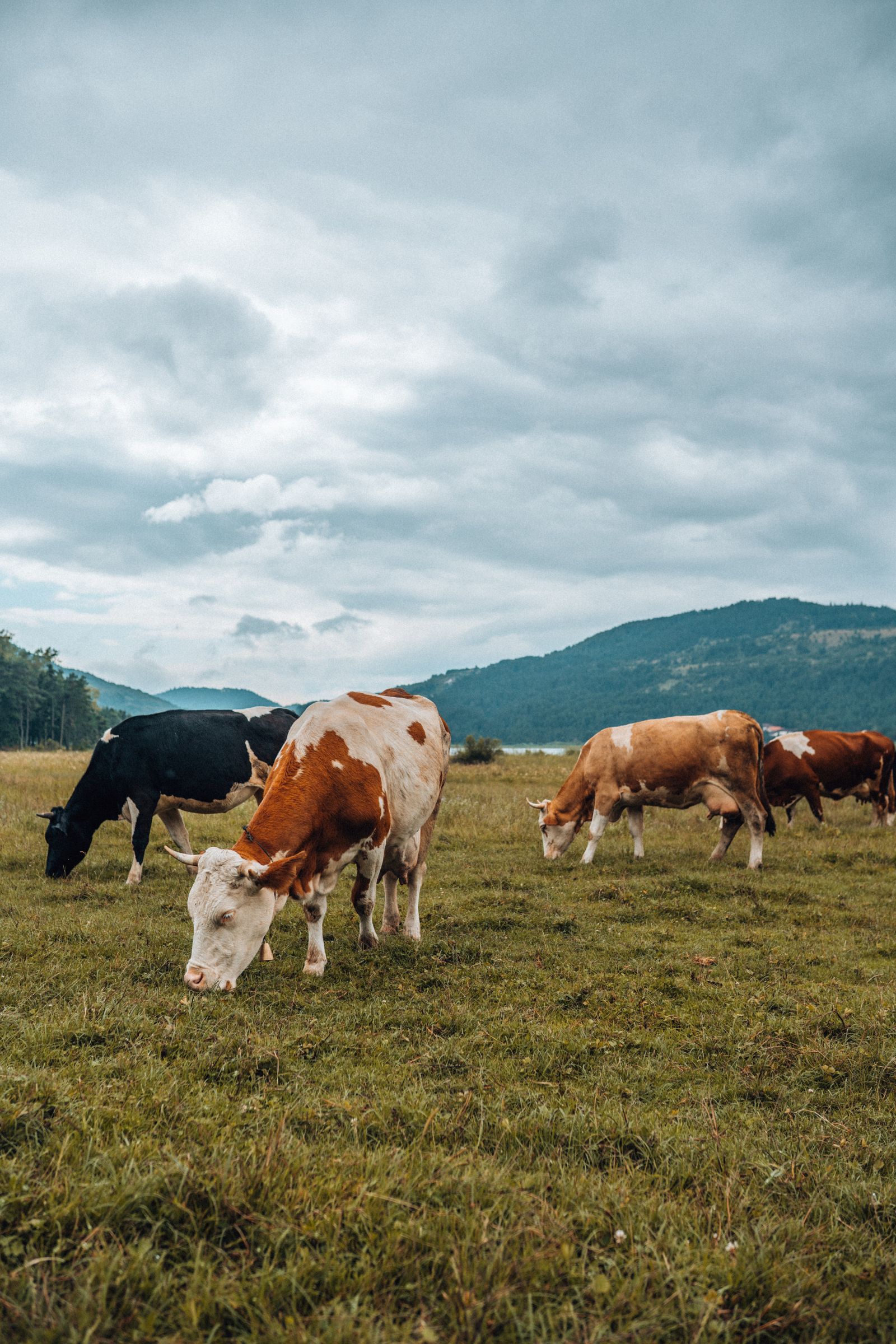
| die Kühe | cows |
| das Glück | luck |
| die Mühle | mill |
| der Müller | miller |
| die Brüder | brothers |
| die Füße | feet |
| die Bücher | books |
| die Stühle | chairs |
| die Züge | trains |
| die Hütte | hut |
| die Güte | kindness |
| die Bühne | stage |
| die Übung | exercise, practice |
| die Überraschung | surprise |
| die Übersetzung | translation |
| die Prüfung | exam |
| der Frühling | spring |
| das Frühstück | breakfast |
| die Wüste | desert |
Verbs, adjectives, and other words with Ü
| German | English meaning |
|---|---|
| für | for |
| fünf | five |
| grün | green |
| grüßen | to greet |
| glücklich | happy, lucky |
| üben | to practice |
| über | over, about |
| früh | early |
Everyday Ü Words Worth Learning First
These ten german words with ü are the highest-frequency items on the list — the ones to master in your first weeks:
für (for). Arguably the most important word on this entire list: Das ist für dich. (That’s for you.) / Ich lerne für die Prüfung. (I’m studying for the exam.) Its Ü is short, unstressed, and absolutely non-negotiable — drill “für” until the lip rounding is automatic, because you’ll say this word dozens of times daily.
fünf (five). Es ist fünf Uhr. (It’s five o’clock.) Numbers are survival vocabulary; fünf’s Ü is short and crisp.
die Tür (door). Mach die Tür zu! (Close the door!) / Die Tür ist offen. (The door is open.) The long Ü here is the pronunciation showcase — hold it, round it, own it.
über (over, about). Two jobs: location (über dem Tisch — above the table) and topic (ein Buch über Berlin — a book about Berlin). Ubiquitous in both speech and writing.
grün (green). Die Ampel ist grün. (The traffic light is green.) Colors are early vocabulary everywhere; grün’s Ü is short and clean.
die Küche (kitchen). Das Essen ist in der Küche. (The food is in the kitchen.) One of the first rooms learners name, and a long-Ü showcase.
früh (early) / der Frühling (spring) / das Frühstück (breakfast). Learn these three as a family — they share the früh root (early): Ich stehe früh auf. (I get up early.) / Der Frühling kommt. (Spring is coming.) / Das Frühstück ist fertig. (Breakfast is ready.) Three words for the price of one root, and the “Früh-” beginning trains the same mouth position three times over.
die Übung (exercise) / üben (to practice). Übung macht den Meister. (Practice makes perfect — literally “practice makes the master.”) The verb/noun pair shares the Ü; learn them together and use the proverb to remember both.
Plural Ü Words: The Grammar Behind the List
Six nouns on the list are plurals — Kühe, Brüder, Füße, Bücher, Stühle, Züge — all following the umlaut-plural pattern for U-stems:
- die Kuh → die Kühe (cow → cows)
- der Bruder → die Brüder (brother → brothers)
- der Fuß → die Füße (foot → feet)
- das Buch → die Bücher (book → books)
- der Stuhl → die Stühle (chair → chairs)
- der Zug → die Züge (train → trains)
The rest are original-Ü words where the vowel is simply part of the stem: die Tür, der Gruß, die Küche, das Glück, die Mühle, der Müller, die Hütte, die Güte, die Bühne, die Übung, die Überraschung, die Übersetzung, die Prüfung, der Frühling, das Frühstück, die Wüste. Notice the family resemblances: grüßen (to greet) and der Gruß (greeting) share a root, as do üben/die Übung and früh/Frühling/Frühstück. German vocabulary is highly compositional; spotting the shared roots multiplies every word you learn. Our plural umlaut rules guide covers the complete plural system these words belong to.
Bonus Ü Words to Expand Your Vocabulary

These verified german words with ü extend the list into useful territory — food, clothing, and more plurals:
| German | English meaning |
|---|---|
| süß | sweet |
| die Mütze | cap, hat |
| die Tücher | cloths |
| die Flüsse | rivers |
| die Grüße | greetings |
| die Wünsche | wishes |
| die Sprüche | sayings |
| der Glühwein | mulled wine |
Notes: süß is essential for food talk — Der Kuchen ist süß. (The cake is sweet.) — and pairs with the ß for a combo drill. Die Mütze is winter vocabulary: Zieh eine Mütze an! (Put on a hat!) Die Tücher, Flüsse, Grüße, Wünsche and Sprüche are more U→Ü plurals (das Tuch, der Fluss, der Gruß, der Wunsch, der Spruch). Der Glühwein is cultural vocabulary — the hot spiced wine of German Christmas markets, and a word you’ll use every December if you spend winter in Germany.
Ü Words in Context: A Short Reading Exercise
Read aloud, then check the translation — fourteen list words woven into one paragraph:
Fünf Brüder frühstücken in der Küche. Für die Prüfung üben sie die Übersetzung. Die Bücher liegen auf den Stühlen, die Tür steht offen. Draußen ist der Frühling grün, die Kühe stehen auf der Wiese. Am Abend gibt es eine Überraschung: die Großmutter kommt zu Besuch! Das Glück ist mit den Fleißigen.
Translation: Five brothers are having breakfast in the kitchen. They are practicing the translation for the exam. The books lie on the chairs, the door stands open. Outside, spring is green, the cows stand in the meadow. In the evening there is a surprise: grandmother is coming to visit! Luck is with the diligent.
This paragraph is deliberately dense with Ü — reading it daily for a week trains the rounded-lip position in connected speech, which is where it matters. Notice how many of the words are plurals (Brüder, Bücher, Stühlen, Kühe): the Ü is doing grammatical work even in a simple story.
German Words with Ü by Theme
Survival basics: für, fünf, die Tür, über, früh. If you learn nothing else, learn these five — they appear in a huge fraction of all German sentences.

Home: die Küche, die Stühle, die Bücher, die Tür, die Tücher. Walk through your apartment naming the Ü objects; the physical association locks the vocabulary in.
Food and seasons: das Frühstück, der Frühling, grün, süß, der Glühwein, die Mühle/der Müller (grain country). Seasonal words are memorable because you meet them at the right time of year — learn Glühwein in December, Frühling in March.
People and feelings: die Brüder, der Gruß/grüßen (every interaction starts with a greeting), das Glück, glücklich, die Güte. Viel Glück! (Good luck!) is the send-off for exams, interviews, and new ventures.
Abstract and formal: die Übung, die Prüfung, die Übersetzung, die Überraschung, die Wüste (geography), die Bühne (theater), die Hütte (hiking). The “Über-” words are worth learning as a prefix family: über (over), die Überraschung (surprise), die Übersetzung (translation), überall (everywhere), übrigens (by the way) — one prefix, a multiplying vocabulary.
How to Remember German Words with Ü: 5 Memory Tricks
1. Drill “für” first and most. It’s the highest-frequency Ü word in the language. A perfect “für” buys you goodwill in every sentence; a mumbled one marks every sentence. Ten focused repetitions beat a hundred casual ones.
2. Learn the früh family as one item. früh, der Frühling, das Frühstück — one root, three words, same mouth position. Families like this are the most efficient vocabulary in German.
3. Pair plurals with singulars. Buch/Bücher, Stuhl/Stühle, Fuß/Füße — the pair teaches the grammar and the spelling simultaneously, and the U→Ü alternation becomes a reflex.
4. Use the “ee-freeze-round” anchor. Every new Ü word gets the same treatment: say “ee,” freeze the tongue, round the lips, then say the word. After twenty words, the anchor becomes unnecessary — the mouth knows the way.
5. Exploit compounds. Überraschung = über + rasch + ung; Frühstück = früh + Stück; Übersetzung = über + setzung. Breaking compounds into parts turns intimidating long words into familiar short ones — and shows off how German builds vocabulary.
Quiz Yourself: 10 Quick Questions
- How do you say “for” in German? → für
- What’s the plural of das Buch? → die Bücher
- How do you say “door”? → die Tür
- What’s “five”? → fünf
- The plural of der Stuhl? → die Stühle
- How do you say “to practice”? → üben
- What’s “breakfast”? → das Frühstück
- The plural of der Fuß? → die Füße
- How do you say “green”? → grün
- What does “Viel Glück!” mean? → Good luck!
Ü in German Word Games: Why These Letters Score
A practical reason to master Ü vocabulary: in German Scrabble, Ä, Ö and Ü are dedicated tiles worth 6 points each — and they can’t be substituted with AE/OE/UE digraphs. Words from this list like Züge, Bücher, Stühle and Grüße are strong plays precisely because the Ü tile is both valuable and hard for opponents to use. Our guide to German Scrabble words with umlauts breaks down the tile values and strategy in full, including which Ü words score highest.
Ü words also feature heavily in German Wordle variants — many five-letter answers contain Ü (für is too short, but consider grün-adjacent patterns and plurals like Züge). Our German Wordle umlaut words list gives you the playable vocabulary. Learning the words on this page does double duty: real German fluency and real game points.
Common Mistakes with Ü Words

Saying “fur” for für. The English “fur” vowel is the exact wrong sound — back and unrounded where für needs front and rounded. This single word is worth perfecting because of its frequency.
“Toor” for Tür. The tongue sliding back during rounding — reset with the “ee” anchor. If your Tür rhymes with English “tour,” the tongue moved.
Writing UE in normal text. “Fuer” is Swiss/URL/crossword spelling, not standard German. Use the typing methods to produce the real Ü.
Confusing die Bühne with “Büchne.” No such word — it’s Bühne (stage), pronounced with the long Ü held clean. The spelling has no C; learners sometimes insert one by analogy with Bücher.
Key Takeaways: German Words with Ü
These 30 german words with ü — from für to Frühstück — are the Ü vocabulary that matters most: the survival words (für, fünf, Tür, über), the daily-life nouns (Küche, Bücher, Stühle), the plurals where Ü marks grammar (Brüder, Füße, Züge), and the compound-rich vocabulary (Frühstück, Überraschung, Übersetzung) that shows German’s word-building power. Drill “für” until it’s automatic, learn the früh family as one unit, and pair every plural with its singular.
Keep going: complete the set with 30 German words with Ä and 30 with Ö, drill the minimal pairs where Ü changes meaning, or put these letters to work in German Scrabble words with umlauts. The Ü vs U listening drills will keep your ear sharp.