

German idioms are not a random pile of phrases. Look closely and patterns emerge: pigs bring luck, sausages express indifference, dogs mark the exact spot where the problem lies. German idioms cluster around a handful of powerful image families — animals, food, the body, weather, money — and each family reveals something about how German speakers see the world.
Anyone searching for “german idioms by theme categories” wants a map, not a list. This guide is that map: a complete thematic overview of German idioms, the most important expressions in each category, and — the part most lists skip — why these particular images dominate German expressions. Learn idioms by theme and you’ll memorize them three times faster, because the images reinforce each other.
German Idioms by Theme Categories: The Full Map
Here is the landscape at a glance. Roughly speaking, German idioms draw from five great image families, plus a few smaller ones:
| Theme | Share of common idioms | Signature images | Example |
|---|---|---|---|
| Animals | ~30% | pig, dog, cat, bird, fox | Schwein haben (to be lucky) |
| Food & drink | ~20% | sausage, butter, soup, mustard | alles in Butter (all good) |
| Body | ~20% | head, nose, eyes, hands, feet | die Nase voll haben (fed up) |
| Weather & nature | ~12% | clouds, rain, storms | auf Wolke sieben schweben (on cloud nine) |
| Money & work | ~10% | coins, belt, stone | den Gürtel enger schnallen (tighten belt) |
| Other (church, music, war) | ~8% | church, devil, fiddle | die Kirche im Dorf lassen (don’t exaggerate) |
These shares are estimates from common idiom collections — but the ranking is solid. Animals win by a mile, food and body tie for second, and everything else trails. The rest of this guide walks through each family with its essential idioms. For the full alphabetical-style master list, see our German idioms explained guide.
Animal Idioms: Germany’s Favorite Source
No language loves animal imagery quite like German — and no animal matters more than the pig. Schwein haben (to have pig = to be lucky) is probably the single most-used idiom in German. The pig is a traditional symbol of luck and prosperity: porcelain pigs (Glücksschweine) are still given as New Year’s gifts, and butchers once handed out lucky pig charms. To “have pig” is to have fortune smiling on you.
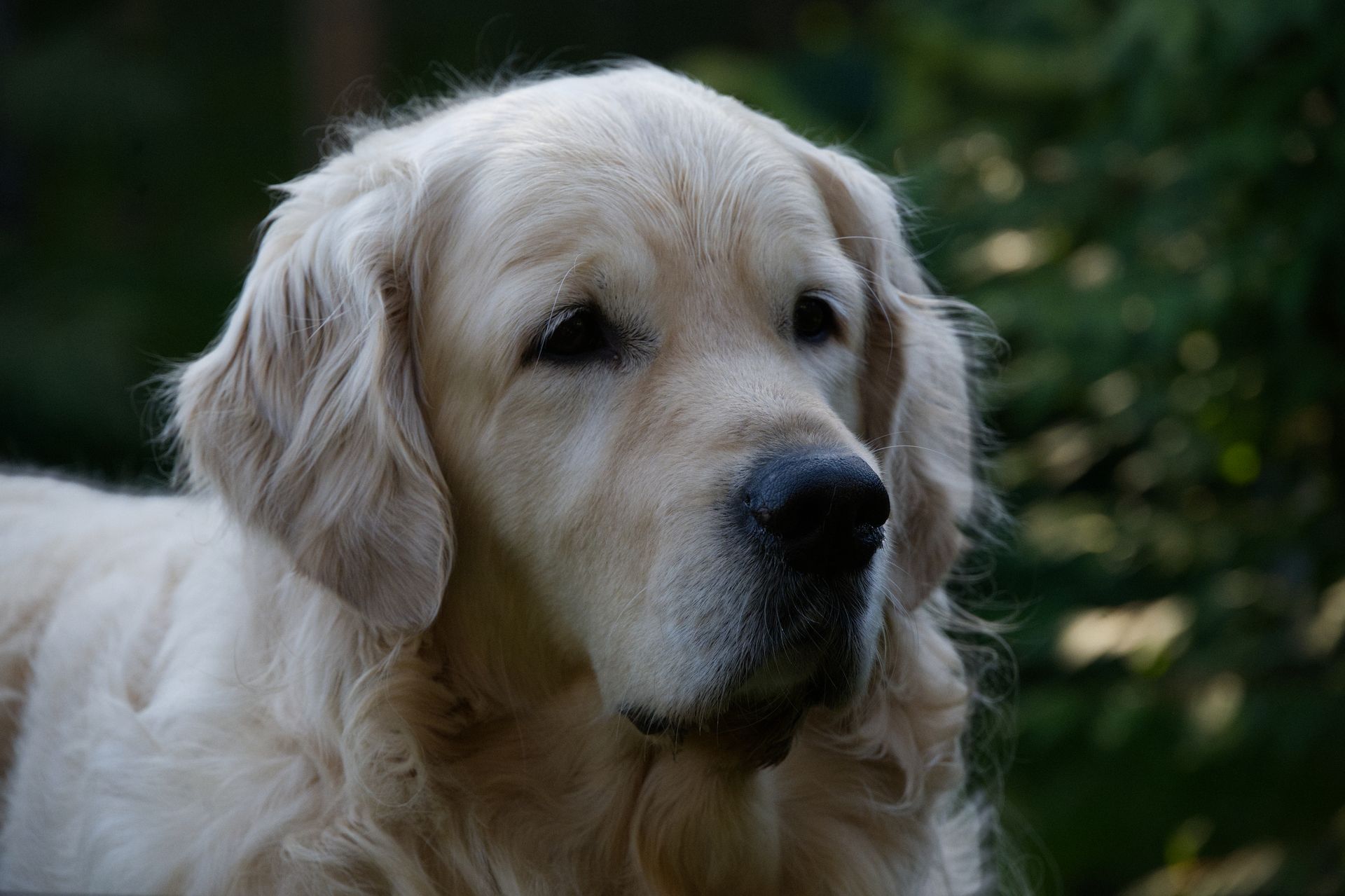
Dogs come second, and they’re more complicated. Da liegt der Hund begraben (that’s where the dog is buried = that’s the crux of the matter) is everyday standard. Vor die Hunde gehen (to go before the dogs = to go to the dogs, to deteriorate) shows the dog’s darker side. Hundewetter (dog weather) means miserable weather, and wie Hund und Katz (like dog and cat) describes people who fight constantly. The dog in German idioms is the working companion — loyal, but also the measure of hard times.
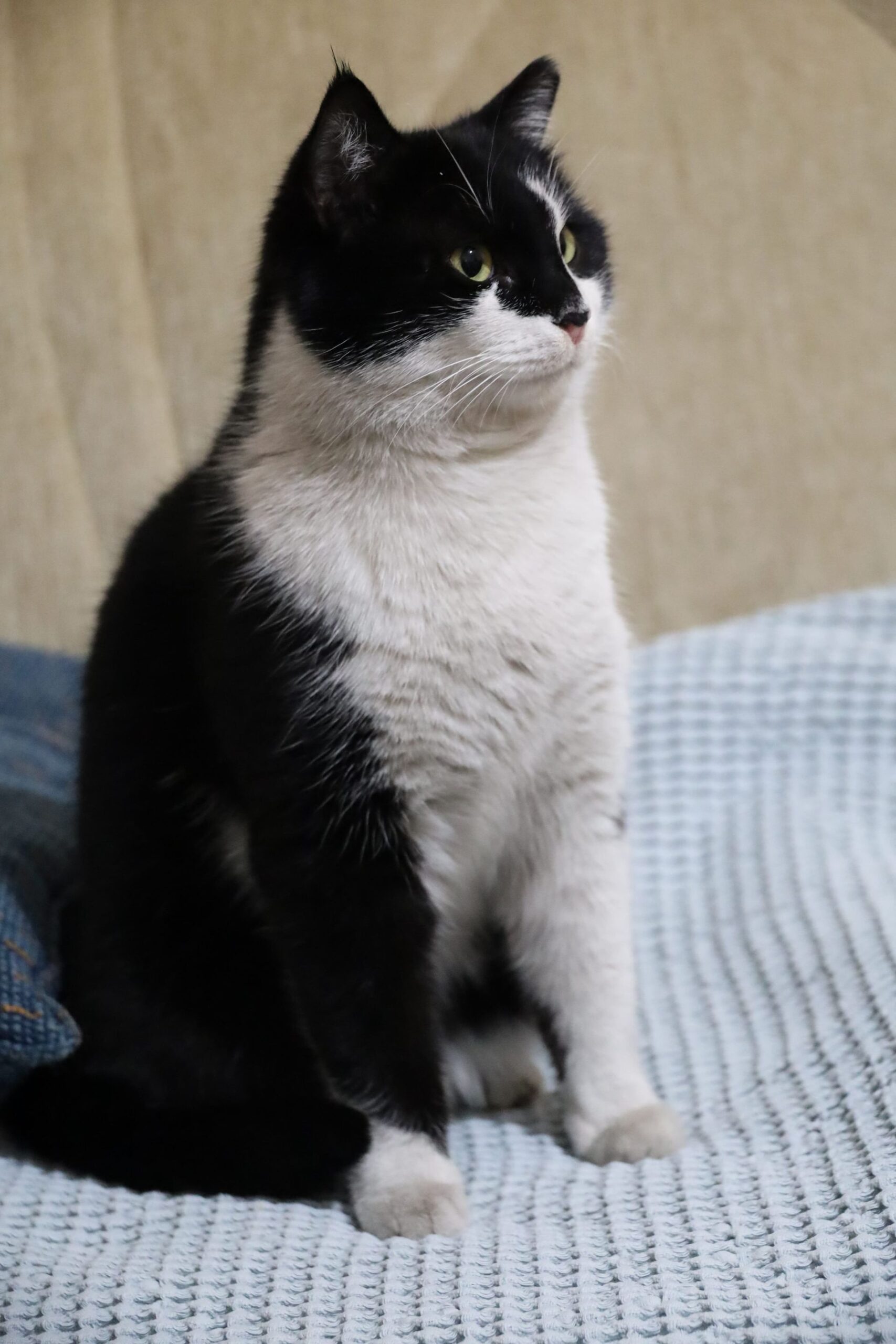
Cats are the tricksters. Die Katze im Sack kaufen (to buy the cat in the sack = to buy a pig in a poke) warns against buying sight unseen — the image comes from medieval markets where a cat might be substituted for the piglet you thought you bought. Die Katze aus dem Sack lassen (to let the cat out of the sack = to let the cat out of the bag) reveals a secret. Für die Katz (for the cat = for nothing, wasted) dismisses failed effort. And wie die Katze um den heißen Brei schleichen? Germans actually say um den heißen Brei herumreden (to beat around the bush) — the cat just watches.
Birds signal mild madness: einen Vogel haben (to have a bird = to be nuts) is the affectionate insult among friends. Ich glaub, mein Schwein pfeift (I think my pig is whistling = I must be going crazy) mixes pig and bird into pure disbelief. Der frühe Vogel fängt den Wurm (the early bird catches the worm) is the German morning person’s motto — same as English.
The supporting cast is rich: the fox is clever (fuchsteufelswild — furious, literally “fox-devil-wild” — is an adjective, not an idiom, but shows the fox’s wild reputation), the bear means a wild time (da steppt der Bär — the bear dances there = it’s going to be a great party), the poodle means embarrassment (wie ein begossener Pudel dastehen — to stand like a drenched poodle = to look sheepish), and the elephant means exaggeration (aus einer Mücke einen Elefanten machen — to make an elephant out of a mosquito = to make a mountain out of a molehill).
For the complete menagerie — origins, stories, and modern usage — see our deep dive into German animal idioms.
Food and Drink Idioms: The Tasty Second Place
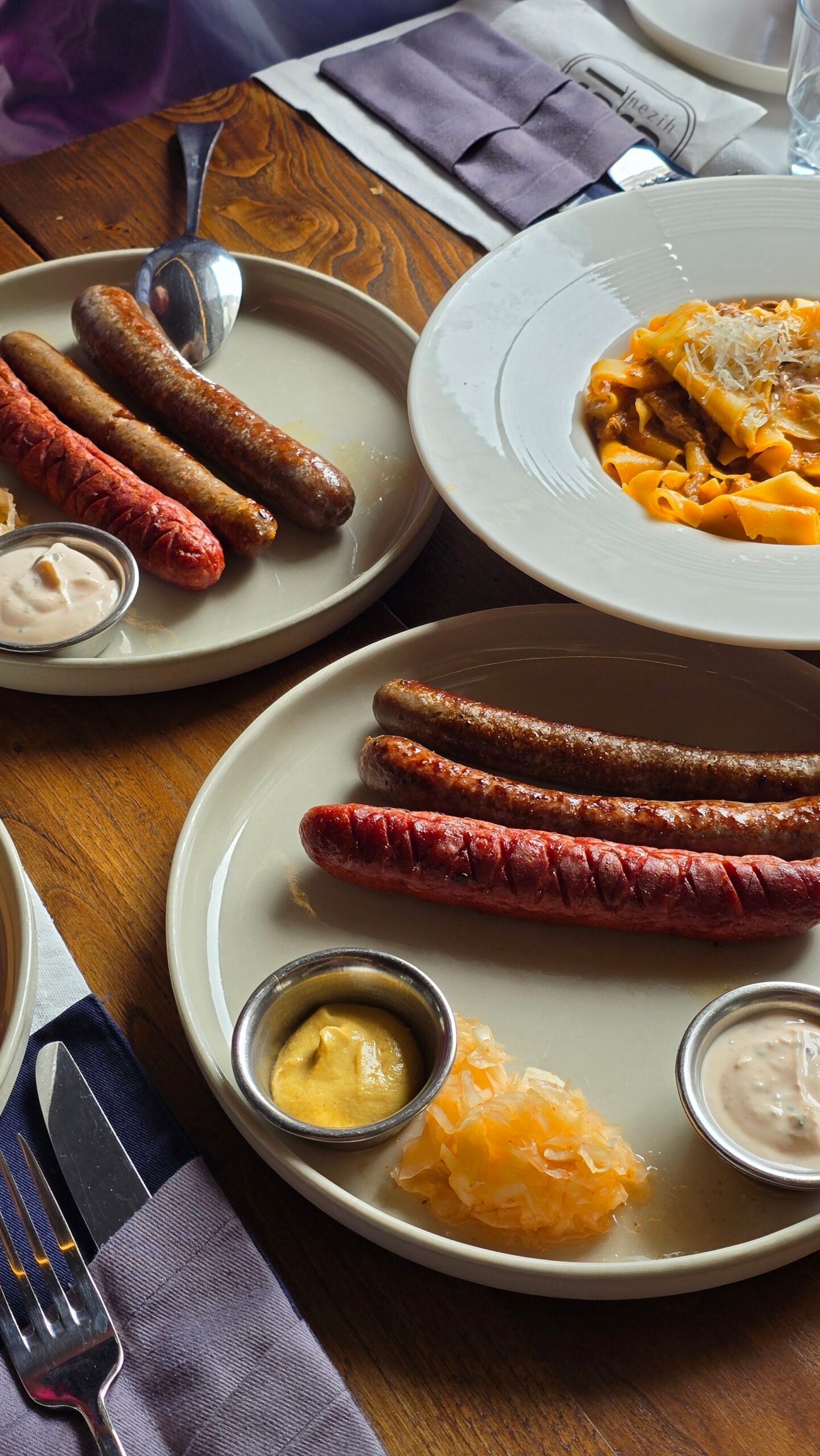
If animals are Germany’s favorite idiom source, food is a close second — and the undisputed champion is the sausage. Das ist mir Wurst (that is sausage to me = I don’t care) is beloved precisely because it’s so gloriously unserious. The sausage is the most everyday German food, so it became the symbol of “not worth caring about.” Related: es geht um die Wurst (it’s about the sausage = it’s crunch time, now it really matters) — the same food marking the opposite extreme, the decisive moment. Eine Extrawurst verlangen (to demand an extra sausage = to want special treatment) and die beleidigte Leberwurst spielen (to play the offended liver sausage = to sulk theatrically) complete the sausage family.
Butter means things are going smoothly: alles in Butter (everything in butter = everything’s fine) is the casual “all good.” The image is old — butter was precious, and having everything “in butter” meant prosperity and smoothness. Mustard means opinions: seinen Senf dazugeben (to add one’s mustard = to put in one’s two cents) is what everyone does in meetings. Cheese means nonsense: das ist Käse (that is cheese = that’s rubbish) dismisses bad ideas with dairy finality.
Soup is the food of consequences. Die Suppe auslöffeln (to spoon out one’s soup = to face the consequences) is what you do after making a mess — you cooked it, now eat it. Ein Haar in der Suppe finden (to find a hair in the soup = to find fault with everything) describes the chronic complainer. Die Suppe versalzen (to oversalt the soup = to spoil things for someone) is the quiet saboteur’s idiom.
Bread and porridge carry the folk wisdom: um den heißen Brei herumreden (to talk around the hot porridge = to beat around the bush) is the impatience phrase, and viele Köche verderben den Brei (many cooks spoil the porridge = too many cooks spoil the broth) is the meeting-room proverb. Wine belongs to honesty: reinen Wein einschenken (to pour pure wine = to speak plainly, tell the truth) is the serious-conversation opener.
Food idioms skew warm and slightly comic — they’re the idioms of kitchens, pubs, and family tables. Our collection of German sayings about food explores this delicious corner in full.
Body Idioms: The Most Intuitive Family

Body idioms are the easiest for learners because the images are universal — every culture has a head, a nose, and feet. German uses them with particular enthusiasm.
The head is the seat of reason and trouble. Den Kopf in den Sand stecken (to stick one’s head in the sand) is denial, same as English. Den Kopf verlieren (to lose one’s head) is panic. Jemandem den Kopf waschen (to wash someone’s head = to give them a piece of one’s mind) is the scolding. Kopf hoch! (head up!) is the encouragement. And Hals über Kopf (neck over head = head over heels) is doing everything in a frantic rush — or falling Hals über Kopf verliebt (head over heels in love).
The nose knows annoyance. Die Nase voll haben (to have one’s nose full = to be fed up) is the complaint standard. Die Nase rümpfen (to wrinkle one’s nose = to turn up one’s nose) is disdain. Jemandem auf der Nase herumtanzen (to dance around on someone’s nose = to walk all over them) describes the exploited pushover. Seiner Nase folgen (to follow one’s nose) is instinct, and eine gute Nase haben (to have a good nose) is a talent for finding things — bargains, talent, trouble.
Eyes are about attention and honesty. Tomaten auf den Augen haben (to have tomatoes on one’s eyes = to be oblivious) is the playful “are you blind?” Ein Dorn im Auge sein (to be a thorn in someone’s eye = to be a thorn in their side) is the irritant. Unter vier Augen (under four eyes = in private) is discretion. Sich etwas hinter die Ohren schreiben belongs to ears, but die Ohren spitzen (to prick up one’s ears) is alertness, Bohnen in den Ohren haben (to have beans in one’s ears = to not be listening) is the scolding question, and viel um die Ohren haben (to have a lot around one’s ears = to have a lot on one’s plate) is the stress standard.
Hands and feet do the practical work. Zwei linke Hände haben (to have two left hands = to be all thumbs) is clumsiness. Die Hände in den Schoß legen (to lay one’s hands in one’s lap = to sit back and do nothing) is laziness. Kalte Füße bekommen (to get cold feet) is pre-wedding nerves, same as English. Auf eigenen Füßen stehen (to stand on one’s own feet) is independence. Jemandem auf die Füße treten (to step on someone’s feet = to step on their toes) is the social offense.
Body idioms feel natural fastest because you can literally act them out — and acting out is a superb memory technique. Point at your nose for die Nase voll, mime tomatoes on your eyes, press your thumbs for die Daumen drücken. Your body remembers what your brain forgets.
Weather Idioms: Drama in the Sky
Germans talk about the weather the way the British do — constantly, and as a proxy for everything else. The idiom stock reflects it.
Clouds carry the big emotions. Auf Wolke sieben schweben (to float on cloud seven = to be on cloud nine) is bliss — note that Germans use seven, not nine, a lovely little difference to show off. Aus allen Wolken fallen (to fall out of all clouds = to be thunderstruck) is shock. Über den Wolken might make you think of the famous song, but as an idiom Germans say den Kopf in den Wolken haben (to have one’s head in the clouds) for dreamers.
Rain and storms are trouble. Es regnet Bindfäden (it’s raining strings = it’s raining cats and dogs) means a downpour. Hundewetter (dog weather) and Sauwetter (sow weather) both mean miserable weather — gloriously rude and extremely common. Kaiserwetter (emperor weather) is the opposite: a perfect blue-sky day, supposedly named because the Kaiser always seemed to get good weather for parades. Ein Sturm im Wasserglas (a storm in a water glass = a storm in a teacup) deflates overblown drama. Das dicke Ende kommt noch (the thick end is still to come = the worst is yet to come) is the pessimist’s favorite.
The folk calendar contributes too: Aprilwetter (April weather) means changeable, moody conditions — sunshine one minute, hail the next — and by extension a moody person. Schnee von gestern (snow from yesterday = water under the bridge) dismisses old news and old grudges.
Weather idioms are mood idioms: they describe feelings through the sky. When a German says ich bin auf Wolke sieben, they’re not discussing meteorology — they’re telling you they’re in love.
Money and Work Idioms: The Practical Germans
The stereotype says Germans are practical about money and work, and the idioms back it up — though with more humor than you’d expect.
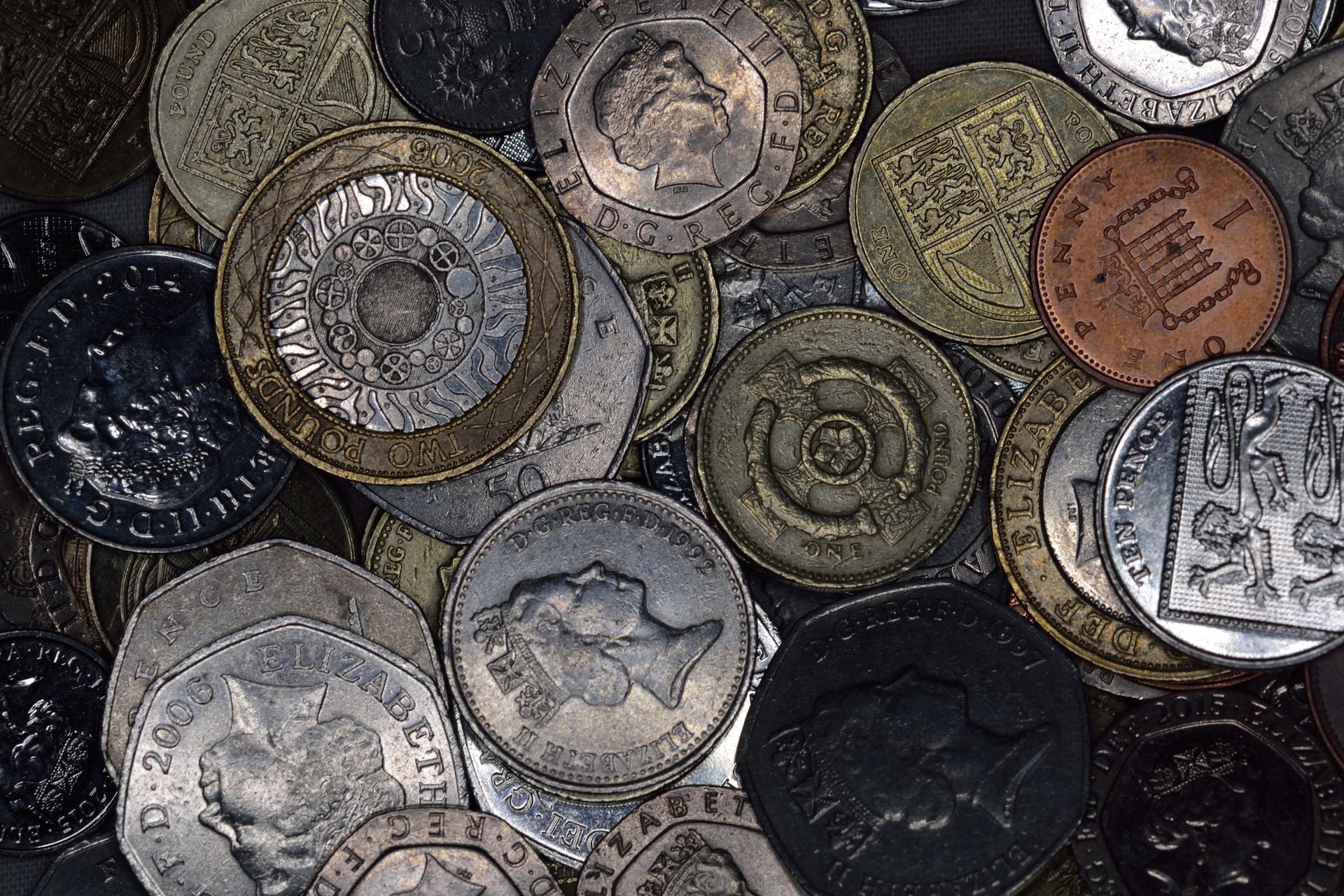
Money idioms are frugal and vivid. Den Gürtel enger schnallen (to tighten one’s belt) is the austerity standard, same as English. Geld zum Fenster hinauswerfen (to throw money out the window) is wastefulness. Arm wie eine Kirchenmaus (poor as a church mouse) is the poverty image — church mice famously find no food. Kleinvieh macht auch Mist (small livestock also makes manure = every little bit helps) is the thrift motto, used to defend saving small amounts. Auf großem Fuß leben (to live on a big foot = to live high on the hog) is the spender’s idiom — the image comes from medieval nobles whose long shoes signaled wealth.
Work idioms prize effort and directness. Sich ins Zeug legen (to throw oneself into the gear = to put one’s back into it) is the encouragement standard. Den Ball flach halten (to keep the ball flat = to keep a low profile) is the strategy advice. Auf den Punkt kommen (to come to the point) is the meeting mantra. Kein Blatt vor den Mund nehmen (to take no leaf before one’s mouth = to not mince words) praises directness as a virtue. Das A und O (the A and O, alpha and omega = the be-all and end-all) marks what truly matters: Pünktlichkeit ist das A und O.
Luck and money mix in Schwein haben (to be lucky) — the pig again, prosperity’s mascot — and in einen Stein im Brett haben (to have a stone in the board = to be in someone’s good graces), from board games where a well-placed stone meant favor.
For the full set of money, luck, and career expressions, see our German idioms about luck and money and German idioms for work and business.
The Smaller Families: Church, Music, War, and Craft
Beyond the big five, German idioms draw on a few smaller but colorful image worlds — worth knowing because they produce some of the most-quoted phrases.
Church and faith. Die Kirche im Dorf lassen (to leave the church in the village = don’t exaggerate, keep things in proportion) is the classic calm-down phrase — the village church belongs in the village, not dragged into every argument. Arm wie eine Kirchenmaus (poor as a church mouse) we met under money. Gott und die Welt (God and the world = absolutely everyone) describes a packed party: Gott und die Welt war da. These idioms survive in a largely secular country because they’re cultural furniture, not theology.
Music. Der Ton macht die Musik (the tone makes the music = it’s not what you say, it’s how you say it) is the German conflict-resolution proverb — quoted by managers, parents, and couples alike. Nach jemandes Pfeife tanzen (to dance to someone’s pipe = to dance to their tune) describes the dominated employee or partner. Die erste Geige spielen (to play first violin = to be the top dog, to call the shots) marks the alpha of any group.
War and struggle. Ins Gras beißen (to bite into the grass = to kick the bucket) likely comes from battlefields — darkly comic today, used jokingly about dying phones and crashed computers as much as anything else. Sich ins Zeug legen (to throw oneself into the gear) has military roots too — Zeug once meant equipment, armor. Die Flinte ins Korn werfen (to throw the rifle into the grain = to give up) is the agricultural-military crossover: surrendering and walking into the fields.
Craft and everyday objects. Den Nagel auf den Kopf treffen (to hit the nail on the head) is the craftsman’s praise. Alles über einen Kamm scheren (to shear everything with one comb = to tar everyone with the same brush) comes from wool shearing. Auf dem Holzweg sein (to be on the wooden path = to be on the wrong track) comes from logging trails that lead nowhere. Da steppt der Bär we covered under animals — but its party energy belongs here too, among the objects of celebration.
These smaller families are where idioms get literary and historical. You won’t use them daily, but they make your German richer — and they’re the ones that delight native speakers when a learner gets them right.
Why These Images Dominate German Expressions
Why pigs and sausages, rather than, say, ships and stars? The answer is history — idioms are fossils of everyday life.
An agrarian past. Until about a century ago, most Germans lived close to farming. Pigs, dogs, cats, horses, and chickens were daily companions, so they became the raw material of metaphor. Schwein haben comes from a world where owning a pig meant surviving winter. Da liegt der Hund begraben may come from buried treasure guarded by ghost-dogs in folk tales. When life revolved around animals, language did too.
A food-centered culture. German social life runs through kitchens, bakeries, beer gardens, and Christmas markets. Food is comfort, celebration, and daily routine — so it became emotional vocabulary. Alles in Butter comes from a time when butter was precious. Seinen Senf dazugeben comes from inn tables where mustard pots sat within everyone’s reach. You don’t need a theory of metaphor to get it: people talk about what they touch every day.
The body as universal metaphor. Body idioms dominate every language because the body is the one thing all humans share. German’s particular flavor is bluntness — die Nase voll haben, kalte Füße bekommen, Tomaten auf den Augen haben are physical, slightly rude, and instantly vivid. German humor loves the body, and German idioms show it.
Weather as shared experience. Central Europe’s changeable climate made weather a constant topic, and constant topics become metaphors. Four seasons, dramatic skies, and a culture of complaining (Jammern) did the rest.
What this means for learners: don’t memorize idioms as isolated phrases. Learn the families. Once you know that pigs mean luck, sausages mean indifference-or-decisiveness, and noses mean annoyance, new idioms in the same family decode themselves. You’ll guess Schwein gehabt! correctly the first time you hear it — and that guessing skill is worth more than any list.
Key Takeaways
- German idioms by theme categories break down roughly into animals (~30%), food and drink (~20%), body (~20%), weather (~12%), and money and work (~10%).
- The pig rules German idioms: Schwein haben (luck), ich glaub, mein Schwein pfeift (disbelief) — learn the pig family and you unlock dozens of phrases.
- Food idioms run on sausage (das ist mir Wurst, um die Wurst gehen), butter (alles in Butter), and soup (die Suppe auslöffeln); body idioms run on nose, eyes, head, hands, and feet.
- These images dominate because idioms are fossils of agrarian life, food culture, and the universal human body — learn the families, not just the phrases.
- This thematic map of german idioms by theme categories is also a memory system: shared images create hooks, so study animals one week and food the next.