

German Words Starting with G: 40 Words with Meanings & Examples
The letter G is a true workhorse of the German language — it begins everything from der Garten (the garden) to das Glück (luck), from gehen (to go) to gemütlich (cozy). This list of 40 German words starting with G gives you nouns with correct der/die/das articles, useful verbs, and handy adjectives, each with an English meaning and a short German example sentence with translation. Mastering one letter at a time is a brilliant study strategy: patterns repeat, pronunciation gets familiar, and your word-game skills improve too. If you have already explored our German words starting with F and German words starting with D, this G list completes the picture — los geht’s!
German Words Starting with G for Nature: From der Garten to das Gebirge
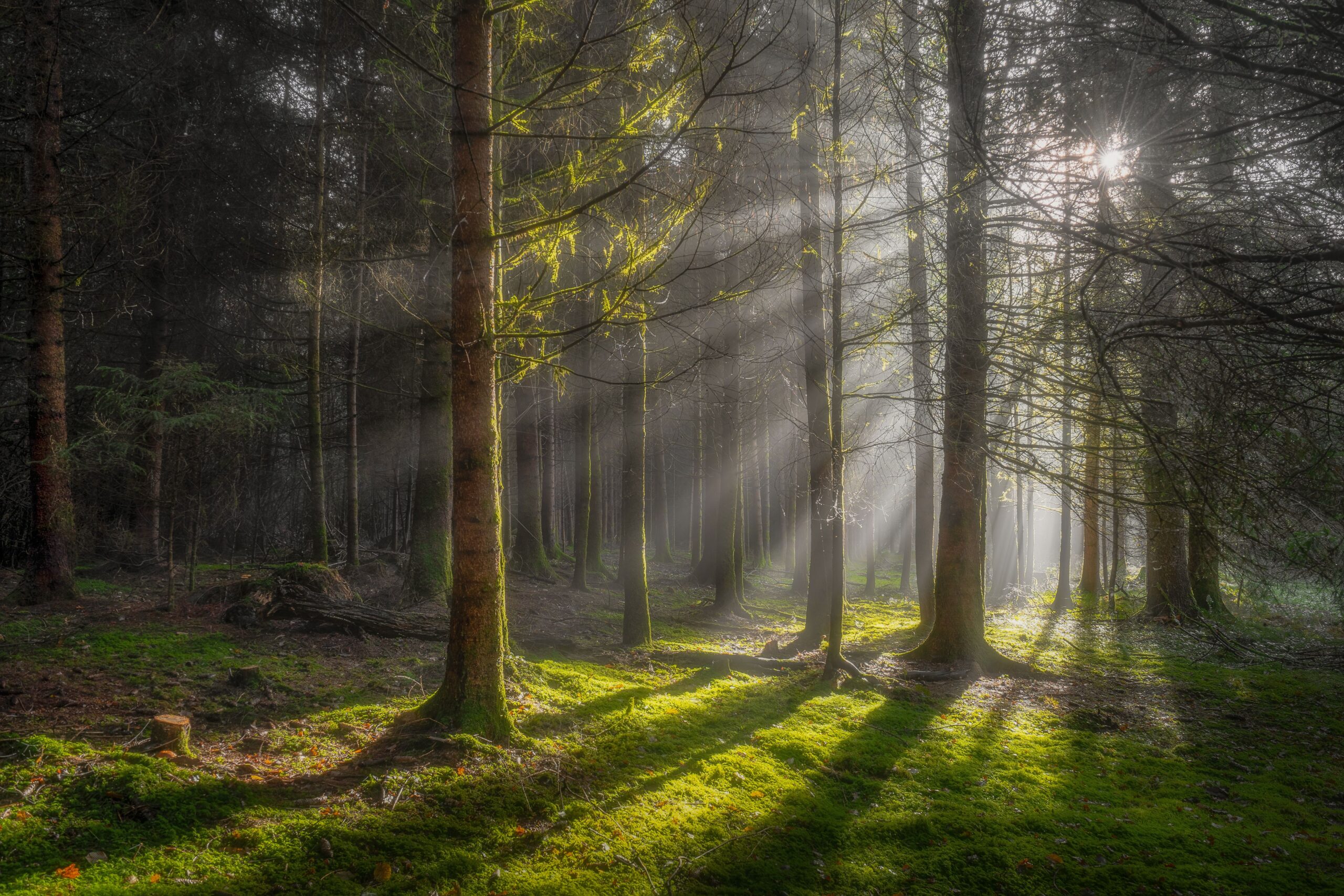
Nature vocabulary is where the letter G shines — gardens, mountains, grasslands, and dramatic thunderstorms. Learn these six, and you will already be able to describe a German landscape walk. For more seasonal nature vocabulary, our German summer words list is the perfect companion.
1. der Garten (the garden) — one of the most useful everyday nouns in the whole language. Der Garten blüht im Frühling. (The garden blooms in spring.)
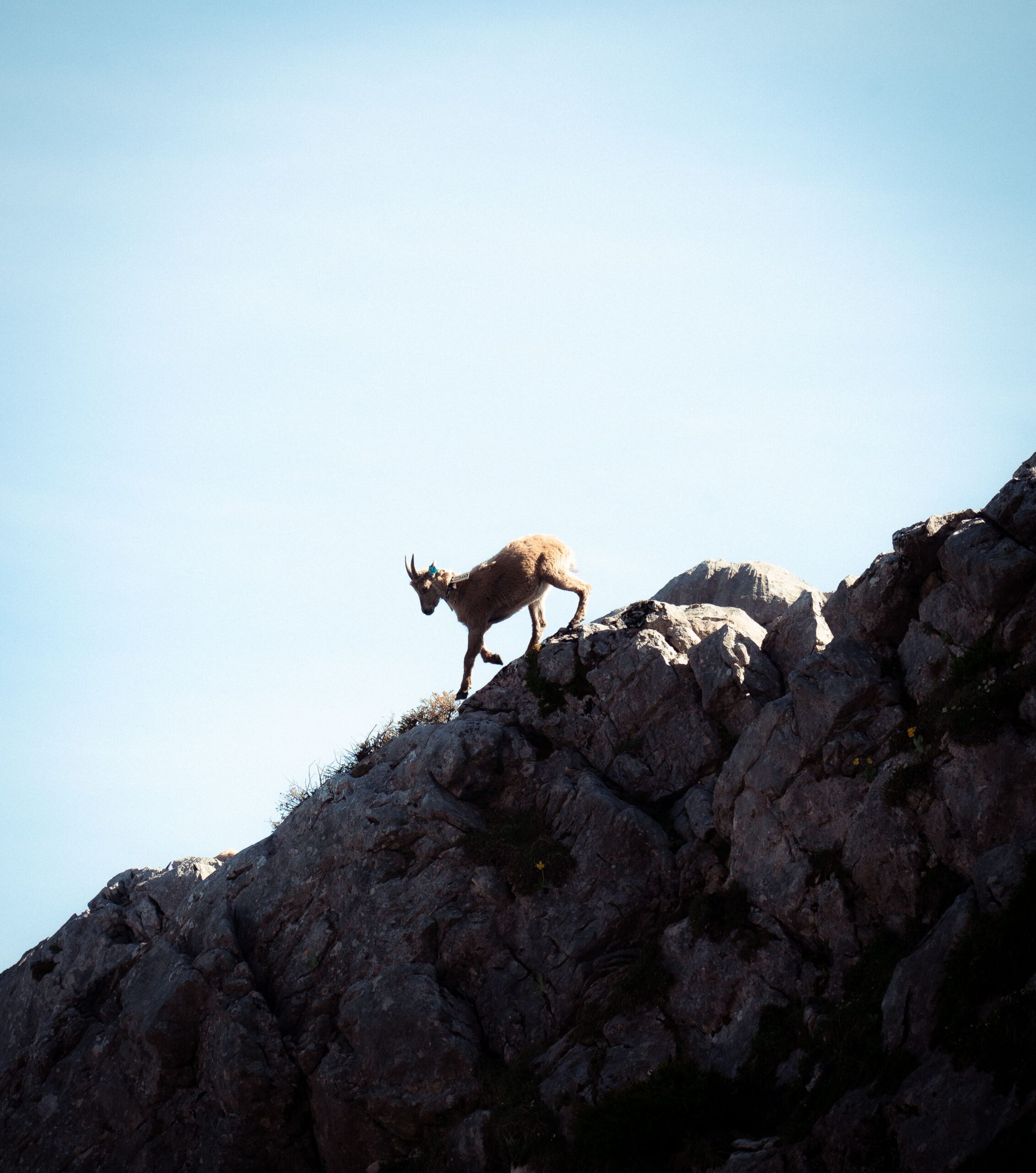
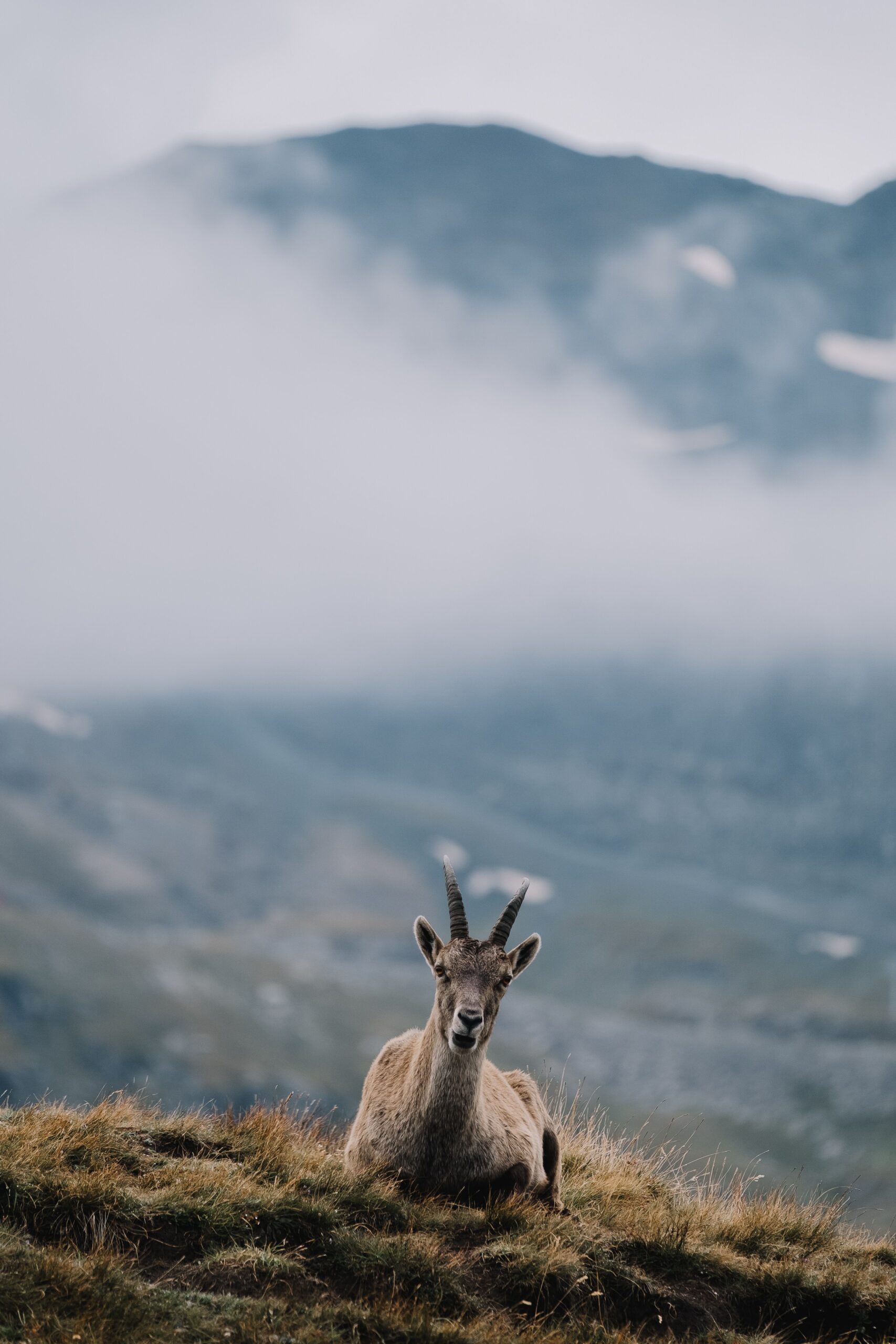
2. das Gebirge (the mountain range) — Berg (mountain) + the collective prefix Ge-, a beautiful compound pattern. Das Gebirge sieht im Winter weiß aus. (The mountain range looks white in winter.)
3. das Gras (the grass) — the lawn, the meadow, and the stuff under your feet. Das Gras ist nass nach dem Regen. (The grass is wet after the rain.)
4. das Gewitter (the thunderstorm) — Witter relates to weather; this is the word for a summer storm. Das Gewitter kommt schnell näher. (The thunderstorm is approaching quickly.)
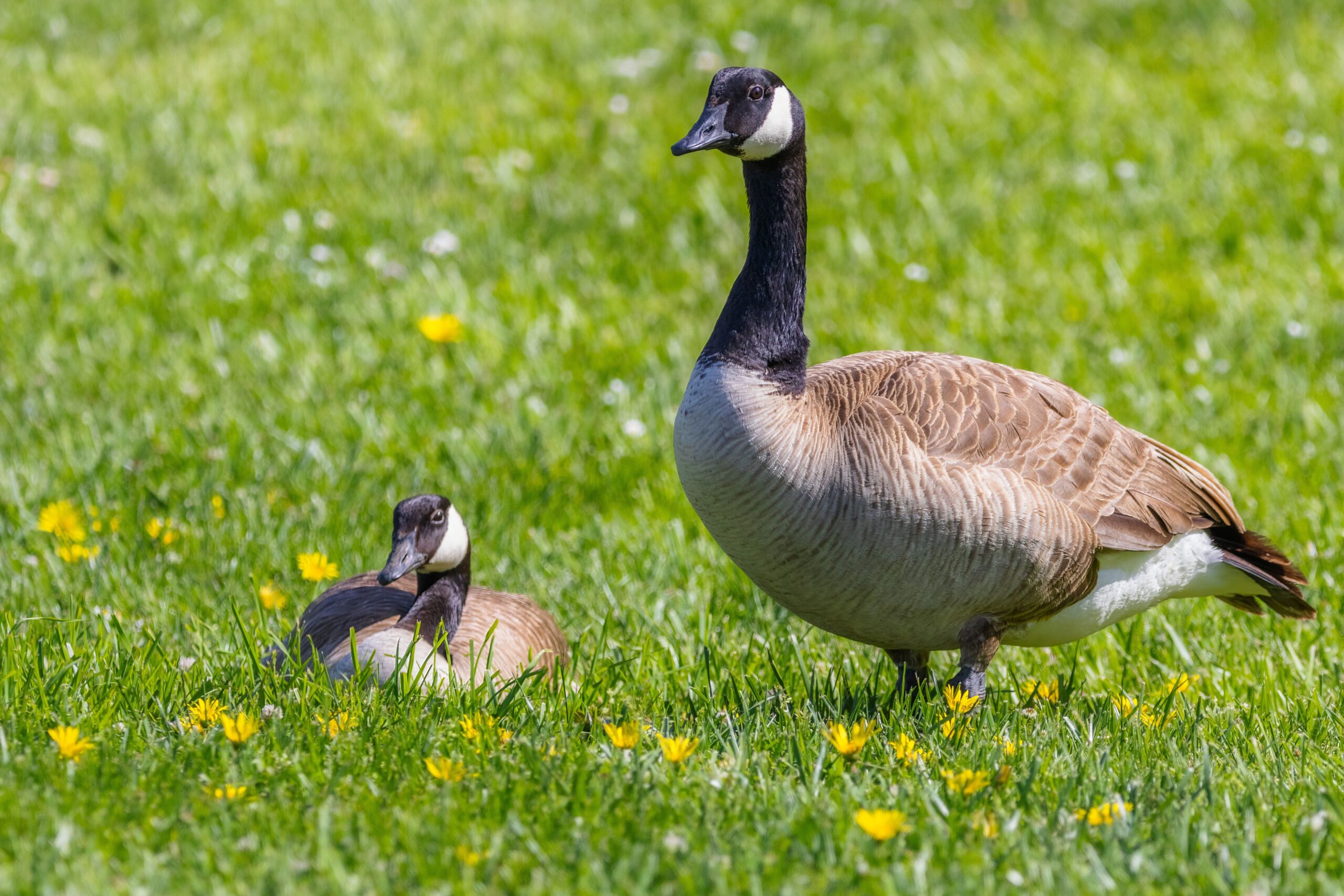
5. die Gans (the goose) — the classic farmyard bird and a traditional Christmas dish. Die Gans watschelt über den Hof. (The goose waddles across the farmyard.)
6. die Giraffe (the giraffe) — a fun cognate-like borrowing, nearly identical to English. Die Giraffe frisst Blätter vom Baum. (The giraffe eats leaves from the tree.)
Everyday G Nouns: Money, Gifts, Guests & Good Fortune
These are the G words you will actually say every day — money, gifts, birthdays, guests, and luck. Notice how many are neuter (das): German has no shortcut for guessing gender, so learn the article with the word from day one. For more alphabet lists, browse our German words starting with B next.
7. das Geld (the money) — essential vocabulary for travel, shopping, and daily life. Das Geld liegt in meiner Tasche. (The money is in my bag.)
8. das Geschenk (the gift) — schenken (to give as a gift) is the matching verb. Das Geschenk liegt unter dem Weihnachtsbaum. (The gift lies under the Christmas tree.)
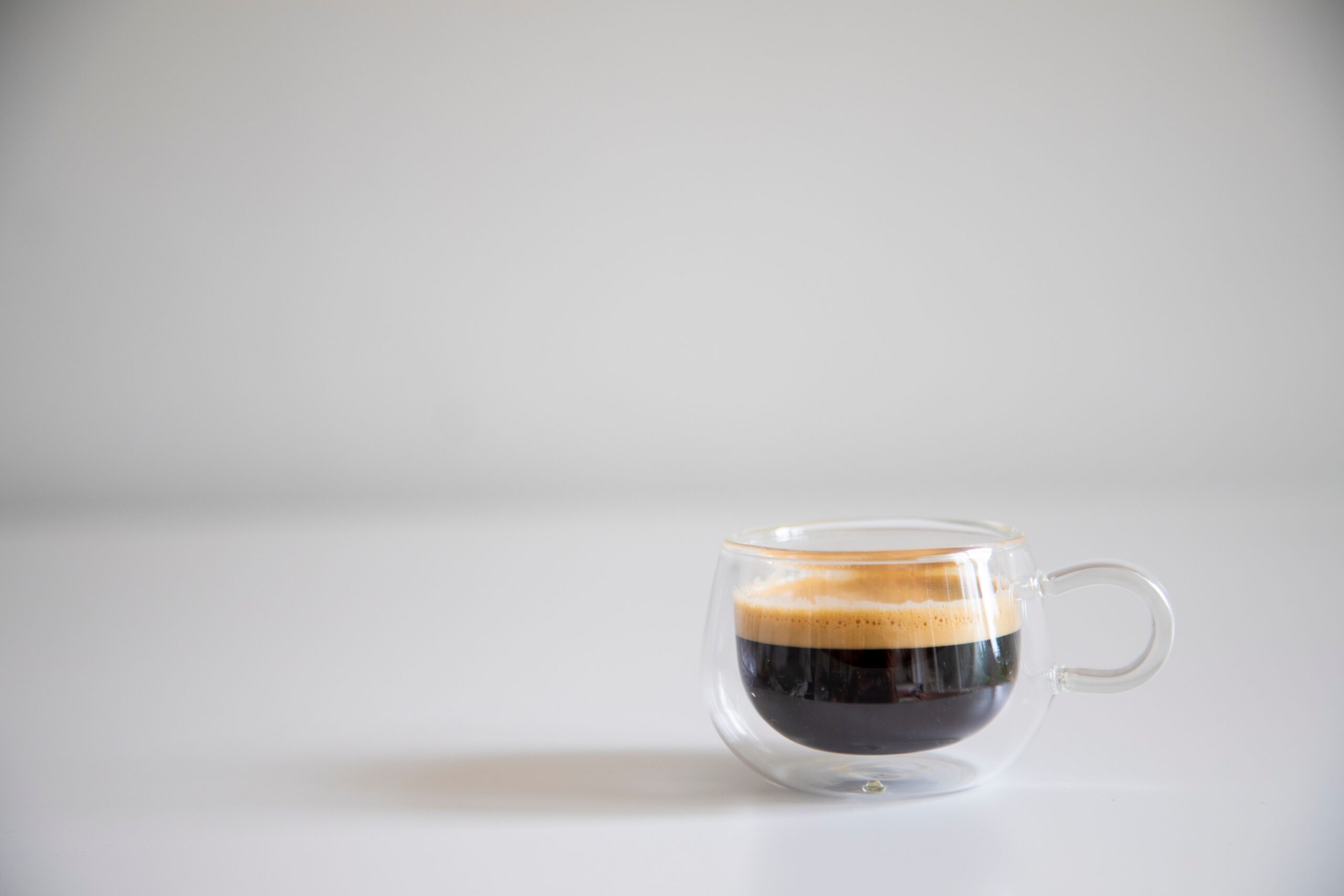
9. das Glas (the glass) — both the material and the drinking vessel. Das Glas steht auf dem Tisch. (The glass stands on the table.)
10. die Gabel (the fork) — your dinner-table companion; watch out for the -el ending, which is often feminine. Die Gabel liegt neben dem Teller. (The fork lies next to the plate.)
11. der Geburtstag (the birthday) — Geburt (birth) + Tag (day), a textbook compound. Der Geburtstag ist am Samstag. (The birthday is on Saturday.)
12. der Gast (the guest) — a hotel guest, a dinner guest, or a visitor. Der Gast bleibt drei Nächte. (The guest stays three nights.)
13. das Geschäft (the shop / business) — one word for both the store and the company. Das Geschäft öffnet um neun Uhr. (The shop opens at nine o’clock.)
14. die Gefahr (the danger) — an abstract feminine noun, useful in warnings. Die Gefahr ist vorüber. (The danger is over.)
15. die Gesundheit (the health) — the heart of the famous sneeze response Gesundheit! Die Gesundheit ist das Wichtigste. (Health is the most important thing.)
16. das Glück (the luck) — also means happiness; Viel Glück! wishes someone good luck. Das Glück lächelt ihm zu. (Luck smiles on him.)
17. der Gedanke (the thought) — from denken (to think); the -e ending trips up beginners. Der Gedanke gefällt mir. (I like the thought.)
18. die Geschichte (the story / history) — both a tale and the subject at school. Die Geschichte ist spannend. (The story is exciting.)
19. die Gitarre (the guitar) — another near-cognate that is easy to remember. Die Gitarre klingt wunderschön. (The guitar sounds beautiful.)
20. das Geheimnis (the secret) — geheim (secret, adjective) + -nis suffix, always neuter. Das Geheimnis bleibt unter uns. (The secret stays between us.)
G Verbs: Go, Give, Win, Believe
German verbs starting with G include some of the highest-frequency verbs in the language — gehen and geben appear in the top tier of everyday conversation. Learn them with their meanings and the example sentences will start building themselves. Our German words starting with Z list continues the alphabet from the other end.
21. gehen (to go) — the verb of movement; irregular, so learn ich gehe, du gehst. Wir gehen heute ins Kino. (We are going to the cinema today.)
22. geben (to give) — the giving verb; es gibt means “there is / there are.” Sie gibt mir ein Buch. (She gives me a book.)
23. gewinnen (to win) — also means to gain; irregular like gehen. Er gewinnt das Spiel. (He wins the game.)
24. glauben (to believe) — both believing something and believing in someone. Ich glaube dir. (I believe you.)
25. genießen (to enjoy) — the verb of savoring life, food, and moments. Wir genießen den Abend. (We are enjoying the evening.)
26. gefallen (to please) — used where English says “to like”: es gefällt mir. Das Bild gefällt mir sehr. (I like the picture very much.)
27. gießen (to pour / to water) — pouring drinks and watering plants in one verb. Er gießt die Blumen. (He waters the flowers.)
28. grüßen (to greet) — Grüße from someone means greetings or regards. Sie grüßt ihre Nachbarn. (She greets her neighbors.)
29. gelingen (to succeed) — used impersonally: es gelingt mir = I succeed at it. Das Rezept gelingt mir gut. (The recipe turns out well for me.)
30. geschehen (to happen) — what happens, formally and neutrally. Was ist hier geschehen? (What happened here?)
G Adjectives: From groß to gemütlich
These ten adjectives turn simple sentences into vivid ones — and gemütlich gives you one of the most untranslatable and beloved concepts in German culture. Adjectives ending in -lich and -ig are everywhere in German, so this list teaches you the pattern as well as the words.
31. groß (big / tall) — size and height; der große Garten for “the big garden.” Das Haus ist groß und hell. (The house is big and bright.)
32. gut (good) — the all-purpose positive adjective every beginner knows first. Das Essen schmeckt gut. (The food tastes good.)
33. glücklich (happy) — both happy and lucky; -lich makes an adjective from Glück. Sie ist heute glücklich. (She is happy today.)
34. gesund (healthy) — pairs with die Gesundheit from our noun list. Das Kind ist stark und gesund. (The child is strong and healthy.)
35. genau (exact / exactly) — precision vocabulary; also the polite word for “exactly.” Das ist genau richtig. (That is exactly right.)
36. geduldig (patient) — Geduld (patience) + -ig, a standard formation pattern. Der Lehrer ist sehr geduldig. (The teacher is very patient.)

37. günstig (affordable / favorable) — prices, timing, and conditions can all be günstig. Das Zimmer ist groß und günstig. (The room is big and affordable.)
38. gelb (yellow) — a color adjective; note the hard G even before e. Die Sonne scheint gelb und warm. (The sun shines yellow and warm.)
39. gemütlich (cozy) — the famous untranslatable: warm, comfortable, inviting all at once. Das Café ist klein und gemütlich. (The café is small and cozy.)
40. grün (green) — the color of der Garten in spring; pronounce it “gruen.” Die Wiese ist frisch und grün. (The meadow is fresh and green.)
Pronunciation Tips for German Words Starting with G
The G words on this list are a perfect workout for the trickiest German sounds. Say them aloud as you review:
- G before e and i stays hard: die Gans, das Gebirge, gelb, gesund all start with a hard “g” as in “go” — German never softens it like English “giraffe.”
- The ü in grüßen and glücklich: round your lips for “oo” while saying “ee” — GRUE-sen, GLUEK-lish.
- The ei in das Gebirge: pronounced like the “i” in “like” — geh-BEER-geh, rhyming with English “beer” only by coincidence.
- The z in die Grenze-style words: German z is always “ts” — remember this for other G-list words like das Geschenk (geh-SHENK), where sch says “sh.”
- The w in das Gewitter and gewinnen: pronounced like an English “v” — geh-VIT-ter, geh-VIN-nen.
- The ch in grüßen… careful: after ü it is the soft cat-hiss ch, not the throat-clearing one — GRUE-sen.
Practice tip: read all ten verbs aloud in a row — gehen, geben, gewinnen, glauben, genießen — and the G sound will start feeling completely natural.
Word Games Corner: G Words in German Scrabble and Wordle
These 40 German words starting with G are a secret weapon at the board. In German Scrabble (current 102-tile set), the letter G is worth 3 points and appears twice in the bag, so G tiles are steady mid-range earners. Long compounds like der Geburtstag and das Geheimnis can stretch across the whole board for a bingo bonus, while short words like die Gans, das Geld, das Glas, and gut slot into tight corners. Words with Ü — grüßen, glücklich — are especially valuable, since Ü tiles are scarce and score 6 points. Learn the full tile values and rules in our German Scrabble rules guide.
For German Wordle players, this list is full of five-letter opening guesses: Gabel, Gebet (the prayer), and Gäste (the guests) are all exactly five letters, and longer words like Gebirge help you test vowel positions. Try building anagrams from der Garten or das Geschenk — anagram practice is one of the fastest ways to sharpen your German spelling instincts.
Key Takeaways
These 40 German words starting with G give you a complete letter workout — everyday nouns like das Geld and das Geschenk, essential verbs like gehen and geben, and expressive adjectives like gemütlich and glücklich. Three habits will make this G vocabulary stick. First, always learn the article with the noun: der, die, or das is part of the word, and this list was built to drill exactly that. Second, use the verb pairs — gehen with places, geben with people, genießen with evenings — to turn words into sentences immediately. Third, bring the words into your word games: G tiles earn a solid 3 points in German Scrabble, and five-letter words like Gabel are perfect Wordle practice. Keep adding one letter at a time and your German vocabulary will grow faster than you expect — viel Erfolg!
FAQ

What are some common German words starting with G?
The most common include der Garten (garden), das Geld (money), gehen (to go), geben (to give), gut (good), and groß (big) — all high-frequency everyday vocabulary.
Is the German G always pronounced hard?
Yes — German G is always a hard “g” as in “go,” even before e and i, so gelb and gesund start with the same sound as der Garten.
How many points is G worth in German Scrabble?
In German Scrabble (current 102-tile set), the letter G is worth 3 points, and there are two G tiles in the bag.
What is a good German G word for Wordle?
Five-letter options from this list include Gabel (the fork), Gebet (the prayer), and Gäste (the guests) — great opening or mid-game guesses.