

German Summer Words: 40 Words with Meanings & Examples
Summer is Germany’s favorite season, and German summer words capture it perfectly — long evenings, open-air festivals, and ice cream on every corner. Learning these German summer words gives you vocabulary you will actually use: holiday small talk, beach days, barbecue invitations, and weather chats are all summer territory. In this guide you will find 40 summer words in German with correct der/die/das articles, English meanings, and short example sentences with translations, grouped into six sunny themes: weather, beach and water, food and drink, travel and vacation, nature, and festivals and fun. Grab a kalte Limonade and let’s dive in — auf Deutsch.
German Summer Words for Weather: From die Sonne to das Gewitter
German summer weather swings from perfect blue-sky days to sudden thunderstorms. These German summer words cover the whole summer sky — heat waves, sunsets, and the dramatic summer storm that rolls in just as the barbecue gets going. Watch for the compound words here: once you spot Sommer and Sonne inside longer words, dozens of new weather terms decode themselves. If weather compounds fascinate you, our German weather compound words list takes the theme further.
1. der Sommer (the summer) — the season itself and your anchor word for this list. Der Sommer ist endlich da. (Summer is finally here.)
2. die Sonne (the sun) — the star of every summer day. Die Sonne scheint seit morgens. (The sun has been shining since morning.)
3. die Hitzewelle (the heat wave) — Hitze (heat) + Welle (wave), those scorching July stretches. Die Hitzewelle bringt dreißig Grad. (The heat wave brings thirty degrees.)
4. der Sonnenaufgang (the sunrise) — early summer sunrises are famously beautiful. Der Sonnenaufgang ist um fünf Uhr. (The sunrise is at five o’clock.)
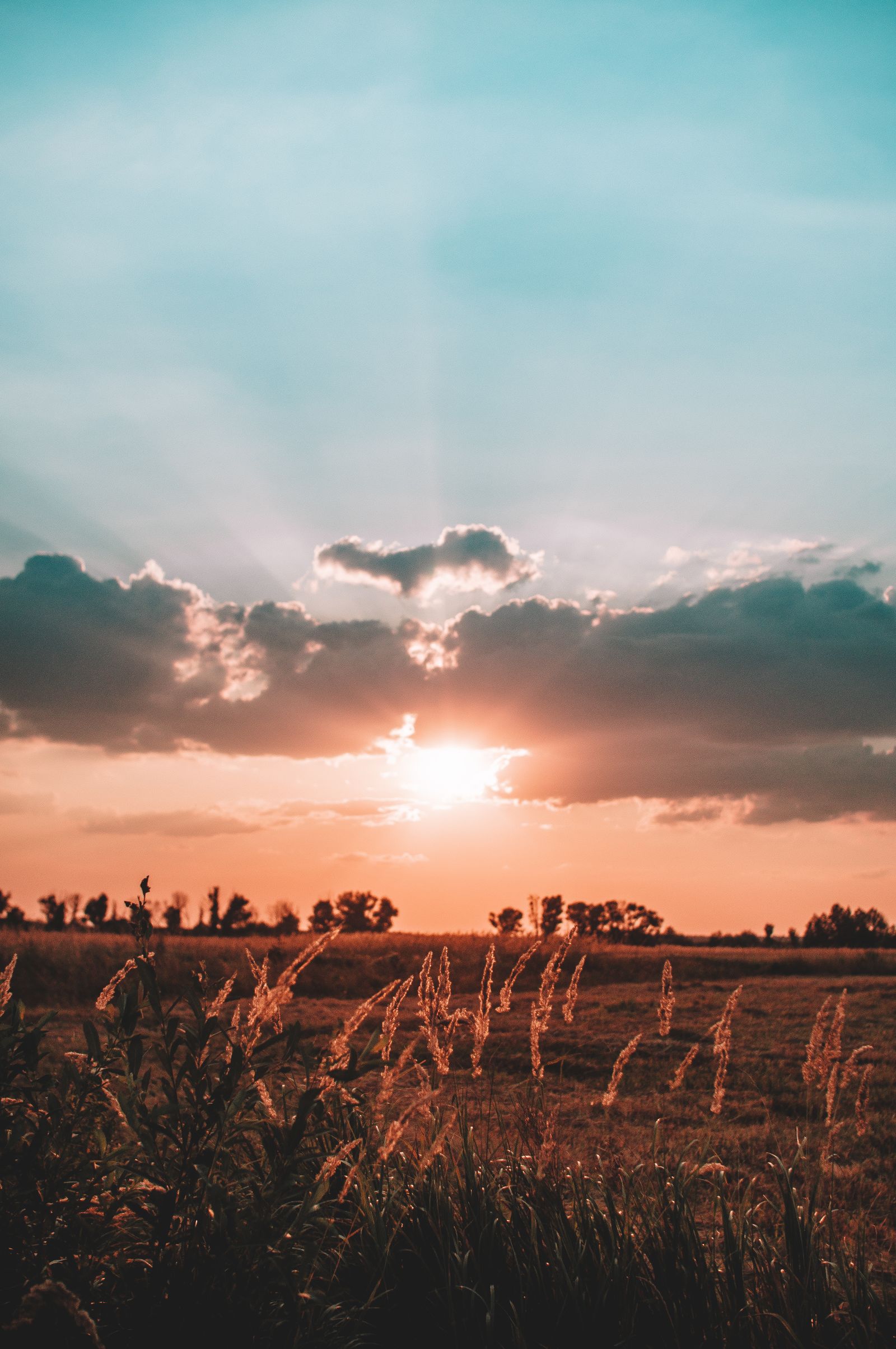
5. der Sonnenuntergang (the sunset) — late summer sunsets stretch past nine. Wir schauen den Sonnenuntergang an. (We are watching the sunset.)
6. das Gewitter (the thunderstorm) — the dramatic summer storm, often after a heat wave. Das Gewitter zieht über die Stadt. (The thunderstorm is moving over the city.)
7. der Regenschauer (the rain shower) — a brief summer downpour that passes quickly. Nach dem Regenschauer scheint die Sonne. (After the rain shower the sun shines.)
Beach & Water Words: der Strand and Friends
Germans love their water — from the Baltic and North Sea coasts to every Baggersee (quarry lake) in the countryside. This group of German summer words covers beach days and swimming, packed with satisfying compounds built from Strand (beach), Bade (bath/swim), and Meer (sea).
8. der Strand (the beach) — the place everyone heads to in July and August. Der Strand ist heute voll. (The beach is full today.)
9. das Meer (the sea) — das Meer is neutral; don’t mix it up with die See, also meaning sea. Das Meer ist heute ruhig. (The sea is calm today.)
10. die Welle (the wave) — small waves on the Baltic, bigger ones on the North Sea. Die Wellen sind heute hoch. (The waves are high today.)
11. der Sand (the sand) — warm between your toes on a summer afternoon. Der Sand ist heiß unter den Füßen. (The sand is hot under the feet.)
12. das Schwimmbad (the swimming pool) — Schwimmen (to swim) + Bad (bath), the public pool. Das Schwimmbad hat heute geöffnet. (The swimming pool is open today.)
13. die Badehose (the swim trunks) — literally “bathing trousers,” the classic summer garment. Ich brauche eine neue Badehose. (I need new swim trunks.)
14. das Strandtuch (the beach towel) — Strand + Tuch (cloth), essential beach equipment. Das Strandtuch liegt auf dem Sand. (The beach towel lies on the sand.)
Food & Drink Words: From das Eis to die Grillwurst
Summer in Germany tastes like ice cream, grilled sausages, and cold lemonade. These food words are perfect restaurant and barbecue vocabulary — and several are delicious compounds you can decode piece by piece. For more tasty compounds, see our German food compound words collection.
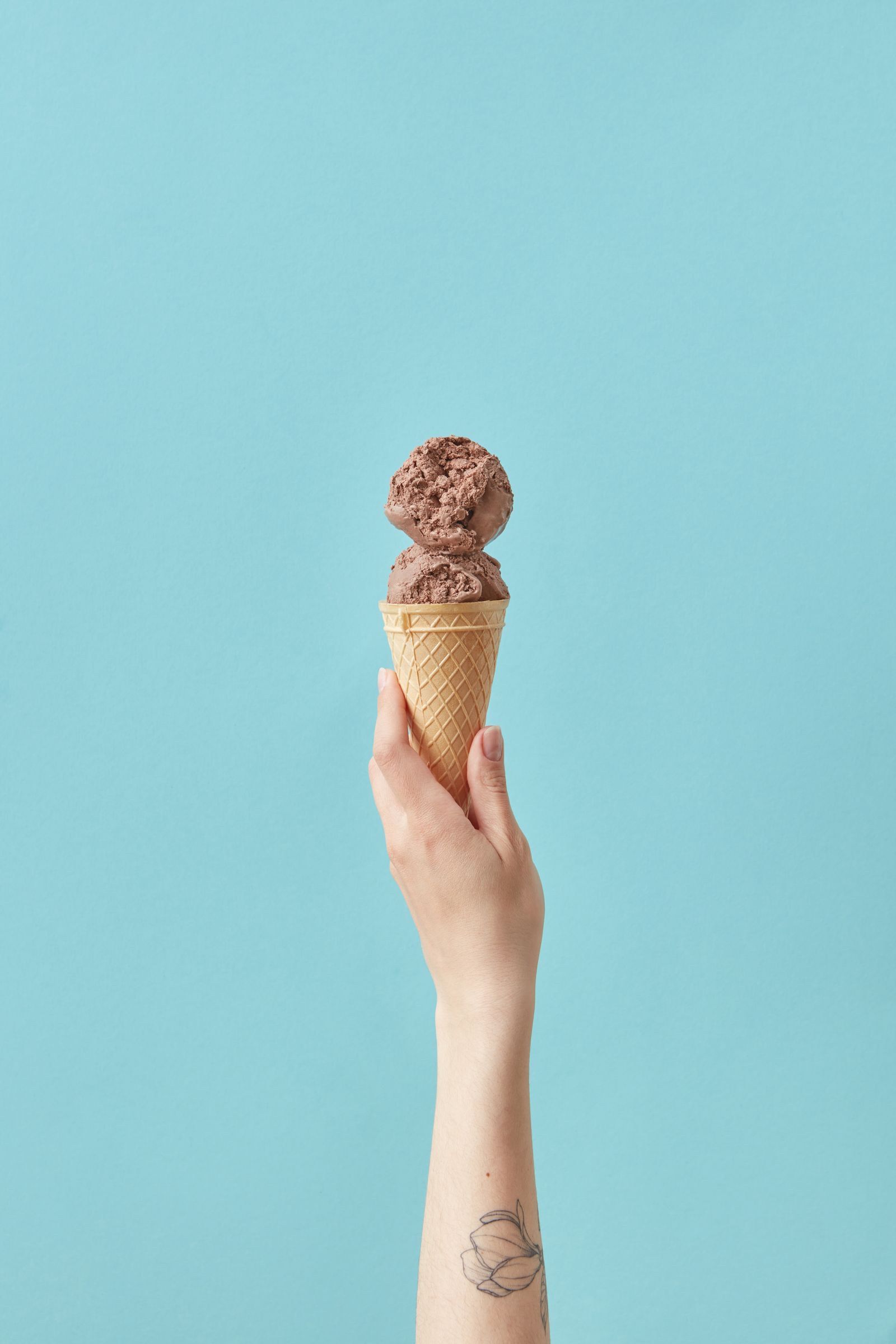
15. das Eis (the ice cream) — das Eis also means ice, which makes for great wordplay. Ein Eis am Stiel, bitte. (An ice cream on a stick, please.)
16. die Eisdiele (the ice cream parlor) — Eis + Diele (parlor), found on every German high street. Die Eisdiele um die Ecke ist super. (The ice cream parlor around the corner is great.)

17. die Limonade (the lemonade) — the summer drink of choice for kids and adults. Eine kalte Limonade, bitte. (A cold lemonade, please.)
18. die Wassermelone (the watermelon) — Wasser + Melone, the ultimate summer fruit. Die Wassermelone ist schön kühl. (The watermelon is nicely chilled.)
19. die Erdbeere (the strawberry) — Erde (earth) + Beere (berry), peak season in June. Die Erdbeeren schmecken süß. (The strawberries taste sweet.)
20. der Grill (the grill / barbecue) — both the device and the event. Der Grill steht im Garten. (The grill is in the garden.)
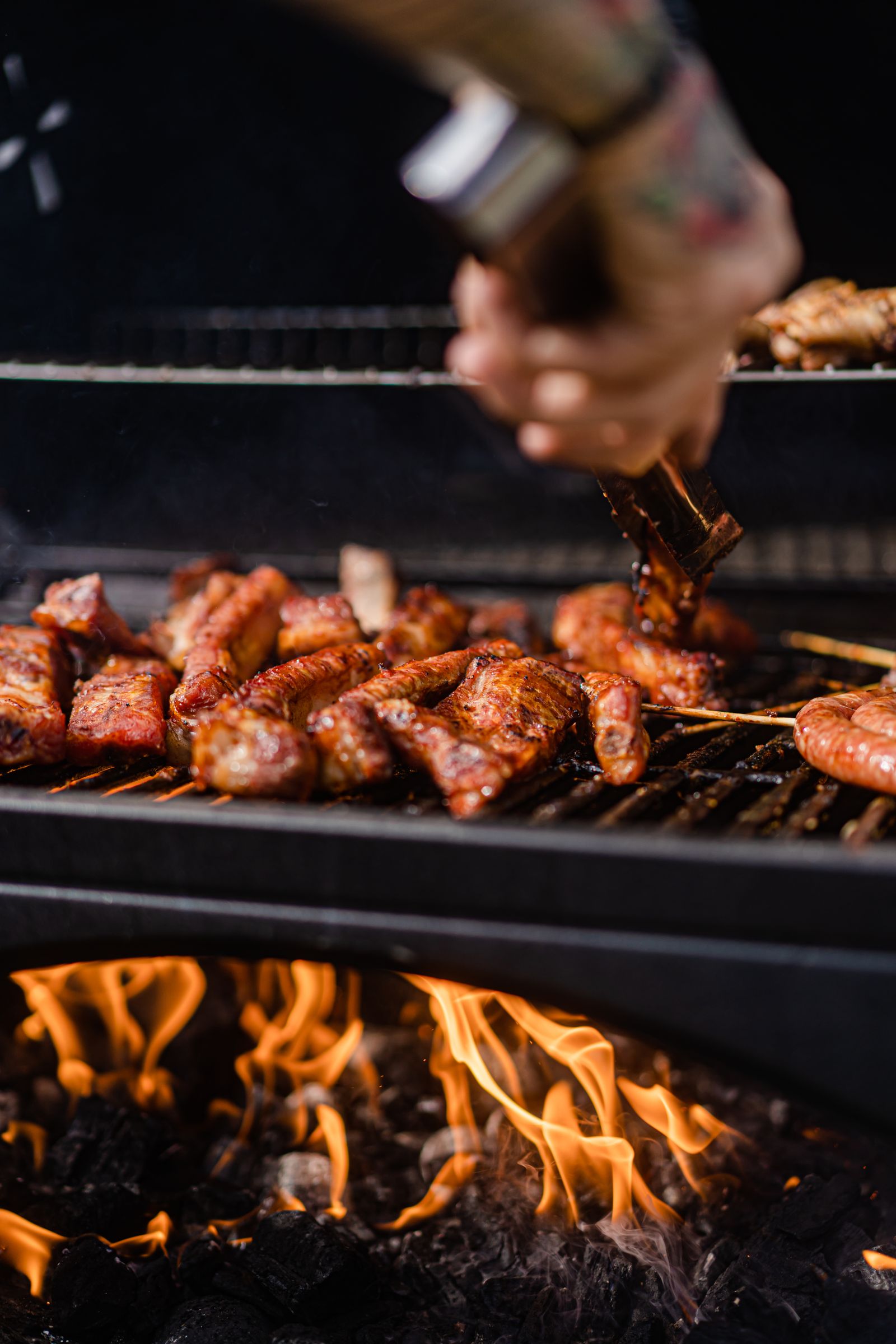
21. die Grillwurst (the grilled sausage) — the undisputed star of every German barbecue. Die Grillwurst riecht lecker. (The grilled sausage smells delicious.)
Travel & Vacation Words: Holidays auf Deutsch
Summer means Urlaub — vacation time. These travel words cover the whole holiday journey, from booking to souvenirs, and they are some of the most useful German summer vocabulary for real conversations. Pair this group with our German travel compound words list for an even bigger holiday word bank.
22. der Urlaub (the vacation) — Germany’s sacred summer institution. Unser Urlaub beginnt nächste Woche. (Our vacation starts next week.)
23. die Reise (the journey / trip) — the act of traveling itself. Die Reise war wunderschön. (The trip was wonderful.)
24. der Flug (the flight) — short summer flights to Spain and Italy are a German classic. Der Flug dauert zwei Stunden. (The flight takes two hours.)
25. der Koffer (the suitcase) — packing it is half the holiday fun. Der Koffer ist schon gepackt. (The suitcase is already packed.)
26. der Campingplatz (the campsite) — camping is huge in Germany every summer. Der Campingplatz liegt am See. (The campsite is by the lake.)
27. die Ferienwohnung (the vacation apartment) — Ferien (holidays) + Wohnung (apartment), the German family favorite. Die Ferienwohnung hat Meerblick. (The vacation apartment has a sea view.)
28. das Souvenir (the souvenir) — pronounced the French way, soo-vuh-NEER. Das Souvenir kommt aus Rom. (The souvenir comes from Rome.)
Nature Words: Gardens, Meadows, and Parks
Summer gardens, buzzing meadows, and long park evenings — this group of German summer words covers the season’s living world. Nature words like these also pair nicely with our seasonal companion lists: German spring words, German autumn words, and German winter words.
29. die Blume (the flower) — summer is peak blooming season. Die Blumen blühen im Garten. (The flowers are blooming in the garden.)
30. der Schmetterling (the butterfly) — one of German’s most beautiful words. Der Schmetterling sitzt auf der Blume. (The butterfly sits on the flower.)
31. die Biene (the bee) — busy in every summer meadow. Die Biene sammelt Honig. (The bee collects honey.)
32. der Garten (the garden) — the center of German summer social life. Der Garten ist voller Gäste. (The garden is full of guests.)
33. der Park (the park) — evening picnics and open-air concerts happen here. Der Park ist am Abend schön. (The park is beautiful in the evening.)
34. das Feld (the field) — golden wheat fields define the summer landscape. Das Feld leuchtet gelb. (The field glows yellow.)
German Summer Words for Festivals & Fun
From open-air concerts to poolside afternoons, summer in Germany is one long festival season. This final group covers the events and activities that make the season unforgettable — say them out loud and you can almost hear the music.
35. das Festival (the festival) — music festivals fill every summer weekend. Das Festival findet im Juli statt. (The festival takes place in July.)
36. das Konzert (the concert) — open-air concerts are a summer staple. Das Konzert beginnt um acht. (The concert starts at eight.)
37. das Picknick (the picnic) — das Picknick is neutral in German. Das Picknick machen wir am See. (We are having the picnic by the lake.)
38. das Freibad (the outdoor pool) — frei (open/free) + Bad (bath), a summer institution. Das Freibad ist im Sommer beliebt. (The outdoor pool is popular in summer.)
39. die Fahrradtour (the bike tour) — Fahrrad (bicycle) + Tour, the classic summer weekend activity. Die Fahrradtour dauert drei Stunden. (The bike tour takes three hours.)
40. das Feuerwerk (the fireworks) — summer festivals end with a bang. Das Feuerwerk leuchtet am Himmel. (The fireworks light up the sky.)
Pronunciation Tips
Summer vocabulary is a great workout for the German sounds English speakers find trickiest. Say these words out loud as you review the list:
- The ch in der Schmetterling: the sch is simply “sh” — SHMET-air-ling; take it one syllable at a time.
- The ü in die Hitzewelle and das Gewitter: round your lips for “oo” but say “ee” — HIT-seh-veh-leh, geh-VIT-ter.
- The w in die Welle and die Wassermelone: pronounced like an English “v” — VEH-leh, VAH-ser-meh-loh-neh.
- The z in das Souvenir: this one is French-flavored — soo-vuh-NEER, with a soft “z” sound.
- The ei in die Badehose: pronounced like the “i” in “like” — BAH-deh-hoh-zeh.
- The ä in die Biene: no umlaut here, but note the long “ee” — BEE-neh.
Weather phrases get extra flavor in everyday speech — our German weather idioms list shows how Germans really talk about the sky.
Word Game Bonus: Scrabble and Wordle Scores
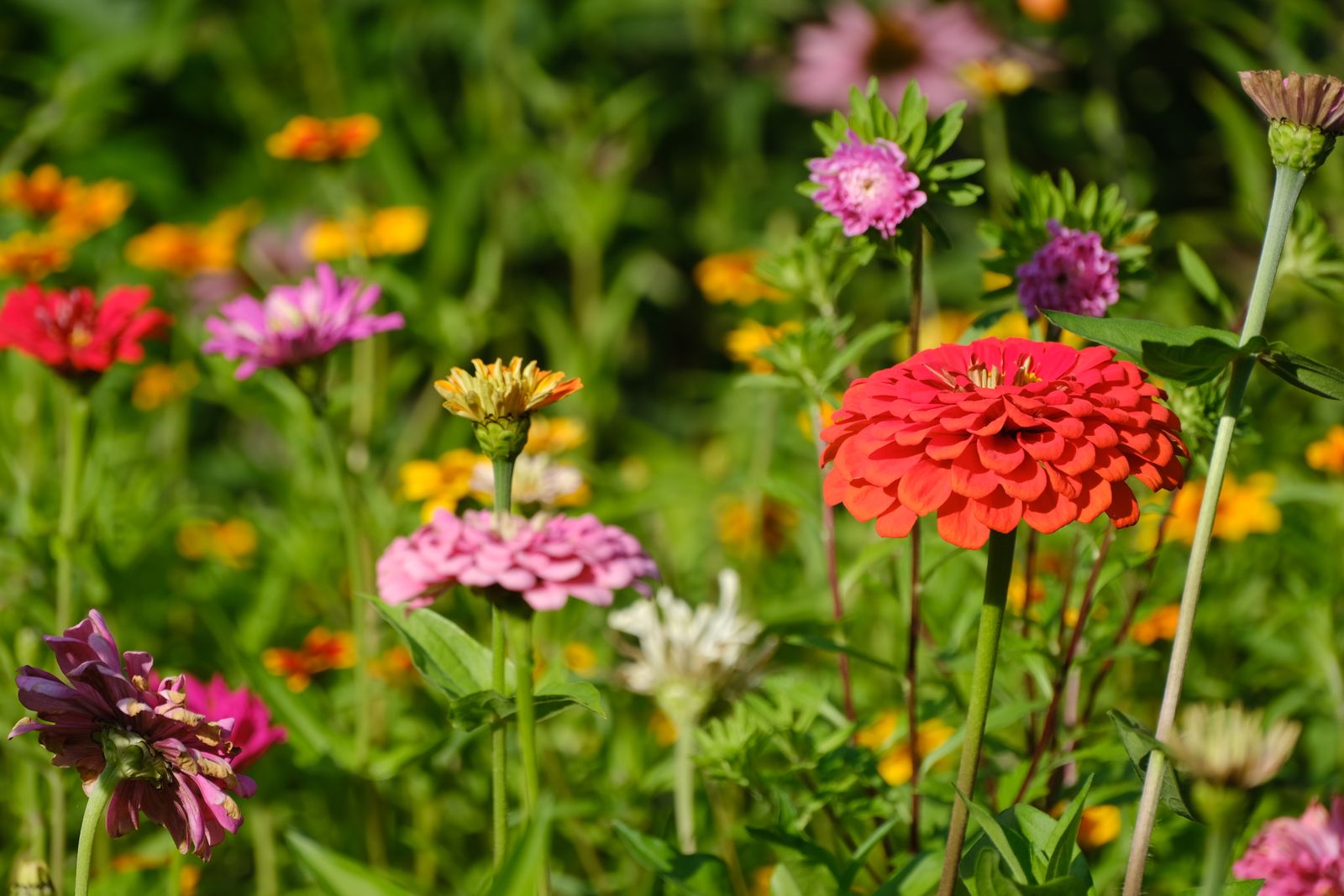
This German summer vocabulary is a secret weapon in German word games. In German Scrabble, the high-value letters are Z (10 points), Ä, Ö, Ü (6 points each), V and J (6 points each) — and this list has them. Die Hitzewelle packs a Z, die Fahrradtour brings a V and double R, and der Strand is a compact six-letter play with a Z-free but solid score. Short words like das Eis, der Flug, der Sand, and das Meer fit perfectly into tight board corners, while long compounds like der Sonnenuntergang or die Ferienwohnung can stretch across the board for a bingo bonus.
For German Wordle players, this list offers strong five-letter guesses: Sonne, Blume, and Welle are all exactly five letters, and Sommer, Strand, Grill, and Erdbeere-style letter patterns make excellent opening guesses. Try building anagrams from der Sonnenaufgang or das Freibad — anagram practice sharpens your spelling instincts and makes the compound-word pattern second nature.
FAQ: Summer Words in German
What is the German word for summer?
The German word for summer is der Sommer (masculine). Germans also talk about die Sommerferien (summer holidays) and der Hochsommer (high summer, the hottest weeks).
What is “ice cream” in German?
Ice cream in German is das Eis. An ice cream parlor is die Eisdiele, and a classic order is ein Eis am Stiel (an ice cream on a stick).
What are good German summer words for beginners?
Start with short, useful words like der Sommer, die Sonne, der Strand, das Eis, der Urlaub, and die Reise — all common, easy to pronounce, and useful in everyday conversation.
What does “die Hitzewelle” mean?
Die Hitzewelle means “heat wave” — a compound of Hitze (heat) and Welle (wave), describing those scorching stretches of summer weather.
Key Takeaways
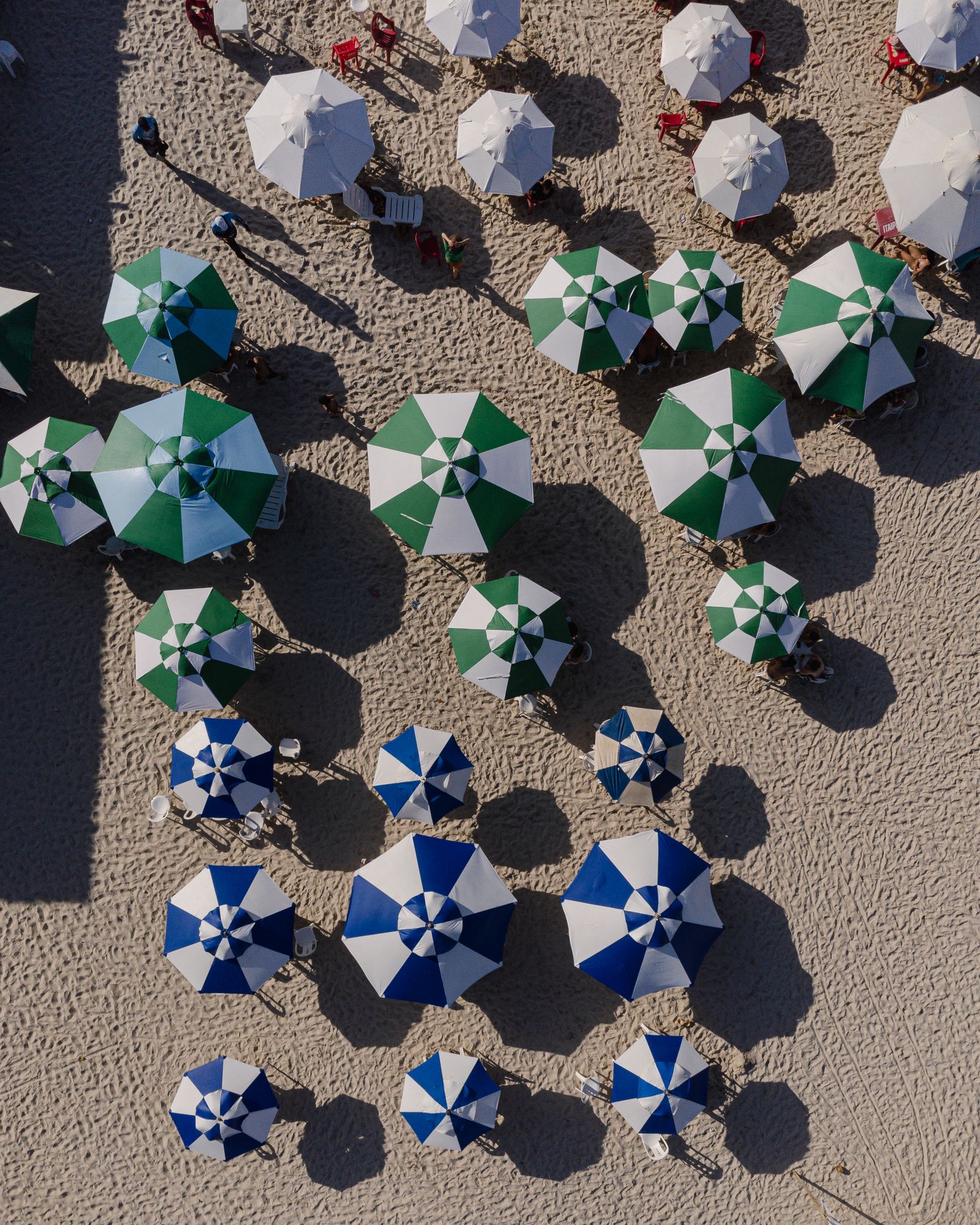
These 40 German summer words give you everything you need to talk about the season auf Deutsch — from der Sommer and die Sonne to beach-day essentials like der Strand and holiday favorites like der Urlaub. Three things will make this summer vocabulary stick. First, always learn the article with the word: der, die, or das is part of the word itself, and guessing wrong is the most common beginner mistake. Second, use the compound-word pattern to your advantage — once you see that das Schwimmbad is just Schwimmen + Bad, dozens of new German summer words decode themselves. Third, connect words to real moments: say die Hitzewelle on a scorching afternoon, das Eis at the ice cream parlor, and der Sonnenuntergang on a long summer evening. Keep a small notebook or phone list of your favorites, and add one new word each day — by the end of the season, you will own the whole summer set. Viel Spaß beim Lernen!