

German Beer Vocabulary: 40 Words to Order Like a Local
If you want to order a beer in Germany without pointing at the menu — or simply understand what is in your glass — this German beer vocabulary guide is the place to start. Beer is woven deep into everyday German life, from the after-work Feierabendbier to the sprawling Biergärten of Bavaria, and German has a precise word for every style, glass, and brewing step.
Below you will find 40 German beer words and phrases with correct der/die/das articles, English meanings, and example sentences with translations. The list covers beer styles, brewing ingredients and the brewing process, glassware and ordering phrases for the Biergarten, and beer-culture words like das Reinheitsgebot. If Munich is on your itinerary, pair this list with our German Oktoberfest vocabulary guide for the festival season. Whether you are a traveler, a learner, or a word lover, these beer words in German will help you order like a local — starting with the most important word of all: Prost!
40 German Beer Words with Meanings
Here is the full list: forty German beer words and phrases with meanings, grouped by theme so you can learn them in context. Each entry gives you the article, the English translation, and a short example sentence with its translation. Notice how many entries are compounds built on Bier — spotting that pattern will help you decode new German beer terms on your own.
Beer Styles
Germany brews more distinct beer styles than almost any country on earth. These ten are the essentials, from the crisp Pils of the north to Bavaria’s beloved Helles.
1. das Pils (Pilsener) — Germany’s most popular beer style: crisp, golden, and hoppy. Ich trinke gern ein Pils. (I like to drink a Pilsener.)
2. das Weizenbier (wheat beer) — the cloudy, fruity wheat beer, served in a tall glass, sometimes with a lemon slice. Ein Weizenbier mit Zitrone, bitte. (A wheat beer with lemon, please.)
3. das Helles (pale lager) — Bavaria’s smooth, malty everyday lager, softer than Pils. Ein Helles, bitte! (A Helles, please!) — the sentence every traveler needs.
4. das Bockbier (strong bock beer) — the strong, malty seasonal lager, traditionally drunk in spring and autumn. Das Bockbier hat mehr Alkohol. (The bock beer has more alcohol.)
5. das Schwarzbier (black beer) — the dark lager from Thuringia, surprisingly light despite its color. Das Schwarzbier schmeckt mild. (The black beer tastes mild.)
6. das Kölsch (pale ale from Cologne) — Cologne’s bright, crisp top-fermented ale, served in small 0.2-liter glasses. In Köln trinkt man Kölsch. (In Cologne you drink Kölsch.)
7. das Altbier (old-style ale) — Düsseldorf’s copper-colored traditional ale and Kölsch’s friendly rival. Altbier oder Kölsch? (Altbier or Kölsch?) If you enjoy drink words beyond beer, our German coffee vocabulary covers Germany’s other favorite beverage.
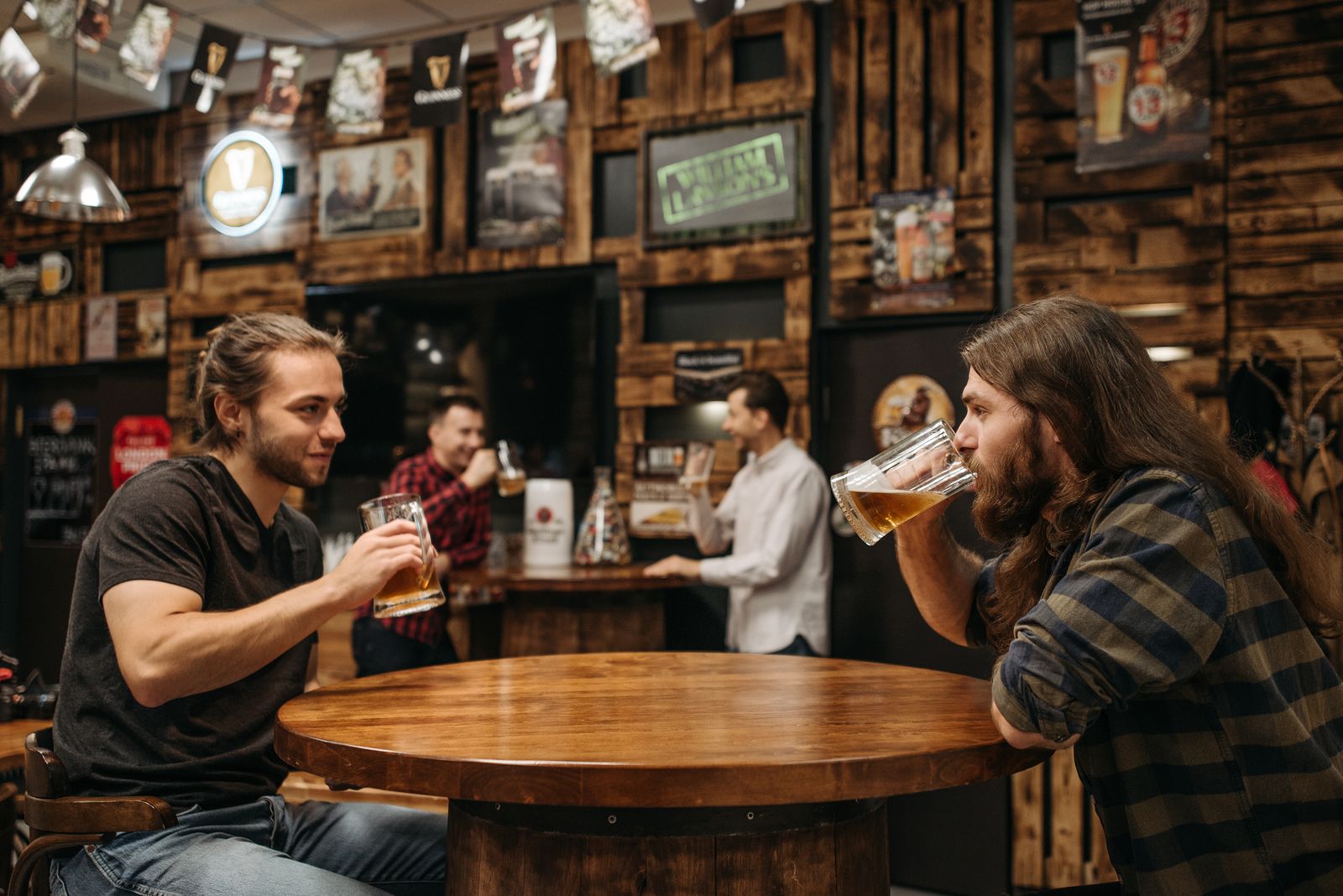
8. das Märzen (March beer) — the amber lager brewed in March for autumn festivals, the classic Oktoberfest style. Das Märzen ist etwas süßer. (The March beer is a bit sweeter.)
9. das Radler (beer shandy) — half beer, half lemonade, the refreshing cyclist’s drink of summer. Bei Hitze trinke ich ein Radler. (In the heat I drink a shandy.)
10. das alkoholfreie Bier (non-alcoholic beer) — Germany’s alcohol-free beer market is one of the best in the world. Ich nehme ein alkoholfreies Bier. (I’ll have a non-alcoholic beer.)
Brewing Ingredients & Process
Ordering is only half the fun. These ten words cover what is inside the glass, from raw ingredients to the famous purity law.
11. das Malz (malt) — the germinated barley that gives beer its body and sweetness. Dunkles Malz macht dunkles Bier. (Dark malt makes dark beer.)
12. der Hopfen (hops) — the flowers that add bitterness and aroma; Germany’s Hallertau region is the world’s largest hop-growing area. Der Hopfen gibt dem Pils seine Bitterkeit. (The hops give the pilsner its bitterness.)
13. die Hefe (yeast) — the microorganism that turns sugar into alcohol and carbon dioxide. Ohne Hefe keine Gärung. (Without yeast, no fermentation.) Words like these make great compound-word practice — see our German food cognates for more kitchen vocabulary you already know.
14. das Wasser (water) — the fourth ingredient, and the most important by volume. Gutes Bier braucht gutes Wasser. (Good beer needs good water.)
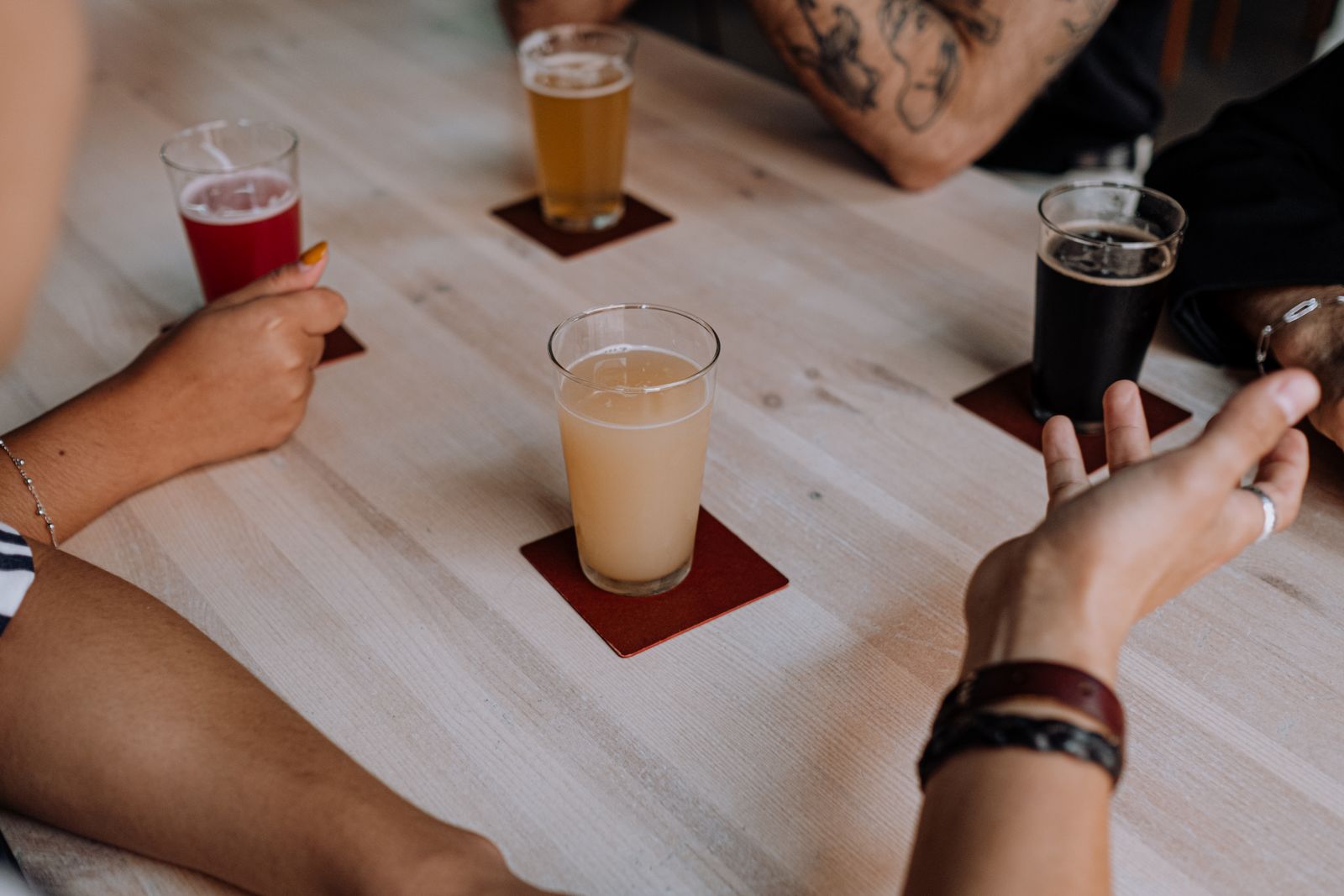
15. die Gärung (fermentation) — the process in which yeast converts sugar into alcohol. Die Gärung dauert mehrere Wochen. (Fermentation takes several weeks.)
16. die Brauerei (brewery) — the building where beer is brewed; Germany has more than 1,500 of them. Die Brauerei bietet Führungen an. (The brewery offers tours.)
17. der Brauer (brewer) — the craftsperson who brews the beer. Der Brauer prüft die Temperatur. (The brewer checks the temperature.)
18. der Braukessel (brewing kettle) — the large copper kettle in which the wort is boiled. Der Braukessel glänzt wie Gold. (The brewing kettle shines like gold.)
19. das Fass (barrel / keg) — the wooden or metal barrel that beer is stored and served from. Das Bier kommt frisch vom Fass. (The beer comes fresh from the tap.)
20. das Reinheitsgebot (beer purity law) — the 1516 Bavarian law allowing only water, malt, hops, and yeast in beer. Das Reinheitsgebot gilt seit 1516. (The purity law has applied since 1516.)
At the Biergarten: Ordering Phrases
These are the words you will actually say out loud — glassware, serving sizes, and the phrases that get beer to your table.
21. der Biergarten (beer garden) — the outdoor drinking institution, traditionally shaded by chestnut trees. Im Sommer sitzen wir im Biergarten. (In summer we sit in the beer garden.) For getting around Germany beyond the beer garden, our essential German travel phrases pairs perfectly with this list.
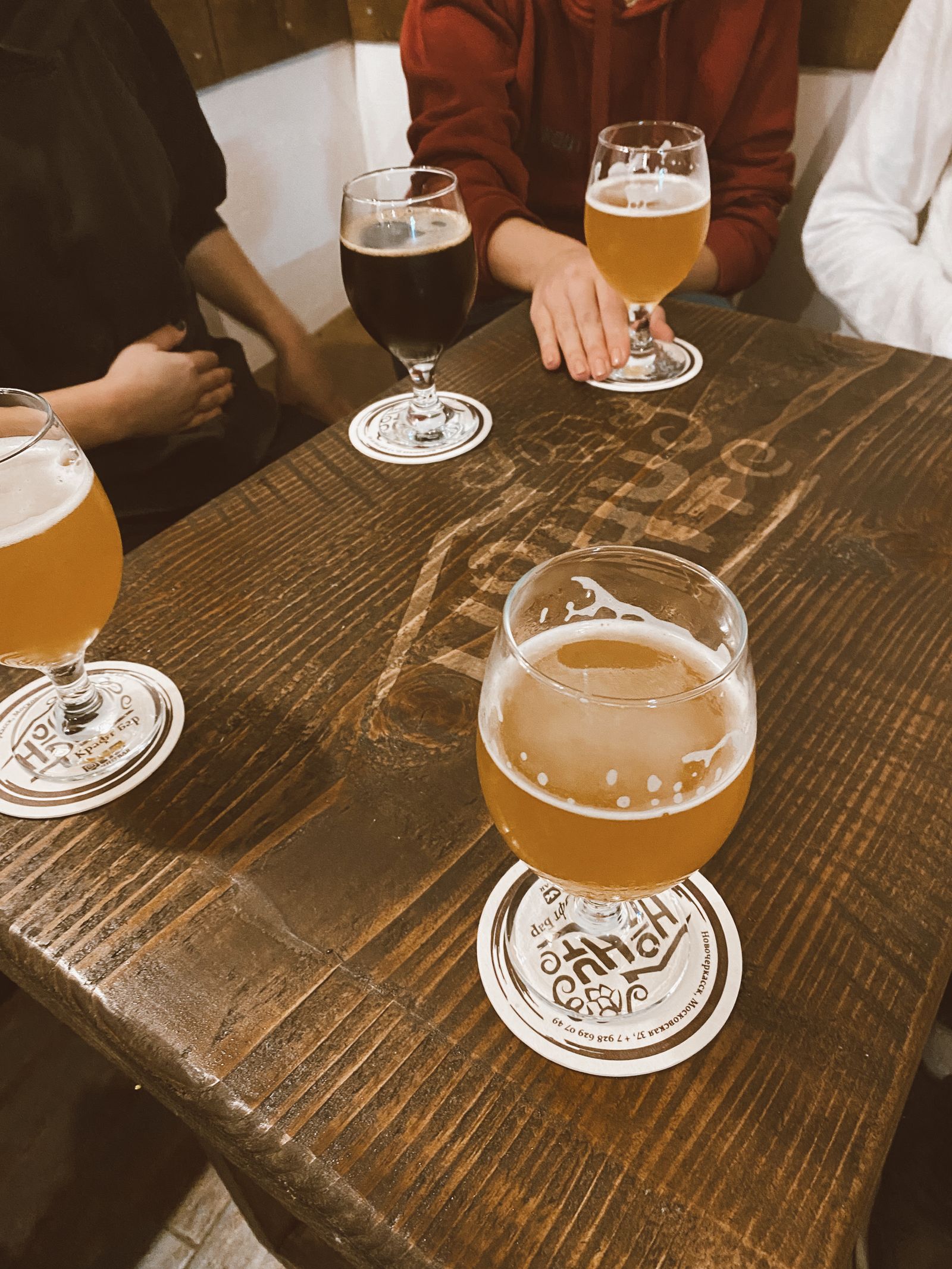
22. der Maßkrug (liter beer mug) — the heavy one-liter glass mug of Bavarian beer culture. Der Maßkrug wiegt fast zwei Kilo voll. (The liter mug weighs almost two kilos when full.)
23. die Maß (liter) — the standard one-liter serving; ordering eine Maß is a rite of passage. Zwei Maß, bitte! (Two liters, please!)
24. das Bierglas (beer glass) — the general word for any beer glass. Das Bierglas ist leer. (The beer glass is empty.)
25. die Biersorte (beer variety) — the type or style of beer on offer. Welche Biersorten haben Sie? (Which beer varieties do you have?)
26. vom Fass (on tap / draft) — literally “from the barrel”: beer served fresh from the keg. Ich nehme ein Bier vom Fass. (I’ll have a draft beer.)
27. der Bierdeckel (beer coaster) — the cardboard coaster, also a signal: placing it on your glass means “I’m done.” Er legt den Bierdeckel aufs Glas. (He puts the coaster on the glass.)
28. das Trinkgeld (tip) — the gratuity for your server; rounding up the bill is customary. Vergiss das Trinkgeld nicht! (Don’t forget the tip!)
29. “Ein Helles, bitte!” (A Helles, please!) — the classic order: polite, short, and understood everywhere. Combine it with the basics in our German restaurant phrases for ordering and you will handle any menu.
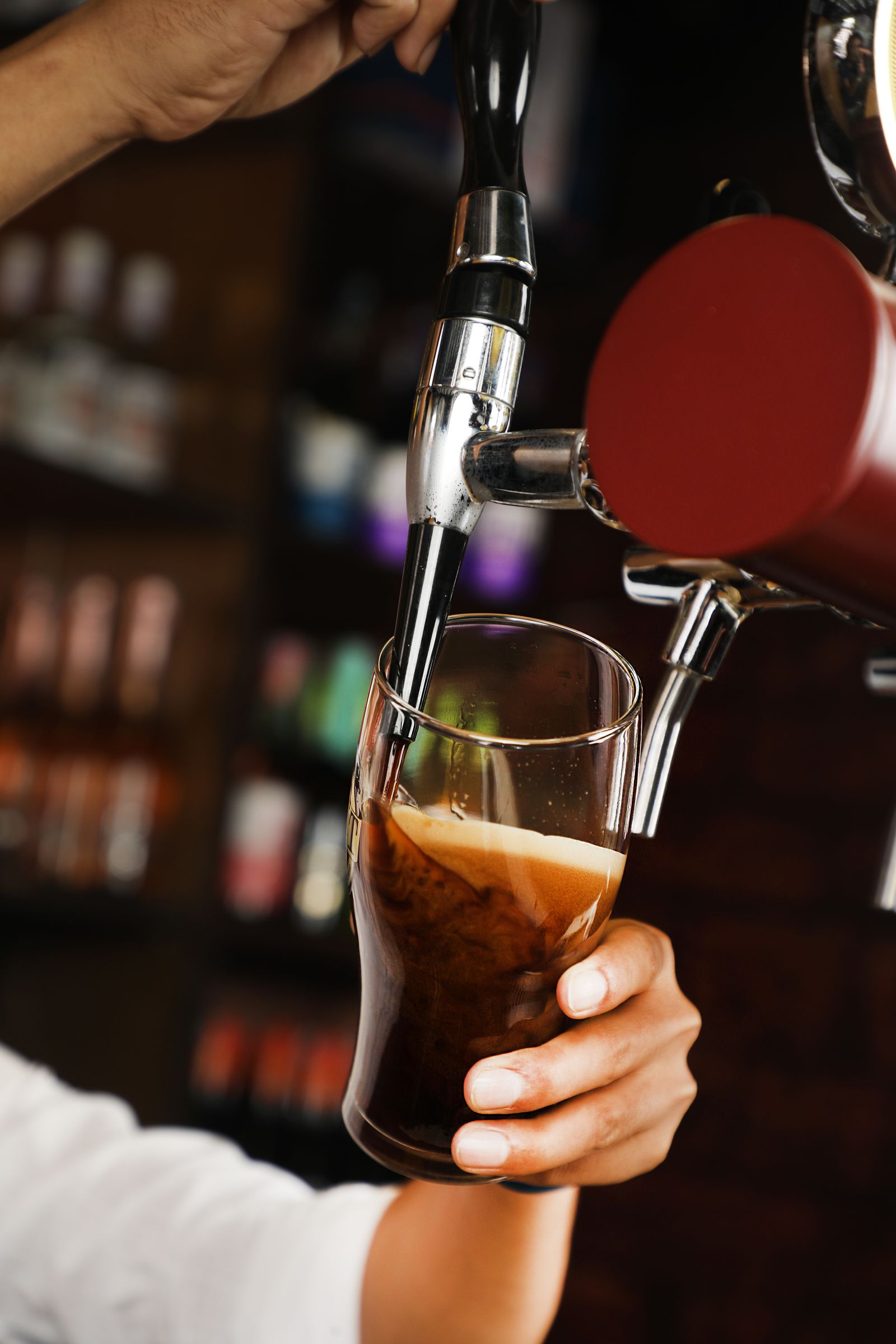
30. “Noch eins!” (Another one!) — literally “one more,” the cheerful way to order round two. Noch eins für alle! (Another round for everyone!)
Beer Culture & Festivals
Beyond the glass, beer shapes German social life. These ten words and toasts will make you sound like an insider.
31. der Stammtisch (regulars’ table) — the reserved table where the same group meets weekly for beer and conversation. Freitags ist Stammtisch. (Friday is regulars’ table night.)
32. der Bierkeller (beer cellar) — the cool underground cellar where beer was stored before refrigeration; many are beer gardens today. Der Bierkeller ist angenehm kühl. (The beer cellar is pleasantly cool.)
33. das Bierfest (beer festival) — any festival celebrating beer, from village fairs to city events. Das Bierfest dauert drei Tage. (The beer festival lasts three days.)
34. der Bierkrug (beer mug / stein) — the classic handled mug; the collectible ceramic Stein is its decorative cousin. Er sammelt alte Bierkrüge. (He collects old beer mugs.)
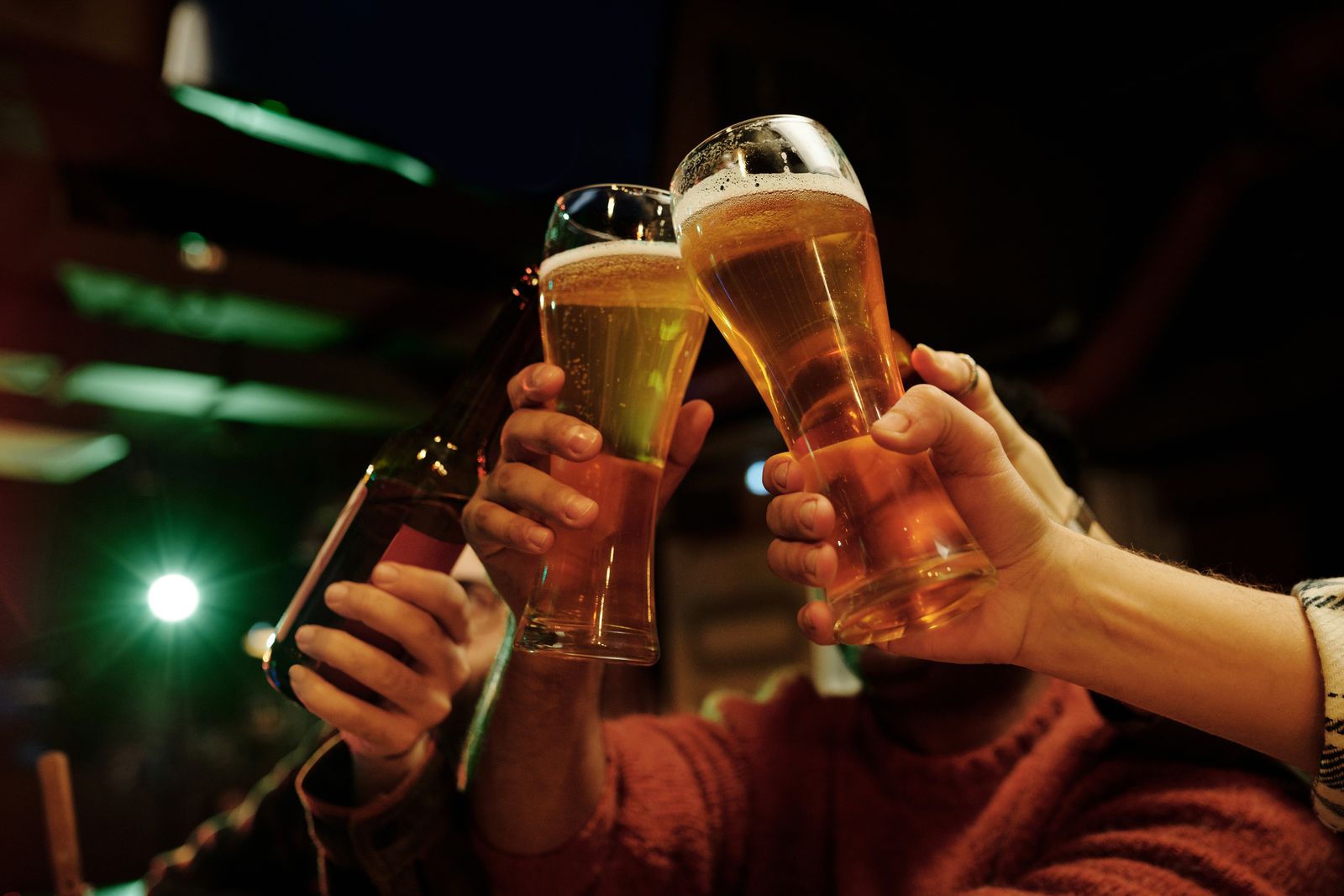
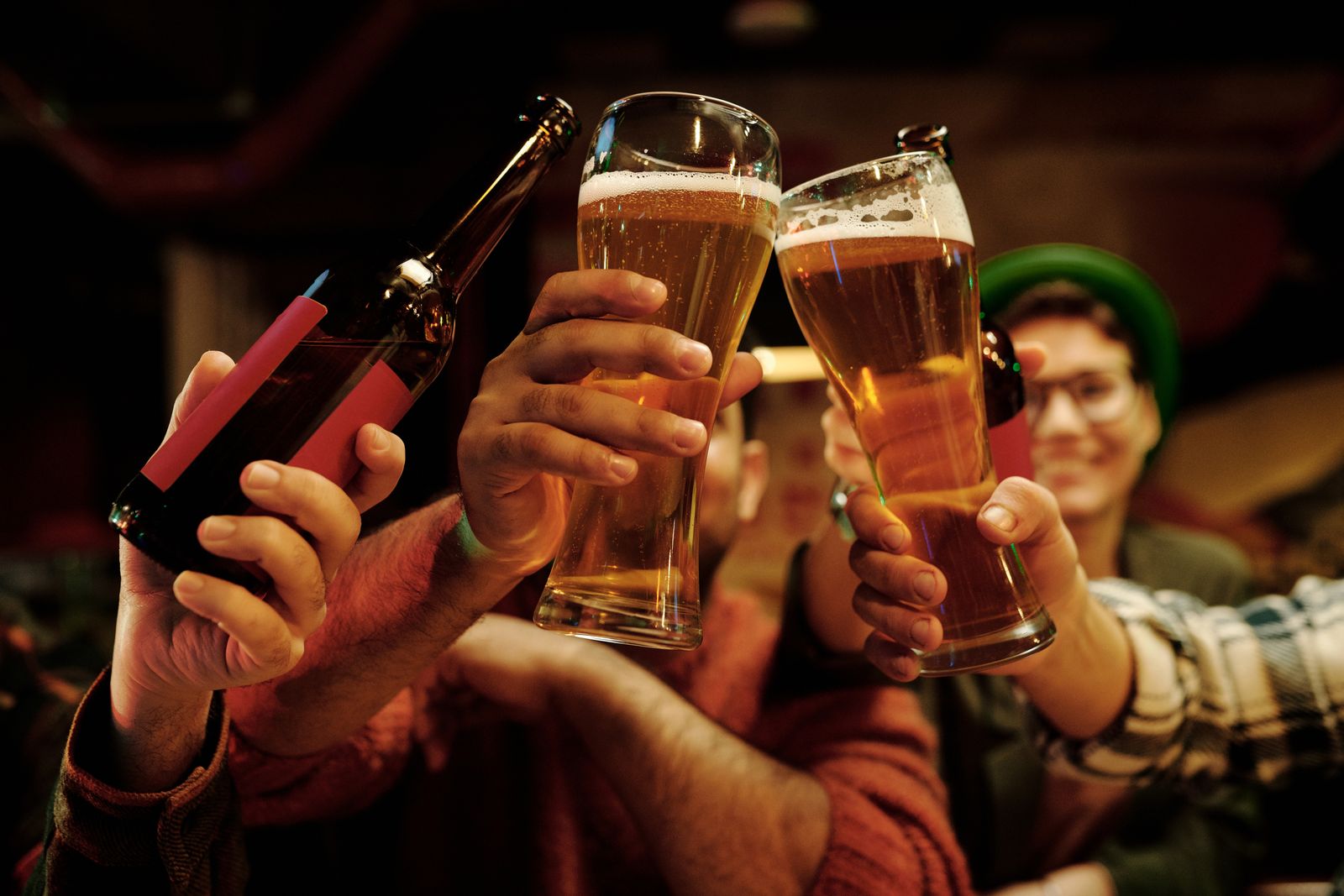
35. “Prost!” (Cheers!) — the toast shouted across every table; always make eye contact when you clink glasses. Prost, auf deine Gesundheit! (Cheers, to your health!)
36. “Zum Wohl!” (To your health!) — the slightly more formal toast, literally “to well-being.” Wir heben die Gläser: Zum Wohl! (We raise our glasses: to your health!)
37. der Bierbauch (beer belly) — the affectionate German word for the belly earned by years of Gemütlichkeit. Nach zehn Jahren Stammtisch wächst der Bierbauch. (After ten years of regulars’ nights, the beer belly grows.)
38. das Biermuseum (beer museum) — several German cities have museums dedicated to brewing history. Das Biermuseum zeigt alte Braugeräte. (The beer museum shows old brewing equipment.)
39. der Braumeister (master brewer) — the trained professional in charge of a brewery’s recipes. Der Braumeister verkostet jede Charge. (The master brewer tastes every batch.)
40. der Zapfhahn (beer tap) — the tap the beer flows from at the bar. Das Bier kommt direkt aus dem Zapfhahn. (The beer comes straight from the tap.)
Pronunciation Tips for Beer Words
German beer vocabulary is a friendly workout for the classic German sounds that trip up English speakers:
- The ß in die Maß: a sharp “s” sound — mahss. One syllable, short and crisp. Fun fact: ß is not a Scrabble tile, so on the board you spell it MASS — see our guide on whether ß is allowed in German Scrabble.
- The ü in die Gärung: round your lips as if to say “oo” but try to say “ee” — GEH-roong.
- The z in der Zapfhahn: always pronounced “ts” in German — TSAPF-hahn.
- The ö in das Kölsch: like the “eu” in French bleu — koelsh.
- The ä in das Märzen: like the “e” in “bed” — MEHR-tsen.
- The ch in der Braukessel: after au it is the throaty ach-sound — BROW-kess-el.
German Beer Vocabulary for Word Games: Scrabble & Wordle Scores
Beer words score well in German word games. The Z in der Zapfhahn is a 10-point tile, and the K in das Kölsch and der Braukessel earns 4 points each. Short words from this list — das Malz, der Hopfen, die Hefe, das Fass, and die Maß — fit tight board corners, while long compounds like der Braukessel and das Reinheitsgebot can stretch across the board for a bingo bonus.
For German Wordle players, this list hides a perfect starter: Prost is exactly five letters, and guessing it early tests two high-value consonants at once. The ü in die Gärung is also good umlaut practice for the German Wordle variants that include umlaut tiles. Learning these words through games cements the articles too — you cannot play der Zapfhahn without knowing it takes der.
Key Takeaways
These 40 words turn your German beer vocabulary from pointing at menus into ordering with confidence — from das Helles and der Maßkrug to das Reinheitsgebot and the essential “Prost!” Three habits will make this beer vocabulary in German stick. First, always learn the article with the word: der, die, or das is part of the word itself, and pairs like die Maß versus der Maßkrug reward the extra second of attention. Second, decode the compounds — der Biergarten is just Bier + Garten, and once you see the pattern, dozens of German beer terms explain themselves. Third, say the ordering phrases out loud — “Ein Helles, bitte!” with the right pronunciation earns a smile in any Biergarten. Bookmark this list before your trip, and for a lighter take on drink-adjacent language, browse our German idioms about food — several of them come up over a beer.
Frequently Asked Questions
What is the most important German beer word to know?
“Ein Helles, bitte!” — “A Helles, please!” It orders Bavaria’s everyday lager politely in one short sentence, and it works in almost any German beer setting.
What does “Prost” mean?
Prost means “cheers” — the standard German toast. Make eye contact when clinking glasses; skipping the eye contact is considered bad luck by tradition.
What is das Reinheitsgebot?
The German Beer Purity Law of 1516, originally Bavarian, which permitted only water, malt, hops, and later yeast in beer. It is the world’s oldest food-safety regulation still referenced today.
What is the difference between das Helles and das Pils?
Both are pale lagers, but das Helles is maltier and softer while das Pils is drier and more bitter from extra hops. Helles dominates in Bavaria; Pils dominates in the north.