

German Idioms About Money: 28 Sayings Explained with Examples
Learning german idioms about money is one of the quickest ways to sound natural when Germans talk about prices, salaries, and savings. Native speakers rarely just say “Ich habe kein Geld” and stop there. Instead, they say money lies on the street, they throw it out of the window, or they swim in it. These vivid phrases turn a simple money update into real German.
In this guide, you will find 28 genuine sayings, grouped by theme: earning money, spending money, saving money, being broke, and being rich. Each comes with its literal translation, meaning, and a short example sentence.
German Idioms About Money for Earning
Germans have strong opinions about work and income, and their sayings about earning money are often blunt, practical, or dryly funny.
1. Zeit ist Geld
Literal translation: “Time is money.”
Meaning: Time is valuable, so wasting it is like wasting money. It is used to urge someone to hurry up or to justify charging for work.
Example: “Beeil dich bitte, denn Zeit ist Geld.” — “Please hurry up, because time is money.”
2. Geld regiert die Welt
Literal translation: “Money rules the world.”
Meaning: Money controls almost everything in life, from politics to everyday decisions. It is said with a shrug, not admiration.
Example: “Leider regiert Geld die Welt, auch in der Politik.” — “Sadly, money rules the world, even in politics.”
3. Das Geld liegt auf der Straße
Literal translation: “The money lies on the street.”
Meaning: Money is easy to earn in a certain job or business — you only have to pick it up. It is often said with envy about a booming trade.
Example: “Als Handwerker liegt das Geld gerade auf der Straße.” — “As a tradesman, money is lying on the street right now.”
4. Geld stinkt nicht
Literal translation: “Money does not stink.”
Meaning: Money is money, no matter where it comes from. It is used when someone takes a badly paid or unglamorous job without shame.
Example: “Er putzt nachts Büros, aber Geld stinkt nicht.” — “He cleans offices at night, but money does not stink.”
5. Geld scheffeln
Literal translation: “To shovel money.”
Meaning: To earn a lot of money quickly, often in large amounts. It suggests raking it in rather than earning it slowly.
Example: “Mit seiner App scheffelt er jetzt richtig Geld.” — “With his app, he is really raking in money now.”
6. Kleinvieh macht auch Mist
Literal translation: “Small cattle also make manure.”
Meaning: Small amounts add up over time. It is the classic German encouragement to value side income, small savings, and modest profits.
Example: “Verkauf auch die alten Bücher, denn Kleinvieh macht auch Mist.” — “Sell the old books too, because small amounts add up.”
German Idioms About Money for Spending

Spending gets some of the liveliest images in German: money flying out of windows, living on a grand foot, and buying things on credit.

7. Geld zum Fenster hinauswerfen
Literal translation: “To throw money out of the window.”
Meaning: To waste money on something useless. If the purchase brings no value, Germans say it went straight out of the window.
Example: “Für dieses teure Abo wirft er Geld zum Fenster hinaus.” — “With this expensive subscription, he is throwing money out of the window.”
8. Mit Geld um sich werfen
Literal translation: “To throw money around oneself.”
Meaning: To spend money carelessly and showily, without thinking about the cost. It suggests showing off as much as wasting.
Example: “Im Urlaub wirft sie mit Geld um sich.” — “On holiday, she throws money around.”
9. Auf großem Fuß leben
Literal translation: “To live on a large foot.”
Meaning: To live luxuriously and spend generously, beyond what most people can afford. It describes an expensive lifestyle, not a single purchase.
Example: “Seit der Beförderung lebt er auf großem Fuß.” — “Since his promotion, he has been living large.”
10. Auf Pump leben
Literal translation: “To live on pump.”
Meaning: To live on credit and borrowed money, buying now and paying later. It is a warning phrase about debt, not a compliment.
Example: “Er kauft alles auf Pump und lebt über seine Verhältnisse.” — “He buys everything on credit and lives beyond his means.”
11. Für einen Apfel und ein Ei
Literal translation: “For an apple and an egg.”
Meaning: For almost nothing — very cheaply. It is used when someone gets a bargain or sells something far below its value.
Example: “Das Fahrrad habe ich für einen Apfel und ein Ei bekommen.” — “I got the bike for next to nothing.”
12. In Saus und Braus leben
Literal translation: “To live in fizz and roar.”
Meaning: To live a life of luxury, parties, and excess. It paints a picture of feasting and celebrating without a care for the bill.
Example: “Nach dem Lottogewinn lebte er in Saus und Braus.” — “After the lottery win, he lived in luxury.”
German Idioms About Money for Saving
Saving is a virtue in German culture, and the sayings about it are practical: turn every cent twice, tighten your belt, and keep a nest egg.

13. Jeden Cent zweimal umdrehen
Literal translation: “To turn every cent twice.”
Meaning: To think very carefully before spending even small amounts. It describes someone extremely careful with money.
Example: “Als Student musste ich jeden Cent zweimal umdrehen.” — “As a student, I had to watch every cent.”
14. Den Gürtel enger schnallen
Literal translation: “To tighten one’s belt.”
Meaning: To spend less and live more simply because money is tight. It is the standard phrase for cutting back on expenses.
Example: “Nach der Kündigung müssen wir den Gürtel enger schnallen.” — “After the layoff, we have to tighten our belts.”
15. Geld auf die hohe Kante legen
Literal translation: “To put money on the high edge.”
Meaning: To save money for later, putting it aside where it is safe. It comes from hiding coins on top of a tall cupboard.
Example: “Jeden Monat legt sie etwas Geld auf die hohe Kante.” — “Every month, she puts some money aside.”
16. Einen Notgroschen haben
Literal translation: “To have an emergency groschen.”
Meaning: To have savings set aside for emergencies. A Notgroschen is a small reserve that keeps a crisis from becoming a disaster.
Example: “Zum Glück habe ich noch einen Notgroschen für die Reparatur.” — “Luckily, I still have a nest egg for the repair.”
17. Wer den Pfennig nicht ehrt, ist des Talers nicht wert
Literal translation: “Who does not honour the penny is not worthy of the thaler.”
Meaning: If you do not respect small amounts of money, you will never handle large amounts well. It is a proverb about respecting every cent.
Example: “Spare auch die kleinen Beträge, denn wer den Pfennig nicht ehrt, ist des Talers nicht wert.” — “Save the small amounts too, because if you do not respect pennies, you will not deserve pounds.”
German Idioms About Money for Being Broke

When the money runs out, German gets brutally honest: empty cash boxes, red numbers, and living from hand to mouth.
18. Knapp bei Kasse sein
Literal translation: “To be short at the cash box.”
Meaning: To be short of money right now. It is the everyday, polite way to say you are broke until payday.
Example: “Ende des Monats bin ich immer knapp bei Kasse.” — “At the end of the month, I am always short of cash.”

19. Rote Zahlen schreiben
Literal translation: “To write red numbers.”
Meaning: To make a loss, with the accounts in the red. It is used for businesses and budgets that end the period below zero.
Example: “Das Geschäft schreibt seit Monaten rote Zahlen.” — “The shop has been making losses for months.”
20. Jemandem auf der Tasche liegen
Literal translation: “To lie on someone’s pocket.”
Meaning: To live at someone else’s expense, letting them pay for you. It is said when someone depends on another person’s money.
Example: “Er arbeitet nicht und liegt seinen Eltern auf der Tasche.” — “He does not work and lives off his parents.”
21. Von der Hand in den Mund leben
Literal translation: “To live from the hand into the mouth.”
Meaning: To live hand to mouth, spending each payday immediately with nothing left over. It describes life without any financial cushion.
Example: “Mit dem Minijob lebt sie von der Hand in den Mund.” — “With her mini-job, she lives hand to mouth.”
22. Keinen roten Heller haben
Literal translation: “To not have a red heller.”
Meaning: To have no money at all, not even the smallest old coin. The heller was a tiny coin, so the phrase means total emptiness.
Example: “Nach dem Urlaub hatte ich keinen roten Heller mehr.” — “After the holiday, I did not have a penny left.”
23. Ebbe in der Kasse haben
Literal translation: “To have low tide in the cash box.”
Meaning: To have an empty till or wallet, like the sea at low tide. It is a vivid, slightly humorous way to say the money has run out.
Example: “Vor dem Zahltag herrscht bei uns Ebbe in der Kasse.” — “Before payday, our cash box is empty.”
German Idioms About Money for Being Rich
Wealth gets equally colourful treatment: swimming in money, having it like hay, and writing black numbers — with one reminder that money alone is not happiness.
24. Geld wie Heu haben
Literal translation: “To have money like hay.”
Meaning: To have so much money that it seems as plentiful as hay in a barn. It is a folksy way to describe great wealth.
Example: “Der alte Bauer hat Geld wie Heu.” — “The old farmer has money like hay.”

25. Im Geld schwimmen
Literal translation: “To swim in money.”
Meaning: To be extremely rich, surrounded by money on all sides. It is the German equivalent of “rolling in money.”
Example: “Nach dem Börsengang schwimmt die Firma im Geld.” — “After the stock market launch, the company is swimming in money.”
26. Schwarze Zahlen schreiben
Literal translation: “To write black numbers.”
Meaning: To make a profit, with the accounts in the black. It is the positive partner of writing red numbers.
Example: “Dieses Jahr schreibt das Unternehmen endlich schwarze Zahlen.” — “This year, the company is finally making a profit.”
27. Steinreich sein
Literal translation: “To be stone-rich.”
Meaning: To be extremely wealthy. The “stone” adds weight, as if the riches were solid and immovable.
Example: “Sein Onkel in Amerika soll steinreich sein.” — “His uncle in America is said to be filthy rich.”
28. Geld allein macht nicht glücklich
Literal translation: “Money alone does not make you happy.”
Meaning: Wealth by itself cannot buy happiness. Germans quote it to put riches in perspective, often after a story about a rich but unhappy person.
Example: “Er hat alles, aber Geld allein macht nicht glücklich.” — “He has everything, but money alone does not make you happy.”
More German Idioms to Explore
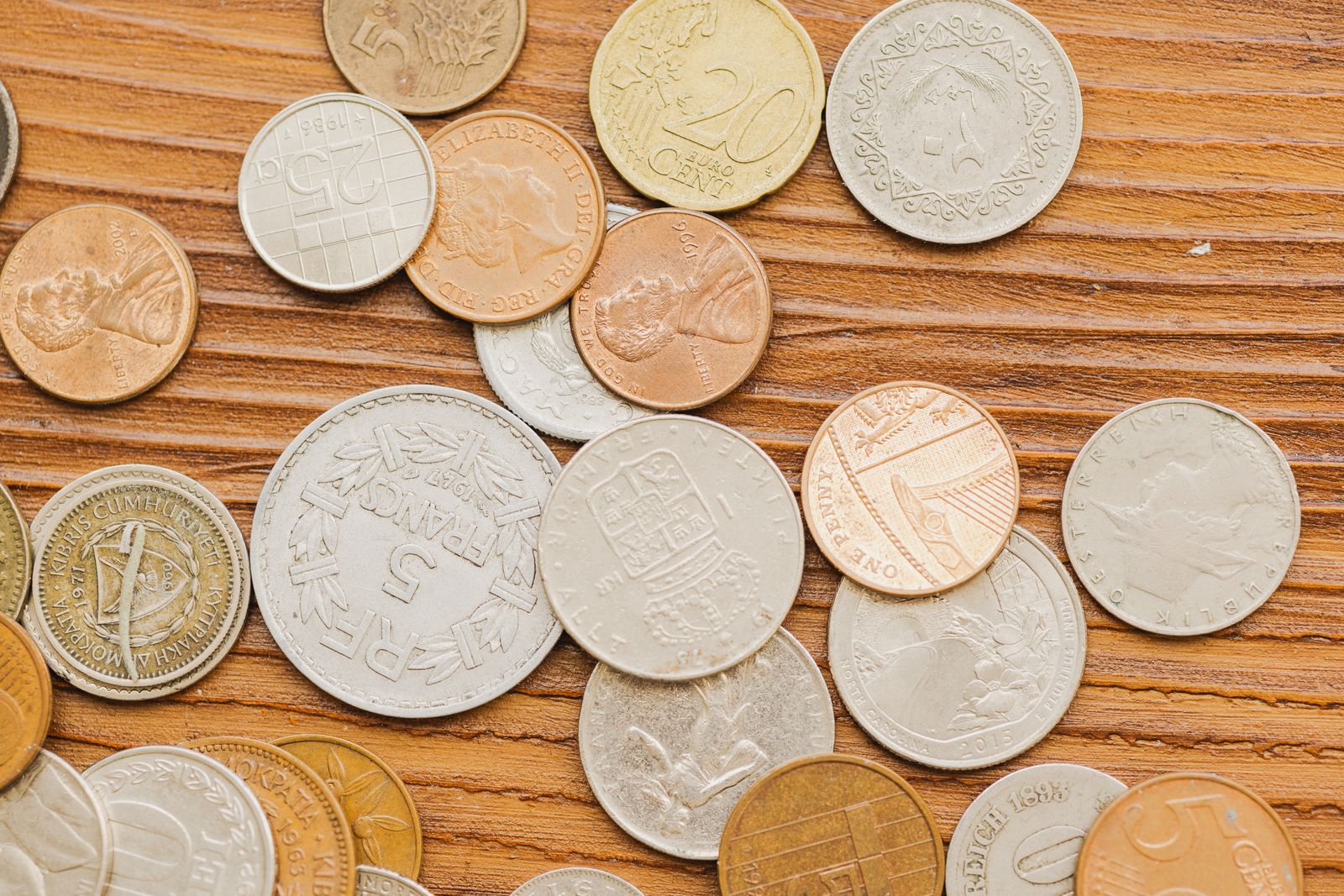
If you enjoyed these german idioms about money, keep going with related collections. Learn how Germans talk about meals in German idioms about food, work in German idioms about work, and health in German idioms about health. For family life, see German idioms about family, and for a glass of something pleasant, try German wine vocabulary.
Once you know these german idioms about money, everyday conversations about prices, paydays, and savings become much easier. Try using one new saying each day, and listen for them in German films, podcasts, and chats with native speakers.
Key Takeaways
- These german idioms about money cover the whole money journey: earning it, spending it, saving it, running out of it, and having plenty of it.
- Money images do the heavy lifting: streets, windows, belts, cash boxes, and hay all describe financial life.
- Start with the most useful five: Zeit ist Geld, Geld zum Fenster hinauswerfen, den Gürtel enger schnallen, knapp bei Kasse sein, and Geld allein macht nicht glücklich.
- Use one idiom at a time, paired with a simple sentence about money, so it sounds natural.
- Keep exploring themed collections of german idioms about money, and soon you will talk about money in German as vividly as a native speaker.