

German New Year Words: 40 Silvester Vocabulary with Meanings
Few celebrations come with as much built-in vocabulary as the turn of the year — and German new year words carry the whole party with them, from midnight fireworks to the famous Guten Rutsch. Learning these Silvester words gives you far more than a seasonal list: the vocabulary is packed with German compound words, so every entry quietly teaches you building blocks for dozens more. In this guide you will find 40 German new year words with correct der/die/das articles, English meanings, and short example sentences with translations, organized into four groups: Silvester night, fireworks and celebrations, wishes and luck traditions, and resolutions. Light a Wunderkerze and let’s count down to midnight — auf Deutsch.
German New Year Words for Silvester Night
In Germany, New Year’s Eve is called Silvester — named after Pope Silvester I, whose feast day falls on December 31st. These German new year words cover the evening itself: the party, the guests, and the moment the clock strikes midnight. Note: Silvester is usually used without an article, but when one is needed it is masculine.
1. der Silvester (New Year’s Eve, December 31st) — the big night itself; most Germans just say “an Silvester”. Der Silvester fällt dieses Jahr auf einen Dienstag. (New Year’s Eve falls on a Tuesday this year.)
2. der Silvesterabend (New Year’s Eve evening) — the evening celebration before midnight. Den Silvesterabend verbringen wir bei Freunden. (We are spending New Year’s Eve evening at friends’.)
3. die Neujahrsnacht (New Year’s Eve night) — the night of celebration around midnight. Die Neujahrsnacht war lang und fröhlich. (New Year’s Eve night was long and cheerful.)
4. die Mitternacht (midnight) — the magical moment of the countdown. Um Mitternacht stoßen wir mit Sekt an. (At midnight we toast with sparkling wine.)
5. der Countdown (the countdown) — a borrowing from English, fully at home in German. Der Countdown beginnt bei zehn. (The countdown starts at ten.)
6. die Silvesterparty (the New Year’s Eve party) — the party of the year for many Germans. Die Silvesterparty steigt im Wohnzimmer. (The New Year’s Eve party is happening in the living room.)
7. die Feier (the celebration, party) — the general word for any festive gathering. Die Feier dauert bis zum Morgen. (The celebration lasts until morning.)
8. die Gäste (the guests) — plural; every host hopes for good ones. Die Gäste kommen um acht Uhr. (The guests arrive at eight o’clock.)
9. der Neujahrsgruß (the New Year greeting) — the greeting you exchange at midnight. Der erste Neujahrsgruß gilt der Familie. (The first New Year greeting goes to the family.)
10. die Neujahrskarte (the New Year’s card) — still sent by traditionalists every year. Die Neujahrskarte liegt auf dem Schreibtisch. (The New Year’s card is on the desk.)
German New Year Words for Fireworks and Celebrations
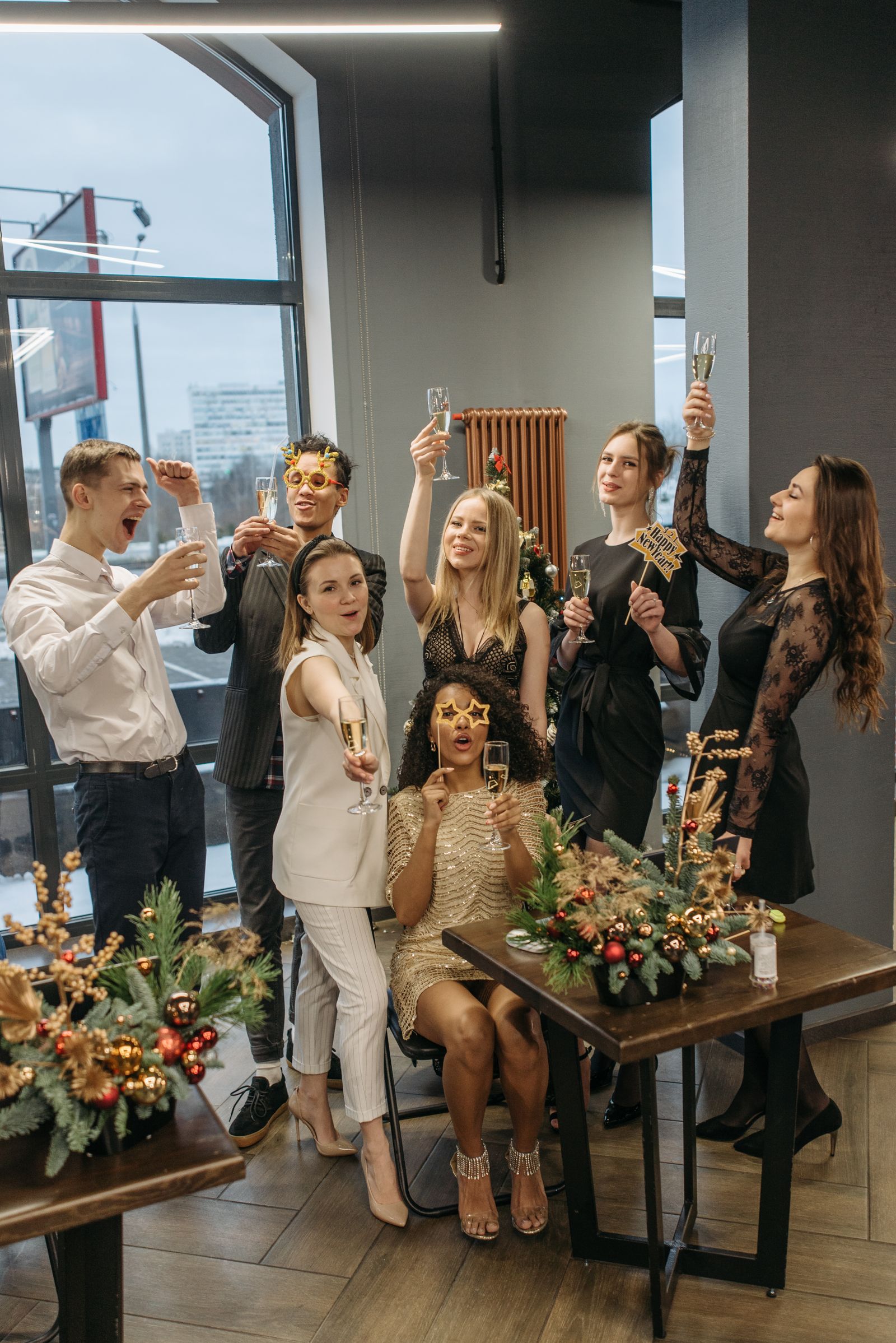
No German Silvester is complete without fireworks — private fireworks are a huge tradition, and these celebration words cover everything from rockets to the cork popping out of the Sekt bottle. If compounds fascinate you, our guide to how German compound words are built breaks the whole system down, and cozy winter words pair well with our German winter words list.
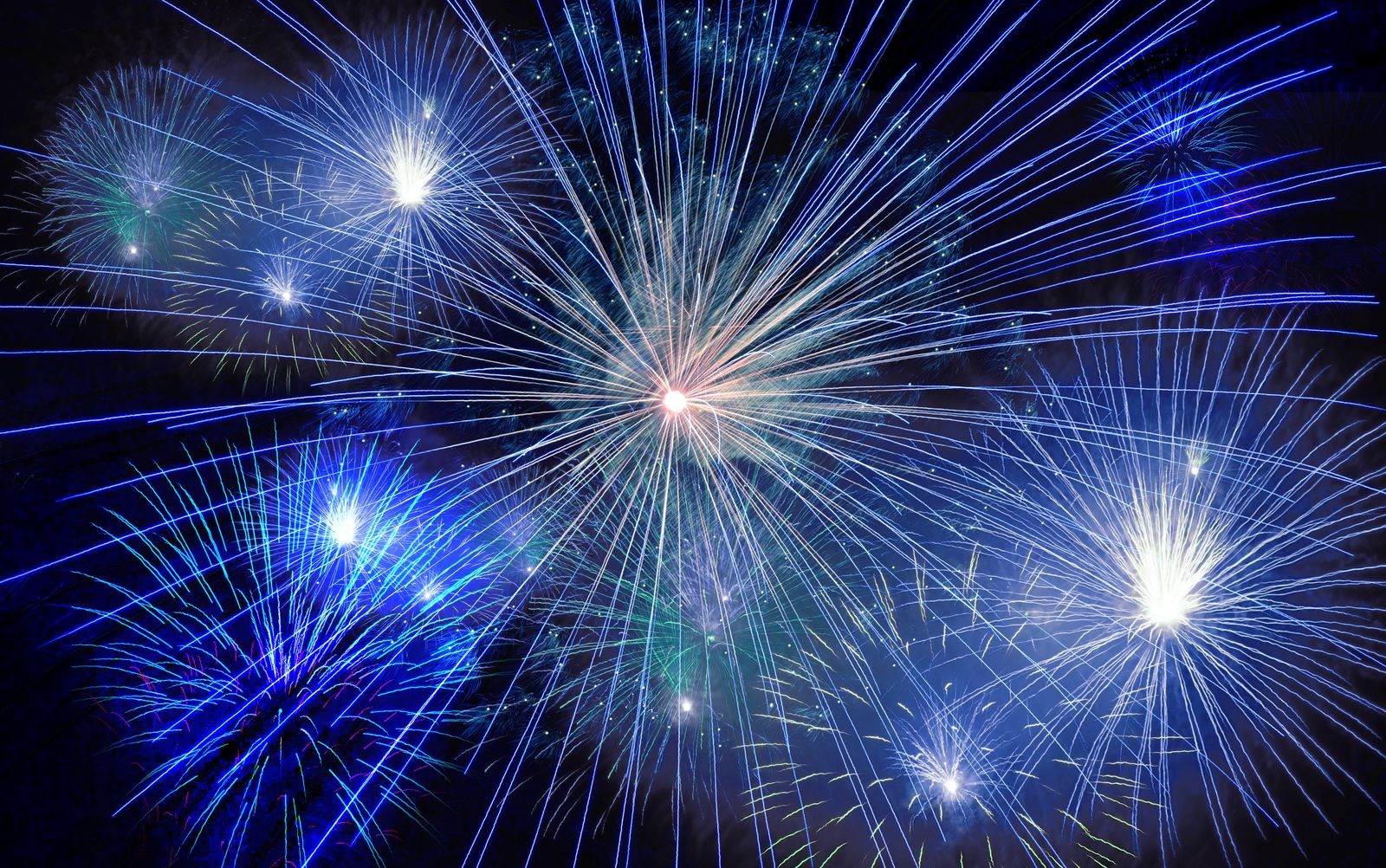
11. das Feuerwerk (the fireworks) — Feuer (fire) + Werk (work/creation), the showpiece of midnight. Das Feuerwerk dauert fast eine Stunde. (The fireworks last almost an hour.)
12. die Rakete (the rocket) — the classic Silvester rocket that lights up the sky. Die Rakete zischt in den Himmel. (The rocket hisses into the sky.)
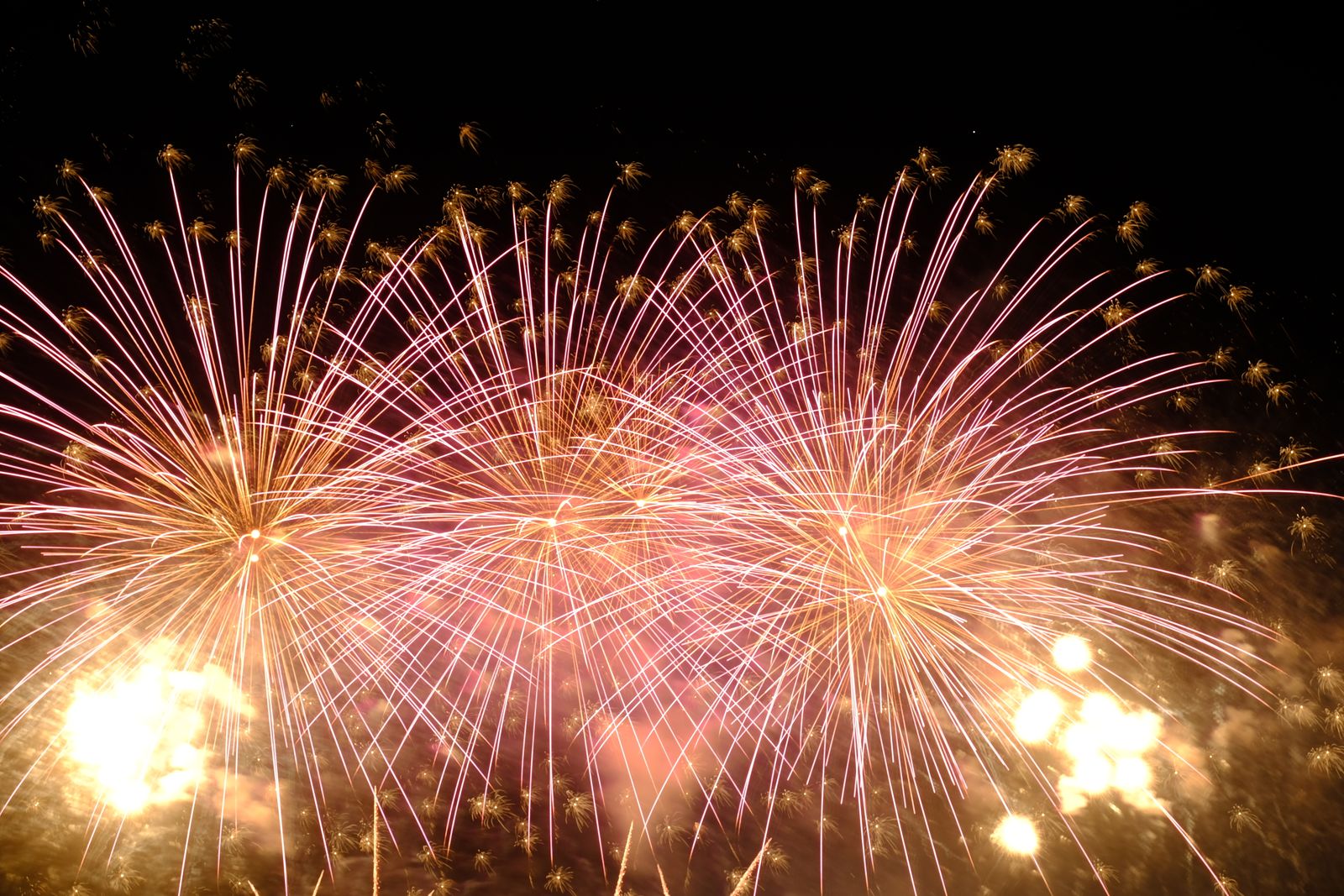
13. der Böller (the firecracker) — the loud bang of Silvester night. Der Böller knallt um Mitternacht. (The firecracker bangs at midnight.)
14. die Wunderkerze (the sparkler) — Wunder (wonder) + Kerze (candle), safe fun for all ages. Die Wunderkerze sprüht goldene Funken. (The sparkler showers golden sparks.)
15. der Knallfrosch (the jumping firecracker) — Knall (bang) + Frosch (frog), it hops before it bangs. Der Knallfrosch hüpft über den Hof. (The jumping firecracker hops across the yard.)
16. das Knallbonbon (the party popper) — a small cracker that pops with a ribbon and a bang. Das Knallbonbon überrascht alle Gäste. (The party popper surprises all the guests.)
17. der Korken (the cork) — the pop that starts every proper celebration. Der Korken fliegt durch das Zimmer. (The cork flies through the room.)
18. der Sekt (the sparkling wine) — Germany’s answer to champagne, essential at midnight. Der Sekt ist gut gekühlt. (The sparkling wine is well chilled.)
19. die Sektflasche (the sparkling-wine bottle) — the trophy of every Silvester table. Die Sektflasche steht bereit. (The sparkling-wine bottle stands ready.)
20. das Konfetti (the confetti) — tiny paper for big moments. Das Konfetti liegt überall auf dem Boden. (The confetti lies everywhere on the floor.)
German New Year Words for Wishes and Luck Traditions
Germans take their New Year wishes seriously — the famous Guten Rutsch greeting and a whole cast of lucky symbols belong to the holiday. These wishes and traditions are also great conversation starters with German friends. For more luck-related expressions, see our German idioms about luck and money, and for the holiday season that leads up to Silvester, try our German Christmas words.
21. Guten Rutsch ins neue Jahr! (Have a good “slide” into the new year!) — the signature German New Year wish, said before midnight. Wir wünschen allen einen guten Rutsch ins neue Jahr! (We wish everyone a good slide into the new year!)
22. Frohes neues Jahr! (Happy New Year!) — the standard greeting, said after midnight. Frohes neues Jahr, liebe Freunde! (Happy New Year, dear friends!)
23. Alles Gute im neuen Jahr! (All the best in the new year!) — warm and versatile for cards and messages. Alles Gute im neuen Jahr und viel Gesundheit! (All the best in the new year and good health!)
24. Viel Glück im neuen Jahr! (Lots of luck in the new year!) — the wish every German hopes comes true. Viel Glück im neuen Jahr, das wünsche ich dir! (Lots of luck in the new year, that’s what I wish you!)

25. das Bleigießen (lead pouring) — a traditional fortune-telling game: melted lead (today often wax) is dropped into cold water, and the shape predicts your future. Das Bleigießen macht jedes Jahr Spaß. (Lead pouring is fun every year.)
26. der Glücksbringer (the good-luck charm) — Glück (luck) + Bringer (bringer), anyone or anything that brings luck. Der Schornsteinfeger ist ein beliebter Glücksbringer. (The chimney sweep is a popular good-luck charm.)
27. das Glücksschwein (the lucky pig) — small marzipan or ceramic pigs given as New Year gifts. Das Glücksschwein bringt hoffentlich Glück. (The lucky pig hopefully brings luck.)
28. der Glückspfennig (the lucky penny) — a one-cent coin handed out for good luck. Der Glückspfennig liegt auf dem Tisch. (The lucky penny lies on the table.)
29. der Schornsteinfeger (the chimney sweep) — traditionally a bringer of luck in Germany and Austria. Der Schornsteinfeger wünscht viel Glück. (The chimney sweep wishes lots of luck.)
30. das Kleeblatt (the four-leaf clover) — Klee (clover) + Blatt (leaf), the universal luck symbol. Ein vierblättriges Kleeblatt ist selten. (A four-leaf clover is rare.)
German Words for New Year Resolutions and Fresh Starts
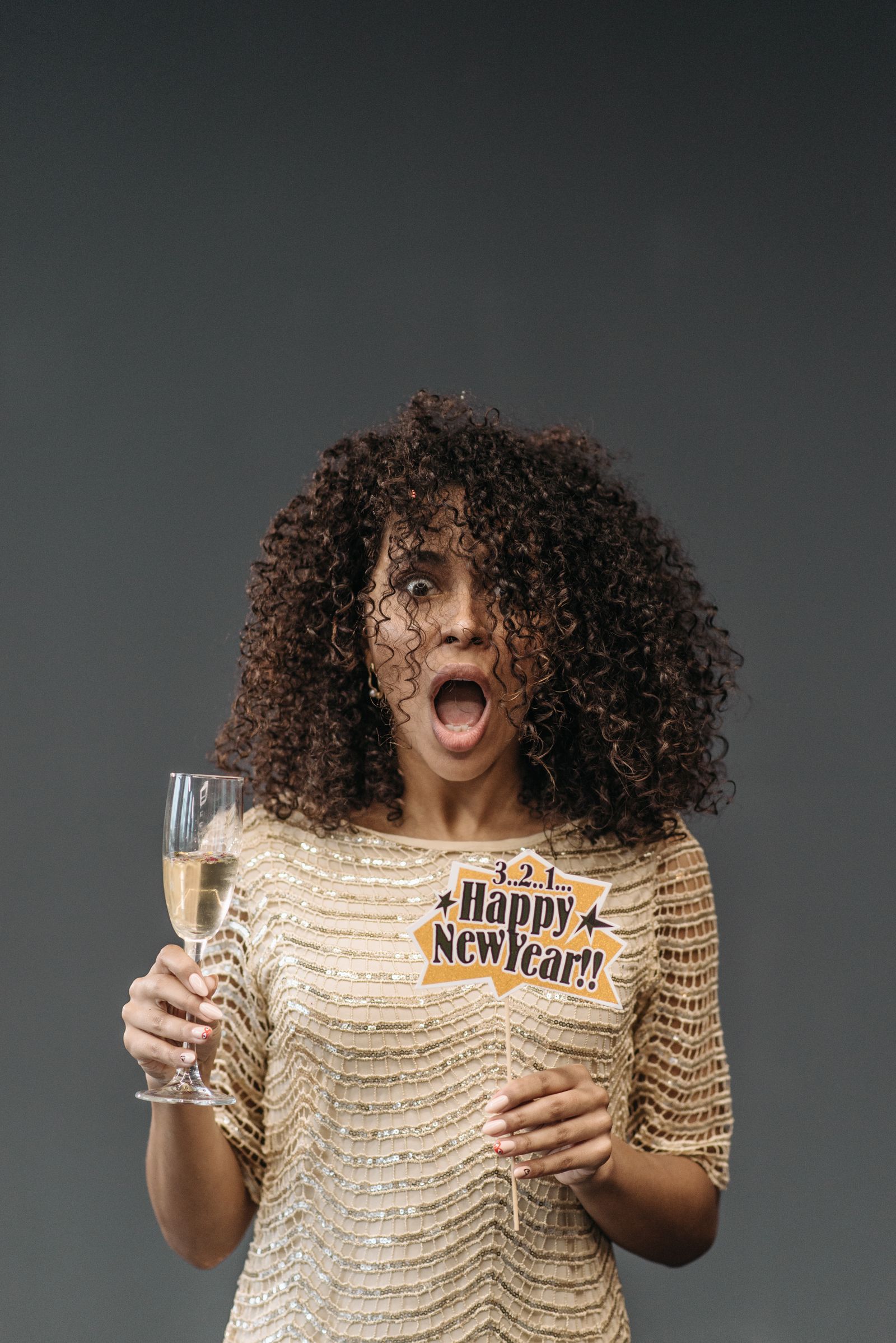
January 1st is the day of gute Vorsätze — good resolutions — and these words capture the fresh-start spirit of the new year. Germans love a good Bilanz (year-end review), and the vocabulary of beginnings and plans is wonderfully productive. If you enjoy setting goals in German, our German autumn words and German Halloween words lists keep the seasonal vocabulary going.
31. der Neujahrsvorsatz (the New Year’s resolution) — Neujahr + Vorsatz (intention), the classic January promise. Mein Neujahrsvorsatz ist mehr Sport. (My New Year’s resolution is more exercise.)
32. der Vorsatz (the resolution, intention) — the standalone word for any firm intention. Der Vorsatz steht fest. (The resolution is firm.)
33. der Neuanfang (the new beginning) — neu (new) + Anfang (beginning), pure fresh-start energy. Der Neuanfang tut gut. (The new beginning feels good.)
34. die Bilanz (the year-end review) — Germans “ziehen Bilanz” — take stock of the old year. Die Bilanz des Jahres fällt positiv aus. (The year’s review turns out positive.)
35. der Jahreswechsel (the turn of the year) — the precise moment one year becomes the next. Der Jahreswechsel wird groß gefeiert. (The turn of the year is celebrated big.)
36. das Jahr (the year) — the simplest and most essential word of all. Das Jahr beginnt mit guten Vorsätzen. (The year begins with good resolutions.)

37. der Januar (January) — the month of new calendars and fresh planners. Der Januar bringt kalte Tage. (January brings cold days.)
38. die Neujahrsansprache (the New Year’s address) — the chancellor’s televised speech on New Year’s Eve. Die Neujahrsansprache läuft um Mitternacht. (The New Year’s address airs at midnight.)
39. das Silvesterkonzert (the New Year’s Eve concert) — concerts and galas ring in the year across Germany. Das Silvesterkonzert war ausverkauft. (The New Year’s Eve concert was sold out.)
40. der Neujahrsempfang (the New Year’s reception) — formal receptions hosted by cities and companies in January. Der Neujahrsempfang findet im Rathaus statt. (The New Year’s reception takes place at the town hall.)
Pronunciation Tips for German New Year Words
New Year vocabulary is a lovely workout for the German sounds English speakers find trickiest. Say these words out loud as you review the list:
- The ch in das Bleigießen and die Wunderkerze: after i and in -chen it is a soft hissing sound, like a cat — BLY-gee-sen, VOON-der-kair-tseh.
- The ü in die Gäste and die Glücksbringer: round your lips as for “oo” but say “ee” — GAIR-steh, GLUEKS-bring-er.
- The z in die Rakete and der Silvester: always pronounced “ts” in German — rah-KEH-teh, zil-VESS-ter.
- The ei in das Kleeblatt and die Feier: pronounced like the “i” in “like” — KLAY-blaht, FY-er.
- The w in die Wunderkerze and der Wochentag: pronounced like an English “v” — VOON-der-kair-tseh.
- The ö in der Böller and der Korken: round your lips as for “o” but say “eh” — BUR-ler, KOR-ken.
Our German wordle tips guide pairs beautifully with this list for more practice.
German New Year Words for Word Games: Scrabble and Wordle Scores
These 40 German new year words are a secret weapon in German word games. In German Scrabble, the high-value letters are Z (10 points), Ä, Ö, Ü, V, and J (6 points each) — and this list is full of them. Die Wunderkerze packs a W, a Ü, and a Z for a serious score, der Glückspfennig brings a Ü and two C’s, and der Korken is a compact K-heavy play. Short words like der Sekt, das Jahr, and die Feier fit into tight board corners, while long compounds like die Neujahrsansprache can stretch across the whole board for a bingo bonus.
For German Wordle players, Sekt, Feier, and Jahre are all exactly five letters, and Rutsch, Korken, and Rakete work beautifully as opening guesses. Try building anagrams from der Silvesterabend or das Feuerwerk — anagram practice sharpens spelling instincts and makes the compound pattern second nature.
Key Takeaways
These 40 German new year words give you everything you need to celebrate the turn of the year auf Deutsch — from der Silvester and das Feuerwerk to lucky symbols like das Glücksschwein and warm wishes like Guten Rutsch ins neue Jahr!. Three things will make this Silvester vocabulary stick. First, always learn the article with the word — der, die, or das is part of the word itself. Second, use the compound pattern: once you see that der Neujahrsvorsatz is Neujahr + Vorsatz, dozens of holiday words decode themselves. Third, connect words to real moments: say Guten Rutsch before midnight, Frohes neues Jahr after it, and raise a glass of Sekt to your Neujahrsvorsatz. Keep a list of your favorites and add one new word each day — by the time the countdown hits zero, you will own the whole New Year set. Einen guten Rutsch!
FAQ: German New Year Words
What do Germans say for Happy New Year?
Before midnight: Guten Rutsch ins neue Jahr! (“Have a good slide into the new year!”). After midnight: Frohes neues Jahr! (“Happy New Year!”).
Why is New Year’s Eve called Silvester in German?
New Year’s Eve is called Silvester after Pope Silvester I (his feast day is December 31st). The word is masculine but usually used without an article: “an Silvester”.
What is Bleigießen?
Das Bleigießen (lead pouring) is a traditional German New Year fortune-telling game. Melted lead — today usually wax — is dropped into cold water, and the resulting shape is interpreted to predict the coming year.
What are typical German New Year lucky symbols?
Classic New Year lucky symbols include das Glücksschwein (lucky pig), der Glückspfennig (lucky penny), der Schornsteinfeger (chimney sweep), and das Kleeblatt (four-leaf clover).