

German Thanksgiving Words: 40 Words with Meanings & Examples
Germany has its own answer to Thanksgiving — das Erntedankfest, the harvest thanksgiving festival — and these German Thanksgiving words open the door to both traditions. Learning this vocabulary does double duty: you get ready for late-autumn celebrations in German-speaking countries and you collect a shelf of classic German compound words, because harvest and feast vocabulary is full of satisfying word-building. In this guide you will find 40 German Thanksgiving words with correct der/die/das articles, English meanings, and short example sentences with translations, grouped into four themes: Erntedankfest essentials, the Thanksgiving feast, harvest and farm life, and the language of gratitude. Set the table — auf Deutsch geht’s los.
German Thanksgiving Words for Erntedankfest: The Essentials
Start with the festival itself. These German Thanksgiving words cover the celebration at the heart of the season — the church services, harvest crowns, and parades that mark Germany’s thanksgiving for the harvest. The Erntedankfest is celebrated on the first Sunday in October in Germany, a few weeks before the American Thanksgiving on the fourth Thursday of November. Watch how the word Dank (thanks) and Ernte (harvest) combine into long, logical compounds. For more autumn-season vocabulary, our German autumn words list is a perfect companion read.
1. das Erntedankfest (the harvest thanksgiving festival) — Germany’s traditional thanksgiving celebration, held on the first Sunday in October. Das Erntedankfest feiern wir jedes Jahr im Oktober. (We celebrate the harvest thanksgiving festival every year in October.)
2. der Erntedank (the thanksgiving for the harvest) — the core concept itself: thanks given for a successful harvest. Der Erntedank ist ein alter Brauch auf dem Land. (Thanksgiving for the harvest is an old custom in the countryside.)
3. die Danksagung (the expression of thanks) — the formal word for saying thanks, used in speeches and toasts. Die Danksagung des Bürgermeisters war sehr herzlich. (The mayor’s expression of thanks was very heartfelt.)
4. die Ernte (the harvest) — the gathering of crops, the reason for the whole celebration. Die Ernte war dieses Jahr besonders reich. (The harvest was especially rich this year.)
5. der Gottesdienst (the church service) — many Erntedankfest celebrations begin with a festive service in a decorated church. Der Gottesdienst findet am Sonntagmorgen statt. (The church service takes place on Sunday morning.)
6. die Erntekrone (the harvest crown) — a decorative crown woven from grain ears, hung in churches during the festival. Die Erntekrone hängt über dem Altar. (The harvest crown hangs above the altar.)
7. der Erntealtar (the harvest altar) — the church altar decorated with fruit, vegetables, and grain for the festival. Der Erntealtar ist mit Äpfeln und Brot geschmückt. (The harvest altar is decorated with apples and bread.)
8. der Umzug (the parade) — festive processions with decorated wagons wind through villages at harvest time. Der Umzug zieht durch das ganze Dorf. (The parade winds through the whole village.)
9. die Gaben (the offerings) — the gifts of food and produce brought to the church or shared with the needy. Die Gaben werden nach dem Fest verteilt. (The offerings are distributed after the festival.)
10. der Festzug (the festive procession) — the grand parade, often with traditional costumes and music bands. Der Festzug beginnt um zehn Uhr. (The festive procession begins at ten o’clock.)
German Thanksgiving Feast Words: From Truthahn to Kürbiskuchen
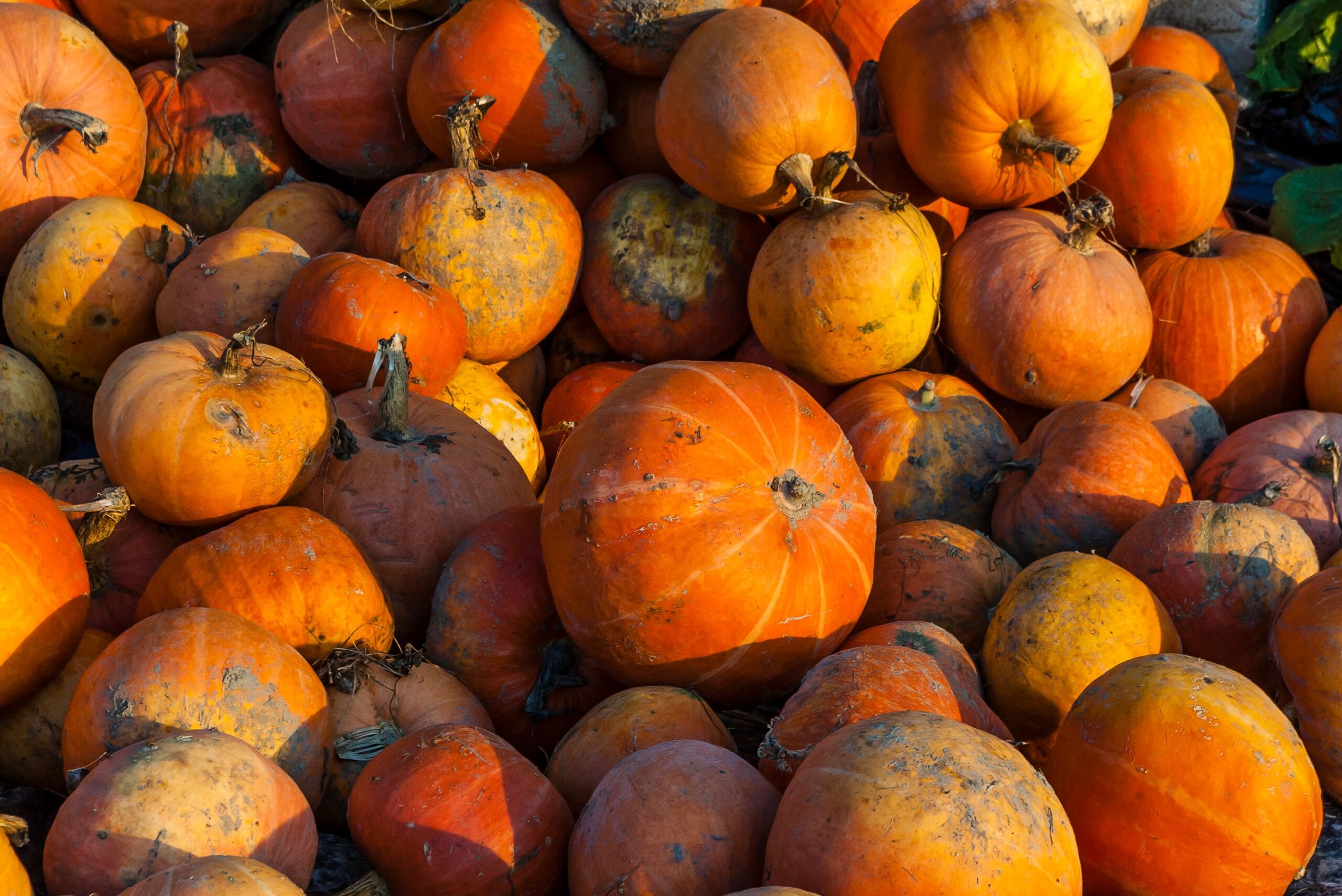
Now to the table. These German Thanksgiving words cover the feast — the roast bird, the sides, and the sweet finish. Two notes for learners: Germans say both der Truthahn and der Puter for turkey, and pumpkin pie becomes the wonderfully logical Kürbiskuchen. Many of these are compound words you can decode piece by piece — our guide to how German compound words are built shows the pattern, and food lovers will enjoy our German idioms about food.
11. der Truthahn (the turkey) — the classic Thanksgiving roast bird. Der Truthahn brät drei Stunden im Ofen. (The turkey roasts for three hours in the oven.)
12. der Puter (the turkey) — the alternative German word for the same bird, common in southern Germany and Austria. Der Puter ist saftig und zart. (The turkey is juicy and tender.)
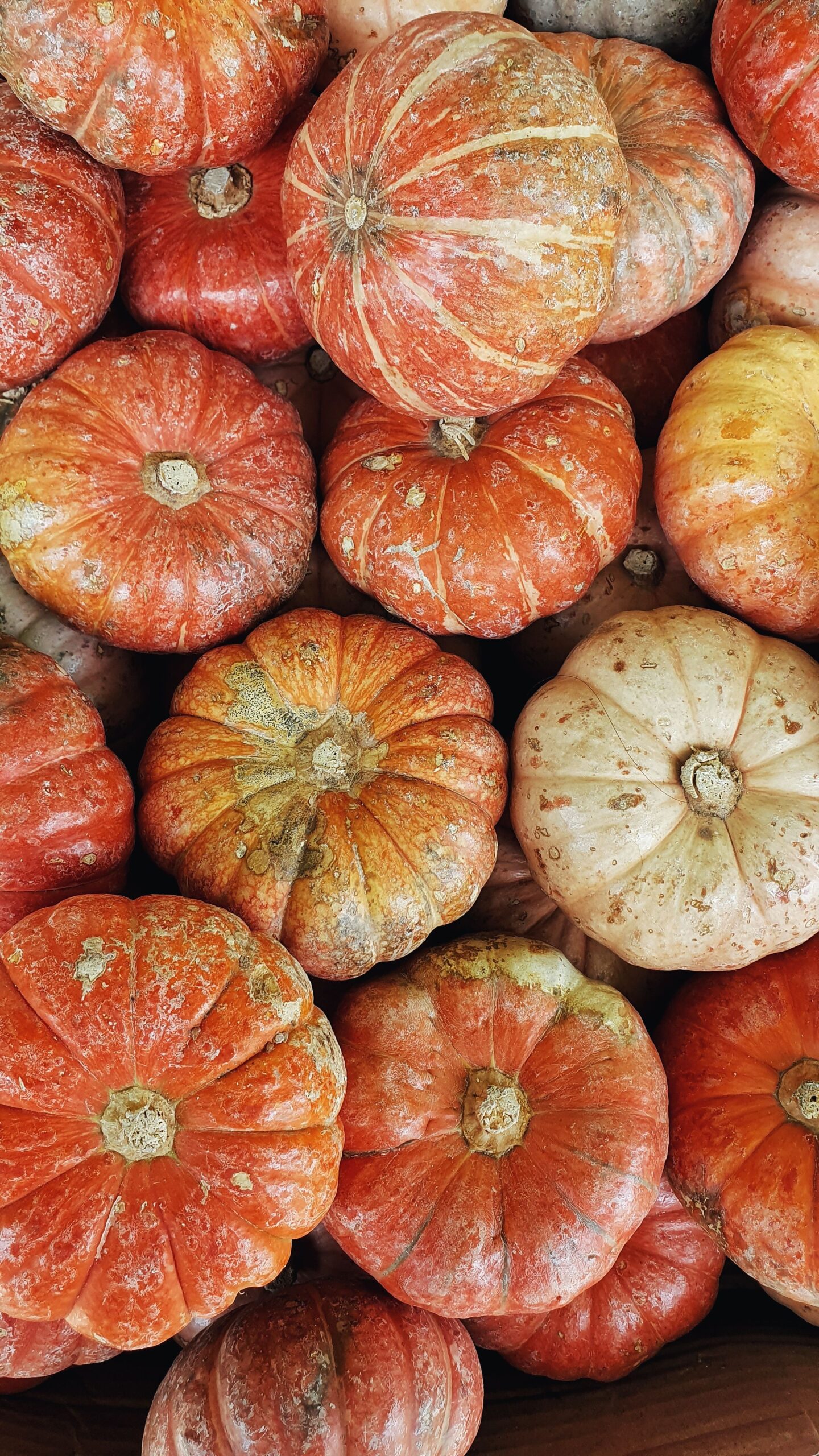
13. der Kürbis (the pumpkin) — the star vegetable of the season. Der Kürbis liegt schon auf dem Tisch. (The pumpkin is already on the table.)
14. der Kürbiskuchen (the pumpkin pie) — Kürbis + Kuchen, a compound as sweet as it is logical. Der Kürbiskuchen schmeckt nach Zimt und Nelken. (The pumpkin pie tastes of cinnamon and cloves.)
15. der Mais (the corn) — note the masculine article; corn on the cob is der Maiskolben. Der Mais kommt frisch vom Feld. (The corn comes fresh from the field.)
16. die Füllung (the stuffing) — the savory filling inside the roast bird. Die Füllung duftet nach Kräutern. (The stuffing smells of herbs.)
17. die Soße (the sauce / gravy) — the rich gravy poured over everything on the plate. Die Soße ist schön cremig. (The gravy is beautifully creamy.)
18. die Preiselbeeren (the cranberries) — the tart red berries served as a sweet-sour sauce with the roast. Die Preiselbeeren passen perfekt zum Truthahn. (The cranberries go perfectly with the turkey.)
19. das Festmahl (the feast) — the grand celebratory meal itself. Das Festmahl dauert den ganzen Abend. (The feast lasts the whole evening.)
20. der Kartoffelbrei (the mashed potatoes) — Kartoffel + Brei, the creamy classic side dish. Der Kartoffelbrei ist ganz glatt gerührt. (The mashed potatoes are stirred completely smooth.)
Harvest Words: Fields, Crops, and Country Traditions
Thanksgiving vocabulary grows out of farm life: the fields, the farmers, and the abundance the festival celebrates. Our German birthday vocabulary list covers another celebration Germans love to mark with family.
21. der Bauer (the farmer) — the person behind the harvest. Der Bauer fährt mit dem Traktor aufs Feld. (The farmer drives the tractor onto the field.)
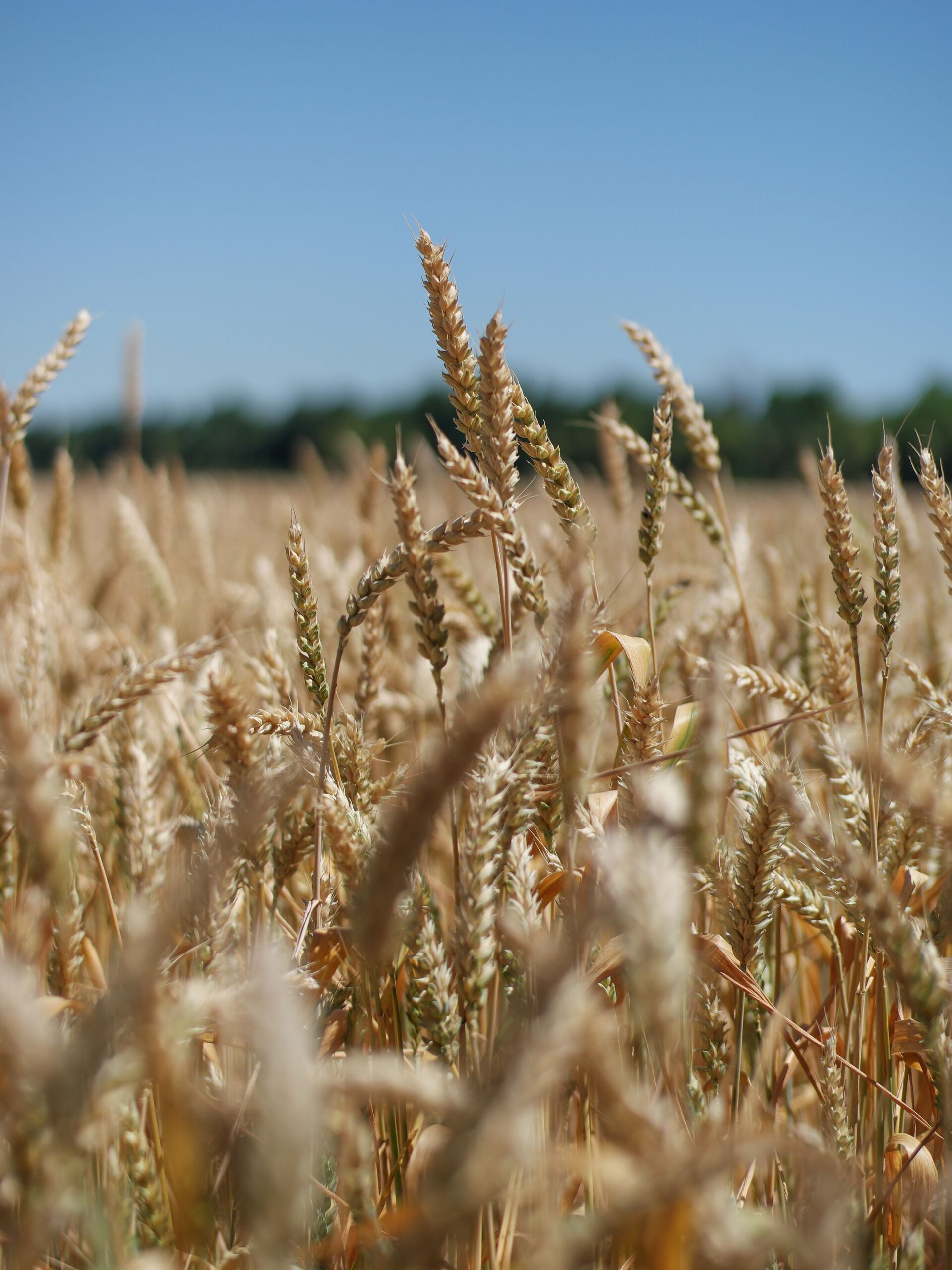
22. das Feld (the field) — where the harvest begins. Das Feld leuchtet golden in der Sonne. (The field glows golden in the sun.)
23. die Garbe (the sheaf) — a bound bundle of grain stalks, the classic harvest symbol. Die Garbe steht aufrecht im Stroh. (The sheaf stands upright in the straw.)
24. die Fülle (the abundance) — the plenty that Thanksgiving celebrates. Die Fülle der Ernte überrascht alle. (The abundance of the harvest surprises everyone.)
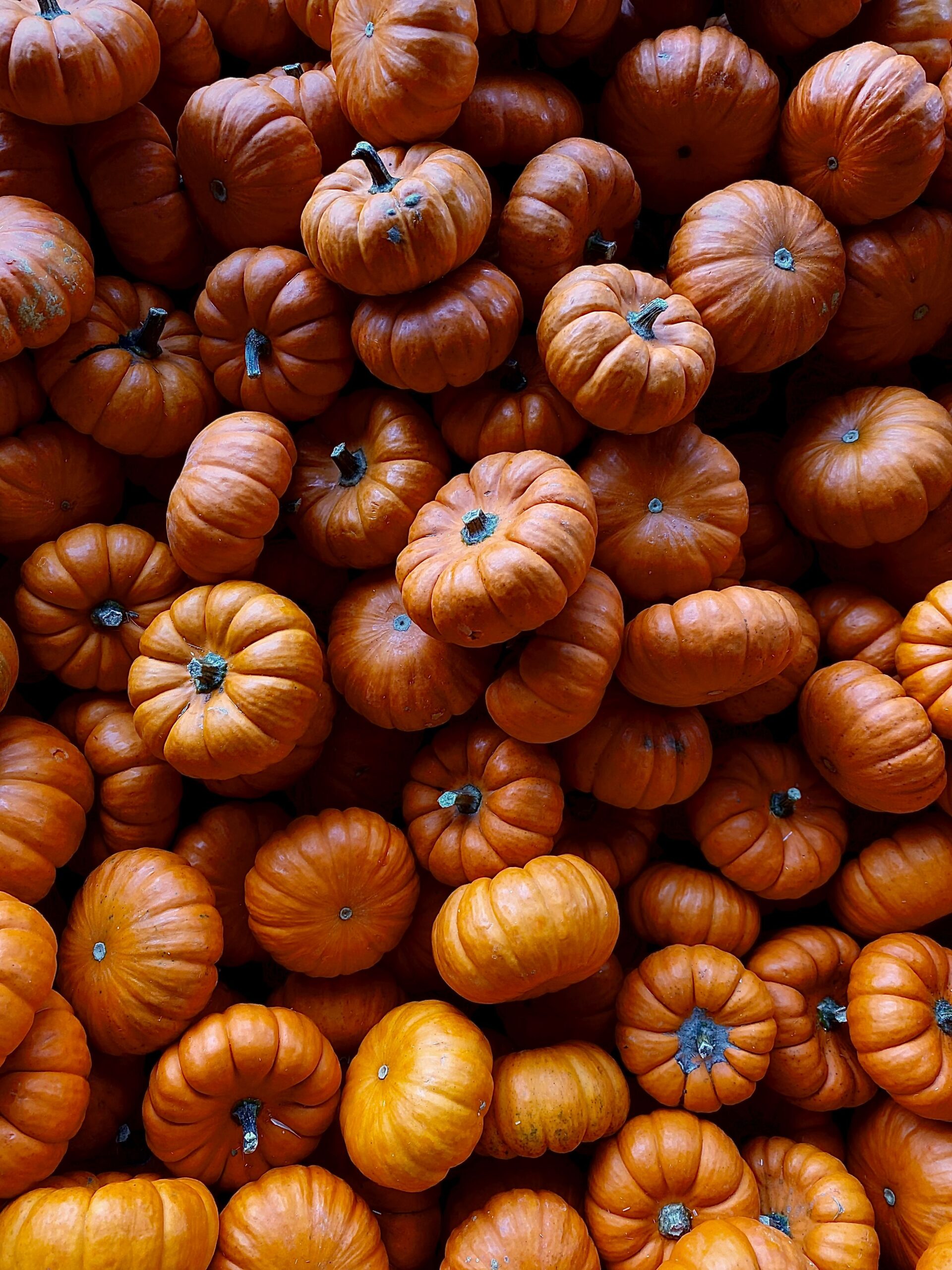
25. die Frucht (the fruit / crop) — both the fruit on the tree and the fruits of one’s labor. Die Frucht des Jahres ist der Apfel. (This year’s fruit is the apple.)
26. der Apfelmost (the apple cider) — fresh-pressed, unfermented apple juice, an autumn farm classic. Der Apfelmost schmeckt süß und frisch. (The apple cider tastes sweet and fresh.)
27. das Erntefest (the harvest festival) — the broader countryside celebration of the harvest season. Das Erntefest lockt viele Besucher an. (The harvest festival attracts many visitors.)
28. die Erntezeit (the harvest season) — the busy weeks of gathering crops. In der Erntezeit hilft die ganze Familie mit. (During the harvest season the whole family helps out.)
The Language of Gratitude: Adjectives and Verbs for Thanksgiving
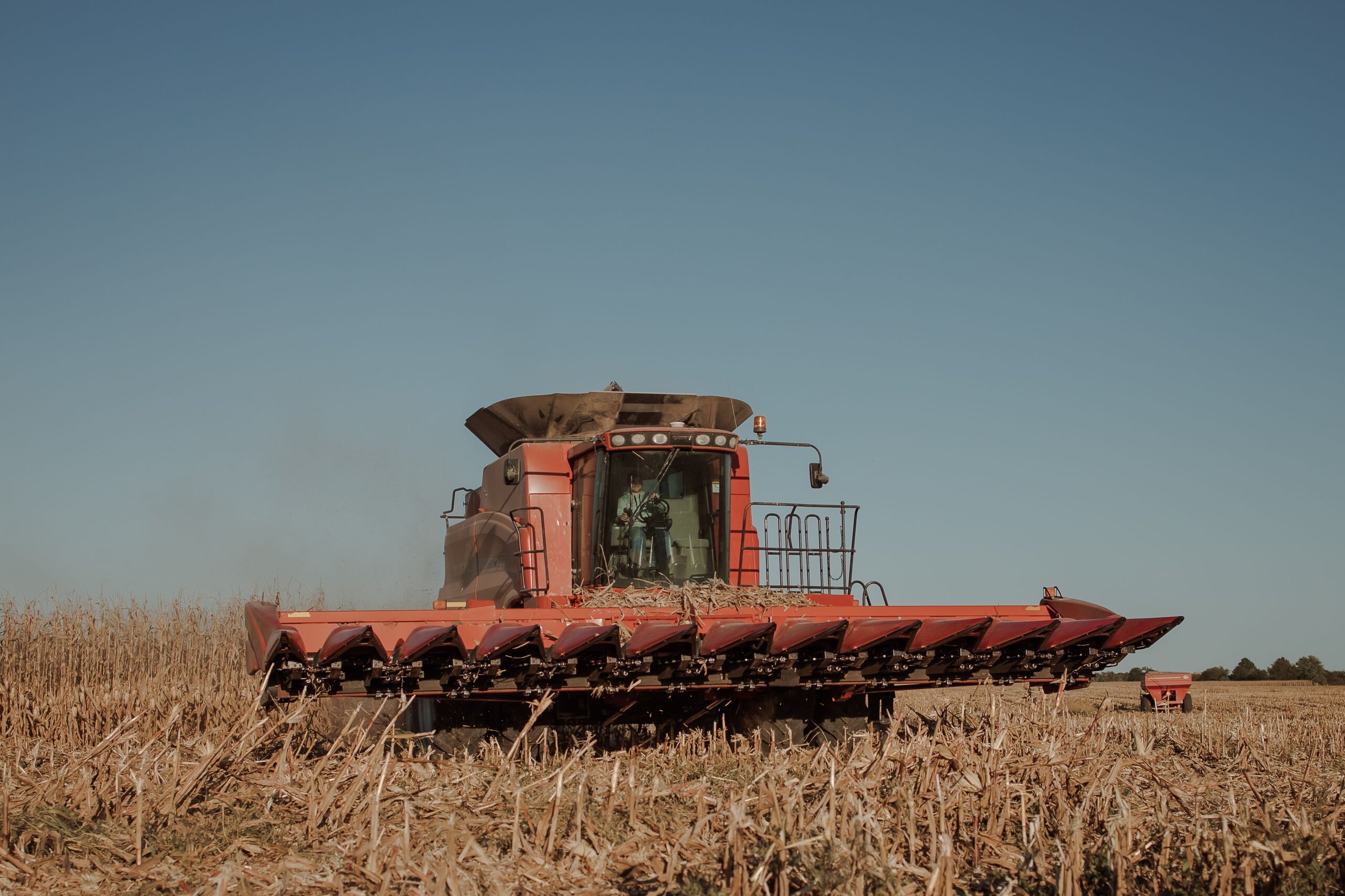
The spirit of Thanksgiving lives in its verbs and adjectives — the words for being thankful, celebrating together, and describing a table that groans with food. Learn these six adjectives and six verbs and you can talk about any celebration, from Erntedankfest to Christmas. For more festive vocabulary, see our German Christmas words and German New Year words, plus our German coffee vocabulary for the after-dinner round.
29. dankbar (grateful / thankful) — the central feeling of the whole festival. Wir sind dankbar für die gute Ernte. (We are grateful for the good harvest.)
30. üppig (lavish / abundant) — describing a richly set table or a generous harvest. Der Tisch ist üppig gedeckt. (The table is lavishly set.)
31. herbstlich (autumnal) — everything that feels like autumn: colors, weather, flavors. Die herbstliche Dekoration sieht wunderschön aus. (The autumnal decoration looks beautiful.)
32. festlich (festive) — the atmosphere of any celebration, including Thanksgiving. Alle tragen festliche Kleidung. (Everyone wears festive clothing.)
33. köstlich (delicious) — the highest praise for the cook. Das Essen war einfach köstlich. (The food was simply delicious.)
34. reichlich (plentiful / ample) — when there is more than enough of everything. Es gibt reichlich Nachtisch für alle. (There is plenty of dessert for everyone.)
35. ernten (to harvest) — the verb behind die Ernte. Die Bauern ernten das Getreide im September. (The farmers harvest the grain in September.)
36. danken (to thank) — the verb behind der Dank. Wir danken unseren Großeltern für das Fest. (We thank our grandparents for the celebration.)
37. feiern (to celebrate) — what you do on the day itself. Wir feiern das Erntedankfest gemeinsam. (We celebrate the harvest thanksgiving festival together.)
38. backen (to bake) — for the pies, breads, and cakes of the season. Meine Mutter backt den besten Kürbiskuchen. (My mother bakes the best pumpkin pie.)
39. teilen (to share) — sharing the meal is the heart of Thanksgiving. Wir teilen das Festmahl mit unseren Nachbarn. (We share the feast with our neighbors.)
40. einladen (to invite) — no feast without guests. Wir laden die ganze Familie ein. (We invite the whole family.)
Pronunciation Tips for German Thanksgiving Words
Thanksgiving vocabulary is a friendly workout for classic German sounds. Say these words out loud as you review the list:
- The th in der Truthahn: Germans pronounce it as a hard “t” — TOOT-hahn, never the English “th” sound.
- The ü in üppig and die Fülle: round your lips as for “oo” but say “ee” — UEP-pish, FUEL-leh.
- The ö in köstlich: round your lips and say “eh” — KUEST-lish.
- The z in der Festzug: always pronounced “ts” in German — FEST-tsook.
- The ei in teilen and einladen: pronounced like the “i” in “like” — TIE-len, INE-lah-den.
- The ch in der Kürbiskuchen: after “u” it is the throaty sound — KUER-bis-koo-khen; practice it gently from the back of the throat.
German Thanksgiving Words for Word Games: Scrabble and Wordle Scores
This list is a quiet powerhouse in German word games. In German Scrabble, the high-value letters are Z (10 points) and Ä, Ö, Ü, V, J (6 points each) — and these German Thanksgiving words are full of them. Der Festzug packs a Z worth ten points, köstlich brings an Ö, and üppig, die Fülle, and der Kürbiskuchen all carry a Ü. Short everyday words like der Mais, das Feld, die Ernte, and die Frucht slot neatly into tight board corners, while long compounds like das Erntedankfest or der Kartoffelbrei can stretch across the board for a bingo bonus.
For German Wordle players, this list offers excellent five-letter guesses: Ernte, Garbe, Fülle, and üppig are all exactly five letters. Try anagrams from der Erntedank or die Danksagung — anagram practice makes the compound-word pattern second nature.
Key Takeaways
These 40 German Thanksgiving words give you everything you need to talk about the harvest season auf Deutsch — from das Erntedankfest and die Erntekrone to feast favorites like der Truthahn and der Kürbiskuchen. Three habits will make this vocabulary stick. First, always learn the article with the noun: der, die, or das is part of the word, and mixing up der Mais or die Fülle is the most common beginner mistake. Second, decode the compounds — once you see that der Erntealtar is Ernte + Altar and der Kartoffelbrei is Kartoffel + Brei, dozens of new words unlock themselves. Third, use the words in real moments: say köstlich at the dinner table, dankbar in a toast, and der Festzug when the parade passes. Keep a small list of your favorites on your phone and add one word a day — by the end of the season you will own the whole Thanksgiving set. Guten Appetit und viel Spaß beim Lernen!
FAQ: German Thanksgiving Words
What is the German word for Thanksgiving?
German has two answers: das Erntedankfest is the traditional harvest thanksgiving festival (first Sunday in October), while die Danksagung is the formal word for an expression of thanks. There is no exact equivalent of the American holiday.
When is Erntedankfest celebrated in Germany?
The Erntedankfest is celebrated on the first Sunday in October in Germany, with decorated churches, harvest crowns (Erntekrone), parades, and festive meals — about six weeks before American Thanksgiving.
What is the difference between der Truthahn and der Puter?
Nothing — both mean turkey. Der Truthahn is the everyday word used in most of Germany, while der Puter is common in southern Germany and Austria. Either one works at the Thanksgiving table.
What is die Erntekrone?
Die Erntekrone is a decorative crown woven from ears of grain, traditionally hung in churches during the Erntedankfest as a symbol of gratitude for the harvest.