

40 German Words Starting with N: Meanings, Articles & Examples
If you are learning german words starting with n, this list gives you a strong, practical start. The letter N opens some of the most useful words in everyday German, from neighbours and family members to food, nature, time, and daily routines. Each word below is real, currently used German, and every noun comes with its correct article, der, die, or das, because the article is part of the word and you should learn it from day one.
This guide groups the words by theme so you can learn them in context rather than as a random list. Read each example sentence aloud, repeat the article with the noun, and try to use two or three new words in a sentence of your own. That small habit turns a vocabulary list into words you actually remember. If you enjoy letter-by-letter lists, you will also like our guides to German words starting with M, German words starting with L, and German words starting with Z.
German Words Starting with N: People and Family
People words are the best place to begin, because you use them in almost every conversation. Neighbours appear often in German daily life, and the words der Nachbar and die Nachbarin show a useful pattern: many German nouns for people have a masculine and a feminine form. Family words such as der Neffe and die Nichte are also worth learning early, since family is a common topic when you meet new people and talk about your life.
- der Nachbar — neighbour. Der Nachbar hilft uns im Garten. (The neighbour helps us in the garden.)
- die Nachbarin — neighbour (female). Die Nachbarin bringt Kuchen vorbei. (The neighbour brings cake over.)
- der Neffe — nephew. Der Neffe besucht uns am Wochenende. (The nephew visits us at the weekend.)
- die Nichte — niece. Die Nichte spielt im Park. (The niece is playing in the park.)
- der Name — name. Mein Name ist Anna. (My name is Anna.)
- der Neuling — newcomer. Der Neuling lernt die Stadt kennen. (The newcomer is getting to know the city.)
- die Näherin — seamstress; tailor (female). Die Näherin näht ein Kleid. (The seamstress is sewing a dress.)
- der Notarzt — emergency doctor. Der Notarzt kommt schnell. (The emergency doctor arrives quickly.)
Learning tip: when you meet a new person word, always say the article and the word together, for example “der Nachbar” rather than just “Nachbar”. Your brain stores them as one unit, and that makes choosing der, die, or das much easier later when you speak.
German Words Starting with N: Home, Food, and Daily Life
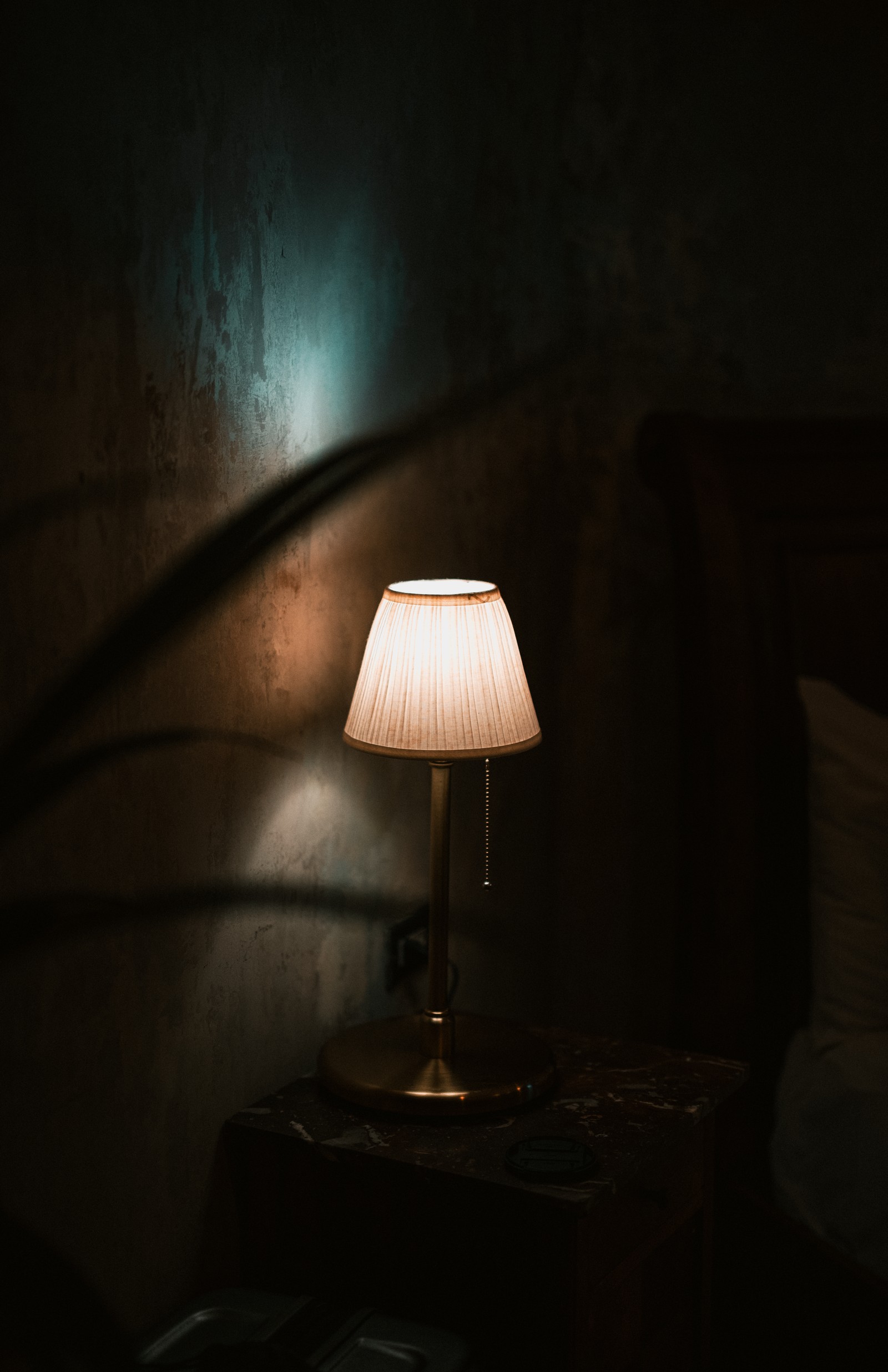
The next group covers the home, the kitchen, and the evening routine, which are perfect topics for daily practice. Food words such as die Nudeln and die Nuss appear on dinner tables across Germany, so they are worth learning early. The word der Nachtisch is a favourite with learners, because dessert is a happy topic in any language, and it also teaches you the useful word Nacht, which means night.
- die Nudeln — noodles; pasta (plural). Wir kochen Nudeln zum Abendessen. (We are cooking noodles for dinner.)
- die Nuss — nut. Die Nuss ist knackig. (The nut is crunchy.)
- der Nachtisch — dessert. Der Nachtisch ist süß. (The dessert is sweet.)
- der Napf — bowl (especially a pet bowl). Der Napf steht in der Küche. (The bowl is in the kitchen.)
- die Nähmaschine — sewing machine. Die Nähmaschine steht im Schrank. (The sewing machine is in the cupboard.)
- das Nachthemd — nightgown; nightshirt. Das Nachthemd ist bequem. (The nightshirt is comfortable.)
- die Nachttischlampe — bedside lamp. Die Nachttischlampe leuchtet sanft. (The bedside lamp glows softly.)
- der Nachttisch — bedside table. Der Nachttisch steht neben dem Bett. (The bedside table is next to the bed.)
If you love food vocabulary, our German coffee vocabulary guide pairs well with this section, because coffee, dessert, and evening meals naturally belong together. Try describing your own bedroom in German using der Nachttisch, die Nachttischlampe, and das Nachthemd: simple sentences like these build confidence fast.
German Words Starting with N: Nature, Time, and Travel
German words starting with n also open up nature and the calendar. Die Nacht, the night, is one of the most common time words in German, while der Nebel, the fog, appears in weather talk and stories alike. Travel words such as der Norden, the north, and die Nordsee, the North Sea, help you talk about holidays and directions, and der November gives you another month name for planning and small talk.

- die Nacht — night. Die Nacht ist still. (The night is quiet.)
- der Nebel — fog. Der Nebel liegt über dem Fluss. (The fog lies over the river.)
- die Natur — nature. Die Natur ist wunderschön. (Nature is beautiful.)
- der Norden — north. Wir fahren in den Norden. (We are travelling to the north.)
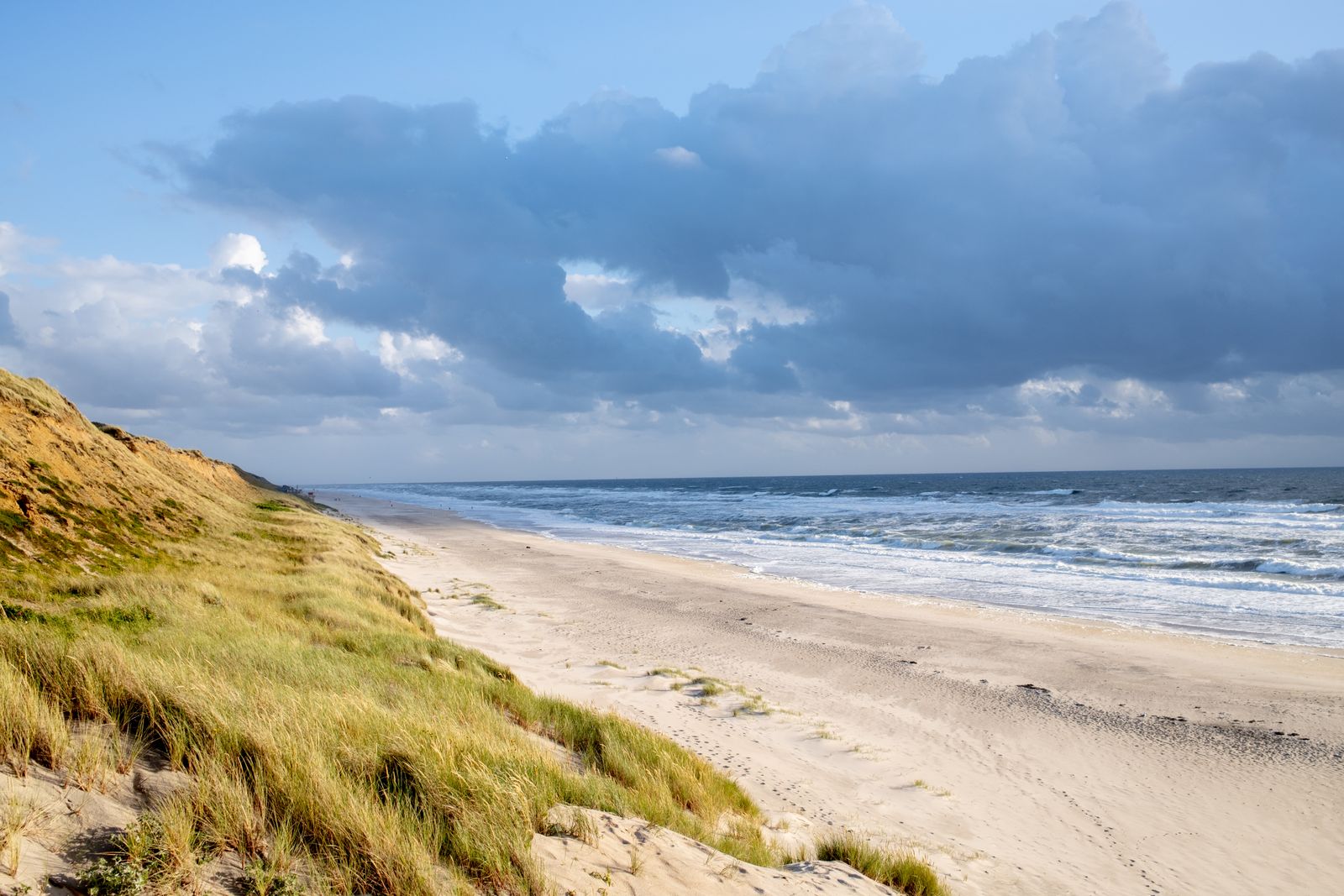
- die Nordsee — North Sea. Die Nordsee ist kalt. (The North Sea is cold.)
- der November — November. Im November wird es kalt. (In November it gets cold.)
- der Nachmittag — afternoon. Am Nachmittag trinken wir Tee. (In the afternoon we drink tea.)
- der Nachthimmel — night sky. Der Nachthimmel ist klar. (The night sky is clear.)
For travel vocabulary, explore our German train vocabulary next. Words such as der Norden and der Nachmittag combine neatly with travel plans, so you can say things like “Am Nachmittag fahren wir in den Norden” (In the afternoon we are travelling to the north) with words you already know.
German Words Starting with N: Verbs You Will Use Every Day
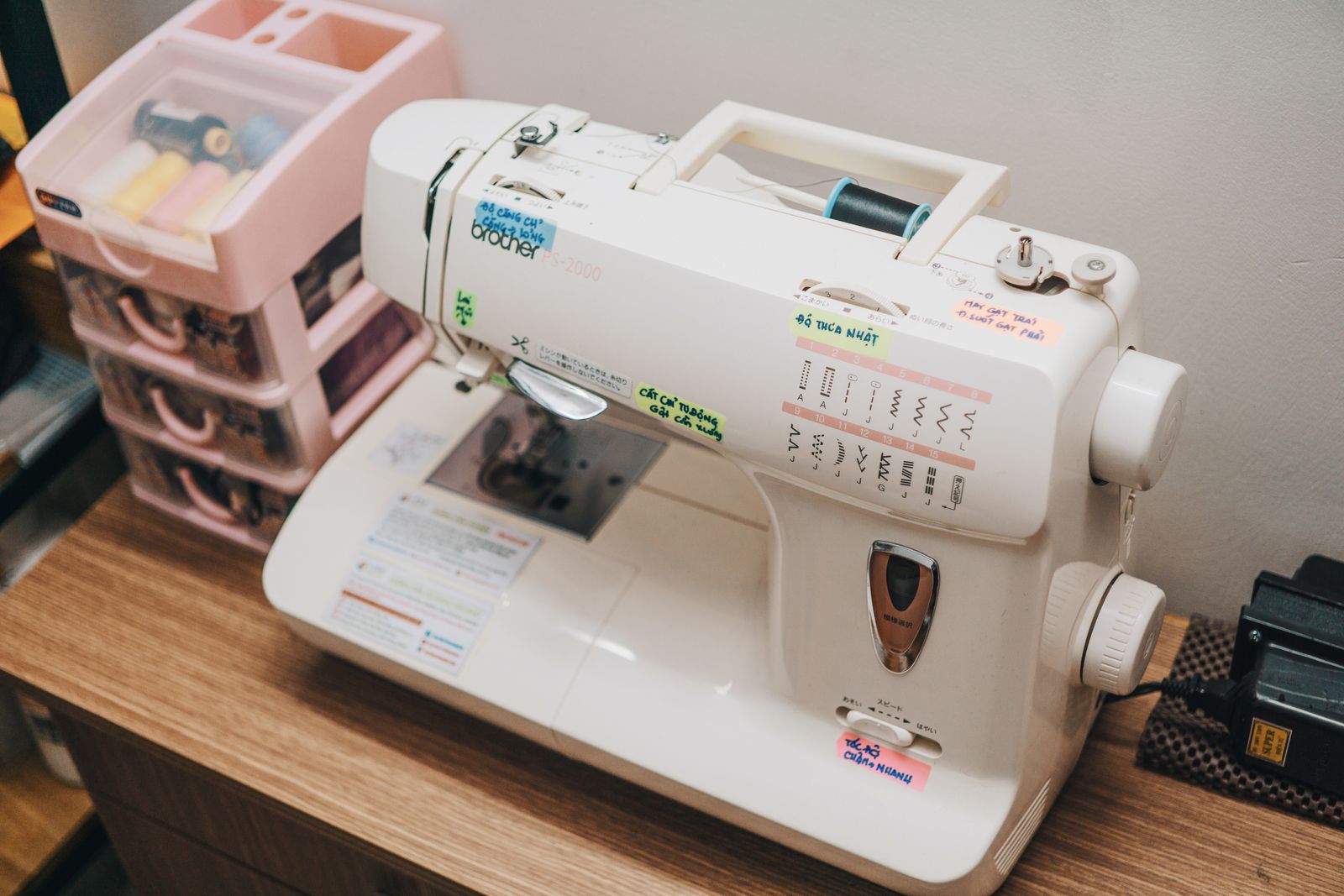
Verbs bring a word list to life, and the N verbs below are among the most useful in German. Nehmen, to take, appears in countless everyday sentences, from taking the bus to taking a break. Nachdenken and nachschauen are separable verbs, which means their prefix moves to the end of the sentence, so watch their example sentences closely and practise that word order until it feels natural.
- nehmen — to take. Ich nehme den Bus. (I take the bus.)
- nennen — to name; to call. Man nennt ihn Max. (People call him Max.)
- nachdenken — to think about; to reflect. Ich muss darüber nachdenken. (I have to think about it.)
- nachschauen — to look up; to check. Ich schaue das Wort im Wörterbuch nach. (I look the word up in the dictionary.)
- nähen — to sew. Sie näht ein Kleid. (She is sewing a dress.)
- nicken — to nod. Er nickt zustimmend. (He nods in agreement.)
- niesen — to sneeze. Er niest wegen des Staubs. (He sneezes because of the dust.)
- nutzen — to use. Wir nutzen das Fahrrad jeden Tag. (We use the bicycle every day.)
A good practice routine is to take one verb a day and use it in three sentences: one about yourself, one as a question, and one in the past or future. For example, with nehmen you can say “Ich nehme den Bus”, ask “Nimmst du den Bus?”, and then plan “Morgen nehme ich den Bus.” Small, repeated practice beats long, rare study sessions every time.
German Words Starting with N: Adjectives That Describe Life
Adjectives add colour to your sentences, and these eight are both common and easy to use. Neu is one of the first words learners describe things with, while nett and neugierig appear in friendly conversation, stories, and everyday encouragement. Note the umlaut in nützlich and the accent-like sound of nervös: the two dots and the spelling change how the vowel sounds, so practise them slowly until they feel natural.
- neu — new. Das Auto ist neu. (The car is new.)
- nett — nice; friendly. Sie ist sehr nett. (She is very nice.)
- neugierig — curious. Das Kind ist neugierig. (The child is curious.)
- nervös — nervous. Vor der Prüfung bin ich nervös. (Before the exam I am nervous.)
- nützlich — useful. Das Wörterbuch ist nützlich. (The dictionary is useful.)
- natürlich — natural; of course. Das ist natürlich richtig. (That is, of course, correct.)
- nah — near; close. Das Haus ist nah am Park. (The house is near the park.)
- notwendig — necessary. Eine Pause ist notwendig. (A break is necessary.)
Try pairing each adjective with a noun from earlier sections: ein neues Auto, eine nette Nachbarin, ein neugieriges Kind. These little combinations are real German phrases, and they help you remember both words at once. If you enjoy music words too, our German music vocabulary guide shows how adjectives like neu describe songs and concerts.
Scrabble and Wordle Corner: Playing with N

Word games are a fun way to lock in new vocabulary, and N is a friendly letter to play with. In German Scrabble, the N tile is worth 1 point, which makes it a common, easy-to-play tile rather than a rare high scorer. It combines well with vowels and common consonants, so words such as Nacht, Name, Nuss, and Norden are easy to build on the board, and longer words such as Nachbarin or Nachmittag can earn strong scores when they cross bonus squares.
For German Wordle-style games, N is a useful letter because so many five-letter words begin with it or contain it. Try words such as Nacht (night), Nase (nose), Nebel (fog), and Natur (nature) as guesses or answers, and remember that German Wordle games often accept nouns without their articles. If a puzzle gives you N as a confirmed letter, think first of the themes in this article: people, food, nature, and time. That narrows the possibilities quickly.
One more game tip: in Scrabble, do not forget the plural and compound possibilities. From Nuss you can build Nüsse (nuts), from Nachbar you can build Nachbarn (neighbours), and from Nacht you can build Nächte (nights). Plurals with umlauts are common in German, so keep an eye out for them when your rack looks unpromising.

Pronunciation Tips for German N Words
Pronouncing N words is good news for English speakers, because the German N sounds almost exactly like the English N. Say it with the tip of your tongue behind your upper teeth, as in “night” or “north”, and you will be understood. The real challenge in this list is not N itself but the vowels and umlauts that follow it: ä in Näherin and Nähmaschine, ö in words you will meet elsewhere, and ü in nützlich.
For ä, aim for a sound between “a” in “cat” and “e” in “bed”. For ü, round your lips as if saying “u” but try to say “ee” instead. Practise the pairs Näherin and Nähmaschine, nützlich and neugierig, slowly at first, then at normal speed. Record yourself if you can, and compare with a native speaker online; hearing your own pronunciation is the fastest way to improve it.
Also listen for vowel length: a double consonant after a vowel usually shortens that vowel. Compare nett, with a short “e”, to Nebel, where the single consonant keeps the vowel longer. Hearing this difference will make your German sound much more natural, even before your grammar is perfect.
Key Takeaways

- German words starting with n cover everyday life: neighbours and family, food and the home, nature and time, verbs, and feelings.
- Always learn nouns with their article: der Nachbar, die Nichte, das Nachthemd, die Nacht, der Norden, die Natur.
- Start with high-frequency verbs such as nehmen, nennen, nachdenken, and nutzen, and use each one in a real sentence.
- In German Scrabble, N is worth 1 point, and in Wordle-style games, five-letter N words such as Nacht and Nebel are strong guesses.
- Pronunciation is friendly: N sounds like English N, so focus your practice on ä and ü in words such as Näherin, Nähmaschine, and nützlich.
- Revisit this list in a week and test yourself: cover the English meanings, read the German words aloud, and write ten sentences from memory. That review turns a list into lasting vocabulary.