

40 German Words Starting with M: Meanings, Articles & Examples
If you are learning german words starting with m, this list gives you a strong, practical start. The letter M opens some of the most useful words in everyday German, from family members and food to travel, nature, and daily routines. Each word below is real, currently used German, and every noun comes with its correct article, der, die, or das, because the article is part of the word and you should learn it from day one.
This guide groups the words by theme so you can learn them in context rather than as a random list. Read each example sentence aloud, repeat the article with the noun, and try to use two or three new words in a sentence of your own. That small habit turns a vocabulary list into words you actually remember. If you enjoy letter-by-letter lists, you will also like our guides to German words starting with L, German words starting with G, and German words starting with H.
German Words Starting with M: People and Family
People words are the best place to begin, because you use them in almost every conversation. Pay attention to the articles here: der Mann is masculine, die Mutter is feminine, and das Mädchen is neuter, even though it means girl. That last one surprises many learners, but the diminutive ending -chen always makes a noun neuter in German.
- der Mann — man; husband. Der Mann trinkt einen Kaffee. (The man is drinking a coffee.)
- die Mutter — mother. Die Mutter kocht heute Abend. (The mother is cooking this evening.)
- das Mädchen — girl. Das Mädchen liest ein Buch. (The girl is reading a book.)
- der Mensch — human being; person. Jeder Mensch braucht Schlaf. (Every person needs sleep.)
- der Mitarbeiter — employee; colleague. Der Mitarbeiter hilft dem Kunden. (The employee is helping the customer.)
- die Mannschaft — team. Die Mannschaft gewinnt das Spiel. (The team wins the game.)
- der Meister — master; champion. Der Meister zeigt sein Werk. (The master shows his work.)
Learning tip: when you meet a new person word, always say the article and the word together, for example “die Mutter” rather than just “Mutter”. Your brain stores them as one unit, and that makes choosing der, die, or das much easier later when you speak.
German Words Starting with M: Home, Food, and Daily Life

The next group covers the home, the kitchen, and the market, which are perfect topics for daily practice. The word der Markt is useful on holiday and at home alike, since German towns are famous for their weekly markets and seasonal Christmas markets. Food words such as die Milch and die Marmelade appear on breakfast tables across Germany, so they are worth learning early.
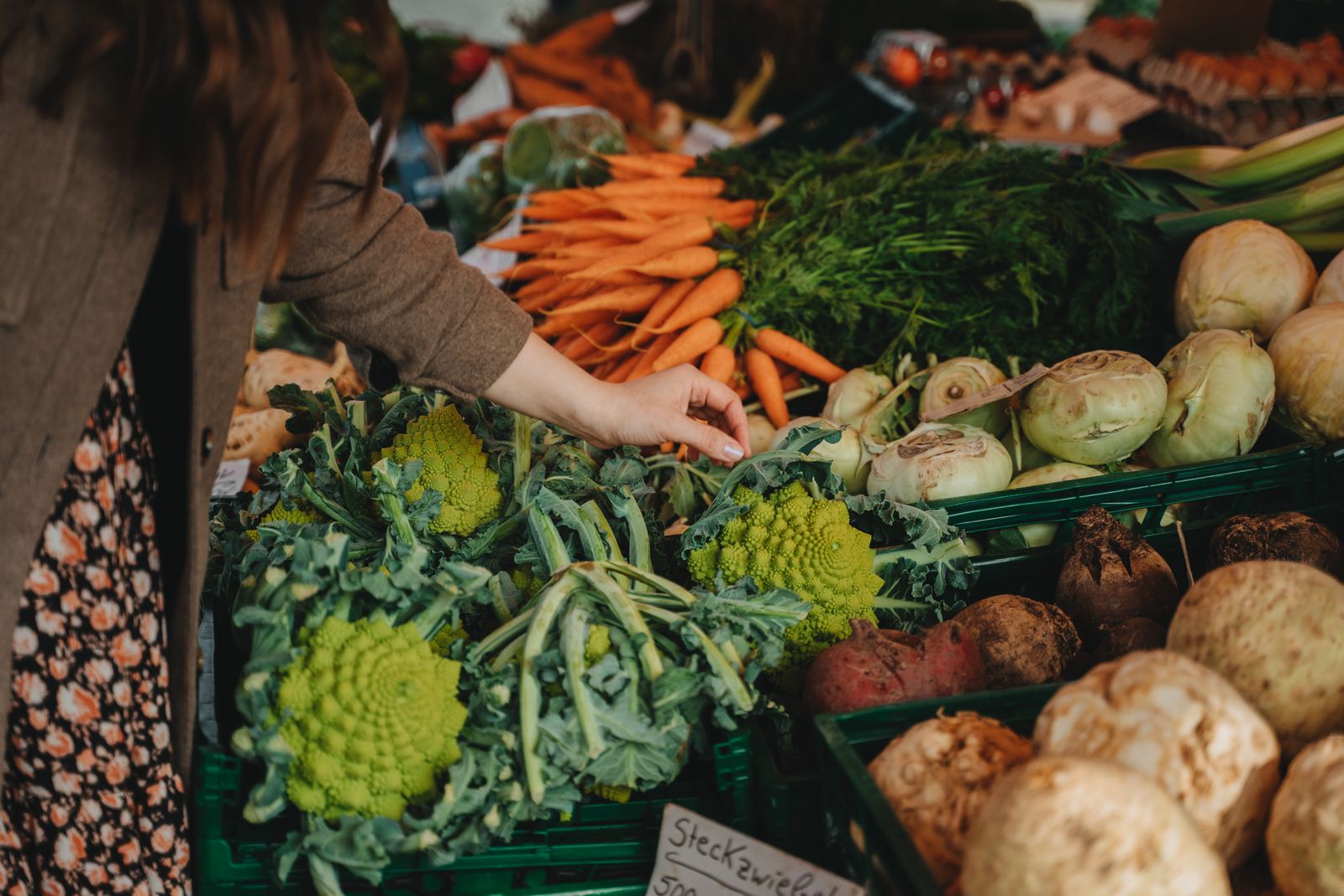
- der Markt — market. Wir kaufen Gemüse auf dem Markt. (We buy vegetables at the market.)
- die Milch — milk. Ich trinke Milch zum Frühstück. (I drink milk for breakfast.)
- das Mittagessen — lunch. Das Mittagessen ist um zwölf Uhr. (Lunch is at twelve o’clock.)
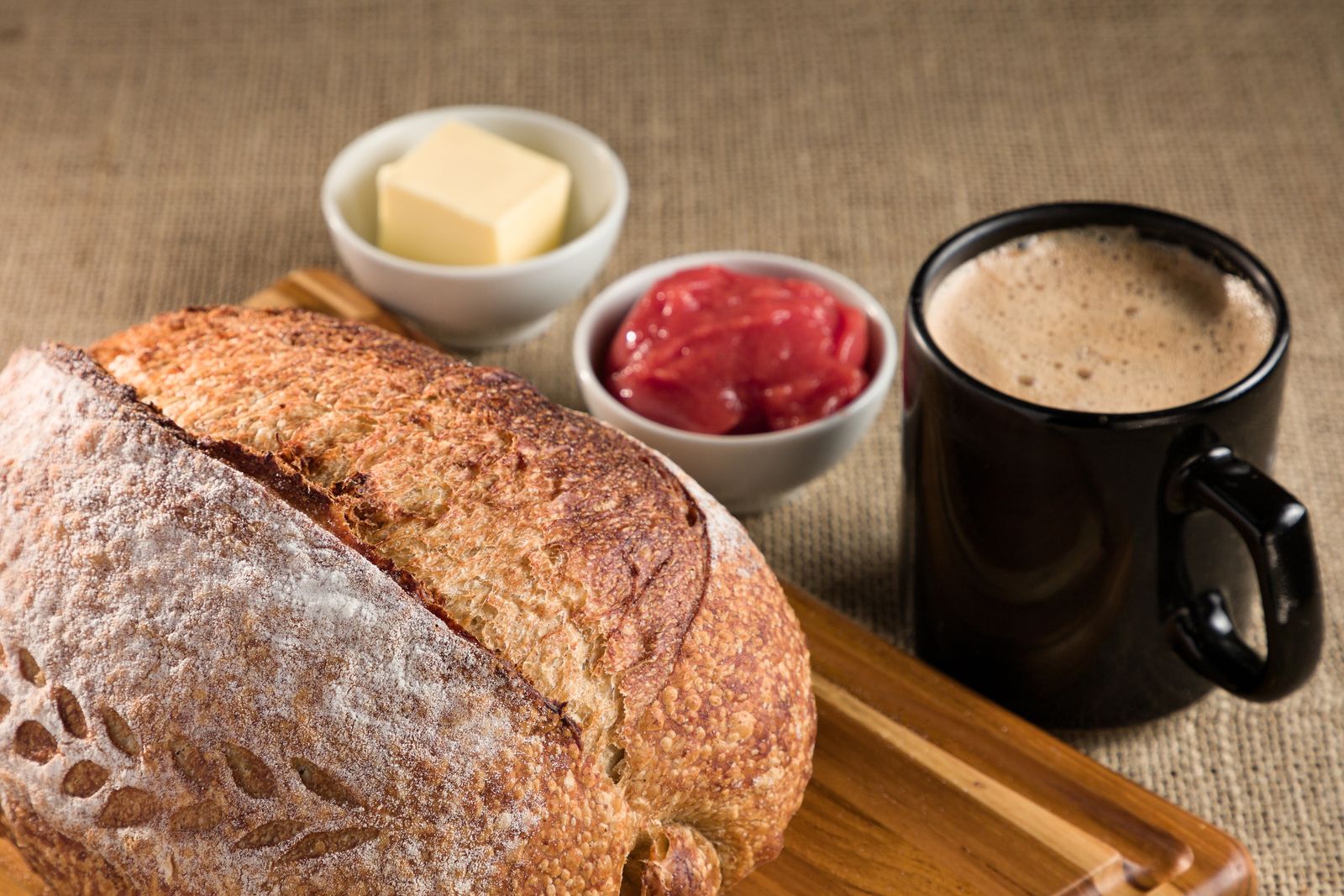
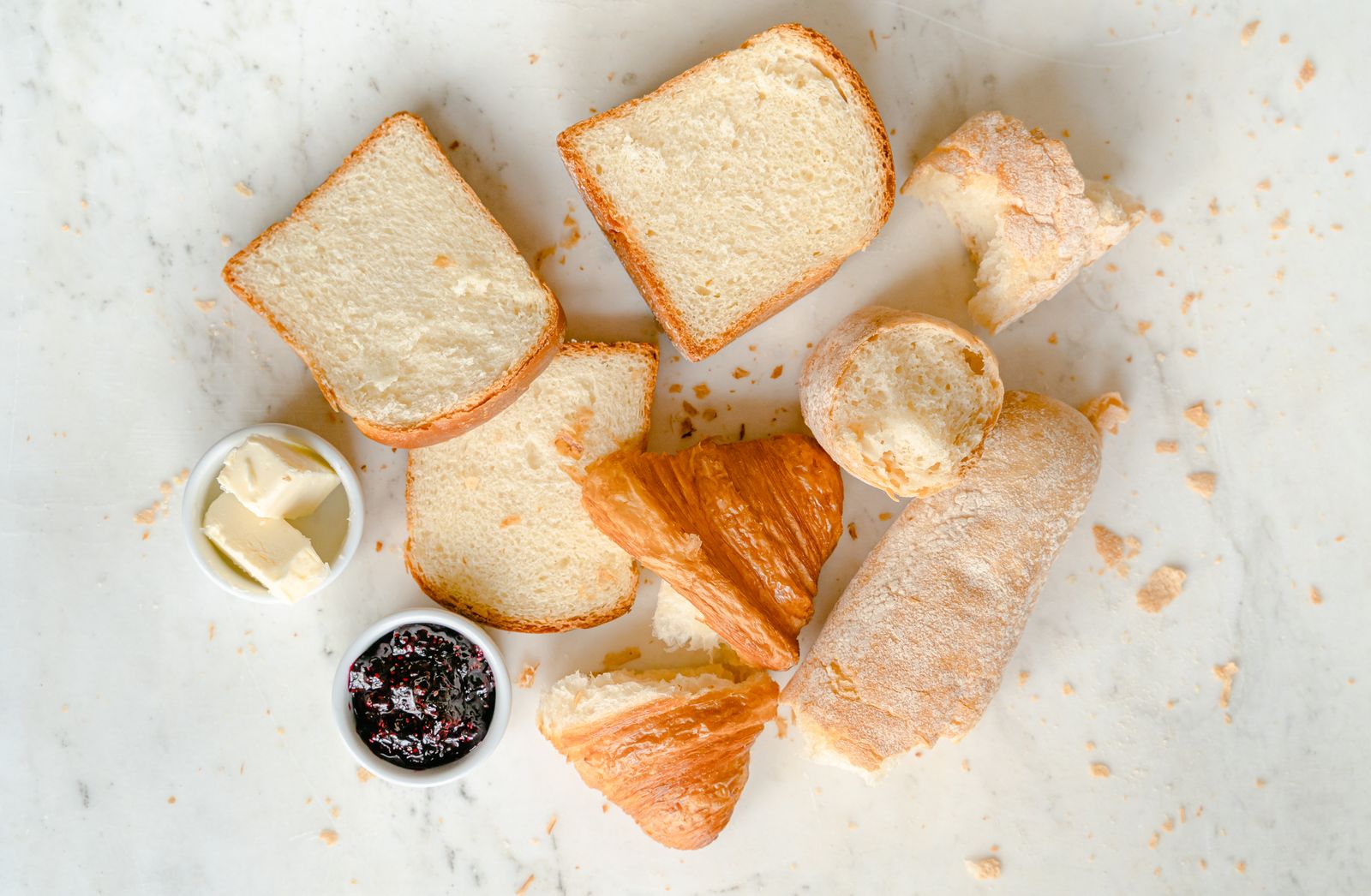
- die Marmelade — jam; marmalade. Ich esse Brot mit Marmelade. (I eat bread with jam.)
- das Mehl — flour. Wir brauchen Mehl für den Kuchen. (We need flour for the cake.)
- die Möbel — furniture (plural). Die Möbel sind neu. (The furniture is new.)
- die Mütze — cap; hat. Im Winter trage ich eine Mütze. (In winter I wear a cap.)
- der Mantel — coat. Der Mantel hängt an der Tür. (The coat is hanging on the door.)
If you love food vocabulary, our German coffee vocabulary guide pairs well with this section, because coffee, milk, and breakfast words naturally belong together. Try describing your own kitchen in German using die Möbel, der Mantel, and die Mütze: simple sentences like these build confidence fast.
German Words Starting with M: Nature, Time, and Travel
German words starting with m also open up nature and the calendar. Das Meer, the sea, is a favourite holiday word, while der Mond, the moon, appears in songs, stories, and weather talk. Time words such as der Morgen, der Monat, der Mai, and der März help you talk about plans, birthdays, and seasons without reaching for a dictionary.
- das Meer — sea. Wir fahren ans Meer. (We are travelling to the sea.)
- der Mond — moon. Der Mond scheint hell. (The moon is shining brightly.)
- die Maus — mouse. Die Maus ist klein und schnell. (The mouse is small and fast.)
- der Morgen — morning. Guten Morgen! Wie geht es dir? (Good morning! How are you?)
- der Monat — month. Ein Jahr hat zwölf Monate. (A year has twelve months.)
- der Mai — May. Im Mai blühen die Blumen. (In May, the flowers bloom.)
- der März — March. Der März bringt oft Regen. (March often brings rain.)
For seasonal vocabulary, explore our German autumn words and German winter words next. Words such as der Morgen and der Monat combine neatly with those lists, so you can say things like “Im Winter ist der Morgen kalt” (In winter, the morning is cold) with words you already know.
German Words Starting with M: Verbs You Will Use Every Day
Verbs bring a word list to life, and the M verbs below are among the most common in German. Machen, to make or do, is wonderfully flexible: you can machen a photo, machen homework, or machen a trip. Mögen and müssen are modal verbs, which means they change how another verb works, so learn their basic forms early and practise them in short sentences.
- machen — to make; to do. Ich mache heute Hausaufgaben. (I am doing homework today.)
- mögen — to like. Ich mag Schokolade sehr. (I like chocolate very much.)
- müssen — to have to; must. Ich muss jetzt gehen. (I have to go now.)
- meinen — to mean; to think. Was meinst du dazu? (What do you think about that?)
- malen — to paint; to draw. Das Kind malt ein Haus. (The child is painting a house.)
- mieten — to rent. Wir mieten eine Wohnung. (We are renting a flat.)
- messen — to measure. Er misst das Zimmer. (He is measuring the room.)
- melden — to report; to register. Bitte melden Sie sich an. (Please register.)
- mitbringen — to bring along. Bringst du bitte Brot mit? (Will you bring bread along, please?)
- mitkommen — to come along. Kommst du mit ins Kino? (Are you coming along to the cinema?)
A good practice routine is to take one verb a day and use it in three sentences: one about yourself, one as a question, and one in the past or future. For example, with mitkommen you can ask a friend “Kommst du mit?”, answer for yourself, and then plan “Morgen komme ich mit.” Small, repeated practice beats long, rare study sessions every time.
German Words Starting with M: Adjectives That Describe Life
Adjectives add colour to your sentences, and these eight are both common and easy to use. Müde is one of the first feelings learners describe in German, while mutig and möglich appear in stories, news, and everyday encouragement. Note the umlaut in müde and möglich: the two dots change the vowel sound, so practise them slowly until they feel natural.
- modern — modern. Das Haus ist sehr modern. (The house is very modern.)
- mutig — brave. Sie ist ein mutiges Mädchen. (She is a brave girl.)
- müde — tired. Nach der Arbeit bin ich müde. (After work I am tired.)
- möglich — possible. Ist das möglich? (Is that possible?)
- mittel — medium; middle. Ich nehme die mittlere Größe. (I will take the medium size.)
- munter — lively; alert. Am Morgen bin ich munter. (In the morning I am lively.)
- magisch — magical. Der Abend war magisch. (The evening was magical.)
- menschlich — human; humane. Das ist eine menschliche Entscheidung. (That is a humane decision.)
Try pairing each adjective with a noun from earlier sections: ein moderner Markt, ein mutiger Mann, ein magischer Mond. These little combinations are real German phrases, and they help you remember both words at once. If you enjoy music words too, our German music vocabulary guide shows how adjectives like magisch describe songs and concerts.
Scrabble and Wordle Corner: Playing with M

Word games are a fun way to lock in new vocabulary, and M is a friendly letter to play with. In German Scrabble, the M tile is worth 3 points, which makes it a solid mid-value tile rather than a rare high scorer. It combines well with common letters, so words such as Mann, Meer, Mond, and Markt are easy to build on the board, and longer words such as Mitarbeiter or Mittagessen can earn strong scores when they cross bonus squares.
For German Wordle-style games, M is a useful starting letter because so many five-letter words begin with it. Try words such as Magen (stomach), Meter (metre), Motte (moth), and Musik (music) as guesses or answers, and remember that German Wordle games often accept nouns without their articles. If a puzzle gives you M as a confirmed letter, think first of the themes in this article: people, food, nature, and time. That narrows the possibilities quickly.
One more game tip: in Scrabble, do not forget the plural and compound possibilities. From Markt you can build Märkte (markets), from Maus you can build Mäuse (mice), and from Mann you can build Männer (men). Plurals with umlauts are common in German, so keep an eye out for them when your rack looks unpromising.

Pronunciation Tips for German M Words
Pronouncing M words is good news for English speakers, because the German M sounds almost exactly like the English M. Say it with both lips together, as in “mother” or “moon”, and you will be understood. The real challenge in this list is not M itself but the vowels and umlauts that follow it: ä in Mädchen, ö in Möbel, and ü in müde and Mütze.
For ä, aim for a sound between “a” in “cat” and “e” in “bed”. For ö, round your lips as if saying “o” but try to say “e” instead. For ü, round your lips as if saying “u” but try to say “ee” instead. Practise the pairs Möbel and Mütze, Mädchen and müde, slowly at first, then at normal speed. Record yourself if you can, and compare with a native speaker online; hearing your own pronunciation is the fastest way to improve it.
Also listen for vowel length: a double consonant after a vowel usually shortens that vowel. Compare Mann, with a short “a”, to Monat, where the single consonant keeps the vowel longer. Hearing this difference will make your German sound much more natural, even before your grammar is perfect.
Key Takeaways
- German words starting with m cover everyday life: family, food, nature, time, verbs, and feelings.
- Always learn nouns with their article: der Mann, die Mutter, das Mädchen, der Markt, die Musik, das Meer.
- Start with high-frequency verbs such as machen, mögen, müssen, and meinen, and use each one in a real sentence.
- In German Scrabble, M is worth 3 points, and in Wordle-style games, five-letter M words such as Musik and Meter are strong guesses.
- Pronunciation is friendly: M sounds like English M, so focus your practice on ä, ö, and ü in words such as Mädchen, Möbel, and müde.
- Revisit this list in a week and test yourself: cover the English meanings, read the German words aloud, and write ten sentences from memory. That review turns a list into lasting vocabulary.